












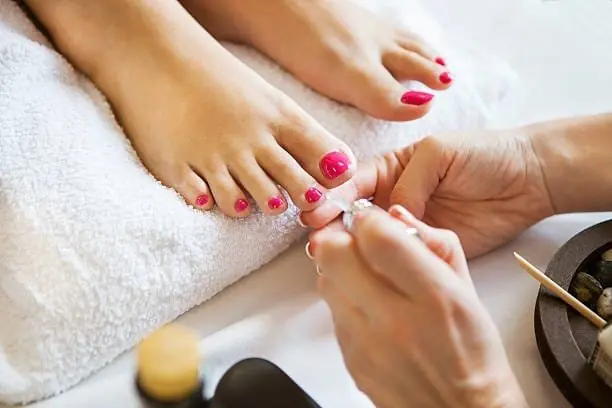
A gel pedicure locks in a high-gloss, chip-resistant finish that can look salon-fresh for three weeks, long after traditional lacquer would smudge or
A gel pedicure locks in a high-gloss, chip-resistant finish that can look salon-fresh for three weeks, long after traditional lacquer would smudge or chip. It stands up to real life, from sandy beach walks to gym showers to closed-toe winter boots. Yet myths persist about safety and removal. This guide answers the big questions, covering the science behind gel chemistry, whether it harms natural nails, correct removal, and the aftercare that protects your nail plate.
Yet despite their popularity, gel pedicures are surrounded by questions and myths. Are they safe for your natural nails? Do they really last longer than traditional polish? What is the correct way to remove them without wrecking your nail plate? And how do you pick the right salon, the right products, and the right aftercare routine to get the most out of every appointment? This guide answers all of that and more, walking you through the science behind gel chemistry, the step-by-step professional process, the cost considerations, the safety precautions, and the at-home maintenance habits that extend your manicure by weeks. Whether you are preparing for your very first gel pedi or looking to elevate a long-standing ritual, the insights ahead will help you achieve healthier, glossier, and truly long-lasting results.
What Exactly Is a Gel Pedicure and How Does It Work
Published · Updated
That molecular bond is what gives gel pedicures their signature wear time. Traditional polish dries through solvent evaporation, leaving behind a relatively brittle film that flexes poorly and chips the moment your toes knock against a shoe. Gel, by contrast, cures into a flexible yet resilient shell that moves with the nail, resists impact, and shrugs off water, detergent, and daily friction. Most women can realistically expect two to four weeks of wear from a quality gel pedicure, with many reporting that the polish outlasts the growth of the nail itself.
It is worth distinguishing gel polish from two adjacent products that often get confused with it. Dip powder uses a cyanoacrylate resin and finely milled acrylic powders, hardening through a chemical activator rather than light. Hard gel, sometimes called builder gel, is a thicker, sculpting product used for extensions and structure. Standard soft gel polish, which is what most salons use for pedicures, sits somewhere between these two: strong enough to endure weeks of wear, thin enough to soak off with acetone when you are ready to change colors.
The Science Behind the Shine
The glossy, glass-like finish of a gel pedicure comes down to how the top coat cures. Many gel top coats leave behind an inhibition layer, a tacky surface film caused by oxygen interfering with the outermost molecules of polymer. Once wiped away with alcohol or a cleanser, the underlying polymer reveals an ultra-smooth, reflective surface that mimics the depth of automotive clear coat. No-wipe top coats skip this step entirely, producing an even higher-shine finish that does not require a cleansing wipe. Understanding these small chemistry details helps you appreciate why a good gel pedicure looks so luminous, and why corner-cutting in product choice or curing time almost always produces dull, peeling results.
The Real Benefits of Choosing Gel Over Traditional Polish
The most obvious advantage of a gel pedicure is longevity, but the benefits run much deeper than wear time alone. For women who travel frequently, work on their feet, or simply dislike the inconvenience of weekly polish touch-ups, a gel pedicure is essentially a two to four-week commitment to not thinking about your toes. That convenience, multiplied across an entire season, translates into genuine time savings and a consistently polished appearance.
Durability is the second major win. Because gel bonds to the nail plate and cures into a rigid yet slightly flexible film, it resists the chipping that happens when traditional polish flexes against shoes, pool decks, and yoga mats. Toenails grow roughly one millimeter per month, about half the speed of fingernails, which is another reason pedicures naturally last longer than manicures. Pair that slow growth with gel’s chip resistance and you get a finish that often looks presentable for the full month between appointments.
Aesthetic depth is another underrated benefit. Gel polishes cure with richer pigment saturation, more vivid color payoff, and a level of gloss that traditional polish simply cannot match. Whether you gravitate toward classic ballet pinks, high-drama reds, moody burgundies, or playful neons, gel colors tend to look more vibrant and three-dimensional, especially in natural light. Many brands also offer specialty finishes like chrome, holographic, cat-eye magnetic, and shimmer that only activate properly under the lamp.
Finally, there is the comfort factor. A good salon pedicure includes an exfoliating foot soak, callus softening, cuticle care, massage, and moisturizing treatments. Combining that spa experience with the security of a finish that will not smudge on the drive home makes gel pedicures feel like a genuine act of self-care rather than a chore to redo every few days.
Step-by-Step: What Happens During a Professional Gel Pedicure
Understanding the professional process demystifies the service and helps you recognize quality when you are sitting in the pedicure chair. A complete gel pedicure typically runs between sixty and ninety minutes and follows a well-established sequence designed to produce both a relaxing experience and a long-lasting result.
The appointment usually begins with a warm foot soak infused with essential oils, mineral salts, or cleansing agents. This softens the skin, cleanses the feet, and relaxes the client before any tool work begins. Your technician will then trim and shape the nails using clippers and a nail file, shaping them into a square, rounded, or squoval silhouette based on your preference and the natural curve of your nail bed. Proper shaping matters more than most people realize, because corners that are filed too aggressively can increase the risk of ingrown toenails.
Next comes cuticle care. A quality technician will apply cuticle remover, gently push back the living cuticle with an orange wood stick or stainless steel pusher, and carefully trim only the loose, translucent dead skin known as the eponychium overlap. Cuticles should never be aggressively cut, as they form a protective seal against bacteria and fungi. The foot file or pumice stone stage follows, exfoliating the heels, balls of the feet, and sides to remove callused skin. A gentle sugar or salt scrub then sloughs off any remaining dead cells, leaving the skin velvety smooth.
The Prep That Makes or Breaks Your Pedicure
Before a single drop of gel touches the nail, your technician should dehydrate and prime the nail plate. This step is non-negotiable for adhesion. Using a fine-grit buffer, the technician lightly removes the shine from the natural nail, creating microscopic texture for the gel to grip. A dehydrator or nail cleanser then strips oils and moisture, and some salons apply a bonding primer for extra staying power. Rushing or skipping this prep is the single most common reason gel pedicures lift prematurely.
Application, Curing, and Finishing
Once the nails are prepped, a thin layer of base coat is applied and cured under the lamp, usually for thirty to sixty seconds. Two thin layers of color follow, each individually cured, because thick layers prevent proper curing and cause wrinkling or shrinkage. A top coat seals in the color and adds the signature high-gloss finish, which is cured for a final round. If the top coat leaves an inhibition layer, the technician will wipe it away with isopropyl alcohol. The service wraps up with a warm lotion or oil massage of the feet and calves, cuticle oil applied around each nail, and often a final hydration treatment that sinks into the skin while the gel remains rock-solid on top.
How to Prepare for Your Appointment
A little prep work at home makes your salon visit faster, more hygienic, and more successful. Start by booking at a reputable salon with visible sanitization practices, ideally one that uses single-use liners in pedicure tubs and autoclave-sterilized metal implements. Hygiene is not an area to compromise, because bacterial and fungal infections from poorly cleaned equipment are one of the most common pedicure complications.
On the day of your appointment, avoid shaving your legs for at least twenty-four hours beforehand. Freshly shaved skin has microscopic nicks that can allow bacteria in pedicure water to enter the body, leading to irritation or, rarely, infection. Arrive with clean feet, no existing polish if possible, and wear open-toe sandals or bring flip-flops so you can leave without smudging your finish. It also helps to come fed and hydrated, since a gel pedicure requires you to sit still comfortably for over an hour.
If you plan to wear a specific color, bring a visual reference. Gel colors can look subtly different under salon lighting compared to bottle swatches. Communicating your desired nail shape, length, and finish clearly at the start of the appointment prevents misunderstandings later. Finally, speak up about any sensitivities, past reactions, or medical conditions like diabetes, peripheral neuropathy, or a history of nail fungus. A skilled technician will adapt the service accordingly and may recommend a medical pedicure rather than a standard one if warranted.
Choosing the Right Salon, Technician, and Products
Not all gel pedicures are created equal, and the difference between a lackluster result and a stunning one often comes down to the salon you choose. Look for a licensed establishment that displays current state board certifications and individual technician licenses clearly. Walk in and observe before booking: do the technicians wash their hands between clients? Are tools pulled from sealed sterilization pouches rather than a shared jar of blue liquid? Are foot tubs lined with disposable plastic or thoroughly scrubbed and disinfected between uses?
The products a salon uses matter nearly as much as the technique. Reputable gel polish brands such as OPI GelColor, CND Shellac, Gelish, DND, and Kiara Sky invest heavily in pigment quality, adhesion chemistry, and safety testing. Cheap, no-name gels may cure unevenly, contain higher levels of potentially sensitizing ingredients, or lift within days. If you do not recognize the brand your technician is reaching for, it is entirely appropriate to ask what they are using and why.
The lamp itself also matters. LED lamps cure most modern gels in thirty to sixty seconds and last for years without bulb replacement. Older UV lamps take longer, around two minutes per coat, and their bulbs weaken over time, leading to under-cured gel that peels off in sheets. A salon using aging lamps can unknowingly sabotage every pedicure they produce, so newer LED technology is a quiet indicator of quality.
Red Flags to Watch For
A few warning signs should prompt you to leave before the service begins. Dirty floors, unsanitized tools, technicians who do not wear gloves or change them between clients, and the sharp, overwhelming smell of methyl methacrylate, an inexpensive monomer banned in many states, all indicate cutting corners. Aggressive cuticle cutting that draws blood, electric files pressed forcefully against the natural nail plate, and technicians who dismiss your discomfort are also signs you should find a new salon.
The Cost of a Gel Pedicure and What Influences Price
Gel pedicure pricing varies widely based on geography, salon tier, and the level of service included. In most US cities, a basic gel pedicure ranges from forty to seventy-five dollars, with luxury spas charging anywhere from ninety to one hundred fifty dollars for add-ons like paraffin dips, hot stone massage, collagen socks, and premium organic products. In major metros such as New York City, Los Angeles, and London, prices trend higher, while smaller towns tend to run more affordable.
Remember that the sticker price rarely reflects the full cost. A standard tip of eighteen to twenty-two percent is customary for pedicurists, and premium salons often include a service charge in the final bill. Remove-and-reapply services add ten to fifteen dollars, because proper acetone removal takes time and product. Specialty finishes like chrome, French tips, or hand-painted nail art can add another ten to thirty dollars per design. When you factor in the longevity of gel versus traditional polish, the per-week cost actually becomes quite reasonable, often working out to less than a single matcha latte per week of gorgeous toes.
Gel Pedicure Safety and Nail Health Considerations
For most healthy adults, gel pedicures are perfectly safe when performed correctly. That said, there are legitimate health considerations worth understanding so you can make informed choices and protect your long-term nail health. The main risks fall into three categories: UV exposure, allergic contact dermatitis, and improper removal.
The UV exposure concern relates to the lamps used to cure gel. While the total dose from a typical pedicure is small, repeated exposure over years may contribute to cumulative skin aging and, very rarely, skin cancer risk on the tops of the feet. A simple, effective precaution is to apply a broad-spectrum mineral sunscreen of SPF 30 or higher to the tops of your feet and ankles fifteen minutes before your appointment, or wear UV-protective socks with the toes cut out, which are now widely available.
Allergic contact dermatitis to gel polish ingredients, particularly the methacrylate family of monomers, has been rising in recent years. Symptoms include itching, redness, blistering, and lifting of the nail plate, sometimes appearing weeks after exposure. If you develop any of these, discontinue gel services immediately and consult a board-certified dermatologist. Once an allergy develops, it is generally lifelong and may preclude not only gel polish but also medical adhesives and certain dental materials.
The third risk, and arguably the most common, is damage from improper removal. Peeling, picking, or prying off gel polish strips away layers of the natural nail, leaving it thin, bendy, and prone to splitting. Always soak off gel properly, whether at the salon or at home, and give your nails occasional breaks to rehydrate and recover.
Who Should Be Extra Cautious
Pregnant women can generally get gel pedicures safely in well-ventilated salons, though some practitioners recommend choosing the well-ventilated times of day and opting for low-odor, HEMA-free formulas. People with diabetes, compromised circulation, peripheral neuropathy, or a history of ingrown toenails should discuss pedicures with a podiatrist first, as small cuts that go unnoticed can lead to serious complications. Anyone with active nail fungus, psoriasis affecting the nails, or open wounds on the feet should skip the service entirely until those conditions are medically resolved.
How to Remove Gel Polish Safely at Home
When your pedicure has run its course, proper removal is everything. The correct method relies on patience and acetone, not brute force. Start by gently filing down the shiny top coat with a 180-grit nail file. This breaks the seal so acetone can penetrate the gel underneath. Avoid filing into the natural nail plate itself.
Next, saturate a cotton ball or small cotton pad with pure acetone, place it directly on the nail, and wrap it tightly in a small square of aluminum foil. Repeat for all ten toes. Let the foils sit for fifteen to twenty minutes. The warmth of your skin, concentrated by the foil, activates the acetone and softens the gel until it becomes flaky and easy to remove. Some people prefer silicone soak-off caps, which are reusable and more comfortable for feet.
After the soak, gently push the softened gel off each nail with an orange wood stick. If any patches resist, do not scrape aggressively. Re-wrap that nail for another five minutes. Once all polish is off, buff lightly to smooth the surface, wash your feet, and drench your nails and cuticles in a nourishing oil like jojoba, argan, or a dedicated nail serum. Because acetone is extremely drying, following up with a rich foot cream is essential.
At-Home Maintenance Habits That Extend Your Pedicure
Even the most expertly applied gel pedicure will age faster without proper aftercare. The good news is that maintenance takes only a few minutes a day and pays dividends in wear time, shine, and nail health. Hydration is the foundation. Applying cuticle oil to each toenail once or twice daily keeps the nail plate flexible, reduces lifting at the edges, and nourishes the surrounding skin. Oils rich in vitamin E, squalane, and jojoba absorb quickly without leaving a greasy residue.
Protecting your feet from repeated hot water exposure also matters. Long, scalding showers and frequent pool or hot tub use can weaken the bond between gel and nail, causing edges to lift. Where possible, rinse your feet with cooler water at the end of a shower and pat them completely dry afterward. Moisture trapped under gel lifting is a prime environment for bacteria and yeast.
Treat your toes gently in the gym, during sports, and in tight shoes. Running shoes with worn-out toe boxes, new boots that rub, and dance or hiking activities can all chip gel faster than normal wear. If you know you have a big activity coming up, scheduling your pedicure the day after rather than the day before gives the gel extra time to fully reach its final hardness.
Daily Habits That Make a Difference
Several small practices add up to meaningful longevity. Wearing gloves for gardening, deep cleaning, and dishwashing might sound fingernail-specific, but the same logic applies to avoiding harsh chemicals near your toes, such as bleach on a bathroom floor. Choosing gentle, sulfate-free body washes for the shower keeps gel glossy longer than aggressive foaming soaps. Swapping acetone-based toe separators and polish removers for acetone-free options prevents accidental dulling. Finally, resisting the temptation to peel that first tiny lifted edge, no matter how satisfying it feels, saves you from tearing off multiple layers of natural nail.
Refreshing the Shine Between Appointments
If your pedicure starts to lose its initial gloss around week two, a simple refresh can bring it back. Lightly buff the surface with a soft buffer, wipe with alcohol to clean, and apply a thin layer of regular, non-gel quick-dry top coat. This does not cure like true gel, but it restores shine for several more days. Some women also carry a small bottle of matching regular polish to touch up the very tip of the free edge if wear begins to show there.
Can You Do a Gel Pedicure at Home
DIY gel pedicures have exploded in popularity, and with the right equipment, they can produce genuinely salon-quality results at a fraction of the recurring cost. To get started, you need a UV or LED lamp with adequate wattage, a quality base coat, two or three gel polish colors, a top coat, cleanser or isopropyl alcohol, lint-free wipes, a nail file, buffer, cuticle pusher, and cuticle oil. Starter kits from established brands typically bundle all of this for one hundred to one hundred fifty dollars, paying for itself after two or three professional appointments.
The technique mirrors the salon process. Prep thoroughly, including pushing back cuticles, lightly buffing the nail surface, and cleansing with alcohol. Apply each layer in thin coats, paying careful attention to sealing the free edge of each nail with your brush to prevent lifting. Cure every layer for the full manufacturer-recommended time, even if the lamp beeps earlier. Working on feet at home requires good lighting, comfortable positioning, and patience, so give yourself at least an hour uninterrupted.
The learning curve is real but shallow. Your first few attempts may be uneven, with visible brush strokes or early chipping. By the third or fourth pedicure, most women achieve a finish indistinguishable from professional work. The tradeoff, of course, is losing the spa experience of being pampered. Many women solve this by alternating: DIY pedicures in the colder months when toes are hidden, professional treatments in the warmer months when the foot massage and callus care feel especially worthwhile.
Seasonal Color Trends and Finishes Worth Trying
One of the quiet joys of a gel pedicure is the permission it gives you to experiment with color. Because the polish is so long-wearing, you can commit to a bolder shade for an entire month without second-guessing. Spring tends to bring soft pastels, coral pinks, buttery yellows, and fresh mint greens. Summer pulls toward vivid corals, bright whites, sunny orange, turquoise, and fluorescent neons that pop against tanned skin.
Autumn invites richer, moodier shades: deep burgundy, plum, rust, olive, mocha, and spiced browns that pair beautifully with ankle boots and layered socks that eventually come off at home. Winter leans into classic elegance: cool reds, deep forest greens, jewel-toned emeralds and sapphires, chrome silvers, and holiday glitters. Beyond color, consider finishes you may not have tried, like chrome powder that transforms gel into a mirror, cat-eye gels with magnetic shimmer, or ombre fades from cuticle to tip.
French pedicures, once considered dated, have returned with creative twists. The micro-French uses a hairline white tip; the colored French swaps the traditional white for vivid hues. Minimalist negative space designs, single accent toes, and subtle foil detailing let you experiment with nail art without committing to an entirely decorated foot.
Common Problems and How to Fix Them
Even the best gel pedicures occasionally encounter issues. Knowing how to troubleshoot keeps small problems from becoming big ones. Early lifting at the edges usually signals inadequate prep or oil contamination before application. If you catch it within a day or two of your appointment, return to the salon, as most reputable places will fix it at no charge. If it happens at home, carefully file away the lifted portion so moisture cannot collect underneath, then seal the remaining gel with a thin layer of top coat.
Dull finish after a few days often reflects sunscreen residue, chlorine exposure, or microscopic surface scratches. A quick buff followed by a fresh top coat layer, whether gel or traditional, restores shine instantly. Yellowing of lighter shades can occur from UV exposure, smoking, or certain cleaning products, and is best prevented by consistent daily sunscreen and avoiding direct contact with tanning oils or bleaches.
If you notice a green or black discoloration under the gel, remove the polish immediately and consult a dermatologist. This may indicate pseudomonas bacterial growth, often called greenies, which thrives in moisture trapped between the nail and a lifted layer of polish. Persistent pain, throbbing, or redness around the cuticle warrants medical attention rather than another pedicure.
Frequently Asked Questions
How long does a gel pedicure actually last
Most gel pedicures last between two and four weeks, though individual results vary based on nail growth rate, lifestyle, product quality, and aftercare. Toenails grow more slowly than fingernails, which is one reason pedicures outlast manicures. You may notice a small gap of natural nail at the cuticle area before any chipping occurs, and this gap is often the deciding factor for when to book your next appointment. Diligent use of cuticle oil, gentle soaps, and sunscreen on the feet can stretch the life of your pedicure by several days. Aggressive lifestyles involving running, swimming, or hot tubs may shorten wear by a few days.
Are gel pedicures bad for your toenails
When applied and removed properly, gel pedicures are generally safe for healthy toenails. The problems associated with gel tend to come from improper removal, aggressive filing of the natural nail plate, or wearing gel continuously for years without breaks. Allowing your nails to breathe between pedicures, always soaking off rather than peeling, and moisturizing the nail bed with oil can keep toenails strong and healthy. If you notice persistent thinning, ridges, or softness, take a break of at least four to six weeks and focus on restorative nail care, including biotin-rich nutrition and keratin treatments.
Can I get a gel pedicure if I have had nail fungus
If you have fully treated and resolved a previous case of toenail fungus, a gel pedicure is generally fine, provided your salon maintains strict sanitization practices. However, if any fungal infection is still present, even in early or mild form, covering it with gel can worsen the condition by trapping moisture and creating a dark, humid environment ideal for fungal growth. Always clear any current infection with topical or oral antifungal treatment as directed by a podiatrist or dermatologist before booking your next pedicure. When in doubt, a medical pedicure, performed in a podiatry office, is a safer choice than a spa service.
How do I find a gel pedicure that is safe during pregnancy
Pregnancy does not automatically rule out gel pedicures, but it does call for extra care. Choose a salon with excellent ventilation, ideally one with separate ventilation at each station, since some women experience heightened sensitivity to polish fumes during pregnancy. Ask for HEMA-free gel formulas, which reduce the risk of allergic reactions that can develop during hormonal shifts. Avoid pedicures during the first trimester if you are particularly nauseous, and consider scheduling shorter, more frequent sessions rather than long spa experiences. Always mention your pregnancy to your technician so they can adjust massage pressure, particularly around the ankles, and avoid any contraindicated reflexology points.
What is the difference between gel, shellac, and dip pedicures
Shellac is a specific brand of hybrid gel polish made by CND, often used as a shorthand for any thin, cured gel coating. True soft gel polish is what most salons use for pedicures, cured under LED or UV lamps for durable, glossy wear. Dip powder involves dipping the nail into finely milled acrylic powder after applying a resin base, creating a thicker, harder finish that does not require light curing. For toenails, traditional gel tends to be the most comfortable and flexible option, while dip powder is more common for fingernails where extra strength is helpful. Hard gel and polygel are reserved for extensions and sculpting work, rarely needed for pedicures.
Can I paint regular polish over gel if I want to change colors
Yes, you can apply regular nail polish directly over cured gel as a temporary color change. This works especially well when you love the length and condition of your current pedicure but want a new color for a specific event. Use a non-acetone remover to take off the regular polish later, since acetone will also begin dissolving the gel underneath. Avoid this trick repeatedly or for long periods, as layering too many products can lead to cracking or lifting at the edges.
How often should I take a break from gel pedicures
Most nail professionals recommend taking a break from gel pedicures every three to four applications, or roughly every three to four months. During this break, keep the nails short, apply a strengthening base coat or a nail treatment serum daily, and saturate the nails and cuticles with oil multiple times a day. This allows the nail plate to rehydrate and any thinning from repeated buffing to grow out. Women who wear gel continuously for a year or more often notice improvement in nail strength, flexibility, and appearance within a single month-long break.
Why do my gel pedicures chip faster than my friends
Several factors influence how quickly gel wears. If you run, cycle, or wear closed-toe athletic shoes daily, repeated impact can microfracture the gel faster than average. If you frequent pools, hot tubs, or saunas, chlorine and prolonged hot water exposure weaken the bond. Certain medications, thyroid conditions, and nutritional deficiencies can also change nail chemistry in ways that affect gel adhesion. Finally, salon technique varies, and a technician who rushes prep, applies thick layers, or uses an aging lamp will produce pedicures that chip sooner regardless of your lifestyle. Experimenting with a different salon, brand, or schedule often pinpoints the issue.
Bringing It All Together for Your Best Pedicure Yet
A gel pedicure is so much more than a cosmetic indulgence. Done well, it is a small act of ritualized self-care that gives you weeks of quiet confidence every time you slip off your shoes. By understanding the chemistry behind the shine, choosing salons and products that prioritize quality and hygiene, and practicing the simple daily habits that extend wear and protect your nail health, you unlock the full potential of this treatment. The difference between a forgettable pedicure and a spectacular one is rarely luck. It is the accumulation of small, informed choices from the moment you book the appointment to the morning you finally decide it is time for a fresh color.
Your next steps are refreshingly simple. Identify a salon that meets the sanitation and product standards discussed here, or invest in a starter kit for confident DIY work at home. Keep a small bottle of cuticle oil within reach of your nightstand or bathroom counter, and commit to daily application. Schedule your appointments based on actual nail growth rather than chipping, and build in a restorative break every few months to let your natural nails breathe. Most importantly, pay attention to how your feet feel, not just how they look. Healthy, strong, well-cared-for toenails are the foundation that makes any polish, gel or otherwise, truly shine. Here is to many more seasons of glossy, confident, beautifully polished toes.
RELATED ARTICLES:
Athletic or Sports Pedicure: A Comprehensive Guide for Athletes and Sports Enthusiasts
Transform Your Tired Feet with a Decadent Chocolate Pedicure
Waterless Pedicure: A Revolutionary Approach to Foot Care
How to Get Spa-Quality Results with a Salt Pedicure at Home
Nibbling Your Way to Smooth Feet: An In-Depth Look at Fish Pedicures
About The Author

COMMENTS