A banana hair mask is one of the most underrated treatments in beauty for dry, dull, damaged strands. This creamy fruit is packed with vitamins, natur
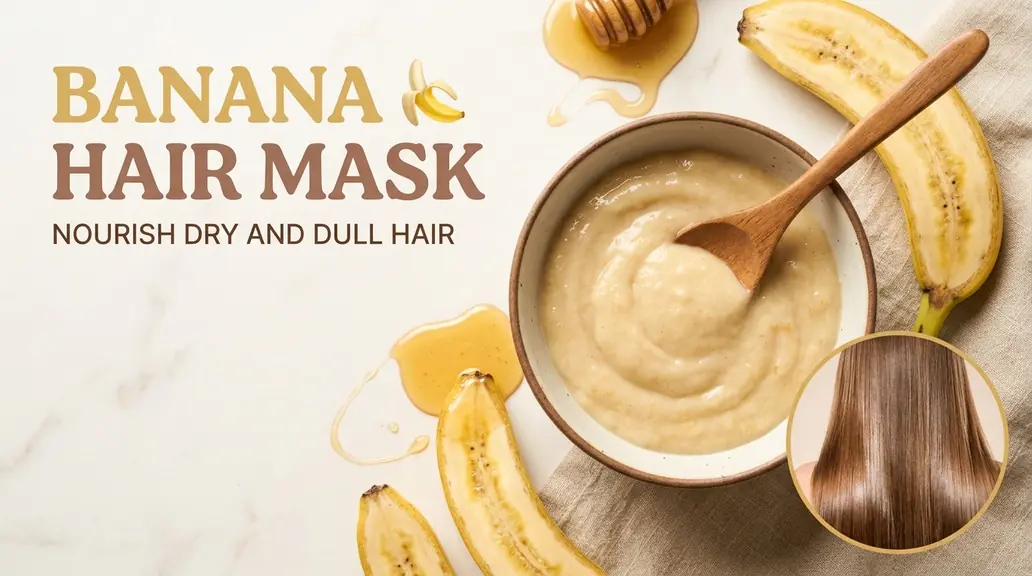
A banana hair mask is one of the most underrated treatments in beauty for dry, dull, damaged strands. This creamy fruit is packed with vitamins, natural oils, and potassium that deeply nourish, soften, and revive hair, and this guide shows you the best banana hair mask recipes and how to use them.
A banana hair mask is one of the most underrated treatments in beauty for dry, dull, damaged strands. This creamy fruit is packed with vitamins, natural oils, and potassium that deeply nourish, soften, and revive hair, and this guide shows you the best banana hair mask recipes and how to use them.
Nourish and rejuvenate your hair with one of the most underrated treatments in beauty, the humble banana. This creamy fruit is packed with vitamins, natural oils, and moisture that can soften brittle strands and restore lost shine in a single session.
Your hair tells the story of your health, your habits, and how well you care for it. When it looks flat, feels rough, or snaps under the slightest tension, it is sending a clear signal: it needs deep nourishment. The good news is that one of the most powerful hair treatments available sits right in your kitchen. The banana hair mask is a time-tested, science-backed remedy that delivers intense moisture, structural strength, and visible shine to even the most damaged strands. Bananas are loaded with vitamins, minerals, natural sugars, pectin, and amino acids that work together to penetrate the hair shaft, restore elasticity, and smooth the cuticle for a glossy, healthy finish. Unlike many commercial treatments filled with synthetic compounds, a banana mask works with your hair’s natural chemistry. This guide covers everything you need to achieve real results. You will learn the exact nutrients that make bananas so effective, discover proven recipes for different hair types and concerns, and follow a step-by-step application method that maximises absorption. Whether your hair is colour-treated, heat-damaged, or simply starved of moisture, the techniques in this article will help you achieve visibly softer, shinier, and stronger hair within just a few treatments.
The Rich History of Bananas in Hair Care
Reviewed by the BeautynFacts editorial team. Last updated: May 2026.
Ancient Traditions and Natural Beauty Rituals
The use of bananas as a beauty remedy stretches back thousands of years. In ancient Egypt, women used mashed bananas combined with plant oils and animal fats to condition their hair and scalp in the dry desert climate. Bananas, with their high moisture content and dense nutrient profile, were a natural fit for these rituals. Egyptian beauty practices were often elaborate, and ingredients were chosen for their ability to keep hair soft, shiny, and manageable under harsh environmental conditions.
In ancient India, the banana plant held deep cultural and medicinal significance. Ayurvedic practitioners prescribed banana pulp and banana flower extracts for a range of hair complaints, including dryness, breakage, and scalp inflammation. Ancient Ayurvedic texts describe masking rituals that incorporated banana alongside sesame oil, neem, and amla. These combinations were believed to balance the body’s doshas and promote lustrous, strong hair from root to tip.
Across tropical civilisations in Southeast Asia and the Pacific Islands, women regularly used banana pulp, banana leaf extracts, and even banana flower juice on their hair as part of weekly beauty routines. In ancient Greece and Rome, mashed banana appeared in documented topical remedies for dry skin and hair. The fruit’s softening properties were widely recognised across cultures that had little communication with one another, suggesting that its effectiveness was discovered independently through direct observation and experience.
The Evolution of Banana Hair Treatments in the 20th Century
As global trade expanded and banana cultivation grew throughout Central America, the Caribbean, and South-east Asia, the fruit became increasingly accessible worldwide. By the mid-20th century, natural beauty advocates in the United States and Europe began promoting homemade banana hair masks as an alternative to the chemical-heavy commercial products flooding the market. Beauty magazines published banana mask recipes, and the treatment gained a reputation as an affordable and effective solution for damaged hair.
In the 1970s, the natural and organic beauty movement gained significant momentum. Women began rejecting synthetic conditioners and sought plant-based alternatives. Banana masks, often combined with honey, eggs, and olive oil, became staples in home beauty routines. By the 1990s and early 2000s, natural hair care communities, particularly within Black and mixed-heritage communities, embraced banana masks as a cornerstone of moisture-focused hair care. Women with curly, coily, and textured hair found that banana-based treatments dramatically improved curl definition, reduced frizz, and restored softness to hair that conventional products often left dry and brittle.
Banana Hair Care in the Modern Era of Clean Beauty
Today, the clean beauty movement has brought renewed scientific interest in plant-based ingredients. Researchers have studied the chemical composition of bananas and confirmed what traditional practitioners observed centuries ago: bananas contain a remarkable array of nutrients that are directly beneficial to hair health. Many high-end hair care brands now include banana extract in their professional formulations, and banana-derived ingredients appear in salon-grade deep-conditioning treatments worldwide.
Peer-reviewed studies have examined the role of banana-derived compounds such as pectin, amino acids, and various vitamins in improving hair fibre hydration and tensile strength. This shift from folk remedy to premium ingredient reflects a broader scientific validation of banana’s potency. For consumers, this means you can access the same benefits at home at a fraction of the cost by using the whole fruit in its most natural form.
The Nutritional Profile of Bananas and What It Means for Your Hair
Vitamins That Drive Hair Growth and Structural Strength
Bananas contain a concentrated blend of vitamins that directly support hair growth and structural integrity. Vitamin A is among the most critical. It stimulates the production of sebum, the scalp’s natural oil that lubricates the hair shaft and prevents brittleness. A scalp that produces adequate sebum maintains a protective coating on each strand, reducing friction-related breakage and keeping hair supple even between wash days.
Vitamin B6, found in substantial amounts in bananas, plays a central role in keratin synthesis. Keratin is the primary structural protein that makes up each strand of hair. Without sufficient B6, the body cannot produce keratin efficiently, and the result is weak, fragile hair prone to snapping. Vitamin B6 also supports healthy red blood cell production, which improves blood flow to the scalp and ensures that hair follicles receive the oxygen and nutrients they need to generate strong new growth.
Bananas also supply vitamin C, a potent antioxidant that supports collagen production. Collagen provides structural support to the tissues surrounding the hair follicle and helps maintain the integrity of the hair shaft itself. Vitamin C also enhances the body’s ability to absorb non-heme iron, a nutrient critical for preventing hair loss. Vitamin E, another antioxidant present in bananas, protects the scalp from oxidative stress caused by UV radiation, pollution, and chemical exposure. Oxidative damage is a leading cause of premature hair aging, including dullness, brittleness, and loss of elasticity.
Minerals That Hydrate and Protect the Hair Shaft
Potassium is perhaps the most abundant mineral in bananas, and its role in hair health is significant. Potassium helps regulate fluid balance at the cellular level, directly influencing how well the hair retains moisture. Hair strands that are properly hydrated have a smooth cuticle layer, which reflects light and gives hair its characteristic shine. When hair lacks moisture, the cuticle lifts and becomes rough, scattering light instead of reflecting it and producing the dull, flat appearance that many people struggle with.
Magnesium supports protein synthesis and plays a role in preventing mineral buildup on the scalp. Hard water deposits can block hair follicles and contribute to scalp inflammation over time. Magnesium helps counteract this effect when applied topically. It also activates enzymes involved in cellular energy production, ensuring that follicle cells have the resources they need to grow strong, thick hair strands.
Zinc, found in meaningful amounts in bananas, is essential for DNA and RNA production in rapidly dividing hair follicle cells. Zinc deficiency is clinically linked to hair thinning and loss. It also regulates sebum production, preventing the scalp from becoming either too oily or too dry. Silica, a trace mineral present in bananas, strengthens the hair shaft and is associated with improved hair thickness and reduced mechanical breakage over time.
Natural Sugars, Pectin, and Amino Acids in Bananas
Beyond vitamins and minerals, bananas contain natural sugars including fructose and glucose that act as humectants when applied to the hair. Humectants attract and bind moisture from the surrounding environment to the hair shaft. This property makes banana masks especially effective when used under a shower cap, where the trapped warmth and humidity help drive moisture deeper into the hair cortex.
Pectin, a soluble fibre found in significant quantities in bananas, has a smoothing and coating effect on the hair cuticle. When applied topically, pectin forms a thin, flexible film over the surface of each hair strand. This film fills in gaps and irregularities along the cuticle, creating a smoother surface that reflects light more uniformly. The result is visibly shinier, sleeker hair with noticeably improved texture from the very first application.
Bananas also contain small but meaningful amounts of amino acids, including tryptophan and methionine, which support keratin production and help repair minor damage to the hair’s protein structure. When hair is repeatedly exposed to heat, chemicals, or mechanical stress, the protein bonds within the cortex weaken. Amino acids from banana, particularly when paired with egg protein in a mask, help reinforce these bonds and restore some of the hair’s lost strength and resilience.
Understanding Dryness and Dullness: What Is Really Happening to Your Hair
The Root Causes of Dry Hair
Dry hair is not simply hair that lacks water. It is hair whose ability to attract, retain, and distribute moisture has been compromised at the structural level. The cuticle, the outermost protective layer of each hair strand, is made up of overlapping scales, much like roof shingles. When the cuticle is healthy and lies flat, it seals moisture inside the cortex and protects the inner structure from damage. When the cuticle is damaged or raised, moisture escapes rapidly and the hair becomes dry, rough, and prone to breakage.
Heat styling tools are among the most common culprits. Temperatures above 150 degrees Celsius can permanently warp the cuticle structure, creating gaps that allow moisture to escape continuously. Chemical treatments such as bleaching, perming, and relaxing break disulphide bonds within the cortex and further disrupt the cuticle. Environmental exposure to UV radiation, wind, salt water, and chlorine degrades the cuticle over time and accelerates the cycle of dryness and damage.
Overwashing is another significant contributor. Shampoo removes oil and buildup from the scalp effectively, but frequent washing strips the hair of the sebum that naturally conditions each strand. Without this protective oil coating, the hair shaft is exposed and vulnerable. Very hot water swells the cuticle and accelerates moisture loss, leaving hair drier after washing than before. Understanding these causes helps you choose the right mask combination and complementary habits to break the cycle.
Why Hair Loses Its Shine
Shine is a function of light reflection. A smooth, flat cuticle acts like a mirror, reflecting light in a uniform direction and producing the glossy appearance we associate with healthy hair. A rough or lifted cuticle scatters light in multiple directions, making hair appear flat and dull. Heat, chemicals, mechanical friction, and dehydration all damage the cuticle and reduce the hair’s ability to reflect light consistently.
Porosity plays a major role in shine. High-porosity hair has gaps in the cuticle layer that absorb moisture quickly but release it just as fast, making the surface uneven. Low-porosity hair has a tightly packed cuticle that resists moisture absorption, and when this hair type lacks hydration, it also looks dull. Product build-up is another common cause of dullness that many people overlook. Heavy silicones, waxes, and polymers from styling products accumulate on the hair shaft over time and create a film that blocks natural light reflection.
This buildup also prevents nutrients from penetrating the hair during conditioning treatments, making mask applications far less effective. A clarifying wash before applying a banana mask removes this buildup and allows the nutrients to reach the cortex where they are needed most. This single preparatory step can double the effectiveness of your treatment.
How Nutritional Deficiencies Manifest in Hair
Hair is one of the body’s most metabolically active tissues, but it is not essential for survival. When the body experiences nutritional shortfalls, it redirects resources away from hair growth and maintenance towards more critical functions. This means nutritional deficiencies often show up in the hair before they affect other parts of the body, and dry, dull hair is frequently a reflection of internal imbalances.
Iron deficiency is the most common nutritional cause of hair thinning and loss, particularly in women of menstruating age. Low iron reduces the delivery of oxygen to hair follicles, slowing the growth phase and triggering premature shedding. Biotin deficiency produces characteristic symptoms including hair thinning, brittleness, and dullness. Vitamin D deficiency has been linked to disrupted hair cycling, and omega-3 fatty acid deficiency is associated with dry scalp and hair that lacks lustre.
While a banana hair mask cannot substitute for a well-rounded diet, it provides a direct, topical dose of many nutrients that support hair health. Applied externally, these nutrients bypass the digestive system and interact directly with the hair shaft and scalp, delivering results that are often visible within one or two applications, making the banana mask one of the fastest-acting natural hair remedies available.
Core Banana Hair Mask Recipes for Dryness and Dullness
Classic Banana and Honey Hair Mask
This is the most fundamental banana hair mask recipe and an excellent starting point for anyone new to DIY hair treatments. Honey is a natural humectant with well-documented antibacterial properties. It draws moisture into the hair shaft and helps maintain it there long after you rinse the mask out. Combined with banana, honey creates a deeply hydrating treatment that leaves hair soft, manageable, and visibly shinier from the very first use.
Ingredients:
- 1 ripe banana
- 2 tablespoons of raw honey
Instructions:
- Blend the banana in a food processor or blender until completely smooth with no lumps.
- Add the honey and blend for an additional 30 seconds until fully incorporated.
- Apply the mixture to damp hair, starting at the roots and working towards the ends.
- Cover with a shower cap and leave on for 30 to 45 minutes.
- Rinse thoroughly with cool water, then shampoo gently if needed.
This mask suits all hair types, including fine hair. The honey adds shine without weighing the hair down, making it a versatile option even for people who worry about heavy masks flattening their strands. Use it once a week for four to six weeks to see consistent improvement in moisture levels and shine.
Banana and Coconut Oil Hair Mask
Coconut oil is one of the few plant-based oils that can genuinely penetrate the hair shaft rather than simply coating the surface. Its low molecular weight and straight-chain fatty acids allow it to move through the cuticle and into the cortex, where it reduces protein loss and strengthens the internal structure of the hair. Paired with banana, coconut oil creates a mask that addresses both surface dryness and deeper structural damage.
Ingredients:
- 1 ripe banana
- 2 tablespoons of virgin coconut oil, melted
- 1 tablespoon of honey (optional, for added moisture)
Instructions:
- Blend the banana until completely smooth.
- Add the melted coconut oil and blend again until fully combined.
- Apply to dry or damp hair from roots to tips.
- Leave on for 45 minutes to one hour under a shower cap.
- Rinse with warm water and follow with a gentle shampoo to remove any residual oiliness.
This mask is especially beneficial for thick, coarse, or very dry hair. People with fine hair should use a lighter hand with the coconut oil, as it can weigh thinner strands down. If the mask feels too heavy, reduce the coconut oil to one tablespoon and increase the banana quantity to compensate.
Banana, Egg, and Olive Oil Repair Mask
This recipe takes moisture and repair to the next level by incorporating eggs and olive oil. Eggs are a complete protein source containing all essential amino acids. Applied to the hair, egg protein temporarily fills and bonds to gaps in the cuticle and cortex, making hair feel thicker and stronger immediately after rinsing. The egg yolk is particularly rich in lecithin and fatty acids that condition the hair shaft at depth. Olive oil, high in oleic acid and squalene, penetrates the hair shaft and reduces water loss while mimicking the hair’s natural sebum to restore suppleness.
Ingredients:
- 1 ripe banana
- 1 whole egg
- 1 tablespoon of extra-virgin olive oil
Instructions:
- Blend the banana until completely smooth.
- Add the egg and olive oil and blend again for 60 seconds until uniform.
- Apply to damp hair from roots to tips.
- Leave on for 30 to 45 minutes under a shower cap.
- Rinse with cool water only. Hot water will cook the egg and leave residue in your hair.
- Follow with a mild shampoo if needed.
This mask is ideal for hair that is both dry and structurally damaged, particularly hair that has been bleached or chemically treated. The protein from the egg works synergistically with the amino acids in the banana to rebuild the hair’s internal framework, while the oils seal in moisture for lasting softness and shine.
Advanced Banana Mask Combinations for Specific Hair Concerns
Banana and Avocado Mask for Extreme Dryness
Avocado is one of the richest plant sources of healthy fats. It contains monounsaturated fatty acids, particularly oleic acid, that penetrate the hair shaft and provide deep, lasting moisture from within the cortex. Avocado also delivers biotin, vitamins E and K, and pantothenic acid, all of which support hair health at the structural level. When combined with banana, the result is an extraordinarily nourishing mask suited for severely dry, brittle, or heat-damaged hair that has not responded adequately to simpler treatments.
Ingredients:
- 1 ripe banana
- 1 ripe avocado
- 1 tablespoon of honey
- 1 tablespoon of argan oil
Instructions:
- Scoop the avocado flesh into a blender. Add the banana and blend until completely smooth.
- Add the honey and argan oil and blend again for 30 to 60 seconds.
- Apply generously to dry or damp hair, focusing on the mid-lengths and ends where dryness is most severe.
- Leave on for 45 minutes to one hour under a shower cap. Apply gentle warmth from a heated towel over the cap for deeper penetration.
- Rinse thoroughly with lukewarm water and shampoo gently.
Argan oil adds an extra layer of smoothing power. Rich in vitamin E and essential fatty acids, argan oil is clinically shown to improve frizz, increase shine, and enhance manageability in dry hair. Use this mask once a week for the first two to three months of treatment, then scale back to once every two weeks for ongoing maintenance.
Banana and Yogurt Mask for Scalp Health and Shine
Plain yoghurt is a powerful addition to banana hair masks because it contains lactic acid, a gentle alpha-hydroxy acid that exfoliates the scalp. Dead skin cell buildup and product residue can clog follicles and leave the scalp environment inhospitable to healthy hair growth. Lactic acid dissolves this buildup without stripping or irritating the scalp. Yoghurt also contains probiotics that support the scalp’s microbiome, as well as proteins that coat and smooth the hair shaft for improved reflectivity.
Ingredients:
- 1 ripe banana
- 4 tablespoons of plain, full-fat yogurt
- 1 teaspoon of lemon juice (optional, for extra clarifying action)
Instructions:
- Blend the banana until completely smooth.
- Stir in the yoghurt until the mixture is uniform. Add lemon juice if desired.
- Apply to the scalp first, massaging gently for two to three minutes to encourage circulation and light exfoliation.
- Distribute the remainder through the hair lengths.
- Leave on for 30 minutes under a shower cap.
- Rinse with cool water and follow with a mild shampoo.
This mask is particularly beneficial for people who experience a flaky or itchy scalp alongside dry, dull hair. Hair appears shinier immediately after rinsing because the lactic acid smooths and tightens the cuticle, improving light reflection across the entire strand from root to tip.
Banana, Castor Oil, and Rosemary Oil Mask for Thinning Hair
For those dealing with hair thinning alongside dryness and dullness, this mask adds two potent growth-supporting ingredients to the banana base. Castor oil is rich in ricinoleic acid, a fatty acid with anti-inflammatory properties that supports a healthy scalp environment. Research indicates that castor oil improves scalp circulation when massaged in, which encourages hair follicles to remain in the active growth phase. Rosemary essential oil has been examined in peer-reviewed clinical trials and shown to be comparable to 2% minoxidil in stimulating hair regrowth after six months of consistent use.
Ingredients:
- 1 ripe banana
- 1 tablespoon of castor oil
- 1 tablespoon of coconut oil (to dilute the castor oil and aid spreadability)
- 5 drops of rosemary essential oil
Instructions:
- Blend the banana until completely smooth.
- Mix the castor oil and coconut oil together, then stir in the rosemary essential oil drops.
- Combine the oil mixture with the banana puree and blend briefly until uniform.
- Section the hair and apply the mask directly to the scalp, massaging in circular motions for five minutes to stimulate circulation.
- Work the remaining mask through the hair lengths.
- Leave on for one hour under a shower cap.
- Rinse and shampoo thoroughly, as castor oil requires thorough cleansing to prevent buildup.
Step-by-Step Application Guide for Maximum Absorption
Preparing Your Hair Before Applying a Mask
Preparation is often the step that separates mediocre results from a transformative experience. Before applying any banana hair mask, your hair must be clean and free of heavy product buildup. If you have not clarified your hair recently, use a clarifying shampoo 24 hours before your mask day to remove silicones, waxes, and mineral deposits. These substances sit on the cuticle and physically block nutrients from penetrating the hair shaft, making even the most nutrient-dense mask far less effective.
Wash your hair with a gentle, sulphate-free shampoo on the day of your mask. Avoid using conditioner before the mask, as conditioner creates a temporary sealing coating that can interfere with absorption. Towel-dry until damp but not dripping. Slightly damp hair has a slightly open cuticle, allowing the mask’s nutrients to enter the shaft more readily than dry hair would allow.
To boost absorption even further, apply the mask to hair that has been warmed gently. Wrapping your hair in a warm towel for five minutes before application opens the cuticle and creates an ideal environment for nutrient uptake. Some people use a handheld steamer or sit under a hooded dryer at low heat during the mask period for the same effect, and this additional warmth can noticeably improve the depth of conditioning achieved in each session.
The Correct Application Technique
Always apply a banana mask in sections. Divide your hair into four to six sections and clip each one aside before you begin. Work section by section, applying the mask from root to tip with your fingers or a wide-tooth comb. Make sure every strand is coated, paying extra attention to the ends, which are the oldest and most damaged parts of the hair and tend to be the driest and most fragile.
Once all sections are coated, gather your hair on top of your head and secure loosely. Cover with a shower cap to trap body heat, which acts as a natural warmth source that aids absorption. If your mask includes heavy oils such as castor oil or coconut oil, wrapping a warm towel around the shower cap significantly improves how deeply the nutrients penetrate the cortex.
Avoid letting the mask dry completely on your hair. Some people leave hair masks on for too long without a covering, causing the mixture to dry and become difficult to rinse out. Always use a shower cap and aim to rinse while the mask is still wet and pliable for the smoothest removal process.
Timing, Rinsing, and Post-Mask Care
The optimal leave-in time for most banana hair masks is 30 to 60 minutes. Longer is not always better. After about 90 minutes, the mask offers diminishing returns and can cause hygral fatigue in fine or low-porosity hair. Hygral fatigue occurs when hair repeatedly absorbs and releases large amounts of moisture, causing the cuticle to expand and contract excessively, weakening the hair over time. For fine hair, 20 to 30 minutes is sufficient to achieve full benefit.
Rinse the mask out with lukewarm water first, then finish with a brief cool water rinse. Cool water causes the cuticle to contract and lie flat, sealing in the moisture and nutrients from the mask and maximising the shine effect. Avoid rubbing the hair vigorously with a towel after rinsing it. Squeeze excess water out gently and wrap in a microfibre towel or old cotton T-shirt, which causes far less friction and reduces post-wash frizz.
After rinsing, apply a lightweight leave-in conditioner to lock in the moisture from the mask. Avoid heavy silicone-based serums immediately afterwards, as they can seal the cuticle too aggressively and prevent the hair from continuing to benefit from the nutrients applied. Style as usual; use a diffuser on low heat if needed and allow the hair to air dry as much as possible for the best visible results.
Common Mistakes People Make with Banana Hair Masks
Using Unripe Bananas
The ripeness of the banana matters far more than most people realise. Unripe, green bananas contain high levels of resistant starch and tannins. Tannins are astringent compounds that dry out the hair rather than moisturising it. They bind to proteins in the hair shaft and can create a rough, stiff texture that is the opposite of the desired outcome. Green bananas are also difficult to blend to a smooth consistency, which increases the risk of leaving lumpy residue in the hair that requires multiple shampoos to remove.
Ripe bananas, identifiable by their fully yellow skin and small brown spots, have a higher sugar content, more bioavailable potassium, and softer flesh that blends smoothly. Very ripe bananas with extensively spotted or darkened skin are even better for hair masks because their cellular walls have broken down further, releasing more nutrients in a form that is easier for the hair to absorb. Always choose bananas that are fully ripe or slightly overripe for the most effective and safest mask.
Skipping the Blending Step
Mashing a banana with a fork, no matter how thoroughly, leaves microscopic lumps in the mixture. These small particles settle between strands and are notoriously difficult to rinse out of hair, especially from thick, curly, or tightly coiled hair. Removing banana chunks can require multiple shampoo rounds, which strips the hair of the moisture the mask was intended to provide and defeats the purpose of the entire treatment.
A blender or food processor is non-negotiable for a successful banana hair mask. Blend the banana on its own first for at least 60 seconds before adding other ingredients. The goal is a completely smooth, lump-free puree with a consistency similar to heavy cream. Some people strain the puree through a fine mesh sieve after blending for extra insurance against particles, particularly if they have very thick or tightly coiled hair that is prone to trapping residue between strands.
Applying the Mask Too Frequently or Infrequently
Finding the right frequency is essential for optimal results. Using a protein-containing banana mask, such as the banana and egg combination, more than twice a week can lead to protein overload. Protein overload causes hair to feel stiff, rough, and brittle, making it snap more easily during brushing and styling. Using any mask less than once every two weeks will not produce the consistent improvement that dry and dull hair requires.
For most people with moderately dry or dull hair, once a week is ideal during an initial intensive treatment phase of four to six weeks. After that, reducing to once every ten to fourteen days maintains the results achieved. People with severely damaged or very dry hair may need to continue weekly treatments for up to three months before tapering back. Alternate between protein-rich masks and moisture-only masks to keep the protein-moisture balance in the hair at an optimal level.
Building a Consistent Hair Care Routine Around Banana Masks
How Often to Use a Banana Hair Mask and When to Adjust
The right frequency depends on your hair type and its current condition. Fine hair needs moisture but is also prone to being weighed down and experiencing hygral fatigue. If you have fine hair, start with a mask every ten days using a lighter formula such as the banana and honey combination. Assess how your hair feels after each treatment and adjust the frequency based on whether your hair is improving or starting to feel limp and overly soft, which indicates the treatment is more than your hair currently needs.
Thick, coarse, or curly hair can typically handle weekly mask applications without any negative effects. This hair type tends to be more porous and loses moisture more rapidly, making it the ideal candidate for intensive weekly treatments. People with colour-treated or chemically relaxed hair should prioritise protein-rich masks such as the banana and egg combination once a week during the first month after a chemical service, then transition to moisture-focused masks like banana and coconut oil for ongoing maintenance as the hair stabilises.
Complementary Practices That Enhance Your Results
A banana hair mask works best as part of a consistent, holistic haircare routine. Pair your mask days with a scalp massage using a light oil such as jojoba or grapeseed oil. Scalp massage for four to five minutes before washing improves blood circulation to the follicles and supports the growth phase. Research published in dermatology journals has confirmed that daily scalp massage over a 24-week period increased hair thickness compared to a control group that did not massage, suggesting that this simple practice has measurable structural effects.
Diet plays a supporting role that no topical treatment can replace. Consume foods rich in biotin (eggs, nuts, and seeds); iron (leafy greens, legumes, and lean meat); omega-3 fatty acids (fatty fish, chia seeds, and walnuts); and vitamin D (fortified foods, eggs, and sunlight exposure) to provide your follicles with the building blocks they need from the inside out. Staying well-hydrated is equally critical. Chronic mild dehydration shows up in the hair as increased brittleness and dryness, and no mask will fully compensate for inadequate daily water intake.
Minimise heat styling between mask days. If you must use heat tools, apply a heat protectant spray before styling and keep temperatures below 180 degrees Celsius to preserve the cuticle structure your masks are working hard to repair. Satin or silk pillowcases reduce the overnight friction that strips moisture from the hair and creates frizz by morning, helping your hair retain the benefits of each mask application for as many days as possible between treatments.
Frequently Asked Questions About Banana Hair Masks
Can I leave a banana hair mask on overnight?
Leaving a banana hair mask on overnight is generally not recommended for most hair types. Extended contact time can cause hygral fatigue, particularly in fine or low-porosity hair. Hygral fatigue weakens the hair’s protein bonds over time and leads to increased breakage, which is the opposite of the desired outcome. A banana mask left overnight without a very secure covering can also create a significant mess on your pillow and bedding. If you have very thick, high-porosity, or extremely dry hair and want to try an extended treatment, limit overnight masks to once a month at most. Wrap your hair tightly in plastic wrap and then a satin-lined cap before sleeping to contain the mask and protect your bedding. Even with these precautions, monitor how your hair feels in the days following an overnight treatment and discontinue if you notice increased stiffness or breakage.
Will a banana hair mask remove colour from dyed hair?
A banana hair mask will not strip colour from chemically dyed hair. Bananas do not contain bleaching agents or any compounds that interfere with artificial hair colour molecules. In fact, the deep conditioning properties of banana masks benefit colour-treated hair by restoring the moisture and flexibility that the chemical dyeing process depletes. The honey included in some recipes has a very mild lightening effect on natural hair when the hair is exposed to direct sunlight after application, but this effect is negligible on dyed hair and should not cause concern. If your hair is freshly coloured, wait at least 48 to 72 hours after the dye application before applying any hair mask. This allows the colour molecules to fully settle and oxidise within the cortex, ensuring that the mask application does not interfere with the final colour result.
My hair feels stiff and dry after using a banana mask. What went wrong?
Stiffness and dryness after a banana mask are usually caused by one of three things. First, the banana may not have been blended thoroughly enough, leaving starch particles on the hair that create a crunchy, rigid texture after drying. Second, you may have used an unripe banana with a high tannin content, which has a drying and astringent effect on the hair shaft. Third, if you used an egg-based mask, you may be experiencing protein overload, which occurs when the hair has absorbed more protein than it can balance with adequate moisture. To correct this, apply a deeply hydrating, protein-free mask such as banana and honey or banana and avocado on your next mask day to restore the moisture-protein balance. Going forward, alternate between protein-rich masks and moisture-focused masks every other week to keep the two in proper equilibrium.
Can banana hair masks help with dandruff?
Banana hair masks can support a healthier scalp environment, which may reduce the severity of dandruff in some cases. The potassium and magnesium in bananas help nourish scalp tissue, and when the mask includes yoghurt, the lactic acid gently exfoliates the dead skin cells that contribute to visible flaking. Honey in the mask adds antibacterial properties that help keep the scalp microbiome in a more balanced state. However, clinical dandruff caused by an overgrowth of Malassezia fungus typically requires an antifungal treatment such as zinc pyrithione or ketoconazole shampoo for effective management. A banana mask can complement medical dandruff treatment but should not replace it if you have a persistent or severe scalp condition. Always consult a dermatologist for chronic scalp issues that do not respond to home remedies within four to six weeks of consistent use.
Is a banana hair mask safe to use during pregnancy?
A basic banana hair mask using only banana, honey, coconut oil, or olive oil is completely safe to use during pregnancy. These are all food-grade ingredients with no known risks when used topically on hair and scalp. However, if your mask recipe includes essential oils such as rosemary, tea tree, or peppermint, exercise caution during the first trimester in particular. Certain essential oils are traditionally avoided in early pregnancy because of their potential to stimulate uterine contractions at high doses, and while the amounts used in a hair mask are small, erring on the side of caution is always wise during pregnancy. For pregnant women, stick to the simpler recipes without essential oil additions. Consult your midwife or obstetrician before introducing any new topical preparation to your routine during pregnancy, especially if your pregnancy has been classified as high-risk.
Conclusion
The banana hair mask is one of the most effective, affordable, and scientifically supported DIY hair treatments available. Rich in vitamins A, B6, C, and E, loaded with potassium, magnesium, and zinc, and packed with natural humectants, pectin, and amino acids, bananas address the root causes of dryness and dullness at the molecular level. Whether you choose the simple banana and honey formula for a gentle weekly treatment or the advanced banana, avocado, and argan oil combination for intensive repair, consistency is what delivers lasting, visible results.
Start with the classic banana and honey mask once a week for your first month. Blend your banana thoroughly; always use fully ripe fruit, and finish every rinse with cool water to seal the cuticle and lock in moisture. Pair your mask routine with a nutritious diet, reduced heat exposure, scalp massages, and protective sleep habits to maximise the gains from each treatment session.
Your next steps are straightforward. Choose one of the recipes in this article that matches your hair type and current condition. Gather your ingredients today. Set aside 45 to 60 minutes this week for your first mask. Track how your hair looks and feels after each application, and adjust your recipe and frequency based on what you observe. Beautiful, nourished, resilient hair is entirely within reach. It starts with one ripe banana and the commitment to show up for your hair with the same consistency and care you bring to every other part of your wellness practice.
RELATED ARTICLES:
Skincare: 5 Proven Ways to Protect, Nourish & Rejuvenate Your Skin in 2025
MOB WIFE HAIR: HOW TO GET THE VOLUMINOUS, LIVED-IN LOOK EVERYONE’S OBSESSING OVER
Struggling with Acne & Flaky Scalp? Top Skin & Hair Triggers Women Must Avoid in 2025!
Glass Hair in 2026: The Products and Techniques for a Frizz-Free, Mirror-Like Finish That Lasts
5 Hair Mistakes While Sleeping
About The Author

COMMENTS