



Money piece highlights are the most booked colourist request of 2026, and they are the reason brunettes who swore off bleach for a decade are back in
Money piece highlights are the most booked colourist request of 2026, and they are the reason brunettes who swore off bleach for a decade are back in the chair. The look is simple to spot: two chunky strands of lighter colour framing the face along the parting and the very front sections, so the brightness reads as a deliberate frame around the features rather than a scatter of highlights across the whole head. This guide covers what the technique actually is, who it flatters, how to ask for the right shade for your base, the at-home version versus the salon version, the variations trending this summer, the mistakes that turn a sharp look brassy, and a real FAQ at the end.
Published · Updated
What Money Piece Highlights Actually Are (and Why They’re Trending in 2026)
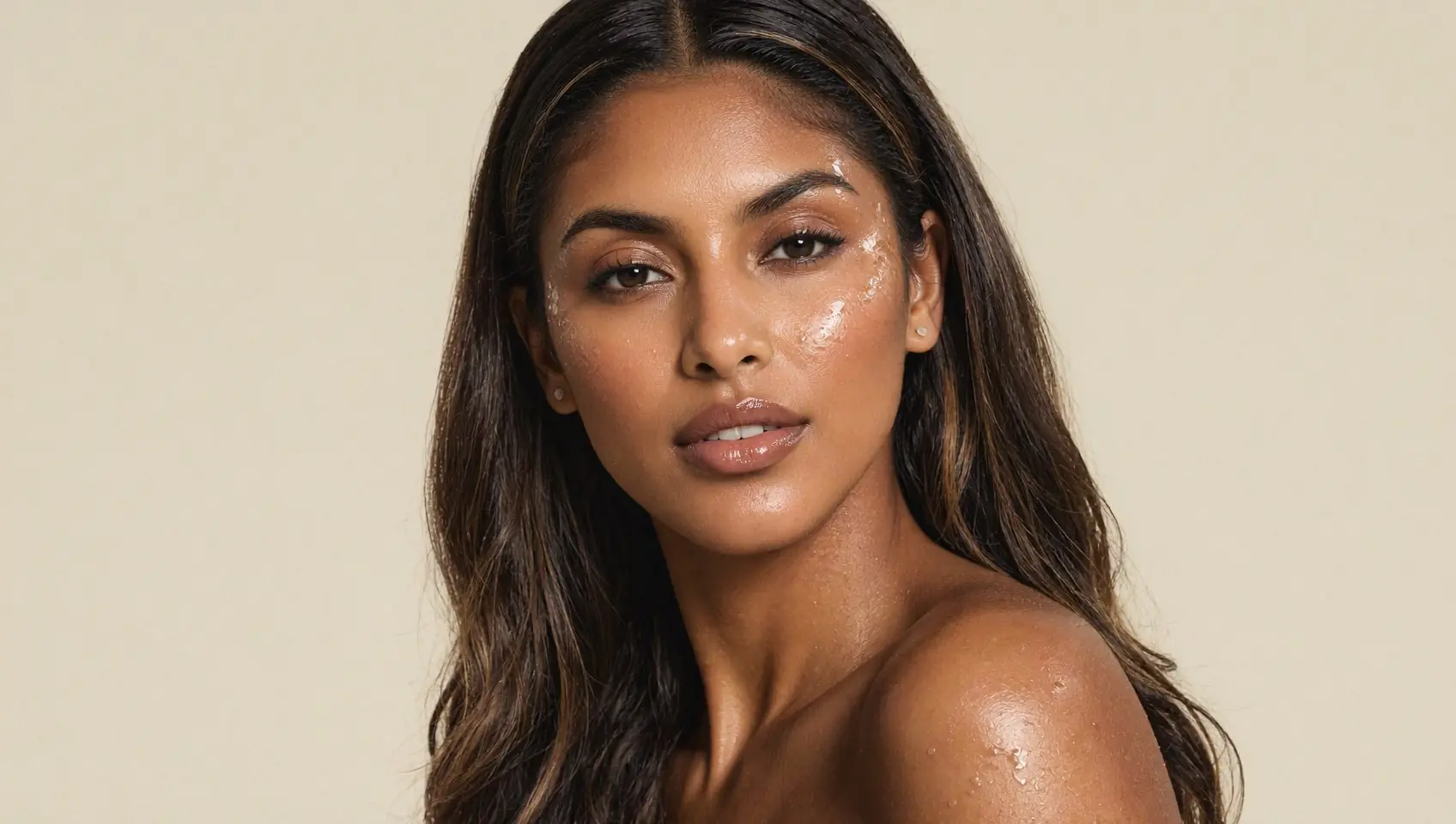
Money piece highlights are face-framing panels of lighter colour placed only along the parting and the two front sections that fall on either side of the face. The name comes from how the brightness clips around the cheekbones, similar to how a money clip frames a stack of cash. The technique is concentrated, not scattered. A colourist isolates two slim panels, lifts them several shades brighter than the base, and tones them to a clean cool, warm, or neutral finish. The rest of the hair stays untouched, which is half the appeal: you get a sharp visual change with a fraction of the maintenance a full head of highlights demands.
The reason 2026 is the year the look exploded is simple cost-of-living math. Inflation has pushed full balayage into the three-figure-plus salon range, and clients want a service that delivers an obvious refresh without the four-hour appointment. The face frame fits. They take 60 to 90 minutes, use a fraction of the product, and read clearly in every selfie, which is precisely what TikTok and Instagram reward right now.
Why Money Piece Highlights Are So Popular
Face-framing highlights brighten the face with far less colour, cost and upkeep than full highlights or balayage, which is why they are often requested as a smaller first step into lighter hair.
Which Money Piece Highlights Flatter (and Who Should Adapt the Look)
The technique flatters almost every face shape because the brightness sits exactly where light naturally hits the face, along the cheekbones and jaw. Round faces get a lengthening effect when the panels start at the temple and run all the way to the collarbone. Long faces should ask the colourist to start the lift lower, around eye level, to avoid stretching the face even more. Heart-shaped faces look balanced when the panels widen out slightly near the chin to add width below the cheekbones. Square faces soften when the panels are placed in slimmer, more diffused strips rather than blocky ones.
Skin tone is a bigger conversation than face shape. Deep skin tones look striking in this technique, especially when the panels are taken to a warm caramel or a soft copper rather than a cool platinum, which can read ashy against rich undertones. Medium-deep skin tones with warm undertones pair beautifully with honey, butterscotch, and bronze panels. Medium skin tones with neutral undertones have the widest range and can wear anything from pale beige to deep amber. Fair skin tones with cool undertones suit icy white, baby blonde, and silver. The goal is to choose a panel shade that pulls from the same warm or cool family as the skin’s natural undertone, not against it.
How to Get Money Piece Highlights at Home: Step by Step
Before you start: do a skin allergy test at least 48 hours before colouring, as the product instructions direct, and rinse the lightener off straight away if your scalp burns or stings. Bleach can cause chemical burns.
At-home is doable if your base is already lifted to a light brown or blonde and you only need one or two shades of lift in the panels. Going from a true black or deep brown to a platinum panel in one session at home almost always ends in orange brass and breakage. Here is the realistic at-home process for a 2- to 3-shade lift on already lightened hair.
- Section the front. Make a horseshoe-shaped section from temple to temple across the top of the head. Inside that section, pull out two slim vertical panels, one on each side of the part, roughly half an inch to one inch wide. Clip the rest of the hair out of the way.
- Mix a salon-grade lightener with 20 volume developer if you want a soft lift, or 30 volume if you want a bigger jump. Skip 40 volume at home unless you have done this procedure before; it lifts fast and damages faster.
- Apply to dry, unwashed hair. Natural oils help buffer the scalp. Paint the lightener from about half an inch below the root down to the ends of each panel. Saturate evenly. The half-inch buffer prevents a hot root.
- Wrap each painted panel in foil. Foil holds the heat that drives even lift. Set a timer for 20 minutes and check by gently wiping a small section with a damp cotton pad to see the underlying tone.
- Process until you reach a pale yellow stage for cool blonde toning, or a soft gold stage for warm honey toning. Do not push past 45 minutes total.
- Rinse cool, shampoo with a clarifying wash, and condition deeply for at least 10 minutes.
- Tone with a demi-permanent gloss in the shade you want. Apply only to the lifted panels, leave it on for the time on the box, and then rinse. Toning is the step that separates a polished result from a brassy one.
- Finish with a bond-repair treatment and a leave-in heat protectant before any styling.
The Salon or Pro Version
A colourist brings three things you cannot replicate at home: a custom lift plan, true tone-matching, and clean placement geometry. The first appointment usually starts with a strand test to see how your hair responds, especially if you have previous colour in the panels. The colourist will then map the panels to your face, often using a finer “veil” placement at the top of the strand and a denser block farther down to mimic how natural light falls on hair. Most pros use a balayage-style hand painting inside foil for the panels, which gives a soft root smudge and a brighter mid-to-end without a harsh demarcation line.
Pricing bands vary by city and stylist seniority. Expect roughly 4,000 INR to 12,000 INR in India for a money piece highlight session at a mid-to-upper-tier salon and roughly 150 USD to 400 USD in the United States for the same service. Going to a senior colourist in a major metro pushes the price toward the top of those bands, and adding a gloss refresh every six to eight weeks is a separate cost that most clients build into their budget.
Common Money Piece Highlights Variations to Try in 2026
The classic version is a blocky, single-tone panel that runs from root smudge to ends. That is still the most photographed look and the one Bella Hadid wears.
The soft-edge variation uses a feathered tip rather than a sharp line where the panel ends. It reads less graphic and more like sun-faded colour, which is forgiving on angular faces that prefer a softer frame.
The double money piece adds a second, slimmer panel on each side, positioned just behind the front panel. The result is more visual brightness without committing to a full head of highlights. It works particularly well on thick hair that swallows a single panel.
The hidden money piece, sometimes called an under-frame, places the panels on the underside of the front section. The brightness only shows when the hair moves or is tucked behind the ear. This version is the favourite for clients with corporate dress codes who want flexibility.
The coloured money piece swaps the blonde lift for a fashion shade in the panels. Pastel pink, dusty lavender, burnt copper, and deep cherry have all surfaced on runway and red-carpet looks this year. The panel placement is the same; only the toning gloss changes.
What to Avoid: Mistakes That Kill the Look
Going too pale too quickly on dark hair. Lifting a deep brown to platinum in a single session destroys the integrity of the panels. The fix is a two-session plan with a recovery week in between or a softer tone like honey or caramel that needs less lift.
Starting the panels too high. If the lift begins above the cheekbone, the bright line cuts the face in half and makes the forehead look wider. Start the brighter colour at the temple at its highest and run it down past the jaw for proportion.
Skipping the toner. Untoned lifted hair turns brassy within a week, and brassy panels read cheap on every base. A gloss every six to eight weeks is part of the service, not an optional add-on.
Choose a panel shade with an undertone opposite to your skin tone. Cool platinum against warm-toned skin reads grey and washes the face. Warm honey against cool-toned skin reads orange. Match the undertone of the panel to the undertone of the skin.
Cutting the panels too wide. A money piece highlight should be slim and graphic. Once the panel is wider than about an inch and a half, the look stops reading as a face-framing piece and starts reading as an unfinished partial highlight.
Neglecting the rest of the hair. Bright panels next to dull, damaged hair draw the eye to the damage, not the colour. A weekly bond mask and a deep gloss for the rest of the head are part of keeping the contrast looking expensive.
Products That Actually Work for Money Piece Highlights
The category that matters most is the toning gloss. Look for a demi-permanent gloss with the words “ammonia-free” and a clear tonal direction on the label, such as ash, neutral, or warm. The lift work is done in the salon or by the at-home lightener; the gloss is what keeps the panels looking polished week to week.
Purple shampoo is the second category. For cool-toned panels, a violet pigment cancels yellow brass. For warm-toned panels, a blue-violet or true blue shampoo keeps the gold clean without turning it grey. Use it once a week at most; daily use can cause overtones and dull the hair.
Bond-builder treatments are the third category. After any lift, the disulphide bonds in the cuticle need repair. The label should mention “bond-repair”, “bis-aminopropyl”, or a similar active ingredient. Use the in-shower version weekly and the leave-on version after every wash for the first month.
Heat protectant with UV filters is the fourth category. Sun fading lifted hair faster than any other factor. Look for a “UV filter” on the back, which should be applied before any heat styling or before spending a day in direct sunlight.
Colour-safe shampoo and conditioner are the last category to consider. Sulphate-free formulas strip less pigment, which means your gloss lasts closer to its full eight weeks instead of fading at four.
Money Piece Highlights vs Balayage: How to Choose
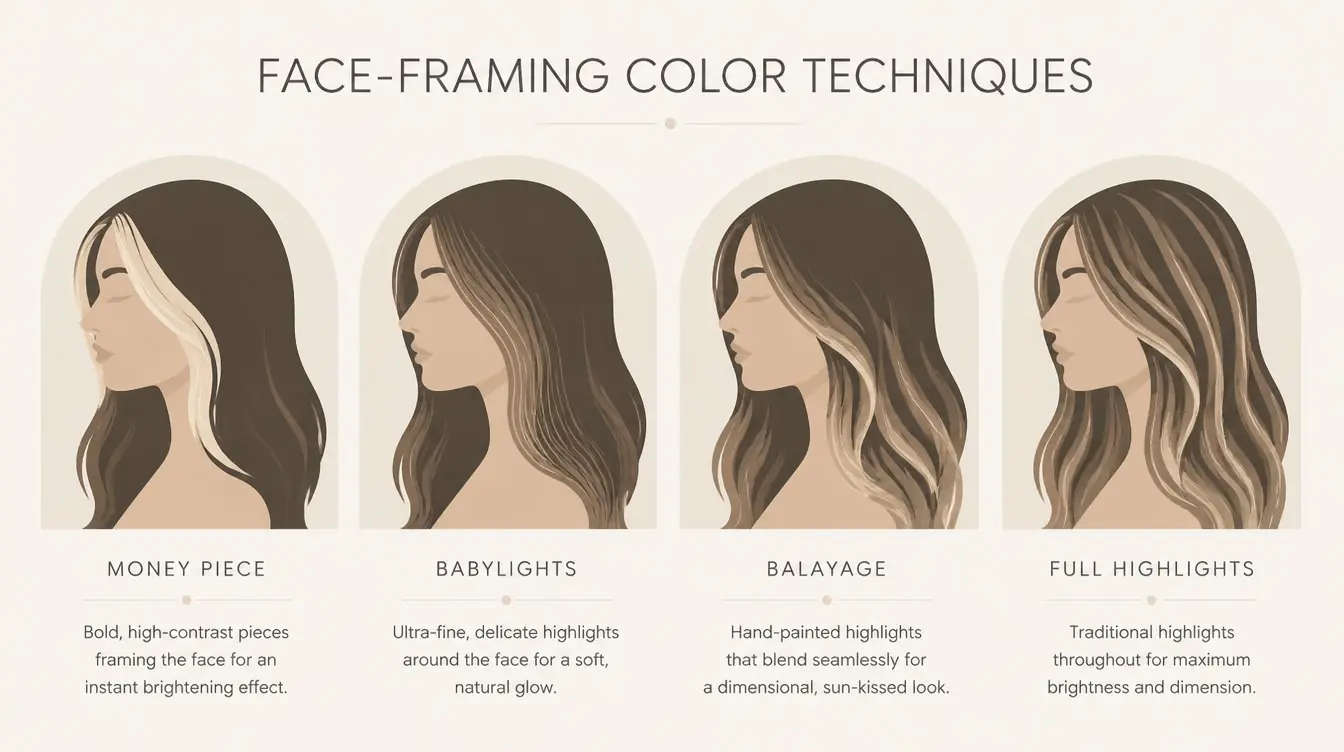
Balayage is a full-head, face-framing-plus-throughout colour hand-painted from mid-shaft to ends across the entire head. It is a softer, more diffused look, takes three to four hours in the chair, and demands a bigger refresh budget. The face-frame version covers only two front panels. The appointment is shorter, the maintenance is lower, and the visual impact is more graphic.
Choose the face-frame route if you want a clear, defined brightness in the front, a shorter appointment, and a lower maintenance schedule. Choose balayage if you want a soft sun-kissed effect across the whole head, you do not mind the longer appointment, and you have room in the budget for a more involved refresh. The two also layer well: many clients book balayage once a year for the all-over softness and money-piece touch-ups in between for the front-of-face freshness.
How Long the Money Piece Highlights Trend Will Stay Relevant
The face-frame technique has an unusually long runway compared with most TikTok hair trends because the technique is older than the current cycle. The look was first big in the late 1990s on Christina Aguilera and Gwen Stefani; it returned in 2020 with the Y2K revival and is now in its third documented wave. Each return has lasted longer than the last.
The 2026 version is brighter, blockier, and more graphic than the soft 2022 take, which means the next softening cycle is probably 12 to 18 months out. Thereafter, expect a quieter, more diffused face-frame technique to take over for a year or two before the chunky version comes back again. The honest forecast: this phase is a peak moment, but the underlying placement, brightness at the front of the face, is now a permanent fixture in the colourist’s toolkit and will not disappear when the chunky version fades.
Frequently Asked Questions About Money Piece Highlights
What are money piece highlights, and where are they placed?
Money piece highlights are concentrated panels of lighter colour placed only at the very front of the hair, framing the face on either side of the parting. The colourist isolates two slim sections, one on each side of the part, lifts them several shades brighter than the base, and tones them to a clean finish. The rest of the hair stays untouched. The name comes from the way the brightness clips around the cheekbones like a money clip around a stack of cash, giving the face a deliberate frame rather than scattered highlights.
How are money piece highlights different from balayage?
Balayage is a full-head technique where colour is hand-painted from mid-shaft to ends across the entire head, creating a soft, sun-faded effect everywhere. Money piece highlights cover only two front panels next to the face. A balayage appointment runs three to four hours and costs more, while a money piece session takes 60 to 90 minutes at a lower price point. Balayage is diffused and subtle; money-piece highlights are graphic and front-focused. Many clients layer the two, booking balayage once a year and money piece touch-ups in between.
Do money piece highlights damage hair more than full highlights do?
Money piece highlights cause less damage to hair overall because the lift is limited to two slim panels rather than the entire head. The trade-off is that those two panels take the full impact of the bleach, so they need more aftercare than the rest of your hair. A weekly bond-repair mask, a leave-on bond treatment after every wash for the first month, and a UV-filter heat protectant before styling will keep the lifted strands strong. Done correctly, the rest of the head stays untouched and healthy, which is one of the reasons the technique appeals to clients recovering from previous full-head bleach.
What shade of money piece highlights works on dark hair, brown hair, and blonde hair?
On dark hair, cool platinum or icy white reads sharpest, while warm caramel and soft copper give a softer, less stark contrast. On brown hair, warm honey, butterscotch, and bronze sit beautifully against the natural base without needing extreme lift. On blonde hair, icy white, baby blonde, and silver create a noticeable brightness against a darker blonde root, while a deeper, buttery panel adds dimension if you want the opposite effect. Match the panel undertone to your skin undertone: warm panels for warm skin, cool panels for cool skin, and anything goes for neutral.
Can I do money piece highlights at home, or do I need to see a colourist?
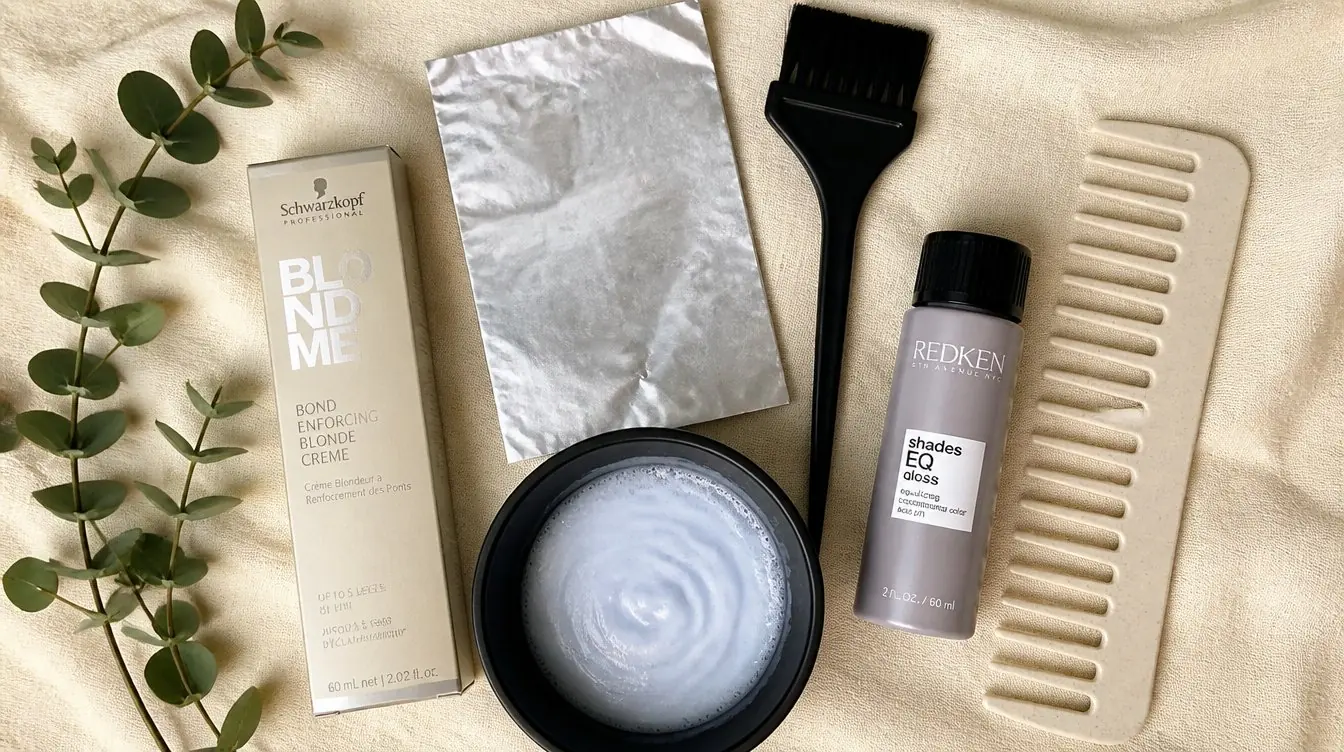
At home is realistic if your base is already a light brown or blonde and you only need a two-to-three shade lift on the panels. You will need salon-grade lightener, 20 or 30 volume developer, foil, a tinting brush, and a demi-permanent toning gloss for the finish. Going from a true black or deep brown to a platinum panel at home almost always produces orange brass and breakage; that scenario requires a colourist. Anyone with previous colour, chemically treated hair, or a sensitive scalp should also book a pro rather than risk an uneven, brassy result.
How often do money piece highlights need touching up?
The lift work itself lasts six to eight weeks before the root regrowth becomes visible, and most clients book a lift refresh every two to three months depending on how fast their hair grows. The gloss tone fades faster, usually around the six-week mark, so a separate toning gloss appointment between lifts keeps the colour looking clean. At home, a weekly purple or blue shampoo and a monthly clear gloss treatment stretch the time between salon visits. Skipping the gloss schedule is the single biggest reason that money-piece highlights begin to look brassy.
Sources
- Coloring and perming tips for healthier-looking hair, American Academy of Dermatology
- Effects of excessive bleaching on hair: comparative analysis of external morphology and internal microstructure, Applied Microscopy (peer-reviewed, via PubMed Central)
- Hair Cosmetics: An Overview, International Journal of Trichology (peer-reviewed, via PubMed Central)
Related Articles
About The Author

COMMENTS