


Lip masking is the overnight routine that finally breaks the cycle of endlessly reapplying balm to lips that never stay soft. This guide explains how
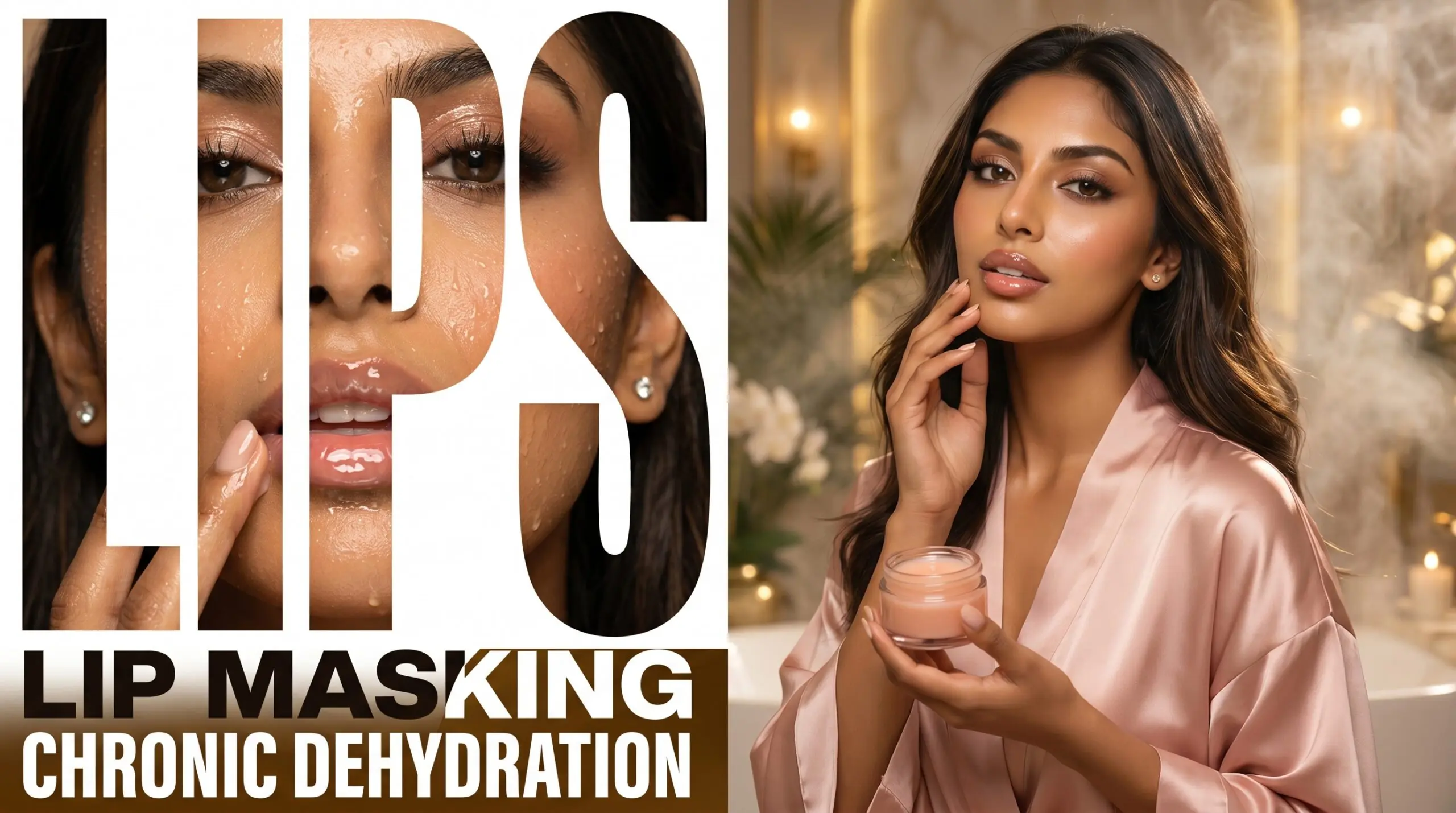
Lip masking is the overnight routine that finally breaks the cycle of endlessly reapplying balm to lips that never stay soft. This guide explains how lip masking treats chronic dehydration and walks you through a simple layering routine for smooth, healthy lips.
If you have ever reached for your go-to lip balm for the hundredth time in a single day and still found your lips feeling tight, flaky, and perpetually parched, you already know that ordinary balm is not solving the real problem. Lip masking is a targeted, science-backed practice that involves applying a concentrated treatment directly to the lips to provide hydration, lock in that moisture, and gradually repair a damaged lip barrier. It is not simply a thick coat of petroleum jelly before bed. It is a deliberate, layered routine that addresses the root causes of chronic lip dehydration rather than just masking the discomfort for an hour or two. This pillar guide walks you through everything: the science behind why lips lose water faster than any other part of the face, the difference between occasional dryness and true chronic dehydration, the full spectrum of mask types and their star ingredients, and complete morning and overnight routines you can follow starting tonight.
Understanding Chronic Lip Dehydration Versus Normal Dryness
There is a meaningful clinical difference between lips that feel dry after a cold winter walk and lips that are structurally dehydrated no matter the season, the weather, or how much water you drink. Recognising which category you fall into is the first step toward choosing the right interventions.
Published · Updated
What Chronic Dehydration Looks and Feels Like
Chronic lip dehydration is a different issue altogether. You will recognize it by a persistent cluster of symptoms that do not improve even after several days of consistent balm use. The lips look dull and lacklustre rather than plump and defined. Fine lines run vertically across the lip surface and may extend slightly beyond the vermilion border. The skin peels in layers rather than in small individual flakes, and if you try to remove those layers by rubbing, you expose raw, sensitive tissue underneath. Cracks form at the corners of the mouth, sometimes becoming deep enough to sting when you open your mouth wide to eat or laugh. In more severe cases, the lips bleed with minimal provocation, and there is a constant background ache of tightness that no balm fully eliminates.
From a structural standpoint, chronically dehydrated lips have a compromised lipid barrier. The outermost layer of the lip skin is extremely thin to begin with, measuring roughly three to five cell layers compared to the fifteen to sixteen layers found on facial skin. Lips also contain no sebaceous glands, meaning they produce zero natural oil to lock in moisture. This makes them entirely dependent on the surrounding skin and on topical products to maintain their water content. When habitual licking, picking, harsh environments, certain medications, or nutritional deficiencies compromise the lipid barrier, the rate of transepidermal water loss increases sharply. Transepidermal water loss, commonly abbreviated as TEWL, occurs when water passively evaporates through the outermost skin layers into the surrounding air. In healthy lip tissue, this process is slow and balanced. In chronically dehydrated lips, the damaged barrier allows water to escape far faster than the body can replenish it from within, creating a deficit that a single swipe of balm cannot correct.
Common Triggers That Perpetuate Chronic Dehydration
Several habits and lifestyle factors keep the dehydration cycle spinning even in people who are otherwise diligent about lip care. Lip licking is arguably the most common culprit. Saliva contains digestive enzymes, including amylase, that are designed to break down food, and when those enzymes sit on the lip surface, they degrade the thin protective barrier over time. The brief relief you feel after licking your lips is followed by accelerated moisture loss as the saliva evaporates, leaving the lips drier than they were before.
Mouth breathing, whether from habit, allergies, or nasal congestion, constantly passes dry air across the lips, dramatically increasing the rate of surface evaporation. Certain medications are significant contributors as well. Retinoids, whether topical or oral, are among the most drying because they accelerate cellular turnover and thin the stratum corneum. Antihistamines, diuretics, and some antidepressants reduce overall mucous membrane moisture throughout the body, and the lips are among the first places that deficit becomes visible. Isotretinoin for acne is notorious for producing severe lip dryness as a near-universal side effect.
Nutritional deficiencies, particularly in vitamins B2 (riboflavin), B6, iron, and zinc, are another underrecognised driver of chronic lip issues. These nutrients are essential for healthy cellular turnover and for maintaining the integrity of mucous membranes. When in short supply, lips often show persistent cracking, especially at the corners.
Why Regular Lip Balm Is Not Enough for Chronically Dehydrated Lips
Most people reach for lip balm as their default solution, and there is nothing inherently wrong with that response. The problem lies in what standard lip balm is designed to do versus what chronically dehydrated lips actually need.
The Limitation of Standard Balm Formulas
A typical lip balm is formulated primarily as a temporary barrier. It sits on the surface of the lips and reduces the rate of moisture evaporation for a short period, usually thirty minutes to two hours depending on how often you eat, drink, or lick your lips. Once it wears off, the cycle resumes. If the underlying barrier is compromised, the balm is essentially acting as a bandage over a wound that is not being allowed to heal. You get temporary comfort but no structural repair.
Many standard balms also contain ingredients that can contribute to the problem with heavy use. Fragrances, especially those derived from citrus or mint, are common sensitisers that can trigger a low-grade inflammatory response in the lip tissue. Phenol and menthol, found in many medicated balms, produce a cooling sensation by triggering the same nerve receptors that respond to cold, but they also create a mild irritant response that increases sensitivity. Some people develop what is clinically described as lip balm addiction, a misnomer for a real pattern in which the regular application of irritating ingredients creates a dependency cycle where the balm relieves the irritation it partially caused.
What Chronically Dehydrated Lips Actually Need
Repairing genuinely dehydrated lips requires a two-pronged approach. First, you need to actively draw moisture into the lip tissue using humectant ingredients that attract and bind water molecules. Second, you need to form a durable occlusive seal that prevents that moisture from evaporating back out. Standard balms do the second job imperfectly and the first job not at all. A dedicated lip-masking routine does both simultaneously while also delivering barrier-rebuilding ingredients like ceramides and peptides that help the lip tissue rebuild its structural integrity over time rather than simply managing symptoms day-to-day.
How Lip Masking Works: The Science of Occlusives and Humectants
The effectiveness of a well-formulated lip mask depends on understanding two categories of ingredients and how they interact when layered correctly on the lip surface.
Humectants: Drawing Water Into the Tissue
Humectants are molecules with a strong affinity for water. They work by forming hydrogen bonds with water molecules, drawing them from two sources: the air around you if the humidity is above roughly sixty percent, and from the deeper layers of your skin when the air is dry. Common humectants in lip masks include hyaluronic acid, glycerin, sodium PCA, aloe vera gel, honey, and urea at lower concentrations.
Hyaluronic acid deserves particular attention because of how it behaves at different molecular weights. High molecular weight hyaluronic acid sits on the surface of the lip and forms a film that creates a temporary plumping and smoothing effect by holding water close to the surface. Low molecular weight hyaluronic acid can penetrate more deeply into the tissue and deliver hydration where the cells need it most. The best lip masks use a blend of both molecular weights to address both surface comfort and deeper tissue hydration simultaneously.
Glycerin is the workhorse humectant in most skin and lip care because it is inexpensive, highly effective, well tolerated by virtually all skin types, and scientifically well documented. At concentrations between two and fifteen percent, glycerin significantly reduces TEWL and improves skin hydration measured both subjectively by touch and objectively by corneometry, the scientific measurement of skin moisture levels.
Occlusives: Locking the Moisture In
Occlusives work by forming a physical barrier on top of the lip surface that slows or nearly stops the evaporation of water. They do not add moisture themselves, but without them, any moisture drawn in by humectants would evaporate within an hour or two. This is why the combination of both ingredient types in a single mask formula, or layered as separate products in the right order, produces dramatically better results than either type alone.
Petrolatum (petroleum jelly) is the gold standard occlusive agent in terms of pure efficacy. Studies show it reduces TEWL by up to ninety-eight percent, making it the most effective sealing ingredient available in cosmetics. It is non-comedogenic on lip tissue, non-allergenic in its refined form, and extremely cost-effective. Beeswax is another classic occlusive that provides structure to balm and mask formulas while also offering a degree of emolliency. Shea butter, though sometimes classified as both an emollient and an occlusive, forms a rich protective film that softens the lip surface while reducing moisture loss. Lanolin is highly effective and closely mimics the lipid composition of human sebum, though a small percentage of people with wool allergies may react to it.
Ceramides: Repairing the Barrier from Within
Ceramides are lipid molecules that form a significant portion of the natural skin barrier. In lip tissue, as in all skin, ceramides sit between the cells of the outermost layer like mortar between bricks, preventing water from slipping out and irritants from getting in. Chronically dehydrated lips are deficient in ceramides, which is one reason why the barrier remains compromised even with regular balm use. Topically applied ceramides, particularly ceramide NP (ceramide 3), ceramide AP (ceramide 6-II), and ceramide EOP (ceramide 1), have been shown to integrate into the stratum corneum and help rebuild that damaged mortar layer over time. Lip masks that include a ceramide complex deliver real structural repair rather than surface management alone.
Peptides: Supporting Cellular Renewal
Peptides are short chains of amino acids that act as signalling molecules in the skin, prompting specific cellular responses. In the context of lip care, certain peptides encourage the production of collagen and hyaluronic acid in the dermis, which contributes to lip plumpness and suppleness over time. Palmitoyl tripeptide-1 and palmitoyl tetrapeptide-7 are among the most studied peptides in lip-focused formulations. They do not produce the dramatic short-term plumping that hyaluronic acid provides, but with consistent use over several weeks, they contribute to improved lip texture, reduced fine lines, and greater overall resilience. If your goal is long-term restoration of chronically dehydrated lips rather than just short-term comfort, a mask containing peptides is a worthwhile investment.
Types of Lip Masks: Finding the Right Format for Your Needs
The lip mask category has expanded enormously recently, and different formats serve different purposes and fit into different lifestyle routines. Understanding what each type does well helps you choose the right one for your specific goals.
Sleeping Lip Masks
Sleeping lip masks, also called overnight lip masks, are thick, balm-like formulas designed to be applied as the last step in your evening routine and worn throughout the night. They usually mix rich occlusives such as petrolatum or castor oil with humectants like glycerin and honey, and more often with barrier-repair ingredients such as ceramides and niacinamide. The overnight timeframe is ideal for deep hydration work because your body is in repair mode while you sleep, blood flow to the skin increases, and there is no eating, drinking, or talking to interrupt the treatment. Many people see a visible improvement in lip texture and fullness after just one or two nights of consistent overnight masking. For chronic dehydration, nightly sleeping masks are the single most impactful change you can make to your routine.
Sheet-lip masks
Sheet lip masks come in single-use patches shaped to cover the lip area and are saturated with a serum-like essence. They are typically worn for fifteen to twenty minutes and work by creating an occlusive environment under the sheet that forces the serum ingredients to penetrate more efficiently than they would if applied and left open to the air. The serum formulas in sheet masks often focus heavily on humectants and brightening agents. They are excellent for a quick pre-event treatment when you want your lips to look their most plump and luminous, and they are also a fantastic entry point for people new to lip masking who want to see a clear before-and-after effect. For chronic dehydration, sheet masks are best used as a weekly intensive treatment layered on top of a daily routine rather than as a standalone solution.
Peel-Off Lip Masks
Peel-off lip masks are formulated with film-forming agents that dry to a flexible layer on the lip surface. When peeled away, they physically remove loose dead cells along with the film, leaving the lips smoother and allowing subsequent products to penetrate more effectively. They can be deeply satisfying to use, and their physical exfoliation is gentler than a scrub if the formula is well-made. The key limitation is that they should not be used more than once or twice a week, particularly on already compromised lips, as daily peeling would strip the barrier rather than rebuild it. If your lips are in a very raw, sensitive state, skip the peel-off format until you have completed at least two weeks of gentler overnight masking to rebuild some baseline barrier integrity.
DIY Lip Masks
Homemade lip masks have genuine merit when made with the right ingredients and applied correctly. They allow you to control exactly what goes onto your lips, which matters if you have multiple sensitivities or prefer to avoid synthetic ingredients. The most effective DIY masks combine at least one humectant with at least one occlusive. Raw honey plus a small amount of sweet almond oil or coconut oil is a classic combination: nectar provides glycosidic compounds that attract moisture as well as natural antimicrobial properties, while the oil provides a light occlusive seal. Adding a minuscule amount of pure aloe vera gel introduces additional glycerin-like humectancy and a soothing, anti-inflammatory effect. A pea-sized amount of whipped shea butter blended with a drop of vitamin E oil is another effective combination that is particularly rich and suited to severely dehydrated lips. DIY masks should be applied for fifteen to thirty minutes and then rinsed gently rather than worn overnight, as without proper preservation systems they carry a contamination risk if used as extended-wear treatments.
Key Ingredients to Look for in Any Lip Mask
Whether you are choosing a ready-made product or assembling your own formula, the following ingredients are backed by both science and significant real-world use in the lip care space. Understanding what each one does helps you read ingredient lists with confidence and choose products that will actually deliver results for chronically dehydrated lips.
Shea Butter
Shea butter is extracted from the nut of the African shea tree and has been used as a skin treatment for centuries across West and Central Africa. It is rich in oleic acid, stearic acid, and linoleic acid, fatty acids that closely match those found in the skin’s natural lipid barrier. This compositional similarity is why shea butter integrates so effectively into damaged barrier tissue rather than just sitting on top of it. It also contains significant amounts of unsaponifiable fractions, including triterpene alcohols, tocopherols (vitamin E), and cinnamic acid esters that have documented anti-inflammatory properties. For the lips specifically, shea butter softens the surface, reduces the appearance of fine lines through surface smoothing and mild hydration, and contributes to barrier repair over time. It works particularly well as the base of a lip mask for overnight use.
Hyaluronic Acid
As discussed in the humectant section above, hyaluronic acid is one of the most effective water-binding molecules available in topical skincare. It can hold up to one thousand times its weight in water, which is a frequently cited statistic that reflects its genuinely remarkable hygroscopic capacity. In a lip mask, it provides both immediate plumping through surface hydration and, in lower molecular weight forms, deeper tissue hydration that improves over time with repeated use. One practical note: because hyaluronic acid draws moisture from its environment, using a hyaluronic acid-containing lip mask in a very dry environment without an occlusive layer on top can actually pull water out of the deeper lip tissue toward the surface where it then evaporates. Always follow any humectant-forward mask with a sealing occlusive, especially in low-humidity environments.
Ceramides
Ceramides are arguably the most important structural ingredient for genuinely healing, rather than temporarily managing, chronically dehydrated lips. A well-designed ceramide complex in a lip mask works to replace the depleted lipid mortar in the lip barrier, reducing TEWL on a more fundamental level than an occlusive alone can achieve. Seek products that list multiple ceramide types, particularly ceramide NP, ceramide AP, and ceramide EOP, as these three together most closely replicate the natural ceramide profile of healthy skin. Cholesterol and fatty acids listed with ceramides help them penetrate and integrate into the barrier tissue better, so these combination formulas work better than ceramides used alone.
Honey
Honey is a multifunctional ingredient that brings both humectant and healing properties to lip masks. Its high sugar content makes it an effective humectant that draws moisture to the lip surface. Its natural acidity (pH around 3.9) creates an environment hostile to bacterial growth, which is relevant for lip health because cracks and fissures can become sites of minor infection that slow healing. Honey also contains hydrogen peroxide produced enzymatically from glucose, which provides mild antimicrobial activity without the harshness of synthetic antimicrobials. Manuka honey, produced by bees that pollinate the Leptospermum scoparium plant in New Zealand, contains an additional antibacterial compound called methylglyoxal that makes it particularly effective for wound healing, and some lip mask formulas use it specifically because of those enhanced healing properties.
Peptides
Beyond their structural repair role, certain peptides have been shown to stimulate the synthesis of new collagen and hyaluronic acid in the dermis, which contributes to long-term plumpness and elasticity in the lip tissue. Argireline (acetyl hexapeptide-3) is sometimes included in lip-plumping formulas because it has a mild relaxing effect on the repetitive muscle movements that contribute to lip lines. While no topical peptide produces effects comparable to injectable treatments, consistent use over eight to twelve weeks does produce measurable improvements in lip fullness and the depth of fine lines for many people. If long-term restoration is your goal, peptide-containing lip masks are worth the investment beyond the basic occlusive-plus-humectant baseline.
Vitamin E (Tocopherol)
Vitamin E is both an antioxidant and an emollient, and it appears in virtually every effective lip care formulation for good reason. As an antioxidant, it neutralises free radicals generated by UV exposure and environmental pollution, both of which contribute to lip barrier damage over time. As an emollient, it softens and smooths the lip surface, improving both texture and appearance. It also works synergistically with vitamin C: when the two are formulated together, vitamin E’s antioxidant activity is regenerated by vitamin C, producing a more durable protective effect than either vitamin provides alone. On the lips specifically, vitamin E is particularly valued for its ability to soothe inflammation and reduce the stinging sensation that often accompanies severely cracked lips.
Niacinamide
Niacinamide, a form of vitamin B3, has gained enormous popularity in facial skincare for its barrier-strengthening, anti-inflammatory, and brightening properties. Its benefits translate fully to lip care. On the lips, niacinamide helps restore ceramide production, reduces redness and irritation in inflamed lip tissue, and gradually lightens hyperpigmentation that can develop on the lips after periods of chronic inflammation or sun damage. It is also exceptionally well tolerated, making it suitable even for sensitive lips that react to many other actives. Concentrations between two and five percent are effective and generally comfortable on lip tissue.
Step-by-Step Morning Lip Masking Routine
A morning routine for chronically dehydrated lips should balance treatment with practicality. You want to prepare your lips for the day ahead, including exposure to environmental stressors, and create a canvas that works well under lip colour if you wear it. The full morning routine takes approximately ten to twelve minutes.
Step 1: Gentle Cleansing
Start by pressing a warm, damp cotton pad gently against your lips for thirty seconds to soften any flaky skin and the residue of your overnight mask. Do not rub aggressively. Pat dry with a soft cloth, leaving the lips slightly damp rather than completely dry, as this moisture will be locked in by the subsequent steps.
Step 2: Gentle Exfoliation (Two to Three Times Per Week Only)
On days when you exfoliate, this is the step. Use a gentle lip scrub, either a commercial sugar-based formula or a homemade mixture of fine sugar and honey, and massage it onto the lips in small circles for thirty to forty-five seconds. The goal is to lift loose, flaking skin without disturbing the newer cells underneath. Rinse with lukewarm water and pat dry. Do not exfoliate every morning, as over-exfoliation will further damage the barrier. Two to three times per week is the appropriate frequency for most people with chronic dehydration, and some may do better with just once a week, particularly in the early stages of barrier repair.
Step 3: Humectant Serum or Essence
While your lips are still slightly damp, apply a small amount of a humectant-rich product. This can be a dedicated lip serum containing hyaluronic acid and glycerin, or you can simply dab a tiny amount of your regular facial hyaluronic acid serum onto the lips. Apply by pressing gently with a fingertip rather than rubbing, and let it absorb for about sixty seconds before the next step.
Step 4: Daytime Lip Mask or Treatment Balm
Apply a generous layer of a lip mask or treatment balm that combines occlusives with barrier-repair ingredients. If you are wearing lip colour after this step, choose a lightweight treatment balm rather than a thick sleeping mask, as heavy petrolatum-based formulas will not wear well under lip products. Tinted balms with SPF work beautifully in this step, as they simultaneously protect, hydrate, and provide a wash of colour. Let the treatment balm absorb for at least three to five minutes before applying any lip colour on top.
Step 5: Lip SPF
UV exposure is a significant and often overlooked driver of lip barrier degradation. The lower lip in particular receives more direct sun exposure than the upper lip due to the angle of the face, and chronic UV damage is a well-documented contributor to dryness, thinning, and loss of definition in the lip border over time. If your treatment balm does not contain SPF, apply a dedicated lip balm with at least SPF 30 as your final morning step. Reapply throughout the day, particularly if you spend time outdoors.
Step-by-Step Overnight Lip Masking Routine
The overnight routine is where the real restoration work happens for chronically dehydrated lips. Without the interruptions of eating, drinking, and environmental exposure, a well-formulated overnight mask can work for six to eight hours, providing sustained hydration and barrier repair that a daytime treatment simply cannot match.
Step 1: Remove All Lip Makeup Thoroughly
Begin by ensuring your lips are completely free of any lip colour, liner, or gloss. Residual pigments, particularly in long-wear formulas, can be mildly drying if left on overnight, and they create a barrier between the mask ingredients and your lip tissue. Use a gentle oil-based cleanser or micellar water applied with a soft cotton pad. Press and hold rather than rubbing to avoid irritating already sensitive skin.
Step 2: Warm Compress
Press a warm, damp washcloth against your lips for about one minute. This gentle warmth increases blood flow to the lip area, softens any dry skin, and slightly opens the pores on the lip surface to help the next treatment steps work better. It also simply feels wonderful and is a good transitional signal to your body that it is time to wind down.
Step 3: Exfoliate (If It Is an Exfoliation Night)
Two to three evenings per week, incorporate a gentle exfoliation step here. You can use a soft-bristled toothbrush (dedicated to lip care) with a small amount of honey or a sugar scrub or a dedicated lip exfoliant product. Work very gently in circular motions for thirty to forty-five seconds, rinse thoroughly, and pat dry, again leaving the lips slightly damp.
Step 4: Lip Serum or Treatment Oil
Apply a targeted lip serum containing ingredients like ceramides, peptides, or high-dose hyaluronic acid. Alternatively, a few drops of a nourishing facial oil (rosehip oil, marula oil, or squalane work particularly well) pressed gently onto the lips will provide fatty acids and antioxidants that prepare the tissue for the sealing step. Give this layer sixty to ninety seconds to absorb.
Step 5: Sleeping Lip Mask, Applied Generously
Apply a thick, generous layer of your sleeping lip mask as the final step. Do not be shy with the amount. A thin coating will wear off within an hour or two as you sleep. You want a visible layer that will sustain the occlusive seal for the full overnight period. Apply by pressing the product in with a fingertip rather than smearing it across the lips, which can displace the previous serum layer. Allow the mask to settle for a few minutes before lying down to minimise transfer onto your pillow. If transfer is a significant concern, a thin layer of cling wrap pressed gently over the lips for the first thirty minutes will help the mask set before you sleep.
Step 6: Morning Assessment
When you wake up, assess your lips before removing the mask. Well-hydrated lips will feel noticeably softer, look visibly plumper, and show significantly reduced flaking compared to what you would see after a night without masking. Gently remove any remaining product with a damp cotton pad and move into your morning routine. Over two to four weeks of consistent nightly masking, you should see a progressive improvement in baseline lip hydration that persists even on days when you skip the mask.
How to Layer Lip Masking with Exfoliation Without Over-Stripping
Exfoliation and masking work best together, but this combination can easily over-strip skin if you’re not careful. The fundamental rule is that exfoliation removes dead cells to allow mask ingredients to penetrate, but it also temporarily compromises the surface barrier, making the subsequent mask step even more critical. Never exfoliate and then skip the mask step. The sequence must always be exfoliate, then mask.
For severely dehydrated lips in the early stages of a repair routine, limit exfoliation to once per week for the first two to three weeks and focus primarily on consistent overnight masking. Once you noticeably improve baseline hydration, you can gradually increase exfoliation frequency to twice weekly. True chronic dehydration that has been longstanding often takes six to eight weeks of consistent routine before the lips reach a healthier baseline, and aggressive exfoliation during that repair window will extend the healing timeline rather than shortening it.
Chemical exfoliation on the lips, using a gentle alpha hydroxy acid like lactic acid or a low-concentration glycollic acid toner applied with a cotton pad, is another option that provides more even, controlled exfoliation than physical scrubbing. It is particularly useful for people who find that scrubbing causes irritation or small abrasions. Apply the chemical exfoliant on a cotton pad, press gently onto the lips for twenty to thirty seconds, then rinse and follow immediately with your serum and mask layers.
Seasonal Adjustments to Your Lip Masking Routine
Chronically dehydrated lips are sensitive to seasonal changes in ways that well-hydrated lips are not. Adjusting your routine to meet the specific challenges of each season can prevent the backsliding that many people experience when the weather shifts.
Winter Adjustments
Winter brings two simultaneous dehydrating forces: cold outdoor air with low absolute humidity and dry indoor heated air with equally low relative humidity. This combination maximises TEWL from the lips. During winter, switch to the richest possible sleeping mask formulation, ideally one that is petrolatum-based or contains a high proportion of heavy waxes. Apply your daytime treatment balm more frequently, targeting every sixty to ninety minutes if you are in a particularly dry environment. Adding a humidifier to your bedroom running at forty-five to fifty-five percent relative humidity during sleep will significantly reduce overnight TEWL and enhance the effectiveness of your sleeping mask by preventing the ambient air from working against you.
Summer Adjustments
Summer presents a different challenge. Higher temperatures mean increased metabolism and perspiration, which can alter the lipid composition on the lip surface. Sun exposure is at its most intense. Air conditioning indoors mimics winter heating in terms of dry air effects. Summer-specific adjustments include prioritising SPF in your daytime lip product, switching to slightly lighter mask textures if heavy formulas feel uncomfortable in the heat, and maintaining your overnight routine even when the rest of your skincare might feel like too much. Staying well hydrated internally matters more in summer as well, since the body’s demand for water increases with heat and physical activity.
Transitional Season Adjustments
Spring and autumn are often the most variable seasons for lip health because conditions can shift dramatically from week to week. Wind is a significant factor in both transitional seasons. Wind dramatically increases the rate of surface moisture evaporation from any exposed skin, and the lips are particularly vulnerable. On windy days, apply an extra layer of your occlusive-rich treatment balm before going outdoors, treating it the way you would apply sunscreen before sun exposure. In autumn, begin ramping up your routine before the full dryness of winter sets in. Starting your more intensive overnight masking regimen in early September rather than waiting until December means your lips enter the harshest season already well hydrated rather than already depleted.
Lifestyle Causes of Chronic Lip Dehydration and How to Address Them
Topical routines do extraordinary work, but they face a powerful headwind if you do not also address the lifestyle drivers of your dehydration. Identifying and managing these factors is an integral part of any serious lip restoration plan.
Hydration and Nutrition
Adequate water intake is foundational for all skin health, and the lips are no exception. A general guideline of approximately eight cups of water daily is a reasonable baseline, but individual needs vary based on body size, activity level, climate, and dietary factors. Beverages high in caffeine and alcohol are diuretics that increase the rate of water elimination from the body, so if your diet is heavy in coffee, tea, or alcohol, you may need to increase water intake proportionally to compensate. Foods rich in essential fatty acids, particularly omega-3s from sources like fatty fish, flaxseed, and walnuts, support the production of lipid barrier components throughout the body, including the lips.
Breaking the Lip-Licking Habit
Stopping habitual lip licking is one of the most impactful yet difficult behavioural changes for chronic lip dehydration, as it is largely unconscious. Keeping a rich treatment balm constantly accessible and applying it every time you feel the urge to lick creates a substitution behaviour. Some people find that applying a lip mask with a noticeable flavour or texture increases their awareness of the behaviour when they lick, creating enough of a pause to redirect. Being especially mindful during high-licking situations, such as when you are concentrating, reading, or on long phone calls, helps you catch the habit before it happens.
Breathing Through the Nose
If you are a chronic mouth breather, addressing the underlying cause, whether it is nasal polyps, a deviated septum, chronic allergies, or simply a long-standing habit, will have a cascading positive effect on lip health. A consultation with an allergist or ENT physician may be worthwhile if you suspect a structural or allergic cause. For habitual mouth breathing, practicing nasal breathing during periods of rest and mindfulness can gradually shift the pattern. Mouth taping during sleep is a practice some people use under medical guidance to encourage nasal breathing overnight, and some lip care enthusiasts report significant improvements in morning lip hydration after making this change.
Medication Management
If your lip dehydration coincides with starting a new medication, discuss the issue with your prescribing physician. In some cases, formulation adjustments, dose timing changes, or switching to a different medication in the same class may reduce the drying side effects without compromising therapeutic benefit. For isotretinoin users specifically, intensive lip masking is not a workaround but a necessary daily practice. Many dermatologists who prescribe isotretinoin now include a specific lip care protocol as part of their patient education because the lip dryness associated with this medication is both predictable and severe.
Frequently Asked Questions About Lip Masking
How long does it take to see results from a lip-masking routine?
For situational dryness, you may notice an improvement after a single overnight session. For chronic dehydration with a compromised barrier, meaningful structural improvement typically takes two to four weeks of consistent nightly masking, with full results visible at the six- to eight-week mark. Patience is essential. You are not just adding surface moisture; you are rebuilding barrier infrastructure that may have suffered compromise for months or years.
Can I use a sleeping lip mask every night?
Yes, absolutely. Unlike facial actives that require rest days to prevent irritation or desensitisation, a well-formulated sleeping lip mask contains ingredients that are safe and beneficial for daily use. In fact, nightly use is the recommended approach for chronic dehydration. The more consistently you maintain the occlusive seal overnight, the faster the barrier repair progresses.
Is there a difference between a lip mask and a lip balm?
Yes, and the distinction matters practically. A lip balm is formulated for quick application throughout the day as a temporary protective measure. It is designed to be thin enough to apply in a single swipe and to feel comfortable immediately. A lip mask is formulated for sustained treatment, typically with a thicker texture, a higher concentration of active ingredients, and a wear time measured from fifteen minutes to overnight rather than continuous day-long use. The two serve complementary purposes in a complete lip care routine.
Can lip masking help with lip lines and vertical wrinkles?
Yes, particularly when the mask contains hyaluronic acid and peptides. Dehydration dramatically exaggerates the appearance of lip lines because water-starved tissue loses volume and elasticity, deepening fine lines that would otherwise be barely visible. Restoring adequate hydration through consistent lip masking plumps the lip tissue and reduces the shadow cast by those lines, producing a visibly smoother appearance. Peptide-containing masks help reduce the depth of lip lines and make the skin smoother over six to twelve weeks of regular use.
Should I exfoliate my lips before applying a lip mask?
Exfoliating before applying a lip mask enhances penetration of the mask ingredients by removing the layer of dead cells that would otherwise slow absorption. However, exfoliation is not required every time you mask. For a simple overnight masking session, you can apply the mask directly to clean, slightly damp lips without exfoliating first. Reserve the exfoliation-then-mask sequence for two to three times per week, treating it as a more intensive treatment session within your broader routine.
What ingredients should I avoid in a lip mask if I have sensitive lips?
Fragrances in all forms, including natural fragrance and fragrance compounds like linalool, limonene, geraniol, and eugenol, are the number one triggers for lip sensitivity reactions. Menthol and peppermint oil create a tingling sensation that signals irritation even when it feels pleasant. Cinnamon derivatives (cinnamal) are potent sensitisers. Citrus-derived ingredients, particularly expressed citrus oils, contain phototoxic compounds that can cause pigmentation when exposed to sunlight. For sensitive lips, look for fragrance-free, dye-free formulas with short, simple ingredient lists centred on petrolatum, shea butter, glycerin, ceramides, and vitamin E.
Can men use lip masks?
Absolutely. Lip dehydration is a biological issue that affects all people regardless of gender, and the physiology of lip tissue is identical across sexes. Men who work outdoors or play sports often have severely dehydrated lips due to increased exposure and a lack of a lip-care routine. The same ingredients, the same routines, and the same principles apply.
How do I know if my lip issues require a dermatologist rather than just better home care?
Signs that warrant a professional consultation include persistent cracking that bleeds and does not improve after four to six weeks of consistent intensive home care, swelling or significant redness that extends beyond the lip border, a burning or stinging sensation that is present even without applying any products, or a rash-like texture that develops on the lips. These can indicate contact dermatitis, angular cheilitis with a bacterial or fungal component, actinic cheilitis from sun damage, or another condition that requires prescription treatment. A board-certified dermatologist can perform a proper assessment and recommend prescription-strength options if they are needed.
Building a Long-Term Lip Health Practice
The goal of a serious lip masking routine for chronic dehydration is not to reach a point where you need to mask every night forever. It is to reach a point where your lip barrier is healthy enough to maintain adequate hydration with minimal intervention, reserving the intensive overnight masking for winter, for travel, for periods of stress, or for the occasional bout of dryness that life inevitably brings.
Realistically, most people with a history of chronic lip dehydration will benefit from keeping overnight masking as a regular practice three to four nights per week, even after their lips reach a healthy baseline. The thin, gland-free nature of lip tissue means it will always be more vulnerable to dehydration than the rest of your face, and maintenance is far easier than repair. A consistent investment of a few minutes each evening produces dividends in the form of lips that stay soft, plump, and comfortable without the constant awareness of tightness or flaking that characterises truly dehydrated lips.
Tracking your progress helps maintain motivation during the slower repair phase. Take a close-up photograph of your lips in good natural light at the start of your routine, then repeat every two weeks. The progressive improvement in texture, colour evenness, and the reduction of fine lines is often more dramatic than you expect and serves as a powerful motivator to continue. Using the right ingredients, applying them consistently, scheduling exfoliation wisely, making seasonal adjustments, and paying attention to the lifestyle factors causing your dehydration together create a complete and sustainable approach that is much more effective than any single product or occasional treatment.
Lips that feel soft, look healthy, and move comfortably are not a luxury reserved for people who happen to be born with resilient lip tissue. They are the predictable result of giving the lip barrier what it actually needs: consistent hydration, reliable occlusive protection, structural support through ceramides and peptides, and freedom from the habits and ingredients that damage the barrier in the first place. Your lip masking routine is the foundation of that result, and with the science and step-by-step guidance laid out in this article, you have everything you need to start building it tonight.
RELATED ARTICLES:
Skincare-infused makeup: Why your 2026 foundation should double as a serum
Skin Tints That Work For a Natural Base
Pink clay mask: what it is for and how to make it
2025 Skincare Revolution: Morning & Evening Routine to Achieve Flawless Skin
How To Achieve a Flattering No-Mascara Makeup Look
About The Author

COMMENTS