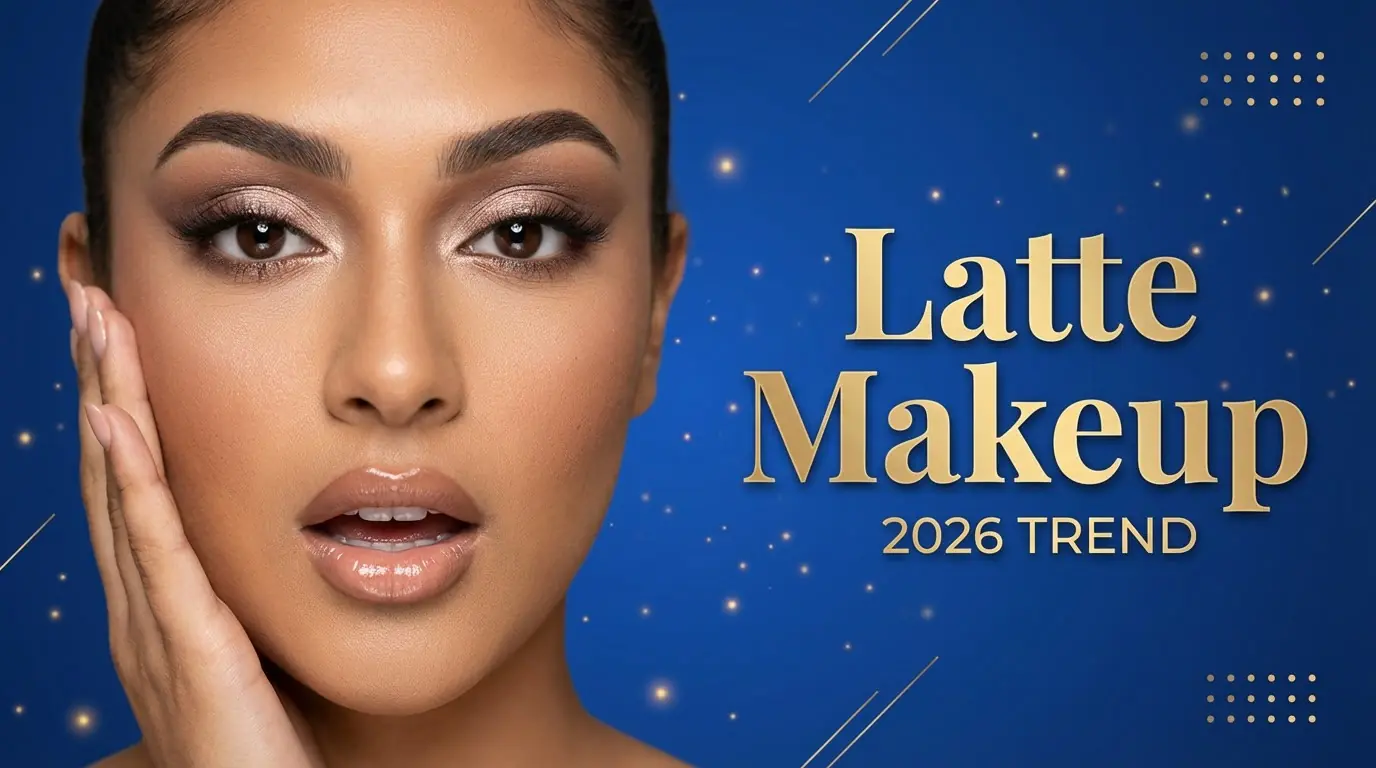
Latte Makeup: The Warm Monochrome Eye Trend of 2026 If your beauty routine has been craving something cosy, warm, and effortlessly sophisticated, latt
Latte Makeup: The Warm Monochrome Eye Trend of 2026 If your beauty routine has been craving something cosy, warm, and effortlessly sophisticated, latte makeup is exactly what you need to explore. This trend takes its cues directly from your favourite coffee order, translating the rich espresso browns, silky caramels, creamy oat tones, and frothy cream highlights into a wearable, monochromatic eye look that flatters virtually every skin tone. In 2026, latte makeup has moved from a niche aesthetic seen on social feeds to a full-blown beauty movement, redefining what it means to wear brown in a way that feels polished rather than predictable.What makes this trend so compelling is its versatility. Unlike high-contrast looks that demand flawless execution, latte makeup works with your natural colouring rather than against it. The palette is inherently harmonious, built on a family of warm neutrals that blend seamlessly into each other and into skin. Whether you are heading to a morning meeting, a weekend brunch, or an evening out, the latte aesthetic adapts with small but purposeful adjustments that shift its intensity without changing its character.
Published · Updated
What Is Latte Makeup and Where Did It Come From
Latte makeup is a warm, monochromatic beauty approach centred on the eye area, drawing its colour story from the tones found in a perfectly made latte: deep espresso at the darkest point, rich caramel through the mid-range, soft oat and warm beige in the lighter zones, and a touch of frothy cream at the highest highlight. The concept is monochrome in the truest sense, meaning the entire look lives within a single temperature family. There is no cool-toned contrast, no sudden pop of unexpected colour. Everything is warm, layered, and blended into a cohesive visual experience.
The roots of this trend trace back to the broader “your skin but better” movement that dominated the early 2020s, which pushed back against maximalist, high-drama makeup in favour of looks that enhanced natural features rather than masking them. As that movement evolved, makeup artists and beauty editors began exploring ways to add depth and dimension without abandoning the natural aesthetic. Monochromatic makeup became the answer, and warm brown families emerged as the most universally flattering option.
The latte-specific framing gained serious traction in 2024 and 2025 as ‘aesthetic’ naming conventions became a dominant way to communicate beautiful moods. Naming a makeup look after a coffee drink immediately communicated warmth, comfort, and a certain effortless sophistication. By 2026, what started as a mood board reference had codified into a recognisable set of techniques, shades, and application principles that professional artists and everyday wearers alike could follow and refine.
The trend is also deeply influenced by colour theory principles that have long been understood in the makeup artistry world. Warm brown tones are universally flattering because they mimic the natural shadows and warmth present in skin at varying depths. When you build a look using shades from the same warm family, you create dimension that reads as natural rather than constructed, which is precisely the sophisticated effect the latte look delivers.
The Latte Color Palette Explained
Understanding the specific shades within the latte palette is the foundation of executing this look well. Each tone plays a distinct role, and knowing where and why each one is applied makes the difference between a look that blends beautifully and one that feels muddled or flat.
Espresso
Espresso is the deepest shade in the palette, a rich, warm dark brown that sits close to black but retains noticeable warmth rather than reading as cool or ashy. This shade defines the outer corner of the eye, deepens the crease for dimension, and can be used as a liner alternative for a softer, more blended edge than liquid liner produces. In colour theory terms, espresso functions as the shadow anchor of the look. It creates depth without harshness because its warm undertone harmonises with the lighter shades layered above and beside it. When blended correctly, espresso gives the eye a sense of three-dimensionality that draws attention inward and creates the appearance of greater depth in the socket.
Caramel
Caramel is the workhorse of the latte palette, sitting in the mid-tone range with a warm amber-brown quality that transitions naturally between the deeper espresso and the lighter oat tones. This shade typically occupies the crease and the outer third of the lid, creating the gradient that gives latte makeup its characteristic soft depth. A good caramel shadow has enough pigment to show on the skin without being so saturated that it overwhelms the blended quality of the look. When shopping for this shade, look for descriptions that include words like amber, toffee, warm taupe, or light cognac. Matte and satin finishes both work beautifully for caramel in the crease, while a slightly reflective formula can add a lovely dimension on the lid.
Oat
Oat sits in the lighter end of the warm neutral spectrum, a soft beige-blonde tone with enough warmth to avoid reading as cool or chalky. This shade is used across the brow bone as a highlight, in the inner corner of the eye to brighten, and sometimes across the bulk of the lid as a base beneath the deeper shades. The oat tone is responsible for the “latte froth” quality of the look, that luminous, almost glowing lightness that balances the depth of the espresso and caramel shades. When choosing an oat shade, warm undertones are essential. A cool champagne or icy beige will break the cohesion of the look immediately. You are looking for something that feels like warm sunlight rather than cool frost.
Cream
Cream is the lightest shade in the palette, typically applied to the very centre of the lid and sometimes to the inner corner highlight or the brow bone peak. It has more white in it than oats but should still lean warm rather than icy. A cream shade with a subtle sheen or soft shimmer catches light in a way that opens the eye and adds the finishing luminosity that completes the latte aesthetic. This is often where you can introduce a very subtle shimmer without disrupting the overall warmth of the look. A warm pearl or a soft gold-cream with fine shimmer particles works beautifully here. Chunky glitter or cool-toned shimmer should be avoided, as both will read as discordant within the warm monochrome palette.
Choosing the Right Shades for Your Skin Tone
One of the great strengths of the latte makeup trend is that it was essentially engineered to be universally flattering, but that does not mean every shade within the broad palette description will work equally well on every complexion. Understanding how to calibrate the palette to your specific skin tone is what separates a look that feels custom and elevated from one that feels borrowed or slightly off.
Fair Skin Tones
For those with fair skin, the risk with the latte palette is that the deeper espresso shades can sometimes read as very intense relative to the lightness of the surrounding skin. The solution is to keep the espresso application concentrated and well-blended into caramel rather than building it heavily. Your oat shade might actually read as your mid-tone rather than your light, so do not be afraid to use it more broadly across the lid. A warm ivory or soft gold cream will serve as your cream highlight beautifully. Fair skin with warm undertones will find that the latte palette feels like a natural extension of their colouring, while fair skin with cool undertones should still be able to enjoy the look, since the warmth of the eye palette creates an interesting and flattering contrast rather than conflict.
Light to Medium Skin Tones
This range is where the latte palette tends to show its most photographically striking results. The contrast between the warm mid-tones of most light to medium complexions and the graduated depth of espresso to caramel creates a beautifully dimensional effect that photographs exceptionally well and reads with clarity in person. Those in this range have the most latitude in how they build the look, being able to go slightly deeper with espresso in the outer corner or slightly lighter with a cream lid without losing the cohesion of the palette. Warm golden undertones in this range will feel especially harmonious with the caramel and oat shades.
Medium to Tan Skin Tones
Medium to tan complexions often find that the lighter shades within the latte palette require more intentional application to show up with clarity on their skin. The oat and cream shades may need to be layered over a lighter base or applied with a white or cream base beneath them to achieve the luminosity that paler complexions get more easily. The good news is that espresso and caramel shades sing against warm medium- to tan skin, creating depth with an intensity that looks rich and intentional. The monochromatic quality of the look reads as especially sophisticated at this skin tone range, with a tonal resonance between the palette and the complexion that is naturally beautiful.
Deep and Dark Skin Tones
Deep skin tones require the most thoughtful shade selection within the latte concept. The traditional espresso shade that functions as the darkest tone for lighter complexions may not show distinction on very deep skin. For dark-to-deep skin tones, the entire palette essentially shifts: a shimmery gold or cognac might function as your caramel-equivalent lid shade, a deeper warm brown with red or mahogany undertones might serve as your espresso-equivalent for the outer corner, and a warm bronze can step in where cream might have been used on lighter skin. The underlying principle, a warm, monochromatic look built on depth, mid-tone, and highlight within the same temperature family, remains exactly the same, but the specific shades drawn from should be calibrated accordingly. Deep skin beautifully wears the latte aesthetic when the shades are chosen thoughtfully.
Step-by-Step Latte Eye Makeup Tutorial
This tutorial walks you through the complete latte eye from primer application through final blending, covering each stage in enough detail that you can execute it confidently whether you are a seasoned makeup wearer or relatively new to more intentional eye application.
Step One: Prime the Eye
Eye primer is non-negotiable for latte makeup, not only because it extends the wear of your shadows but also because warm brown pigments have a tendency to oxidise or shift on oily lids, which can muddy the carefully built gradient you are working toward. Apply a thin layer of skin-tone or warm-toned eye primer to the entire lid from the lash line to the brow bone. Pat it in gently and allow it to become tacky before proceeding. If you do not have dedicated eye primer, a very thin application of concealer set with a fine translucent powder can serve as an adequate substitute, though it will not match the longevity of a true primer.
Step Two: Apply the Oat Base
Using a flat shader brush or a dense crease brush, sweep your oat shade across the entire lid from the lash line up to and including the browbone. This creates a warm, unified base that ensures all subsequent shades blend smoothly rather than patching on bare skin. Building this warm neutral base first is a professional technique that creates the foundation for seamless gradient work. Press and sweep the oat shade rather than dragging it, which can disturb the primer beneath.
Step Three: Build the Caramel in the Crease
Switch to a fluffy blending brush and load it lightly with your caramel shade. Using windscreen-wiper motions across the crease, begin building the caramel tone through the natural fold of the eye. Keep your brush movements at the top of where the eye opens so that the caramel sits precisely in the crease rather than dragging down onto the lid. Build this shade gradually with light layers rather than one heavy application. The goal at this stage is a soft, diffused warmth in the crease, not a harsh line. Step back from the mirror periodically to assess the shape from a normal viewing distance.
Step Four: Deepen with Espresso
Take a smaller, more precise blending brush and apply the espresso shade to the outer third of the crease and the outer corner of the lid. The espresso should be concentrated at the outer corner and blended upward and inward into the caramel using small circular motions that marry the two shades at their boundary. Avoid dragging espresso too far inward, as this will darken the look more than the latte aesthetic intends. The espresso creates the depth that gives the look its definition, but it should feel like it naturally deepens from the caramel rather than appearing as a separate band of dark colour.
Step Five: Add Espresso to the Lower Lash Line
Using a fine pencil brush or a small angled brush, apply a diffused line of espresso along the outer half of the lower lash line. This step connects the upper and lower eye, preventing the common issue where a beautifully worked upper lid sits above an untouched lower eye that breaks the cohesion of the look. Blend the espresso along the lower lash line gently so it reads as a smudged, sultry depth rather than a hard line. Carry it slightly under the outer corner of the eye to connect it with the upper espresso placement.
Step Six: Apply the Cream Shade to the Center of the Lid
Return to a flat shader brush and press your cream shade onto the centre of the upper lid. This placement creates the gradient where the lid goes from caramel and espresso at the outer corner and crease to a luminous cream centre that catches light and creates the appearance of a more open, lifted eye. If your cream shade has a soft shimmer, this is the moment it will do its most beautiful work. Press the shade rather than sweeping it to preserve the shimmer particles and ensure maximum payoff.
Step Seven: Brighten the Inner Corner
With a fine brush or clean fingertip, apply a small press of your cream or oat shade to the inner corner of the eye. This is a finishing technique that immediately opens and brightens the eye, counteracting any heaviness from the espresso and caramel application. The inner corner highlight should be subtle, a concentrated brightening rather than a spotlight effect. If you prefer a more precise application, a fine detail brush gives excellent control here.
Step Eight: Blend, Assess, and Refine
This step is arguably the most important of all. Take a clean fluffy blending brush and work over the entire eye with gentle circular motions, particularly at every boundary where one shade meets another. At this stage you are not adding new products but rather perfecting the seamlessness of what you have already built. Step back from the mirror and assess the look with both eyes open. Notice whether the depth feels balanced between the two eyes and whether any transitions read as harsh rather than blended. Make targeted refinements with a small amount of the relevant shade where needed.
Step Nine: Finish with Mascara
One or two coats of mascara complete the latte eye. A warm brown mascara is a beautiful choice for daytime latte makeup because it maintains the monochromatic warmth of the overall palette. Black mascara is equally appropriate and adds slightly more definition, which works particularly well for evening variations. Focus the mascara application at the base of the lashes and work outward, wiggling the wand through the lashes rather than simply pulling it through in a single stroke, which builds volume and separation rather than just length.
Eye Shapes and How Latte Makeup Flatters Each
The structural principles of latte makeup translate across different eye shapes with remarkable flexibility, though small adjustments in where you concentrate each shade will optimise the look for your specific eye anatomy.
Almond Eyes
Almond-shaped eyes have a natural symmetry and visible socket crease that make them one of the easiest shapes to work with using the latte palette. The classic placement described in the tutorial above suits almond eyes beautifully with minimal modification. You can play with extending the espresso slightly beyond the outer corner for a subtle elongating effect if desired.
Hooded Eyes
Hooded eyes require the crease work to be placed higher than feels intuitive when the eye is closed because the fold of the hood will cover placement that sits at the natural crease when the eyes are open. Apply caramel and espresso higher on the orbital bone than your instinct suggests, checking the look with eyes open rather than closed as you build. The cream centre highlight on the lid is especially important for hooded eyes, as it creates the appearance of a more visible, lifted lid space when the eyes are open.
Monolid Eyes
For monolid eyes, the crease-focused application approach shifts to a more graphic, intentional placement. Use the espresso shade to create a defined shape along the upper portion of the lid, building depth that creates dimension without relying on a natural crease as a guide. The caramel can be layered beneath the espresso to create a graduated depth, and the cream centre highlight becomes particularly powerful for creating a focal point on the lid surface. A slightly smokier, more blended application of espresso along the upper lash line also works beautifully on monolid shapes.
Round Eyes
Round eyes benefit from a latte application that emphasises the outer corner, using espresso to slightly extend and elongate the outer edge of the eye. This creates a subtle almond effect that balances the natural roundness. Keep the caramel and oat tones more concentrated in the centre and inner portion of the lid for this eye shape, and blend the espresso slightly outward and upward at the outer corner for maximum elongation.
Downturned Eyes
Downturned eyes should receive espresso and caramel placement that is concentrated toward the upper outer corner rather than following the natural downward direction of the eye at the outer edge. Blending these shades slightly upward at the outer corner counteracts the downward pull and creates a more lifted appearance. Avoid applying espresso along the lower outer lash line for downturned eyes, as this will emphasise the downward direction. Instead, concentrate your lower lash line application on the inner two-thirds of the lower lash line only.
Liner and Blending Techniques for the Latte Look
Traditional sharp liquid liner does not belong in the latte makeup aesthetic. The look is defined by its softness and its blended, diffused quality, and a hard liner line works against both of those qualities. That said, liner is still part of the latte toolkit when used thoughtfully.
A warm brown pencil liner or a gel liner applied with a small angled brush and immediately smudged is the most appropriate liner technique for this look. Apply the liner close to the upper lash line, pressing it between the lashes to create the illusion of density at the root without a visible line across the lid. Immediately use a small smudge brush or the tip of a clean finger to soften and smudge the liner so it blends into the espresso shadow above it. The result is a lash line that looks darker and fuller without the hard edge that would disrupt the overall blended quality.
For the lower lash line, a brown or dark caramel pencil liner smudged with a small brush creates a soft, defining warmth that ties the lower eye into the upper palette beautifully. If you want to skip liner entirely and rely purely on shadow application along the lash lines, that is equally valid and can look particularly natural and effortless for daytime latte makeup.
The blending technique is where latte makeup lives or dies as a look. The key principle is that every boundary between shades should be invisible. You should be able to see each shade individually when you focus on a specific part of the eye, but when you step back and look at the whole face, the eye should read as a cohesive, graduated depth rather than a collection of distinct colours. Achieving this requires patience, light-handed application, and a willingness to spend more time blending than you spend applying new products. A clean, dry blending brush is your most important tool and should be used frequently throughout the process to soften any transitions that are reading as too defined.
Pairing Latte Eyes with Lips and Cheeks
A beautifully executed latte eye creates a visual anchor for the rest of the face, and the choices you make for lips and cheeks will either enhance the monochromatic warmth of the look or introduce contrast that shifts its character.
Lip Options for the Latte Aesthetic
The most cohesive lip choices for latte makeup lie in the warm neutral to soft warm brown family. A your-lips-but-better nude that has warm rather than cool undertones is the simplest and most wearable option, keeping the focus on the eyes while maintaining the warm tonal story across the whole face. A warm terracotta or dusty rose with brown undertones adds slightly more presence on the lips without competing with the eye work. For evenings, a deeper warm brown or a burnished brick red can bring the latte aesthetic into richer, more glamorous territory.
What to avoid with latte eyes is cool-toned or very bright lips. A cool nude with pink undertones, a bright fuchsia, or a cool-toned red will fight the warmth of the eye palette and make the overall look feel disjointed. If you love a bold lip, a warm red with orange or brick undertones can coexist beautifully with a slightly pared-back version of the latte eye where the espresso is used more conservatively.
Cheek and Bronzer Pairings
Blush for latte makeup should live in the warm peach, warm terracotta, or warm mauve family. Cool-toned berries and cool pinks will introduce a temperature shift that works against the warmth of the eye palette. A warm peach blush applied to the apples of the cheeks and blended gently toward the temples maintains the cosy warmth of the latte aesthetic beautifully. For those who prefer a more defined, sculpted look, a warm terracotta blush can be applied slightly higher on the cheekbones for a more structured feel without abandoning the overall warm palette.
Bronzer is a natural partner for latte makeup, since the warm brown tones it adds to the face are essentially an extension of the same colour family driving the eye look. A matte or lightly luminous warm bronzer swept through the hollows of the cheeks, along the hairline, and subtly across the nose bridge creates a sun-kissed warmth that makes the entire look feel intentional and cohesive. Avoid bronzers with heavy orange or very cool undertones, seeking instead warm golden browns that look like natural sun warmth rather than artificial colour.
Highlighter placement for latte makeup should stay warm as well. A warm gold or champagne highlighter on the tops of the cheekbones complements the latte palette seamlessly. Cool-toned silver or icy pink highlighters will disrupt the tonal harmony of the look. A single targeted press of warm highlighter to the cheekbone peak is more aligned with the latte aesthetic than an expansive, blinding highlight that overtakes the overall softness of the look.
Tools That Make a Genuine Difference
Latte makeup is a technique-driven look, and the right tools make it significantly easier to achieve the blended, seamless quality that defines it. This is not a look that requires an extensive or expensive kit, but a few specific brush types are genuinely important.
Fluffy Blending Brush
This is the single most important tool in your latte makeup kit. A dome-shaped, fluffy brush with loosely packed bristles is designed specifically for blending shadow in the crease and diffusing shade boundaries. If you only own one eyeshadow brush, it should be this one. The fluffy blending brush is used to apply caramel in the crease, to blend at every boundary between shades, and to soften the overall look in the final stage of application. Look for synthetic or natural bristles in a rounded, dome shape, typically around medium size.
Flat Shader Brush
A flat shader brush with densely packed bristles is used to press colour onto the lid with precision. This brush is ideal for applying the oat base across the lid, placing the cream highlight in the centre of the lid, and packing caramel onto the lid surface if you want more intensity there. The flat, packed nature of this brush maximises pigment payoff with each application, which is particularly useful for the lighter shades that need to show up with clarity on the lid.
Small Pencil or Crease Brush
A smaller, more tapered brush is essential for placing the espresso shade with precision in the outer corner and deeper crease area. This brush allows you to concentrate darker shades exactly where you intend them without the broad spread of a larger blending brush, giving you control over the shape and intensity of your darkest shades before blending them out.
Fine Detail Brush
A very fine, pointed brush serves multiple purposes in latte makeup: applying liner along the lash line, placing the inner corner highlight with precision, and adding detail work to the lower lash line. Having this brush in your kit makes the difference between inner corner highlights that land precisely and ones that spread beyond where you intend.
Small Smudge Brush
A small rounded smudge brush with packed bristles is the tool for working along the lower lash line and for smudging any liner applications. Its compact size gives control in the smaller space of the lower eye, and its rounded tip is shaped to follow the curve of the lower lash line naturally.
Clean Spoolie
A clean spoolie brush is worth keeping beside your eye brushes to groom the brows after any powder fallout from shadow application, to separate lashes after mascara, and to groom brow hairs into place. The latte look relies on a generally groomed, polished finish that includes well-kept brows, and a spoolie makes maintaining that polish effortless.
Day Version Versus Evening Version
One of the most practical qualities of latte makeup is how naturally it scales between daytime and evening wear. The core palette and application principles stay consistent, with specific adjustments that shift the look’s intensity without changing its essential character.
Daytime Latte Makeup
For daytime, the latte eye should feel effortless and natural, like a more polished version of your bare face rather than an evident makeup look. This means keeping the espresso shade light in concentration and very well blended, using it to add soft depth rather than visible drama. The caramel should feel like a warm wash through the crease rather than a saturated band of colour. Oat and cream tones can be used more broadly, with the cream highlight slightly understated. A brown mascara rather than black maintains the warm, naturalistic quality of a daytime latte look. Lips in a warm tinted balm or a soft warm nude complete a daytime version that is beautiful without being demanding.
Skin finish for daytime latte makeup tends toward a natural or dewy base. Heavy, full-coverage matte foundations can feel at odds with the softness of the latte-eye aesthetic. A tinted moisturiser, a skin tint, or a foundation with a natural finish that still allows skin texture to show through reads as more cohesive with the overall warmth and softness that the trend embodies. Skin that looks like skin, just more even and warm, is the ideal canvas for a daytime latte look.
Evening Latte Makeup
Elevating latte makeup for evening is less about adding new elements and more about deepening and intensifying the same elements you built for daytime. Apply the espresso shade more generously in the outer corner and extend it slightly beyond the outer edge of the eye for a more dramatic shape. Build more layers of caramel in the crease for richer colour depth. Introduce a cream or oat shade with a more visible shimmer for the centre lid highlight, allowing more light catching to draw attention to the eye. Line the upper lash line more definitively with a dark brown or black pencil liner, smudged into the shadow work.
For the evening, a second or third coat of black mascara intensifies the lash line further. Consider a warm brick or deep terracotta lip rather than the softer nude you might wear during the day. The skin finish for an evening latte look can afford to be slightly more luminous, with a warming highlighter applied more intentionally to the cheekbones. The entire look should feel like a richer, more saturated version of its daytime self rather than a completely different approach.
Building Your Latte Makeup Collection
If you are building or adding to your collection with the latte aesthetic in mind, there are a few category decisions that will serve you well across multiple variations of the look.
An eyeshadow palette built around warm neutrals is the most efficient investment for latte makeup. Look for palettes that offer at least one deep espresso or dark warm brown, two to three mid-range caramel and warm taupe options, and two to three lighter shades ranging from oat beige to warm cream. Both matte and shimmer finishes should be represented in a well-rounded latte palette. Several palettes from the past two years have been specifically marketed around warm monochromatic looks, making them straightforward choices, but the specific product matters less than ensuring the shades you choose stay within the warm temperature family.
A warm brown pencil liner, a good eye primer, and a warm brown mascara round out the essential product list for latte eye makeup. Beyond these, having a warm peach or terracotta blush, a warm-toned bronzer, and a warm gold highlighter allows you to build a complete latte face rather than just a latte eye.
Setting spray is a useful finish for latte makeup, particularly for daytime wear where you want the blended, seamless quality of the eye work to hold through the day without migrating or oxidising. A light misting of setting spray over a completed latte eye locks the shadows in place and often intensifies the depth and richness of warm brown pigments simultaneously.
Common Mistakes and How to Avoid Them
Even with the right palette and tools, a few common missteps can undermine the warmth and cohesion that define successful latte makeup. Being aware of these pitfalls before you begin helps you avoid them naturally.
The most frequent issue is using shades that lean cool or grey rather than truly warm. Taupe shadows are a particular area of confusion, since some taupes are genuinely warm while others are distinctly cool-grey. Before incorporating any shade into your latte look, hold it up to the light and compare it to a known warm brown. If it looks grey or pink against the warm brown, it will not serve the latte palette well.
Over-blending to the point where the depth disappears is another common issue. There is a point in blending where the espresso shade, which was creating beautiful depth, becomes so diffused that it no longer reads as depth at all, and the entire eye looks like a single pale wash. Blending should smooth transitions between shades without erasing the intentional depth distribution you built in previous steps. Check your work periodically and stop blending when transitions are smooth rather than continuing until colour is gone.
Skipping eye primer is a mistake that shows up later in the wear day as creased, faded, or muddied warm brown shadows. Warm brown pigments are among those more prone to shifting on skin without primer, and the gradient quality that defines latte makeup is particularly vulnerable to this shifting. Priming takes thirty seconds and genuinely protects the hours of work that follows it.
Finally, choosing a foundation base that is too cool or too matte in a way that feels disconnected from the warmth of the eye work can make even a beautifully executed latte eye feel out of place on the face. Your base does not need to be warm-toned in a heavy or bronzed way, but it should at least be neutral enough that it does not introduce an obvious cool contrast that fights the warmth you built at the eye.
Frequently Asked Questions About Latte Makeup
Is latte makeup suitable for every skin tone?
Yes, with appropriate shade calibration. The underlying principle of latte makeup, warm, monochromatic depth built from a dark anchor through mid-tones to a light highlight, applies universally across skin tones. What changes between skin tones is the specific shades drawn from within that framework. Fair skin will use the classic espresso-caramel-oat-cream range, while deeper skin tones will shift to warmer bronzes, rich cognacs, and warm golds to achieve the same tonal relationship on a different canvas.
Can I do latte makeup without a full eyeshadow palette?
Yes. If you have three warm brown shades in your collection, a dark one, a mid-tone one, and a light one, you can execute latte makeup. A warm brown pencil liner smudged along the lash line can substitute for a separate espresso shadow in the outer corner. The full palette experience is richer and more nuanced, but the essential look is achievable with minimal products when the shades you have are warm-toned and well-chosen.
How do I stop warm brown shadows from looking muddy?
Muddiness typically comes from one of three causes: applying too much product at once; using a dirty brush that has mixed shades, creating a grey or muddy mid-tone; or choosing shades that are too similar in depth to create genuine contrast. To avoid muddiness, apply in light layers rather than one heavy application, clean or switch brushes between different shades, and ensure that your palette has genuine depth and distinction between your darkest and lightest shades.
What is the difference between latte makeup and a standard brown smoky eye?
A brown smoky eye focuses primarily on depth and drama, often using very dark shades extensively and prioritising intensity. Latte makeup is specifically monochromatic and warm, with equal attention to the lighter tones as to the darker ones, creating a balanced gradient rather than a predominantly dark eye. The latte look is inherently softer and more daytime-appropriate in its standard form, while a smoky brown eye tends towards evening and drama. Think of the latte look as the sophisticated, warm-toned daytime version in the same family as the smoky eye’s nighttime drama.
How long does latte makeup take to apply?
With practice, a complete latte takes between ten and twenty minutes. Beginners should expect to spend more time in the early stages of learning the look, particularly on the blending steps that require patience and assessment. As the application sequence becomes familiar and your hand develops confidence with the brush motions involved, the time investment decreases naturally. The payoff in terms of how long the look remains wearable and beautiful, particularly with a good primer underneath, makes the time spent very efficient in the context of a full day of wear.
Can I wear latte makeup with glasses?
Absolutely. Latte makeup is particularly well-suited to glasses wearers because its warmth and depth show up clearly through lenses without looking overdone or muddy when magnified. The monochromatic quality of the look also means there is no jarring colour contrast to navigate with different frame colours. Warm tortoiseshell frames in particular are a natural complement to the latte palette. Those with corrective lenses that magnify the eyes may want to keep espresso slightly more restrained, while those with lenses that minimise the appearance of the eye may want to lean into slightly deeper caramel and espresso application for maximum visible definition.
Is this trend going to last beyond 2026?
The latte makeup trend has staying power beyond the typical trend cycle because it is built on enduring principles of warmth, flattery, and versatility rather than novelty or shock. Warm brown monochromatic looks have been worn and loved through multiple beauty eras and will continue to be, even as specific trend names and styling details evolve. The latte framing may eventually be replaced by a new name for essentially the same warm, monochromatic aesthetic, but the look itself will remain a wardrobe staple in makeup for anyone who discovers how well it works on them.
The Bigger Picture: Why Latte Makeup Resonates in 2026
Beauty trends do not emerge in a vacuum. They reflect broader cultural moods, shifts in how people want to present themselves, and aesthetic movements that extend beyond makeup into fashion, interior design, food, and lifestyle. Latte makeup belongs to a wider embrace of comfort, warmth, and authenticity that has defined the aesthetic direction of the mid-2020s across multiple categories.
There is a genuine psychological comfort in warm brown tones. Wearing these tones on the face translates some of that psychological comfort into the experience of beauty rituals and self-presentation, which may partly explain why so many people who discover latte makeup describe wearing it as feeling confident and at ease rather than costumed or effortful.
The monochromatic approach also speaks to a larger shift in how beauty consumers think about personal style. Rather than chasing contrast and novelty, many women in the 18-45 demographic are increasingly interested in developing a signature look that feels authentically theirs, one they can repeat and refine rather than abandon after a trend cycle. Latte makeup, with its consistent palette and learnable techniques, lends itself beautifully to becoming a personal signature rather than just a passing experiment.
Finally, the sustainability of the look deserves mention. A warm neutral eyeshadow palette is one of the most versatile makeup investments you can make, serving as the foundation not only for latte makeup but also for dozens of variations on warm, sophisticated eye looks. Building a kit around latte makeup principles is inherently an exercise in intentional, non-disposable beauty consumption, which aligns with the values increasingly central to how this demographic approaches beauty purchasing decisions.
Latte makeup in 2026 is more than a trend. It is a well-reasoned approach to the eye area that draws on established principles of colour theory, makeup artistry, and skin tone compatibility to deliver results that look beautiful, feel comfortable, and work across the full range of occasions a modern woman navigates in her daily life. Whether you follow the tutorial above for the first time this week or you have been wearing warm brown monochromatic looks for years under a different name, the latte aesthetic offers a complete framework for understanding why these shades work so beautifully and how to deploy them with intention and skill.
RELATED ARTICLES:
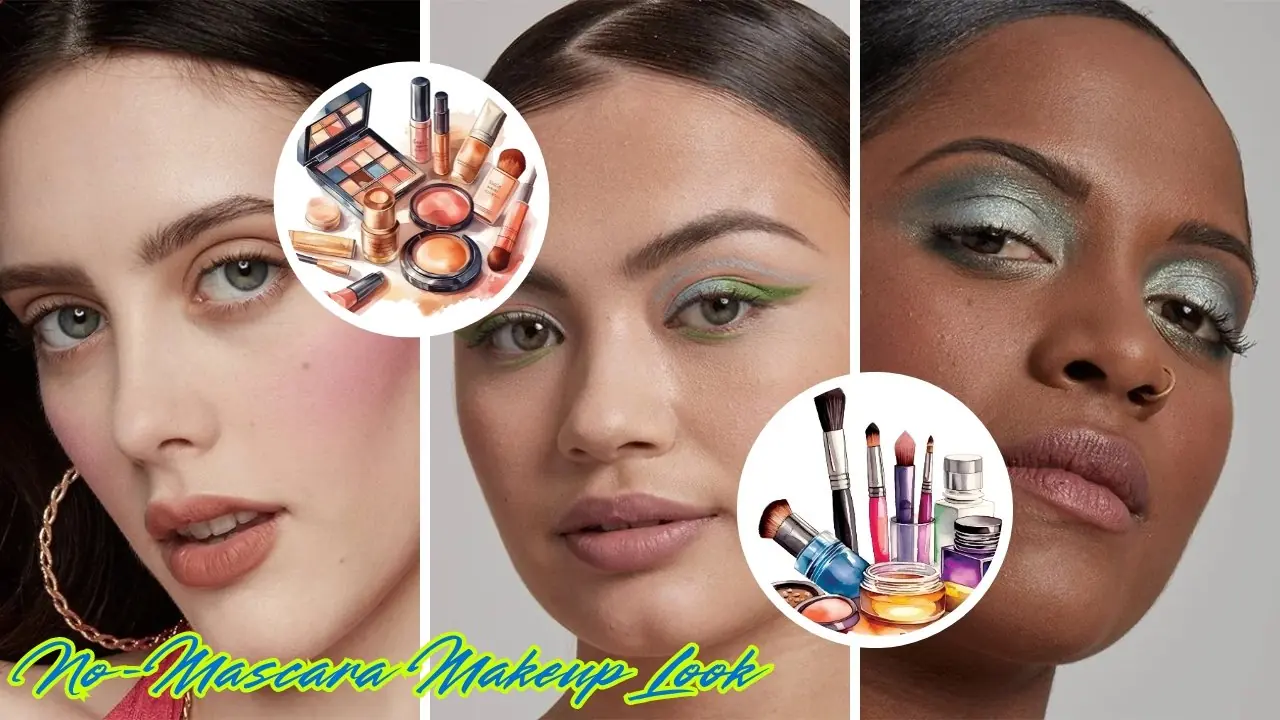
How To Achieve a Flattering No-Mascara Makeup Look
Skincare-infused makeup: Why your 2026 foundation should double as a serum
Skin Tints That Work For a Natural Base
About The Author

COMMENTS