Mastering the Art: How to Hide Eye Bags with Makeup for a Refreshed, Youthful LookHide eye bags with makeup and you can look bright and rested even af
Mastering the Art: How to Hide Eye Bags with Makeup for a Refreshed, Youthful Look
Hide eye bags with makeup and you can look bright and rested even after a sleepless night. Bags under the eyes, that mix of puffiness and shadowing, come from genetics, aging, fluid retention, diet, fatigue, and allergies. You cannot always change the cause, but the right concealer, color correcting, and blending techniques can camouflage them beautifully. This guide walks through the pro tricks step by step so your gaze looks alert again.
Welcome to BeautynFacts.com, where we explore the nuances of beauty and self-care to empower you with knowledge and practical tips. Today, we’re tackling a common concern that affects many of us: eye bags. These unwelcome guests can cast a shadow over our natural radiance, making us appear perpetually exhausted, regardless of how much rest we’ve actually had. Bags under the eyes, often characterised by puffiness and shadowing, can detract from the vibrancy of our gaze. While their appearance can be influenced by a myriad of factors, including genetics, aging, fluid retention, diet, fatigue, and even allergies, the good news is that you don’t have to live with them being the focal point of your face. With the right makeup techniques, you can effectively camouflage these concerns and restore a bright, alert, and youthful appearance to your eyes. This comprehensive guide will walk you through everything you need to know about how to **hide eye bags with makeup**, offering detailed, step-by-step instructions, scientific explanations, and expert advice to help you achieve flawless results.
The skin around our eyes is incredibly delicate and prone to showing signs of stress, fatigue, and aging. Understanding the underlying causes of eye bags is the first step in effectively managing them, both through skincare and makeup. While makeup cannot permanently eliminate eye bags, it can work wonders in creating the illusion of smoother, more even-toned skin. We’ll explore the essential preparatory steps, the magic of colour correction and concealer application, the strategic use of foundation and powder, and how to enhance your eyes with shadow, liner, and mascara to draw attention away from puffiness. Get ready to transform your look and boost your confidence with these proven makeup strategies designed to help you hide eye bags effectively.
Understanding Eye Bags: Causes and Characteristics
Before we dive into the makeup techniques, it’s crucial to understand what causes eye bags and what they look like. This knowledge will inform our approach and help us choose the most effective strategies. Eye bags are typically characterised by puffiness or swelling beneath the lower eyelids, often accompanied by shadowing, which can make the under-eye area appear darker and more sunken.
Reviewed by the BeautynFacts editorial team. Last updated: May 2026.
The Aging Process and Eye Bags
As we age, the tissues and muscles supporting our eyelids weaken. The fat that normally helps support the eyes can begin to move forward into the lower eyelids, causing them to appear puffy. Additionally, the skin loses elasticity and collagen, leading to sagging and a more pronounced appearance of bags. The natural fat pads that cushion our eyes can also shift downwards, creating bulges. This is a natural part of the aging process, but it can be exacerbated by other lifestyle factors.
Lifestyle Factors Contributing to Puffiness
Beyond aging, several lifestyle choices can significantly contribute to or worsen the appearance of eye bags.
Fluid Retention
One of the most common culprits is fluid retention, also known as ‘oedema.’ When the body retains excess sodium, it holds onto water, which can accumulate in various areas, including under the eyes. This can be due to a diet high in salt, hormonal changes (like those experienced during menstruation or pregnancy), or even sleeping in certain positions where fluid might pool.
Fatigue and Lack of Sleep
Insufficient sleep is a well-known trigger for puffiness and dark circles under the eyes. When you’re tired, your body may not function optimally, leading to increased fluid retention and a paler complexion, making the underlying blood vessels more visible, which can contribute to a shadowed or puffy appearance.
Genetics and Natural Predisposition
For some individuals, eye bags are simply a genetic trait. You might have inherited a tendency for fat to protrude under the eyes or for the skin in that area to be thinner, making puffiness and shadowing more apparent from a younger age.
Allergies
Allergic reactions, whether to environmental factors, food, or cosmetics, can cause inflammation and swelling in the delicate eye area. This inflammation can manifest as noticeable puffiness and can also lead to itching, which further irritates the skin.
Dehydration
Paradoxically, dehydration can also contribute to fluid retention. When your body is dehydrated, it may hold onto water more readily, leading to puffiness. Proper hydration is key for overall skin health and can help mitigate this issue.
Dietary Habits
Beyond salt intake, a diet lacking in essential nutrients and rich in processed foods can impact skin health and contribute to inflammation and fluid retention. Conversely, a balanced diet rich in antioxidants and vitamins can support healthier skin.
Understanding these causes allows us to approach makeup with a targeted strategy, knowing what we’re trying to camouflage and why certain techniques are more effective than others.
The Essential Preparation: Setting the Stage for Flawless Application
The skin around the eyes is the thinnest on our entire body and is incredibly delicate. Therefore, proper preparation is not just a suggestion; it’s a non-negotiable step for achieving smooth, long-lasting makeup that effectively conceals eye bags. Rushing this stage can lead to makeup creasing, caking, and ultimately, highlighting the very issues we’re trying to hide.
Thorough Cleansing: The Foundation of Good Makeup
Before applying any makeup, it’s imperative to start with a clean canvas. This means meticulously removing all traces of previous makeup, including any stubborn mascara or eyeliner.
Use a gentle, ophthalmologist-tested eye makeup remover. For waterproof makeup, a bi-phase remover (which contains both oil and water components) can be very effective. Apply the remover to a cotton pad, hold it over your closed eyelid for a few seconds to allow the product to dissolve the makeup, and then gently swipe downwards. Avoid rubbing vigorously, as this can irritate the delicate skin and exacerbate puffiness or redness.
After removing eye makeup, cleanse your entire face with your regular facial cleanser to ensure no residue remains.
Hydration and De-Puffing: The Power of Eye Cream
Once your skin is clean, it’s time to introduce hydration and address puffiness. A good eye cream is your best friend in the battle against eye bags.
Look for eye creams specifically formulated to target puffiness and dark circles. Ingredients like caffeine can help constrict blood vessels, reducing swelling. Hyaluronic acid provides essential hydration without feeling heavy, keeping the skin plump and smooth. Peptides can help support collagen production over time, improving skin elasticity.
Apply the eye cream using your ring finger, which applies the least pressure. Gently tap the cream onto the orbital bone and the under-eye area, moving from the outer corner inwards towards the nose. This gentle tapping motion helps the product absorb and stimulates circulation, which can aid in reducing puffiness. Avoid applying too close to the lash line, as the product can migrate into the eyes and cause irritation.
Allow the eye cream to fully absorb for a few minutes before proceeding to the next step. This ensures that the skin is hydrated and prepared to receive makeup, preventing any dryness that could cause makeup to cling unevenly.
Cooling Techniques for Immediate Relief
For an instant de-puffing boost, consider incorporating cooling methods into your prep routine.
Chilled cucumber slices or refrigerated spoons can be placed over the eyes for 5-10 minutes. The cold temperature helps to constrict blood vessels and reduce swelling.
Specialised cooling eye masks or jade rollers can also provide a refreshing and de-puffing effect. If you have time, a quick application of a cold compress can make a noticeable difference in reducing immediate puffiness before you even reach for your makeup.
The Magic of Concealer: Your Ultimate Weapon Against Eye Bags
Concealer is arguably the most critical product when it comes to hiding eye bags. However, the way you apply it is key. Unlike concealing dark circles, where the goal is to brighten and lift, with eye bags, the objective is to minimise the appearance of the raised area and the shadows it casts.
Understanding Concealer Formulation and Color
Choosing the right concealer is paramount. For eye bags, you want a concealer that offers good coverage without being too thick or heavy, which can settle into fine lines and emphasise texture.
**Formula:** Opt for a creamy, hydrating concealer. Avoid overly matte or dry formulas, as they can accentuate dryness and fine lines. A liquid or cream concealer with a satin or natural finish often works best.
**Shade Selection:** This is where many people go wrong. For eye bags, you generally want to avoid concealers that are significantly lighter than your skin tone. A concealer that is one to two shades *darker* than your foundation or skin tone is often ideal. Why? Because lighter shades reflect light, and applying them directly onto a raised area (the eye bag) will only draw more attention to it. A slightly deeper shade helps to recede the puffiness, making it appear less prominent.
However, there’s a nuance. You will still need a shade that matches your skin tone or is slightly lighter for areas *around* the bag, particularly the inner corner and the hollow beneath the bag, to create a seamless blend and a lifting effect. We’ll discuss this multi-shade approach in the application section.
### Strategic Application: Where and How to Apply Concealer
The placement and technique of concealer application are crucial for effectively hiding eye bags. It’s not about slathering it everywhere; it’s about targeted application.
**Identify the shadow:** The most important area to address is the shadow directly *beneath* the puffiness. This is the darkest part, and it creates the sunken, tired look. This is where a slightly deeper shade of concealer can be beneficial, as it helps to fill in the shadow and create a more even plane.
**Avoid the Centre of the Bag:** Do not apply a bright or significantly lighter concealer directly onto the puffed-up area itself. This will make it stand out more, defeating the purpose.
**The “Inverted Triangle” vs. “shadow filling” Technique:**
For dark circles, the “inverted triangle” technique (drawing a triangle of concealer under the eye) is popular for brightening. For eye bags, this methis method can be counterproductive. Instead, focus on applying concealer in a more targeted manner.
1. **Prep:** Ensure your eye cream has fully absorbed.
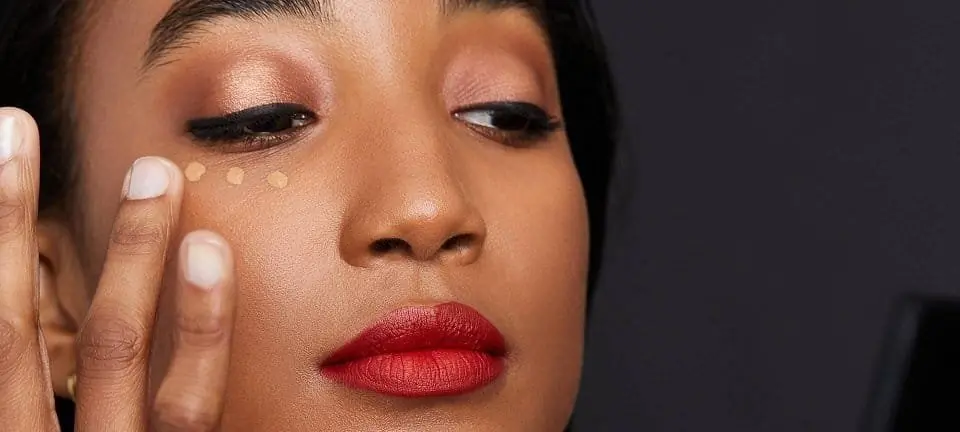
2. **Deeper Shade (Optional but Recommended):** If you have a concealer that is one shade darker than your skin tone, use a small, precise brush or your ring finger to apply it *only* in the deepest part of the shadow directly beneath the eye bag. Blend this in gently, tapping it into the skin. The goal here is to neutralise the shadow, not to brighten.
3. **Matching Shade:** Now, take your concealer that matches your skin tone or is very slightly lighter. Apply this strategically:
* In the inner corner of your eye, extending slightly upwards towards the browbone. This helps to lift and brighten the eye area overall.
* Along the orbital bone, just below where you applied the deeper shade, to blend the shadow area seamlessly with the rest of your under-eye.
* A tiny bit directly on the puffiness itself, but use a *very* light hand and blend meticulously. The goal is not to lighten it significantly, but to ensure it matches the surrounding skin tone as closely as possible for camouflage.
4. **Blending is Key:** Use a damp makeup sponge or your ring finger to gently tap and blend the concealer. Start from the centre and work outwards. Ensure there are no harsh lines. The edges should be seamlessly blended into your skin. The goal is to create a smooth, even surface that fools the eye into perceiving less puffiness.
**Concealer Placement Before or After Foundation?**
This is a matter of personal preference and depends on your foundation formula.
* **Before Foundation:** Applying concealer first can allow you to use less foundation, as the concealer tackles the most prominent discolouration and texture. It also gives you a base layer of correction.
**After foundation, applying foundation first provides an even base. You can then use concealer to address any remaining discolouration or shadows that the foundation didn’t fully cover. This method can be beneficial if you have significant redness or discolouration that needs overall neutralisation first.
Experiment to see which order works best for your skin and the products you use.
### Setting Your Concealer: Preventing Creasing
Once your concealer is applied and blended, it’s crucial to set it to prevent it from creasing into the fine lines that often form around the eyes, especially when you have puffiness.
Use a finely milled translucent setting powder. Apply it with a small, fluffy brush or a powder puff. Gently press the powder onto the concealed area, focusing on the creases. Avoid swiping, as the motion can disturb the concealer. A light dusting is usually sufficient. For extra staying power, you can use a baking technique: apply a generous amount of powder to the concealed area, let it sit for a minute or two, and then gently brush away the excess. This helps to “bake” the concealer into the skin, making it more resistant to creasing.
## The Role of Foundation and Powder in Camouflage
While concealer is your primary tool for the under-eye area, your foundation and setting powder play supporting roles in creating an overall smooth and even complexion that helps to minimise the appearance of eye bags.
### Foundation Application: Creating a Seamless Base
The goal of foundation is to create an even skin tone across your entire face, including the under-eye area. When applying foundation, consider how it interacts with your concealer and the texture of your under-eye skin.
**Formula Choice:** For those with eye bags, a matte or semi-matte finish foundation is often preferred over a dewy or luminous one. High-shine finishes can reflect light and draw attention to any unevenness or texture, including puffiness. A medium to full coverage foundation can help to even out skin tone, but ensure it doesn’t look heavy or cakey.
**Application Technique:**
* **Avoid Over-Application Under the Eyes:** While you want to ensure your under-eye area matches the rest of your face, avoid applying thick layers of foundation directly over the eye bags. This can build up product and make the area look even more prominent.
* **Blend Carefully:** If you apply foundation to your under-eye area, use a damp sponge or a brush to blend it seamlessly into your concealer. The goal is to create a uniform surface.
* **Consider a Lighter Formula:** Some prefer to use a lighter coverage foundation or even just concealer on the under-eye area and then a fuller coverage foundation on the rest of the face, ensuring a cohesive look without overloading the delicate eye area.
### Setting the Entire Face: The Power of Powder
Setting your foundation and concealer with powder is essential for longevity and to control shine, which can be detrimental when trying to hide eyebags.
**Translucent vs. Tinted Powder:**
* **Translucent Powder:** This is generally the best choice for the under-eye area, as it doesn’t add extra colour or coverage and simply mattifies and sets.
* **Tinted Powder:** Can be used on the rest of the face to provide a bit more coverage, but use with caution under the eyes, ensuring the shade matches your foundation perfectly.
**Application:**
As mentioned earlier, use a small, precise brush or a puff to apply powder. Gently press the powder onto the skin, especially in areas prone to creasing like the under-eye. This locks your makeup in place, prevents concealer from migrating into fine lines, and reduces shine that can highlight puffiness. For an extra smooth finish, you can use a large fluffy brush to lightly dust powder all over your face after setting the under-eye area.
## Strategic Use of Eyeshadow and Eyeliner: Drawing Attention Upwards
Once your base makeup is perfected, the next step is to use eyeshadow and eyeliner to strategically draw attention away from the under-eye area and towards the upper lid and lashes. This involves understanding how colour and placement can create illusions.
Eyeshadow Techniques for a Lifted Look
The goal with eyeshadow is to define the eyes and create dimension, making them appear more open and lifted, thus distracting from any lower lid puffiness.
**Light Base Shade:** Start with a light, neutral eyeshadow shade all over the lid as a base. This creates a smooth canvas.
**Mid-Tone Crease Colour:** Apply a medium neutral shade (like a soft brown, taupe, or even a muted rose) into the crease of your eyelid. Blend this colour upwards and outwards towards the tail of your brow. This creates depth and dimension, making the eyes appear more sculpted and lifted.
**Highlighting the Brow Bone and Inner Corner:** Apply a light, shimmery or satin-finish eyeshadow to the brow bone, just under the arch of your eyebrow. Furthermore, apply a touch of this highlight to the inner corner of your eye. This draws light to these areas, making the eyes appear brighter and more open, which can counteract the appearance of tiredness.
**Avoiding Heavy Lower Lid Shadow:** Be cautious with applying dark eyeshadow directly under the lower lash line, especially if it’s heavy or smudged. This technique can sometimes emphasise puffiness. If you do choose to add shadow under the eye, opt for a lighter shade or blend a small amount of your crease colour very softly and thinly, focusing on the outer half of the lower lash line.
**Matte vs. Shimmer:** Generally, matte or satin finishes are more forgiving on textured skin. While a subtle shimmer on the lid can be beautiful, avoid large, chunky glitter or very frosty finishes under the eye, as these can catch the light and highlight imperfections.
Eyeliner Strategies: Defining Without Dragging Down
Eyeliner is a powerful tool for defining the eyes, but its application needs to be precise when you have eye bags.
**Upper Lash Line:**
* **Thin Line:** A thin, precise line of eyeliner along the upper lash line is generally best. This defines the eye without adding bulk.
* **Winged Liner (Subtle):** A subtle winged liner that flicks upwards at the outer corner can create a lifting effect. Avoid a thick or dramatic wing that extends too far downwards, as this can drag the eye down.
* **Tightlining:** Applying eyeliner directly to the upper waterline (the inner rim of the upper lid) is called tightlining. This adds definition without being visible as a line, making lashes appear fuller and the eyes more defined.
**Lower Lash Line:** This is where you need to be most careful.
* **Avoid Heavy Lines:** Thick, dark eyeliner along the entire lower lash line can make eyes appear smaller and can emphasise puffiness.
* **Waterline:** Instead of a dark liner on the outer part of the lower lash line, consider lining the *inner waterline* with a nude or beige eyeliner pencil. This brightens the eye and makes it appear larger and more awake, counteracting the tired look. A white eyeliner can also be used, but nude or beige often looks more natural.
* **Soft Smudge:** If you want definition on the lower lash line, opt for a soft, smudged line using a pencil or eyeshadow in a neutral shade. Apply it only to the outer third of the lower lash line and blend it upwards slightly towards the outer corner of the eye.
**Colour Choice:** While black is a classic, consider brown or deep grey eyeliners as softer alternatives that can still provide definition without being as harsh.
## Mascara: The Final Touch for Open, Awake Eyes
Mascara is the finishing touch that completes your eye makeup. When applied correctly, it can make your eyes appear larger, more open, and more awake, further diverting attention from any under-eye concerns.
Focusing on Upper Lashes
The primary focus for mascara should be on your upper lashes.
1. **Curl Your Lashes:** Before applying mascara, use an eyelash curler. Curling your lashes instantly lifts them, opening up your eyes and making them appear more prominent. Hold the curler for about 10-20 seconds on each eye.
2. **Apply Mascara:** Apply one to two coats of mascara to your upper lashes. Wiggle the wand at the base of the lashes to build volume and then sweep upwards towards the tips. This creates a fanned-out, lifted effect.
3. **Avoid Clumping:** Ensure your mascara is not clumpy. Clumpy lashes can look heavy and detract from the desired effect. If your mascara is starting to dry out, it might be time for a new tube.
Lower Lashes: Use with Caution
Applying mascara to the lower lashes can sometimes enhance the appearance of eye bags by drawing attention downwards.
* **Minimal Application:** If you choose to apply mascara to your lower lashes, use a very light hand. A single, light coat is usually sufficient.
* **Focus on Outer Corners:** Some find that applying mascara only to the outer corner lashes on the lower lid can help to create a subtle lift without emphasising the puffiness.
* **Consider Skipping:** For some individuals, skipping mascara on the lower lashes altogether is the best strategy to keep the focus on the upper lashes and the upper part of the eyes.
**Mascara Formula:** Waterproof mascaras are great for longevity, but they can be harder to remove and may require more rubbing, which is not ideal for the delicate eye area. Consider a good quality lengthening or volumising mascara that holds a curl well.
## Makeup Mistakes to Avoid When Concealing Eye Bags
Even with the best intentions, certain makeup choices can inadvertently draw more attention to eye bags. Being aware of these common pitfalls can help you refine your technique and achieve better results.
Using Too Much Product
Applying excessive amounts of concealer or foundation under the eyes can lead to a cakey, heavy appearance. Product can settle into fine lines and creases, making the area look more textured and prominent. It’s always better to start with a small amount and build up coverage only where necessary.
Choosing the Wrong Shade of Concealer
As discussed earlier, using a concealer that is too light and applying it directly onto the puffiness is a common mistake. This brightens the raised area, making it stand out. Conversely, a concealer that is too dark and not blended properly can create harsh shadows. Stick to shades that either match your skin tone or are slightly deeper for targeted shadow correction.
Over-Brightening the Puffiness
The temptation to slather a bright, illuminating concealer all over the under-eye area is strong, especially if you’re also dealing with dark circles. However, when eye bags are the primary concern, over-brightening the puffed area will only make them more noticeable. Focus brightening efforts on the inner corners and the orbital bone, and use colour correction and matching shades to blend the puffiness away.
Harsh Eyeliner Application
Thick, dark, or poorly blended eyeliner along the lower lash line can visually drag the eye down and accentuate puffiness. Similarly, a heavy, downward-flicking wing can have the same effect. Stick to soft definitions and upward-lifting techniques.
Forgetting to Set Your Makeup
The under-eye area, especially with puffiness, is prone to creasing. Failing to set your concealer and foundation with powder will allow makeup to settle into fine lines throughout the day, making the eye bags appear more pronounced and the skin look older and more tired.
Using Shimmery or Frosty Products Incorrectly
While subtle shimmer can highlight and lift, overly shimmery, metallic, or frosty products applied directly onto or below the eye bags can catch the light and emphasise texture and puffiness. Opt for matte or satin finishes in these areas.
### Neglecting Skincare Preparation
Skipping the essential steps of cleansing and hydrating the under-eye area can lead to makeup clinging to dry patches or settling into fine lines. Properly prepped skin is crucial for a smooth, seamless makeup application that effectively conceals.
Advanced Techniques and Product Recommendations
Beyond the basic steps, several advanced techniques and product types can further enhance your ability to hide eye bags with makeup.
Color Correcting Under the Eyes
If you have significant discolouration accompanying your eye bags (e.g., bluish or purplish tones), colour correcting can be a gamechanger before applying concealer.
* **Peach/Orange Corrector:** For blue or purple undertones, a peach- or orange-toned colour corrector is ideal. Apply it *sparingly* only to the discoloured areas beneath the eye bag and blend gently. The orange tones neutralise the blue/purple, creating a more even base for your concealer.
* **Yellow Corrector:** For reddish or pinkish undertones, a yellow corrector can help neutralise these tones.
* **Application:** Apply colour corrector *before* concealer. Use a small brush or your finger to dab it onto the discoloured areas. Blend the edges carefully so it doesn’t create a distinct patch of colour. Then, apply your matching concealer over the corrected area.
Cream Contour and Highlight for Illusion
While not always necessary, the strategic use of cream contour and highlight can further sculpt the under-eye area.
* **Cream Contour:** A cream contour shade slightly deeper than your skin tone can be used to create a subtle shadow *beneath* the eye bag, essentially redefining the hollow and making the puffiness appear less prominent. Apply it with a small brush or sponge and blend meticulously upwards and outwards.
* **Cream Highlight:** A subtle cream highlight can be applied to the browbone and inner corner to lift and brighten, drawing attention away from the lower lid. Avoid highlighting the puffiness itself.
Setting Sprays for Longevity
After you’ve finished your makeup, a setting spray can help meld all the products together and provide a more natural, skin-like finish. It can also help to prevent makeup from looking powdery or heavy. Look for hydrating or dewy setting sprays if your skin tends to be dry, or mattifying ones if oiliness is an issue.
Consideration for Different Skin Types
* **Oily Skin:** Opt for oil-free, matte formulas for foundation and concealer. Use a good mattifying primer and set generously with powder.
* **Dry Skin:** Choose hydrating, creamy formulas. Avoid heavy powders that can accentuate dryness. A hydrating setting spray can be beneficial. Ensure thorough moisturisation before makeup application.
* **Mature Skin:** Mature skin often has more pronounced fine lines and loss of elasticity. Focus on hydrating products, gentle application, and minimal product. Avoid heavy powders that can settle into wrinkles.
Conclusion: Empowering Your Look
Eye bags are a natural part of life for many, stemming from a combination of genetics, aging, and lifestyle factors. While we can’t always eliminate them, we certainly have the power to skilfully camouflage them with the right makeup techniques. By understanding the anatomy of eye bags, preparing your skin diligently, mastering the art of concealer placement and colour correction, and strategically using eyeshadow, eyeliner, and mascara, you can create a refreshed, bright, and youthful appearance.
Remember, the key lies in understanding that eye bags are a form of convexity and shadowing. Therefore, techniques that recede and neutralise are more effective than those that highlight. Focus on blending, using slightly deeper shades in the shadowed areas beneath the bags, and drawing attention upwards with well-defined upper lashes and brows. Avoid over-application and harsh lines, and always ensure your makeup is well-set to prevent creasing. With practice and patience, you’ll develop a routine that perfectly suits your needs, allowing you to face the world with confidence, no matter what the day (or night) has in store. Embrace these techniques, experiment with products, and discover the transformative power of makeup to enhance your natural beauty.
Frequently Asked Questions about Hiding Eye Bags with Makeup
Q1: Can makeup completely eliminate the appearance of eye bags?
No, makeup cannot permanently eliminate eye bags. Eye bags are often caused by underlying factors like fat displacement, loss of skin elasticity, or fluid retention. Makeup’s role is to create an illusion, camouflaging the puffiness and shadows to make them less noticeable. While it can be incredibly effective at minimising their appearance, it does not address the root cause. Consistent skincare, healthy lifestyle choices, and potentially professional treatments are needed for actual reduction.
Q2: Should I use a lighter or darker concealer for eye bags?
This is a common point of confusion. For eye bags, it’s generally best to use a concealer that matches your skin tone or is *one shade darker* than your foundation for the actual puffiness and the shadow directly beneath it. A lighter concealer reflects light and will highlight the raised area, making it more prominent. You can use a concealer that is your skin tone or slightly lighter in the inner corners of your eyes and on the orbital bone to create a lifting and brightening effect, but avoid applying it directly onto the peak of the eye bag.
Q3: How do I prevent my concealer from creasing under my eyes?
Creasing is a major challenge. To prevent it, ensure your under-eye area is well-hydrated with eye cream but allow it to absorb fully before makeup. Apply concealer sparingly and blend it well. Crucially, set your concealer immediately after application with a finely milled, translucent setting powder. Use a small brush or puff and gently press the powder onto the area, focusing on any fine lines where creasing might occur. A light “baking” technique can also be very effective.
Q4: Is it better to apply concealer before or after foundation?
The order depends on your personal preference and the products you use. Applying concealer *before* foundation can help you use less foundation overall, as the concealer targets specific discolouration and texture issues. It also provides a base layer of correction. Applying concealer *after* foundation allows you to address any remaining imperfections that the foundation didn’t fully cover, ensuring a perfectly matched and blended finish. Experiment to see which method yields the best results for your skin.
Q5: What are the best ingredients to look for in an eye cream to help with puffiness?
Look for eye creams containing ingredients known for their de-puffing and firming properties. Caffeine is excellent as it constricts blood vessels, reducing swelling. Peptides can help support collagen production and improve skin elasticity over time. Hyaluronic acid provides essential hydration, plumping the skin and making it appear smoother. Antioxidants like vitamin C can help protect the delicate skin and improve overall tone.
Q6: Can I use eyeshadow to hide eye bags?
Yes, strategically used eyeshadow can help. The goal is to create dimension and draw attention upwards. Apply a medium-toned shadow to your crease and blend it upwards towards the browbone to create a lifting effect. Highlight the browbone and inner corner of the eye to open them up. Be cautious with dark or heavy shadow directly under the lower lash line, as this can sometimes emphasise puffiness. Opt for softer, blended shades or apply them only to the outer corners.
Q7: What is the role of eyeliner when dealing with eye bags?
Eyeliner should be used to define the eyes without drawing attention downwards. A thin, precise line along the upper lash line, potentially with a subtle upward flick at the outer corner, can lift the eye. For the lower lash line, avoid heavy, dark lines. Instead, consider lining the inner waterline with a nude or beige pencil to brighten the eye, or apply a very soft, blended line only to the outer third of the lower lash line.
How to Hide Eye Bags With Makeup: The Colour-Theory Rule
The single most important step to hide eye bags with makeup is neutralising the blue or purple shadow beneath them before reaching for concealer. Apply a thin layer of peach or salmon corrector first, then layer concealer on top. When you hide eye bags with makeup this way, you avoid the grey, ashy look that comes from skipping the corrector step.
Dermatologists at the American Academy of Dermatology note that puffiness and dark circles often share root causes, such as poor sleep and dehydration, so cosmetic fixes work best alongside lifestyle care. Still, when you need to hide eye bags with makeup in 5 minutes, technique beats product price every time.
For longer wear, set your under-eye area with a finely milled translucent powder. The Healthline eye-makeup guide recommends pressing rather than swiping the powder to avoid disturbing the corrector layer beneath. Done right, this approach to hiding eye bags with makeup keeps the result looking smooth from morning meetings through evening photos, even on long workdays.
RELATED ARTICLES:
5 tips to say goodbye to bags under the eyes and dark circles
After a hangover, how can ice reduce puffiness under your eyes and reduce dark circles?
Beauty And Hair Benefits Of Tea Bags And Tea Leaves:
The Biggest Makeup Trends to Watch Out For in 2026
THE SOFT WHIMSICAL MAKEUP TREND TAKING OVER PINTEREST IN 2026
About The Author

COMMENTS