
Introduction:Reviewed by the BeautynFacts editorial team. Last updated: May 2026. Salon quality hair color is absolutely achievable at hom
Introduction:
Reviewed by the BeautynFacts editorial team. Last updated: May 2026.
Salon quality hair color is absolutely achievable at home when you use the right products, tools, and technique. You do not need a professional colorist to get rich, even, natural-looking results. In this guide we walk you through choosing the perfect shade for your skin tone, prepping your hair and workspace, and applying color step by step so you can transform your look without ever leaving the house.
Choosing the Right Hair Color for Your Needs
a. Understanding Hair Color Types:
There are various types of hair color available, including permanent, semi-permanent, demi-permanent, and temporary. Each type differs in its longevity, intensity, and potential for damage. Before selecting a hair color, consider your desired results, commitment level, and hair health to determine which type is best suited for your needs.
b. Considering Your Skin Tone:
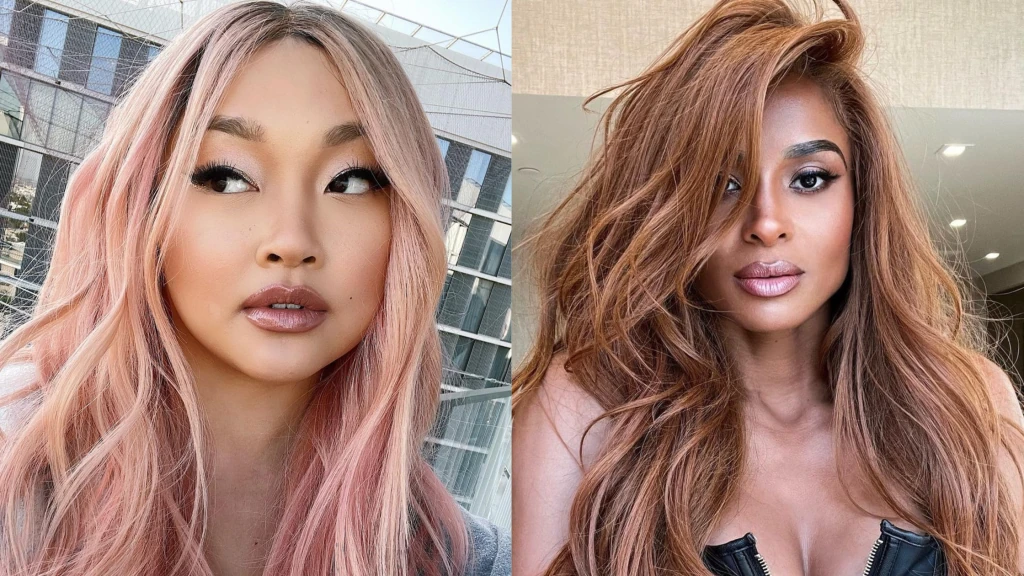
Your skin tone plays a significant role in determining which hair color will be most flattering. Cool skin tones typically pair well with cool-toned hair colors, such as ash blondes, cool browns, and icy shades. Warm skin tones are complemented by warm-toned hair colors like golden blondes, caramel browns, and rich auburns.
c. Evaluating Your Hair’s Current Condition:
Before coloring your hair, assess its current condition, as overly damaged or processed hair may not respond well to further coloring. If your hair is in poor condition, consider a restorative treatment or haircut before attempting to color it.
Preparing Your Hair and Workspace
a. Assessing Hair Health:
Ensure your hair is in good condition before coloring by avoiding heat styling and chemical treatments for a few weeks leading up to your at-home coloring session. This will help minimize potential damage and promote even color distribution.
b. Gathering Essential Supplies:
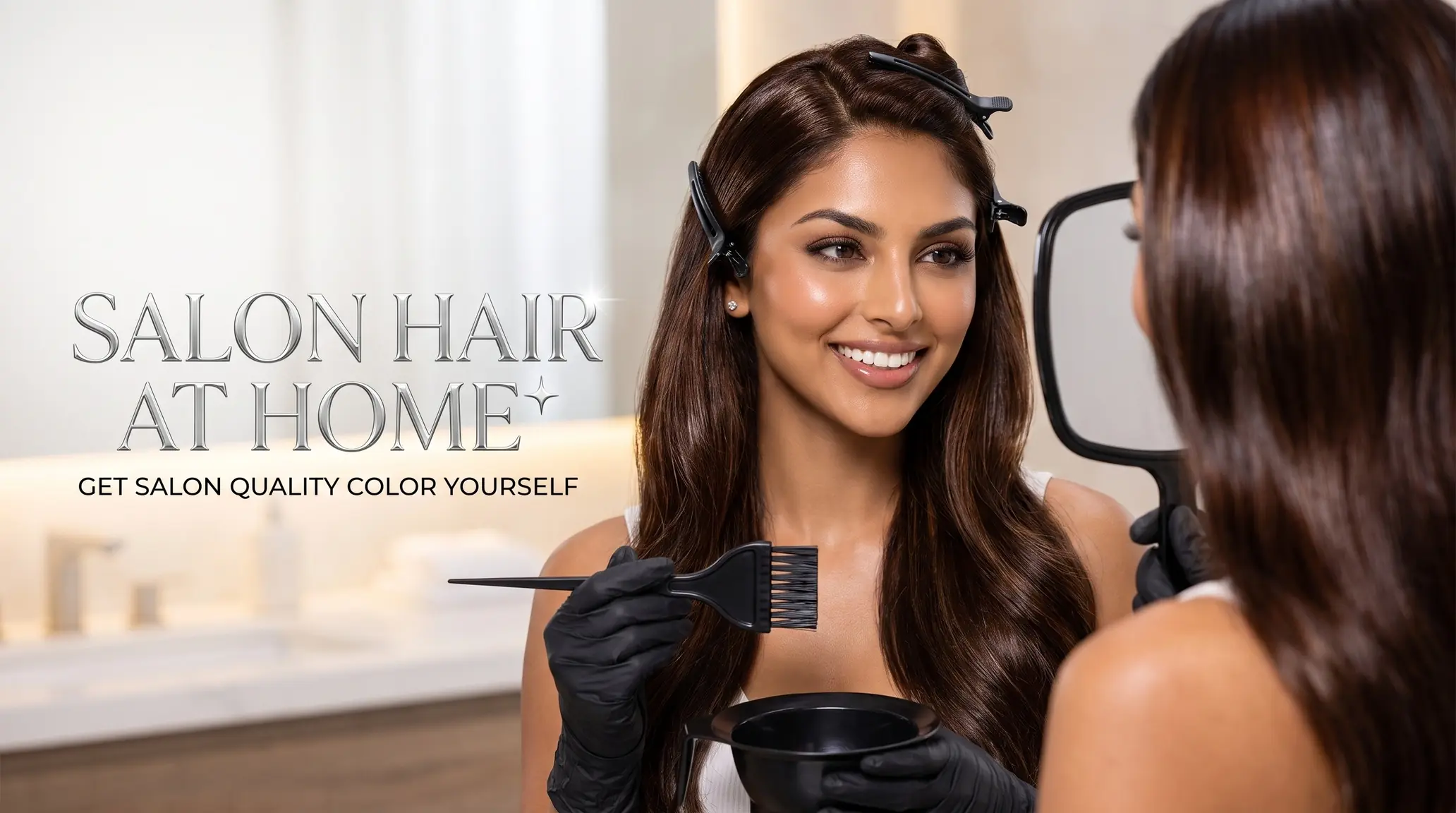
To achieve salon-quality results at home, gather the necessary supplies, including gloves, a mixing bowl, an applicator brush, hair clips, a comb, and a timer. These tools will help you apply the color evenly and accurately while minimizing mess.
c. Protecting Your Workspace and Skin:
Cover your workspace with old towels or plastic sheeting to protect surfaces from hair color stains. Wear old clothes and drape a towel over your shoulders to protect your skin. Additionally, apply a barrier cream, such as petroleum jelly, along your hairline and ears to prevent staining.
The Hair Coloring Process
a. Performing a Strand Test:
Before applying the hair color to your entire head, perform a strand test on a small, inconspicuous section of hair. This will help you determine how the color will develop on your hair and allow you to make adjustments to the processing time, if necessary.
b. Mixing the Hair Color:
Follow the manufacturer’s instructions to mix your chosen hair color. Ensure that the color and developer are thoroughly combined for even results. If your hair color requires an activator or booster, add these according to the package directions.
c. Applying the Hair Color:
Divide your hair into four equal sections and secure them with hair clips. Starting at the roots and working your way down, apply the hair color to small subsections of hair using an applicator brush. Be sure to fully saturate each section, taking care to avoid overlapping with previously colored hair if you’re only touching up your roots. Use a comb to distribute the color evenly and ensure complete coverage.
d. Processing Time and Rinsing:
Once you’ve applied the hair color to all sections, set a timer according to the package instructions or the results of your strand test. While waiting, cover your hair with a shower cap or plastic wrap to keep the color moist and prevent it from transferring to your skin or clothing. When the processing time is complete, rinse your hair thoroughly with lukewarm water until the water runs clear. Follow up with a color-safe conditioner to seal the hair cuticle and lock in the color.
Post-Coloring Hair Care
a. Using Color-Safe Shampoos and Conditioners:
To maintain your new hair color, switch to color-safe shampoos and conditioners that are free of sulfates and harsh chemicals. These products are specifically formulated to protect color-treated hair and prevent premature fading.
b. Deep Conditioning Treatments:
Color-treated hair can benefit from regular deep conditioning treatments to restore moisture and maintain hair health. Look for products that are designed for color-treated hair and follow the manufacturer’s recommendations for use.
c. Heat Styling and Sun Protection:
Excessive heat styling and exposure to the sun can cause your hair color to fade more quickly. Limit your use of heat-styling tools and opt for heatless styling methods whenever possible. When spending time outdoors, protect your hair with a UV-protective spray or by wearing a hat.
Tips for Maintaining Your Hair Color
a. Touching Up Your Roots:
As your hair grows, your roots will require touch-ups to maintain a consistent color. Depending on the rate of your hair growth and the contrast between your natural and colored hair, you may need to touch up your roots every four to six weeks.
b. Color-Enhancing Products:
To refresh your hair color between salon visits, consider using color-enhancing shampoos, conditioners, or gloss treatments. These products are designed to deposit small amounts of color to revive and maintain your hair’s vibrancy.
c. Keeping Your Hair Healthy:
Healthy hair holds color better and looks more vibrant. Maintain a well-rounded hair care routine that includes regular haircuts, deep conditioning treatments, and a balanced diet rich in nutrients that support hair health.
Conclusion: Achieving salon-quality hair color at home is possible with careful planning, preparation, and attention to detail. By selecting the right hair color for your needs, preparing your hair and workspace, and following proper application techniques, you can transform your hair in the comfort of your own home. Don’t forget to prioritize post-coloring care and maintenance to keep your new hair color looking its best for as long as possible. Happy coloring!
Frequently Asked Questions About Home Hair Color
Can you really get salon-quality hair color at home?
Yes, with the right products and technique. Modern at-home hair color kits from professional-grade brands like Madison Reed, eSalon, and Color & Co rival what salons deliver, particularly for single-process root touch-ups and full coverage. The complexity rises with multi-tone colour, balayage, and major colour changes, which are still safer at a salon. For maintenance dyeing every four to six weeks, home colour saves money and works beautifully when you stick to a shade within two levels of your natural base.
How do you avoid orange hair when colouring at home?
Choose an ash or cool-toned formula one shade darker than the colour you want. Warm undertones in hair fight against blonde and light brown dyes, which is what produces brassy orange results. Always do a strand test first. Use a colour-correcting purple shampoo once a week between dyeing sessions to neutralise warm tones as they develop. For blonde hair, lift one to two levels at a time rather than trying to go from dark to light in a single session. Patience prevents the orange phase entirely.
How long should you leave home hair color on?
Follow the box instructions exactly. Most permanent dyes process for thirty to forty-five minutes total, with the lightening or lifting happening in the first twenty minutes. Leaving colour on longer does not deepen the shade past a certain point, but it does damage the hair shaft. For grey coverage, the full processing time matters. For shade refresh on already-coloured hair, twenty minutes is often enough. Set a timer and rinse promptly. Over-processing is the most common at-home hair color mistake.
Should you wash your hair before colouring?
Skip the wash for twenty-four to forty-eight hours before colouring. The natural oils on the scalp protect against irritation and create a smoother application surface. Wet or freshly washed hair holds colour unevenly because there is more water in the cuticle. If your hair is heavily product-laden, do one gentle clarifying wash forty-eight hours before colouring rather than the day of. This timing applies to permanent and demi-permanent colour. Temporary colours and toning glosses are more forgiving.
How do you fix a bad home hair color?
Wait twenty-four to forty-eight hours before any correction attempt, since colour continues to develop after rinsing. For too-dark results, use a clarifying shampoo or dish soap on the lengths to lift the dye, then deep condition. For brassy or orange results, apply a purple or blue shampoo. For very wrong colour, schedule a salon corrective appointment rather than re-colouring at home, which usually makes things worse. Tell the stylist exactly what you used and when. Salon corrective work is expensive but reliable.
How often can you safely color your hair at home?
Every four to six weeks for root touch-ups, and every eight to twelve weeks for full length refreshes. Permanent dye lifts the cuticle and weakens the hair shaft over time, so spacing out colour appointments preserves hair health. Use demi-permanent or semi-permanent colour for in-between refreshes, since they deposit pigment without ammonia or lifting. Always pair regular colouring with a weekly bond-builder treatment like Olaplex or K18 to repair the damage chemical colour creates. Healthy hair holds colour better than damaged hair.
RELATED ARTICLES:
How to Choose the Right Hair Color for Your Skin Tone
Color bath: what is it, how is it done and how long does it last?
Glass Hair in 2026: The Products and Techniques for a Frizz-Free, Mirror-Like Finish That Lasts
MOB WIFE HAIR: HOW TO GET THE VOLUMINOUS, LIVED-IN LOOK EVERYONE’S OBSESSING OVER
Trim Split Ends Regularly for Healthier, Stronger Hair: The Exact Schedule That Works
About The Author

COMMENTS