
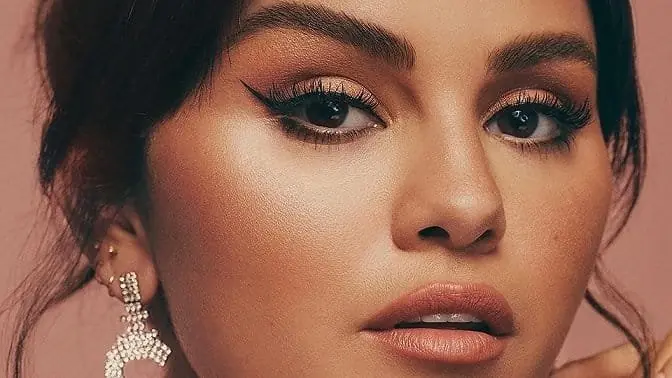
Contouring and bronzing are the two techniques people mix up most, yet they do completely different jobs. Contouring uses cool toned, shadow mimicking
Contouring and bronzing are the two techniques people mix up most, yet they do completely different jobs. Contouring uses cool toned, shadow mimicking shades to carve depth and structure into the face, while bronzing uses warm, sun kissed tones to add glow, vitality, and dimension. Knowing when and where to apply each is the skill that separates an amateur finish from a sculpted, photograph ready one. This guide breaks down placement, product choice, and how to layer them so light hits your face beautifully from every angle.
Contouring and bronzing are complementary yet distinct techniques that every makeup enthusiast should master to elevate their beauty routine. Contouring uses cool toned, shadow mimicking shades to carve depth and definition into the face, while bronzing uses warm toned, sun kissed shades to add vitality, glow, and dimension. When layered correctly, they transform the face into a three dimensional canvas that catches light beautifully from every angle. In this comprehensive guide, you will learn the science behind each technique, the exact placement for different face shapes, the products and tools that deliver professional results, and the expert approved methods used by celebrity makeup artists. By the end, you will know precisely when to reach for your contour, when to dust on bronzer, and how to blend the two for a look that feels custom made for your face.
Understanding the Fundamental Difference Between Contouring and Bronzing
Reviewed by the BeautynFacts editorial team. Last updated: May 2026.
Before diving into application techniques, it is essential to grasp why these two products exist as separate categories in the first place. Contouring is rooted in the principles of light and shadow, the same principles that painters and sculptors have used for centuries to create the illusion of depth on a flat surface. When contour is applied to the hollows of the face, it mimics the natural shadows that fall into recessed areas, tricking the eye into perceiving bone structure that may be subtle or invisible under flat lighting.
Bronzing, on the other hand, is not about creating shadow. It is about replicating the warm flush that the sun naturally casts on the high points of the face. Think of a bronzer as liquid sunshine in powder or cream form. It sits on the areas that would catch the most light on a summer afternoon, adding warmth, softness, and a healthy glow that makes skin look alive rather than flat.
The undertone difference is critical. A true contour product leans cool, taupe, ashy, or slightly grey, because that is the color of real shadow. Warm toned products placed in contour zones often look muddy or dirty because they do not mimic shadow convincingly. Bronzers, by contrast, are formulated with warm undertones ranging from golden to terracotta to rich copper, because that is the hue skin turns when kissed by the sun. Using a warm bronzer in place of a cool contour is one of the most common mistakes beginners make, and it is the reason why some contour attempts end up looking orange or streaky rather than sculpted.
The Science of Light, Shadow, and Skin
Makeup artists often describe contouring and bronzing using principles borrowed from theatrical lighting and classical portraiture. In painting, artists use chiaroscuro, the strategic interplay of light and dark, to create the illusion of three dimensionality. On the human face, the same principle applies. Deeper shades recede visually, making areas appear smaller, slimmer, or set back. Lighter shades advance, pulling features forward and making them appear more prominent.
Dermatologists and cosmetic chemists point out that skin reflects light differently depending on its texture, pigmentation, and moisture level. Matte formulas absorb light and create a flat, shadowy effect, which is why contour products are almost always matte. Shimmer formulas reflect light in multiple directions, creating a luminous quality that draws the eye, which is why many bronzers contain subtle pearl or fine shimmer. Understanding this optical science helps you choose products that behave predictably on your skin.
Why Mixing Them Up Ruins the Final Look
When a warm bronzer is swept into the hollows of the cheeks instead of cool toned contour, the result often reads as dirty or muddy rather than sculpted. When cool contour is applied as bronzer across the tops of the cheeks and forehead, the skin can look ashen, sickly, or even bruised in photographs. The products are simply not interchangeable, and treating them as such is why so many makeup looks fall flat despite significant effort. Keeping contour and bronzer as two distinct steps in your routine, each with its own placement map, is the foundation of a professional finish.
The Anatomy of the Face: Where Shadows and Light Naturally Fall
To apply contour and bronzer correctly, you need to understand where shadows and highlights naturally occur on the human face. Stand in front of a mirror in soft, overhead light and observe your own features carefully. The areas where shadows naturally fall are your contour zones: underneath the cheekbone, along the sides of the nose, under the jawline, along the temples where the hairline begins to recede slightly, and just under the bottom lip. These are the places where, in nature, less light reaches.
The areas where light naturally hits are your highlight and bronzing zones: the tops of the cheekbones, the bridge of the nose, the center of the forehead, the chin, and the cupid’s bow. Bronzer, specifically, belongs on the places the sun would touch first if you tilted your face up toward the sky, namely the forehead, the tops of the cheeks, the bridge of the nose, and a light sweep across the chin.
This natural mapping is universal across face shapes, but the intensity and exact placement should be adjusted based on your unique bone structure. A round face benefits from more pronounced contouring along the jaw and temples to create angles, while a long face benefits from contour placed horizontally to visually shorten the face. A heart shaped face may need softer contour to avoid over sharpening already prominent cheekbones, while a square face can handle stronger contour along the jaw to soften hard corners.
What Is Contouring and Why It Transforms Your Face Structure
Contouring is the art of using matte, cool toned products to carve depth, angles, and definition into the face. The technique was originally developed for stage and film performers whose features would otherwise appear washed out under harsh lights. Drag performers refined it further into the precise art form we know today, and then Kim Kardashian and her makeup artist Mario Dedivanovic brought it to mainstream beauty in the early 2010s. Today, contouring is a staple of nearly every professional makeup application.
The goal of contouring is never to make the face look drastically different. The goal is to enhance the structure that already exists. A well placed contour makes cheekbones appear higher, noses appear slimmer or straighter, jawlines appear more chiseled, and foreheads appear more proportionate. When done correctly, no one should be able to identify where contour has been applied. They should simply register that your face looks sculpted, rested, and beautifully defined.
Choosing the Right Contour Shade
The most important rule in contour shade selection is to go two shades darker than your natural skin tone, with a cool or neutral undertone. If you have fair skin, look for a taupe or soft grey brown shade. Medium skin tones suit deeper taupe or cool caramel shades. For deep skin tones, look for rich, cool browns with a slight ashy finish rather than reddish or orange tones. Avoid anything that looks warm, orange, or bronzy in the pan, as these shades will not mimic natural shadow.
Texture matters just as much as color. Powder contours are beginner friendly, buildable, and forgiving. Cream contours deliver a more seamless, skin like finish but require practice to blend. Stick contours are portable and precise, ideal for targeted placement. Liquid contours offer the most natural finish and work beautifully on dry or mature skin where powders can emphasize texture.
The Tools That Make Contouring Foolproof
A small, angled or tapered brush is ideal for precise placement under the cheekbones. A flat, dense brush works well for cream contour application, while a damp beauty sponge is the secret weapon for blending any harsh lines into oblivion. Many professional artists use a fan brush to diffuse contour once applied, softening the edges without removing pigment. Whatever tool you choose, the golden rule is to tap off excess product before touching your face and to build intensity gradually rather than loading a heavy hand from the start.
What Is Bronzing and How It Adds Life to Your Complexion
Bronzing is the art of using warm toned products to add sun kissed warmth and vitality to the skin. Unlike contouring, which sculpts, bronzing glows. It is the difference between chiseled marble and sun warmed skin on a beach vacation. Bronzer gives the face that elusive quality of looking refreshed, slightly tanned, and radiantly healthy, even on days when you have had three hours of sleep and two cups of coffee too few.
The origins of bronzer trace back to the mid twentieth century, when sun tanned skin became a beauty ideal and cosmetic brands began formulating products that could replicate the look without requiring hours in the sun. Today, bronzer is one of the most versatile products in any makeup kit. It can be used lightly for a barely there warmth or built up for a deeper, more dramatic sun drenched look. It can also double as a soft contour in a pinch, though purists will always advocate for keeping the two categories separate.
Matching Bronzer to Your Skin Tone
Choosing the right bronzer shade is an exercise in subtlety. The bronzer should look warm but not dramatically darker than your natural skin tone when blended. Fair skin pairs beautifully with light, peachy or golden bronzers. Medium skin tones can handle richer golden or terracotta shades. Olive and tan skin tones shine with warm coppery or amber bronzers. Deep skin tones benefit from highly pigmented bronzers in rich red brown, mahogany, or burnished gold. When in doubt, swatch the bronzer on your jawline and check it in natural daylight. If it blends seamlessly and adds warmth without a muddy cast, it is the right shade.
Matte, Satin, or Shimmer Finish
Bronzers come in three main finishes, each with its own purpose. Matte bronzers can double as soft contour and are excellent for those who prefer a more subdued, natural look. Satin bronzers strike a middle ground, offering subtle luminosity without full on shimmer, making them universally flattering. Shimmer bronzers contain fine pearl particles that catch the light, creating an undeniable glow but requiring careful placement, as shimmer can emphasize texture and pores on certain skin types. Many makeup artists keep all three finishes in their kit and mix them depending on the desired effect.
When and Where to Apply Contouring: A Detailed Placement Guide
Precise contour placement is where most makeup tutorials fall short, offering generic advice that does not account for individual facial structures. The truth is that contouring is deeply personal, and the placement should always be guided by your unique bone structure rather than trends. That said, there are foundational zones where contour almost universally belongs, and learning these zones is the first step toward mastering the technique.
The Cheekbone Hollow
To find the natural hollow under your cheekbone, suck in your cheeks gently. The indentation that appears is your contour zone. Using an angled brush, apply contour powder or cream starting from the top of your ear and drawing a line down toward the corner of your mouth, stopping at an imaginary vertical line extending down from your pupil. Never bring contour closer to the mouth than this, as doing so can pull the face downward and create a sagging appearance. Blend upward and outward in small circular motions until the line disappears into a soft shadow.
The Sides of the Nose
Nose contouring can reshape the appearance of the nose dramatically when done correctly. Start at the inner corner of the brow and draw two parallel lines down each side of the nose bridge, stopping where the nose cartilage begins to widen. Keep the lines symmetrical and use a small, tapered brush for precision. To slim a wider nose, keep the lines closer together. To shorten a longer nose, stop the contour lines higher up. Blend with a small fluffy brush to diffuse any harsh edges, leaving just the suggestion of shadow.
The Jawline and Under the Chin
Contouring the jawline creates definition and can visually slim a rounder face or sharpen a softer jawline. Apply contour just underneath the jawbone, blending down toward the neck rather than leaving a harsh line where the face ends. For a more defined chin, add a small touch of contour directly under the bottom lip in a subtle U shape, and blend thoroughly. This creates the illusion of a more pronounced chin and a sharper overall profile.
The Hairline and Temples
Contouring along the hairline reduces the visual size of a larger forehead and creates a more balanced face shape. Using a fluffy brush, sweep contour lightly along the perimeter of your hairline, starting at one temple, curving across the top of the forehead, and ending at the other temple. Keep the application subtle, as heavy contour in this area can look like a shadow rather than natural bone structure.
When and Where to Apply Bronzing: The Three Finger Rule and Beyond
Bronzer placement follows a different logic than contour. Rather than tracing shadows, you are mimicking where the sun would naturally kiss your face. Professional makeup artists often use the three finger rule as a starting point. Place three fingers across your forehead, and wherever your fingers land is where bronzer belongs. Extend this principle to the rest of the face for a natural, sun drenched finish.
The Forehead Sweep
Starting at one temple, sweep bronzer across the forehead in a gentle arc that dips slightly at the hairline. The bronzer should be concentrated along the top third of the forehead, not the entire expanse. This placement mimics the way the sun naturally warms the upper forehead when you tilt your face up toward the light. Use a large, fluffy powder brush for soft, diffused application, and tap off excess before touching your skin.
The Cheeks and Temples
Apply bronzer to the tops of the cheekbones, sweeping it upward and outward toward the temples to create a lifted effect. This is higher than where you would apply contour. While contour goes into the hollow below the cheekbone, bronzer goes on top of the cheekbone itself. This layering creates dimension, with shadow below and warmth above, producing that coveted sculpted yet sun kissed finish.
The Bridge and Tip of the Nose
A light dusting of bronzer down the bridge of the nose and onto the tip adds a lived in warmth that reads as authentic and effortless. This is often the detail that separates a heavily made up look from one that feels naturally radiant. Use a small fluffy brush and the lightest possible hand, as too much bronzer on the nose can look greasy or overdone.
The Chin and Jaw
A soft sweep of bronzer across the chin and along the jawline ties the entire look together and prevents the face from looking disjointed. Without this step, the forehead and cheeks can appear warm while the lower face looks pale, creating an unbalanced effect. A whisper of bronzer along the jawbone unifies the face and adds cohesion.
The Art of Layering: How Contour and Bronzer Work Together
The magic happens when contour and bronzer are layered strategically on the same face. This is where the real sculpting begins, and where most makeup novices struggle because they either skip one product or apply both in the same zone. The correct order and placement matter enormously.
Always start with contour after foundation and concealer. Contour creates the structural shadow that defines your bone structure. Once contour is applied and blended, add bronzer as a second layer of warmth on top of and adjacent to the contour. The two should live in harmony, not compete for the same real estate. Contour lives in the hollow under the cheekbone, while bronzer lives on top of the cheekbone and sweeps outward. Contour defines the jawline from below, while bronzer warms the top of the jaw and the chin.
When applied this way, the face gains dimension from multiple angles. The shadows created by contour make the bone structure pop, while the warmth of bronzer prevents the face from looking too stark or sculpted. The finishing touch is a strategic highlight on the high points of the face, which reflects light and elevates the three dimensional effect.
The Order of Operations
A professional sequence for flawless application goes like this. First, apply primer, foundation, and concealer to create a smooth canvas. Next, set the under eye area and any oily zones with setting powder. Apply contour in the natural shadow zones and blend thoroughly. Follow with bronzer in the sun touched areas and blend to integrate with the contour. Add blush to the apples of the cheeks for a flush of color. Finish with highlighter on the tops of the cheekbones, the bridge of the nose, the cupid’s bow, and the inner corners of the eyes. Set everything with a light mist of setting spray to fuse the layers together and lock in the sculpted finish.
Powder Over Cream, Cream Under Powder
If you are using both cream and powder formulas, always apply cream first and powder second. Cream products need to be applied directly to the skin or over a cream or liquid foundation, as they will not adhere properly to powder surfaces. Once cream contour and bronzer are in place, you can layer powder contour and bronzer on top to intensify the effect and lock everything in. This technique, often called layering or reinforcing, is a staple in editorial and bridal makeup because it ensures the look lasts all day.
Tailoring Contour and Bronzer to Different Face Shapes
One of the most powerful aspects of contouring and bronzing is their ability to optically reshape the face. By strategically placing shadow and warmth, you can enhance features that are already flattering and soften those that feel disproportionate. Here is how to customize your technique based on your face shape.
Round Faces
Round faces benefit from contour placed strongly along the sides of the face and under the cheekbones to create the illusion of angles. Apply contour vertically along the temples, down under the cheekbones at a steeper angle, and along the jawline to add definition. Bronzer should be placed at the tops of the cheekbones, angled slightly upward, to lift the face and elongate its appearance.
Long or Oval Faces
Long faces look most balanced when contour is applied horizontally to visually shorten the face. Add contour along the hairline at the top of the forehead and under the chin to create the impression of a shorter vertical span. Keep cheek contour more horizontal rather than steeply angled. Bronzer should be swept across the cheeks in a softer, more horizontal line.
Square Faces
Square faces have strong jawlines that can be softened with subtle contour along the corners of the jaw. Focus contour application on rounding off the sharp angles rather than emphasizing them. Bronzer applied to the center of the forehead and the tops of the cheeks brings warmth to the middle of the face, softening the overall squared off appearance.
Heart Shaped Faces
Heart shaped faces feature a wider forehead that tapers to a narrower chin. Contour along the temples and the sides of the forehead to reduce its width, and apply minimal contour to the already narrow chin. A touch of bronzer on the chin can add warmth without making it appear even more pointed. Cheek contour should be soft to avoid over sharpening already prominent cheekbones.
Oval Faces
Oval faces are considered the most balanced and versatile. Most contour and bronzer techniques work beautifully on oval faces, so feel free to experiment. A classic placement with contour under the cheekbones and bronzer swept across the forehead, cheeks, and nose delivers a universally flattering result.
Common Contouring and Bronzing Mistakes and How to Fix Them
Even experienced makeup enthusiasts stumble when it comes to contouring and bronzing. Recognizing the most common pitfalls is the fastest way to improve your technique and achieve consistently beautiful results.
Using the wrong undertone is the most frequent mistake. A bronzer used as contour creates a muddy, orange cast in the hollows of the face, while a cool contour used as bronzer can make the skin look ashy or lifeless. Always keep contour cool and bronzer warm, and never the twain shall meet.
Applying too much product at once is another widespread error. Contour and bronzer should always be built up gradually. Start with a light layer, blend thoroughly, and then assess whether more intensity is needed. It is far easier to add than to remove, especially when working with powders that can cling to foundation and become difficult to soften.
Poor blending is the hallmark of amateur contouring. Harsh lines under the cheekbones, visible stripes of color, or uneven edges betray a rushed application. Always use a clean, fluffy brush or damp beauty sponge to soften every edge. The end result should look like natural shadow, not a drawn on line.
Forgetting to match the neck is a subtle but noticeable error. If your face is bronzed and sculpted but your neck is pale and unadorned, the disconnect is jarring. Extend a light sweep of bronzer down the sides of the neck and along the collarbones to create a seamless transition from face to body.
Ignoring lighting conditions can also derail a good application. Fluorescent bathroom lighting is notorious for misleading makeup artists into overapplying contour or bronzer. Always check your finished look in natural daylight before heading out, as sunlight reveals true colors and unblended edges.
Product Recommendations and Formulas Worth Knowing
The beauty market offers countless contour and bronzer options, but certain formulas have earned cult status among professional makeup artists for good reason. Understanding what to look for helps you build a kit that delivers consistent, reliable results.
For powder contours, look for finely milled, matte formulas with cool or neutral undertones. Popular options include shades that range from soft taupe to deep cool brown. For cream contours, gel based or emulsion textures blend seamlessly into skin and offer a lived in, natural finish. Stick contours provide precision and are ideal for travel or touch ups throughout the day.
For bronzers, finely milled powders with warm undertones dominate the market. Gel based bronzers and tinted oils have grown in popularity for their glow enhancing properties and ability to melt into the skin. Cream bronzers are especially flattering on dry or mature skin, where powder can emphasize fine lines and texture.
Beyond the product itself, brush quality matters enormously. A cheap brush can shed, streak, or deposit product unevenly, while a well constructed brush with soft, dense bristles delivers smooth, professional results. Investing in two or three quality brushes, one for contour, one for bronzer, and one for blending, is worth every penny.
Adapting Your Routine for Day Versus Night
Contouring and bronzing should shift based on the occasion and the lighting in which you will be seen. Daytime makeup calls for a lighter hand, with sheer contour and a subtle wash of bronzer that reads as natural warmth rather than sculpted drama. Natural daylight is unforgiving, so heavy application can look overdone in broad daylight.
Evening makeup allows for more intensity. Dim lighting, flash photography, and candlelight all flatten the face, so a more pronounced contour and bronzer application ensures your features still read from across a room. Build up contour in the hollows for deeper shadow, intensify bronzer on the cheeks and temples, and do not be afraid to add a bold highlight that catches the light dramatically.
For photography and video specifically, both contour and bronzer often need to be slightly more pronounced than you would wear them in person, as cameras tend to wash out dimension. However, avoid heavy shimmer or overly warm bronzers in flash photography, as they can reflect light unpredictably and create hotspots on the skin.
Seasonal Adjustments for Year Round Radiance
Your contour and bronzer routine should evolve with the seasons. In summer, when natural tanning may deepen your skin tone, switch to slightly deeper shades of bronzer to complement your sun kissed glow and lighter contours to avoid looking muddy. Cream and liquid formulas often work better in humid weather, as they melt into the skin rather than sitting on top.
In winter, when skin is typically paler and drier, opt for cooler contour shades that match your lighter skin tone and softer, more subtle bronzers that add warmth without looking orange. Hydrating cream bronzers are especially lovely in cold months, as they counteract the flatness that often accompanies dry winter skin.
Spring and fall call for transitional shades that bridge the extremes of summer and winter. Peachy bronzers and taupe contours tend to work beautifully year round and make excellent staples in any makeup collection.
Frequently Asked Questions
Can I use bronzer as a contour if I do not own a separate contour product?
While it is possible to use a matte bronzer in place of contour in a pinch, the results will not be as sculpted or realistic as they would be with a true cool toned contour product. Bronzers have warm undertones that do not mimic natural shadow as effectively, so they can create a muddy or dirty appearance in the hollows of the face. If you only own one product, a matte bronzer with a neutral to slightly cool undertone is the most versatile choice. However, investing in a dedicated contour product will significantly elevate your results, especially in photos where the distinction between warm and cool tones becomes more pronounced.
Should I apply contour and bronzer before or after blush?
The standard order is contour first, then bronzer, then blush, and finally highlighter. This sequence allows each layer to build dimension without muddling the others. Contour creates the foundational shadow, bronzer adds warmth on top, blush brings a healthy flush of color to the apples of the cheeks, and highlighter finishes with light reflecting luminosity on the high points. Applying in this order also makes it easier to blend each product into the next, creating a seamless, cohesive finish rather than distinct blocks of color.
How do I contour and bronze without looking cakey or overdone?
The key to avoiding a cakey finish is to build products gradually, blend thoroughly, and use a hydrated base as your canvas. Start with well moisturized skin and a lightweight foundation, and apply contour and bronzer in thin, buildable layers rather than heavy swipes. Use clean, soft brushes and always tap off excess product before touching your face. If your makeup starts to look heavy, a light mist of setting spray followed by gentle patting with a clean damp sponge can melt everything back into the skin and restore a natural finish.
What is the difference between a cream and a powder contour, and which should I use?
Cream contours blend directly into liquid or cream foundation and create a more skin like, seamless finish that looks especially natural in person and in daylight. They are ideal for dry or mature skin, where powder can settle into fine lines. Powder contours are more forgiving for beginners, easier to build, and last longer on oily skin. Many makeup artists layer both, applying cream first for a natural base and powder on top for longevity and intensity. Your choice ultimately depends on your skin type, the finish you want, and how long you need your makeup to last.
Can I contour and bronze if I have mature skin or visible fine lines?
Absolutely, but with a few adjustments. Mature skin benefits from cream and liquid formulas rather than powders, which can settle into fine lines and emphasize texture. Hydrating primers and moisturizers create a smooth base that helps products glide on and blend seamlessly. Avoid heavy shimmer, which can accentuate texture, and opt for satin or soft matte finishes that add dimension without highlighting imperfections. Lighter, buildable application is especially flattering on mature skin, as heavy contouring can sometimes age the face rather than sculpt it.
How do I know if my contour shade is too dark or too warm?
Swatch your contour on your jawline in natural daylight. A correctly toned contour should look like a soft shadow, not a stripe of color. If the product appears orange, muddy, or warm against your skin, it is likely a bronzer rather than a true contour. If it looks ashy, grey, or too stark, it may be too cool or too dark for your skin tone. The perfect contour shade should be about two shades darker than your skin with a cool or neutral undertone, and it should disappear into a convincing shadow when blended.
Do I really need both contour and bronzer, or can I get away with just one?
You can absolutely create a beautiful look with just one product if you prefer a minimalist routine, but the two serve different purposes and using both creates a more dimensional, polished finish. If you are choosing just one, consider your goals. If you want a sun kissed, warm, glowy look, bronzer alone will suffice. If you want sculpted bone structure and defined features, contour is the priority. For the most complete, professional finish, combining both is the gold standard.
How long do contour and bronzer typically last on the face?
With proper application and setting, contour and bronzer should last between six and twelve hours on most skin types. Oily skin may experience earlier fading, especially in the cheek area where natural oils break down powder products, while dry skin can sometimes experience cream products sliding or separating. Setting your contour and bronzer with a light dusting of translucent powder and a mist of setting spray dramatically extends wear time. For all day events like weddings or long workdays, layering cream and powder formulas and finishing with setting spray is the most reliable approach.
Bringing It All Together for a Flawless Finish
Mastering contouring and bronzing is not about following a rigid formula. It is about understanding the principles of light, shadow, warmth, and dimension, and then applying those principles to your unique face in a way that feels authentic and flattering. Contour carves, bronzer warms, and together they create the dimensional, radiant finish that defines modern makeup artistry.
Start by investing in quality products that match your undertone and skin type, then practice placement using the natural structure of your face as your guide. Remember that contour belongs in the shadow zones, the hollows under the cheekbones, the sides of the nose, the jawline, and the temples, while bronzer belongs on the high points the sun would naturally touch, the forehead, the tops of the cheeks, the bridge of the nose, and the chin.
Build both products gradually, blend relentlessly, and always assess your work in natural daylight before declaring it finished. Adjust your routine based on the occasion, the season, and your personal preferences, and do not be afraid to experiment until you find the combination of products, tools, and techniques that feels custom made for you.
The most beautiful makeup looks are the ones that enhance your natural features rather than mask them. With a thoughtful approach to contouring and bronzing, you can transform your daily routine into a ritual that celebrates your bone structure, your warmth, and your individual beauty. Every time you pick up your contour brush or sweep bronzer across your cheeks, you are not just applying makeup. You are sculpting light and shadow on the canvas of your own face, and that is a skill worth perfecting for a lifetime.
RELATED ARTICLES:
Is K-Beauty in India Overhyped? Why It’s Trending and If You Should Try It
The Ultimate Guide to Bronzing Sticks: Understanding, Benefits, and How to Use Them
3 homemade face masks with a lifting effect that you should try
If you have acne, you shouldn’t wear makeup
If I have sensitive skin, what ingredients should I avoid in my cosmetics?
About The Author

COMMENTS