
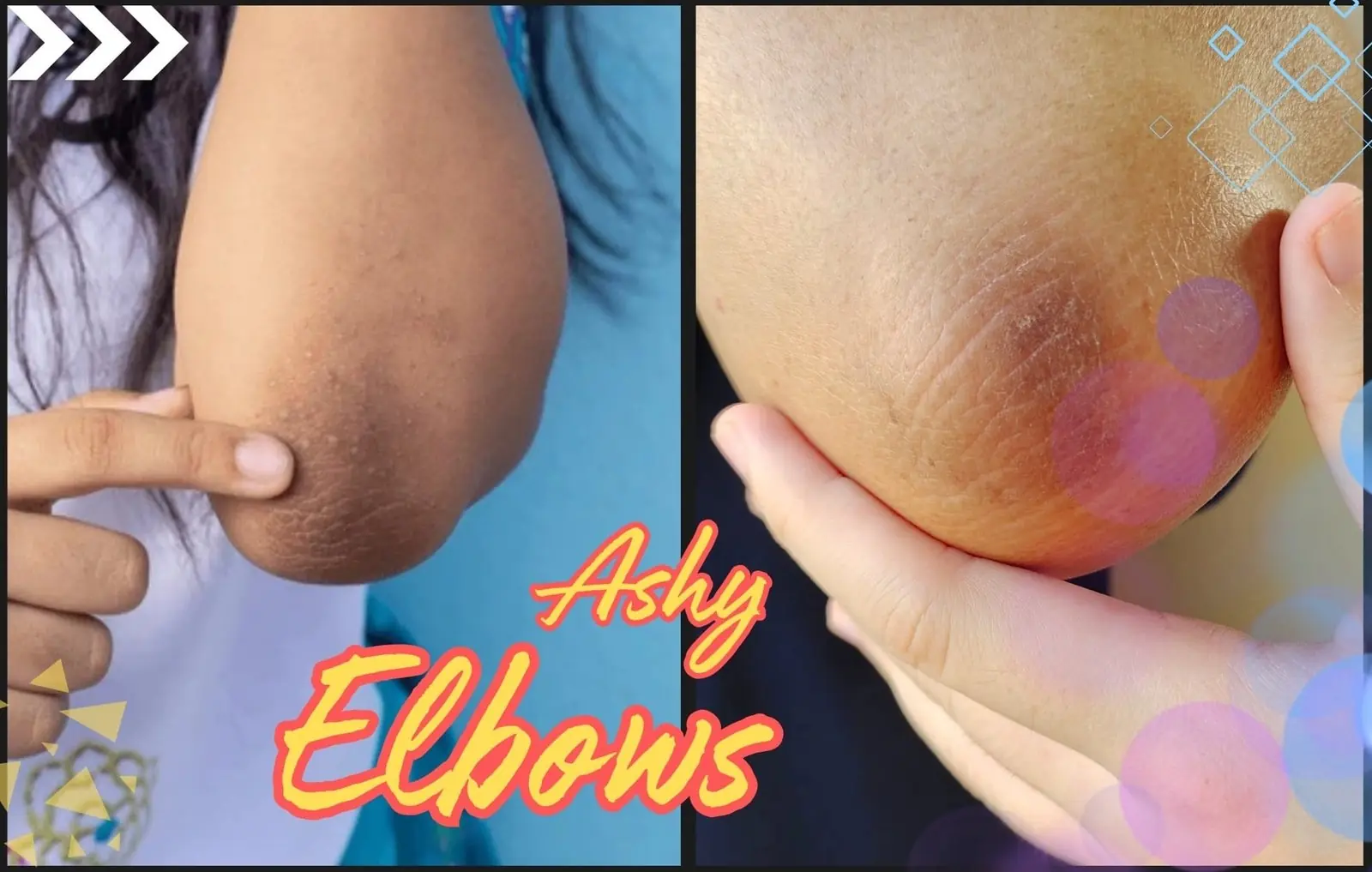
Ashy elbows can be an uncomfortable and self-conscious problem, showing up as dry, rough patches that look gray or white. They are common in colder we
Ashy elbows can be an uncomfortable and self-conscious problem, showing up as dry, rough patches that look gray or white. They are common in colder weather and for anyone with naturally dry skin, since the elbows have few oil glands. This guide covers what causes ashy elbows, how to treat them, and the daily habits that keep this skin soft, smooth, and hydrated.
Reviewed by the BeautynFacts editorial team. Last updated: May 2026.
1. What Causes Ashy Elbows?
Ashy elbows are primarily caused by a lack of moisture in the skin. This leads to dryness, roughness, and visible scaling, particularly on the elbows where the skin is thicker and naturally prone to dryness.
Key Causes Include:
- Lack of Oil Glands: The elbows have fewer sebaceous (oil) glands, which makes them more prone to dryness.
- Friction: Leaning on hard surfaces or wearing tight clothing can contribute to skin roughness.
- Environmental Factors: Cold weather, dry air, or excessive sun exposure can strip moisture from the skin.
- Harsh Products: Using soaps or cleansers with drying agents can exacerbate the problem.
Understanding these factors helps target the root cause and select the most effective treatments.
2. Why Are Elbows Prone to Dryness?
The skin on the elbows is unique it’s thicker, rougher, and has more folds to accommodate joint movement. Unlike areas rich in sebaceous glands, the elbows rely solely on external hydration to stay soft and supple. This makes them highly vulnerable to environmental factors, lifestyle habits, and lack of care.
3. Key Ingredients for Combatting Dry Skin
When addressing ashy elbows, using products with effective moisturizing ingredients is essential. Look for the following:
- Hyaluronic Acid: Retains water, keeping the skin hydrated and plump.
- Glycerin: Draws moisture to the skin’s surface, ensuring lasting hydration.
- Shea Butter and Cocoa Butter: Provide deep, long-lasting moisture and nourishment.
- Ceramides: Help restore the skin’s natural barrier to prevent moisture loss.
- Urea and Lactic Acid: Exfoliate while hydrating, perfect for smoothing rough skin.
These ingredients work together to hydrate, soften, and protect the skin.
4. Daily Moisturizing Routine for Elbows
Consistent moisturizing is the cornerstone of ashy elbow care. Here’s a step-by-step guide:
- Cleanse: Wash your elbows with a gentle cleanser to remove dirt and impurities without stripping natural oils.
- Exfoliate: Exfoliate 2 3 times per week using a scrub or soft brush to remove dead skin cells.
- Apply Moisturizer: After cleansing, apply a rich moisturizer with shea butter or ceramides to lock in hydration.
- Seal with Oil: For added moisture, top your moisturizer with a few drops of coconut or jojoba oil.
- Night Treatment: Before bed, reapply a thicker cream and cover with a soft cloth for deep hydration overnight.
This routine ensures hydration and smoothness over time.
5. Effective Exfoliation Techniques
Regular exfoliation removes dead skin cells, allowing moisturizers to penetrate better.
Options Include:
- Physical Exfoliants: Use gentle scrubs made of sugar or oatmeal to slough away rough patches.
- Chemical Exfoliants: Choose products with alpha hydroxy acids (AHAs) like lactic acid or glycolic acid for a non-abrasive option.
- Tools: Soft exfoliating gloves or brushes can help, but avoid over-scrubbing to prevent irritation.
6. Natural Remedies for Ashy Elbows
If you prefer natural treatments, try these remedies:
- Honey: Apply raw honey for 15 minutes to hydrate and soothe skin.
- Coconut Oil: Massage coconut oil into the skin daily to lock in moisture.
- Aloe Vera Gel: Use pure aloe vera for its cooling and hydrating properties.
- Olive Oil and Sugar Scrub: Mix olive oil with sugar for an effective exfoliant and moisturizer in one.
These remedies are gentle and effective for maintaining soft, smooth elbows.
7. How Diet and Hydration Affect Skin
Healthy skin starts from within. A balanced diet and proper hydration can dramatically improve skin health:
- Vitamin A: Found in carrots and spinach, it supports skin repair.
- Vitamin C: Promotes collagen production for smoother skin.
- Vitamin E: Protects against oxidative damage.
- Omega-3 Fatty Acids: Found in salmon and walnuts, these support the skin’s natural barrier.
Drink at least 8 glasses of water daily to maintain hydration and reduce dryness.
8. Benefits of Using a Humidifier
Dry indoor air can worsen skin dryness, including on your elbows. Using a humidifier adds moisture to the air, helping skin retain hydration. Place a humidifier in your bedroom or workspace to combat dryness, especially in winter.
9. Protective Measures and Preventative Habits
Prevent ashy elbows by adopting these habits:
- Avoid Leaning: Use cushions or avoid resting elbows on hard surfaces.
- Wear Soft Fabrics: Choose breathable, non-abrasive materials like cotton.
- Limit Hot Showers: Use lukewarm water to avoid stripping natural oils.
- Apply Sunscreen: Protect your elbows from sun damage to prevent dryness and discoloration.
10. DIY Elbow Scrub Recipe
Create a simple, effective scrub to exfoliate your elbows:
Ingredients:
- 2 tablespoons sugar
- 1 tablespoon olive oil
- 1 teaspoon honey
Instructions:
- Mix all ingredients into a paste.
- Gently massage onto elbows in circular motions for 1 2 minutes.
- Rinse with lukewarm water and pat dry.
- Apply moisturizer immediately.
Use this scrub once a week for smoother skin.
11. When to Consult a Dermatologist
If ashy elbows persist despite consistent care, consult a dermatologist. Chronic dryness or irritation could indicate an underlying condition like eczema, psoriasis, or an allergy. A professional can recommend specialized treatments tailored to your needs.
12. Final Thoughts on Maintaining Healthy Elbows
Ashy elbows don’t have to be a recurring issue. By following a consistent skincare routine, using the right products, and making small lifestyle adjustments, you can achieve softer, smoother skin. Stay hydrated, exfoliate regularly, and protect your elbows from harsh environments. With patience and care, you’ll enjoy healthy, hydrated elbows year-round.
Frequently Asked Questions (FAQs)
1. How often should I moisturize my elbows?
Twice daily once in the morning and once before bed for optimal hydration.
2. Can diet alone fix ashy elbows?
While diet is important, combining it with external care, like moisturizing and exfoliating, yields the best results.
3. Are natural oils effective for treating ashy elbows?
Yes, oils like coconut and olive oil provide deep hydration and help lock in moisture.
4. What should I avoid to prevent ashy elbows?
Avoid leaning on hard surfaces, hot showers, and harsh soaps, as these can worsen dryness.
5. How long does it take to see results from a new elbow care routine?
With consistent care, you can expect noticeable improvements within 1 2 weeks.
By following these tips, you’ll be well-equipped to maintain soft, smooth, and healthy elbows!
Frequently Asked Questions About Ashy Elbows
Why do my elbows get so dark and ashy?
Elbow skin has very few sebaceous glands, a thicker stratum corneum, and constant friction from resting on tables, sleeping on the side, and leaning on the joints. The combination produces a build-up of dead cells that traps pigment and reads as ashy or darker than the surrounding arm. Dehydration, sun exposure, and conditions like hyperpigmentation or eczema can deepen the appearance. Most ashy elbows are not a skin disorder, just a high-friction, low-oil area that needs different care than the face or smoother body skin.
How often should you exfoliate your elbows?
Two to three times a week is the right cadence for ashy elbows. Daily exfoliation thins the skin and triggers more pigment production as a defence response, which is the opposite of the goal. Alternate between a physical scrub like a sugar-and-coconut-oil mix and a chemical exfoliant like a five to ten percent glycolic acid lotion. Follow every exfoliation with a thick occlusive moisturiser to seal in moisture. Improvement is visible within four to six weeks of consistent twice-weekly treatment, not overnight.
Which ingredients work best for lightening elbow darkness?
Glycolic acid breaks down the thick dead-cell layer that traps pigment, niacinamide reduces melanin transfer to the surface, kojic acid and alpha arbutin gently fade existing pigmentation, and urea at ten percent or higher softens hardened skin. Layer a glycolic body lotion at night and a niacinamide-and-urea cream in the morning for the fastest visible change. Vitamin C is less effective on body skin than on the face because the formulation challenges of stability rarely translate to body lotions. Always finish with SPF on exposed elbows.
Are home remedies like lemon and yoghurt effective for elbows?
Lemon juice on elbows is a common home tip but a risky one. The acidity can cause phototoxic burns if the skin is exposed to sun afterward, and the lightening effect is unreliable. Yoghurt is gentler thanks to lactic acid and offers mild exfoliation without the burn risk. A safer DIY combines two tablespoons of plain yoghurt with one teaspoon of honey, applied for ten minutes and rinsed off. For real results, well-formulated glycolic acid and urea body lotions outperform any kitchen blend.
Will sunscreen really help with dark elbows?
Yes. Sun exposure on already darker elbow skin amplifies the pigmentation and undoes most of what topical brightening can achieve, so daily SPF on exposed elbows is non-negotiable. Use a body-friendly SPF 30 or higher and reapply every two hours during outdoor wear. Combined with nightly exfoliation and a brightening cream, sunscreen prevents the cycle of fade-and-darken that traps many people in plateau. Long sleeves are a passive alternative, but the lotion habit is more practical for everyday wear.
How long does it take to see lighter elbows?
Most people see softer texture within two weeks of consistent care and a visible tone change in six to eight weeks. Deeply pigmented or thickened elbows can take three months. The progress is gradual rather than dramatic. Skipping more than two days of routine in a row stalls progress, since the area builds dead cells fast. Pair the elbow routine with avoidance of leaning on tables and desks, which is the friction trigger that maintains the darkness in the first place.
RELATED ARTICLES:
How to remove black from elbows
Acne Treatments for Pregnancy: Expert-Approved and Safe Options
Anti-aging: why this skin expert recommends adopting a minimalist skincare routine
2025’s Best Natural Wrinkle Remedy: Garlic Skincare Hacks for Ageless Beauty!
Dark Knees No More: Top Skin-Lightening Hacks That Work!
About The Author

COMMENTS