









Struggling with postpartum melasma? Learn safe, effective ways to treat the pregnancy mask after delivery, from gentle skincare ingredients to sun protection strategies.
Postpartum melasma treatment is one of the most-asked questions in new-mom dermatology because the brown patches that appeared during pregnancy don’t always fade on their own, and the actives that would normally clear them are mostly off-limits while nursing. Postpartum melasma treatment requires a careful sequence of gentle brightening agents and aggressive sun protection. This guide walks through postpartum melasma treatment with the nursing-safe routine, the dermatologist-approved actives, and the realistic timeline for visible fading.
Published · Updated
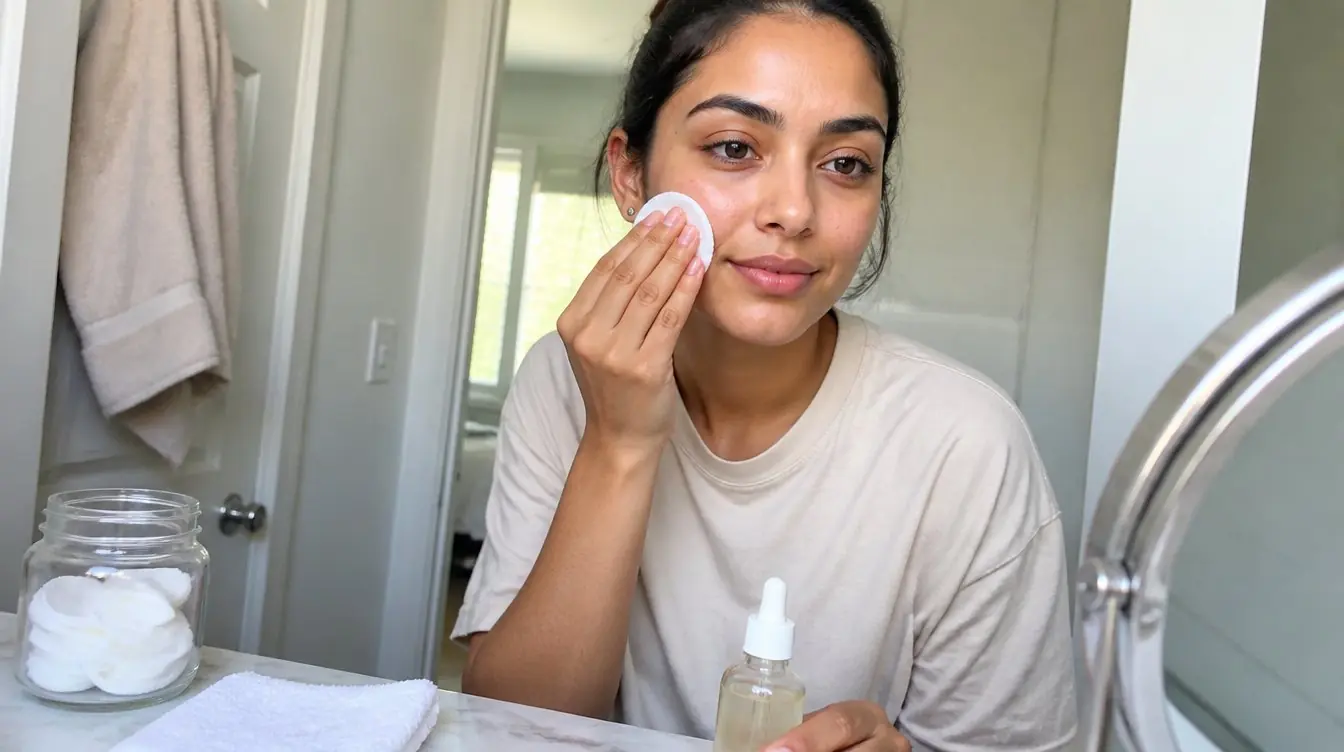
Postpartum Melasma: Postpartum melasma treatment is one of the most searched skincare concerns among new mothers, and for good reason. Those stubborn patches of brown or grey discolouration that appear on the cheeks, forehead, upper lip, and chin can feel like an unwelcome gift that lingers long after the baby arrives. If you noticed darkening patches on your face during pregnancy and hoped they would disappear after delivery, you are not alone. Millions of women worldwide experience this condition, commonly called the “pregnancy mask,” and many find themselves searching for safe, effective ways to restore their complexion without compromising their postpartum recovery. This comprehensive guide walks you through everything you need to know about identifying, understanding, and treating postpartum melasma safely, including which ingredients work, what to avoid while breastfeeding, and how to build a routine that actually delivers visible results.
What Is Postpartum Melasma and Why Does It Happen
Melasma is a form of hyperpigmentation characterised by symmetrical, irregular patches of brown, tan, or greyish discolouration on sun-exposed areas of the face. The forehead, cheeks, upper lip, and bridge of the nose are the most commonly affected zones. While melasma can affect anyone, it disproportionately impacts women, particularly those with medium to darker skin tones, because melanin-producing cells in these skin types are more reactive to hormonal and UV triggers.
Postpartum melasma refers specifically to melasma that either developed during pregnancy or persisted and sometimes worsened after delivery. The condition does not always resolve on its own, and for many women, the patches remain visible for months or even years without targeted treatment.
The Hormonal Connection
During pregnancy, oestrogen and progesterone levels surge dramatically. These hormones stimulate melanocytes, the specialised skin cells responsible for producing melanin, the pigment that provides skin its colour. When melanocytes become overactive, they produce excess melanin that accumulates in the outer layers of skin, creating those characteristic dark patches.
After delivery, hormone levels begin to normalise, but the process is gradual and varies significantly from woman to woman. Breastfeeding extends this hormonal fluctuation period, as prolactin, the hormone that supports milk production, also influences oestrogen levels. This is why some breastfeeding mothers find that their melasma persists or fluctuates throughout the nursing period.
Sun Exposure as a Primary Trigger
Ultraviolet radiation is the single most powerful trigger for melasma, working in combination with hormonal changes to dramatically worsen pigmentation. UV rays signal melanocytes to produce more melanin as a protective response. In women with hormonally sensitised melanocytes, even brief sun exposure can deepen existing patches and stimulate new ones. This is why melasma that fades somewhat in winter often rebounds aggressively in the summer.
Genetic Predisposition
Family history plays a meaningful role in who develops melasma. If your mother or sisters experienced the pregnancy mask, your risk is significantly higher. Genetic factors influence the baseline activity of your melanocytes and how they respond to hormonal and environmental triggers. Understanding this context helps set realistic expectations about how quickly your skin will respond to treatment.
Postpartum Melasma Treatment: Understanding Your Timeline
One of the most important things to understand about postpartum melasma treatment is that results take time. Unlike a pimple that resolves in days, melasma involves deeply embedded pigment that requires consistent, sustained treatment to fade. Most dermatologists consider a three- to six-month window a realistic timeline for seeing meaningful improvement, with full resolution sometimes taking longer depending on the depth of pigmentation and individual skin characteristics.
Melasma is classified based on where the pigment sits within the skin. Epidermal melasma, where excess melanin is confined to the outer skin layers, tends to respond more quickly to topical treatments and generally has a better prognosis. Dermal melasma, where pigment has migrated into deeper skin layers, is more stubborn and may require a combination of professional treatments alongside topical care. Mixed melasma involves both layers and represents the most common clinical presentation.
When to Start Treatment
Many women want to begin treatment immediately postpartum, but timing matters for safety. Certain ingredients are not recommended for breastfeeding mothers, as they may be absorbed into breast milk. The general guidance from dermatologists is to wait until after you have weaned, if possible, before introducing prescription-strength treatments like tretinoin or hydroquinone. However, there are safe and effective options you can start immediately, such as consistent sun protection and gentle brightening ingredients, which lay the foundation for more advanced treatments later on.
For women who are not breastfeeding, treatment can begin sooner, though the skin still benefits from a gradual approach that avoids unnecessary irritation during the postpartum recovery period.
Sun Protection: The Most Critical Step in Any Postpartum Melasma Treatment Plan
No discussion of postpartum melasma treatment is complete without emphasising sunscreen as the single most impactful intervention available. Without rigorous sun protection, even the most sophisticated treatment regimen will fail to deliver lasting results. UV exposure undoes the progress made by brightening ingredients, re-stimulating melanocytes and reversing fading.
The ideal sunscreen for postpartum melasma should meet several criteria. Broad-spectrum protection covering both UVA and UVB rays is non-negotiable, as UVA rays in particular drive pigmentation. An SPF of 30 is the minimum recommended, with SPF 50 preferred for women who spend significant time outdoors. Mineral sunscreens, which use zinc oxide or titanium dioxide as active ingredients, are generally preferred over chemical sunscreens for two reasons. First, they work by physically reflecting UV rays rather than absorbing them, meaning they are less likely to irritate sensitive postpartum skin. Second, they are considered safe for breastfeeding mothers.
How to Apply Sunscreen Correctly
Most people apply only a fraction of the sunscreen needed to achieve the labelled SPF. For the face, a quarter teaspoon is the standard recommendation. Apply sunscreen as the final step in your morning skincare routine, after any serums or moisturisers have absorbed. Reapplication every two hours during outdoor exposure is essential, even on overcast days, as UV rays penetrate cloud cover.
Beyond Sunscreen: Physical Protection
Sunscreen alone, while essential, works best as part of a broader sun avoidance strategy. Wide-brimmed hats that shade the face, neck, and ears offer meaningful protection, particularly during peak UV hours between 10 a.m. and 4 p.m. Seeking shade whenever possible and sitting in the shade during outdoor activities with your newborn considerably reduces cumulative UV exposure. UV-protective clothing is another layer of defence worth considering for women whose melasma is severe or particularly resistant to treatment.
Safe Topical Ingredients for Postpartum Melasma Treatment While Breastfeeding
Navigating the ingredient landscape during the postpartum period requires care, particularly for breastfeeding mothers. The excellent news is that several well-studied, effective brightening ingredients are considered safe to use while nursing, allowing you to make meaningful progress toward fading the pregnancy mask without waiting until weaning.
Vitamin C
Ascorbic acid, commonly known as vitamin C, is one of the most evidence-backed brightening ingredients available and is considered safe during breastfeeding. It works by inhibiting the enzyme tyrosinase, which is essential for melanin synthesis, effectively slowing the production of new pigment. Vitamin C also provides antioxidant protection, neutralising free radicals generated by UV exposure that would otherwise trigger further pigmentation. For melasma, a concentration of 10 to 20 percent ascorbic acid in a stable formulation is most effective. Vitamin C pairs well with sunscreen and can be applied in the morning to enhance UV protection.
Niacinamide
Niacinamide, a form of vitamin B3, addresses melasma through a different mechanism. Instead of stopping melanin production, it blocks the transfer of melanin from melanocytes to the surrounding skin cells, which reduces the buildup of pigment on the skin’s surface. Concentrations of four to ten percent are effective, and niacinamide is exceptionally well-tolerated, making it suitable for sensitive postpartum skin. It also supports the skin barrier, reduces inflammation, and minimises pore appearance, making it a versatile addition to any routine.
Azelaic Acid
Azelaic acid is a naturally occurring dicarboxylic acid derived from grains that has solid clinical evidence behind it for melasma treatment. It inhibits tyrosinase activity with particular selectivity for overactive melanocytes, meaning it targets abnormal pigment production without significantly affecting the normal skin colour. Azelaic acid is also anti-inflammatory, making it appropriate for postpartum skin that may be more reactive than usual. Concentrations of ten to twenty percent are used clinically, and it is regarded as safe during pregnancy and breastfeeding, making it one of the most valuable tools available to nursing mothers seeking postpartum melasma treatment.
Kojic Acid
Kojic acid, a byproduct of certain fungal fermentation processes, inhibits tyrosinase and has demonstrated efficacy for hyperpigmentation in clinical studies. It is frequently combined with other brightening agents for enhanced effect. While generally well-tolerated, some individuals experience mild sensitivity or irritation, so patch testing before applying it to the full face is advisable. Its safety profile during breastfeeding is generally considered acceptable at cosmetic concentrations, though if you have concerns, discussing with your healthcare provider is always a reasonable step.
Tranexamic Acid
Tranexamic acid has emerged recently as a compelling ingredient for melasma treatment. Originally used medically to reduce bleeding, it was discovered to have significant anti-melanogenic properties by interrupting UV-induced interactions between keratinocytes and melanocytes that drive pigmentation. Studies comparing topical tranexamic acid to established treatments show meaningful efficacy with an excellent safety profile, making it a promising option for postpartum use. It is available in serums and toners and can be combined with other brightening ingredients without significant interaction concerns.
Ingredients to Approach with Caution During the Postpartum Period
While the list of safe brightening ingredients is reassuringly long, there are also ingredients commonly used for melasma that require caution during the postpartum period, particularly while breastfeeding.
Hydroquinone
Hydroquinone has historically been considered the gold standard for melasma treatment and remains one of the most effective depigmenting agents available. It works by inhibiting tyrosinase and interfering with melanin synthesis at multiple points in the production pathway. However, hydroquinone is not recommended during pregnancy or breastfeeding due to limited safety data in these populations and its significant systemic absorption through the skin. Most dermatologists advise waiting until after weaning before incorporating it into a treatment plan. Once breastfeeding has ended, hydroquinone at a two- to four percent concentration under dermatological supervision can produce significant improvement in stubborn melasma.
Retinoids
Retinoids, including tretinoin and over-the-counter retinol, are well-established for hyperpigmentation and overall skin renewal. They accelerate cell turnover, helping pigmented cells shed more quickly, and downregulate tyrosinase activity. However, retinoids are contraindicated during pregnancy and are generally advised against during breastfeeding due to theoretical concerns about absorption and effects on a nursing infant. After weaning, introducing a low-strength retinol and gradually building up concentration can significantly accelerate melasma fading, particularly when combined with other brightening agents and consistent sun protection.
Chemical Exfoliants at High Concentrations
Alpha hydroxy acids like glycollic acid and lactic acid in lower concentrations are generally well-tolerated and can help brighten skin by promoting cell turnover and reducing surface pigmentation. At higher concentrations, however, they can cause irritation and, paradoxically, worsen post-inflammatory hyperpigmentation if the skin becomes inflamed. A gentle approach using lower concentrations appropriate for sensitive skin is the safest strategy during the postpartum period.
Building an Effective Postpartum Melasma Skincare Routine
The most effective postpartum melasma skincare routine is one that is consistent, layered strategically, and appropriately calibrated to your skin’s current sensitivity level. The postpartum period is not the time for aggressive exfoliation or multiple new active ingredients introduced simultaneously. Instead, a measured, systematic approach yields the best results with the least risk of irritation.
Morning Routine
Begin with a gentle, non-stripping cleanser that removes overnight residue without disturbing the skin barrier. Follow with a vitamin C serum applied to clean, slightly damp skin for optimal penetration. Allow it to fully absorb before applying a niacinamide or tranexamic acid treatment if you are using one. Finish with a moisturiser suited to your skin type to support barrier function, then apply broad-spectrum mineral SPF 50 as the absolute final step. This morning sequence addresses multiple pathways of melanin production while reinforcing the UV defence that underpins all melasma treatments.
Evening Routine
Cleanse again to remove sunscreen, pollutants, and any makeup. If using azelaic acid, it is most commonly applied in the evening and can be layered over a lightweight moisturiser if needed for tolerance. For women who have finished breastfeeding and are introducing retinoids, the evening application slot is ideal, as these retinoids degrade in sunlight. Keep the evening routine streamlined, focusing on targeted treatment and barrier support rather than layering multiple actives simultaneously.
The Role of Consistency
Consistency over months, rather than intensity over days, is what produces lasting results with melasma. Many women are tempted to introduce more powerful treatments or exfoliate aggressively when progress feels slow. This approach often backfires, causing inflammation that worsens pigmentation. Trust the process, protect your skin from the sun rigorously, and allow the brightening ingredients time to work at a cellular level.
Professional Treatments for Stubborn Postpartum Melasma
For women whose melasma does not respond adequately to a well-constructed home routine, professional dermatological treatments offer additional options. These treatments are generally deferred until after breastfeeding has ended, as most involve stronger agents or energy-based devices with limited safety data during nursing. Discussing timing and options with a board-certified dermatologist allows you to plan ahead and understand what is available when you are ready.
Chemical Peels
Superficial to medium-depth chemical peels use higher concentrations of glycollic acid, lactic acid, or trichloroacetic acid to speed up cell turnover and remove pigmented surface layers. When performed by a qualified provider and appropriately calibrated to your skin tone and sensitivity, peels can meaningfully accelerate melasma fading. Multiple sessions spaced several weeks apart are typically required, and rigorous sun protection in the weeks before and after treatment is mandatory. Peels carry a risk of post-inflammatory hyperpigmentation, particularly in medium and darker skin tones, so provider expertise and skin type assessment are critical.
Microneedling
Microneedling uses fine needles to create controlled micro-injuries in the skin, stimulating collagen production and enhancing the penetration of topical brightening agents. When combined with serums containing tranexamic acid or vitamin C, microneedling can improve the delivery of active ingredients to the layers where melanin accumulates. It is generally better tolerated by darker skin tones than laser treatments and carries a lower risk of post-inflammatory hyperpigmentation in this context, though provider experience remains an important factor.
Laser and Light Treatments
Various laser and light-based treatments have been explored for melasma with variable results. The challenge with melasma is that the condition can paradoxically worsen in response to heat and inflammation, so lasers that generate significant heat must be approached cautiously. Low-fluence Q-switched lasers and certain non-ablative options have shown more favourable outcomes for melasma in clinical studies. However, results are inconsistent, and melasma often recurs after laser treatment if sun protection is not maintained. These treatments are best considered adjuncts to a comprehensive management plan rather than standalone solutions.
Prescription Topical Combinations
Dermatologists frequently prescribe combination topical therapies for melasma that does not respond to over-the-counter options. Triple combination formulas containing hydroquinone, a topical corticosteroid, and tretinoin have the strongest evidence base for melasma treatment and are considered the benchmark against which other treatments are often compared. These combinations address multiple steps in the pigmentation pathway simultaneously and are typically used for defined treatment cycles rather than indefinitely to minimise the risk of side effects associated with long-term corticosteroid use.
Hormonal Considerations and Their Impact on Treatment
Understanding the hormonal context of your melasma helps predict how it will behave and what additional lifestyle factors to consider. For postpartum women who are breastfeeding, prolactin-driven hormonal fluctuations mean that melasma may be more variable in the early months than it is after weaning.
Hormonal Contraception
If you are considering resuming or starting hormonal contraception postpartum, be aware that oestrogen-containing methods, such as combined oral contraceptives, can trigger or worsen melasma by replicating the hormonal stimulus that drove pigmentation during pregnancy. Women with a history of melasma may benefit from discussing progestin-only or non-hormonal contraceptive options with their healthcare provider to avoid this potential complication. This does not mean hormonal contraception is off-limits for everyone, but it is a relevant consideration when managing melasma long-term.
Postpartum Thyroid Issues
Postpartum thyroiditis, a condition affecting the thyroid gland that can develop in the months after delivery, can influence skin pigmentation and overall skin health. Women experiencing unusual skin changes postpartum alongside symptoms such as fatigue, mood changes, or weight fluctuations should discuss thyroid function with their healthcare provider, as addressing underlying thyroid imbalances can support overall skin health and treatment response.
Lifestyle Factors That Influence Postpartum Melasma
Beyond topical treatments and professional procedures, several lifestyle factors influence how melasma behaves and how well it responds to treatment. Optimising these factors creates a more favourable environment for healing and pigment fading.
Stress and Cortisol
The postpartum period is notoriously stressful, and chronic stress elevates cortisol levels, which can indirectly influence inflammation and skin reactivity. While there is no direct causal link proven between stress and melasma severity, inflammation generally worsens hyperpigmentation and compromises skin barrier function. Prioritising rest when possible, accepting support from family and friends, and practising whatever stress management works for you support not just mental wellbeing but also the skin’s ability to heal and respond to treatment.
Diet and Antioxidant Intake
A diet rich in antioxidants supports overall skin health and helps neutralise oxidative stress, which contributes to melanin overproduction. Foods high in vitamin C, vitamin E, polyphenols from fruits and vegetables, and carotenoids from orange and red produce all contribute to an antioxidant-rich diet that benefits skin from the inside out. Adequate hydration supports skin barrier function and overall cellular health, though it does not directly target pigmentation. These dietary strategies are complementary to topical treatment rather than replacements for it.
Heat Exposure
Many women are surprised to learn that heat itself, independent of UV radiation, can trigger melasma. This phenomenon, known as infrared-induced pigmentation, means that exposure to saunas, steam rooms, hot kitchens, or even very hot weather can worsen melasma in susceptible individuals. Staying cool and protecting from both UV and heat sources adds another layer of management for women with particularly reactive melasma.
Managing Expectations and Emotional Wellbeing
Melasma has a well-documented psychological impact. Studies have shown that visible facial pigmentation significantly affects quality of life, self-esteem, and emotional well-being. For new mothers already navigating the physical and emotional demands of the postpartum period, dealing with a changed complexion adds an additional layer of stress that deserves acknowledgement rather than dismissal.
Understanding that melasma is a chronic, relapsing condition rather than a problem with a single permanent cure helps recalibrate expectations in a realistic and ultimately more empowering direction. Many women achieve dramatic fading with appropriate treatment and maintenance, reaching a point where their melasma is barely visible. However, complete and permanent resolution without ongoing sun protection and maintenance is uncommon. Thinking of melasma management as an ongoing practice rather than a finite treatment course helps sustain the consistent effort that produces the best outcomes.
Color Correcting and Makeup as Support Tools
While your treatment regimen works over the medium to long term, makeup and colour-correcting products offer immediate, practical ways to minimise the visible impact of melasma during the fading process. Colour-correcting primers in peach or orange tones neutralise the brown and grey of melasma patches before foundation is applied. Full-coverage foundation matched carefully to your skin tone can substantially conceal patches, supporting confidence during a period when the skin is actively being treated. There is no contradiction between using cosmetic coverage while pursuing treatment, and many dermatologists actively encourage it as a quality-of-life measure.
Connecting with Community
Many women find genuine comfort in connecting with others who understand the experience of postpartum melasma. Online communities and support groups bring together women at various stages of their treatment journeys, offering practical advice, emotional validation, and encouragement. Seeing real-world before-and-after experiences from women with similar skin tones and histories can help calibrate expectations and sustain motivation through the slower phases of treatment progress.
When to See a Dermatologist for Postpartum Melasma
While a great deal of progress can be made with a well-constructed home routine, there are specific circumstances in which professional dermatological guidance is particularly valuable. Seeking a consultation sooner rather than later is beneficial if your melasma is severe, if it is significantly impacting your quality of life, if over-the-counter treatments have produced no improvement after three months of consistent use, or if you are uncertain about which ingredients are safe for your specific situation as a breastfeeding mother.
A dermatologist can use a Wood’s lamp examination or dermoscopy to check how deep your melasma is, which helps tell apart the epidermal and dermal types and choose the best treatment. They can prescribe higher-strength treatments that are not available over the counter, monitor for side effects, and adjust your regimen based on how your skin responds. For women with medium to darker skin tones, professional guidance is especially important given the heightened risk of post-inflammatory hyperpigmentation from treatments that are not calibrated appropriately to your skin.
If you notice rapidly changing or asymmetric pigmentation, areas with irregular borders, changes in surface texture, or bleeding, seek medical evaluation promptly to rule out conditions that require different management.
Long-Term Maintenance After Postpartum Melasma Treatment
Achieving significant fading of postpartum melasma is a genuine accomplishment, but maintaining those results requires an ongoing commitment to sun protection and a streamlined maintenance routine. Melasma is a condition with a strong tendency to recur in response to UV exposure, hormonal changes, or heat. Women who fade their melasma successfully and then abandon sun protection frequently see it return, often within a single summer.
Long-term maintenance typically involves daily broad-spectrum SPF, continued use of one or two well-tolerated brightening ingredients such as vitamin C in the morning and niacinamide or azelaic acid in the evening, and physical sun avoidance practices year-round. During periods of increased sun exposure such as vacations or outdoor events, doubling down on sunscreen application frequency and physical protection is particularly important.
Annual or biannual check-ins with a dermatologist allow for reassessment and adjustment of the maintenance plan as needed, particularly if new hormonal changes such as another pregnancy, menopause, or changes in contraceptive methods introduce new variables. Melasma management is not a static programme; it is an adaptive one that evolves with your skin and life circumstances.
Frequently Asked Questions About Postpartum Melasma Treatment
Will postpartum melasma go away on its own?
For some women, melasma that developed during pregnancy does fade somewhat after delivery as hormone levels normalise, particularly if sun exposure is minimised. However, complete spontaneous resolution without any treatment intervention is not common, and a significant proportion of women find that patches persist for months or years without targeted management. Even when some fading occurs naturally, the remaining pigmentation typically responds better to treatment than to waiting. Starting with sun protection immediately is always beneficial, as it prevents further darkening even while other treatments are being considered.
Is it safe to treat melasma while breastfeeding?
Yes, several effective and evidence-supported ingredients are considered safe for use during breastfeeding. Consistent daily sunscreen with broad-spectrum SPF 50 using mineral actives is safe and foundational. Topical vitamin C, niacinamide, azelaic acid, tranexamic acid, and kojic acid at cosmetic concentrations are generally regarded as compatible with breastfeeding. Ingredients that should be deferred until after weaning include hydroquinone and retinoids. Consulting with your dermatologist or healthcare provider about any specific concerns regarding any ingredient ensures you receive personalised guidance appropriate to your situation.
How long does it take to see results from postpartum melasma treatment?
Realistic expectations centre on a three- to six- month window for meaningful, visible improvement from a consistent topical regimen. Melasma involves pigment that has accumulated over months and is embedded in skin cells at various stages of their lifecycle. Cell turnover takes approximately four to six weeks, meaning that even as brightening ingredients work at the melanin production level, visible surface change lags behind the underlying cellular activity. Many women notice subtle lightening within six to eight weeks, with more significant fading becoming apparent at the three- to four-month mark. Deeper dermal melasma may take longer and often requires professional treatments alongside topical care to achieve meaningful results.
Can postpartum melasma come back after it has been treated?
Yes, recurrence is one of the defining characteristics of melasma. Once melanocytes have been sensitised by hormonal and UV triggers, they retain a tendency to overproduce that can be reactivated by UV exposure, heat, hormonal changes, or even inflammation. This is why long-term maintenance after successful treatment is essential rather than optional. Women who maintain rigorous daily sun protection and a streamlined brightening routine experience far lower rates of recurrence than those who discontinue all protective measures once fading is achieved. Thinking of sun protection as a permanent, non-negotiable lifestyle practice is the most important mindset shift for preventing melasma from returning.
Does skin tone affect how postpartum melasma responds to treatment?
Skin tone is an important factor in both treatment selection and expected outcomes. Women with medium to darker skin tones, classified as Fitzpatrick types III through VI, have more reactive melanocytes that can respond unpredictably to certain treatments. Ingredients or procedures that cause inflammation carry a higher risk of triggering post-inflammatory hyperpigmentation in darker skin, which can compound the original melasma problem. This makes the gentle, anti-inflammatory approach particularly important for these skin tones. Treatments like azelaic acid and niacinamide are well-suited to a wide range of skin tones due to their safety profiles. For procedures like chemical peels or laser treatments, choosing a provider who is experienced with darker skin tones is critical to minimising risk and optimising outcomes.
Are there any dietary supplements that help with postpartum melasma treatment?
Oral supplements are being studied with increasing interest for the management of melasma. Oral tranexamic acid has demonstrated efficacy in clinical trials, particularly for cases that have not responded adequately to topical treatments, though it requires medical supervision due to its mechanism of action affecting clotting pathways. Polypodium leucotomos extract, derived from a tropical fern, is an oral antioxidant supplement that has shown evidence of protecting against UV-induced pigmentation by reducing the inflammatory response to UV radiation. It is considered a complementary tool rather than a standalone treatment and works best when combined with topical care and sun protection. Glutathione taken orally is widely marketed for skin brightening, especially in some geographic markets, but the evidence for its effectiveness specifically for melasma is still weaker than for other options. Before starting any supplement, discussing it with your healthcare provider is advisable, particularly during the breastfeeding period.
Conclusion
Postpartum melasma is a common, understandable, and very treatable skin condition that affects a significant number of women after pregnancy. The pregnancy mask may feel discouraging, particularly when you are already managing the many demands of the postnatal period, but the evidence is clear that consistent, appropriately chosen treatment produces real and meaningful results for most women. The foundation of any effective treatment plan for postpartum melasma is unwavering sun protection, which both prevents further darkening and allows the brightening treatments you use to work without being undone by ongoing UV stimulation.
During breastfeeding, a thoughtfully selected regimen of safe brightening ingredients, including vitamin C, niacinamide, azelaic acid, and tranexamic acid, can produce meaningful progress while keeping you and your baby safe. After weaning, additional options including retinoids, hydroquinone, and professional procedures expand the toolkit considerably. Partnering with a board-certified dermatologist who has experience with postpartum skin and diverse skin tones provides you with access to personalised guidance, prescription-strength treatments, and monitoring that optimises your results.
With patience, consistency, and the right combination of strategies, fading the pregnancy mask safely is entirely achievable. The journey takes time, but each week of diligent sun protection and evidence-based treatment is a step toward the clearer, more even complexion you are working toward.
RELATED ARTICLES:
5 Skincare Trends to Watch Out for in 2026, According to a Top Skin Expert
Blue Light Protection: Do You Really Need It for Digital Skincare?
Unveiling the Secret to Radiance: Tamarind Extract in Skincare
Skin Tints That Work For a Natural Base
Dolphin Skin Makeup
About The Author

COMMENTS