
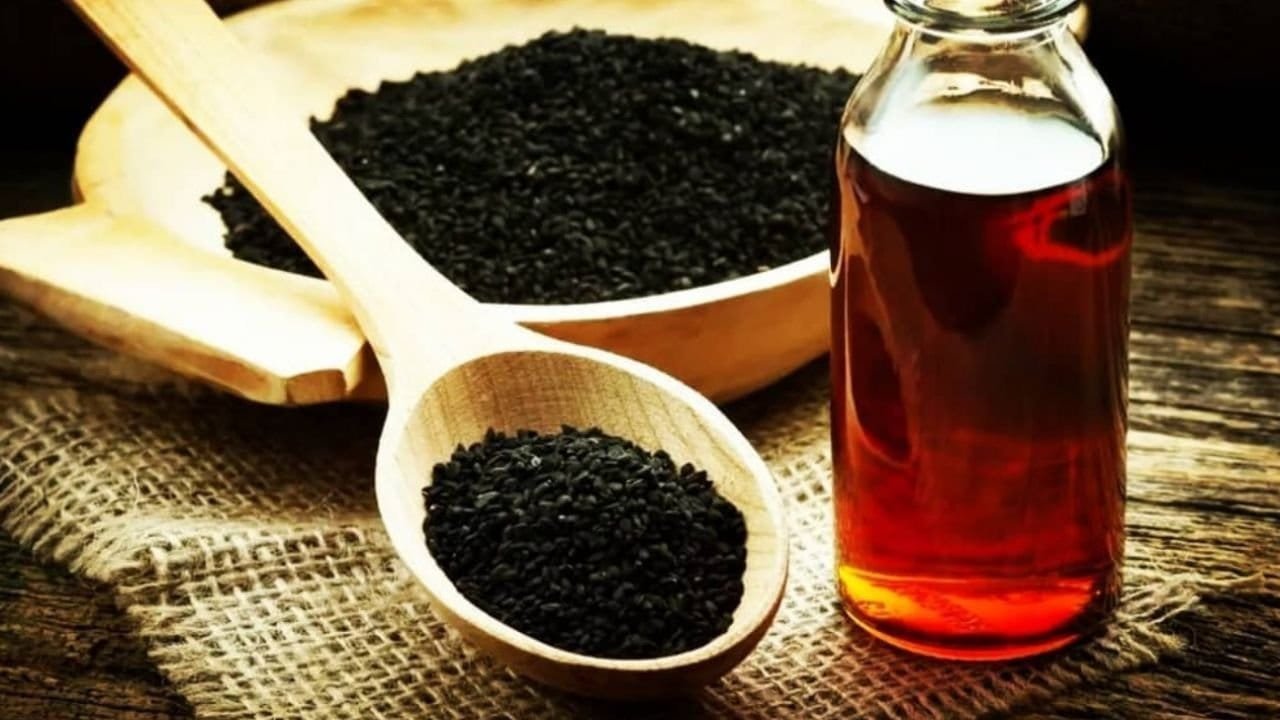
Cumin oil for hair is an ancient remedy from the Middle East, South Asia, and the Mediterranean that modern research is finally validating. This nutri
Cumin oil for hair is an ancient remedy from the Middle East, South Asia, and the Mediterranean that modern research is finally validating. This nutrient-dense, cold-pressed oil is packed with bioactive compounds that work from the follicle outward. Whether you are facing thinning edges, a flaky scalp, brittle strands that snap easily, or hair that has simply lost its shine, cumin oil offers a multi-pronged approach that targets the root causes rather than masking them.
Cumin oil comes in two primary forms, each with a distinct botanical origin and a slightly different nutritional profile, but both sharing an impressive lineup of bioactive compounds. Whether you are dealing with thinning edges, a persistently flaky scalp, brittle strands that snap at the first sign of manipulation, or simply hair that has lost its vibrancy and shine, cumin oil offers a multi-pronged approach that addresses the root causes of these concerns rather than merely masking symptoms.
This guide covers everything you need to know: the chemistry behind why cumin oil works, the specific mechanisms through which it supports hair growth and scalp health, how to incorporate it into your routine based on your hair type, which ingredients pair best with it, and how to use it safely. By the time you finish reading, you will have a thorough understanding of one of the most underrated oils in the natural hair care world and a clear, practical plan for putting it to work.
Understanding Cumin Oil: Two Distinct Oils, One Powerful Category
Reviewed by the BeautynFacts editorial team. Last updated: May 2026.
Before exploring the benefits in depth, it is essential to understand that the term “cumin oil” actually refers to two botanically different oils that are often discussed interchangeably but come from entirely separate plants. Distinguishing between them helps you shop more intelligently and set accurate expectations for your results.
Cumin Seed Essential Oil (Cuminum cyminum)
The first variety is derived from the seeds of Cuminum cyminum, a slender annual herb belonging to the Apiaceae (parsley) family. This plant is native to the eastern Mediterranean and South Asia, and its seeds have been prized as a culinary spice and medicinal herb for at least four thousand years. Archaeological evidence suggests cumin seeds were found in ancient Egyptian tombs, underscoring just how deeply embedded this plant has been in human culture across time.
The essential oil extracted from these seeds is obtained through steam distillation, which preserves a concentrated array of volatile aromatic compounds. Its primary active constituents include cuminaldehyde (also called 4-isopropylbenzaldehyde), gamma-terpinene, beta-pinene, and p-cymene. These compounds are responsible for the oil’s characteristic warm, earthy, slightly spicy scent and contribute meaningfully to its antimicrobial, antioxidant, and anti-inflammatory properties. Because it is a true essential oil, Cuminum cyminum oil is highly concentrated and must always be diluted in a carrier oil before skin or scalp application.
Black Cumin Seed Oil (Nigella sativa)
The second and arguably more research-backed variety is black cumin seed oil, derived from Nigella sativa, a flowering plant in the Ranunculaceae family. Despite sharing the common name “cumin,” Nigella sativa is botanically unrelated to Cuminum cyminum. Its seeds are small, black, and angular, quite different from the elongated pale-brown seeds of the standard cumin plant.
Black cumin seed oil is extracted through cold-pressing, a mechanical process that preserves the seed’s full spectrum of beneficial compounds without applying heat that could degrade delicate fatty acids and polyphenols. The oil is approximately 50 percent linoleic acid, an essential omega-6 fatty acid the body cannot synthesize on its own. Around 20 percent of its composition is oleic acid, the same monounsaturated fat found in olive oil that is celebrated for its skin-penetrating and conditioning abilities. The remaining profile includes thymoquinone, the oil’s most studied bioactive compound, as well as thymohydroquinone, thymol, carvacrol, and a rich array of antioxidant polyphenols.
In Islamic tradition, black cumin carries profound significance. Historical texts record that the Prophet Muhammad described it as “a cure for every disease except death,” a statement that has inspired centuries of medicinal research across Muslim-majority cultures. Today, Nigella sativa is one of the most extensively studied herbal remedies in scientific literature, with research covering its antimicrobial, anti-inflammatory, antifungal, and antioxidant activities, all of which have direct relevance to hair and scalp health.
The Nutritional and Chemical Profile That Makes Cumin Oil Exceptional
To appreciate why cumin oil produces such noticeable results in hair care, it helps to look closely at what it actually contains and how each component interacts with hair biology. Hair, after all, is not simply a cosmetic feature. Each strand is a complex protein fiber emerging from a living follicle embedded in the dermis, and that follicle requires a steady supply of oxygen, nutrients, and a healthy microenvironment to produce strong, fast-growing hair.
The linoleic acid content of black cumin seed oil is particularly significant. As an omega-6 fatty acid, linoleic acid plays a structural role in the lipid barrier of the scalp skin. When this barrier is intact and well-nourished, the scalp retains moisture effectively, resists microbial overgrowth, and maintains the ideal environment for follicular activity. Deficiencies in linoleic acid have been directly linked to dry, scaly scalp conditions and impaired follicle function in clinical research, which is why topically applying an oil rich in this fatty acid can produce visibly healthier skin at the roots of your hair.
Thymoquinone, the compound that makes black cumin seed oil so remarkable, is a potent antioxidant and anti-inflammatory agent. Studies published in peer-reviewed journals have demonstrated that thymoquinone scavenges free radicals, inhibits pro-inflammatory cytokines, and modulates oxidative stress pathways. In the context of hair loss, this matters enormously because chronic scalp inflammation is one of the most under-recognized contributors to follicle miniaturization and shedding. Conditions like seborrheic dermatitis, psoriasis, and even androgenetic alopecia all involve inflammatory cascades that compromise follicle integrity over time.
The oleic acid component penetrates deeply through the hair cuticle, reaching the cortex where it can replenish the internal lipid structure of the strand. This is the same mechanism that makes argan and olive oil effective deep conditioners, and it explains why cumin oil leaves hair feeling soft and resilient rather than coated and heavy. Oleic acid also helps to reduce protein loss during washing and styling, which is a meaningful benefit for anyone whose hair has been chemically treated, heat-damaged, or exposed to hard water.
Cuminaldehyde, the dominant aromatic compound in Cuminum cyminum essential oil, has demonstrated impressive antimicrobial activity against a range of pathogens, including Candida species and bacteria associated with scalp infections. Meanwhile, gamma-terpinene exhibits antifungal properties that directly target Malassezia, the yeast genus most responsible for dandruff and seborrheic dermatitis. Together, these compounds create a bioactive environment on the scalp that favors healthy hair growth and discourages the microbial imbalances that trigger chronic scalp problems.
How Cumin Oil Stimulates Hair Growth at the Follicular Level
Hair growth is governed by a cyclical process involving three distinct phases: anagen (active growth), catagen (transitional), and telogen (resting and shedding). At any given time, roughly 85 to 90 percent of healthy hair follicles should be in the anagen phase, which lasts between two and seven years depending on genetics. When follicles are compromised by oxidative stress, hormonal imbalances, nutritional deficiencies, or chronic inflammation, they move prematurely into the telogen phase, resulting in accelerated shedding and reduced regrowth.
Cumin oil addresses several of the most common triggers for premature follicle cycling. Its antioxidant compounds neutralize the free radical damage caused by UV exposure, pollution, and metabolic stress, which would otherwise accumulate in the dermal papilla cells at the base of each follicle. The dermal papilla acts as the command center for hair growth, signaling follicle stem cells to proliferate and produce new hair fibers. Protecting these cells from oxidative damage is one of the most direct ways to preserve long-term hair density.
Some research has pointed toward cumin’s ability to influence keratin production. Keratin is the structural protein that makes up the hair shaft, and keratinocytes (the cells that produce it) are highly sensitive to the nutritional environment of the scalp. The fatty acids and micronutrients in cumin oil appear to support the metabolic activity of these cells, potentially increasing the rate and quality of keratin synthesis. Hair produced under these conditions tends to be thicker in diameter at the base, which translates to strands that feel denser and more resilient from root to tip.
The anti-inflammatory action of thymoquinone deserves particular attention in the context of hair loss. Chronic low-grade scalp inflammation, sometimes called microinflammation, is increasingly recognized by dermatologists as a contributing factor in both male and female pattern hair loss. This microinflammation does not necessarily cause visible redness or irritation; it operates silently at the follicular level, gradually degrading the support structure around each follicle. Regular application of an anti-inflammatory oil like black cumin seed oil may help interrupt this cycle, creating a more hospitable environment for sustained follicle activity.
Cumin Oil and DHT Sensitivity
One area of emerging interest is the potential of thymoquinone to modulate androgen activity at the hair follicle. Dihydrotestosterone (DHT), a potent androgen derived from testosterone via the enzyme 5-alpha reductase, is the primary hormonal driver of androgenetic alopecia in both men and women. Follicles that are genetically sensitive to DHT gradually miniaturize, producing finer, shorter hairs until they eventually stop producing visible strands altogether.
Several in vitro and animal studies have suggested that thymoquinone may inhibit 5-alpha reductase activity, theoretically reducing the local concentration of DHT at the follicle. While robust human clinical trials specifically on cumin oil and androgenetic alopecia are still limited, these preliminary findings are promising enough that many trichologists are beginning to recommend Nigella sativa oil as a complementary approach for people experiencing hormonally driven hair thinning. It is not a replacement for evidence-based treatments, but as part of a comprehensive hair care strategy, it may offer meaningful support.
Improved Scalp Circulation and Nutrient Delivery
Massaging cumin oil into the scalp provides benefits that go beyond the oil’s chemical composition. The physical act of scalp massage increases local blood flow to the dermal papilla, improving the delivery of oxygen, glucose, and essential nutrients to actively dividing follicle cells. Research published in the journal ePlasty found that standardized scalp massage over a 24-week period led to statistically significant increases in hair thickness, suggesting that mechanical stimulation alone can influence follicular activity.
When the massage is performed with a nutrient-rich oil like cumin oil, the mechanical and chemical benefits stack. The warmth generated by friction temporarily dilates the small blood vessels in the scalp, enhancing the absorption of the oil’s bioactive compounds through the follicular duct, which provides a direct channel into the deeper dermal layers where the follicle bulb resides. This is why warm oil treatments consistently outperform cold applications in terms of efficacy.
Moisturizing, Strengthening, and Reducing Hair Breakage
Beyond the follicle-level benefits, cumin oil delivers significant cosmetic improvements to the hair shaft itself. Each strand of hair is surrounded by overlapping cuticle cells that, when healthy, lie flat and create a smooth, reflective surface. When these cuticle cells are lifted, damaged, or stripped, the inner cortex becomes exposed to environmental damage, moisture loss accelerates, and the hair becomes porous, tangled, and prone to breakage.
The fatty acid composition of cumin oil closely mirrors the lipid profile found naturally within the hair fiber, which makes it exceptionally compatible with the hair’s own chemistry. When applied, the oleic acid molecules slip between lifted cuticle cells and deposit within the cortex, restoring the internal lipid content that heat styling, chemical processing, and even aggressive shampooing tend to deplete. The result is measurably smoother hair with improved tensile strength, meaning the hair fiber can withstand more mechanical stress before snapping.
Linoleic acid, because it is a smaller molecule, penetrates even more readily and works alongside oleic acid to reinforce the hair’s moisture barrier. This dual action makes cumin oil particularly valuable for high-porosity hair, a common condition in women with natural, color-treated, or heat-damaged hair. High-porosity hair absorbs moisture quickly but loses it just as fast because the cuticle layer is compromised. Regular oil treatments that deposit linoleic and oleic acids into the cortex help “fill in” these gaps in the cuticle, progressively reducing porosity and improving moisture retention over time.
Women who incorporate cumin oil into their weekly routine frequently report that their hair becomes noticeably easier to detangle. This is a direct result of reduced surface friction as the cuticles smooth down. When hair fibers align properly and surface tension is reduced, a wide-tooth comb or detangling brush glides through with far less resistance, which in turn reduces the mechanical breakage that occurs during this typically high-damage step in hair care. Over months of consistent use, this reduction in breakage alone can create a noticeable improvement in length retention, allowing hair to grow visibly longer without the constant setbacks of split ends and snapping.
Scalp Health: Fighting Dandruff, Dryness, and Inflammation
A healthy scalp is the foundation of healthy hair. This sounds obvious, but it is a principle that is frequently overlooked in favor of targeting the visible hair strand. The scalp is skin, and like all skin, it can become dry, inflamed, infected, or microbiologically imbalanced. Any of these conditions will impair the quality of the hair that grows from it, regardless of how many high-end conditioners are applied to the lengths.
Dandruff affects an estimated 50 percent of the global adult population at some point in their lives, making it one of the most common scalp conditions worldwide. The primary culprit in most dandruff cases is Malassezia globosa, a lipid-dependent yeast that colonizes the scalp naturally but becomes problematic when it proliferates beyond normal levels. This overgrowth triggers an immune response that accelerates skin cell turnover, producing the visible white or yellowish flakes that characterize the condition.
The antifungal properties of cumin oil compounds, particularly cuminaldehyde and gamma-terpinene, have been shown in laboratory studies to inhibit the growth of Malassezia and other fungal species. By reducing the fungal burden on the scalp, cumin oil addresses dandruff at its source rather than simply washing away flakes with a medicated shampoo. The anti-inflammatory properties of thymoquinone simultaneously calm the immune response that causes the rapid skin cell shedding, providing a two-pronged approach to dandruff management that can be both effective and gentler than some pharmaceutical antifungal treatments.
For people with a dry, itchy scalp that is not associated with fungal overgrowth but rather with environmental factors like cold weather, low humidity, hard water, or over-washing, cumin oil’s fatty acid content provides direct relief. The linoleic acid helps restore the skin barrier, reducing transepidermal water loss from the scalp surface. This means the skin holds onto its own natural moisture more effectively rather than constantly losing it to the environment, which reduces the chronic dryness cycle that leads to itching, flaking, and the uncomfortable tight sensation that many people describe as a “dry scalp feeling.”
Seborrheic Dermatitis and Cumin Oil
Seborrheic dermatitis is a more severe form of dandruff characterized by oily, yellowish scaling, pronounced redness, and sometimes intense itching. It most commonly affects the scalp but can also appear on the face, chest, and back. The condition involves both fungal overgrowth and an exaggerated inflammatory response, and it tends to be chronic, flaring and remitting in cycles often triggered by stress, hormonal changes, or immune system fluctuations.
A clinical study published in the Journal of Dermatology and Dermatologic Surgery found that topical application of Nigella sativa oil produced significant reductions in seborrheic dermatitis severity scores, with patients reporting decreased itching and visible scaling after four weeks of use. The researchers attributed these results to thymoquinone’s inhibition of leukotriene B4, a potent inflammatory mediator involved in the seborrheic dermatitis pathway. While more large-scale human studies are needed, this existing evidence supports the use of black cumin seed oil as a complementary management strategy for this difficult-to-treat condition.
Psoriasis of the Scalp
Scalp psoriasis is an autoimmune condition that causes thick, silvery-white plaques on the scalp surface, accompanied by intense itching and sometimes hair loss from the affected areas. Thymoquinone has been studied for its immunomodulatory effects, demonstrating the ability to suppress the overactivated T-cell response that drives psoriatic lesion formation. While cumin oil is not a medically approved treatment for psoriasis and should never replace prescribed therapies, some dermatologists acknowledge it as a soothing adjunct that may help manage mild symptoms between medical treatments. Anyone with scalp psoriasis should confirm its use with their dermatologist before proceeding.
Cumin Oil for Different Hair Types and Specific Concerns
Understanding your hair type and specific concerns is key to getting the most from cumin oil. While the oil’s core benefits are universal, the way it interacts with different hair textures and conditions varies in ways that inform how frequently and in what concentration you should use it.
Fine, straight hair has a relatively tight cuticle layer and a smaller fiber diameter, which means it absorbs oils quickly but can also become weighed down and greasy if too much product is applied. For fine hair, cumin oil is best used as a pre-shampoo scalp treatment rather than a leave-in product. Applying a few drops directly to the scalp, massaging thoroughly, and then shampooing it out delivers the follicular and scalp benefits without leaving residue on the fine strands themselves.
Thick, wavy, or coily hair typically has higher porosity and greater moisture needs. This hair type benefits enormously from the deep conditioning effects of cumin oil’s fatty acids, and it can generally tolerate a slightly higher concentration of oil without looking greasy. For thick or coily hair, cumin oil works beautifully as a hot oil treatment applied to both the scalp and the lengths, as well as a small amount mixed into a leave-in conditioner for daily moisture maintenance.
Color-treated or chemically processed hair has a permanently altered cuticle structure that makes it more porous and vulnerable to damage. The oleic and linoleic acids in cumin oil are particularly valuable here because they help compensate for the lipid depletion that occurs during the chemical processing. Using cumin oil weekly as a pre-color treatment has also been explored by some hair stylists as a strategy for protecting the integrity of the strand before lightening, though this approach requires personalized guidance depending on the specific chemical process involved.
For people experiencing postpartum hair loss, a period during which hormonal fluctuations cause a dramatic shift from the anagen to telogen phase, cumin oil’s combination of scalp-soothing, anti-inflammatory, and potentially anti-androgenic properties makes it a sensible addition to a recovery-focused hair care routine. It will not override the hormonal reset that naturally occurs after childbirth, but it supports scalp health during a period when it is particularly vulnerable.
Step-by-Step Methods for Using Cumin Oil on Hair
The method of application significantly impacts the results you experience with cumin oil. There are three primary application approaches, each suited to different goals and scheduling preferences. Consistency matters more than the frequency of any single treatment; most people see meaningful improvement after four to six weeks of weekly use.
The Hot Oil Scalp Treatment
This is the most effective method for addressing hair growth and scalp health concerns. Begin by measuring out one to two tablespoons of a carrier oil such as coconut oil, jojoba oil, or sweet almond oil, depending on your hair type and preferences. Coconut oil works well for most hair types but can be too heavy for very fine hair; jojoba is closer in composition to the scalp’s own sebum and is an excellent all-around choice.
If you are using Cuminum cyminum essential oil, add three to five drops per tablespoon of carrier oil and blend thoroughly. If you are using black cumin seed oil, it can be used more generously, either pure or in a one-to-one blend with a carrier oil, as it is a fixed oil rather than an essential oil. Warm the blend gently by placing the container in a bowl of hot water for two to three minutes. The oil should feel warm but not hot when tested on the inside of your wrist.
Section your hair and apply the oil directly to the scalp using a dropper applicator or your fingertips. Work systematically from the front hairline to the nape, ensuring complete scalp coverage. Once the scalp is coated, use the pads of your fingers (never your nails) to perform a firm circular massage for five to ten minutes. This activates circulation, encourages oil penetration through the follicular openings, and genuinely feels therapeutic after a long day.
After massaging, work any remaining oil through the lengths of your hair if they need conditioning. Wrap your head in a warm, damp towel or a shower cap followed by a towel, and leave the treatment on for thirty minutes to an hour. Shampoo thoroughly, ensuring all oil residue is removed, and condition as usual. For very dry or damaged hair, leaving the treatment on overnight and washing in the morning can provide deeper conditioning results.
The Scalp Serum Method
For those who want to use cumin oil more frequently without the full wash-day commitment, a lightweight scalp serum is an excellent option. Blend black cumin seed oil with a fast-absorbing carrier like squalane or grapeseed oil in a ratio of roughly one part cumin oil to two parts carrier. Transfer to a small dropper bottle for controlled application.
Apply two to four drops between sections of the scalp on days when you are not washing your hair, massaging gently to promote absorption. The lighter carrier oils used in this blend will not leave a heavy residue, making this method practical for people with fine hair or oily scalp tendencies. This approach is particularly useful for maintaining the anti-inflammatory and moisturizing benefits of the oil between full treatments.
The Hair Mask Integration
Cumin oil can also be incorporated into a homemade or store-bought hair mask to deliver its conditioning benefits to the lengths and ends. Mix one tablespoon of black cumin seed oil into a base of natural yogurt (which provides lactic acid to gently exfoliate the scalp), mashed ripe avocado (rich in additional oleic acid and vitamins E and D), or a commercial deep conditioner. Apply from roots to ends, cover with a shower cap, and allow the mask to penetrate for twenty to forty-five minutes before rinsing and shampooing. The combination of cumin oil with these complementary ingredients amplifies the moisturizing and strengthening effects noticeably.
Best Ingredient Pairings to Amplify Cumin Oil’s Effects
Cumin oil performs well on its own, but certain ingredient combinations create a synergistic effect that is greater than the sum of individual parts. Understanding why these pairings work makes it easier to customize a cumin oil blend that addresses your specific concerns.
Rosemary essential oil is perhaps the most compelling partner for cumin oil in a hair growth context. A landmark 2023 clinical trial published in Skinmed journal found that rosemary oil matched 2 percent minoxidil in stimulating hair regrowth in participants with androgenetic alopecia, without the scalp itching side effect associated with minoxidil. Rosemary’s primary mechanism is improved microcirculation through prostaglandin modulation, while cumin oil works on the inflammatory and oxidative stress pathways. Together, they address multiple contributing factors to hair thinning simultaneously. Combine three drops of rosemary essential oil and three drops of Cuminum cyminum essential oil per tablespoon of jojoba carrier oil for a powerful scalp treatment blend.
Castor oil is a longstanding natural hair growth aid with a very different mechanism of action. Its extremely high ricinoleic acid content stimulates prostaglandin E2 receptors in the scalp, which promotes vasodilation and has been linked to follicle activation. Its thick viscosity also coats the hair shaft to reduce moisture loss. Mixing cumin oil with castor oil in equal parts creates a treatment that is heavier and more suited to overnight use, particularly effective for sparse edges and thinning crown areas.
Peppermint essential oil creates a tingling vasodilation effect on the scalp and has shown hair growth-promoting activity in animal studies, with effects comparable to 3 percent minoxidil at a 3 percent concentration. Adding two drops per tablespoon to a cumin oil blend creates a refreshing, circulation-boosting scalp treatment with both immediate sensory satisfaction and potential long-term follicular benefits.
Aloe vera gel, while not an oil, serves as an excellent base for diluting cumin essential oil when you want to avoid the heavier feel of a traditional oil carrier. Aloe contains proteolytic enzymes that gently remove dead skin cells from the scalp surface, improving the penetration of the oils that follow. A blend of two tablespoons of pure aloe vera gel, one tablespoon of black cumin seed oil, and a few drops of your chosen essential oil creates a lightweight, deeply nourishing scalp treatment that rinses out cleanly and works well for fine hair types.
Safety Considerations, Patch Testing, and Who Should Seek Medical Guidance
Cumin oil is a potent ingredient, and using it correctly is as important as using it consistently. Essential oils in particular, including Cuminum cyminum, are highly concentrated and carry a meaningful risk of causing contact dermatitis or allergic reactions when applied undiluted to the skin. Even black cumin seed oil, which is gentler due to its fixed-oil nature, should be introduced carefully, especially if you have reactive skin or a history of food allergies, since topical sensitization can sometimes reflect oral sensitivity.
A patch test is non-negotiable before your first full application. Apply a small amount of your diluted cumin oil blend to the inside of your elbow or behind your ear, cover loosely, and observe for 24 to 48 hours. Redness, itching, swelling, or hives indicate a sensitivity and mean the ingredient is not appropriate for you. If no reaction occurs, proceed with scalp application, starting with a smaller amount than you ultimately intend to use and gradually increasing over several sessions as your skin acclimates.
Pregnant women should exercise caution with essential oils in general. Cuminum cyminum essential oil has not been thoroughly studied in pregnancy, and many aromatherapy practitioners recommend avoiding concentrated essential oils in the first trimester as a precautionary measure. Black cumin seed oil is considered safer but should still be discussed with a healthcare provider before use during pregnancy. The same guidance applies during breastfeeding.
People with known sesame allergies should approach black cumin seed oil with caution, as cross-reactivity between Nigella sativa and sesame has been documented in case reports. If you are allergic to other seeds or nuts, professional allergy testing before use provides meaningful protection against an unexpected reaction.
If you are experiencing significant, sudden, or patchy hair loss, it is important to consult a board-certified dermatologist or trichologist before self-treating with any oil, however beneficial. Hair loss can be a symptom of underlying conditions including thyroid disorders, iron deficiency anemia, autoimmune conditions like alopecia areata, or hormonal imbalances that require medical diagnosis and treatment. Cumin oil can be a valuable complementary tool within a professionally guided hair care plan, but it is not a substitute for proper diagnosis of the underlying cause of significant shedding.
Managing Expectations: A Realistic Timeline for Results
One of the most common frustrations people experience with natural hair treatments is the mismatch between their expectations and the realistic timeline for results. Hair grows an average of half an inch per month under healthy conditions, which means that even interventions that genuinely work at the follicular level will not produce visible length gains overnight. Understanding the biological timeline helps you stick with a routine long enough to actually see what it can do.
In the first two to four weeks of regular cumin oil use, you are most likely to notice improvements in scalp comfort. If you previously experienced itching, dryness, or mild dandruff, these symptoms are typically the first to respond to the anti-inflammatory and barrier-restoring effects of the oil. Many users also report that their existing hair feels softer and more manageable within this initial period, which reflects the conditioning effects on the hair shaft.
Between four and eight weeks, scalp health improvements become more sustained, and you may begin to notice less hair in your brush or shower drain. This reduction in shedding does not mean new growth has started; it means the follicles are more securely anchored in the anagen phase rather than transitioning prematurely into telogen. It is a meaningful improvement, even if it does not look dramatic in the mirror.
After three to six months of consistent weekly treatments, you can reasonably assess whether new growth is occurring. Look for fine, short “baby hairs” along the hairline and at the temples, or an overall increase in density at the crown. Progress photographs taken in consistent lighting at the same angles every four weeks are the most reliable way to track these subtle but cumulative changes.
Cumin oil works best as a long-term maintenance ingredient rather than a short-term crisis intervention. Incorporating it as a permanent weekly practice, rather than an intensive but temporary campaign, is the approach most likely to produce lasting improvements in hair density, strength, and scalp health.
Frequently Asked Questions About Cumin Oil for Hair
Can cumin oil be used on all hair types?
Yes, cumin oil is suitable for all hair types, though the application method and dilution ratio should be adjusted based on your hair’s specific needs. Fine hair benefits most from a light pre-shampoo scalp application that is washed out before styling, avoiding the heaviness that could flatten fine strands. Thick, coily, or very dry hair can tolerate more generous application and benefits from leave-in use on the lengths and ends. Oily hair types should focus application strictly on the scalp and avoid applying oil to the roots or upper shaft to prevent accelerating greasiness between washes.
How often should cumin oil be applied for best results?
Most hair care experts and trichologists recommend one to two scalp oil treatments per week as a sustainable baseline for noticeable results. More frequent application does not necessarily produce proportionally better results and may cause product buildup on the scalp that can clog follicular openings over time. For those using cumin oil as a scalp serum between washes rather than a full treatment, applying two to three times per week in very small amounts is appropriate. Consistency over months matters far more than the frequency within a single week.
What is the difference between black cumin seed oil and regular cumin essential oil for hair?
Black cumin seed oil (Nigella sativa) is a fixed oil pressed from the seeds, meaning it is rich in fatty acids (linoleic and oleic acid) and can be applied directly to the scalp without dilution, though blending with a carrier is still fine. It is the more studied of the two for hair and scalp applications and is generally gentler. Regular cumin essential oil (Cuminum cyminum) is a concentrated aromatic extract obtained through steam distillation. It must always be diluted in a carrier oil before scalp application due to its potency, and it is valued primarily for its antimicrobial and antifungal properties rather than its conditioning effects. For comprehensive hair benefits, black cumin seed oil is typically the better starting point, while Cuminum cyminum essential oil is best used as a targeted addition to an oil blend.
Can cumin oil help with hair loss specifically caused by hormonal changes?
Cumin oil, particularly black cumin seed oil with its thymoquinone content, shows preliminary promise for hormonally driven hair loss based on its potential 5-alpha reductase inhibitory activity and its ability to reduce scalp inflammation, which is a co-factor in androgenetic alopecia. However, it should be understood as a supportive, complementary measure rather than a standalone treatment for significant hormonal hair loss. Women experiencing hair thinning related to menopause, polycystic ovary syndrome, postpartum hormonal shifts, or thyroid conditions should prioritize working with their healthcare provider to address the underlying hormonal imbalance while incorporating cumin oil as part of a broader, holistic hair care approach.
Does cumin oil have any effect on gray hair or hair pigmentation?
The antioxidant properties of cumin oil may play a modest role in supporting melanocyte health over time. Melanocytes are the cells in the hair follicle responsible for producing the pigment that gives hair its color, and they are notably sensitive to oxidative stress. Premature graying has been linked in research to elevated reactive oxygen species in the follicle, which damage melanocyte DNA and function. While no clinical studies have specifically tested cumin oil’s effect on gray hair reversal, its ability to reduce oxidative stress in the scalp could theoretically support melanocyte longevity. Expectations should remain realistic: cumin oil will not reverse established gray hair, but maintaining a low-oxidative-stress scalp environment throughout your lifetime is a sensible strategy for delaying its onset.
Is it safe to use cumin oil on color-treated hair?
Black cumin seed oil is generally safe and even beneficial for color-treated hair, as it helps restore the lipid content depleted by the chemical processes involved in coloring, bleaching, or relaxing. It does not strip color and will not noticeably alter the tone of your hair. Cuminum cyminum essential oil, because of its aromatic compound content, should be used cautiously on very light or blonde-dyed hair at high concentrations, as some essential oils have been anecdotally reported to interact with porous, lightened hair. Using it in a properly diluted blend and washing it out thoroughly minimizes any potential for color interaction.
Can cumin oil be taken orally for hair benefits?
Black cumin seed oil is also available as an oral supplement and has a body of research supporting its systemic anti-inflammatory and antioxidant effects when taken internally. Some research suggests that oral supplementation may support hair health from the inside out by reducing systemic inflammation, supporting immune function, and providing essential fatty acids that benefit the entire body, including the scalp. Standard supplemental doses range from 500 mg to 2 grams daily, typically as capsules or a teaspoon of oil. Oral and topical use can be practiced simultaneously for a more comprehensive approach, but anyone taking medications or with underlying health conditions should check with their physician before adding black cumin seed oil as an oral supplement, as it can interact with certain medications including blood thinners and diabetes medications.
Why does cumin oil smell so strongly, and how can this be managed?
Cuminum cyminum essential oil has a very distinctive, pungent, earthy aroma that some people find pleasant and others find overpowering. This scent is largely due to cuminaldehyde and is the same compound that gives cumin spice its characteristic smell. The intensity can be managed by blending it with more aromatically appealing essential oils such as lavender, cedarwood, or rosemary, all of which also carry their own hair care benefits. Black cumin seed oil has a milder but still recognizable scent. In both cases, thorough washing after a treatment removes most of the scent from the hair. If residual scent is a concern, conditioning with a fragrant conditioner after washing effectively neutralizes it.
Conclusion
Cumin oil stands out in the natural hair care landscape precisely because its benefits are not limited to one isolated concern. It addresses hair growth, scalp health, strand conditioning, dandruff control, and inflammation within a single ingredient, making it one of the more efficient and multifunctional oils you can add to your routine. The science behind its efficacy, while still growing in terms of large-scale human clinical trials, is grounded in a well-understood chemistry of fatty acids, antioxidants, and bioactive compounds that have measurable effects on the biological processes that govern hair quality and growth.
The practical steps forward are straightforward. Begin with a patch test, select a black cumin seed oil from a reputable supplier that uses cold-pressing methods, start with a weekly hot oil treatment blended with a compatible carrier oil suited to your hair type, and commit to at least three months of consistent use before evaluating your results. Keep progress photographs, pay attention to how your scalp feels week over week, and notice the gradual changes in how your hair behaves during styling and throughout the day.
Pair your cumin oil practice with sound foundational habits: adequate protein intake through your diet (hair is protein, and no topical oil compensates for dietary protein deficiency), sufficient iron and zinc levels (the two most common nutritional deficiencies linked to hair loss in women), gentle handling of wet hair, and minimizing excessive heat styling. Cumin oil is a powerful tool, but it performs best as part of a holistic approach that respects hair biology at every level. Approached this way, it has the potential to be one of the most transformative additions to your beauty routine you have ever made.
RELATED ARTICLES:
There are many benefits to using alum stone as a skin care option
Is there really a relationship between hair straightening and uterine cancer?
Glass Hair in 2026: The Products and Techniques for a Frizz-Free, Mirror-Like Finish That Lasts
MOB WIFE HAIR: HOW TO GET THE VOLUMINOUS, LIVED-IN LOOK EVERYONE’S OBSESSING OVER
5 Hair Mistakes While Sleeping
About The Author

COMMENTS