







Coconut Oil: Unveiling the Ultimate Miracle Oil for Radiant Hair and Supple SkinCoconut oil has graced beauty rituals across cultures for centuries, e
Coconut Oil: Unveiling the Ultimate Miracle Oil for Radiant Hair and Supple Skin
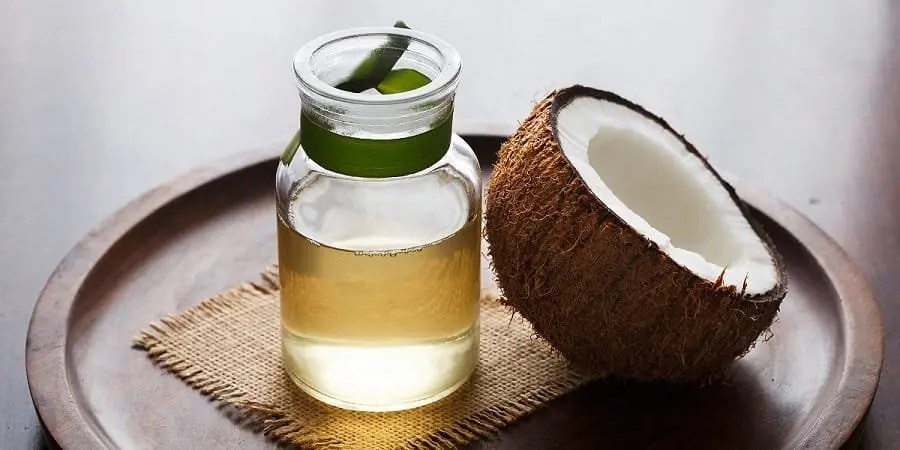
Coconut oil has graced beauty rituals across cultures for centuries, earning its reputation as a true miracle oil for hair and skin. Pressed from the white flesh of mature coconuts, it is packed with essential fatty acids, vitamins, and antioxidants. Whether you are fighting dry, brittle strands, soothing irritated skin, or chasing a more youthful complexion, it offers a natural, affordable solution. This guide explains the science behind coconut oil and shows you exactly how to use it.
The Science Behind the Magic: What Makes Coconut Oil So Special
Published · Updated
Fatty Acid Profile: The Foundation of Coconut Oil’s Efficacy
Coconut oil is predominantly composed of fats, but not just any fats. Its distinctiveness lies in the high proportion of medium-chain fatty acids (MCFAs), also known as medium-chain triglycerides (MCTs). Among these, lauric acid stands out, making up approximately 50% of the fatty acid content. Lauric acid is a lauric acid, a saturated fatty acid, but its medium chain length allows it to be absorbed and utilized by the body differently than longer-chain fatty acids.
Lauric acid possesses powerful antimicrobial properties, meaning it can help combat bacteria, viruses, and fungi. This is crucial for skin health, as it can contribute to a clearer complexion by targeting acne-causing bacteria. For hair, these properties can help maintain a healthy scalp environment, which is essential for optimal hair growth.
Other significant MCFAs in coconut oil include capric acid and caprylic acid, which also contribute to its antimicrobial and antifungal benefits. These fatty acids are readily converted into energy by the body, and when applied topically, they are easily absorbed by the skin and hair shafts, providing immediate and lasting benefits.
Vitamins and Antioxidants: The Protective and Rejuvenating Agents
Beyond its fatty acid content, coconut oil is a good source of vitamin E, a well-known antioxidant. Antioxidants play a critical role in protecting the body’s cells from damage caused by free radicals. Free radicals are unstable molecules that can contribute to premature aging, inflammation, and cellular damage. In the context of skin, vitamin E helps to neutralize these free radicals, thereby reducing the oxidative stress that leads to wrinkles, fine lines, and loss of skin elasticity.
For hair, the antioxidant properties can help protect the scalp and hair follicles from environmental damage, such as UV radiation and pollution, which can weaken hair and contribute to hair loss. While coconut oil isn’t a primary source of a wide spectrum of vitamins, the presence of vitamin E, coupled with its inherent fatty acid composition, creates a synergistic effect that promotes overall health and vitality.
Penetration Power: Why Coconut Oil Works So Well on Hair
One of the most celebrated benefits of coconut oil, particularly for hair, is its ability to penetrate the hair shaft. Unlike many other oils that primarily coat the hair surface, the small molecular structure of coconut oil, especially its lauric acid content, allows it to effectively enter the hair shaft. This deep penetration is key to its moisturizing and strengthening effects.
Studies have shown that coconut oil can reduce protein loss from hair, both in damaged and undamaged hair. This is because it has a high affinity for hair protein, due to its chemical structure. When coconut oil penetrates the hair shaft, it can help to fill in gaps and smooth the cuticle, the outer protective layer of the hair. This leads to smoother, stronger, and less porous hair. This deep conditioning action is why coconut oil is so effective at combating dryness, breakage, and split ends.
The Role of Lauric Acid in Hair Health
Lauric acid’s unique structure, with its linear chain and terminal hydroxyl group, gives it a high affinity for the proteins found in hair. This affinity allows it to bind to the hair shaft, providing lubrication and protection. Furthermore, its small molecular size enables it to penetrate the hair cuticle and reach the inner cortex. This internal action is what contributes to its ability to reduce protein loss and strengthen the hair from within. This deep conditioning action is what truly sets coconut oil apart as a hair treatment, making it a true miracle oil for locks.
Transform Your Tresses: The Unparalleled Benefits of Coconut Oil for Hair
For generations, coconut oil has been a staple in hair care routines, particularly in tropical regions where coconuts are abundant. Its remarkable ability to nourish, strengthen, and protect hair makes it an indispensable ingredient for achieving healthy, lustrous locks.
Deep Hydration for Dry and Damaged Hair
Dry hair is often a result of a lack of moisture, leading to a rough texture, brittleness, and increased susceptibility to breakage. Coconut oil, with its rich emollient properties, acts as a superior natural moisturizer. Its medium-chain fatty acids penetrate the hair shaft, replenishing lost moisture and lipids. This deep hydration helps to restore the hair’s natural softness and suppleness, transforming dry, straw-like strands into smooth, manageable tresses.
When hair is severely dry or chemically treated (e.g., from coloring or perms), its natural protective outer layer, the cuticle, can become raised and damaged. This allows moisture to escape easily, exacerbating dryness. Coconut oil’s ability to penetrate and lubricate the hair shaft helps to smooth the cuticle, sealing in moisture and preventing further dehydration.
Taming the Frizz: Achieving Silky Smoothness
Frizz is a common hair concern, often caused by humidity, dryness, or damage to the hair cuticle. When the hair is dry, it tends to absorb moisture from the air, causing the cuticle to swell and lift, resulting in that characteristic frizzy appearance. Coconut oil works wonders in combating frizz by smoothing the hair cuticle and providing a protective barrier against humidity.
By penetrating the hair shaft and coating the exterior, coconut oil helps to weigh down flyaways and create a sleek, polished look. The fatty acids in the oil lubricate the hair strands, reducing friction between them and preventing them from rubbing against each other and creating static and frizz. Regular application, even in small amounts, can significantly improve hair manageability and reduce the need for heat styling, which can further damage hair.
Promoting Hair Growth and Preventing Hair Loss
While coconut oil isn’t a magical cure for all types of hair loss, it can play a supportive role in promoting a healthy environment for hair growth and reducing breakage, which can contribute to the appearance of thinning hair. The oil’s antimicrobial properties can help maintain a clean and healthy scalp, free from fungal or bacterial infections that can impede hair growth.
Furthermore, by strengthening the hair shaft and reducing breakage, coconut oil helps to retain hair length. When hair is less prone to snapping off, it appears to grow faster and thicker. Massaging coconut oil into the scalp can also stimulate blood circulation, which is essential for delivering nutrients to the hair follicles. This improved circulation can encourage healthier and more robust hair growth. The nourishing effect on the hair follicles and the reduction in scalp inflammation can contribute to overall healthier hair.
Repairing Split Ends and Strengthening Hair Strands
Split ends are a clear sign of damaged hair, where the ends of the hair shaft have frayed. This damage can travel up the hair shaft, leading to further breakage and making hair appear unhealthy. Coconut oil’s ability to penetrate the hair shaft and its protein-like structure allow it to bind to the hair’s natural proteins, effectively filling in gaps and smoothing the cuticle.
This action helps to temporarily mend split ends, making hair look smoother and healthier. While it cannot permanently repair a split end (the only true fix is to trim it), it can prevent further fraying and damage. By strengthening the hair shaft from within and protecting it from external stressors, coconut oil reduces the likelihood of developing new split ends and makes existing ones less noticeable. The overall result is stronger, more resilient hair that is less prone to breakage.
Protecting Hair from Environmental Damage
Our hair is constantly exposed to environmental aggressors like UV radiation from the sun, pollution, and harsh weather conditions. These factors can strip the hair of its natural oils, damage the cuticle, and lead to dryness, dullness, and breakage. Coconut oil acts as a natural shield, protecting the hair from these harmful elements.
When applied to the hair, coconut oil forms a protective layer that helps to prevent moisture loss and shields the hair shaft from the damaging effects of UV rays. Studies have shown that coconut oil can reduce the amount of water absorbed by the hair, which is important because water absorption and evaporation can weaken hair and lead to damage. By minimizing water uptake and providing a barrier against pollutants, coconut oil helps to maintain the hair’s integrity and health.
Nourish and Revitalize: The Skin-Loving Properties of Coconut Oil
Coconut oil’s benefits extend far beyond hair care, offering a wealth of advantages for the skin. Its natural composition makes it an exceptionally effective ingredient for moisturizing, protecting, and rejuvenating the skin, addressing a variety of common concerns.
Intense Moisturization for Dry and Flaky Skin
For those struggling with dry, parched, or flaky skin, coconut oil is a true blessing. Its rich blend of fatty acids, particularly lauric acid, capric acid, and caprylic acid, creates a potent emollient that deeply hydrates the skin. These fatty acids help to replenish the skin’s natural lipid barrier, which is essential for retaining moisture and preventing water loss.
Unlike some synthetic moisturizers that can feel heavy or greasy, coconut oil is absorbed relatively well by the skin, leaving it feeling soft, smooth, and supple without a sticky residue. It works by creating a protective layer on the skin’s surface, which helps to lock in moisture and prevent dehydration, especially in dry climates or during winter months. This makes it an excellent all-over body moisturizer.
Reducing the Appearance of Fine Lines and Wrinkles
The aging process, coupled with environmental damage, can lead to the formation of fine lines and wrinkles. Coconut oil’s antioxidant properties, primarily from vitamin E, play a significant role in combating these signs of aging. Antioxidants neutralize free radicals, which are unstable molecules that can damage skin cells and accelerate the aging process.
By protecting the skin from oxidative stress, coconut oil helps to prevent the breakdown of collagen and elastin, the proteins responsible for maintaining skin’s firmness and elasticity. While coconut oil may not erase deep wrinkles, its moisturizing effects can plump the skin, making fine lines appear less prominent. Regular use can contribute to a smoother, more youthful-looking complexion over time.
A Natural Ally Against Acne and Breakouts
The notion of using oil on acne-prone skin might seem counterintuitive, but coconut oil’s unique properties make it surprisingly effective in managing acne. Its potent antibacterial and antifungal properties, largely attributed to lauric acid, can help combat the bacteria (Propionibacterium acnes) that often contribute to breakouts.
When applied to the skin, lauric acid is converted into monolaurin, a compound that has demonstrated significant antimicrobial activity. By reducing the presence of acne-causing bacteria, coconut oil can help prevent new blemishes from forming and may even aid in the healing of existing ones. Furthermore, its anti-inflammatory properties can help to calm redness and irritation associated with acne. It’s important to note that for very oily or extremely acne-prone skin, a patch test is always recommended, and using it sparingly can be beneficial.
Soothing Sunburned Skin and Promoting Healing
Sunburn is a common and uncomfortable consequence of excessive sun exposure. Coconut oil can provide welcome relief and aid in the skin’s recovery process. Its emollient properties help to moisturize and soothe the skin, alleviating the dryness and tightness associated with sunburn.
The anti-inflammatory effects of coconut oil can also help to reduce redness and swelling. Furthermore, by creating a protective barrier, it can help prevent further irritation and promote healing. While it’s crucial to practice sun safety and prevent sunburn in the first place, coconut oil can be a gentle and effective natural remedy for easing the discomfort of mild to moderate sunburns. It helps to rehydrate the skin and support its natural repair mechanisms.
Enhancing Skin Elasticity and Suppleness
Maintaining skin elasticity is key to a firm and youthful appearance. Coconut oil contributes to this by providing deep hydration and supporting the skin’s natural barrier function. Well-hydrated skin is more pliable and less prone to the sagging that can occur as we age.
The fatty acids in coconut oil help to nourish skin cells, keeping them healthy and functioning optimally. This improved cellular health contributes to better skin elasticity. By preventing excessive moisture loss and protecting against environmental stressors that can degrade collagen and elastin, coconut oil helps to maintain the skin’s natural suppleness and resilience.
Mastering the Art: Practical Ways to Incorporate Coconut Oil into Your Beauty Routine
The true magic of coconut oil lies in its versatility. It can be seamlessly integrated into your daily and weekly beauty rituals, offering a natural and effective alternative to many commercial products. Here’s a comprehensive guide on how to harness its power for both hair and skin.
Deep Conditioning Hair Mask for Intense Repair
For a truly transformative hair treatment, a coconut oil hair mask is unparalleled. This is where the **coconut oil miracle oil** truly shines for hair health.
* Preparation: Start with unrefined, virgin coconut oil. If it’s solid, gently warm a few tablespoons in your hands or in a double boiler until it liquefies. Avoid microwaving, as excessive heat can degrade its beneficial properties.
* Application: Apply the warm, liquid coconut oil generously to dry or slightly damp hair. Begin by massaging it into your scalp, ensuring full coverage. Then, work the oil down the length of your hair, paying special attention to the ends, which are often the driest and most prone to damage.
* Processing: Once your hair is thoroughly coated, wrap it in a warm towel or a shower cap. The warmth helps the oil penetrate deeper into the hair shaft. Leave the mask on for at least 30 minutes. For a more intensive treatment, you can leave it on for several hours or even overnight.
* Rinsing: Rinse your hair thoroughly with warm water. You will likely need to shampoo your hair twice to remove all the oil residue. Follow with your regular conditioner if desired, though many find their hair sufficiently conditioned after the mask.
* Frequency: Aim to do this treatment once a week or once every two weeks, depending on your hair’s needs.
Leave-In Treatment for Daily Protection and Shine
If you don’t have time for a full mask, a small amount of coconut oil can serve as an excellent leave-in conditioner and styler.
* Amount: Use a very small amount, about a pea-sized or dime-sized portion, depending on your hair length and thickness.
* Application: Warm the oil between your palms until it’s liquid. Gently smooth it over the mid-lengths and ends of your hair. Avoid applying too close to the roots, especially if you have fine or oily hair, as this can weigh it down.
* Benefits: This application helps to tame flyaways, reduce frizz, add shine, and provide a protective barrier against environmental damage throughout the day. It’s particularly useful for protecting the ends from splitting.
Body Moisturizer for All-Over Softness
Coconut oil is a luxurious and effective moisturizer for the entire body, offering deep hydration and a healthy glow.
* Timing: The best time to apply coconut oil as a body moisturizer is immediately after showering or bathing, while your skin is still slightly damp. This helps to seal in moisture.
* Application: Take a small amount of coconut oil and warm it between your hands. Gently massage it into your skin, focusing on areas that tend to be dry, such as elbows, knees, and heels. A little goes a long way.
* Absorption: Allow a few minutes for the oil to absorb before dressing to avoid transferring it onto your clothes. The result is incredibly soft, hydrated, and radiant skin.
Gentle Makeup Remover, Even for Waterproof Formulas
Coconut oil is a natural and effective alternative to chemical-laden makeup removers. It can break down even stubborn, waterproof makeup without stripping the skin of its natural oils.
* Method: Apply a small amount of virgin coconut oil directly to your face or onto a soft cotton pad.
* Application: Gently massage the oil over your face, allowing it to dissolve your makeup. For eye makeup, close your eyes and gently massage the oil around your lash line and eyelids.
* Removal: Wipe away the dissolved makeup with a soft, damp washcloth or cotton pad. Follow up with your regular facial cleanser to remove any oily residue and ensure your skin is thoroughly clean. This double-cleansing method is highly effective and gentle.
Cuticle and Nail Treatment
Dry, brittle nails and cuticles can be a source of discomfort and detract from the appearance of your hands. Coconut oil offers a simple yet effective solution.
* Application: Gently massage a small amount of coconut oil into your cuticles and nail beds.
* Benefits: This helps to soften and moisturize dry cuticles, making them easier to manage and preventing hangnails. It also strengthens the nails and adds a healthy sheen.
Lip Balm Alternative
For chapped or dry lips, a tiny dab of coconut oil can provide instant relief and long-lasting moisture.
* Application: Simply apply a small amount directly to your lips as needed. It’s a natural and effective way to keep your lips soft and hydrated.
Exploring the Nuances: Choosing the Right Coconut Oil and Addressing Concerns
While coconut oil is widely celebrated, its effectiveness and suitability can depend on the type of oil used and individual skin and hair types. Understanding these nuances ensures you get the best results.
Virgin vs. Refined Coconut Oil: What’s the Difference?
When selecting coconut oil for beauty purposes, the distinction between virgin and refined is crucial.
* Virgin Coconut Oil: This is the highest quality type of coconut oil. It is extracted from fresh coconut meat without the use of high heat or chemical solvents. This process preserves its natural aroma, flavor, and, most importantly, its beneficial nutrients, antioxidants, and fatty acids. For beauty applications, especially for sensitive skin or when seeking maximum therapeutic benefits, virgin coconut oil is always the preferred choice. It retains its natural white color and has a distinct coconut scent.
* Refined Coconut Oil: This type of coconut oil is typically extracted from dried coconut meat (copra) and undergoes further processing, including bleaching and deodorizing, often using heat and chemicals. This refining process removes the natural coconut aroma and flavor, resulting in a neutral-smelling and tasting oil. While it still contains fatty acids, some of the more delicate nutrients and antioxidants may be diminished due to the processing. Refined coconut oil is generally less expensive and may be suitable for cooking, but for optimal skin and hair benefits, virgin is superior.
Understanding Coconut Oil’s Comedogenicity: A Key Consideration for Facial Skin
One of the most common concerns regarding coconut oil for facial use is its potential to clog pores, a property known as comedogenicity. Coconut oil is generally considered to be moderately comedogenic, meaning it has a moderate likelihood of causing blackheads or pimples in some individuals.
This is primarily due to its saturated fat content. While the fatty acids are beneficial, they can sometimes sit on the skin’s surface and trap dead skin cells and sebum, leading to pore blockage.
* For Oily and Acne-Prone Skin: If you have oily or acne-prone skin, it’s advisable to exercise caution when using coconut oil on your face. A patch test on a small, inconspicuous area of your skin is highly recommended before applying it all over your face. Alternatively, you might find it works better as a makeup remover followed by thorough cleansing, or as an occasional treatment rather than a daily moisturizer.
* For Dry and Normal Skin: Those with dry or normal skin often find coconut oil to be an excellent facial moisturizer, as its rich emollient properties can provide much-needed hydration without causing breakouts.
Patch Testing: A Crucial Step for Safety
Before incorporating any new ingredient into your beauty routine, especially one as potent as coconut oil, a patch test is essential. This simple step can help you identify potential sensitivities or adverse reactions.
* How to Patch Test: Apply a small amount of the coconut oil to an inconspicuous area of your skin, such as the inside of your elbow or behind your ear. Wait for 24-48 hours.
* What to Look For: If you experience any redness, itching, burning, or increased breakouts in the test area, it’s best to avoid using coconut oil on your skin. If no reaction occurs, you can proceed with using it more broadly.
Allergies and Sensitivities
While rare, some individuals may have an allergic reaction or sensitivity to coconut oil. This could manifest as skin irritation, hives, or other allergic symptoms. If you have a known allergy to coconuts, it’s best to avoid topical application of coconut oil. Always be mindful of your body’s signals and discontinue use if any adverse reactions occur.
The Difference in Climate: Coconut Oil’s Consistency
It’s worth noting that coconut oil’s consistency changes with temperature. In warmer climates, it remains liquid, while in cooler temperatures, it solidifies. This doesn’t affect its efficacy; it simply means you might need to warm it between your hands before application in cooler weather. This natural characteristic is part of its charm as a pure, unadulterated product.
Beyond Beauty: Additional Health and Wellness Uses of Coconut Oil
The remarkable properties of coconut oil extend beyond topical applications, offering a range of internal health and wellness benefits that further solidify its status as a versatile natural remedy.
Oil Pulling for Oral Health
Oil pulling is an ancient Ayurvedic practice that involves swishing oil in the mouth to cleanse it and remove bacteria. Coconut oil, with its potent antimicrobial properties, is an excellent choice for this ritual.
* How it Works: When you swish coconut oil in your mouth, its fatty acids help to “pull” bacteria, toxins, and debris from the mouth. Lauric acid is particularly effective at disrupting the cell membranes of harmful bacteria, reducing their ability to adhere to teeth and gums.
* The Process: Take one to two tablespoons of virgin coconut oil and swish it around your mouth for 15-20 minutes. Do not swallow the oil, as it contains the bacteria and toxins you are trying to remove. Spit the oil into a trash can (to avoid clogging drains) and rinse your mouth thoroughly with warm water. Follow with your regular brushing routine.
* Benefits: Regular oil pulling with coconut oil can help reduce bad breath, improve gum health, decrease plaque buildup, and potentially prevent cavities by reducing the number of harmful bacteria in the mouth.
Digestive Support
The medium-chain fatty acids (MCTs) in coconut oil are easily digested and absorbed, offering potential benefits for digestive health.
* Energy Source: MCTs are quickly converted into energy in the liver, bypassing the usual digestive process for longer-chain fats. This makes coconut oil a readily available energy source.
* Antimicrobial Action: The antimicrobial properties of lauric acid can also benefit the digestive tract by helping to combat harmful pathogens that can cause digestive upset. Some research suggests it may play a role in managing conditions like irritable bowel syndrome (IBS) and candida overgrowth, though more studies are needed.
* Absorption Aid: Coconut oil may also aid in the absorption of fat-soluble vitamins like A, D, E, and K, which are essential for overall health.
Wound Healing and Skin Infections
The antimicrobial and anti-inflammatory properties of coconut oil can be beneficial in supporting the healing of minor wounds and treating certain skin infections.
* Barrier Protection: When applied to minor cuts or scrapes, coconut oil can form a protective barrier, helping to keep the wound clean and moist, which is conducive to healing.
* Fighting Infection: Its ability to combat bacteria and fungi can help prevent infection in minor wounds and may assist in managing conditions like athlete’s foot or minor fungal skin infections. However, for serious wounds or infections, professional medical advice is essential.
Moisturizing Dry, Cracked Feet
The soles of the feet can often become dry, cracked, and calloused due to constant pressure and friction. Coconut oil is an excellent remedy for this common ailment.
* Intensive Treatment: Before bed, apply a generous amount of coconut oil to your feet, paying special attention to cracked heels and rough patches.
* Enhanced Absorption: For deeper moisturization, wear a pair of cotton socks over the oil-treated feet. This helps to lock in the moisture and allows the oil to penetrate more effectively overnight.
* Result: In the morning, your feet will feel noticeably softer, smoother, and more hydrated.
Addressing Common Myths and Misconceptions About Coconut Oil
Despite its widespread popularity, there are still several myths and misconceptions surrounding coconut oil. Separating fact from fiction is crucial for optimal and safe usage.
Myth: Coconut Oil is Bad for Your Heart Because It’s High in Saturated Fat
This is perhaps the most persistent and debated misconception. While coconut oil is high in saturated fat, the *type* of saturated fat is key. As discussed, it’s rich in medium-chain triglycerides (MCTs), particularly lauric acid. Unlike long-chain saturated fats found in animal products, MCTs are metabolized differently.
Research suggests that while coconut oil can raise LDL (“bad”) cholesterol, it also tends to raise HDL (“good”) cholesterol. Some studies indicate that the net effect on cardiovascular health might be neutral or even beneficial for certain individuals, especially when consumed in moderation as part of a balanced diet. However, the scientific community continues to debate its long-term cardiovascular impact, and moderation is always advised. For topical use, this concern is not relevant.
Myth: Coconut Oil Will Make Your Hair Greasy and Heavy
This concern often stems from using too much product or not rinsing properly, especially for those with fine or oily hair types. As highlighted in the usage section, the key is moderation and proper application. Using a small amount, focusing on the ends, and rinsing thoroughly after intensive treatments are essential. For many, coconut oil actually improves hair texture without greasiness when used correctly.
Myth: Coconut Oil is Only Good for Dry Skin
While coconut oil is exceptionally beneficial for dry skin, its properties extend to other skin types as well. Its antimicrobial and anti-inflammatory effects can be helpful for acne-prone skin (with caution and patch testing), and its antioxidant content benefits all skin types by protecting against environmental damage. The trick is to adjust the amount and frequency of application based on your skin’s individual needs.
Myth: All Coconut Oils Are Created Equal
This is untrue. As detailed earlier, virgin, unrefined coconut oil offers the most comprehensive range of benefits due to its minimal processing. Refined coconut oil may have fewer beneficial compounds. Therefore, for beauty and wellness purposes, opting for virgin or extra-virgin coconut oil is highly recommended.
Myth: Coconut Oil Can Replace All Other Beauty Products
While incredibly versatile, coconut oil isn’t a universal replacement for every single beauty product. For instance, it may not provide the broad-spectrum UV protection needed in a daily sunscreen, nor does it contain the specific active ingredients found in targeted treatments for conditions like severe eczema or advanced aging. It’s best viewed as a powerful, natural addition to a well-rounded beauty regimen.
Conclusion: Embracing the Miracle Oil for Natural Radiance
Coconut oil stands as a testament to nature’s profound ability to provide effective, holistic solutions for our beauty and wellness needs. Its rich composition of medium-chain fatty acids, vitamins, and antioxidants underpins its remarkable efficacy, earning it the well-deserved title of a **coconut oil miracle oil**. From deeply moisturizing and strengthening hair to soothing and rejuvenating skin, its applications are vast and varied.
We’ve explored the science behind its power, the tangible benefits it offers for hair and skin, and practical ways to integrate it into your routine. We’ve also addressed common concerns and myths, emphasizing the importance of choosing quality virgin oil and understanding its properties in relation to your individual needs.
Whether you’re seeking to combat dryness, tame frizz, achieve a clearer complexion, or simply embrace a more natural approach to self-care, coconut oil offers a gentle yet potent solution. By understanding its nuances and applying it thoughtfully, you can unlock its full potential and experience the transformative power of this extraordinary natural ingredient. Embrace the simplicity and effectiveness of coconut oil and discover a more radiant, healthy you.
Frequently Asked Questions About Coconut Oil
Can I use coconut oil on my face every day?
Whether you can use coconut oil on your face every day depends on your skin type. For individuals with dry or normal skin, daily application as a moisturizer can be very beneficial. However, if you have oily or acne-prone skin, coconut oil’s moderate comedogenicity might lead to clogged pores and breakouts. In such cases, it’s advisable to use it sparingly, perhaps as a makeup remover followed by thorough cleansing, or to conduct a patch test to see how your skin reacts before committing to daily use.
How often should I use coconut oil as a hair mask?
For most hair types, using a coconut oil hair mask once a week or once every two weeks is sufficient to reap its deep conditioning benefits. If your hair is extremely dry, damaged, or chemically treated, you might benefit from more frequent treatments. Conversely, if you have fine or easily weighed-down hair, a less frequent application, or a shorter duration, might be more appropriate. Listen to your hair’s needs and adjust accordingly.
Is virgin coconut oil better than refined for skin and hair?
Yes, virgin coconut oil is generally considered superior for skin and hair applications. Virgin coconut oil is extracted from fresh coconut meat without the use of harsh chemicals or excessive heat, which helps to preserve its natural nutrients, antioxidants, and beneficial fatty acids. Refined coconut oil undergoes more processing, which can diminish some of these valuable compounds. For maximum therapeutic benefits, always opt for virgin or unrefined coconut oil.
Can coconut oil help with hair thinning or hair loss?
Coconut oil can contribute to a healthier scalp environment and strengthen the hair shaft, which may indirectly help with hair thinning and reduce breakage that can contribute to the appearance of hair loss. Its antimicrobial properties can keep the scalp healthy, and its ability to penetrate the hair shaft strengthens it, reducing split ends and breakage. However, it is not a cure for all types of hair loss, especially those related to genetics or underlying medical conditions. Consulting a dermatologist is recommended for significant hair loss concerns.
Is it safe to ingest coconut oil?
Yes, virgin coconut oil is generally considered safe for consumption and is even used in cooking. Its medium-chain triglycerides (MCTs) are easily digested and can be a good source of energy. However, like any dietary component, moderation is key. Due to its high saturated fat content, it’s advisable to consume it in reasonable amounts as part of a balanced diet. If you have any specific health conditions, it’s always best to consult with your healthcare provider before making significant dietary changes.
What’s the best way to remove coconut oil from hair?
Removing coconut oil from hair, especially after an intensive treatment like a hair mask, often requires a bit of patience. It’s best to rinse your hair thoroughly with warm water first. Then, shampoo your hair, and you may need to shampoo twice to ensure all the oil residue is removed. Using a clarifying shampoo occasionally can also help remove stubborn oil buildup. Avoid using very hot water, as this can sometimes make the oil harder to remove.
RELATED ARTICLES:
Glowing Skin through Coconut Milk and Turmeric Infusion: An Anti-Aging Solution
Say Goodbye to Summer Breakouts with These Skin-Friendly Foods
Struggling with Acne & Flaky Scalp? Top Skin & Hair Triggers Women Must Avoid in 2025!
No Chemicals, Just Glow: The Timeless Ritual for Naturally Radiant Skin
How to Get Rid of Black Neck Fast: Proven Tips New vs Traditional
About The Author

COMMENTS