
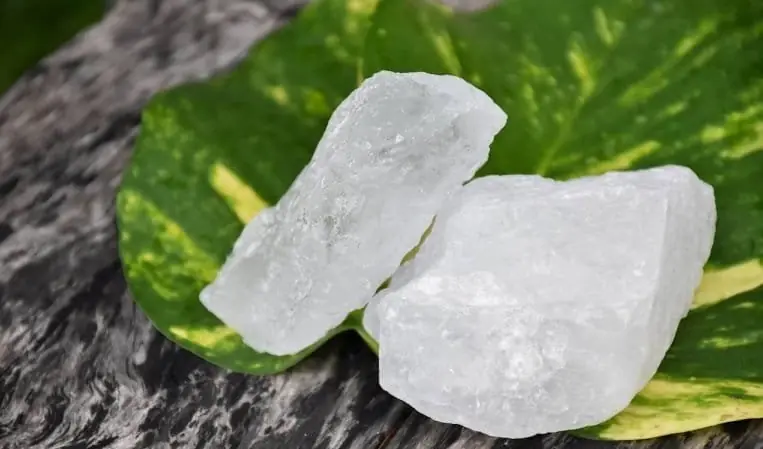
Alum stone skin care has quietly earned attention from clean beauty advocates and dermatologists alike. Known chemically as potassium alum, this natur
Alum stone skin care has quietly earned attention from clean beauty advocates and dermatologists alike. Known chemically as potassium alum, this naturally occurring crystalline mineral has been used for centuries, from ancient Egyptian rituals to Ayurvedic medicine. When dissolved in water it releases active mineral ions that interact with skin in meaningful ways. Whether you deal with enlarged pores, excess oil, body odor, post-shave irritation, or minor cuts, alum stone addresses each concern through the same elegant mineral chemistry.
The Science Behind Alum Stone
Reviewed by the BeautynFacts editorial team. Last updated: May 2026.
Chemical Composition and Natural Origins
Alum stone is the common name for potassium alum, with the chemical formula KAl(SO4)2·12H2O. It is classified as a double sulfate salt, meaning it contains two types of cations, potassium (K+) and aluminum (Al3+), both bound to sulfate (SO4²-) groups. In its natural form, it appears as transparent to white crystals or a fine powder. The mineral forms naturally in arid volcanic regions where sulfur-containing gases from geothermal activity react with aluminum-bearing rocks and potassium-rich soils over long geological periods. Significant natural deposits exist across the Middle East, Central Asia, and parts of Central America. Commercial alum stone is either mined directly from these deposits or produced by dissolving aluminum sulfate and potassium sulfate in water and allowing the mixture to crystallize under controlled conditions.
Potassium alum is chemically distinct from ammonium alum, which replaces potassium with ammonium ions, and from the sodium aluminum sulfate used as a leavening agent in baking powder. The potassium alum used in skin care is the most studied, most widely available, and historically most trusted form. Understanding this distinction matters when evaluating product labels, as not all alum compounds behave identically on skin.
How Alum Stone Interacts with Skin
When alum stone contacts moisture on the skin surface, it partially ionizes and releases aluminum ions (Al3+) and potassium ions (K+) into the outermost skin layer. These ions interact with proteins in skin cells through a process called protein precipitation. The aluminum ions bind to the carboxyl and amino groups in structural skin proteins, causing them to cross-link and contract. This process draws skin tissue together, which creates the characteristic tightening and astringent effect alum stone is known for. The result is visibly tightened pores, reduced surface redness, and a smoother, more refined skin texture.
The pH of an alum stone solution falls between 3.5 and 4.5. This is mildly acidic and close to the skin’s natural pH range of 4.5 to 5.5. This mild acidity reinforces the skin’s acid mantle, the protective surface layer that prevents harmful bacteria from colonizing the skin. Many commercial skin care products, particularly soaps and cleansers, raise the skin’s pH above its natural range, which temporarily compromises this barrier. Alum stone actively supports the acid mantle rather than disrupting it.
Alum Stone Versus Synthetic Aluminum Compounds
A frequent concern among beauty consumers involves the relationship between alum stone and the aluminum compounds found in conventional antiperspirants. Standard antiperspirant products use aluminum chloride, aluminum chlorohydrate, or aluminum zirconium complexes. These compounds are small, highly soluble molecules that penetrate deep into sweat ducts and form a temporary gel-like plug that physically blocks perspiration.
Potassium alum has a significantly larger molecular structure and lower water solubility. Research on skin absorption suggests that the molecular size of potassium alum limits its penetration to the outermost stratum corneum layer, meaning it acts on the skin surface rather than inside sweat glands. For consumers reducing their total aluminum exposure from personal care products, this structural and functional difference makes potassium alum the lower-penetration option. The current scientific consensus does not confirm clinically harmful aluminum absorption from either type at standard usage levels, but for those making a precautionary choice, alum stone represents the more conservative route.
Alum Stone as a Natural Deodorant
How It Controls Odor at the Source
Body odor does not originate from sweat itself. Fresh sweat is nearly odorless. The characteristic smell develops when bacteria naturally residing on the skin break down compounds within sweat, particularly long-chain fatty acids and branched-chain amino acids, into smaller, volatile molecules such as isovaleric acid, propionic acid, and thioalcohols. These short-chain compounds have strong, sharp odors even at low concentrations.
Alum stone disrupts this process through two simultaneous mechanisms. Its mild acidity lowers the skin surface pH, creating an environment that is hostile to the primary odor-producing bacteria, including Corynebacterium xerosis, Staphylococcus hominis, and related species that flourish in neutral to slightly alkaline conditions. Reducing the pH slows both bacterial replication and the enzymatic activity these organisms use to metabolize sweat compounds. Second, the aluminum ions released by the stone bind directly to bacterial cell membranes, compromising membrane integrity and inhibiting key metabolic enzymes. Laboratory studies on aluminum salts confirm this dual antibacterial mechanism, establishing alum stone as a genuine odor inhibitor rather than a fragrance masker that simply covers smell.
Antiperspirant Properties Explained
Alum stone provides mild antiperspirant action, though it works differently from synthetic products. The aluminum ions it releases cause a light constriction of sweat pore openings at the skin surface. This surface-level effect reduces the flow of moisture to the skin but does not block sweat glands internally. The result is a modest reduction in surface moisture that slows bacterial growth and limits odor without completely preventing perspiration.
For people with moderate perspiration, this level of moisture control is often sufficient for daily odor management. People with hyperhidrosis or very active lifestyles may find alum stone less effective on its own. Combining alum stone with absorbent powders such as arrowroot or cornstarch, applied immediately after the stone has dried on the skin, enhances moisture absorption and extends freshness throughout the day. Breathable natural fabrics also complement alum stone’s performance by allowing air circulation that synthetic antiperspirants compensate for through full sweat blockage.
Why Alum Stone Wins for Sensitive Underarm Skin
The underarm is one of the most sensitive and reactive areas of the body. The skin is thin, subject to constant friction, and regularly exposed to shaving trauma. Commercial deodorants and antiperspirants rely on propylene glycol, synthetic fragrances, parabens, and alcohol, all of which are common triggers for contact dermatitis, persistent redness, and underarm irritation in sensitive individuals.
Alum stone contains a single active compound with no added fragrance, alcohol, or synthetic preservatives. This simplicity removes the most common sources of underarm irritation in one step. It does not leave yellow stains on clothing, a frequent complaint with aluminum-chlorohydrate-based antiperspirants, because the potassium alum it deposits on the skin does not react with fabric fibers in the same way. It also leaves the skin’s natural microbiome more intact than antiseptic underarm sprays, which broadly kill both harmful and beneficial bacteria. For women making the transition from conventional products to cleaner alternatives, alum stone is one of the most straightforward and evidence-supported switches available.
Astringent Benefits for Skin Tone and Texture
Pore Minimization
Enlarged pores are among the most searched skin concerns in beauty. Pores appear larger when they are clogged with oxidized sebum and dead skin cells, when surrounding skin loses firmness due to collagen degradation, or when chronic sun damage reduces elastin support around follicle walls. Alum stone addresses multiple contributing factors at once, which is why it delivers visible pore-minimizing results relatively quickly.
When applied to clean, damp skin, the aluminum ions in alum stone cause the proteins lining pore walls to contract, temporarily reducing the visible diameter of individual pores. This is not a permanent structural change, but consistent daily application creates a cumulative improvement in skin texture that many users report noticing within two to four weeks. Additionally, alum stone has a mild surface-exfoliating effect through its protein precipitation mechanism. By gently loosening the outermost layer of dead cells, it helps keep pore openings clear and prevents the congestion that makes pores look stretched and prominent.
Skin Tightening and Surface Anti-Aging Effects
The toning effect of alum stone extends beyond individual pores to the overall skin surface. When mineral ions bind to surface proteins across the full treatment area, the resulting contraction lifts and firms the skin visibly. The effect appears almost immediately after application. Skin looks smoother, more defined, and more refined in texture within minutes of use.
Surface-level fine lines, particularly those caused by dehydration or reduced elasticity around the eyes, nose, and mouth, appear less pronounced when alum stone is incorporated as a facial toning step. The mineral does not stimulate new collagen synthesis in the way that prescription retinoids or topical vitamin C serums do, but its surface-tightening effect provides immediate, visible improvement that complements deeper anti-aging treatments. Historically, potassium alum was one of the primary active ingredients in classical facial toners used across Europe and Asia before synthetic astringents became widespread in the mid-twentieth century. Its return to skin care represents a full circle back to mineral-based simplicity.
Oil Control for Combination and Oily Skin Types
Excess sebum drives several of the most common skin problems: acne, clogged pores, persistent shine, and compromised makeup wear. Alum stone is particularly well-suited to oily and combination skin types because its astringent action temporarily reduces the rate at which sebum reaches the skin surface by tightening the tissue surrounding sebaceous glands.
People with oily T-zones commonly apply alum stone as a post-cleansing toning step on the forehead, nose, and chin before moisturizer. This keeps skin matte for longer and reduces the congestion that precedes breakouts. The important distinction between alum stone and alcohol-based toners is the absence of the rebound effect. Strong alcohol toners strip the acid mantle and signal the skin to produce more oil to compensate, which worsens oiliness over time. Alum stone controls oil within the skin’s natural pH range, which means it does not trigger the same compensatory sebum surge. For oily skin management, this makes it a significantly smarter long-term choice.
Wound Healing and Styptic Properties
Stopping Bleeding from Minor Cuts
Alum stone has served as a styptic agent across cultures for thousands of years. A styptic is any substance that promotes local vasoconstriction to reduce or stop bleeding from superficial wounds. When alum stone is pressed directly against a small cut or shaving nick, its aluminum ions cause the smooth muscle cells in nearby capillary walls to contract. This narrows the vessel opening and slows blood flow to the surface almost immediately.
Alongside vasoconstriction, aluminum ions promote platelet aggregation at the wound site. Platelets are the blood cells responsible for initiating clot formation, and their rapid aggregation is the first step in sealing a wound. The combined action of vasoconstriction and platelet aggregation works within seconds, which is why alum stone has remained a standard tool in traditional barbering for generations. Its styptic application is most effective for shallow capillary bleeds. It should not replace proper wound care for deeper injuries or significant bleeding.
Anti-Inflammatory and Antimicrobial Effects on Wounds
The value of alum stone in wound care extends well beyond hemostasis. It reduces localized inflammation by inhibiting the activity of pro-inflammatory enzymes at the wound site. This makes the surrounding tissue less swollen, less red, and less uncomfortable in the hours following minor injuries such as cuts, scrapes, and shallow abrasions.
Its antimicrobial mechanism is equally relevant in wound management. The acidic pH of alum stone solution and the aluminum ions it releases create a surface environment that is hostile to common wound-colonizing bacteria, including Staphylococcus aureus and Escherichia coli. By reducing bacterial load at the wound surface, alum stone lowers the risk of secondary infection, which is the primary complication that delays healing in minor wounds. Traditional medicine systems across North Africa, the Middle East, and South Asia have used alum powder dusted onto fresh wounds or dissolved in water as a wound rinse for centuries. Peer-reviewed research on aluminum salt antibacterial properties consistently supports this historical practice.
Post-Shave Recovery
Shaving creates repeated microscopic trauma to the skin surface. Even a high-quality, sharp blade removes a thin layer of the stratum corneum along with the hair shaft. This leaves the skin temporarily vulnerable to irritation, bacterial entry, razor burn, and post-shave breakouts. Alum stone resolves each of these issues through a single post-shave application.
Applied to damp skin immediately after shaving, the stone seals small nicks, reduces the redness and burning sensation of razor burn, contracts open follicle openings exposed by the blade, and creates a brief antimicrobial barrier during the window when the skin is most vulnerable. The sensation on freshly shaved skin is cooling and mildly tingling, which many users describe as one of the most refreshing post-shave experiences available. The correct method is to hold the wet stone against the skin for 30 to 60 seconds, then rinse with cool water and follow immediately with a fragrance-free moisturizer to restore surface hydration. This routine works equally well for facial shaving, leg shaving, and underarm shaving.
Alum Stone for Acne-Prone and Reactive Skin
Targeting the Root Causes of Breakouts
Acne develops through three converging factors: excess sebum production, follicle congestion, and the overgrowth of Cutibacterium acnes bacteria within clogged pores. Alum stone addresses two of these three factors directly. Its astringent action reduces the rate at which sebum accumulates on the skin surface, and its antimicrobial mechanism inhibits the bacterial population that drives inflammatory acne lesions.
Consistent use of alum stone as a facial toner on acne-prone skin can reduce the frequency of new breakouts by keeping follicles clearer and maintaining a less bacteria-favorable skin environment. It also reduces the post-inflammatory redness of existing blemishes. The astringent contraction of tissue around active papules visibly reduces their apparent size and accelerates the surface healing process. For mild to moderate acne, alum stone works well as part of a broader routine that includes a gentle cleanser, a non-comedogenic moisturizer, and sun protection.
Treating Razor Bumps and Ingrown Hairs
Razor bumps, clinically called pseudofolliculitis barbae, occur when shaved or waxed hair curls back into the skin during regrowth, triggering a localized immune response. The result is red, inflamed papules that are particularly common in the bikini line, underarms, neck, and beard area. They can become chronic for people who shave frequently.
Alum stone helps manage razor bumps through its combined anti-inflammatory and follicle-tightening actions. Applied to affected areas immediately after hair removal, it reduces the inflammatory response around follicles, which prevents many nascent bumps from fully developing. Tightening the follicle opening guides regrowing hair outward rather than allowing the shaft to loop inward. For chronic razor bump sufferers, consistent alum stone application after every shave significantly reduces both the severity and frequency of breakouts over several weeks. This result is achieved without the skin-thinning risk associated with topical corticosteroids sometimes used for the same condition.
Soothing Skin After Waxing and Threading
Waxing and threading remove hair by force, which strips a fine layer of the outer epidermis and leaves follicle openings briefly exposed. The skin becomes red, tender, and temporarily more permeable to bacterial entry. Fragranced after-wax products and synthetic cooling lotions applied at this stage frequently cause contact sensitivity because the compromised barrier allows greater ingredient penetration.
Alum stone solution, made by dissolving a small piece of the mineral in cool water, applied to the freshly treated area immediately after waxing, closes the follicle openings, reduces surface redness, and provides a fragrance-free antimicrobial barrier. Many professional estheticians use diluted alum stone solution as a standard element of their post-wax protocol for this reason. It is fast-acting, gentle, and free from the synthetic additives that sensitize freshly waxed skin. The solution should be applied with a clean cotton pad, left for one minute, and then blotted dry.
Scalp and Hair Benefits
Controlling Scalp Oiliness and Odor
The scalp contains a high density of sebaceous glands relative to the rest of the body. Excess scalp oil leads to greasy hair, reduced volume, scalp odor, and a faster return of oiliness between washes. The same astringent and antimicrobial properties that make alum stone effective on the face apply equally to scalp care.
A diluted alum stone rinse, prepared by dissolving a small piece of the stone in warm water and applying the solution to the scalp after shampooing, helps balance sebaceous output, lower scalp pH, and inhibit the odor-producing bacteria and fungi that thrive in an oily scalp environment. The rinse should be left on for one to two minutes and then removed with cool water. Using this rinse two to three times per week, rather than daily, prevents the scalp from drying out excessively or losing the beneficial components of its natural microbiome through over-exposure to the mineral ions.
Supporting Scalp Health Against Dandruff
Dandruff results primarily from an overgrowth of Malassezia globosa, a naturally occurring scalp fungus that metabolizes sebum into oleic acid. In individuals with a sensitivity to oleic acid, the resulting scalp inflammation triggers accelerated skin cell turnover and the visible flaking associated with dandruff. The condition is perpetuated by a cycle of irritation, inflammation, and overproduction of dead skin cells.
Alum stone’s mild antifungal properties, combined with its ability to lower scalp pH, create a less favorable environment for Malassezia overgrowth. By reducing the overall fungal load on the scalp and calming the low-grade inflammation that drives flaking, alum stone offers meaningful support in managing mild dandruff. It is not a standalone treatment for severe or chronic seborrheic dermatitis, which typically requires medicated antifungal shampoos. However, as a complementary scalp care measure, regular alum stone rinses add genuine benefit without the drying side effects that some medicated shampoos produce with long-term use.
Supporting Hair Follicle Integrity
Traditional medicine systems in parts of South Asia and the Middle East have long used alum stone as a scalp treatment for thinning hair and reduced hair density. The proposed mechanism involves the astringent tightening of scalp tissue surrounding hair follicles, which may support the follicle’s grip on the hair shaft and reduce mechanical hair loss from daily friction.
Contemporary research on this specific application remains limited, and strong clinical evidence has not yet been established. However, the promotion of surface circulation associated with the mild irritant action of mineral salts, and the well-documented mechanism of tissue contraction, make the traditional rationale scientifically plausible. For people interested in a low-risk complementary support for scalp health and reduced mechanical hair fall, an alum stone scalp rinse represents a reasonable and cost-effective option alongside established hair care practices.
Sustainability and Clean Beauty Value
Environmental Impact Compared to Conventional Products
Single-use plastic deodorant sticks, aerosol spray cans, and multi-component synthetic toner bottles generate substantial packaging waste throughout their lifecycle. A single alum stone, typically weighing between 50 and 150 grams, replaces dozens of plastic deodorant units over its use period. The stone itself is consumed entirely during use, leaving no residue or waste. Most alum stones are sold in minimal paper or recycled cardboard packaging, making them among the lowest-waste personal care products in any category.
The production process for natural mineral alum is considerably less energy-intensive than the synthesis of many commercial skin care active ingredients. When sourced from natural volcanic deposits, the overall carbon footprint of alum stone from extraction to packaging to end of life is substantially lower than synthetic alternatives requiring multi-step chemical manufacturing, complex formulation, and plastic packaging. For consumers with sustainability among their purchasing priorities, alum stone stands out as a genuinely low-impact option across the full product lifecycle.
Single-Ingredient Skin Care
The clean beauty movement has built a compelling case that fewer, better ingredients frequently outperform complex multi-ingredient formulas for a wide range of skin types, particularly sensitive and reactive ones. Alum stone is the purest expression of this philosophy. It is a single mineral compound with no added preservatives, emulsifiers, synthetic fragrances, dyes, or stabilizers. There is no ingredient list to decode, no hidden allergens to identify, and no need to cross-reference compounds with safety databases.
This simplicity is particularly valuable for people following elimination protocols to identify skin irritants, those with multiple contact sensitivities, or anyone who wants to reduce the total chemical load their skin absorbs daily. When your deodorant, facial toner, post-shave treatment, and minor wound care all share a single ingredient, understanding your skin’s response to any product change becomes straightforward and transparent.
Cost-Effectiveness Over Time
Alum stone is one of the most economical skin care purchases available. A single quality alum block typically lasts between six and twelve months with daily use. Compare this to a commercial deodorant stick, which lasts four to six weeks, and a liquid facial toner, which is consumed within two to three months. The cost difference over a full year is substantial.
Beyond the direct product cost, using alum stone reduces the total number of products needed to address multiple skin concerns. One stone handles deodorant, post-shave care, facial toning, oil control, pore minimization, and minor wound styptic duty. Purchasing separate commercial products for each of these functions costs considerably more annually. For anyone working to simplify their routine and reduce monthly skin care spending without sacrificing efficacy, alum stone delivers an exceptional return on a very modest investment.
How to Use Alum Stone Safely and Effectively
Practical Application Methods
Alum stone is simple to use correctly. The standard application method involves wetting the stone under cool running water or briefly submerging it in a bowl of clean water. The wet stone is then rubbed gently over clean, slightly damp skin. Friction releases a thin layer of dissolved mineral ions that coat the treated area. No residue is visible on the skin after the solution dries.
For underarm deodorant use, apply the wet stone directly to clean underarms immediately after showering while the skin is still slightly damp. Allow it to dry naturally for a minute before dressing. For facial toning, rub the damp stone lightly over the face after cleansing, avoiding direct contact with the eye area. For post-shave use, press the wet stone against the skin for 30 to 60 seconds and then rinse with cool water. Some users prefer to dissolve alum crystals in water at a concentration of 5 to 10 grams per 100 milliliters to create a liquid that can be applied with a cotton pad, which is useful for larger body areas or scalp application.
Skin Types to Approach With Caution
Alum stone is well-tolerated by most skin types, but specific situations call for careful consideration. Individuals with a confirmed aluminum contact allergy should avoid alum stone entirely, as any aluminum-containing compound may trigger a reaction. People with extensively broken skin, active eczema flares, or widespread barrier damage should allow the skin to partially recover before applying the mineral, as the ionic release will cause significant stinging and potential further irritation on compromised tissue beyond the controlled styptic application for small nicks.
Individuals with chronic kidney disease should consult a physician before using any topical aluminum-containing product regularly. While dermal absorption of potassium alum through intact skin is considered minimal based on available research, impaired renal clearance may limit the body’s ability to eliminate any absorbed aluminum. This precaution applies particularly to daily full-body use rather than localized applications. Pregnant women should discuss any new topical mineral product with their healthcare provider before incorporating it, as a precautionary measure, though no current evidence links topical potassium alum use to adverse outcomes in pregnancy.
Storage and Shelf Life
Alum stone requires minimal storage care and offers an exceptionally long shelf life. Because it contains no organic matter, it cannot spoil, grow mold, or degrade in potency over time when kept correctly. The only practical requirement is keeping the stone dry between uses. After each application, rinse the stone with clean water, shake off surface moisture, and set it on an open dish or breathable holder to air-dry completely before storing it.
Avoid keeping alum stone in a sealed, humid container. A small ceramic dish, an open travel case, or a wooden tray provides adequate air circulation and prevents the white mineral powder that forms during drying from accumulating on the surface. If powder residue does build up, a brief rinse under running water restores the stone’s smooth surface. Properly stored alum stone has no expiration date. This indefinite shelf life, combined with its slow rate of consumption, makes it one of the most durable and low-maintenance additions to any skin care collection.
Frequently Asked Questions About Alum Stone Skin Care
Is alum stone safe to use on skin every day?
For most people, daily use is well within safe limits. The astringent action of potassium alum is mild enough that consistent application does not strip the skin barrier or cause chronic irritation in the way that strong acid toners or high-percentage alcohol products can. The keys to comfortable daily use are applying a thin layer rather than scrubbing vigorously, always following the application with a hydrating, fragrance-free moisturizer to maintain surface hydration, and observing how your skin responds over the first two weeks. If you experience persistent dryness, ongoing redness beyond the first few minutes after application, or a feeling of over-tightness throughout the day, reduce frequency to every other day. Dry skin types and mature skin often benefit from three-times-weekly application rather than daily, as their natural sebum production is lower and requires less astringent management.
Can alum stone fully replace commercial deodorant?
For a large proportion of users, yes. The science behind alum stone’s odor-control mechanism, primarily its antibacterial action on odor-producing skin bacteria, is well-supported. It works most effectively when applied to clean skin immediately after bathing, before bacteria have had an opportunity to repopulate the skin surface. Its primary limitation is that it does not block sweat gland output as comprehensively as clinical-strength antiperspirants. People with hyperhidrosis or highly active daily routines may find that alum stone alone provides insufficient moisture control. For average to moderate perspiration levels, it delivers reliable daily odor protection. Combining alum stone with a light dusting of arrowroot or cornstarch powder over the dried application improves moisture absorption and extends freshness for those who need additional support.
Does alum stone help with dark spots or uneven skin tone?
Alum stone does not function as a primary treatment for hyperpigmentation. It does not contain compounds that directly inhibit melanin synthesis, such as kojic acid, niacinamide, tranexamic acid, or alpha-arbutin. However, its mild surface-exfoliating effect, produced by gentle protein precipitation at the outermost skin layer, can accelerate the natural shedding of superficially pigmented dead cells over time. Many consistent users observe a gradual brightening and more even-toned appearance after several weeks of use. This improvement is most likely attributable to clearer pores, smoother surface texture, and faster cell turnover rather than any direct melanin-suppressing mechanism. For active dark spots or post-inflammatory hyperpigmentation, pairing alum stone with a dedicated brightening treatment delivers more significant results than alum stone alone.
Is potassium alum in alum stone the same as the aluminum in antiperspirants?
They are related compounds, but they differ meaningfully in molecular structure and skin behavior. Both contain aluminum ions, but conventional antiperspirant formulas use small, highly water-soluble aluminum salts such as aluminum chlorohydrate or aluminum zirconium tetrachlorohydrex glycine. These molecules are designed to penetrate sweat ducts and form a temporary gel that physically blocks perspiration output. Potassium alum is a larger, less soluble double-salt molecule. Current research indicates that its molecular size restricts penetration primarily to the stratum corneum surface. This structural difference gives it a weaker antiperspirant effect but a more favorable skin-surface-only action profile. For consumers managing total aluminum exposure from personal care products, potassium alum represents the lower-penetration, surface-acting choice among aluminum-containing options.
Can alum stone be used safely on sensitive or reactive skin?
Alum stone is generally one of the better-tolerated mineral skin care options for sensitive skin, precisely because it contains none of the synthetic fragrances, alcohol, parabens, or preservatives that most commonly trigger contact reactions in sensitive individuals. That said, sensitivity or allergy to aluminum itself is possible. Before first use, apply the wet stone to a small area of your inner forearm and observe the site for 24 hours. Signs of genuine intolerance include prolonged redness lasting more than 30 minutes, itching, raised skin, or swelling beyond the initial application site. A brief tingling or tightness sensation in the first few minutes after application is a normal astringent response and is not a sign of intolerance. Most sensitive skin types tolerate alum stone comfortably, particularly when followed with a calming, fragrance-free moisturizer to restore any surface moisture the astringent action removes.
Conclusion
Alum stone earns its place in a modern skin care routine through a combination of genuine scientific backing, historical credibility, and practical versatility that few other single-ingredient products can match. It controls odor through proven antibacterial mechanisms rather than fragrance masking. It tightens pores and firms the skin surface through direct protein interaction. It stops minor bleeding, accelerates post-shave recovery, reduces inflammatory acne triggers, and supports scalp balance, all through the same fundamental mineral chemistry.
Its advantages extend beyond the skin itself. It is sustainable, economical, minimal in packaging, and free from the synthetic additives that complicate sensitive skin routines. It does not expire. A single stone replaces multiple conventional products. For anyone reassessing their routine with fresh attention to ingredient simplicity, environmental impact, and cost over time, alum stone is one of the most evidence-supported choices available.
To get started, purchase a natural potassium alum block from a reputable mineral or health retailer. Introduce it as one step at a time, beginning with either post-shave use or facial toning, and observe how your skin responds over two weeks before expanding its role in your routine. Follow each application with a moisturizer suited to your skin type to balance the astringent effect. Give it four weeks of consistent use before evaluating its full impact on your skin concerns. The results that have satisfied generations of beauty practitioners around the world are genuinely within reach.
RELATED ARTICLES:
There are many benefits to using cumin oil on hair.
Unveiling the Secret to Radiance: Tamarind Extract in Skincare
PDRN Skincare: The K‑Beauty Ingredient That Went From Clinics to Your Vanity
Skin Tints That Work For a Natural Base
2026 Skin Streaming Routine
About The Author

COMMENTS