
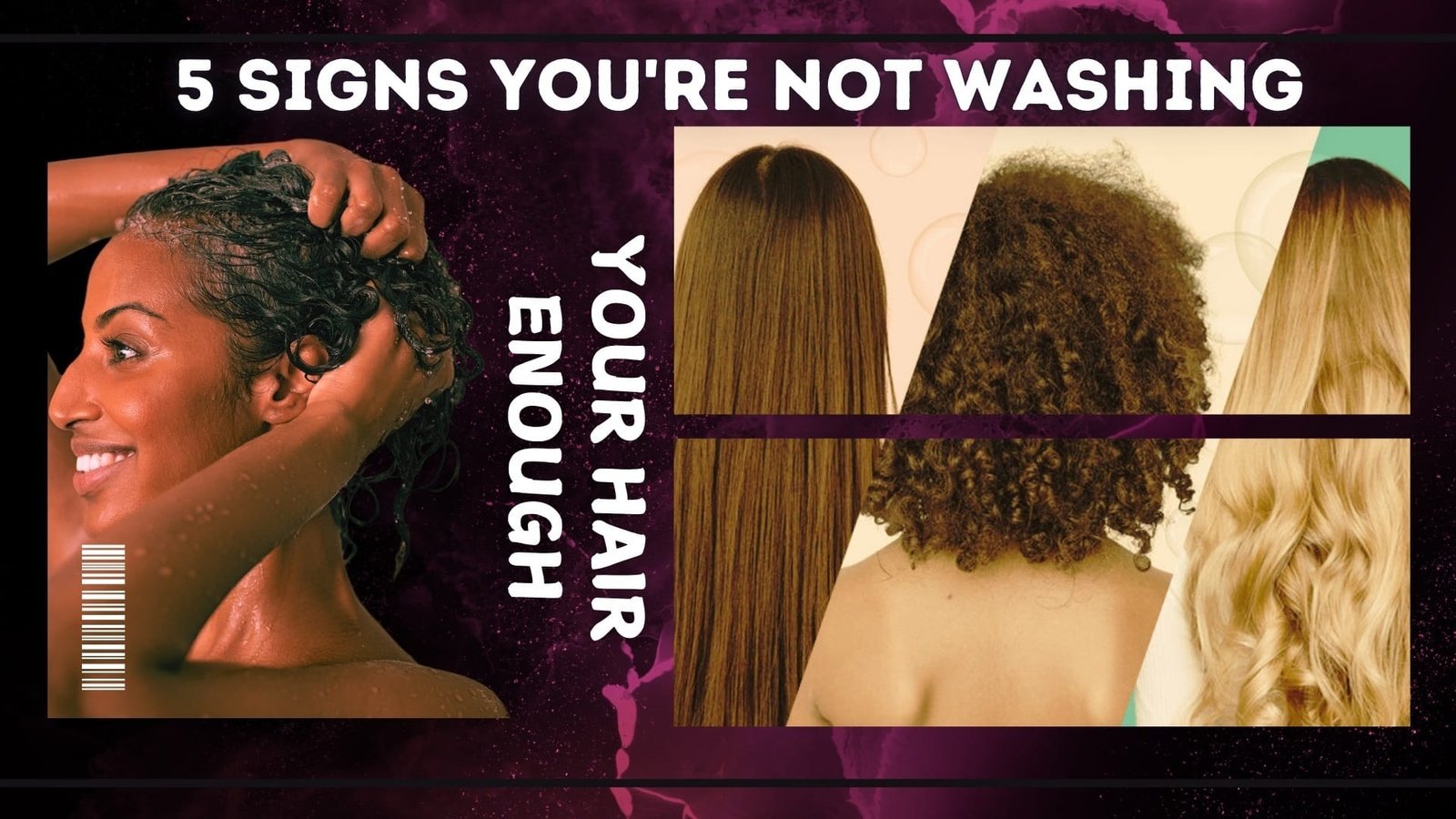
5 Signs You’re Not Washing Your Hair EnoughThere’s a quiet revolution happening in bathrooms across the world, and it sounds suspiciously like a bottl
5 Signs You’re Not Washing Your Hair Enough
There’s a quiet revolution happening in bathrooms across the world, and it sounds suspiciously like a bottle of dry shampoo being shaken vigorously. Somewhere along the way, “washing your hair less” became a universal beauty mantra, repeated in magazines, parroted on social media, and adopted by everyone from college students to celebrities. And while stretching time between shampoos can genuinely benefit certain hair types, the pendulum has swung so far in the opposite direction that millions of people are now quietly damaging their scalps, suffocating their follicles, and wondering why their hair looks lank, itchy, and strangely thin.
The truth is, not washing your hair enough can be just as harmful as scrubbing it daily with a harsh clarifying shampoo. Your scalp is living skin, producing oil, shedding cells, collecting pollution, and hosting a delicate microbiome that thrives only when it’s kept reasonably clean. When that balance tips toward neglect, your hair tells on you, sometimes loudly, through greasiness and odor, and sometimes subtly, through thinning, dullness, and persistent itching that you can’t quite place.
This guide will walk you through the five most telling signs that your wash schedule has drifted into under-cleansing territory, explain the dermatological science behind each symptom, and give you a practical roadmap for restoring balance. Whether your hair is fine and straight, thick and curly, colored, chemically treated, or somewhere in between, you’ll leave with a genuine understanding of what your scalp actually needs, how often it needs it, and how to recognize the warning signs long before they become hard to reverse.
Why How Often You Wash Your Hair Actually Matters
Your scalp is not simply the ground your hair grows out of. It is one of the most metabolically active areas of skin on your entire body, home to roughly 100,000 hair follicles, thousands of sebaceous glands, and a microbiome that rivals the gut in complexity. Dermatologists often compare scalp care to facial skincare, because the biology is remarkably similar. You would never go a week without washing your face if you lived in a humid city, wore makeup daily, and worked out at the gym. Yet many people apply exactly that logic to their scalps without realizing the consequences.
Every day, your sebaceous glands produce sebum, a waxy oil designed to lubricate hair, protect the skin barrier, and maintain a slightly acidic pH that keeps harmful microbes in check. At the same time, your scalp sheds dead keratinocytes, collects environmental debris, absorbs sweat containing salts and urea, and accumulates residue from every product you apply. When you wash regularly, this cocktail gets rinsed away before it can cause problems. When you don’t, it becomes a slow-building layer of biological and chemical debris that disrupts everything from follicle function to microbial balance.
Reviewed by the BeautynFacts editorial team. Last updated: May 2026.
The Sebum Cycle and Your Hair Type
Sebum production varies dramatically from person to person, and it is influenced by genetics, hormones, diet, stress levels, age, and even the season. Teenagers and people in their twenties often produce significantly more sebum than those in their forties and fifties. Androgens, the hormones that spike during puberty, pregnancy, and menstrual cycles, directly stimulate the sebaceous glands. This is why your wash schedule at sixteen may look nothing like your wash schedule at forty-six.
Hair texture also plays a role. Fine, straight hair shows oil almost immediately because sebum travels down the smooth shaft with ease. Coarse, curly, or coily hair tends to trap oil near the roots, which is why people with textured hair can often go longer between washes without looking greasy. But here’s the catch: going longer between washes without looking greasy is not the same as having a clean, healthy scalp. The oil is still there, still accumulating, still feeding microbes, even if it is not visible.
What Dry Shampoo Is Really Doing
Dry shampoo has become the crutch of choice for extended wash intervals, and while it has its place, it is profoundly misunderstood. Dry shampoo does not clean your hair. It contains starches, clays, and alcohols that absorb surface oil and deposit a fine powder that creates the illusion of freshness. The oil is not removed, the dead skin cells are not exfoliated, and the sweat, pollution, and product buildup are still sitting on your scalp. Worse, dry shampoo itself adds to the buildup, layering aerosol propellants and fine particulates onto already congested follicles.
Dermatologists have increasingly sounded the alarm about heavy dry shampoo use, linking it to folliculitis, scalp acne, and in some cases, diffuse hair thinning. Used sparingly, on clean hair, for a day or two between washes, it is a useful tool. Used to stretch wash intervals to a week or longer, it becomes part of the problem.
Sign 1: Your Hair Feels Greasy, Heavy, and Lifeless
The most immediate and visually obvious sign that you are not washing your hair enough is greasiness. Your roots flatten, your strands clump together, and the volume you once had at the crown seems to have mysteriously vanished. This is not just a styling inconvenience. It is a direct readout of sebum accumulation on your scalp and along the proximal hair shaft.
Sebum is a complex lipid mixture containing triglycerides, wax esters, squalene, and free fatty acids. In small, fresh amounts, it is actually beneficial, helping to seal the cuticle and protect against moisture loss. But as sebum sits on the scalp for days, it undergoes oxidation. Squalene, in particular, is highly reactive and quickly converts to squalene peroxide, a compound that dermatological research has linked to scalp inflammation, follicular irritation, and even premature hair shedding. The longer sebum lingers, the more it breaks down into irritating byproducts.
The Odor Problem No One Talks About
Greasy hair often develops a distinct, slightly sour, sometimes musty odor that many people mistakenly attribute to their shampoo wearing off. In reality, this smell is the signature of microbial metabolism. Bacteria and yeast living on your scalp, including species like Staphylococcus epidermidis and Malassezia, feed on sebum and release volatile organic compounds as byproducts. These compounds, including short-chain fatty acids and sulfur-containing molecules, are responsible for that unmistakable unwashed-hair smell.
If you’ve ever noticed that your hair smells different, or that your pillow develops a faint odor after a few nights, microbial overgrowth is almost certainly the cause. The solution is not perfume or more dry shampoo. It is a thorough cleanse that removes the substrate these microbes are feeding on.
How Greasiness Sabotages Your Styling
Beyond aesthetics and odor, greasy hair physically refuses to hold style. Sebum weighs down the shaft, flattens volume, and creates a slick surface that makes curls fall, blowouts collapse, and updos slip. If you find yourself needing more heat, more product, and more time to achieve a style that used to take minutes, excessive sebum is likely sabotaging your efforts. The counterintuitive fix is to wash more frequently, not to pile on more volumizing mousse or texture spray, which only add to the buildup.
Sign 2: Persistent Dandruff and White Flakes
Dandruff is one of the most common scalp complaints in the world, affecting an estimated half of the adult population at some point in their lives. While many people assume dandruff means their scalp is too dry, the reality is often the opposite. Classic dandruff, known clinically as pityriasis capitis, is typically driven by an overgrowth of the yeast Malassezia globosa, which thrives in oily, unwashed environments.
Malassezia is a normal resident of the human scalp. Everyone has it, and in healthy balance, it causes no problems. But when sebum accumulates, the yeast proliferates and begins breaking down triglycerides into oleic acid, a free fatty acid that penetrates the stratum corneum and triggers an inflammatory response in genetically susceptible individuals. This inflammation accelerates skin cell turnover, causing visible clumps of dead keratinocytes to shed in the form of white or yellowish flakes.
Differentiating Dandruff From Dry Scalp
Dandruff flakes are typically larger, oilier, and sometimes yellow-tinged. They tend to cluster near the scalp and feel slightly greasy between your fingers. Dry scalp flakes, by contrast, are smaller, whiter, and powdery. If your flakes are accompanied by an oily sheen on your roots and a persistent itch that worsens as the week goes on, you are almost certainly dealing with true dandruff driven by under-washing, not dryness.
Why More Moisturizer Makes It Worse
A common mistake is to respond to flaking by slathering on hair oils, leave-in conditioners, and rich scalp treatments, under the assumption that the scalp must be thirsty. For true dandruff, this strategy backfires spectacularly. Adding more lipids to an already oil-rich environment feeds the yeast, amplifies the inflammation, and worsens the flaking. The correct response is a gentle but thorough cleanse, often with an antifungal shampoo containing active ingredients like zinc pyrithione, ketoconazole, selenium sulfide, or salicylic acid, used consistently over several weeks.
Sign 3: Itchy, Irritated, or Tender Scalp
An itchy scalp that gets progressively worse as the days between washes stretch on is one of the clearest signals that your cleansing routine has fallen out of step with your scalp’s needs. Itching is a symptom, not a cause, and it almost always points to inflammation driven by one or more of the following: microbial overgrowth, product residue, sweat accumulation, or pollution deposition.
When dirt, sebum, sweat, and product buildup sit on the scalp for extended periods, they create a biofilm that traps heat and moisture against the skin. This warm, damp, nutrient-rich environment is paradise for microbes, and the byproducts they release, including ammonia, indoles, and fatty acid metabolites, stimulate nerve endings in the dermis, triggering the sensation of itch. The more you scratch, the more you damage the skin barrier, allowing irritants deeper access and perpetuating the cycle.
Seborrheic Dermatitis, the More Serious Cousin
When itching, flaking, and redness escalate beyond standard dandruff, you may be dealing with seborrheic dermatitis, a chronic inflammatory condition that affects the scalp, face, chest, and other oil-rich areas. Seborrheic dermatitis produces greasy, yellowish scales on red, inflamed skin, and it often flares when wash routines lapse. While it has a genetic component and is not caused solely by under-washing, infrequent cleansing is one of the most reliable triggers for a flare.
If you suspect seborrheic dermatitis, a board-certified dermatologist can confirm the diagnosis and prescribe stronger antifungal or anti-inflammatory treatments. But even medical treatment will be undermined if your baseline wash schedule does not address the sebum accumulation that feeds the underlying yeast.
The Connection Between Sweat and Scalp Health
Many people underestimate how much sweat their scalp produces, especially during workouts, hot weather, or stressful periods. Sweat contains salts, urea, and trace amounts of ammonia, all of which can irritate the skin when left to dry and concentrate. Post-workout, the combination of sebum, sweat, and whatever product was in your hair creates an especially inflammatory brew. If you exercise regularly and try to stretch washes to five, six, or seven days, itching is almost guaranteed.
Sign 4: Hair That Looks Dull, Dry, and Lifeless Despite Deep Conditioning
Beautiful hair reflects light. When each strand is clean and the cuticle lies smooth, light bounces off uniformly, creating the glossy shine we associate with healthy hair. When the cuticle is coated in product buildup, sebum, and dead skin cell debris, the surface becomes rough and uneven, scattering light in every direction and producing that lifeless, matte appearance that no amount of shine serum seems to fix.
Buildup is cumulative. Every silicone-based conditioner, every styling cream, every leave-in, every dry shampoo, every hairspray, every gel deposits a thin film on the hair shaft. Some of these films are designed to wash out with normal shampooing, but if you are not washing frequently enough, or if you are using an overly gentle sulfate-free shampoo that lacks meaningful cleansing power, the layers accumulate. Within a few weeks, you can have a significant polymer coating on your hair that blocks moisture, repels water, and dulls shine.
The Silicone Paradox
Silicones are a particularly tricky category. Ingredients like dimethicone, cyclopentasiloxane, and amodimethicone create an impressive instant smoothness that makes your hair feel soft and look shiny in the short term. But heavier, non-water-soluble silicones can build up dramatically over time, especially in people who wash infrequently. The result is hair that looks great for a week or two and then suddenly goes limp, greasy-feeling, and dull, no matter how much conditioner you use. This is not a sign that you need more product. It is a sign that you need a proper clarifying wash.
When to Use a Clarifying Shampoo
A clarifying shampoo is a deep-cleansing formula designed to strip away mineral deposits from hard water, polymer buildup from styling products, and residual oil that regular shampoos may leave behind. Used once every two to four weeks, a clarifying shampoo can dramatically restore shine and bounce. Used too often, it can leave hair feeling straw-like and over-stripped, so balance is key. After clarifying, always follow with a hydrating mask or deep conditioner to replenish moisture.
Sign 5: Unexpected Hair Shedding and Thinning
This is the sign that catches most people by surprise, because intuition suggests that washing hair causes it to fall out, not the other way around. In reality, each strand of hair has a natural life cycle, and shedding in the shower is simply the release of hairs that had already completed their growth phase. If you skip washes, those hairs do not disappear. They accumulate, and when you finally do wash, a week’s worth of shedding comes out at once, which can look alarming.
More importantly, chronic under-washing can contribute to actual hair thinning through several mechanisms. Accumulated sebum and debris clog follicular openings, a process sometimes called follicular occlusion. When follicles are chronically congested, new hair has difficulty emerging properly, and existing hairs may grow in weaker, finer, or fail to cycle through their phases normally. Over months and years, this can produce visible thinning, particularly along the crown and hairline.
Scalp Inflammation and the Hair Cycle
Chronic, low-grade scalp inflammation, whether from seborrheic dermatitis, folliculitis, or generalized microbial imbalance, has been linked in dermatological research to telogen effluvium, a condition in which hairs prematurely enter the shedding phase. Inflammatory cytokines disrupt the normal signaling between the dermal papilla and the hair follicle, shortening the growth phase and accelerating the shedding phase. The result is hair that sheds faster than it grows back, creating a gradual thinning that can be difficult to reverse.
Folliculitis, the Hidden Cause of Hair Loss
Folliculitis is an infection or inflammation of the hair follicles, often appearing as small, red, pimple-like bumps on the scalp. It is frequently caused by bacteria such as Staphylococcus aureus or fungi thriving in clogged, unwashed follicles. Mild folliculitis often resolves with consistent washing and gentle antimicrobial shampoos, but chronic or severe cases can cause permanent follicular damage and scarring, leading to irreversible hair loss in affected areas. If you notice persistent bumps, tenderness, or small scabs on your scalp, consult a dermatologist promptly.
How Often Should You Really Be Washing Your Hair?
There is no universal answer, but there are reliable guidelines based on hair type, scalp behavior, and lifestyle. The goal is to wash often enough to keep sebum, debris, and microbes in check, but not so often that you strip the scalp’s natural barrier or damage the hair shaft.
Fine, straight, oil-prone hair typically benefits from washing every one to two days, because sebum travels quickly down the smooth shaft and visible greasiness appears rapidly. Medium-textured hair often does well with washes every two to three days. Thick, wavy, or curly hair can usually go three to four days between washes, with a thorough cleanse at the end of the cycle. Coily, tightly curled, or chemically relaxed hair may stretch to once a week, though even in these cases, a gentle mid-week co-wash or scalp rinse can be beneficial.
Factors That Shift Your Wash Frequency Upward
Several lifestyle and environmental factors increase how often you should wash. Regular exercise, living in a humid or polluted city, using heavy styling products, having a history of dandruff or seborrheic dermatitis, working in dusty or oily environments, and wearing hats or helmets for extended periods all push your optimal wash frequency higher. Hormonal shifts, including pregnancy, postpartum, perimenopause, and the use of certain birth control pills, can also dramatically change sebum production and require adjustment.
Factors That Can Shift Frequency Downward
Conversely, if you have very dry, coarse, or chemically damaged hair, a dry scalp, or you live in a cold, low-humidity climate, washing less frequently may make sense. Older adults often produce less sebum and can comfortably wash less often than they did in their twenties. Color-treated hair, especially vivid or fashion colors, generally benefits from longer intervals to preserve pigment, though a clean scalp remains essential. The key is to listen to your scalp, not to copy a trend.
The Correct Way to Wash Your Hair for Scalp Health
Washing your hair well is a skill, and most people do it poorly. A proper wash focuses on cleansing the scalp, not the lengths. The hair shaft from mid-length to ends does not need aggressive shampooing, and in fact benefits from the gentle runoff that rinses through it during a scalp-focused cleanse.
Begin by thoroughly wetting your hair with warm, not hot, water. Hot water can strip the scalp barrier, overstimulate sebum production, and lift the cuticle unnecessarily. Dispense a dime-sized to quarter-sized amount of shampoo depending on your hair length, and emulsify it between your palms before applying. Work the shampoo into your scalp using the pads of your fingers, never your nails, with slow, deliberate circular motions. Spend at least sixty seconds massaging, which not only cleanses but also stimulates blood flow to the follicles.
The Double-Cleanse Method for Buildup
If it has been several days since your last wash, or if you have used significant styling product, a double cleanse can make a dramatic difference. The first shampoo lifts surface oil and product residue. Rinse thoroughly, then apply a second round of shampoo. You’ll notice that the lather is much richer the second time, because the scalp is no longer coated in oil. This second cleanse actually penetrates to the skin and performs the real work. Follow with conditioner applied only from mid-length to ends.
Rinsing, Water Temperature, and Final Touches
Rinse until the water runs completely clear, and then rinse for another fifteen seconds. Residual shampoo is a common cause of flaking and itching. A final cool-water rinse helps seal the cuticle, enhancing shine and reducing frizz. Squeeze excess water out gently with your hands, then blot with a microfiber towel or a soft cotton t-shirt. Never rub wet hair with a terry cloth towel, which roughens the cuticle and causes breakage.
Building a Sustainable Wash Schedule
Creating a wash schedule that actually works for your life requires honest self-assessment and a bit of experimentation. Start by observing your scalp and hair over a typical week. Note how many days after washing you start to see grease at the roots, feel itching, smell odor, or notice reduced volume. These observations are your baseline data.
If greasiness or itching appears by day two, your hair needs washing every two days. If it appears by day three or four, adjust accordingly. Do not force a schedule that does not match your scalp’s output. The popular advice to “train your hair to produce less oil” by washing less is largely a myth. Sebaceous glands respond to hormones and genetics, not to your wash frequency. What can happen is that infrequent washing masks the grease with dry shampoo, creating an illusion of adaptation while buildup accumulates underneath.
Seasonal Adjustments
Your wash schedule should not be static year-round. In summer, when heat, humidity, sweat, and sunscreen residue accumulate faster, you will likely need to wash more often. In winter, drier indoor heat and cooler temperatures may allow slightly longer intervals, though people with dandruff often find that winter actually worsens flaking, because reduced humidity affects the scalp barrier. Pay attention to how your scalp feels across the seasons and adjust.
Integrating Scalp Treatments
Beyond regular shampooing, consider adding periodic scalp treatments to support long-term health. Weekly scalp exfoliation using a gentle chemical exfoliant with salicylic acid or glycolic acid can remove stubborn dead skin and product buildup. Monthly clarifying shampoos reset your baseline. Pre-wash scalp oil treatments with lightweight oils like jojoba or squalane can soothe dryness in people who tend toward a tight, flaky scalp, applied thirty minutes before shampooing and rinsed thoroughly.
Common Mistakes That Make Under-Washing Worse
Even people who recognize they need to wash more often sometimes sabotage themselves with common mistakes. Using too little shampoo is a frequent error. If your hair is long or thick, a pea-sized blob will not cleanse your scalp effectively. Use enough to generate a genuine lather at the roots.
Applying conditioner to the scalp is another mistake that compounds under-washing problems. Most conditioners contain heavier emollients and silicones designed for the hair shaft. Applied to the scalp, they clog follicles, add to buildup, and can trigger itching and flaking. Keep conditioner strictly on the mid-lengths and ends.
Over-Reliance on Dry Shampoo
Using dry shampoo daily, especially at the roots, is one of the most common buildup accelerators. If you rely on dry shampoo between washes, always wash thoroughly before reapplying, and never use dry shampoo as a substitute for actual cleansing. At minimum, rinse your scalp with warm water on non-wash days to remove some surface residue, even if you don’t use shampoo.
Ignoring Tool Hygiene
Your brushes, combs, hair ties, pillowcases, and even hats accumulate the same sebum, dead skin, and microbial debris as your scalp. Washing your hair meticulously while using a crusty, oil-coated brush simply redeposits buildup onto clean hair. Clean your brushes weekly, wash hair ties regularly, swap pillowcases every two to three nights, and launder hats and headbands consistently.
When to See a Dermatologist
Most scalp issues caused by under-washing resolve within a few weeks of establishing a proper cleansing routine. However, some symptoms warrant professional evaluation. If you experience persistent severe itching, visible redness or inflammation, painful bumps or pustules, widening parts, increased shedding that does not improve with better hygiene, or patches of hair loss, book an appointment with a board-certified dermatologist.
Conditions like seborrheic dermatitis, scalp psoriasis, folliculitis decalvans, and certain types of alopecia require medical treatment that goes beyond over-the-counter shampoos. Early intervention can prevent scarring and permanent hair loss. A trichoscopic exam, in which the dermatologist examines your scalp under magnification, can reveal follicular patterns and inflammation that are invisible to the naked eye.
Tests and Treatments You Might Encounter
Depending on your symptoms, a dermatologist may recommend scalp biopsies, fungal cultures, blood work to check for hormonal imbalances or nutritional deficiencies, or referral to a trichologist for specialized scalp and hair analysis. Treatments may include prescription antifungal shampoos, topical corticosteroids, oral antifungals, antibiotic therapy for bacterial folliculitis, or in-office procedures like corticosteroid injections or platelet-rich plasma therapy for inflammatory hair loss.
Frequently Asked Questions
Is washing my hair every day really bad?
Not inherently. For many people, especially those with fine, oil-prone hair or active lifestyles, daily washing is appropriate and healthy. The key is using a gentle, well-formulated shampoo rather than an overly aggressive one. Daily washing becomes problematic only if it strips the scalp barrier, causes dryness and breakage, or irritates sensitive skin. If your scalp and hair feel healthy with daily washing, there is no medical reason to extend intervals.
How long does it take to notice improvement after switching to more frequent washing?
Most people see significant improvement in oiliness and odor immediately after their first proper cleanse. Dandruff and flaking typically improve within two to four weeks of consistent washing, especially with an antifungal shampoo. Itching often resolves within days. Improvements in shine and texture may take four to six weeks, because existing buildup needs to be removed and new, clean strands need to grow out. Hair thinning caused by follicular occlusion can take three to six months to reverse, because hair follicles cycle slowly.
Should I use different shampoos for different wash days?
Rotating shampoos based on need is a smart strategy. A gentle daily or frequent-use shampoo should be your baseline. An antifungal or medicated shampoo like one with zinc pyrithione or ketoconazole can be used once or twice a week if you are prone to dandruff. A clarifying shampoo is ideal every two to four weeks to remove deep buildup. Color-safe shampoos preserve dyed hair. Rotating addresses different needs without overworking any single formula.
Can under-washing cause permanent hair loss?
Severe, prolonged under-washing that leads to chronic folliculitis, scarring seborrheic dermatitis, or untreated scalp infections can contribute to permanent follicular damage and localized hair loss. Most cases of thinning caused by poor scalp hygiene are reversible with consistent cleansing and, if needed, medical treatment. The critical factor is catching inflammation early. Once a follicle is scarred, hair cannot regrow from it. This is why recognizing the signs of under-washing and acting on them promptly matters so much.
Is co-washing a substitute for real shampooing?
Co-washing, which means cleansing with conditioner instead of shampoo, can be useful for some hair types, particularly coily and curly textures that are very dry. However, co-washing does not remove sebum, silicone buildup, or sweat effectively. It can be a helpful supplement between shampoos, but it should not replace regular cleansing with actual shampoo. If you co-wash exclusively for extended periods, you are very likely building up residue on your scalp and risking the symptoms described throughout this article.
What about scalp oiling, does it help or hurt?
Scalp oiling has cultural roots going back centuries and can be genuinely beneficial when done correctly. Applying a lightweight oil like jojoba, argan, or squalane to the scalp thirty to sixty minutes before shampooing can soothe dryness, loosen flakes, and improve overall scalp comfort. The catch is that oil must be thoroughly washed out afterward. Leaving oil on an already oily scalp, or using heavy oils like coconut oil on an acne-prone scalp, can accelerate clogging and worsen buildup. Use oiling strategically, not as a daily practice.
Does hard water affect my wash schedule?
Yes, significantly. Hard water contains high concentrations of calcium and magnesium that bind to the hair shaft and scalp, creating mineral buildup that looks and feels like product residue. People in hard-water areas often need to wash more frequently, use chelating shampoos specifically designed to remove mineral deposits, or install a shower filter. Hard water can also reduce lather and leave a stubborn film that contributes to dullness and itching even with regular washing.
Are sulfate-free shampoos enough to keep my scalp clean?
Sulfate-free shampoos use gentler surfactants that are less stripping on color and the hair shaft. For many people, especially those with curly, color-treated, or sensitive hair, they are an excellent choice. However, sulfate-free formulas are generally less effective at removing heavy buildup, silicone residue, and accumulated sebum. If you rely exclusively on sulfate-free shampoos, plan to incorporate a clarifying shampoo periodically to reset your scalp and prevent the under-washing symptoms from creeping in.
Bringing It All Together for a Healthier Scalp
Your hair’s appearance, feel, and long-term health begin with your scalp, and your scalp’s health begins with a wash routine that matches its actual biology rather than a trend borrowed from a magazine. The five signs outlined in this guide, greasy and heavy hair, persistent dandruff, itching and irritation, dullness and lifelessness, and unexpected shedding or thinning, are not just cosmetic nuisances. They are your scalp communicating that something in your cleansing routine has drifted off course.
Take an honest inventory of your current habits. Count the days between your washes. Notice when greasiness, odor, or itching first appear. Consider whether dry shampoo has become a daily crutch rather than an occasional tool. Look at your brush, your pillowcase, and your hair ties with fresh eyes. These small observations, gathered over a week or two, will tell you more about your scalp’s needs than any one-size-fits-all rule ever could.
Start simply. Wash your hair well, using enough shampoo, focusing on the scalp, double-cleansing if needed, and rinsing thoroughly. Let the lengths benefit from conditioner, but keep it away from the roots. Clean your tools, wash your pillowcases, and pay attention to how your scalp feels day by day. Adjust your frequency based on real feedback, not on what a celebrity reportedly does or what an influencer promotes. Consider a monthly clarifying wash and, if dandruff is a recurring issue, a rotation that includes a medicated antifungal shampoo.
The reward for this small, consistent investment is real. Healthier follicles produce stronger, shinier, more abundant hair. A calmer scalp itches less, flakes less, and supports the kind of volume and movement that no styling product can manufacture from scratch. Most importantly, you regain the quiet confidence of knowing that your hair is clean, your scalp is thriving, and your routine is working with your biology rather than against it. That is the foundation every other beauty ritual is built on, and it starts the next time you step into the shower.
How Often Should You Be Washing Your Hair, Really?
The honest answer is that washing your hair on a fixed weekly schedule is a beauty myth. The right frequency depends on your scalp oil production, hair texture, climate, and exercise routine. Fine, straight hair typically needs washing your hair every 1-2 days because sebum reaches the ends quickly. Thick, wavy, or curly hair can stretch to 4-7 days because the same sebum travels much slower down the strand.
According to the American Academy of Dermatology, the goal is to clean your scalp without stripping it. A clarifying wash once every two weeks lifts product buildup that daily washing your hair cannot reach. If you exercise hard or live in a humid climate, you will likely need to be washing your hair more often than someone with a sedentary routine in dry weather.
Sulphate-free shampoos let you wash more frequently without barrier damage. A 2022 review in the Journal of the National Library of Medicine highlighted how harsh surfactants accelerate cuticle damage, which is why so many women who are washing your hair daily report frizz and breakage. Switching to a gentle cleanser is often a faster fix than reducing wash frequency.
RELATED ARTICLES:
MOB WIFE HAIR: HOW TO GET THE VOLUMINOUS, LIVED-IN LOOK EVERYONE’S OBSESSING OVER
Weak hair? 5 signs that indicate that your hair is very fragile
Your Ultimate Guide to Hair Vitamins: What Works and What Doesn’t
A Guide to Hair Straightening Treatments: What’s Right for You?
5 Hair Mistakes While Sleeping
About The Author

COMMENTS