
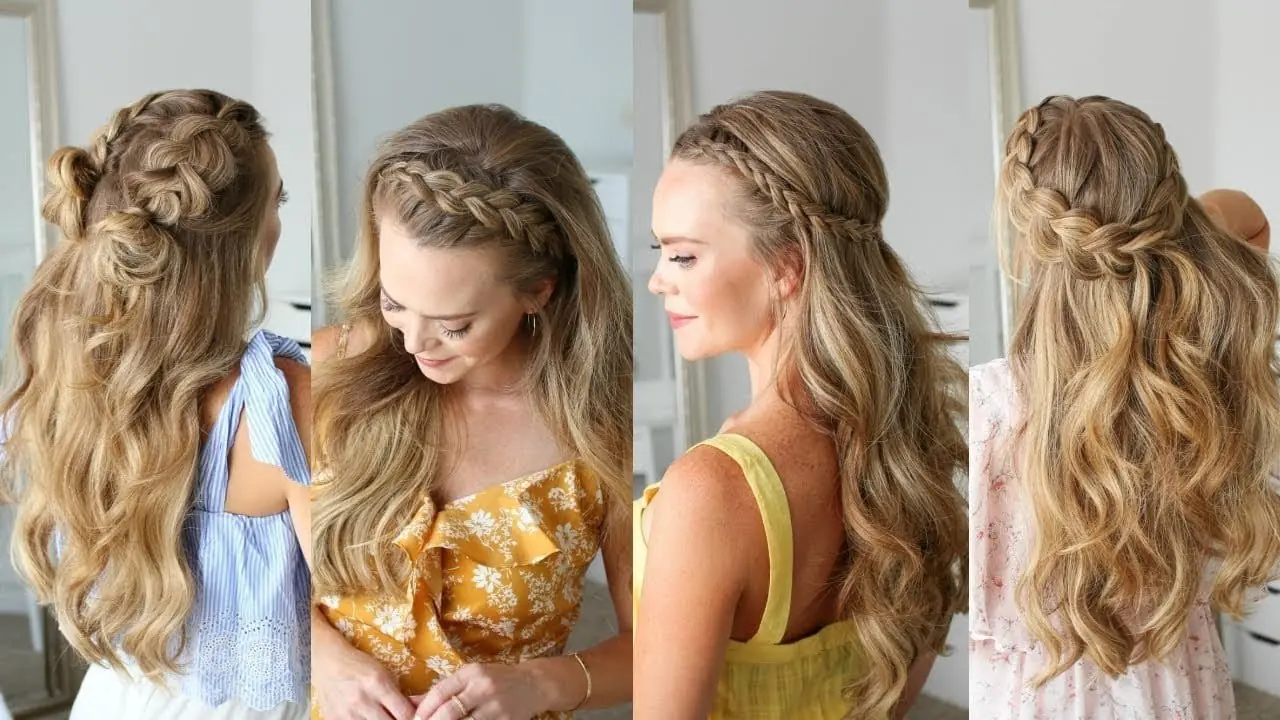
Hairstyles with braids and loose hair are the small styling move that quietly elevates an otherwise plain look, which is why they keep showing up in b
Hairstyles with braids and loose hair are the small styling move that quietly elevates an otherwise plain look, which is why they keep showing up in bridal, festival, and everyday content. What began as a practical way to keep strands off the face is now one of the most expressive techniques in modern beauty. This guide walks through nine ways to combine braids with loose hair, with the technique and the products that make each one last.
Reviewed by the BeautynFacts editorial team. Last updated: May 2026.
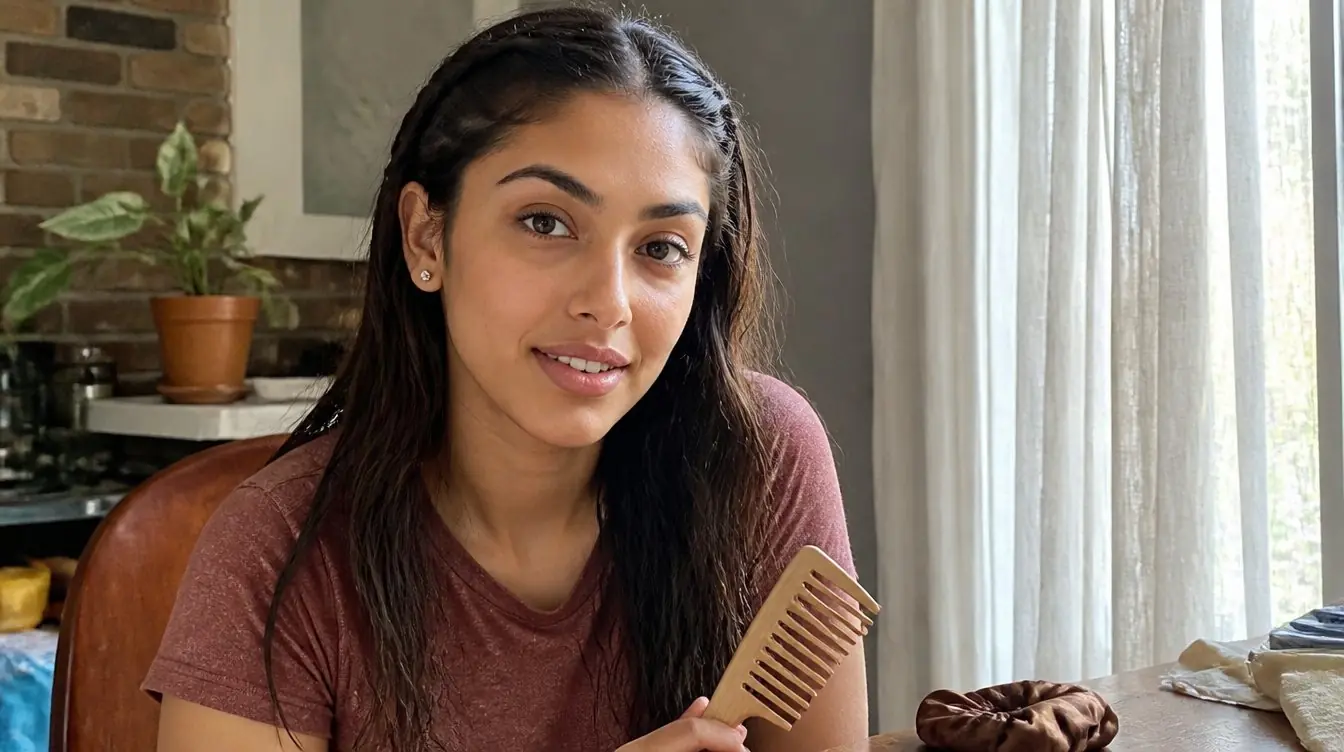
Hairstyles with braids and loose hair
Few hairstyles carry the creative range of braids combined with loose hair. What began centuries ago as a practical solution for keeping strands off the face has evolved into one of the most expressive styling techniques in modern beauty. Hairstyles with braids and loose hair offer the best of both worlds, giving you the polished structure of a woven pattern while still showing off the length, movement, and personality of your natural mane. This approach suits every occasion, from casual coffee dates and intense gym sessions to weddings, cocktail parties, and festival weekends. It works on straight, wavy, curly, and coiled textures, and it flatters both long layers and shorter chin-length cuts. In the next sections, you will discover detailed techniques, styling science, product recommendations, face-shape guidance, and troubleshooting tips that turn a simple braid into a statement look. You will also learn how to protect your strands, extend wear time, and adapt each style to your lifestyle. By the end, you will have a complete toolkit to create braided looks that feel both effortless and intentional.
Why braids with loose hair remain a timeless favorite
The detail most guides skip on hairstyles with braids: results compound only when small habits stack. Two careful choices today are worth more than ten half-followed ones, and hairstyles with braids rewards consistency over weeks, not chasing a single perfect product.
Braided styles that leave the rest of the hair flowing have remained popular for thousands of years because they balance function and beauty in a way that few other hairstyles can. They keep strands off the face while highlighting the length and texture that make hair feel personal. The combination photographs beautifully, translates across cultures, and suits both minimal makeup and full glam looks.
The cultural roots of braided half styles
Braiding traditions appear in nearly every civilisation, from ancient Egypt and West Africa to Nordic villages and Indigenous communities across the Americas. Each region developed unique woven patterns that communicated age, marital status, tribe, or social standing. Modern half-braided styles borrow visual cues from these traditions while allowing wearers to express individual taste. Understanding this heritage adds depth to your styling choices and encourages respectful, informed experimentation.
How modern fashion reshaped the look
Runway shows, film, and social media platforms have transformed braids into a fashion staple. Designers frequently pair intricate braided crowns with flowing strands to soften structured garments. Celebrities popularised boxer braids, fishtails, and milkmaid wraps as everyday styles. The result is a wide menu of options that blend heritage techniques with contemporary sensibility, making braided looks feel fresh each season.
The practical advantages for daily wear
Practicality drives much of the enduring appeal. A partial braid tames flyaways during workouts, keeps bangs out of your eyes while cooking, and prevents tangles on windy days. You gain the comfort of an updo without sacrificing the romance of loose waves. Braids also buy time between washes, absorbing extra oil along the scalp and disguising second- or third-day texture beautifully.
The science behind braids and hair health
A braid is more than a decorative twist. It changes the way your hair interacts with friction, moisture, and tension. Understanding the mechanics helps you style smarter, avoid breakage, and keep your strands strong over time.
Tension, friction, and strand integrity
Hair fibres consist of a protective cuticle layer wrapped around a cortex that contains pigment and protein. Pulling strands too tightly while braiding stretches these fibres beyond their elastic limit. Repeated tension can cause traction alopecia, especially along the hairline. A safe braid should feel snug but never painful. If you notice tingling, redness, or small bumps at the root, loosen the braid immediately. Gentle sectioning and smooth, even pressure distribute force across a wider area, protecting delicate follicles.
How braiding affects moisture retention
Braided patterns trap natural oils closer to the shaft, reducing evaporation and keeping strands hydrated longer than when hair hangs loose. This is particularly helpful for curly and coily textures, which lose moisture quickly. Before braiding, apply a leave-in conditioner or light cream to lock in hydration. Avoid heavy butters near the scalp, since they can weigh down the weave and attract lint.
Protecting your hairline and edges
The baby hairs along your forehead and temples are the finest and most fragile strands on your head. When creating root braids or tight patterns, use a soft boar bristle brush to guide these hairs into place rather than pulling them into the main braid. A dab of edge control gel or aloe vera gel holds them without breakage. If your edges feel thin, take regular breaks between tight styles and consider looser braid patterns that start further back from the hairline.
Essential tools and products for polished braided styles
Worth pausing on with hairstyles with braids: the products matter less than the order and timing. The same shelf can deliver visible hairstyles with braids results or flat ones depending on the layering.
Great braids start with the right toolkit. You do not need a salon cabinet of supplies, but a few thoughtful choices make every style smoother, longer-lasting, and healthier for your strands.
Brushes, combs, and sectioning tools
A fine-tooth rat-tail comb is the single most useful tool for braiding. Its pointed end creates clean parts, while its teeth smooth small sections before weaving. Pair it with a paddle brush for detangling and a soft boar bristle brush for edges. Duckbill clips hold away sections you are not working on, and small elastic bands secure ends without snagging. Silicone bands are gentler than rubber and slide out without tearing strands.
Styling creams, gels, and finishing sprays
Texture is your friend when braiding. Freshly washed, slippery hair often refuses to hold a weave, so a light texturising spray or dry shampoo adds grip. For sleek root braids, a water-based styling gel keeps the pattern crisp without flaking. Finish with a flexible-hold hairspray that resists humidity but still allows movement in the loose sections. For curly textures, a custard or braid cream defines each strand and seals the cuticle.
Heat tools and accessories that elevate the look
Loose sections look most impressive when they have a deliberate shape. A curling wand with a one-inch barrel creates relaxed waves that pair beautifully with structured braids. Use a heat protectant before styling to shield the cuticle. Accessories such as small gold cuffs, pearl pins, ribbon ties, and silk scrunchies transform a basic braid into something memorable. Choose metals that complement your skin tone and fabrics that match your outfit.
Signature braided styles with loose hair for every occasion
This section breaks down the most flattering and versatile looks in detail. Each style includes step-by-step guidance, fit suggestions, and variations so you can tailor the technique to your hair length and face shape.
Root braided bangs for a clear, open face
Root-braided bangs solve the problem of hair falling into your eyes while keeping most of your length visible. Start by parting your hair down the centre or slightly off to one side. Gather the fringe area or front sections on each side of the part. Begin a small Dutch braid, which weaves strands under rather than over, creating a raised three-dimensional pattern. Work the braid backward along the scalp, adding hair only from the front sections, not from the back. Stop at the crown, secure with a clear elastic, and allow the remaining hair to fall loose. This look suits round and heart-shaped faces especially well because it elongates the forehead and draws attention upward.
The braid headband for a romantic touch
A braided headband mimics the shape of a fabric band without the bulk. Part your hair in your usual position, then pick up a section above one ear. Braid along the hairline, gradually adding hair from the top as you move toward the opposite ear. Secure the braid behind the opposite ear and tuck the tail under the loose hair, pinning it in place. For a fuller appearance, gently tug the edges of the braid outward to puff each loop. This style photographs beautifully for outdoor events, garden parties, and bridal showers. Pair it with soft waves in the loose section for a dreamy, ethereal finish.
The half-headband for everyday elegance
If the full headband feels too formal, a single side braid offers a softer alternative. Create a deep side part, then begin a French or Dutch braid on the heavier side, starting at the front and following the curve of your head toward the ear. Stop at the ear, fasten, and blend the tail into the loose hair. This asymmetrical look flatters oval and square faces by breaking up symmetry and adding visual interest on one side. It takes less than five minutes once you practice, making it perfect for busy mornings.
Boxer braids with loose ends for a sporty statement
Boxer braids, sometimes called double Dutch braids, have become a staple among athletes, festival goers, and street style icons. The loose hair variation keeps the signature two-braid structure along the top but releases the hair at the crown instead of continuing to the nape. Part your hair cleanly down the center from your forehead to your crown. Starting at the front of each section, begin a Dutch braid that follows the curve above your ear. Keep the tension even and stop the braid at the crown, securing with a small elastic. Allow the rest of your hair to flow freely. For extra polish, add a light smoothing serum to the loose sections and pinch the braid edges to widen them.
Braided looks for different hair lengths and textures
Not every technique works equally well on every head of hair. Matching the braid style to your length, density, and curl pattern is the key to a flattering finish that lasts through the day.
Short- and medium-length hair strategies
Short hair can absolutely carry braided accents. The trick is to keep braids small and shallow since you have less material to work with. Micro French braids along the hairline create delicate detail without requiring length. Twist braids, which use two strands instead of three, hold better in short layers and give a soft rope effect. If your hair falls at the chin or collarbone, focus braids near the face and let the rest fall naturally. Invisible bobby pins can secure braid ends beneath the loose hair, hiding the transition seamlessly.
Long hair variations and drama
Long hair offers endless possibilities. You can run braids from the crown all the way to the mid-back, layer multiple thin braids across the top of the head, or incorporate fishtail and five-strand patterns for visual drama. Mermaid style looks, where several small braids scatter through flowing waves, work especially well at a length past the shoulder blades. Keep the loose section healthy by trimming split ends every eight to twelve weeks so the contrast between the polished braid and flowing hair stays sharp.
Curly and coily hair adaptations
Curly and coily textures braid beautifully, but they need preparation. Start on freshly moisturised hair that has been detangled with a wide-tooth comb and a slippery conditioner. Use a braid cream or curl definer to coat each section, reducing frizz and helping the pattern hold. Flat twists often look cleaner than traditional braids on tightly coiled hair because they lay closer to the scalp and hold their shape in humidity. Leave the back section in a wash-and-go, a twist-out, or a braid-out to pair the sleek top with voluminous, defined loose hair below.
Matching braids to your face shape and features
The right braided style can subtly reshape your face, highlight your best features, and balance your overall silhouette. Understanding these visual principles lets you choose styles that feel genuinely flattering rather than simply fashionable.
Round and square faces
Round faces benefit from height and vertical lines that lengthen their appearance. Root braids that climb toward the crown or centre-parted styles add this effect. Avoid braids that hug the cheeks, as they can emphasise fullness. Square faces, with strong jawlines, look beautiful with softer, curved braid patterns. A diagonal braid that crosses from one temple toward the opposite ear can round sharp angles. Leaving loose waves around the jaw also softens the overall impression.
Oval and heart-shaped faces
Oval faces are considered the most versatile, suiting nearly every braid style. Use this flexibility to experiment with bolder looks such as crown braids, double Dutch styles, or intricate halo patterns. Heart-shaped faces, which feature a wider forehead and narrower chin, look balanced when volume sits near the jaw. Low-side braids that fall over one shoulder bring attention downward and add visual weight where it flatters most. Avoid tight styles that pull hair back severely from the hairline, as they emphasise the wider forehead.
Long and diamond-shaped faces
Long faces benefit from width and softness around the sides. Braided headbands, loose braids draped across the forehead, and styles with curtain bangs reduce vertical length. Diamond faces, which narrow at both the forehead and chin with wider cheekbones, look balanced with styles that add fullness at the top. A raised braided pompadour paired with loose waves works beautifully, as does a messy half updo with a braided accent that expands the crown area.
Step-by-step techniques for flawless execution
Technique separates a forgettable braid from a memorable one. Mastering a few core skills elevates every style in your rotation and gives you the confidence to improvise.
Mastering the French and Dutch braid
The French braid weaves three strands over each other while picking up additional hair from the scalp with each pass. The Dutch braid uses the same sectioning method but weaves strands under instead of over, creating a raised, three-dimensional look that reads as bolder and more graphic. Practice on dry, slightly textured hair. Stand in front of a mirror with your elbows relaxed to reduce fatigue. Keep each section roughly equal in size for a uniform pattern. If one side looks thicker, slow down and recheck your parts before continuing.
The fishtail technique explained
Fishtail braids use only two sections, making them deceptively easy despite their intricate appearance. Divide your hair in half. Take a thin strand from the outside of the right section, cross it over, and add it to the left section. Repeat on the opposite side and continue alternating. The thinner your pickup strands, the more detailed the finished braid. Loosen each stitch gently with your fingertip once finished to add the characteristic soft, fanned texture. Fishtails pair wonderfully with loose hair because their delicate weave contrasts beautifully with flowing waves.
Securing ends and extending wear time
Braid longevity depends on how you finish and protect the style. Use clear silicone elastics that grip without pulling, and wrap a small strand of hair around the band to hide it. Mist the entire style with a flexible-hold spray. At night, wrap the braid in a silk scarf or sleep on a silk pillowcase to reduce friction and frizz. A style finished well in the morning can easily look refreshed on day two with a light smoothing serum and a few loose pins to tame stray pieces.
Common mistakes and how to fix them
Even experienced stylists run into issues with braided looks. Recognising the most common problems and knowing how to correct them quickly can prevent small missteps from ruining your final result.
Uneven or lumpy braid patterns
Lumps typically come from uneven section sizes or inconsistent tension. Before you start, brush hair thoroughly to remove tangles. When picking up additional strands for a French or Dutch braid, keep those sections the same width throughout. Should you see a bump mid-braid, pause and smooth the area with a bristle brush before continuing. Light texturising spray helps by adding grip, which makes even sectioning easier.
Flyaways, frizz, and humidity issues
Flyaways appear when static builds up or when small broken hairs escape the pattern. Smooth them with a clean mascara wand sprayed with hairspray or a dab of lightweight serum on your fingertips. Humidity causes frizz by introducing moisture into the cuticle, which swells the strand. Anti-humidity sprays create a barrier that reduces this effect. For curly textures, a gel cast followed by a gentle scrunch helps maintain definition throughout the day.
Braids that slip or loosen too quickly
Slippery, freshly washed hair often refuses to hold a braid. If you washed that morning, add dry shampoo or a texture spray through the lengths before starting. Thinner hair sometimes requires a small dot of hair wax on your palms to increase grip. Secure the ends with two small elastics instead of one for extra staying power. If you plan to wear the style all day, braid slightly tighter than you think necessary, since braids naturally relax within the first hour.
Caring for your hair before and after braiding
The health of your hair before you begin styling determines how beautiful the final result will look and how well it will hold. Post braid care is equally important for keeping strands strong and shiny over time.
Pre-styling prep and cleansing
Start with a gentle clarifying wash about once a week to remove product buildup that can weigh down braids. On styling day, skip heavy conditioners and opt for a lightweight leave-in instead. Towel dry gently with a microfibre cloth to reduce friction, then detangle from ends to roots using a wide-tooth comb. A heat protectant is essential if you plan to curl the loose section. Allowing hair to air dry until about ninety percent before applying any heat minimises damage and creates a better foundation for styling.
Night routines to protect your style
Sleeping carefully can extend a braided look for two to three days. Silk or satin pillowcases reduce friction that causes frizz and breakage. Alternatively, wrap your head in a silk scarf before bed, tucking the ends gently so nothing pulls on the hairline. Avoid tight elastic bonnets that can leave marks on your forehead. In the morning, a quick mist of water mixed with a few drops of leave-in conditioner refreshes the loose sections without flattening the braid.
Long-term health and restorative treatments
Consistent braiding, even gentle versions, benefits from a routine of restorative treatments. A weekly deep conditioning mask with ingredients such as shea butter, argan oil, or hydrolysed proteins keeps strands resilient. Monthly scalp massages with rosemary or peppermint oil stimulate circulation and support healthy growth. If you notice increased shedding, thinning edges, or scalp tenderness, take a full break from tension styles for at least two weeks and switch to fully loose, moisturised looks.
Styling braids for special events and seasonal looks
Braided styles with loose hair adapt beautifully to formal occasions, seasonal themes, and personal milestones. A few thoughtful adjustments take an everyday look from practical to extraordinary.
Bridal and formal occasion adaptations
For weddings and black-tie events, dimension is everything. Curl the loose section first with a one-inch wand, then braid so the pattern has texture woven into it. Add small pearl pins, crystal clips, or delicate flower pieces along the braid for understated glamour. A loose crown braid that wraps from one temple to the other pairs perfectly with a veil, since the veil can rest just behind the braided detail. Lightly spray setting mist over the finished look for humidity protection, especially for outdoor ceremonies.
Festival, beach, and summer-friendly styles
Warm weather calls for styles that resist sweat and humidity while still looking intentional. Double Dutch braids with loose ends keep hair off the neck and photograph beautifully in bright sunlight. Add temporary scalp glitter along the parts, woven ribbon, or metallic thread for festival flair. Beach days benefit from a simple side braid finished with sea salt spray on the loose section, creating a natural, tousled finish that requires no additional styling throughout the day.
Autumn and winter texture combinations
Cooler months invite richer textures and cosy pairings. A chunky side fishtail with warm-toned highlights looks beautiful against knit scarves and wool coats. Incorporate velvet ribbons or leather cords woven through the braid for seasonal mood. Protect your hair from dry indoor heat by adding an extra layer of leave-in conditioner or a few drops of argan oil to the ends before styling. Hats can dent braided looks, so choose loose-fitting beanies or avoid hats entirely when showcasing an intricate braid.
Frequently asked questions
How long should I expect a braid to last with loose hair?
Most braided styles with loose hair last one to three days depending on your hair type, the products you use, and how carefully you protect the style at night. Straight hair often holds a French or Dutch braid for about a day before loosening, while thicker or wavier hair may easily carry the look for two to three days. Sleeping on a silk pillowcase, wrapping the braid in a scarf, and refreshing with dry shampoo each morning extend wear significantly. If the loose section becomes limp, a curling wand touch-up revives the shape without redoing the braid.
Can I braid wet hair, or should it always be dry?
Hair is most fragile when wet because the internal bonds are temporarily weakened. Braiding soaking-wet hair and leaving it tight for hours can cause stretching and breakage, especially for fine textures. However, lightly damp hair responds beautifully to braiding, particularly for overnight heatless waves. A safe approach is to wait until hair is about eighty percent dry, apply a leave-in conditioner, and braid gently. For everyday styling, dry or mostly dry hair provides better grip and cleaner patterns.
What is the difference between a French braid and a Dutch braid?
Both techniques add strands to a three-part weave as you work down the head, but the direction of the crossing changes the effect. A French braid crosses strands over the centre section, which sinks the pattern slightly into the surrounding hair and creates a smooth, elegant finish. A Dutch braid crosses strands under the centre section, lifting the pattern off the scalp and creating a bold, three-dimensional rope effect. Dutch braids photograph more dramatically and work especially well for athletic and street style looks, while French braids feel softer and more classic.
How do I prevent my braids from hurting or causing headaches?
Pain usually signals that the braid is too tight near the scalp. Start with looser tension than you think you need, since braids naturally tighten as you weave. Avoid pulling strands at sharp angles away from their natural growth direction. If your scalp already feels tender, skip tight styles for a few days and opt for looser braids that begin further from the hairline. Gentle scalp massage before styling increases circulation and reduces tension. A warm shower afterward also helps release any tightness.
Can I create these styles myself, or do I need a stylist?
With practice, you can master nearly every braided style with loose hair at home. Start with the simplest version, such as a single root braid along one side of the part. Use two mirrors positioned so you can see the back of your head. Practise on freshly washed, dry hair, using a light texturising spray for grip. Record yourself or watch tutorials slowly, pausing between steps. Within a few weeks of regular practice, most people can create headband braids, boxer braids, and crown braids confidently. More intricate designs, such as five-strand patterns or detailed wedding looks, may benefit from a professional stylist for special occasions.
Final thoughts and your next styling steps
Hairstyles that combine braids with loose hair deliver a rare mix of structure, softness, romance, and practicality. They honour centuries of styling heritage while beautifully adapting to modern life, whether you are heading to the gym, attending a wedding, or posing for a festival photo. The most important lessons to carry forward are simple. Treat your hair gently, prep it well, use the right tools, and match each style to your face shape, length, and texture for the most flattering result. Invest in a fine-tooth comb, silicone elastics, a quality leave-in conditioner, and a silk pillowcase, since these small items transform the longevity and quality of every braid you create.
Begin practicing with one simple style this week, such as a single side braid or a root-braided fringe. Take photos from different angles so you can track your progress and refine your technique. Once that feels natural, move on to a headband braid, then double Dutch boxer braids with loose ends. Each new style you learn adds another option to your rotation and builds the muscle memory that makes complex looks feel effortless. Over time you will develop a personal signature, an instinct for what flatters you most, and the confidence to adapt any trend to your hair. Your braids do not have to be perfect to be beautiful; they only have to feel like you.
RELATED ARTICLES:
MOB WIFE HAIR: HOW TO GET THE VOLUMINOUS, LIVED-IN LOOK EVERYONE’S OBSESSING OVER
5 Hair Mistakes While Sleeping
Hair Care for the Outdoor Enthusiast: Field-Tested Tips to Protect, Style, and Recover Anywhere
Struggling with Acne and Flaky Scalp? Top Skin & Hair Triggers Women Must Avoid in 2025!
How to Sleep with Bangs: The Best Ways to Maintain Bangs While Sleeping
The honest bottom line on hairstyles with braids: consistency beats complexity. Build a few habits into your weekly rhythm, give your skin and hair a real window to respond, and hairstyles with braids becomes second nature.
About The Author

COMMENTS