




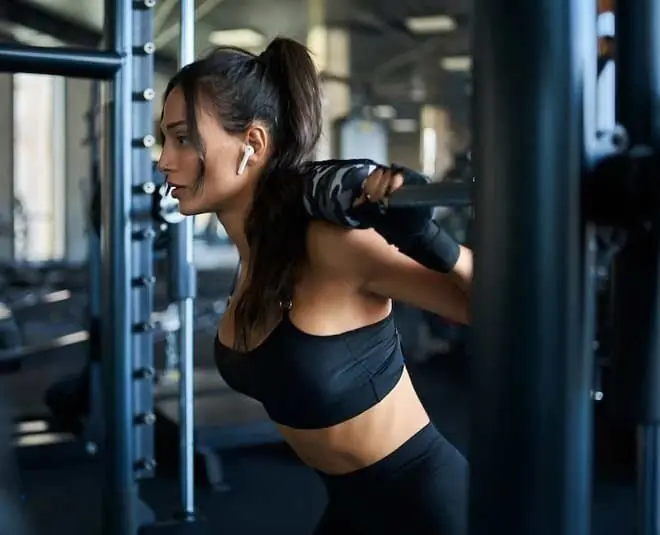
How to look beautiful in the gym is not about vanity, it is about the confidence that helps you show up, train harder, and enjoy the process. Looking
How to look beautiful in the gym is not about vanity, it is about the confidence that helps you show up, train harder, and enjoy the process. Looking and feeling put-together supports both your health and your performance. In this guide we go far beyond matching leggings, covering the science of sweat and skin, sweat-proof makeup, gym-friendly hairstyles, hygiene, and the nutrition strategies that give you a natural post-workout glow.
Dressing for the Gym: Performance Meets Style
Published · Updated
Understanding Performance Fabrics
Fabric choice is the single most important decision you make when building a gym wardrobe. Cotton might feel soft, but it absorbs sweat and holds it against your skin. This creates friction, irritation, and a heavy, damp feeling mid-workout that can seriously affect your comfort and your skin health. Moisture-wicking synthetic fabrics such as polyester blends, nylon, and spandex pull sweat away from the skin surface and allow it to evaporate quickly. This keeps you cooler, drier, and significantly more comfortable during intense sessions.
Look for fabrics labeled as moisture-wicking, quick-dry, or performance-grade. Four-way stretch is essential for any lower-body piece, particularly for squats, lunges, and yoga poses. Compression fabrics offer added muscle support and can reduce post-exercise soreness by improving circulation during activity. For high-impact workouts like running or HIIT, look for tops with built-in bra support or pair them with a high-impact sports bra that fully encases the breast tissue. This prevents bounce and reduces ligament stress over time.
Bamboo and merino wool blends are increasingly popular for low-to-moderate intensity workouts because they are naturally antimicrobial, which means they resist odor-causing bacteria. This is particularly useful if you train multiple sessions per day or find that synthetic fabrics trap smell. Invest in a few high-quality pieces over a large quantity of cheap alternatives. Well-made gym wear holds its shape, retains its color, and maintains its functional properties wash after wash.
Choosing Supportive Footwear
Your feet are your foundation. The right shoe affects your posture, your joint health, and even your risk of injury during training. Many women make the mistake of wearing the same shoes for every type of workout, but different activities demand very different support structures. Running shoes, for example, are designed to absorb heel-strike impact and support forward motion. They are poorly suited for lateral movements in aerobics classes or heavy barbell lifts.
For weightlifting, choose a flat or minimally cushioned shoe with a firm sole. This gives you a stable base for deadlifts, squats, and lunges and improves your connection to the ground during heavy pushes. For running, choose a shoe matched to your gait. If you overpronate, look for a stability or motion-control shoe. If you have a neutral gait, a neutral cushioning shoe works well. For group fitness classes that combine lateral movement, jumping, and some light lifting, a cross-training shoe designed for multi-directional movement is your best option.
Beyond function, your shoes contribute meaningfully to your gym aesthetic. A clean, well-maintained pair of shoes in a color that complements your outfit pulls your entire look together without effort. Wipe them down after each session, rotate between pairs if possible, and replace them every 300 to 500 miles of running use or when the midsole feels compressed and unresponsive.
Accessorizing with Purpose
Accessories at the gym should earn their place. A wide elastic headband keeps sweat off your face, protects your hairline, and adds a polished finish to your look without requiring any additional styling. Silicone-lined headbands grip better than plain elastic and are particularly useful during vigorous cardio when a standard headband would slide. A sweatband on the wrist keeps moisture from dripping onto your hands during weight training, which helps your grip.
A fitness tracker or sports watch adds functional value while also giving your gym look a clean, intentional feel. Choose one that is comfortable to wear during all types of training and syncs with apps you actually use. Lightweight stud earrings or small hoops are fine for low-impact workouts, but remove dangling jewelry for anything involving barbell work, combat training, or contact sports. Keep your jewelry minimal so it does not interfere with equipment or snag on fabric.
Pre-Workout Skincare: Setting Your Skin Up for Success
The steps you take before your workout matter just as much as the products you apply afterward. Exercise increases your core temperature and blood flow, which opens your pores and triggers sweat production. If your skin is not properly prepared, this process can worsen breakouts, cause dehydration, and lead to inflammation. A targeted pre-workout skincare routine takes less than five minutes and makes a significant difference to how your skin behaves during and after exercise.
Why Cleansing Before the Gym Matters
Many people understand the importance of washing their face after a workout, but cleansing before exercise is equally critical. During the day, your skin accumulates environmental pollutants, sunscreen residue, oil, dead skin cells, and potentially makeup. When sweat pushes through pores loaded with this debris, the risk of congestion and acne increases substantially. Dermatologists refer to this as acne mechanica, a form of breakout triggered by friction and heat in combination with pore-clogging substances on the skin surface.
Use a gentle, sulfate-free cleanser to remove surface buildup before you train. Micellar water works well if you are heading to the gym on your lunch break and do not want to fully wash your face in the office bathroom. The goal is to clear the path for healthy sweating. Your pores need to be as free of debris as possible before you raise your heart rate. This one habit alone can dramatically reduce gym-related breakouts, particularly on the forehead, cheeks, and chin.
The Role of SPF and Lightweight Moisturizers
If you train outdoors or near windows with natural light, applying a broad-spectrum SPF 30 or higher before your workout is non-negotiable. UV exposure contributes to premature aging, hyperpigmentation, and skin cancer risk regardless of how fit and healthy you are. Choose a lightweight, mineral-based SPF formula that sits comfortably under sweat without pilling or running into your eyes. Mineral sunscreens containing zinc oxide or titanium dioxide tend to be less irritating than chemical alternatives during physical exertion.
Follow your cleanser with a lightweight, oil-free moisturizer if your skin tends to feel dry or tight. Look for gel-based formulas containing hyaluronic acid, which draws moisture into the skin without adding heaviness or occlusiveness. On the other hand, if you have naturally oily or combination skin, you may be able to skip the moisturizer before exercise and apply it immediately after your post-workout cleanse instead. Listen to your skin and adjust accordingly. No single routine works for every person, but the principle of going into your workout with clean, lightly protected skin applies universally.
A Minimalist Approach to Pre-Workout Makeup
The honest truth is that your skin will look and feel better if you train without makeup. Sweat combined with foundation, concealer, and powder creates a recipe for clogged pores and uneven texture. That said, many women feel more confident with a small amount of product, and there is a way to do this without sabotaging your skin. The goal is to use as few products as possible, choose formulas designed for longevity and breathability, and keep the finish natural rather than matte or full-coverage.
A tinted moisturizer with SPF gives light, even coverage while also hydrating and protecting. A waterproof brow pencil or gel keeps your brows shaped throughout even the sweatiest session. A waterproof mascara that is easy to remove is acceptable if it makes you feel more put-together. Skip foundation, powder, blush, and highlighter entirely. These products sit in layers on the skin and become increasingly problematic as sweat builds up. A single layer of tinted SPF and defined brows is genuinely all you need to look fresh and intentional at the gym.
Post-Workout Skincare: Repairing and Refreshing After Exercise
The period immediately after your workout is a window of opportunity for your skin. Your circulation is elevated, your pores are open, and your skin is primed to absorb active ingredients efficiently. Taking a few targeted steps after exercise can accelerate skin repair, prevent breakouts, and leave you with a healthy, genuine glow that lasts well into the rest of your day.
Cleansing Effectively After Exercise
Cleanse your face within 30 minutes of finishing your workout. Sweat left on the skin surface mixed with dead cells and bacteria creates an environment where breakouts thrive. Use lukewarm water rather than hot, as hot water strips the skin’s natural lipid barrier and can trigger rebound oil production. Apply a gentle cleanser suited to your skin type, work it in with circular motions for about 60 seconds, and rinse thoroughly. Pay attention to your hairline, jawline, and around your nose, where sweat tends to pool.
For your body, shower as soon as reasonably possible after your workout. Sweat that sits on the body in a damp sports bra or tight leggings can cause body acne on the chest, back, and shoulders. Use a salicylic acid body wash if you are prone to bacne or chest breakouts. Salicylic acid is a beta-hydroxy acid that penetrates the pore lining and dissolves debris, making it highly effective at preventing the type of congestion that forms during and after exercise.
Targeted Treatments for Gym-Related Skin Issues
If you train regularly, your skin faces specific recurring challenges. Redness, enlarged pores, dehydration, and post-exercise flushing are common concerns that benefit from targeted ingredient choices. Niacinamide, applied after your post-workout cleanse, helps regulate oil production, reduce the appearance of enlarged pores, and calm inflammation. It is suitable for all skin types and works well as a serum or toner applied before your moisturizer.
Centella asiatica extract, often listed as cica or gotu kola on ingredient labels, has clinically demonstrated anti-inflammatory and wound-healing properties. It is particularly useful for skin that becomes red or reactive during exercise. Azelaic acid is another excellent option for women dealing with gym-related breakouts alongside redness. It targets acne-causing bacteria, reduces pigmentation from old blemishes, and calms inflammatory skin conditions, all without the irritation associated with stronger acids.
Body Skincare After Sweating
Your body skin deserves the same attention as your face. After your shower, apply a lightweight body lotion to damp skin to lock in moisture while the skin surface is still slightly wet. This method, known as the soak-and-seal technique, is significantly more effective than applying moisturizer to dry skin because it traps water already present rather than relying entirely on the product’s hydrating agents. Focus on areas prone to dryness such as the elbows, knees, and shins.
If you use a foam roller or get frequent sports massage, your skin barrier in high-friction areas may need additional barrier-repair support. Look for body lotions containing ceramides, fatty acids, and cholesterol in combination, as these three components replicate the natural lipid structure of healthy skin and accelerate barrier recovery. Apply a thin layer of a barrier-rich cream to areas like the inner thighs, underarms, or sports bra line if you regularly experience chafing or skin sensitivity from your workout gear.
Hair Care at the Gym: Styles That Look Great and Protect Your Strands
Gym hair is one of the most common beauty concerns for active women. Sweat, friction from equipment, and repeated pulling of the hair into tight styles can lead to breakage, scalp irritation, and thinning over time. The solution is choosing styles and products that protect your hair during training while still looking effortless and intentional from the moment you arrive.
The Best Protective Styles for Working Out
A high ponytail is the default gym hairstyle for millions of women, but it is not always the kindest option for your hair. Tying your hair in the same position every day creates a stress point that weakens the hair shaft over time, which is why many women notice breakage or a patch of shorter hairs around their elastic placement. Rotate the position of your ponytail regularly, alternating between a high, mid, and low placement. Use spiral or coil hair ties made from soft fabric rather than standard rubber elastics, which catch and pull the hair.
For medium to long hair, a Dutch braid or two French braids offer superior protection during high-intensity workouts. They keep every strand secured, reduce friction between your hair and your collar or equipment, and stay in place during even the most vigorous activity. Braids also dry more quickly after sweating than a loose style and can be worn out of the gym without looking workout-specific. For shorter hair, flat twists, a sleek bun, or a simple tuck under a headband all work equally well.
Sweat-Proofing Your Hair Before a Session
Dry shampoo applied before your workout, rather than after, can be a surprisingly effective strategy. When you apply a light layer of dry shampoo to your roots before you train, it creates a slight grip in the hair that helps your style hold better through sweat. It also pre-absorbs some of the oil and moisture that builds up at the scalp during exercise, meaning your hair looks less flat and greasy immediately after your session ends.
A light spritz of a salt spray or texturizing spray before braiding or putting your hair up gives you better hold without weighing the hair down. Avoid heavy oils or serums on the scalp before training. These products can mix with sweat and block hair follicles, contributing to a condition called folliculitis, which causes small, itchy bumps along the hairline or scalp. Save heavier oils and treatments for your post-shower routine when you have thoroughly cleaned the scalp first.
Post-Workout Hair Recovery
Frequent washing is one of the most damaging habits for gym-going women with colored, textured, or fragile hair. Washing your hair every single day after training strips essential oils from the scalp and shaft, leading to dryness, frizz, and breakage. Instead, develop a rotation that allows you to rinse the scalp with water only on lighter training days, use a co-wash or lightweight conditioner on moderate days, and reserve full shampoo and deep conditioning for your heaviest sweat sessions or every two to three days.
When you do shampoo, use a clarifying shampoo no more than once per week to remove product buildup and sweat residue from the scalp. Follow every shampoo with a protein-infused or moisturizing conditioner from mid-shaft to ends. Apply a leave-in conditioner or lightweight hair oil to damp ends before air drying or diffusing. This restores the moisture and elasticity that heat, friction, and repeated styling can strip away.
Makeup That Actually Survives a Workout
If you choose to wear makeup to the gym, choosing the right products and application techniques is the difference between looking polished and looking patchy halfway through your second set. Sweat-proof makeup has advanced enormously in recent years, and several formulas are genuinely capable of lasting through a full workout without migrating, clogging pores, or looking cakey under heat.
Skin Prep for Makeup Longevity
Makeup longevity during exercise starts with what goes on your skin before any pigmented product. A silicone-free primer with a mattifying or pore-filling effect creates an even canvas that helps subsequent products grip and last longer. Silicone primers can interfere with sweat evaporation by creating a film over the skin, so look for water-based primers or those containing kaolin clay, which absorbs excess oil as you train.
Setting spray applied both before and after your makeup application dramatically extends wear time. Look for setting sprays formulated for long wear or sport use, as these typically contain film-forming agents that literally lock products in place. After applying your makeup, hold the bottle about 30 centimeters from your face and mist in an X and then a T motion to ensure even coverage. Allow it to dry completely before you begin your workout.
Products That Hold Up Under Heat and Sweat
The categories of makeup most prone to breakdown during exercise are liquid foundation, powder, and cream blush. These products shift, streak, and oxidize under sweat pressure. Replace your full-coverage foundation with a tinted SPF or a BB cream in a waterproof formula for gym days. These products offer lighter, more breathable coverage that fuses with the skin rather than sitting on top of it.
Waterproof mascara and a smudge-proof gel eyeliner along the lash line are the two eye products that reliably stay in place during exercise. Avoid eyeshadow entirely unless it is specifically formulated for waterproof wear. Cream eyeshadow applied thinly and sealed with a waterproof setting spray performs better than powder in sweaty conditions. For lips, a tinted lip balm with SPF adds color and protection without the migration issues associated with lipstick or gloss during physical activity.
The No-Makeup Makeup Look for the Gym
The no-makeup makeup look is ideal for the gym because it enhances your natural features without adding product weight. This approach works with your skin rather than over it. Start with well-prepped, moisturized skin. Apply a single product that evens out your skin tone, such as a tinted SPF or skin tint in your exact shade. Groom your brows with a clear or tinted brow gel. Curl your lashes and apply one coat of waterproof brown or black mascara.
Add a cream blush in a peachy or rosy tone to the apples of your cheeks and blend upward. This mimics the natural flushed appearance that exercise creates and gives you a healthy, vibrant look even before you have broken a sweat. Finish with a tinted lip balm. The entire routine takes under four minutes and creates a cohesive, intentional look that holds up well during a full workout session.
Hydration and Nutrition: The Inner Foundation of Gym Beauty
No topical product can substitute for the beauty benefits delivered by proper hydration and a nutrient-dense diet. Exercise accelerates both fluid loss and nutrient utilization, creating a heightened need for replenishment. When your body has the resources it needs, your skin glows, your hair grows stronger, and your energy at the gym supports the posture and vitality that make you look and feel your best.
Hydration Strategies Before, During, and After Exercise
Dehydration is one of the most immediate threats to your appearance during exercise. Even mild dehydration of two percent of body weight causes visible changes including dull skin, sunken eyes, dry lips, and reduced skin elasticity. Research published in the journal Skin Research and Technology demonstrated that increasing water intake in women who were previously under-hydrated measurably improved skin thickness and density within four weeks.
Drink 400 to 600 milliliters of water two hours before your workout to begin exercise fully hydrated. During your session, aim for 150 to 250 milliliters every 15 to 20 minutes, adjusting based on sweat rate and exercise intensity. After training, replace fluid losses by drinking 500 milliliters of water for every 0.5 kilograms of body weight lost during exercise. Adding electrolyte tabs or a pinch of Himalayan salt to your post-workout water accelerates rehydration by improving sodium and potassium balance, which drives water into your cells rather than simply passing through.
Foods That Support Skin and Hair During Regular Training
Regular exercise creates physiological demand for antioxidants, proteins, and healthy fats that directly impact skin and hair quality. Oxidative stress generated during intense training can accelerate cellular aging in the skin if not counterbalanced by adequate antioxidant intake. Vitamin C, found in bell peppers, kiwi, broccoli, and citrus fruits, neutralizes free radicals and supports collagen synthesis. Vitamin E, abundant in almonds, sunflower seeds, and avocado, protects cell membranes from exercise-induced oxidative damage.
Protein is the structural building block of both collagen in the skin and keratin in the hair. Women who train regularly should aim for 1.4 to 2.0 grams of protein per kilogram of body weight per day, depending on training intensity and goals. Lean chicken, eggs, Greek yogurt, salmon, legumes, and tofu are all excellent protein sources that also provide skin-supportive micronutrients. Omega-3 fatty acids from fatty fish, walnuts, and chia seeds reduce systemic inflammation, which directly translates to calmer, clearer skin and reduced scalp irritation.
Post-Workout Nutrition for Recovery and a Lasting Glow
The 30-to-60-minute window after your workout is when your muscles are most receptive to nutrient uptake for repair and growth. Consuming a combination of protein and carbohydrates during this window supports faster recovery, better body composition over time, and the sustained energy that makes you look alert and vibrant rather than exhausted. A smoothie containing protein powder, frozen berries rich in anthocyanins, spinach, and a tablespoon of almond butter is an efficient, delicious post-workout meal that covers all the key nutritional bases.
Collagen peptides have gained significant clinical attention for their ability to support skin elasticity and joint health. A 2019 study in the Journal of Cosmetic Dermatology found that daily collagen supplementation improved skin elasticity, hydration, and roughness in women over a 12-week period. Adding a scoop of hydrolyzed collagen peptides to your post-workout shake or smoothie is a low-effort strategy with growing scientific support for both skin and connective tissue health in active women.
Hygiene Habits That Keep You Fresh From Start to Finish
Looking beautiful at the gym is inseparable from smelling clean and feeling fresh. Exercise hygiene is not just about courtesy to others sharing the space. It is about protecting your own skin, confidence, and health during every session. Developing solid hygiene habits removes the mental distraction of self-consciousness and lets you focus fully on your performance and your goals.
Managing Sweat Effectively
Sweating is a vital physiological function that regulates body temperature. The goal is not to suppress sweating, which is neither possible nor desirable, but to manage it so that it does not affect your comfort or appearance more than necessary. Applying a clinical-strength antiperspirant the night before heavy training sessions is significantly more effective than applying it immediately before exercise. At night, your sweat glands are less active, which allows the active ingredient, typically aluminum zirconium, to penetrate the duct and reduce output during the following day’s activity.
Keep a small pack of facial blotting papers in your gym bag. These are thin, absorbent sheets that pick up excess sweat and oil from the skin surface without disturbing your makeup or skincare. They are particularly useful during rest periods between sets or after a cardio warm-up when you want to refresh your skin quickly. A small travel-sized facial mist can also provide a burst of hydration and a cooling sensation mid-workout without adding product to the skin.
Body Odor Prevention During Training
Body odor during exercise is caused by bacteria on the skin surface metabolizing sweat compounds rather than by sweat itself. Eccrine sweat, produced all over the body, is largely odorless. Apocrine sweat, produced in areas like the armpits and groin, contains proteins and lipids that bacteria readily break down into odorous compounds. Reducing the bacterial load on your skin is the most effective way to minimize exercise-related body odor.
Washing your workout clothes after every single session is essential. Bacteria and sweat residue build up in fabric and contribute to odor even before you begin your next workout. Wash gym clothes inside out in a short, warm cycle with a sports-specific detergent that contains enzyme-based cleaners designed to break down sweat proteins. Avoid fabric softener on technical fabrics, as it coats the fibers and reduces their moisture-wicking capacity over time. Allow clothes to dry fully before storing them, as damp fabric in a bag or drawer creates an ideal environment for bacterial and mold growth.
Hand and Face Hygiene at the Gym
Gym equipment carries a significant bacterial load. Studies have found pathogens including Staphylococcus aureus and E. coli on treadmill handles, weight plates, and gym mats. Touching your face during training transfers these bacteria directly to your skin, increasing your risk of breakouts, folliculitis, and even eye infections. Develop the habit of keeping your hands away from your face during your workout and washing them thoroughly before any post-workout skincare application.
Carry a small bottle of hand sanitizer with at least 60 percent ethanol for situations where a sink is not immediately available. Wipe down equipment before and after use with the gym’s provided sanitizing wipes. If your gym provides these inconsistently, keep your own small pack of antibacterial wipes in your bag. This protects not only your skin but your overall immune health, which in turn supports your beauty and energy levels.
Confidence and Posture: The Effortless Beauty That No Product Can Replicate
The most striking thing about any woman in the gym is not her outfit or her makeup. It is the way she carries herself. Confidence and posture are the most powerful beauty tools available, and they are completely free. Building them is a natural byproduct of consistent training, intentional movement, and a shift in how you think about your presence in the space.
How Posture Affects Your Appearance in the Gym and Beyond
Strong posture changes how your body looks in clothes, how you photograph, and how others perceive your energy. When you stand tall with your shoulders pulled back and down, your core lightly engaged, and your chin parallel to the floor, you immediately appear taller, leaner, and more assured. This is not about performance or pretending. It is a physical habit that becomes easier as your training builds the postural muscles in your back, glutes, and core.
Exercises that directly improve posture include face pulls, band pull-aparts, Romanian deadlifts, glute bridges, and thoracic spine mobility work. Incorporate at least two sessions per week that dedicate time to these patterns. Over time, the muscular changes from consistent training create a physical carriage that no amount of clever clothing can replicate. Women who carry themselves well in the gym attract attention not because of what they are wearing but because of the quiet confidence they project through their movement.
Building Your Signature Gym Style
Developing a gym aesthetic that feels genuinely like you takes some experimentation. Start by identifying the colors, silhouettes, and textures you reach for consistently. Do you prefer neutral tones or bold patterns? High-waisted leggings or bike shorts? Cropped tanks or fitted long sleeves? Answering these questions helps you build a gym wardrobe with intentional cohesion rather than a random collection of pieces that do not work together.
A defined gym style reduces the mental friction around getting dressed and makes it easier to feel confident from the moment you arrive. When you are not thinking about whether your outfit works, you channel that mental energy into your training. Lay your gym clothes out the night before your early morning sessions. Keep a small gym bag stocked with your skincare essentials, a hair tie, a headband, and any makeup items you use so that you are always ready to go without scrambling.
Frequently Asked Questions
Is it bad to wear makeup to the gym?
Wearing makeup to the gym is not inherently harmful, but certain products increase the risk of clogged pores and breakouts. Heavy foundation, powder, and oil-based products are the most problematic because they mix with sweat and block the pores during exercise. If you prefer to wear something, choose a lightweight tinted SPF, waterproof mascara, and a brow gel. Cleanse your skin thoroughly as soon as possible after your workout. Women with acne-prone skin should prioritize going bare-faced at the gym whenever possible and use the pre- and post-workout skincare routine described in this article instead.
How do I prevent gym-related breakouts on my back and chest?
Back and chest acne triggered by exercise is one of the most common skin concerns among active women. The primary causes are sweat mixing with dead skin cells and bacteria in occlusive clothing, friction from straps and bra bands, and delayed showering after a session. To address this, shower within 30 minutes of finishing your workout and use a salicylic acid body wash on affected areas. Change out of your sports bra immediately after training. Wear moisture-wicking, breathable fabrics rather than tight synthetic materials that trap heat and sweat against the skin. Apply a benzoyl peroxide treatment to problem areas two to three times per week after cleansing for targeted antibacterial action.
What is the best hairstyle for the gym if I have natural or textured hair?
Natural and textured hair requires protective styling that minimizes friction, reduces moisture loss, and prevents tangling during exercise. Flat twists, two-strand twists, Bantu knots, and cornrows are all excellent options that stay secure during intense workouts and protect the hair shaft from the repeated stress of tying and retying. Avoid styles that require you to constantly re-tie your hair during your session, as this creates repeated mechanical stress on the same section of hair. Use a satin-lined headband or a silk scrunchie to secure your style, as these materials cause significantly less friction than cotton or elastic alternatives. On wash days, deep condition thoroughly and allow hair to dry in a stretched style before your next workout.
How can I keep my gym clothes smelling fresh longer?
Gym clothes that retain odor even after washing usually have bacteria embedded in the fabric fibers that standard detergent fails to reach. Wash your workout clothes inside out after every single session without exception. Use a sports detergent formulated with enzyme-based cleaners and add half a cup of white vinegar to the rinse cycle as a natural deodorizer and fabric softener alternative. Do not leave damp gym clothes in a bag or hamper for extended periods. Hang them immediately after your workout to air out before washing. Avoid fabric softeners entirely, as they coat technical fibers and trap bacteria. For persistent odor, soak clothes in a mixture of cold water and baking soda for 30 minutes before washing.
How do I manage frizz and humidity-related hair issues at the gym?
Humidity and sweat are two of the biggest triggers for frizz, particularly for women with wavy, curly, or color-treated hair. The key is to seal the hair cuticle before exercise begins, reducing the amount of moisture that penetrates the shaft and causes it to swell and frizz. Apply a lightweight anti-humidity serum or a small amount of argan oil to smooth and dry strands before styling your hair for the gym. Use a protective style such as a braid or twist rather than a loose ponytail, as secured styles limit the movement and friction that worsen frizz during activity. After your workout, apply a leave-in conditioner to damp hair and allow it to air dry in the style you want rather than rubbing with a towel, which disturbs the cuticle and amplifies frizz further.
Putting It All Together: Your Gym Beauty Action Plan
Looking beautiful at the gym is the result of layering smart, consistent habits across several areas of your routine. No single product or trick does the work alone. The combination of performance-appropriate clothing, a targeted pre- and post-workout skincare routine, protective hair strategies, thoughtful hygiene habits, and the nutritional support your body needs to perform and recover creates a compounding effect that improves your appearance, your confidence, and your training results simultaneously.
Start by identifying the one or two areas from this article where you currently have the least structure. If your post-workout skincare routine is non-existent, build that first. If your gym bag is a chaotic scramble every morning, organize it tonight with everything you need for tomorrow. If your hydration is inconsistent, set a water reminder on your phone for before, during, and after your next session. Small, intentional changes compound over weeks and months into a gym experience that feels effortless, enjoyable, and genuinely empowering.
Beauty in the gym is not about meeting a standard set by anyone else. It is about feeling at home in your body, prepared in your routine, and confident in your presence. Every habit in this guide serves that larger goal. Return to individual sections as your training evolves, your skin changes with the seasons, or your hair needs shift over time. Treat this as a living reference that grows more useful the more consistently you apply it.
RELATED ARTICLES:
How to Be Naturally Beautiful As a Teen Girl
How to Look Naturally Beautiful
How to be beautiful after 50
Unlock the Hydrating Power of Rose Oil for Beautiful Skin
Light therapy for beautiful skin with CurrentBody Skin
About The Author

COMMENTS