





Dye hair with henna at home and you get a richer, longer-lasting color than most boxed dyes deliver, with the bonus of a conditioning treatment built
Dye hair with henna at home and you get a richer, longer-lasting color than most boxed dyes deliver, with the bonus of a conditioning treatment built in. The trade-off is that henna is unforgiving of shortcuts: get the ratios wrong, skip the dye release, or under-cover the strands and you walk away with patchy, orange, or hard-to-rinse hair. This guide breaks down how to dye hair with henna at home in 7 mess-free steps, with the exact mix, dwell time, and aftercare.
Published · Updated
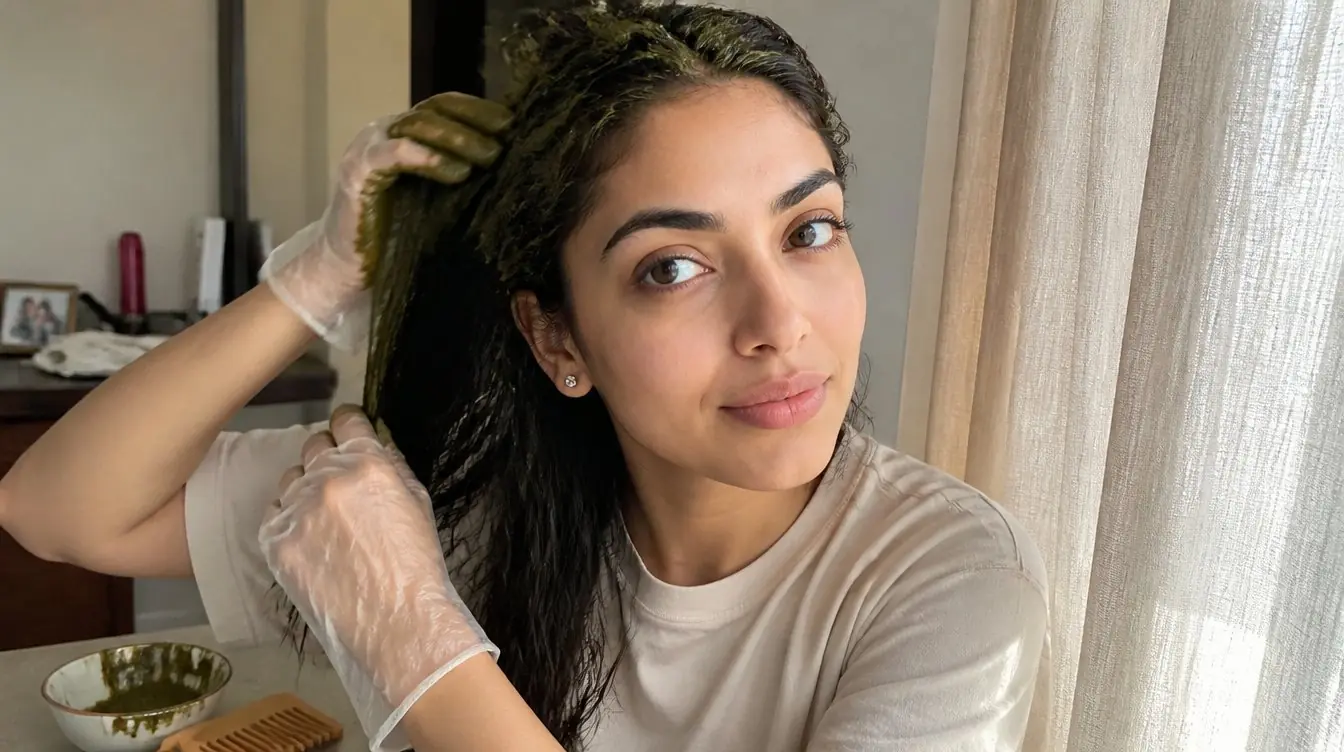
Henna is a natural, plant-based colouring that can be done perfectly at home.
Planting henna at home requires skill and good information, like the one we are going to give you.
Before launching experiments at home, let’s lay the foundations. What is henna? Henna is that you?
Pure henna is a green powder derived from the Lawsonia inermis plant. It is used to dye hair and skin with its characteristic red colour. You can also find ‘chestnut henna’ and even black, but to get the coloured varieties, you must mix Lawsonia with other plants, such as indigo. 100% natural henna only has one hue: coppery-reddish, but beware! This result does not mean that you can only dye your hair red with it. In any case, the henna acts as a translucent varnish on the hair, and the result will depend to a large extent on your base. In no case does it clarify. You must be clear about that – and Meridian. The only thing that lightens the strand is bleaching.
We will tell you how to use henna at home and why it is worth switching to this vegetable dye, which is compatible with highlights or with conventional dyes.
Knowing how to dye hair with henna at home gives you rich, natural colour without the harsh chemicals of conventional dyes. This guide covers why henna works, how to mix it, application techniques, and how long to leave it on for vibrant red, copper, or deep brown results.
How to Dye Hair with Henna at Home (Step by Step)
Do not use metal containers or utensils when preparing your henna. The colour could be altered.
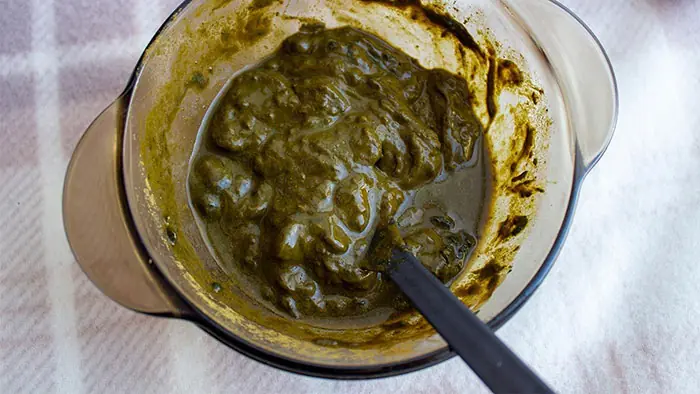
There are two ways to prepare henna. If you are using henna to obtain a reddish hue, you can mix it with boiling water, tea, or other herbal infusions to make a paste. If the henna contains indigo, you should not heat the water to more than 50°; otherwise, the pigments may be corrupted, and you will not get the result you are looking for. When the mixture is warm and thick like chocolate, you can put it on your head.
Another option is to keep the liquid at room temperature. The paste is covered with plastic wrap glued to the mixture for 8-12 hours to release the colour well. Indigo cannot be macerated because it passes and loses its staining power. This method may vary from manufacturer to manufacturer. When in doubt, follow the instructions on the box or package.
It is applied as you would with any dye: on clean hair, dry or wet. From experience, I prefer to do it wet and on clean hair to make sure there is no residue preventing the henna from adhering to the strand with the force of the seas, but this is a personal decision. With the help of a dye brush, you should go striping the hair to cover all the roots and then the rest of the hair.
Next, wrap the head in plastic wrap or a plastic shower cap. Cover the head with a towel so that it has a greenhouse effect and the henna works better.
You can leave it on your hair for as long as you want, provided you respect a minimum of 3-4 hours.
Once the exposure time has passed, it is time to remove the paste with water. With lots of water. It’s literally like rinsing mud, so be patient and rinse everything out. Important tip: lean down while you shower instead of standing up so you don’t leave the walls looking like the Woodstock festival.
In the next 48 hours, you cannot apply anything (or conditioner) because you will stop the oxidation of the henna. There are those who look very soft without anything and who have hair like esparto grass. Calm down and hold on; everything will return to normal in the next wash (with its corresponding and careful hydration).
The normal thing is that the colour darkens a little over the following days. In about a week or a couple of washes, you will enjoy the final colour.
Although it may seem impossible since everything is so natural and botanical, henna is a permanent dye. If you wanted to remove it, you would need to ‘drag’ it with other plants. It is best to apply it only 3-4 times a year to the entire head, as covering the strands without penetrating them (as conventional dyes do) can ‘saturate’ the hair and contribute to breakage, especially if you have fine hair. This can make the hair fine and brittle, as well as stretch the curl and detract from its natural pattern.
If you need to touch up the roots due to grey hair, use it without fear once a month on those virgin roots and do a ‘henna gloss’ (add henna to the mask and apply it to the rest of your hair) to revive a little colour and give more shine.
And if you have dye and you want to switch to henna? Just wait 5-7 weeks for the dye to fade a bit. Many people want to achieve light tones, and for this purpose, they lighten their hair with dye, and later (that same day), they proceed to apply henna or a mixture of plants.
Frequently Asked Questions About Henna at Home
How long should you leave henna on your hair?
Most natural henna pastes need two to four hours on the hair to release full colour. Coarse, dark, or grey-resistant hair benefits from a longer dwell of four to six hours. Sleeping in henna overnight is possible if your scalp tolerates it, but the colour gain past six hours is minimal and the mess increases. Always check on the colour by wiping a small section halfway through, and rinse when the strand looks the shade you want with water only the first time.
Does henna damage your hair?
Pure body-art-quality henna is not damaging and actually conditions the hair by binding loosely to keratin and adding a protective coat. The damage stories come from compound henna, which mixes lawsone with metallic salts and PPD-based black henna, both of which react badly with chemical dyes and bleach. Stick with single-ingredient henna powder from a reputable source, avoid black henna products entirely, and the conditioning side outweighs any drying side effect.
Can you dye hair with henna over chemically coloured hair?
Henna can be applied over chemically coloured hair, but the result is unpredictable, particularly over recent bleach or high-lift colour where the hair is porous. The henna often deposits darker and warmer than expected. Strand test first by mixing a small batch, applying to a hidden section, leaving for the planned dwell time, and rinsing to see the actual outcome. Avoid henna for at least two months after a major chemical service, and never mix henna with peroxide-based dye.
How do you keep henna from staining everything?
Wear gloves throughout mixing and application, line the floor and bathroom with old towels or newspaper, smear coconut oil or petroleum jelly along the hairline and ear edges, and apply henna section by section with a brush rather than fingers. Wrap the head in cling film and a thin towel during the dwell time to contain drips. Wipe stained sink edges immediately with a damp cloth before the paste sets. Henna at home is much cleaner with planning.
How often should you henna your hair?
Most people apply full-head henna every six to eight weeks and a root touch-up every three to four weeks. Frequent henna can build colour intensity to the point where the hair looks one-dimensional, so once the colour reaches your goal shade, shift to root-only application. Conditioning oil treatments between henna sessions keep the lengths soft, because henna can feel slightly drier than other dyes after multiple full-head applications. Treat henna at home as a maintenance ritual, not a weekly wash.
Can you get red or brown henna without chemicals?
Pure henna delivers shades from copper to deep auburn red, depending on how long you leave the paste mixed before applying, how acidic the mix is, and how long it stays on the hair. To shift the tone toward brown, mix henna with indigo or amla powder after the henna dye release. Cassia obovata gives a golden tint on light hair. None of these need synthetic additives, and the colour combinations can produce shades from strawberry blonde to near-black naturally.
RELATED ARTICLES:
Home Remedies For Itchy Head
5 Expert Tips for Achieving Gorgeous, Bouncy Hair at Home
How to Get Salon-Quality Hair Color at Home
Eliminate Dandruff Naturally with Ayurvedic Remedies and Home Treatments
Homemade Hair Recipes: 20+ DIY Treatments for Every Hair Type
About The Author

COMMENTS