Haircut questions to ask your stylist can be the difference between the cut you dreamed of and one you quietly regret for weeks. A great haircut reset
Haircut questions to ask your stylist can be the difference between the cut you dreamed of and one you quietly regret for weeks. A great haircut resets your mood and changes how you see yourself, yet most of us arrive with a screenshot and hope. This guide covers exactly what to ask, how to describe what you want, and how to match a look to your face shape.
Questions to Ask Yourself Before Getting a Haircut: There is a quiet kind of magic that happens the moment a stylist lifts a section of your hair, studies the angle of your jaw, and reaches for the shears. A stunning haircut can reset your mood, rewrite how you see yourself in the mirror, and change the way strangers respond to you on the street. It is one of the most accessible yet misunderstood forms of reinvention for any woman. Most of us walk into salons armed with a screenshot and hope, unsure of what to ask, how to describe what we want, or whether our face shape can actually carry the look we love on someone else. This comprehensive guide answers everything you wanted to ask about haircuts but never quite knew how to articulate. Drawing on decades of combined salon expertise, insights from international artistic directors like Mauricio Rugerio of Staff M, and the latest in trichology and styling science, we are going to break down the architecture of a brilliant cut. You will learn which shapes flatter your face, how to decode stylist jargon, why certain textures demand specific techniques, and how to preserve a fresh cut for weeks rather than days. Whether you are considering a dramatic pixie, a cyclical bob revival, or a soft long layered style, consider this your complete, honest, science-backed consultation before you ever sit in the chair.
Reviewed by the BeautynFacts editorial team. Last updated: May 2026.
Why a Haircut Is More Than a Trim: The Psychology of Transformation
Mauricio Rugerio, the Spanish-trained artistic director recently returned from European fashion weeks, often tells clients that a salon visit during emotional turbulence should never become an act of impulse. Instead, it should be a consultation where the stylist listens first and then cuts. The most beautiful transformations emerge when the client articulates not what they want the hair to look like, but how they want to feel when they look at themselves. A radical change, properly planned around face shape, lifestyle, and hair type, can genuinely reset the nervous system’s relationship with the mirror.
The Confidence Economy of a Well-Chosen Cut
Clinical studies in appearance psychology have documented measurable improvements in mood, self-efficacy, and social engagement after a successful salon visit. Touch, scalp massage, and seeing a refreshed reflection give a neurochemical boost that activates reward pathways like those triggered by exercise or nature exposure. This is why the right haircut, chosen for the right reasons and executed with precision, pays dividends far beyond aesthetics.
Understanding Your Face Shape Before You Touch the Scissors
The single most important variable in haircut selection is not trend, celebrity influence, or even hair texture. It is the geometry of your face. Every truly flattering cut is essentially an optical illusion that creates the illusion of oval symmetry, the shape considered most universally harmonious. Understanding your natural face shape is therefore the foundation of every other decision you will make.
Stand in front of a mirror, pull your hair completely back, and study the widest point of your face, the length from hairline to chin, and the angle of your jaw. An oval face is roughly one and a half times longer than it is wide, with a gently rounded jaw. A round face shares similar length and width with soft curves. A square face has a strong, angular jaw with parallel sides. A heart shape features a wider forehead tapering to a pointed chin. A long or oblong face is noticeably longer than wide, while a diamond shape narrows at both the forehead and chin with prominent cheekbones.
Matching Cuts to Each Face Shape
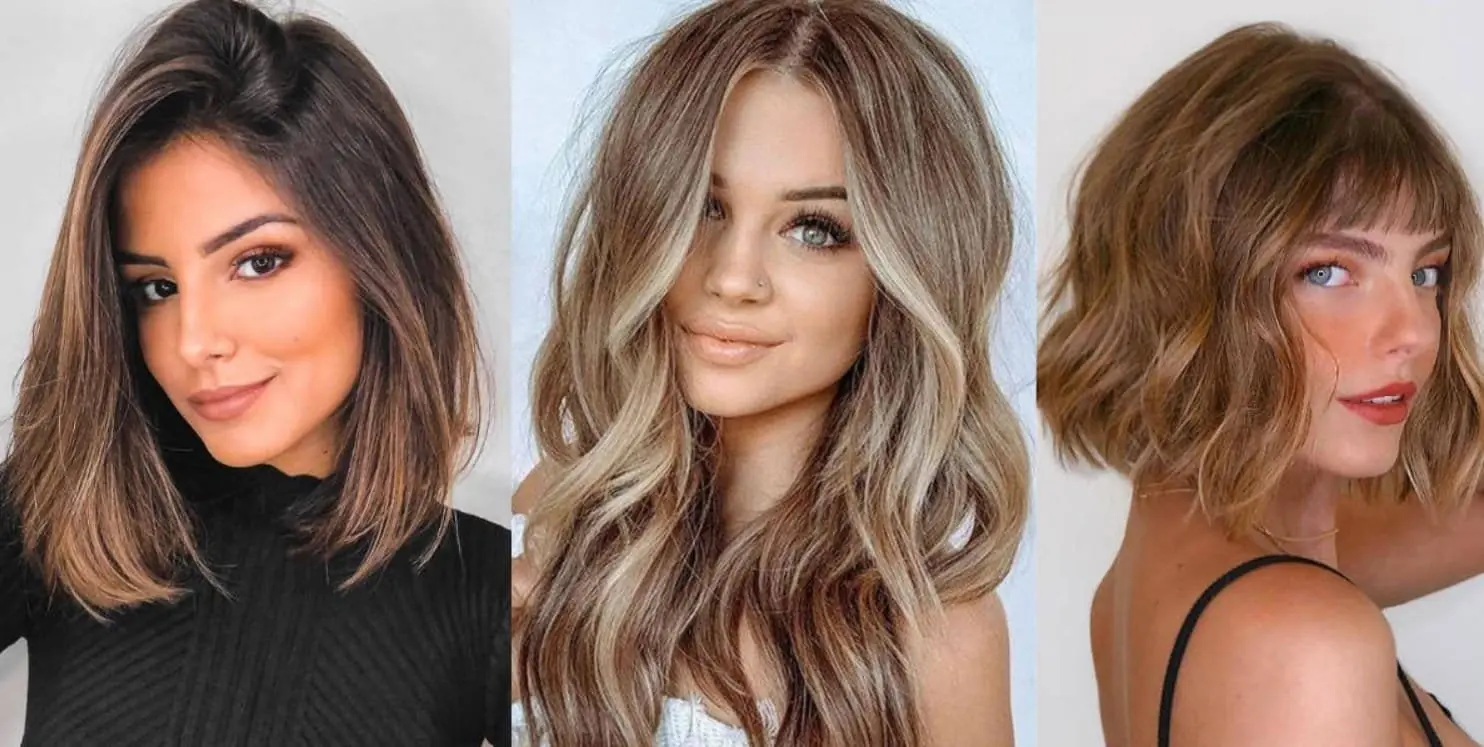
Oval faces are the most versatile, carrying almost any length or silhouette with ease. Round faces benefit from angular cuts that add vertical length, layers that fall below the chin, and avoidance of blunt chin-length bobs that echo the face’s roundness. Square faces soften beautifully with face-framing layers, side-swept bangs, and waves that break the strong jawline. Heart-shaped faces achieve balance with chin-length bobs or lob cuts that add weight near the jaw. Long faces are flattered by volume at the sides, curtain bangs, and anything that breaks the vertical line. Diamond faces shine with styles that add width at the forehead and jaw, such as a textured lob or a chin-grazing bob with fringe.
The Bob: Why This Cut Never Truly Leaves
The bob is the most enduring, endlessly reinvented cut in modern hairstyling history. Vidal Sassoon, the English master who died in 2012, revolutionised it, and his geometric philosophy still underpins contemporary cutting techniques. In the 1960s, Sassoon liberated women from the hours they spent in rollers and under dryers by creating cuts that relied on the hair’s natural movement, cut with mathematical precision to fall perfectly into shape after a single shake.
According to Rugerio, the bob returns in a meaningful new iteration roughly every three years, each time with a shift in length, colour palette, or textural interpretation. The classic chin-length blunt bob has recently evolved into the French bob, the Italian bob with its piecey tousled ends, the Japanese bob with ultra-glossy straight lines, and the grown-out lob that sits just above the collarbones. Each variation plays differently with face shape, hair density, and lifestyle demands.
Choosing Your Bob Length
A jaw-length bob draws attention to the jawline and is exquisite on women with well-defined angles. A chin-length bob elongates the neck and flatters round faces when cut slightly longer in front. A collarbone lob is the most forgiving length for fine hair, growing out gracefully and requiring fewer trims. A shorter, nape-grazing bob with undercut weight removal works beautifully on thick hair that tends to pyramid at the ends.
Texture Modifications That Change Everything
The same bob silhouette transforms dramatically based on cutting technique. Point cutting creates soft, piecey ends. Slide cutting produces feather-light movement. Blunt cutting with a razor-sharp one-length finish reads polished and editorial. Asking your stylist to discuss internal graduation, the layering inside the shape, is the difference between a bob that sits flat and one that breathes with motion.
The Long Bob, or Lob, and Why It Became the Universal Cut
The lob, sitting anywhere between the chin and collarbone, became the defining cut of the last decade because it solves so many problems at once. Jennifer Aniston’s clavicle-grazing version and Felicity Jones’s softly fringed interpretation in The Theory of Everything demonstrated how straight, fine-to-medium hair can look simultaneously polished and effortless. The lob retains enough length for versatility, low ponytails, soft waves, and half-up styles while cutting away the weight that drags down volume at the crown.
For straight hair in particular, the lob is nearly unbeatable. It does not require excessive styling, it photographs beautifully, it grows out into longer layers without awkward stages, and it works across age demographics from twenty-two to seventy-two. Pairing the lob with an eyebrow-grazing fringe or soft curtain bangs instantly elevates the silhouette and provides the face-framing interest that straight hair sometimes lacks.
Cutting for Curly Hair: Honoring the Spiral
Curly hair is a different universe with different rules, and too many women have suffered under stylists who treat curls as straight hair that needs correcting. The first rule, one that Rugerio repeats like a mantra, is to stop destroying the curl pattern with flat irons and high-heat blow dryers. The second rule is to find a stylist who cuts curly hair dry, one curl at a time, following the spring factor and natural shape of each ringlet.
Long, styled volume is almost always the most flattering direction for curly textures. Length adds weight that defines curl clumps, while layered volume on top prevents the pyramid or triangle silhouette that short, uniform curly cuts often produce. Techniques like the Rezo Cut, the DevaCut, and the Ouidad carving-and-slicing method were developed specifically to create shape without disturbing the curl’s integrity.
The Science Behind Curl Preservation
Curly hair has an elliptical cross-section rather than the round cross-section of straight hair, which is why it is naturally drier, more fragile, and more prone to frizz. The cuticle layers lift slightly at every bend in the curl, making moisture loss faster and protein damage more likely. Heat styling accelerates cortical damage, flattens the natural curl pattern over time, and can permanently alter the hair’s ability to spring back. A curl-honouring haircut, combined with sulphate-free cleansing, leave-in moisture, and air-drying or diffused heat, is genuinely transformative.
Styling Curls After the Cut
Apply a styling product, a cream, a gel, or a curl custard, to soaking-wet hair using the praying-hands technique, then scrunch upward toward the scalp. Diffuse on low heat with the dryer held close to the curls without disturbing them, or plop them in a microfibre towel and air dry. Never brush dry curls with a traditional bristle brush, which breaks up the pattern and creates frizz. A wide-tooth comb or fingers used in the shower with conditioner is all curly hair ever needs.
Short Hair That Dares: Pixies, Undercuts, and the Bold Silhouette
Short hair has a reputation for being difficult, but in reality, it is often easier to maintain than long hair and infinitely more striking when done well. The current direction in short hair, as Rugerio describes it, leans toward contrasts: very short sides and nape with significant length left on top. Miley Cyrus popularised this silhouette in her platinum era, and Scarlett Johansson has since carried it into a more refined editorial territory.
A pixie works when the crown has enough length to style upward or forward, creating the illusion of height and softness. A true buzzed pixie suits bold features, a strong bone structure, and women who want to minimise daily styling. Adding a bleach treatment to take hair nearly platinum amplifies the drama further, though it requires commitment to root touch-ups every four to six weeks and a rigorous bond-building conditioning routine to maintain hair health.
The Undercut as a Styling Secret Weapon
An undercut can also exist invisibly beneath longer hair, removing bulk from thick manes and allowing the top layers to sit closer to the head. This hidden undercut is a favourite of women with very dense hair who want the ease of short styling without committing to a fully short silhouette. When longer hair is pulled back, the undercut can be revealed for contrast, giving the wearer two different looks from a single cut.
Long Hair: The Art of Keeping It Interesting
Long hair is not a haircut; it is a commitment, and keeping it looking intentional rather than neglected is a skill. The biggest mistake women with long hair make is avoiding the salon between major changes. Without regular dusting or micro-trims every eight to twelve weeks, the ends split and the overall shape loses integrity, creating that dragged-down appearance that ages the face.
For curvier bodies, Rugerio recommends length that reaches the middle of the back, finished with waves or curls that carry volume rather than falling flat. Proportion matters here. Hair that is too short can make a fuller figure look heavier, while hair with movement and body creates visual balance. Long layers placed strategically around the collarbone and bust keep the eye moving and prevent the one-length curtain effect that tends to read unflattering.
Layers Placed for Purpose
Layers in long hair should never be random. A good stylist places them to accomplish specific goals, removing weight from heavy ends, creating face-framing softness, building volume at the crown, or enhancing natural wave patterns. Ask your stylist to explain where they are placing layers and why. A thoughtful answer reveals true craft, while a vague response is a warning sign.
Necks, Jawlines, and the Anatomy of the Neckline
The neck is one of the most overlooked factors in haircut selection. Very short cuts like pixies, crops, and above-the-ear bobs can showcase a long, elegant neck as an asset. These lengths draw the eye downward along the column of the neck, creating a graceful line that reads youthful and feminine. A shoulder-length haircut also looks stunning on a long neck because it breaks up the verticality just enough to balance the face.
A shorter neck requires a different strategy. Hair that sits above the chin or cuts off at an awkward shoulder length can visually compress the distance between head and shoulders, creating a stockier appearance. A chin-length bob or slightly shorter silhouette opens up the neck area and elongates the overall profile. Avoiding heavy volume at the sides and keeping any bangs soft rather than blunt also contributes to a lengthening effect.
Working with Your Features: Cheeks, Cheekbones, and Chin
Fuller cheeks benefit from cuts that draw the eye upward and away from the midface. Combing hair upward at the crown, building height, and avoiding side volume near the cheekbones creates a slimming vertical line. A cut that is very short on the sides and longer on top, styled with lift, minimises the fullness of the cheeks and creates the illusion of more defined cheekbones. Bangs are generally best avoided on very full faces, as they add horizontal weight that emphasises roundness.
Sharp, angular features are the stylist’s playground. With strong cheekbones, a defined jaw, and clear planes, almost any cut works, from the most severe pixie to the most flowing long layers. The only consideration is whether to soften the angles or celebrate them. Soft curtain bangs, wispy layers, and tousled waves soften strong features, while blunt bobs and sleek one-length cuts amplify them.
Bangs, Fringes, and Face-Framing: The Details That Make the Difference
A fringe can transform a cut more than any other single element. The right bangs highlight your eyes, balance your proportions, and hide a forehead you would rather not feature. The wrong bangs fight your cowlick, require daily blowouts, and grow out awkwardly into your peripheral vision.
The Classic Straight Fringe
A straight, blunt fringe cut to the middle of the forehead or just above the eyebrows reads modern, graphic, and often French. It suits oval, heart, and long faces particularly well. For women who wear glasses, this is Rugerio’s recommended choice because it frames the eyes without competing with the frames. A straight fringe requires frequent trims, every two to three weeks, to maintain the sharp line.
Curtain Bangs and Face-Framing Layers
Curtain bangs, the soft, parted fringe popularised in the seventies and reborn every decade since, are the most forgiving of all fringe options. They grow out gracefully, flatter nearly every face shape, and can be styled in multiple directions depending on mood. Pairing curtain bangs with face-framing layers that cascade from the cheekbones down to the collarbone creates a soft, flattering frame around the face that enhances femininity.
Side-Swept and Wispy Fringes
Side-swept bangs offer a compromise between commitment and effect, softening the forehead without the maintenance of a blunt fringe. Wispy micro-bangs, cut well above the eyebrows, create a youthful, playful energy and are particularly flattering on heart-shaped faces, where they draw attention to the eyes and cheekbones.
Hair Texture, Density, and the Honest Conversation
Not all haircuts that look good in photos will look good on your head, and the reason is almost always texture and density. Texture refers to the diameter of individual hair strands, fine, medium, or coarse, while density refers to how many strands per square inch grow from your scalp. These two factors combined determine how your hair behaves, how it holds a shape, and which cuts will flatter or frustrate you.
Fine, low-density hair benefits from blunt cuts that create the illusion of thickness, short bobs, sharp lobs, and minimal layering. Fine, high-density hair, meaning lots of individual thin strands, can be cut with more layering to remove weight without sacrificing body. Medium textures are the most versatile. Coarse, high-density hair almost always needs internal weight removal through point cutting, slicing, or thinning techniques to avoid the pyramid effect but never on the outer perimeter where it creates frizz.
The Porosity Factor
Porosity, the cuticle’s ability to absorb and retain moisture, also influences cut choices. High-porosity hair, often damaged or chemically processed, loses moisture quickly and frizzes easily, which means heavy layering can create a cloud of unmanageable flyaways. Low-porosity hair resists moisture but holds style beautifully once set. Understanding your porosity helps your stylist choose the right internal cutting technique for your needs.
Color and Cut: The Partnership That Creates Dimension
A haircut and a colour service are not separate decisions. A cut shapes the silhouette, but colour creates the dimension that makes the shape visible. Strategic colour placement can enhance layers, brighten the face, and make hair appear thicker or thinner, depending on the placement. Balayage painted through face-framing layers brightens the complexion and emphasises the cut’s movement. Babylights around the hairline mimic the natural sun-kissed effect of childhood hair. A shadow root grounds any colour in natural-looking depth while reducing maintenance.
When considering a dramatic colour change alongside a cut, discuss the full plan with your colourist before the cut begins. Platinum transformations may require multiple sessions, bond-building treatments, and a complete styling routine overhaul to maintain both the colour and the hair’s integrity. Balayage requires a variation in length to show off the graduation from the root to the tip. Copper and red tones demand frequent glossing treatments to stay vibrant. The cut should support the colour story, not fight it.
The Consultation: How to Actually Talk to Your Stylist
The difference between a disappointing haircut and a life-changing one often comes down to the fifteen minutes before someone uses the scissors. A great consultation is a genuine conversation where you and your stylist understand what you want, what is realistic, and the trade-offs. Walking in unprepared is the single most common reason women leave salons unhappy.
Bring three to five reference images, ideally of women with similar hair texture and density to yours, not just similar face shapes. Be specific about what you like in each image—the length, layering, movement, and colour—and what you do not want. Tell your stylist how much time you realistically spend on your hair each morning. If the answer is five minutes, say so. Be honest about your skill with a round brush, your tolerance for heat styling, and your willingness to return for trims.
Questions to Ask Before the First Cut
Ask your stylist how the cut will grow out over the next eight to twelve weeks. Ask which styling products they recommend and why. Ask how the cut will behave when air-dried versus blow-dried. Ask whether your hair’s natural texture will fight the cut or work with it. A stylist who answers these questions thoughtfully is a stylist with whom it is worth building a long-term relationship.
Maintenance: Making Your Cut Last
A fresh haircut is at its peak for roughly two weeks before the shape begins to soften. By eight weeks, most cuts need refreshing, and by twelve weeks, the original shape is often unrecognisable. Building a maintenance routine extends that peak window significantly.
Washing less frequently preserves the cut’s shape because daily washing disturbs the internal graduation and creates volume in unwanted places. Aim for two to three washes per week for most textures, and use a gentle, sulphate-free shampoo to avoid stripping the colour and cuticle. Condition from mid-length to ends only, never at the scalp, to avoid weighing the cut down. Use a weekly deep conditioning mask to maintain elasticity and shine.
Heat styling should always be preceded by a heat protectant spray, and the iron or dryer temperature should be calibrated to your hair type. Fine hair needs no more than three hundred degrees Fahrenheit; medium hair can tolerate three hundred fifty; and coarse hair can occasionally go to four hundred. Anything higher than four hundred degrees causes cumulative cortical damage that no conditioner can undo. Silk pillowcases reduce friction and preserve style overnight, and a weekly scalp massage with a gentle oil supports healthy growth from the follicle.
Trim Schedules by Cut Type
Pixie cuts and short bobs need trimming every four to six weeks to maintain their shape. Lobs and medium-length cuts can stretch to eight to ten weeks between visits. Long hair with layers benefits from ten-to-twelve-week trims. Fringes require the most frequent maintenance, with most straight bangs needing a two-to-three-week touch-up to stay out of the eyes.
Common Haircut Mistakes to Avoid
The most frequent mistake women make is choosing a cut based on a celebrity photo without considering hair texture. The second is asking for a drastic change in length on emotional impulse, without a realistic plan for maintenance. The third is skipping trims to grow hair out faster, which almost always results in weaker, more ragged ends that require more length to be cut off in the end. The fourth is allowing a stylist to use thinning shears aggressively on the outer perimeter of thick hair, which creates frizz and weakens the cut’s structure. The fifth is over-washing and over-styling, which shortens the life of every cut and accelerates damage.
Another mistake is failing to speak up during the cut itself. If something feels wrong, if the length is shorter than you expected, or if the fringe is heavier than you pictured, please let me know right away. A good stylist welcomes feedback because adjusting mid-cut is always easier than correcting after the fact.
Frequently Asked Questions About Haircuts
How often should I actually cut my hair?
The honest answer depends on your cut, your texture, and your goals. For women growing their hair out, a micro-trim every ten to twelve weeks removes split ends without sacrificing noticeable length and actually makes hair grow out faster because broken ends do not travel up the shaft. For women maintaining a shape, pixies and short bobs need four to six weeks, lobs need eight to ten, and fringes need two to three. The myth that cutting hair makes it grow faster is inaccurate; hair grows from the root, not the ends, but regular trims prevent the damage that masks growth.
Is it really possible for me to change my haircut if I have a round face?
Absolutely, you just need to work with the geometry rather than against it. Avoid chin-length blunt bobs that mirror the face’s roundness, and instead choose lengths that fall either above the chin or below the collarbone. Long layers that begin at the cheekbones create a slimming vertical line. Side parts are more flattering than centre parts. Soft side-swept bangs work better than blunt straight fringes. Volume at the crown with a slightly tapered silhouette around the face is consistently flattering.
What is the difference between a bob and a lob?
A traditional bob is a defined geometric shape that sits between the chin and just above the shoulders. It is based on Vidal Sassoon’s original cutting philosophy. A lob, or long bob, extends from the shoulders to the collarbone and tends to have a softer, more lived-in silhouette. The lob emerged in the last decade as a compromise length that retains versatility for updos and ponytails while still feeling fresh and shaped. Both can be cut blunt, textured, layered, or with internal graduation, depending on the effect you want.
Should I cut bangs?
Bangs are the single most impactful change you can make to a haircut, so consider them carefully. Ask yourself whether you are willing to trim them every two to three weeks, whether your hairline will cooperate, whether a cowlick at the front will fight most fringes, and whether your lifestyle accommodates the styling time. If you want to try bangs without commitment, ask for curtain bangs, which grow out gracefully into face-framing layers. A blunt micro-bang or full straight fringe is a stronger commitment that should be decided on after a real conversation with your stylist.
Will short hair make me look older or younger?
Short hair does not have an inherent age. What matters is whether the cut suits your face shape, your features, and your sense of self. A pixie on the right face can look decades younger than long hair that drags down the features. Conversely, a poorly chosen shortcut that emphasises a heavy jaw or hides the eyes can read more matronly than intended. The question is never about length but about proportion and intention.
How do I maintain curls without frizz after a fresh cut?
The cardinal rule is to never touch wet curls with a traditional towel or a brush. Instead, apply your styling product to soaking-wet hair, scrunch gently, and either plop it in a microfibre towel or old cotton T-shirt or diffuse it on low heat. Sleep on a silk pillowcase or wrap your hair in a silk bonnet to preserve the curl pattern overnight. Refresh second-day curls with a water and leave-in conditioner spray rather than rewashing them. Avoid touching the curls once they are dry, as friction is the primary cause of frizz.
Why does my haircut look different at home than it did at the salon?
The salon finish involves professional products, precise blow-drying technique, and often styling tools you may not use at home. To close the gap, ask your stylist to explain how they styled your hair, which products they used, the drying direction, and the tools they used. Request a quick tutorial at the end of your appointment. Many stylists will happily demonstrate their technique on half your head while you try the other side, giving you a hands-on lesson that pays dividends for weeks.
What should I do if I absolutely hate my new haircut?
First, give it seventy-two hours. The shock of a dramatic change often softens once you have styled the hair yourself, washed it once, and seen it in different lights. If after three days you still dislike the cut, return to the salon and speak to the stylist calmly and specifically. A reputable stylist will offer a complimentary adjustment or refinement within a reasonable window, usually one to two weeks. If the cut is genuinely too short to fix, focus on styling tricks, accessories, headbands, clips, and texturising products to carry you through the growth phase, which moves faster than it feels.
Bringing It All Together: Your Next Salon Visit
A haircut is a collaboration between your hair’s natural character, your lifestyle, your face’s geometry, and a stylist’s trained hand. When these four forces align, the result is not just a flattering style but a true expression of who you are and how you want to move through the world. The cyclical nature of trends means that almost any length or silhouette you love will return again, often better than before, so the truest question is never what is currently fashionable but what feels most like you.
Take the time to study your face shape honestly. Understand your hair’s texture, density, and porosity. Build a relationship with a stylist who listens before cutting and who teaches you how to maintain the result at home. Keep your trim schedule consistent; protect your hair from unnecessary heat and friction; and be willing to experiment in small steps, a fringe here and a few face-framing layers there, before committing to dramatic change.
Your next haircut does not need to be radical to be meaningful. It simply needs to be intentional. Whether you are drawn to the architectural precision of a Sassoon-inspired bob, the romantic movement of long waves on a curvy frame, the bold confidence of a platinum pixie, or the timeless softness of curtain bangs and a lob, the best cut is always the one chosen with eyes wide open, a clear conversation with a skilled professional, and a willingness to care for your hair as the living, breathing asset it truly is. Sit confidently in the chair, articulate your desires, trust the process, and walk out ready for the mirror to reflect who you have become.
RELATED ARTICLES:
Skincare Ingredients 101: Everything You Need to Know About Vitamin C
Glass Hair in 2026: The Products and Techniques for a Frizz-Free, Mirror-Like Finish That Lasts
MOB WIFE HAIR: HOW TO GET THE VOLUMINOUS, LIVED-IN LOOK EVERYONE’S OBSESSING OVER
How to Sleep with Bangs: The Best Ways to Maintain Bangs While Sleeping
5 Hair Mistakes While Sleeping
About The Author

COMMENTS