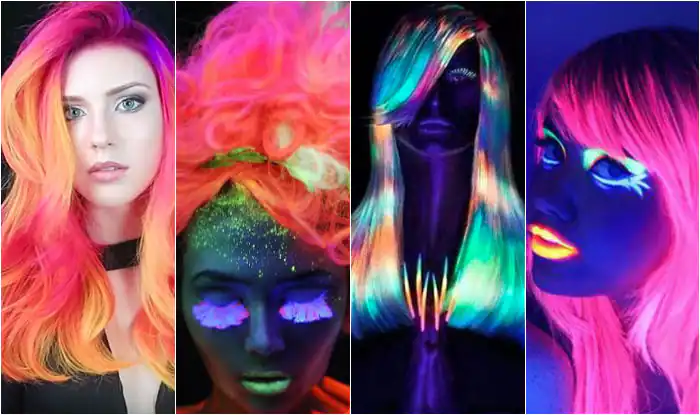
Glow-in-the-dark hair: Are you ready to step into the spotlight and make a statement that literally shines? Imagine walking into a dimly lit room, a s
Glow-in-the-dark hair: Are you ready to step into the spotlight and make a statement that literally shines? Imagine walking into a dimly lit room, a subtle hum of anticipation in the air, and then, as the ultraviolet lights flicker on, your hair erupts in a vibrant, otherworldly glow. This isn’t a fantasy; it’s the captivating reality of **glow-in-the-dark hair**. More than just a fleeting trend, this innovative hair colouring technique offers a unique avenue for self-expression, transforming your locks into a dynamic canvas that comes alive under blacklight. Whether you’re seeking to add an electrifying edge to your festival look, stand out at a late-night party, or simply embrace a more daring and exotic side of your personality, glow-in-the-dark hair provides an unparalleled way to capture attention and radiate confidence. For those who love to be noticed, who revel in the thrill of the unexpected, and who aren’t afraid to experiment with bold aesthetics, this luminous hair transformation is an invitation to truly shine, even in the deepest darkness. This comprehensive guide will delve into everything you need to know about achieving and maintaining this mesmerising look, from understanding the science behind the glow to choosing the perfect shades and applying them with confidence.
Reviewed by the BeautynFacts editorial team. Last updated: May 2026.
The Magic Behind the Glow: Understanding Phosphorescent and Fluorescent Hair Dyes
Glow-in-the-dark hair turns your locks into a vibrant, otherworldly statement that lights up under ultraviolet lighting. More than a fleeting trend, this hair colouring technique is a bold form of self-expression, and this guide covers how it works, who it suits, and what to know before you try it.
Phosphorescent Pigments: The Long-Lasting Luminosity
Phosphorescent pigments are the stars of the show when it comes to a truly captivating glow. These are not your everyday hair dyes; they contain special compounds that absorb energy from ambient light sources throughout the day. This absorbed energy is then slowly released over time, creating a visible luminescence even in complete darkness. Think of them as tiny, rechargeable light bulbs embedded within your hair strands. The intensity and duration of the glow depend on the specific phosphorescent compounds used and how much light they have absorbed. Some formulations can glow for several hours after being exposed to light, making them perfect for extended events or a night out.
The science behind phosphorescence involves a process called photoluminescence. When light, particularly UV light, strikes these pigments, electrons within the pigment molecules are excited to a higher energy state. Unlike fluorescence, where the light is re-emitted almost instantaneously, phosphorescent materials are designed to “trap” this energy for a period. This delayed release of energy is what gives phosphorescent hair its signature, lingering glow. Brands like Manic Panic’s High Voltage line are renowned for their vibrant semi-permanent dyes that often incorporate phosphorescent qualities, offering a spectrum of electrifying shades that perform beautifully under blacklight.
Fluorescent Pigments: The Instantaneous Radiance
Fluorescent pigments, on the other hand, offer a more immediate and often brighter glow, but with a crucial distinction: they only glow when directly exposed to a UV or blacklight source. As soon as the light source is removed, the glow disappears. This makes fluorescent dyes ideal for environments where blacklights are prevalent, such as clubs, parties, or themed events. They provide an instant “wow” factor that is highly responsive to the surrounding lighting conditions.
The mechanism here is fluorescence. When UV light hits fluorescent molecules, electrons are excited to a higher energy level, but they immediately return to their ground state, re-emitting the absorbed energy as visible light. This process is very rapid, leading to an intense, immediate glow. Fluorescent dyes are often found in gel or temporary spray formats, making them easy to apply for a single event and simple to wash out. These are often the best choice for a quick, striking change without a long-term commitment. The vibrant colours available, from electric blue and neon green to hot pink and vibrant yellow, ensure that your hair will be a focal point under the right lighting.
Choosing Your Glow: Factors to Consider
When deciding between phosphorescent and fluorescent options, several factors come into play:
- Event Type: For a club or party setting where blacklights are guaranteed, fluorescent dyes offer a brilliant, responsive glow. If you want your hair to retain some luminescence even away from direct UV sources, phosphorescent dyes are the better choice.
- Longevity: Phosphorescent dyes generally offer a longer-lasting glow effect, especially if reapplied. Fluorescent colours are typically temporary and wash out easily.
- Application Method: Both types come in various forms, from semi-permanent creams to temporary gels and sprays. Consider which application method suits your comfort level and desired outcome.
- Colour Intensity: Both types can provide intense colours. However, the visual impact of fluorescent colours is often amplified under blacklight due to their immediate reaction.
- Hair Condition: Semi-permanent dyes, often phosphorescent, can sometimes be more conditioning than temporary sprays or gels.
By understanding the fundamental differences between these glowing pigments, you can make an informed decision to achieve the exact luminous effect you desire for your **glow-in-the-dark hair** transformation.
Exploring the Spectrum: Popular Shades and Color Combinations
The world of glow-in-the-dark hair is a vibrant playground of colour, offering an expansive palette that allows for endless creativity. Beyond the basic hues, the real magic happens when you start exploring unique shades and innovative colour combinations that truly make your hair a work of art, especially when illuminated.
Classic Electrifying Hues
Certain colours naturally lend themselves to a striking glow. These are the foundational shades that form the basis of many popular glow-in-the-dark hair looks:
- Electric Blue: A deep, mesmerising blue that transforms into an almost neon, otherworldly shade under black light. It evokes a sense of mystery and cool sophistication.
- Vibrant Green: From lime to emerald, green shades can create a stunning, bioluminescent effect, reminiscent of alien flora or magical potions.
- Hot Pink/Fuchsia: These bold pinks pack a punch, glowing with an intense, almost radioactive vibrancy that’s undeniably eye-catching and playful.
- Fiery Orange: A warm and energetic colour, orange can transform into a glowing ember at sunset under UV light, exuding warmth and excitement.
- Radiant Yellow: This cheerful hue becomes an intense, sun-like glow, perfect for adding a pop of undeniable brightness and optimism.
- Deep Purple: Amethyst and violet shades can create a regal and mystical glow, adding depth and intrigue to your hair.
- Luminous White/Silver: While seemingly subtle, white and silver can reflect light brilliantly, creating a diffused, ethereal glow that catches the eye.
Beyond the Basics: Creative Color Play
The true artistry of glow-in-the-dark hair comes from experimenting with combinations and unique shades:
- Ombré and Balayage Effects: Blend two or more glowing colours for a seamless transition. Imagine a sunset effect with orange fading into pink, or a galaxy look with deep blues and purples interspersed with starry silver highlights. The blacklight will accentuate the gradient, creating dynamic movement and depth.
- Hidden Rainbows: Apply different glowing colours to selected sections or underneath layers of hair. This creates a surprise reveal as you move, with vibrant flashes of colour appearing and disappearing.
- Chunky Highlights: Instead of subtle streaks, opt for bold, chunky highlights in contrasting or complementary, glowing colours. This creates a more graphic and impactful look.
- Root Smudging: For a modern twist, a darker, non-glowing root can transition into vibrant, glowing mid-lengths and ends. This adds dimension and a contemporary feel.
- Metallic Sheens: Some dyes offer a metallic finish that intensifies under blacklight, giving your hair a polished, almost liquid-metal appearance.
- Pastel Glows: While often associated with vibrant neon, pastel shades like mint green, baby pink, and lavender can also have a subtle yet enchanting glow, offering a softer, dreamier aesthetic.
Expert Tips for Color Selection
Choosing the right shade isn’t just about personal preference; it’s also about how the colours interact with your natural hair colour and skin tone, especially under UV light.
- Consider Your Base Colour: Lighter hair (bleached or naturally blonde) will show vibrant, true-to-tone colours more intensely. Darker hair may require pre-lightening to achieve the desired luminous effect, or you might opt for richer, deeper glowing shades that show up well on darker bases.
- Skin Tone Harmony: Cool skin tones often complement blues, purples, and greens, while warm skin tones can be beautifully enhanced by oranges, reds, and yellows. However, with glow-in-the-dark hair, the rules can be bent for dramatic effect!
- Experiment with Swatches: If possible, test a small amount of dye on a hidden strand of hair or a hair extension to see how it looks in both natural and blacklight conditions before committing to a full application.
- Consult a Professional: A colourist experienced with vivid and speciality dyes can offer invaluable advice on shade selection, potential colour interactions, and the best approach for your hair type and desired outcome.
By thoughtfully selecting your shades and embracing creative combinations, your **glow-dark hair** can become a unique expression of your personal style, radiating confidence and captivating attention wherever you go.
The Foundation for Fluorescence: Preparing Your Hair for Color Application
Achieving a vibrant, long-lasting glow-dark hair, whether phosphorescent or fluorescent, hinges on proper hair preparation. Just like a painter prepares a canvas, you must ensure your hair is in optimal condition to receive and showcase the colour. This preparatory stage is crucial for ensuring even colour distribution, maximum vibrancy, and minimising potential damage.
Step 1: The Deep Cleanse, Shampooing for Success
The first and perhaps most critical step is thoroughly cleansing your hair. The goal here is to remove any product buildup, natural oils, and impurities that could interfere with the dye’s ability to adhere to the hair shaft.
- Use a Clarifying Shampoo: A clarifying shampoo is designed to strip away residue. Use it generously, focusing on massaging it into your scalp and working it down the lengths of your hair. Rinse thoroughly.
- Avoid Conditioners (Initially): For this initial wash, it’s generally best to skip conditioner. Conditioners coat the hair shaft, which can create a barrier that prevents the dye from penetrating effectively.
- Rinse Thoroughly: Ensure all shampoo residue is completely rinsed out. Leftover shampoo can lead to uneven colour application.
The hair should feel clean, slightly stripped, and ready to absorb the colour. This step is vital for both virgin hair and hair that has previously been coloured or treated.
Step 2: The Drying Process, Setting the Stage
Once your hair is clean, the next step is drying. The method of drying can impact how well the colour sets.
- Towel Dry Gently: After rinsing, gently squeeze out excess water with a soft towel. Avoid rough rubbing, which can cause frizz and damage.
- Air Dry or Blow Dry: For optimal colour absorption, it’s generally recommended to apply the dye to dry or mostly dry hair. If you choose to blow dry, use a medium-heat setting. Excessive heat can potentially alter the colour pigments before they’ve had a chance to properly bond with the hair. Ensure your hair is completely dry before proceeding to the colouring stage, especially if you are using cream or semi-permanent dyes. This prevents dilution of the colour and ensures better adhesion.
Dry hair provides a more porous surface for the dye molecules to penetrate, leading to a more intense and even colour result. This is particularly important for achieving that signature **glow-in-the-dark hair** vibrancy.
Step 3: Pre-Lightening , The Gateway to Vividness (If Necessary)
For many vivid and glow-in-the-dark colours to truly pop, especially on darker hair shades, a lightening process is often necessary. This step opens up the hair cuticle, allowing the colour pigments to deposit more effectively and appear brighter.
- Assess Your Hair Colour: If your hair is naturally very dark brown or black, or if it has been previously dyed with dark or artificial colours, pre-lightening is almost always required. Blonde or very light brown hair might achieve good results without extensive lightening, depending on the desired shade.
- Choose Your Lightener: Hair lighteners (bleach) come in various strengths. For home use, a lower-volume developer (e.g., 10 or 20 volumes) is generally recommended to minimise damage. Professional stylists can assess the best product and strength for your hair.
- Strand Test is Crucial: Always perform a strand test before applying bleach to your entire head. This helps you gauge how long it will take to lift your hair to the desired level (usually a pale yellow, like the inside of a banana peel, for most vivids) and check for any adverse reactions.
- Application and Timing: Apply the lightener evenly, working in sections. Follow the product instructions carefully regarding processing time. Do not over-process, as this can lead to severe breakage.
- Rinse and Neutralise: Once the desired lift is achieved, rinse the lightener thoroughly with cool water. You may need to use a pH-balancing shampoo or toner to neutralise any unwanted brassy tones before applying your glow-in-the-dark colour.
- Deep Conditioning After Lightening: Lightening can be harsh. After rinsing the lightener and before applying the colour, a deep conditioning treatment can help restore moisture and improve hair’s texture.
Expert Consideration: If you’re new to bleaching or have concerns about hair health, we highly recommend that a professional colourist perform this step. They have the expertise to lift your hair safely and effectively to the optimal base for your chosen glow-dark shades.
Step 4: Protecting Your Skin and Workspace
Before you even open the dye, take precautions to protect yourself and your surroundings.
- Petroleum Jelly Barrier: Apply a thick layer of petroleum jelly or a rich barrier cream along your hairline, ears, and the nape of your neck. This prevents the dye from staining your skin.
- Wear Protective Gloves: Always wear gloves provided with the dye kit or disposable nitrile gloves to protect your hands.
- Protect Clothing and Surfaces: Drape an old towel or a cape over your shoulders. Cover countertops and floors with newspapers or old towels, as vivid dyes can stain permanently.
By meticulously following these preparation steps, you create the ideal canvas for your **glow-in-the-dark hair**, ensuring a vibrant, even, and ultimately more satisfying transformation.
Application Techniques: Bringing Your Luminous Vision to Life
Applying glow-in-the-dark hair dye requires a blend of precision and artistry. Whether you’re aiming for a full head of vibrant colour, subtle highlights, or a multi-tonal masterpiece, the application technique is key to achieving professional-looking results. Understanding different methods can help you tailor the process to your desired aesthetic and hair type.
Method 1: Full Head Saturation, The Bold Statement
This is the most straightforward method, ideal for those who want maximum impact and a uniform glow across their entire head of hair. It’s perfect for achieving that all-over electrifying look.
- Section Your Hair: Divide your hair into manageable sections using clips. Typically, four quadrants (front to back, ear to ear) are a good starting point. Further sub-sectioning within these quadrants will ensure even application.
- Mix the Dye (If Necessary): Follow the manufacturer’s instructions for mixing. Some dyes are ready to use, while others require mixing with a developer or activator. Ensure you mix only what you need for immediate use.
- Apply Evenly: Starting from the roots and working down to the tips, apply the dye generously to each section. Use a tint brush for precision and ensure every strand is fully saturated. Work systematically through each section, overlapping slightly to avoid any missed spots or “hot roots” (where the colour is lighter at the scalp due to body heat).
- Work the Product In: Once a section is coated, gently massage the colour through the hair with your gloved fingers or a comb to ensure even distribution and penetration.
- Process According to Instructions: After applying the dye to all sections, cover your hair with a plastic cap (often provided or a shower cap). This helps to maintain moisture and even processing temperature. Adhere strictly to the processing time recommended by the dye manufacturer. Over-processing can lead to damage, while under-processing can result in a faded or uneven colour.
- Rinse Thoroughly: Once the processing time is complete, rinse your hair with cool or lukewarm water. Avoid using hot water, as it can strip the colour from your hair. Rinse until the water runs clear.
- Condition: Apply a colour-safe conditioner or a specialised post-colour treatment. This helps to seal the cuticle, lock in moisture, and restore pH balance. Leave it on for a few minutes before rinsing.
Method 2: Highlights and Lowlights – Adding Dimension
Highlights and lowlights offer a more nuanced approach, adding pops of luminous colour without committing to a full head transformation. This method creates depth and visual interest, allowing different shades to play off each other under blacklight.
- Choose Your Sections: Decide which strands or sections you want to colour. You can opt for fine, delicate strands for a subtle shimmer or thicker sections for a bolder effect.
- Foil Technique: This is the classic method for highlights. Place a strip of foil under a chosen section of hair. Apply the glow-in-the-dark dye evenly to the underside of the section, then fold the foil over to enclose the coloured hair. Continue this process throughout your hair, spacing the foils as desired.
- Balayage/Freehand Technique: For a more natural, sun-kissed look, you can use a freehand painting technique. Apply the dye directly to selected strands using a brush, often without foils. This technique allows for softer blends and a more organic distribution of colour. This is excellent for creating ombré or gradient effects within the highlights.
- Processing and Rinsing: Follow the same processing and rinsing guidelines as the full head saturation method. If using foils, carefully remove them after the recommended processing time before rinsing.
- Consider Colour Placement: Think about how the highlights will appear when your hair is styled. Placing them strategically around the face can create a framing effect, while weaving them throughout can add overall vibrancy.
Method 3: Ombré and Gradient Effects, The Artistic Blend
Ombré (meaning “shadow” in French) and gradient techniques involve a smooth transition of colour from one shade to another or from dark to light. This is where **glow-in-the-dark hair** can become truly artistic.
- Plan Your Transition: Decide where you want the colour transition to begin (e.g., mid-length, just below the roots) and the colours you want to blend.
- Sectioning is Key: Divide your hair into sections. You might apply the darker glowing shade to the roots or top sections and the lighter or contrasting shade to the ends.
- Blending is Essential: The key to a seamless ombré is careful blending. You can achieve this by:
- Colour Blocking: Apply the first colour to the top section. Then, apply the second colour below it, slightly overlapping the boundary. Use a brush or comb to gently blend the two colours where they meet.
- Gradient Application: Apply the first colour, then use a clean brush or comb to feather the second colour upwards into the first, creating a diffused transition.
- Using a Toner or Clear Mix-In: Some colourists use a clear or toning product mixed with the vivid dye to create a softer gradient effect.
- Processing and Rinsing: Allow the colours to process as directed. When rinsing, it’s often beneficial to rinse the lower, lighter sections first, then work your way up to the darker roots to prevent colour bleeding.
Method 4: Temporary Color Gels and Sprays for Quick Flashes of Fun
For events or a temporary change, fluorescent gels and sprays are incredibly user-friendly.
- Application: These are typically applied directly to dry hair. Sprays offer quick, all-over coverage or targeted streaks. Gels often come with an applicator wand for more precise application to sections or strands.
- Intensity: The glow is immediate under blacklight but fades completely with washing.
- Best Uses: Perfect for festivals, parties, concerts, or anytime you want a fun, temporary burst of luminous colour without commitment.
Regardless of the method chosen, always follow the specific instructions provided by the hair dye manufacturer. A patch test and strand test are highly recommended before a full application to ensure you achieve the desired colour and check for any allergic reactions.
Maintaining Your Luminous Locks: Care and Longevity Tips
Once you’ve achieved your stunning **glow-in-the-dark hair**, the key to keeping it vibrant and luminous lies in a dedicated care routine. Vivid and speciality dyes require different treatment than conventional colours to maximise their lifespan and intensity, especially under blacklight.
Washing Wisely: The Art of Infrequent Cleansing
Washing your hair is the primary way colour fades. Therefore, reducing wash frequency is paramount.
- Embrace Dry Shampoo: Use a good-quality dry shampoo between washes to absorb excess oil and keep your hair feeling fresh. This significantly extends the time between full washes.
- Use Lukewarm or Cool Water: Hot water opens the hair cuticle, allowing colour molecules to escape more easily. Always opt for cool or lukewarm water when rinsing your hair, whether it’s during a wash or just a quick rinse.
- Choose Sulphate-Free, Colour-Safe Shampoos: Sulphates are harsh detergents that can strip colour rapidly. Invest in shampoos specifically formulated for colour-treated hair. Look for “sulphate-free” and “colour-safe” on the label.
- Consider Co-Washing: For some hair types, “co-washing” (washing with conditioner only) can be a gentler alternative to traditional shampooing, helping to preserve colour while still cleansing the scalp.
Conditioning for Color Retention
Conditioning is vital for maintaining hair health and sealing in colour.
- Rinse-Out Conditioners: Always follow shampooing with a colour-safe rinse-out conditioner. This helps to smooth the hair cuticle, making it less porous and better able to hold onto colour.
- Deep Conditioning Treatments: Incorporate a deep conditioning mask or hair treatment into your routine once a week or every other week. Look for masks rich in proteins and moisturising ingredients to repair and strengthen hair that may have undergone lightening.
- Leave-In Conditioners: A leave-in conditioner can provide ongoing hydration and protection throughout the day, helping to keep colour-treated hair soft and manageable.
Protecting Your Color from Fading Elements
Several environmental factors can accelerate colour fade.
- Sun Exposure: UV rays from the sun can degrade hair colour pigments. Wear a hat or use hair products with UV filters when spending extended time outdoors.
- Heat Styling: Excessive heat from blow dryers, curling irons, and straighteners can cause colour to fade faster and damage the hair. Always use a heat protectant spray before styling, and opt for lower heat settings whenever possible.
- Chlorine and Saltwater: Swimming pools and the ocean can be harsh on coloured hair. Chlorine is a bleaching agent, and saltwater can be drying. Wear a swim cap or wet your hair with fresh water and apply conditioner before swimming to create a protective barrier. Rinse thoroughly immediately after swimming.
Revitalizing Your Glow: Color Refreshers and Touch-Ups
Even with the best care, some fading is inevitable, especially with semi-permanent and temporary dyes.
- Colour Depositing Conditioners/Masks: These products contain semi-permanent dyes that can be used between full applications to refresh and boost the vibrancy of your glow-dark hair. Choose one that matches your shade or experiment with blending them.
- Toning: If your colour starts to look brassy or dull, a colour-depositing toner can help neutralise unwanted tones and restore vibrancy.
- Root Touch-Ups: As your natural hair grows out, you may need to touch up your roots. This can be done with the same dye used for the initial application or by a professional.
- Reapplication Schedule: Keep track of how long your colour typically lasts and plan for reapplication as needed. Semi-permanent dyes may need touching up every 4-8 weeks, depending on hair type, care routine, and the specific product used.
By adopting these maintenance strategies, you can significantly extend the life and brilliance of your **glow-in-the-dark hair**, ensuring it continues to turn heads and radiate confidence under any light.
Expert Insights: Professional Advice for Your Glow Dark Hair Journey
Navigating the world of vivid and speciality hair colours can be exciting but also daunting. Seeking advice from professionals can provide invaluable guidance, ensuring a successful and satisfying experience. Here, we gather insights from seasoned colourists and beauty experts on achieving and maintaining the perfect **glowy dark hair**.
The Importance of a Professional Consultation
Before diving into any drastic colour change, a consultation with a qualified colourist is highly recommended, especially for those new to vivids or with compromised hair.
- Hair Health Assessment: A professional can accurately assess your hair’s condition, porosity, and history, including previous colour treatments and chemical services. This is crucial for determining if your hair is a suitable candidate for lightening and vivid dyeing and what potential risks are involved.
- Customised Colour Matching: Based on your skin tone, eye colour, personal style, and desired outcome, a colourist can recommend the most flattering shades and combinations. They understand how different pigments interact and how they will appear under various lighting conditions, including blacklight.
- Realistic Expectations: Vivid colours, especially those that require significant pre-lightening, often involve a commitment. A colourist can help set realistic expectations regarding the process, maintenance, and longevity of the colour.
- Safe Lightening Techniques: If pre-lightening is necessary, a professional has access to higher-quality products and the expertise to lift your hair to the correct level safely, minimising damage and preventing breakage.
- Application Expertise: For complex techniques like ombré, balayage, or intricate multi-tonal designs, a professional’s skill ensures a seamless and polished finish that is difficult to replicate at home.
DIY vs. Professional Application: Making the Right Choice
While DIY hair colouring has become increasingly popular, certain hair transformations benefit greatly from professional intervention.
- When to Go Pro:
- If your hair is dark and requires significant lightening.
- If your hair is damaged, brittle, or has been recently chemically treated.
- For intricate techniques like ombré, colour melts, or a full rainbow effect.
- If you are aiming for a very specific, high-impact look.
- If you are unsure about the process or potential risks.
- When DIY Might Be Suitable:
- For temporary colour gels or sprays for a single event.
- For refreshing an existing vivid colour with a colour-depositing conditioner.
- If you have naturally light hair and are applying a single, vibrant shade without significant lightening.
- For simple, all-over colour application using a reputable semi-permanent brand, provided you have performed strand tests and understand the process.
Tips for Maintaining Vibrancy and Health
Even after leaving the salon, maintaining the health and vibrancy of your **glow-dark hair** is an ongoing process. Experts emphasise the following:
- Invest in Quality Products: “Don’t skimp on your aftercare,” advises renowned colourist Anya Sharma. “Using salon-quality, sulphate-free shampoos and conditioners specifically designed for vivid colours makes a world of difference in how long your colour lasts and how healthy your hair remains.”
- Embrace the Cool Rinse: “Always finish your shower with a blast of cool water,” suggests stylist Mark Chen. It helps seal the hair cuticle, locking in that beautiful colour and adding shine. It sounds simple, but it’s incredibly effective.”
- Minimise Heat Exposure: “Heat is the enemy of vivid colour,” explains colour specialist Isabella Rossi. “Whenever possible, air dry your hair. When you must use heat tools, always apply a heat protectant spray and use the lowest effective temperature setting.”
- Regular Gloss Treatments: “For clients with vivids, I often recommend periodic gloss treatments between full colour appointments,” says colour technician David Lee. These can be done at home with colour-depositing masks or in the salon. They refresh the tone, add shine, and help keep the colour looking its best.”
- Listen to Your Hair: “Pay attention to how your hair feels,” advises stylist Sarah Jenkins. If it feels dry or brittle, add more moisturising treatments. If the colour is fading faster than expected, consider a colour-depositing conditioner or a less frequent washing schedule.”
By combining professional expertise with diligent at-home care, you can ensure your **glow-in-the-dark hair** journey is as beautiful and long-lasting as the colours themselves.
Beyond the Glow: Styling and Showcasing Your Luminous Hair
Having vibrant **dark hair** is only half the fun; the other half is styling it to truly showcase its unique luminous qualities. The way you wear your hair can dramatically enhance the impact of the colours, whether you’re aiming for a subtle shimmer or a full-on radiant display.
Everyday Styling: Subtle Radiance
Even in natural daylight, your glow-in-the-dark hair will possess a unique vibrancy. Focus on styles that enhance shine and movement.
- Loose Waves and Curls: These styles catch the light beautifully, highlighting the different tones and creating a dynamic appearance. Use a curling wand or rollers to create soft waves that allow the colours to flow naturally.
- Sleek, Straight Hair: For a bold, graphic look, sleek, straight hair can make the colours appear more concentrated and intense. Use a flat iron and a smoothing serum to achieve a high-gloss finish.
- Braids and Twists: Intricate braided styles, such as French braids, Dutch braids, or fishtail braids, can reveal flashes of colour within the woven sections. Fishtail braids, in particular, can create a beautiful textured effect that emphasises the different hues.
- Ponytails and Buns: A high ponytail or a sleek bun can create a striking contrast, especially if the colour is concentrated towards the ends. A messy bun can offer a more playful, peek-a-boo effect of colour.
Nighttime Glamour: Unleashing the Full Glow
This is where your **glow-in-the-dark hair** truly comes alive. The key is to position yourself and your hairstyle to maximise the effect of blacklights or UV lighting.
- Strategic Updos: Styles that expose the lengths and ends of your hair, like high ponytails, elaborate updos, or braided crowns, will allow the maximum amount of colour to be visible under blacklight.
- Half-Up, Half-Down Styles: These styles offer a balance, showcasing colour both up and down, and can create a captivating contrast as you move.
- Accessorise Wisely: Consider accessories that complement your hair colour. Metallic accents, subtle glitter, or even themed accessories can enhance the overall look for a party or event.
- Embrace the Darkness: The darker the environment (with adequate blacklight), the more your hair will pop. Position yourself near UV light sources at events to ensure your hair is seen in all its luminous glory.
The Role of Hair Products in Styling
The right styling products can enhance both the appearance and longevity of your glow-in-the-dark hair.
- Shine Serums: A small amount of shine serum applied to the ends can add a glossy finish, making the colours appear richer and more vibrant in any light.
- Texturising Sprays: For styles requiring volume or texture, texturising sprays can add hold and definition without weighing down the hair or dulling the colour.
- Hairspray: A light-hold hairspray can help maintain your style throughout the event without making your hair stiff or sticky, which can detract from the colour’s appearance.
- Heat Protectants: As mentioned previously, always use a heat protectant before applying any heat styling tools.
Confidence is Your Best Accessory
Ultimately, the most important element in showcasing your **glow-in-the-dark hair** is confidence. When you feel good about your look, it radiates outwards. Own your vibrant colour, experiment with styles that make you feel fantastic, and enjoy the attention your luminous locks command.
Whether you’re heading to a music festival or a themed party or just want to add an extra spark to your everyday look, styling your glow-in-the-dark hair is an opportunity for creative expression. Embrace the fun, play with different looks, and let your hair be the ultimate statement piece.
Potential Concerns and How to Address Them
While the allure of **glow-in-the-dark hair** is undeniable, it’s important to be aware of potential concerns and how to address them proactively. Understanding these issues can help ensure a smoother, more enjoyable experience.
Concern 1: Hair Damage from Lightening
The most significant risk associated with achieving vibrant colours on darker hair is the damage caused by the lightening process. Bleaching strips pigment from the hair shaft, which can leave it feeling dry, brittle, and prone to breakage if not done correctly.
- Mitigation Strategies:
- Professional Lightening: As stressed before, having your hair lightened by a professional colourist is the safest approach. They use quality products and techniques to minimise damage.
- Low and Slow: If lightening at home, use a lower volume developer (10 or 20) and potentially multiple sessions spaced weeks apart, rather than trying to achieve maximum lift in one go.
- Bond Builders: Consider using bond-building treatments (like Olaplex or K18) during and after the lightening process. These help to repair and protect the hair’s internal structure.
- Intensive Conditioning: Follow up any lightening with deep conditioning treatments and regular moisturising masks to restore hydration and elasticity.
Concern 2: Uneven Color Application
Achieving a uniform colour, especially over a large surface area like hair, can be challenging. Uneven application can result in patches, streaks, or a less intense glow.
- Mitigation Strategies:
- Thorough Preparation: Ensure hair is properly washed, dried, and free of any product buildup before application.
- Meticulous Sectioning: Divide hair into small, manageable sections. This allows for precise application to every strand.
- Even Saturation: Apply the dye generously, ensuring each section is fully saturated from root to tip. Don’t be afraid to use enough product.
- Work Quickly and Systematically: Have all your tools ready and work efficiently to ensure the colour processes evenly.
- Strand Test: Always perform a strand test first to check the colour outcome and application technique before committing to your whole head.
Concern 3: Color Bleeding and Staining
Vivid dyes, especially when freshly applied or during rinsing, can bleed significantly, potentially staining clothing, towels, skin, and even other hair colours if not managed carefully.
- Mitigation Strategies:
- Protect Surfaces and Skin: Use old towels, wear gloves, and apply a barrier cream (like petroleum jelly) along the hairline.
- Rinse Carefully: Rinse with cool water until it runs clear. When rinsing out sections of different colours, rinse them separately if possible, or rinse the lighter sections first.
- Colour-Safe Products: Use colour-safe shampoos and conditioners exclusively.
- Toner for Stains: For minor skin stains, a clarifying shampoo or toner on a cotton pad may help lift the colour. For stubborn stains on fabric, specific stain removers may be necessary.
Concern 4: Fading and Longevity Issues
Compared to natural hair colours, vivid and speciality dyes often have a shorter lifespan and can fade more quickly.
- Mitigation Strategies:
- Follow Maintenance Tips: Adhere strictly to the advice on infrequent washing, cool water rinsing, and using colour-safe products.
- Colour Refreshers: Utilise colour-depositing conditioners or masks regularly to boost vibrancy between full applications.
- Avoid Harsh Treatments: Minimise exposure to chlorine, saltwater, and excessive heat styling.
- Professional Advice: Discuss longevity expectations with your colourist. Some formulations and colours are known to last longer than others.
Concern 5: Allergic Reactions
As with any chemical hair product, there is a risk of allergic reaction or sensitivity.
- Mitigation Strategies:
- Patch Test: Always perform a patch test 48 hours before applying the dye to your scalp. Apply a small amount of the mixed dye to a discreet area of skin (like behind the ear or inner elbow) and monitor for any redness, itching, or irritation.
- Strand Test: This also helps check for adverse reactions on the hair itself.
- Read Ingredients: If you have known allergies, carefully review the ingredient list of the dye product.
- Seek Medical Advice: If a severe reaction occurs, wash the product out immediately and seek medical attention.
By being aware of these potential issues and taking the recommended precautions, you can navigate the exciting world of **glow-in-the-dark hair** with confidence, ensuring a beautiful and healthy outcome.
FAQ About Glow-in-the-Dark Hair
Q1: How long does glow-in-the-dark hair colour typically last?
The longevity of glow-in-the-dark hair colour varies significantly based on the type of dye used, the porosity of your hair, and your aftercare routine. Fluorescent gels and sprays are the most temporary, often washing out after a single shampoo. Semi-permanent phosphorescent dyes, like those found in many popular vivid brands, can last anywhere from 4 to 8 weeks, sometimes longer with diligent care. Factors such as washing frequency, water temperature, heat styling, sun exposure, and chlorine can all affect how quickly the colour fades. Regular colour refreshing treatments can help extend the vibrancy.
Q2: Does glow-in-the-dark hair require bleaching?
Whether or not your hair needs bleaching depends entirely on your natural hair colour and the desired glow-in-the-dark shade. For vibrant, true-to-tone results, especially with lighter or pastel glowing colours, pre-lightening to a pale-blonde base is usually necessary. This is because darker pigments in your natural hair can muddy or alter the appearance of the vivid dye. If you have naturally blonde or very light brown hair, you might be able to achieve excellent results without extensive bleaching or with just a lightener. For deeper, richer glowing colours (like deep blues or purples), you might achieve a noticeable effect on darker hair without bleaching, though it won’t be as bright or true to the colour’s potential.
Q3: Is glow-in-the-dark hair damaging to my hair?
The potential for damage primarily comes from the pre-lightening (bleaching) process, not necessarily the glow-in-the-dark dye itself. Bleaching opens the hair cuticle to remove pigment, which can make the hair more porous, dry, and susceptible to breakage if not done carefully or if the hair is already compromised. Reputable semi-permanent glow-in-the-dark dyes are often formulated to be less damaging than permanent dyes and can even contain conditioning agents. However, over-processing during lightening or improper application can lead to damage. Following a good hair care routine that includes deep conditioning and minimising heat styling is crucial for maintaining hair health.
Q4: Can I combine glow-in-the-dark hair colours?
Absolutely! Combining glow-in-the-dark colours is where the true artistry comes in. You can create stunning effects, such as ombré (gradual colour transitions), colour melts (seamless blending of multiple shades), or chunky highlights with contrasting, luminous colours. Think sunset blends of orange and pink, or a galaxy effect with deep blues, purples, and streaks of silver. When combining colours, it’s important to consider how they will interact with one another. If you are applying different colours next to each other, ensure they are fully separated during application to prevent any unwanted bleeding. A strand test with your chosen colour combination is highly recommended.
Q5: How do I wash my glow-in-the-dark hair to make it last longer?
To maximise the lifespan of your glow-in-the-dark hair colour, adopt a gentle washing routine. Wash your hair as infrequently as possible, using dry shampoo between washes to manage oiliness. When you do wash, use cool or lukewarm water instead of hot, as hot water opens the hair cuticle and allows colour to escape more easily. Always use sulphate-free, colour-safe shampoos and conditioners. Consider co-washing (washing with conditioner only) on some days for an even gentler cleanse. Avoid harsh ingredients and excessive scrubbing.
Q6: What kind of events are best for glow-in-the-dark hair?
Glow-in-the-dark hair is perfect for any event where you want to stand out and be noticed, especially in low-light conditions. This includes music festivals, concerts, nightclubs, themed parties (like neon or rave parties), Halloween events, costume parties, and even certain artistic performances or photo shoots. The magic truly happens under blacklight or UV lighting, where the phosphorescent and fluorescent pigments truly shine.
Q7: Can I use glow-in-the-dark hair dye on extensions or wigs?
Yes, in many cases, you can use glow-in-the-dark hair dyes on synthetic or human hair extensions and wigs. However, the results can vary depending on the material. Human hair extensions and wigs will react similarly to natural hair, often requiring pre-lightening for vibrant results. Synthetic materials may react differently; some can melt or be damaged by certain dyes or the lightening process. Always check the manufacturer’s recommendations for the extensions or wig material and perform a strand test on an inconspicuous area first to ensure compatibility and achieve the desired outcome.
Conclusion: Embrace Your Luminous Potential
The journey into the world of **glow-in-the-dark hair** is an exciting exploration of colour, light, and self-expression. From understanding the fascinating science behind phosphorescent and fluorescent pigments to mastering application techniques and adopting a dedicated care routine, this guide has aimed to equip you with the knowledge and confidence to embark on your luminous hair transformation. Whether you opt for the subtle allure of highlighted strands or the bold statement of a full head of vibrant, glowing colour, the effect is undeniably captivating.
Remember that achieving the most striking results, particularly on darker hair, often involves a pre-lightening step. While this carries a risk of damage, professional guidance and diligent aftercare can mitigate these concerns, ensuring your hair remains healthy and vibrant. The key to long-lasting, brilliant **glow-in-the-dark hair** lies not only in the initial application but also in the ongoing commitment to gentle washing, deep conditioning, and protection from fading elements.
Ultimately, glow-in-the-dark hair is more than just a trend; it’s a powerful medium for showcasing your personality and adding an element of magic to your look. It’s about embracing the playful, the daring, and the extraordinary. So, dare to experiment, consult professionals when needed, and most importantly, have fun bringing your unique, luminous vision to life. Step out of the shadows and into the spotlight; your radiant glow awaits.
RELATED ARTICLES:
Bye-bye, princess style: dark French nails or gothic French manicures for black lovers are here.
MOB WIFE HAIR: HOW TO GET THE VOLUMINOUS, LIVED-IN LOOK EVERYONE’S OBSESSING OVER
Glass Hair in 2026: The Products and Techniques for a Frizz-Free, Mirror-Like Finish That Lasts
5 Hair Mistakes While Sleeping
Trim Split Ends Regularly for Healthier, Stronger Hair: The Exact Schedule That Works
About The Author

COMMENTS