





The Power of Antioxidants in Skincare for WomenAntioxidants skincare is one of the most evidence-backed strategies in modern dermatology, not just a p
The Power of Antioxidants in Skincare for Women
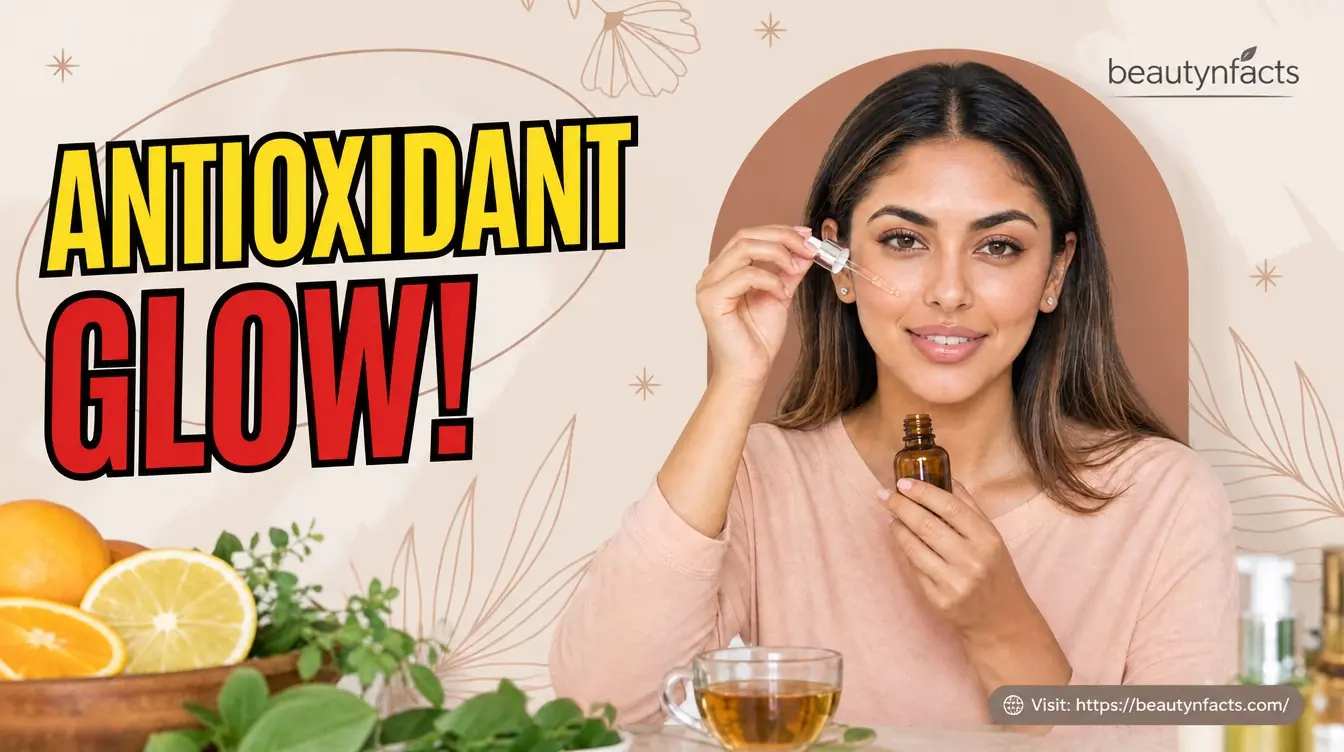
Antioxidants skincare is one of the most evidence-backed strategies in modern dermatology, not just a passing marketing trend. Every day, UV rays, pollution, and stress generate unstable molecules that quietly break down collagen, fade radiance, and speed aging. These compounds neutralise that damage at its source, protect the proteins that keep skin firm, and support cellular repair. This guide explains how they work and how to match them to your skin type.
Your skin fights battles every single day. UV rays, pollution, stress, and even the natural process of cellular metabolism generate unstable molecules that silently break down collagen, fade radiance, and accelerate aging. Most women notice the effects, including dullness, fine lines, and dark spots, long before they understand the cause. The remarkable news is that science has identified a category of ingredients capable of stopping this damage at its source. Antioxidants skincare is not just a marketing trend. It is one of the most evidence-backed strategies in modern dermatology. These compounds neutralise the harmful molecules attacking your skin cells, protect the structural proteins that keep skin firm, and actively support cellular repair processes.
This guide covers everything you need to know about antioxidants in skincare. You will learn the science behind how they work, which ingredients deliver the strongest results, how to match them to your specific skin type, and how to build a routine that maximises their benefits. Whether you are managing dullness, hyperpigmentation, premature lines, or chronic sensitivity, antioxidants offer real and measurable solutions backed by clinical research. By the end, you will know exactly how to make these powerhouse ingredients work harder for your skin.
What Are Antioxidants and How Do They Work on Skin?
Understanding antioxidants starts with understanding the enemy they fight. At a molecular level, your skin is under constant chemical attack from reactive molecules generated by your environment and your own biology. Antioxidants are the shield your skin needs, and knowing the mechanism behind them helps you choose and use them more effectively.
Published · Updated
Common sources of free radical generation include UV radiation, air pollution, cigarette smoke, ozone, heavy metals, and the natural process of cellular metabolism. Infrared radiation from screens and heat sources also contributes. The skin, as the body’s outermost barrier, is exposed to the highest concentrations of these stressors and therefore bears the greatest oxidative burden of any organ.
Dermatologists confirm that free radical damage is one of the primary drivers of both intrinsic aging, meaning the natural slowdown of cell turnover over time, and extrinsic aging, meaning the accelerated damage caused by external factors. Controlling free radical activity is central to any serious anti-ageing or skin health strategy.
Oxidative Stress and Its Impact on Skin
When free radical production overwhelms the skin’s natural defences, the result is a state called ‘oxidative stress’. This condition disrupts nearly every aspect of healthy skin function. Oxidative stress degrades collagen and elastin, the proteins responsible for skin firmness and elasticity. It impairs the skin’s lipid barrier, leading to increased trans-epidermal water loss. It activates inflammatory pathways that trigger redness and sensitivity. It also stimulates excess melanin production, which causes dark spots and uneven tone.
Over time, chronic oxidative stress produces visible signs of aging. Fine lines deepen. Skin loses its bounce and resilience. Pores appear larger as collagen support around them weakens. Hyperpigmentation spreads across the cheeks, forehead, and upper lip. For women with oily or acne-prone skin, oxidative stress worsens breakouts by oxidising sebum, making it more comedogenic and more likely to trigger inflammatory lesions.
Research published in dermatology journals links long-term oxidative stress to the thinning of the epidermal layer and the gradual loss of hyaluronic acid from the dermis. This translates directly to the visible dehydration and loss of plumpness that women often first notice in their late 20s and 30s.
How Antioxidants Neutralize the Threat
Antioxidants work by donating an electron to a free radical without becoming destabilised themselves. This breaks the chain reaction of oxidative damage before it spreads through the tissue. Unlike the molecules free radicals typically steal from, antioxidants remain chemically stable after giving up an electron. This stops the cycle of damage rather than continuing it.
The skin has its built-in antioxidant system. Enzymes like superoxide dismutase and catalase, along with naturally occurring vitamins, provide some baseline protection. However, modern levels of UV exposure and environmental pollution easily overwhelm this internal system. Topical and dietary antioxidants supplement these natural defences, providing additional layers of protection that the skin cannot generate on its own at sufficient levels.
Different antioxidants work in different environments of the skin. Water-soluble antioxidants like vitamin C function in the aqueous portions of cells. Fat-soluble antioxidants like vitamin E work within cell membranes and lipid-rich barrier layers. A complete antioxidant strategy covers both environments.
The Science-Backed Benefits of Antioxidants in Skincare
Using antioxidant skincare products consistently produces results that go far beyond surface appearance. Each benefit is rooted in specific biochemical actions that dermatologists have studied and validated across multiple clinical trials and peer-reviewed publications.
UV and Environmental Protection
Antioxidants do not replace sunscreen. They work alongside it. UV radiation generates reactive oxygen species (ROS) in the skin within minutes of exposure. Sunscreen keeps UV rays from getting to the skin, but some radiation always gets through. Antioxidants scavenge the ROS that UV triggers after penetration, reducing downstream damage to collagen, elastin, and DNA.
Research from Duke University Medical Centre, including widely cited work by Dr Sheldon Pinnell, demonstrates that topical vitamin C combined with vitamin E reduces UV-induced erythema and DNA damage significantly compared to either ingredient used alone. This is why pairing an antioxidant serum with a broad-spectrum SPF is considered the gold standard in daytime skin protection among board-certified dermatologists.
Environmental pollutants including particulate matter, nitrogen dioxide, and ozone generate free radicals on contact with skin. Antioxidants form a functional chemical barrier against this assault. Regular use reduces the degree of pollution-induced collagen degradation, which is especially important for women living in urban environments where pollution levels are consistently elevated throughout the day.
Anti-Inflammatory Action
Many antioxidants carry direct anti-inflammatory properties that are separate from their free radical-scavenging activity. Niacinamide inhibits the release of inflammatory cytokines and suppresses the transfer of melanosomes, the pigment-carrying packets, from melanocytes to keratinocytes. This dual action makes it one of the most clinically useful antioxidant ingredients for women with reactive, oily, or acne-prone skin.
Green tea polyphenols, particularly epigallocatechin gallate (EGCG), downregulate inflammatory gene expression in skin cells. Resveratrol interferes with NF-κB, a key protein complex that controls inflammatory cascades throughout the body. These mechanisms explain why antioxidant-rich formulas consistently improve chronic redness, calm post-breakout irritation, and reduce the flushing associated with rosacea-prone skin.
Adding antioxidants to a routine can slowly lower baseline inflammation over the course of several weeks for women with sensitive or reactive skin. This creates a calmer skin environment where the barrier rebuilds more effectively and where other active ingredients, such as retinol or chemical exfoliants, are better tolerated with continued use.
Collagen Synthesis and Anti-Aging Effects
Collagen is the most abundant protein in the skin and the primary structural component responsible for firmness and smooth texture. From around age 25, collagen production decreases by approximately one percent per year. Free radical damage accelerates this natural decline. Antioxidants slow collagen degradation and, in the case of vitamin C, actively stimulate new collagen synthesis.
Vitamin C is a required cofactor for the enzymes prolyl hydroxylase and lysyl hydroxylase, both of which stabilise the collagen triple helix structure. Without adequate vitamin C, collagen forms improperly and breaks down more rapidly. Topical application of stable, high-concentration vitamin C has been shown in multiple peer-reviewed studies to increase dermal collagen density visibly over 12 to 24 weeks of consistent use.
Women in their 30s and 40s who combine vitamin C, vitamin E, and niacinamide consistently in their routines report measurable reductions in fine line depth and improved skin elasticity. These are not cosmetic illusions. They show real structural changes in the dermal matrix caused by less oxidative damage and increased collagen production.
Top Antioxidant Ingredients Every Woman Should Know
The skincare market contains hundreds of products claiming antioxidant benefits. Knowing which specific ingredients deliver proven results cuts through the marketing noise and helps you invest in formulas that actually produce measurable change.
Vitamin C: The Gold Standard Antioxidant
Vitamin C, specifically in its active form as L-ascorbic acid, is the most researched topical antioxidant in dermatology. It neutralises free radicals, inhibits tyrosinase (the enzyme that drives melanin production), and directly stimulates collagen synthesis. This triple action makes it uniquely effective against three of the most common visible signs of aging: dullness, hyperpigmentation, and loss of firmness.
Effective L-ascorbic acid formulas require a concentration between 10 and 20 percent and a pH below 3.5 to allow proper skin penetration. This low pH causes temporary tingling on sensitive or dry skin in some women. If your skin reacts to L-ascorbic acid, switch to a stabilised derivative. Good options include:
- Sodium ascorbyl phosphate: converts to ascorbic acid in the skin, has a gentler pH, and is studied for antibacterial activity against acne bacteria
- Ascorbyl glucoside: very stable, works at neutral pH, suitable for sensitive skin types
- Magnesium ascorbyl phosphate: hydrating, stable, mild, well-tolerated by dry and sensitive skin
Vitamin C serums oxidise over time, turning orange or brown as the ascorbic acid degrades. An oxidised vitamin C product has lost most of its antioxidant efficacy. Store your serum in a dark, cool place and replace it within three to four months of opening for consistent results.
Vitamin E and Ferulic Acid
Vitamin E, or tocopherol, is a fat-soluble antioxidant that works primarily in the lipid-rich portions of cell membranes. It prevents the oxidation of fatty acids within the skin barrier, reducing permeability and improving moisture retention. This makes it particularly valuable for dry skin types, which tend to have a compromised lipid barrier that allows moisture to escape throughout the day.
Vitamin E also plays a recycling role in the skin’s antioxidant network. After vitamin C donates an electron to a free radical and neutralises it, the vitamin C molecule becomes a weak radical itself. Vitamin E donates an electron to regenerate vitamin C and restore its antioxidant capacity. This combination is why many dermatologist-formulated products deliberately combine both vitamins in a single formula.
Ferulic acid is a plant-derived antioxidant found in rice bran, oats, and certain fruits. On its own, it provides moderate antioxidant protection. Combined with vitamins C and E, it approximately doubles their photoprotective activity, according to research published in the Journal of Investigative Dermatology. It also chemically stabilises vitamin C in solution, extending the shelf life of combined formulas significantly.
Niacinamide, Resveratrol, and Green Tea Extract
Niacinamide (vitamin B3) is one of the most versatile antioxidant ingredients available in modern skincare. It suits all skin types, including oily, acne-prone, dry, sensitive, and combination skin. Niacinamide reduces inflammation, strengthens the skin barrier by increasing ceramide synthesis, minimises pore appearance, and inhibits the transfer of melanin to the skin surface. Most dermatologists recommend formulas containing 4 to 10 percent niacinamide for visible results within six to eight weeks.
Resveratrol is a polyphenol found in grape skin, blueberries, and certain berries. It activates sirtuins, a group of proteins involved in cellular repair and longevity pathways. In the skin, resveratrol reduces UV-induced DNA damage, decreases oxidative stress markers, and inhibits the matrix metalloproteinases (MMPs) that break down collagen and elastin. It works particularly well in nighttime formulas and pairs effectively with retinol for enhanced anti-ageing benefits.
Green tea extract, rich in catechins, especially EGCG, provides potent anti-inflammatory and antioxidant activity. It also inhibits sebum production, making it one of the most practical antioxidant choices for women with oily or combination skin. Topical green tea extract has been shown in published studies to reduce sebum levels and improve mild-to-moderate acne. It is also photostable, meaning it does not degrade significantly under sunlight, which adds practical value to daytime formulas.
Antioxidant Skincare for Every Skin Type
No single antioxidant formula works perfectly for every person. Your skin type shapes which ingredients and textures will deliver the best results and which might cause irritation or imbalance. Matching your antioxidant choices to your specific skin profile is as important as choosing the right ingredient in the first place.
Oily and Acne-Prone Skin
Women with oily or acne-prone skin benefit most from water-based antioxidant formulas. Lightweight serums and gel-texture formulas deliver active ingredients without adding pore-clogging oils or heavy occlusives. Niacinamide is the standout antioxidant choice for this skin type. It controls sebum production, calms post-inflammatory redness, reduces the appearance of enlarged pores, and inhibits the bacteria that contribute to acne lesions.
Green tea extract is equally valuable for oily skin. It reduces excess sebum while providing strong free radical protection and anti-inflammatory activity. Vitamin C serums in a water-based formula also work well. Sodium ascorbyl phosphate is particularly useful because research has demonstrated antibacterial activity against Cutibacterium acnes, the bacteria primarily responsible for inflammatory breakouts.
Avoid heavy pure vitamin E oils if your skin is prone to congestion. Look instead for tocopherol listed within a lightweight, well-formulated serum where it is present in small, balanced amounts alongside water-based actives.
Dry and Sensitive Skin
Dry skin needs antioxidants that also actively support barrier repair. Vitamin E is a strong choice because it prevents lipid peroxidation within the skin’s barrier layer and supports moisture retention at the cellular membrane level. Look for formulas that also contain hyaluronic acid or ceramides alongside antioxidants. These barrier-supporting ingredients compensate for the moisture loss that characterises dry skin types and help create the optimal environment for antioxidants to function.
Sensitive skin requires particular care when selecting vitamin C formats. L-ascorbic acid at high concentrations and low pH levels can cause stinging, redness, and temporary irritation in reactive skin. Gentler, stabilised derivatives, particularly ascorbyl glucoside or sodium ascorbyl phosphate, deliver vitamin C activity without the low-pH irritation. Niacinamide at 4 to 5 percent concentration is also extremely well-suited to sensitive skin due to its anti-inflammatory properties and mild formulation requirements.
Resveratrol is another well-tolerated antioxidant option for sensitive and dry skin types. It is typically formulated in hydrating, calming bases and has a low irritation potential. This makes it suitable even for women managing rosacea or a chronically compromised skin barrier who want meaningful anti-ageing antioxidant support without risking a flare-up.
Combination Skin
Combination skin, characterised by an oily T-zone alongside normal to dry cheeks, presents the challenge of needing different textures in different facial zones. A balanced, lightweight antioxidant serum applied evenly and layered under zone-specific moisturisers often produces the best results. Niacinamide is the ideal antioxidant anchor for this skin type because it addresses both excess oiliness in the T-zone and barrier support in drier areas simultaneously.
Vitamin C serums in a water-based formula absorb evenly across combination skin without adding heaviness to the oily zones. Applying a slightly richer antioxidant-infused moisturiser to the drier cheek areas while keeping the T-zone moisturiser lightweight allows you to address the contrasting needs of each facial zone effectively within the same routine.
How to Build an Effective Antioxidant Skincare Routine
The most powerful antioxidant ingredient delivers limited results if applied at the wrong time, in the wrong order, or without complementary products. A properly structured routine maximises absorption, prevents ingredient conflicts, and ensures you receive the full benefit of each active.
Morning Routine Steps
The morning is the most strategically important time to use antioxidants. Your skin faces its greatest oxidative stress during daylight hours from UV radiation, pollution, and infrared light exposure. Building antioxidant protection into your daytime routine creates a chemical barrier that your sunscreen alone cannot provide.
- Cleanse with a gentle, pH-balanced cleanser suited to your skin type.
- Pat skin dry and apply your antioxidant serum while skin is slightly damp to improve ingredient absorption.
- Allow the serum to absorb fully for 60 to 90 seconds before the next step.
- Apply a moisturiser appropriate for your skin type, ideally one containing barrier-supporting ingredients like ceramides or hyaluronic acid.
- Finish with a broad-spectrum SPF 30 or higher as your final step.
Vitamin C serum is the preferred morning antioxidant for most women because its brightening and photoprotective action aligns with daytime skin goals. Do not mix your L-ascorbic acid vitamin C serum directly with niacinamide in your palm before applying. Apply them sequentially with a brief absorption period between each product to prevent any potential pH interaction at the skin surface.
Evening Routine Steps
Evening is the time for antioxidants that support repair and work alongside stronger actives. The skin’s natural repair cycle peaks overnight, making this the ideal window for antioxidants that support cellular renewal.
- Double cleanse if you wore SPF or makeup during the day. An oil cleanser followed by a gentle foaming or gel cleanser removes all residue without stripping the barrier.
- Apply a niacinamide serum or a resveratrol formula after cleansing.
- If you use retinol, apply it after your niacinamide layer has absorbed. Niacinamide reduces the redness and peeling that retinol commonly causes in new users, building tolerance more comfortably.
- Seal the routine with a richer, antioxidant-infused moisturiser containing vitamin E, squalane, or coenzyme Q10 (ubiquinone).
Avoid high-concentration L-ascorbic acid vitamin C at night unless the formula is specifically designed for evening use. The low pH required for L-ascorbic acid penetration can interfere with the slightly higher pH environment optimal for retinol conversion within the skin.
How to Layer Antioxidants Correctly
The general rule for layering skincare products is thinnest to thickest. Apply water-based antioxidant serums first. Follow with slightly heavier treatment products. Then apply moisturiser to seal everything in. Sunscreen always goes on as the final step in the morning.
Multiple antioxidants can be layered safely and effectively. Vitamin C serum in the morning, followed by a moisturiser containing vitamin E and hyaluronic acid, is a classic, evidence-backed combination. In the evening, a niacinamide serum followed by a resveratrol or coenzyme Q10 moisturiser covers complementary antioxidant pathways without overlap or ingredient conflict.
Give each product 30 to 60 seconds to absorb before applying the next layer. This allows pH-sensitive ingredients to interact properly with the skin surface rather than reacting with the next product applied on top. Rushing the layering process reduces the absorption efficiency of each ingredient and diminishes overall results.
Powerful Antioxidant Combinations That Amplify Results
Certain antioxidant pairings produce synergistic results that neither ingredient achieves independently. Understanding these combinations helps you build a more targeted and clinically effective routine without adding unnecessary complexity or cost.
Vitamin C, Vitamin E, and Ferulic Acid
This trio is the most well-studied antioxidant combination in topical skincare research. Together, vitamins C and E cover both water-soluble and lipid-soluble oxidative environments in the skin, neutralising a broader spectrum of free radical types. Ferulic acid stabilises both vitamins within the formula and doubles their photoprotective efficacy, according to peer-reviewed research published in dermatology journals.
This combination delivers superior results against UV-induced skin damage, pollution, and collagen degradation compared to any single antioxidant used in isolation. Women who apply a serum containing all three consistently alongside daily broad-spectrum SPF report measurable improvements in brightness, firmness, and sunspot fading over 8 to 12 weeks of continued use.
Niacinamide and Hyaluronic Acid
Niacinamide and hyaluronic acid address two of the most common skin concerns from complementary directions. Niacinamide reduces inflammation, strengthens the skin barrier by increasing ceramide production, and controls pigmentation transfer to the surface. Hyaluronic acid draws moisture into the skin and holds it within the tissue, compensating for the water loss that a compromised barrier allows.
This pairing works for every skin type but is especially powerful for women with combination or sensitive skin. The anti-inflammatory action of niacinamide creates a calmer skin environment, which allows hyaluronic acid to hydrate more effectively without triggering reactivity. Together, they improve skin texture, reduce redness, and restore plumpness without any added greasiness or pore congestion.
Retinol and Supporting Antioxidants
Retinol generates some oxidative activity as it converts to retinoic acid within the skin. This is partly responsible for the initial irritation, redness, and peeling that many women experience when starting a retinol product. Combining retinol with niacinamide and vitamin E buffers this irritation while preserving the collagen-stimulating and cell-turnover benefits that make retinol one of the most effective anti-ageing actives available without a prescription.
A practical combined approach uses vitamin C serum in the morning for daytime protection and brightening and retinol with niacinamide and vitamin E in the evening for nighttime repair and collagen rebuilding. This strategy covers both the prevention and correction sides of the anti-aging equation and is widely recommended by board-certified dermatologists for women managing visible aging signs in their 30s and beyond.
Antioxidant-Rich Foods That Support Skin Health From the Inside
Topical antioxidants address oxidative damage at the skin’s surface. Your diet determines the supply of antioxidants delivered through the bloodstream to support deeper dermal layers. Both approaches contribute to skin health, and neither fully replaces the other.
Best Foods for Skin-Friendly Antioxidants
Berries, particularly blueberries, strawberries, raspberries, and blackberries, contain high concentrations of anthocyanins, a class of flavonoid antioxidants that protect collagen from degradation and reduce systemic inflammation. They also provide meaningful dietary vitamin C, supporting both immune function and skin collagen synthesis from within.
Leafy green vegetables, including spinach, kale, and Swiss chard, provide lutein, zeaxanthin, and beta-carotene. These fat-soluble antioxidants accumulate in skin tissue over time. Beta-carotene converts to vitamin A in the body and supports healthy cell turnover. Lutein and zeaxanthin protect skin from both UV and high-energy visible blue light at the cellular level, supplementing the protection topical antioxidants provide at the surface.
Nuts and seeds, especially almonds and sunflower seeds, are among the richest dietary sources of vitamin E. Dark chocolate at 70 percent cocoa or higher provides flavanols that improve skin hydration and elasticity, according to published studies. Green tea consumed as a beverage delivers bioavailable EGCG to tissues throughout the body, amplifying what topical green tea extract provides at the surface level.
How Diet Complements Your Topical Routine
The skin’s dermal layer, where collagen and elastin reside, receives its nutrients primarily through blood supply rather than through topical application. Most topical skincare ingredients penetrate only as far as the epidermis. Building systemic antioxidant levels through diet ensures that deeper skin structures receive consistent protection and nutritional support that topical products simply cannot reach.
A diet high in refined sugar and processed foods increases advanced glycation end products (AGEs) in the body. AGEs cross-link collagen fibres, making them stiff and brittle. This process accelerates sagging, deepens fine lines, and reduces elasticity regardless of how good your topical routine is. Reducing dietary sugar while increasing antioxidant-rich whole foods combats glycation damage from within, making your topical routine more effective in the process.
Women who combine a diet rich in colourful fruits and vegetables with a consistent topical antioxidant routine show better overall skin outcomes in observational research compared to those relying on only one approach. The internal and external routes of antioxidant delivery are additive and work together rather than redundantly.
Supplementing for Additional Antioxidant Support
Dietary supplements can bridge nutritional gaps that diet alone does not consistently fill. Several options have meaningful clinical evidence:
- Vitamin C: 500 to 1000 mg daily supports systemic collagen synthesis and provides antioxidant protection throughout all body tissues.
- Astaxanthin: a powerful carotenoid antioxidant derived from algae, shown to reduce UV-induced skin damage and improve skin elasticity at 4 to 12 mg daily in clinical studies.
- Coenzyme Q10 (ubiquinone): declines naturally with age, supports mitochondrial function in skin cells, and has been shown in small trials to reduce visible aging signs at 100 to 200 mg daily.
- Omega-3 fatty acids: from fish oil or algae-based sources, reduce systemic inflammation that contributes to skin sensitivity and barrier dysfunction.
Always consult a healthcare provider before adding supplements to your daily routine, particularly if you take prescription medications. Supplementing strategically alongside a strong topical routine and a nutrient-dense diet covers antioxidant protection at every level of skin biology, from cell membrane to dermal matrix.
Signs Your Skin Needs More Antioxidant Support
Skin communicates its needs through visible and tactile changes. Recognising the signs of antioxidant deficiency or oxidative overload helps you adjust your routine before damage progresses further and becomes harder to reverse.
Dullness and Uneven Tone
Skin that lacks radiance and appears flat, grey, or washed out often reflects a high oxidative burden. Free radical damage disrupts the normal cell renewal cycle, causing dead skin cells to accumulate on the surface longer than they should. This slows the skin’s natural shedding process and reduces light reflectivity at the surface. The result is a complexion that looks tired and flat even after adequate sleep and hydration.
Oxidative stress also stimulates melanin production as a protective defence response. This leads to the gradual appearance of dark spots, post-inflammatory marks that take longer to fade, and spreading uneven pigmentation across the face. Adding a vitamin C serum and increasing dietary antioxidant-rich foods typically produces noticeable improvements in brightness and tone within four to eight weeks of consistent use.
Early Signs of Aging
Fine lines appearing earlier than expected, a crepe-like texture on the forehead or around the eyes, and skin that bounces back more slowly when pressed are all indicators that oxidative damage is eroding collagen and elastin faster than your current routine prevents. These changes are especially common in women who spend significant time outdoors without adequate sun protection or who live in high-pollution urban environments.
Increasing the antioxidant density of your routine by adding a vitamin C and ferulic acid serum in the morning and a resveratrol or niacinamide product in the evening directly addresses the oxidative root cause of these early aging signs. Adding consistent SPF use is equally critical. Unprotected UV exposure negates the protection antioxidants work to provide.
Persistent Sensitivity and Redness
Chronic sensitivity, baseline redness, and the sense that your skin reacts negatively to almost every product you try can indicate a compromised skin barrier paired with elevated background inflammation. Free radical activity contributes directly to this inflammatory state by activating the NF-kB pathway and triggering the sustained release of proinflammatory cytokines within the skin tissue.
Women managing persistent sensitivity often find that building an antioxidant foundation into their routine, particularly with niacinamide at 4 to 5 percent and gentle vitamin E or squalane, gradually calms the skin over several weeks. As the inflammatory burden decreases, the skin’s tolerance for other active ingredients typically increases. This makes antioxidants a foundational step rather than an optional addition for women managing rosacea, eczema-prone skin, or chronically reactive skin conditions.
Frequently Asked Questions About Antioxidants in Skincare
Can I use antioxidant serums every day?
Yes. Daily use is both safe and strongly recommended. Antioxidant serums, particularly vitamin C in the morning and niacinamide in the morning or evening, are designed for consistent daily application. Their protective benefits are cumulative, meaning the longer and more consistently you use them, the greater the reduction in oxidative damage and visible skin concerns over time. Most dermatologists consider antioxidant use a foundational daily habit rather than an occasional treatment. There is no ceiling effect that makes daily use counterproductive for the antioxidants used most commonly in skincare.
Is vitamin C or niacinamide better for hyperpigmentation?
Both address hyperpigmentation effectively but through different mechanisms, which is why combining them produces the fastest and most complete results. Vitamin C inhibits tyrosinase, the enzyme responsible for melanin production, and reduces pigment synthesis at the source. Niacinamide interrupts the transfer of melanin-containing melanosomes from melanocytes to the surface skin cells, preventing existing pigment from reaching the visible layer of the skin. Used together, they tackle hyperpigmentation at two distinct stages in the pigmentation pathway. Women with stubborn dark spots or post-inflammatory marks typically benefit most from using vitamin C in the morning and niacinamide both in the morning and in the evening for maximum combined effect.
Do antioxidants replace sunscreen?
No. Antioxidants do not replace sunscreen under any circumstances, and no reputable dermatologist recommends using them as a substitute. Sunscreen physically or chemically blocks UV rays at the skin’s surface before they penetrate. Antioxidants neutralise the reactive oxygen species that UV generates within the skin after some radiation inevitably passes through. These two types of protection operate at different stages and in different locations within the skin. They must be used together for optimal defence against UV-induced aging and damage. Apply a broad-spectrum SPF 30 or higher on top of your antioxidant serum every single morning, regardless of weather conditions or whether you plan to spend time outdoors.
At what age should women start using antioxidant skincare?
There is no minimum age for antioxidant use. Oxidative stress from UV exposure and environmental pollution begins affecting the skin from early adulthood, and the cumulative damage from this period shapes how skin looks and functions in later decades. Women in their 20s benefit from antioxidants primarily as a preventive measure. Starting a vitamin C serum and niacinamide routine in your early to mid-20s builds a protective foundation that measurably reduces visible aging signs in your 30s and 40s. Women already in their 30s and beyond can use more targeted antioxidant combinations, including resveratrol and retinol pairings, to address both ongoing prevention and active correction of existing oxidative damage. Starting at any age produces meaningful benefits.
Can antioxidants cause skin reactions or breakouts?
Most antioxidants are very well tolerated across all skin types, but certain formulations can cause reactions in specific individuals. L-ascorbic acid vitamin C serums at high concentrations and low pH levels may cause temporary stinging, redness, or flushing in sensitive or dry skin. Switching to a stabilised derivative like sodium ascorbyl phosphate or ascorbyl glucoside resolves this in the majority of cases. Women with oily or acne-prone skin may find that oil-heavy antioxidant products, particularly pure vitamin E oils or rich resveratrol creams with comedogenic base ingredients, contribute to congestion. Choosing water-based, non-comedogenic formulas specifically suited to oily skin avoids this issue entirely. Patch testing any new antioxidant product on the inner forearm for 24 to 48 hours before applying it to the full face is a practical precaution that dermatologists recommend for anyone with reactive, sensitive, or allergy-prone skin.
Building a Smarter Skincare Routine With Antioxidants
Antioxidants are among the most powerful and most thoroughly researched tools available in modern skincare. They protect against environmental damage that drives premature aging, reduce the inflammation that undermines long-term skin health, stimulate collagen synthesis, and improve visible tone and texture across every skin type. No other single category of skincare ingredients addresses this many concerns through mechanisms this well-supported by decades of clinical science.
Start with the fundamentals. Add a vitamin C serum to your morning routine alongside a broad-spectrum SPF. Add niacinamide if you are managing oiliness, enlarged pores, or uneven tone. Introduce resveratrol or a vitamin E-rich evening moisturiser for nighttime repair. Support your topical routine with antioxidant-rich foods and, where appropriate, targeted supplements like astaxanthin or coenzyme Q10.
Consistency matters more than perfection. Using a well-chosen antioxidant serum daily for 12 weeks will produce changes that are visible, measurable, and sustained. Your skin’s oxidative burden is continuous and daily. So is the protection that antioxidants provide. Make them a permanent and non-negotiable part of your routine rather than a short-term experiment, and your skin will reflect that commitment for years to come.
RELATED ARTICLES:
The Power of Mint for Summer Skincare: The Best Mint Face Packs to Tackle Skin Issues
Unveiling the Secret to Radiance: Tamarind Extract in Skincare
Skincare-infused makeup: Why your 2026 foundation should double as a serum
Climate-Adaptive Skincare: Build a Weather-Proof Skin Care Routine
5 Skincare Mistakes You Didn’t Know You Were Making (And How to Fix Them!)
About The Author

COMMENTS