







Glass skin: the celebrities’ key to hydrated, luminous and rejuvenated skinGlass skin is the Korean beauty philosophy behind the impossibly smooth, re
Glass skin: the celebrities’ key to hydrated, luminous and rejuvenated skin
Glass skin is the Korean beauty philosophy behind the impossibly smooth, reflective, hydrated complexions you see on Hailey Bieber, Zendaya, and Rose from Blackpink. Rather than matte, heavily contoured looks, it celebrates transparency, dewiness, and the glow of genuinely healthy skin. This guide walks you through the science, the step by step ritual, the ingredient hierarchy, and the expert techniques that transform dull, tired skin into something luminous. Whatever your age, tone, or skin type, glass skin is achievable.
This comprehensive guide walks you through the science, the step-by-step rituals, the ingredient hierarchy, and the expert-backed techniques required to transform your complexion from dull and tired to luminous and rejuvenated. Whether you are in your twenties building your first serious routine or in your forties addressing signs of ageing, glass skin is achievable for every skin type, tone, and texture. You will learn how to layer products for maximum hydration, how to choose formulas that mimic celebrity results, how to adapt the technique for oily or acne-prone skin, and how to avoid the common mistakes that keep so many people stuck at dull instead of dewy.
What Glass Skin Actually Means (And Why It Is Not Just Dewy Skin)
Published · Updated
Many people confuse glass skin with dewy skin or the glazed donut look popularised by Hailey Bieber in 2022, but there are important distinctions. Dewy skin simply refers to a moisturised, slightly shiny finish that can be achieved with a single hydrating product or luminous foundation. Glazed donut skin takes that idea further with a heavy emphasis on a wet, almost syrupy glow. Glass skin, in contrast, is a total complexion transformation. It requires clarity, meaning minimal visible pores, uniform tone, and almost no texture irregularities, alongside a reflective quality that comes from within. In other words, dewy is a finish, glazed is a highlight, but glass is a skin condition.
Dermatologists explain that the reflective quality of glass skin is a result of what is called specular reflection. When the stratum corneum, the outermost layer of your skin, is smooth and evenly hydrated, light rays bounce off it uniformly rather than scattering in multiple directions. This produces the mirror-like glow celebrities seem to have. Dry, flaky, or textured skin causes diffuse reflection, which is why tired skin looks dull regardless of how much highlighter you apply on top.
The Science of Radiance: Why Hydration Equals Luminosity
Before you invest in a single new product, it helps to understand what actually makes skin glow. The human skin barrier is composed of corneocytes, which are essentially flattened skin cells, held together by a lipid matrix of ceramides, cholesterol, and fatty acids. When this structure is intact and saturated with water, the surface is flat, the cells lie flush against each other, and light reflects cleanly. When the barrier is compromised by over-cleansing, harsh actives, cold weather, or dehydration, the corneocytes curl up at the edges, the lipid matrix breaks down, and transepidermal water loss accelerates. The result is a complexion that looks crepey, dull, and rough regardless of how expensive your highlighter is.
This is why board-certified dermatologists consistently emphasise that glass skin is not a trend so much as a reflection of genuine skin health. Ingredients that attract water to the skin, such as hyaluronic acid, glycerin, and panthenol, are called humectants. Ingredients that trap water and prevent evaporation, such as squalane, shea butter, and plant oils, are called occlusives. Emollients like ceramides and fatty acids fill in the gaps between skin cells to smooth texture. A well-constructed glass skin routine uses all three categories in the correct order to build layers of hydration that the skin can actually retain throughout the day.
The Role of Skin Turnover and Cell Renewal
Glass skin also depends on healthy cell turnover. The epidermis renews itself approximately every 28 days in your twenties, slowing to 40 or more days by your forties. When dead cells linger on the surface, they create microscopic shadows that absorb light and dull the complexion. Gentle chemical exfoliation with alpha hydroxy acids like lactic or mandelic acid, or beta hydroxy acids like salicylic acid, accelerates this renewal process. Retinoids, including retinol, retinaldehyde, and prescription tretinoin, work at a deeper level by communicating with skin cells to produce more collagen and shed old cells more efficiently. These ingredients are foundational to the long-term clarity that glass skin requires.
The Ten Step Glass Skin Routine, Adapted for Modern Lifestyles
The original Korean ten-step routine is often cited as the gold standard for glass skin, but it can feel overwhelming and impractical for busy Western lifestyles. The good news is that the principles matter far more than the product count. What follows is a streamlined approach that captures the essence of the traditional ritual while respecting your time and budget.
Step One: Oil Cleansing
Double cleansing begins with an oil-based first cleanse. Oil dissolves oil, which means an oil cleanser or cleansing balm effectively removes sunscreen, makeup, sebum, and environmental pollutants without stripping the skin. Massage the product onto dry skin for at least 60 seconds, which also stimulates circulation and lymphatic drainage, contributing to a brighter appearance over time. Look for formulas containing jojoba, camellia, or sunflower oil, which closely mimic the skin’s natural sebum.
Step Two: Water-Based Cleansing
The second cleanse uses a gentle water-based formula to remove any residue and address sweat and water-soluble impurities. Avoid foaming cleansers with sulfates, which can strip the acid mantle and compromise the very barrier you are trying to build. Cream, gel, or low-pH foaming cleansers with ingredients like green tea, centella asiatica, or hyaluronic acid are ideal.
Step Three: Exfoliation, Two to Three Times Weekly
Exfoliation is where many people go wrong. Scrubbing aggressively with physical exfoliants creates microtears and inflammation, which destroys the smooth reflective surface you are chasing. Instead, opt for a chemical exfoliant with lactic acid for dry skin, mandelic acid for sensitive or darker skin tones, or salicylic acid for congested or oily skin. Start with twice weekly and increase only if your skin tolerates it well.
Step Four: Toning and Essence
A hydrating toner prepares the skin to absorb everything that follows. Skip astringent alcohol-based toners, which belong to another era. Modern hydrating toners, often called skin softeners or first treatment essences, deliver lightweight hydration and ingredients like niacinamide, fermented yeast extract, and amino acids. The famous seven skin method involves pressing seven thin layers of toner into the skin for maximum plumping, though three to four layers are usually sufficient.
Step Five: Treatment Serums
This is where targeted actives come in. A hyaluronic acid serum draws water into the skin, niacinamide regulates oil and strengthens the barrier, vitamin C brightens and protects against free radicals, and peptides support collagen synthesis. You can layer two or three serums from thinnest to thickest consistency, waiting about 30 seconds between each for proper absorption.
Step Six: Sheet Masks or Hydrating Masks
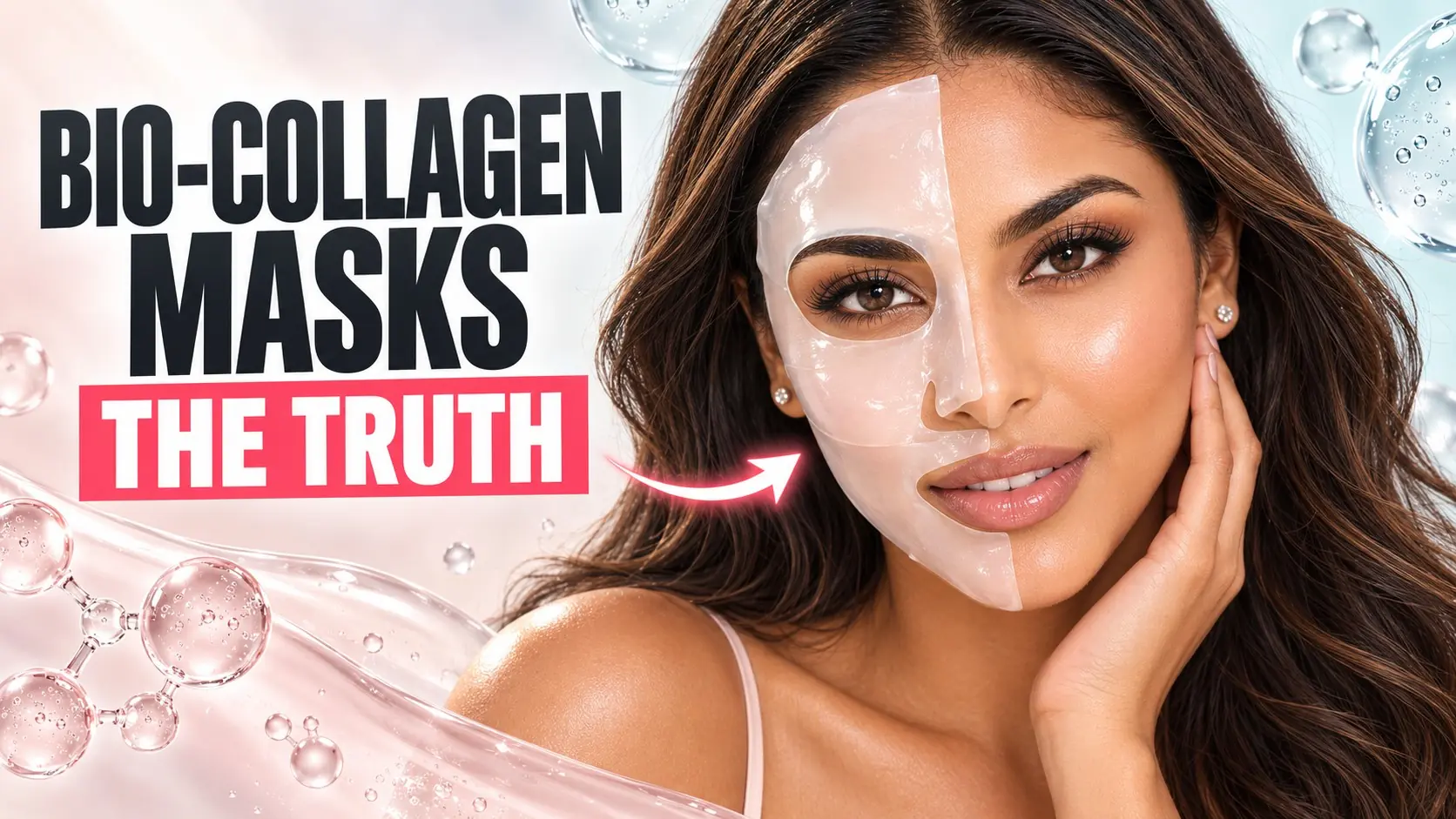
Two to three times per week, a hydrating sheet mask or overnight mask saturates the skin with concentrated actives. This is the step that gives K-beauty devotees their signature plumpness. Look for masks with sodium hyaluronate, beta glucan, or snail mucin, which is rich in growth factors and glycoproteins.
Step Seven: Eye Cream
The skin around the eyes is thinner and loses moisture faster than the rest of the face. A peptide or caffeine eye cream applied with a gentle tapping motion helps minimise puffiness, dark circles, and fine lines, contributing to the overall clarity of the glass skin effect.
Step Eight: Moisturiser
A well-formulated moisturiser seals in everything underneath. For glass skin, look for a cream or gel-cream containing ceramides, squalane, and panthenol. Dry skin types may prefer richer creams with shea butter or ceramide complexes, while oily types often thrive with gel moisturisers containing hyaluronic acid and niacinamide.
Step Nine: Facial Oil, Optional
A few drops of facial oil, either mixed into your moisturiser or patted on top, add a final layer of glow. Rosehip, squalane, and marula oils are particularly popular for their non-comedogenic, skin-mimicking properties. This step is what gives glass skin its unmistakable light-bouncing finish.
Step Ten: Sunscreen, Every Single Morning
Sunscreen is non-negotiable. UV radiation is the single largest contributor to premature ageing, hyperpigmentation, and uneven tone, all of which directly undermine glass skin. A broad-spectrum SPF 30 or higher, ideally with added antioxidants, must be applied every morning and reapplied throughout the day. Korean and Japanese sunscreen formulations are particularly beloved for their weightless, non-greasy finishes that enhance rather than interfere with the glass effect.
Hero Ingredients That Deliver Genuine Results
The skincare industry is flooded with buzzwords, but only a handful of ingredients have the clinical evidence to support glass skin outcomes. Understanding what each one does helps you build a routine that actually works rather than one that looks impressive on a bathroom shelf.
Hyaluronic acid is a naturally occurring glycosaminoglycan that can hold up to 1,000 times its weight in water. Different molecular weights penetrate different skin layers, which is why the best serums use a blend of high, medium, and low weights. It is suitable for every skin type and works beautifully in humid climates, though in dry environments it should always be followed by an occlusive to prevent the molecule from pulling moisture out of the skin instead of from the air.
Niacinamide, also known as vitamin B3, is one of the most studied multitaskers in dermatology. At concentrations between 2 and 10 percent, it strengthens the skin barrier, reduces transepidermal water loss, minimises the appearance of pores, fades post-inflammatory hyperpigmentation, and regulates sebum production. It is compatible with virtually every other active and is a cornerstone of the glass skin ingredient list.
Snail mucin, or snail secretion filtrate, is a cult Korean ingredient rich in glycolic acid, allantoin, hyaluronic acid, and peptides. It accelerates wound healing, improves hydration, and smooths texture, making it particularly effective for post-acne recovery and overall surface refinement. Clinical studies have shown measurable improvements in fine lines and elasticity after eight weeks of consistent use.
Centella asiatica, also called cica or tiger grass, is a botanical extract rich in madecassoside and asiaticoside. It is deeply soothing, reduces redness and inflammation, and supports collagen production. For sensitive skin or skin recovering from over-exfoliation, centella is a non-negotiable addition.
Peptides are short chains of amino acids that signal the skin to perform specific functions, such as producing more collagen or relaxing expression lines. Copper peptides, matrixyl, and argireline are among the most researched and deliver measurable improvements in firmness and smoothness over time.
Retinoids remain the gold standard for long-term skin renewal. Prescription tretinoin offers the most dramatic results, but over-the-counter retinol and the newer retinaldehyde provide gentler alternatives with fewer initial side effects. Introduce retinoids slowly, once or twice a week, and always pair them with a robust moisturising routine to support barrier function.
Glass Skin Makeup: The Art of Enhancing Not Covering
The fundamental rule of glass skin makeup is that less is always more. Heavy foundation, matte setting powders, and layers of contour will obliterate the reflective quality you have worked so hard to build. The goal is to enhance what is already there, blurring minor imperfections while allowing your natural luminosity to shine through.
Start with a hydrating primer, ideally one with light-reflecting particles or a subtle sheen. Avoid silicone-heavy mattifying primers, which can look plastic on glass skin. Mix a pea-sized amount of a sheer, water-based foundation or tinted serum with a drop of liquid illuminator and a drop of your regular moisturiser. This creates a customised veil that evens tone without masking the skin. Apply with clean fingertips or a damp sponge, pressing rather than dragging the product into the skin.
For concealer, use only where truly needed, typically under the eyes and on specific blemishes. A creamy, hydrating formula blends seamlessly and does not settle into fine lines. Skip full-face setting powder entirely. If you must set the under-eye area, use a tiny amount of finely milled translucent powder and only on the inner corner.
Cream blush is essential for glass skin makeup. The creamy texture melds with your skin rather than sitting on top, creating a flush that looks genuinely natural. Apply on the apples of the cheeks and blend outward with your fingertips. Liquid highlighter, either patted onto the cheekbones, brow bones, cupid’s bow, and bridge of the nose, or mixed directly into your foundation, delivers the final reflective punch. Some makeup artists even mist a hydrating facial spray over finished makeup to lock in that wet, glassy quality.
Celebrity Makeup Artist Techniques
Mary Phillips, the makeup artist behind Hailey Bieber’s and Jennifer Lopez’s glowing looks, is famous for her underpainting technique. This involves applying cream blush, bronzer, and highlighter before foundation, allowing the colour to peek through in a way that mimics the natural flush of the skin. Another pro trick is using a facial oil as a primer, which gives foundation a melted-into-skin finish. Pat Mcgrath and Hung Vanngo often apply foundation only where needed, leaving the perimeter of the face bare to preserve natural luminosity.
Adapting Glass Skin for Different Skin Types
One of the most common misconceptions about glass skin is that it only works on young, dry, or already-clear complexions. In reality, the principles can be adapted for virtually every skin type with thoughtful product selection.
For oily and acne-prone skin, the key is to prioritise hydration without heaviness. Gel textures, hyaluronic acid serums, and non-comedogenic oils like squalane or rosehip provide moisture without clogging pores. Niacinamide regulates sebum, while salicylic acid keeps pores clear. Skip heavy balms and rich creams in favour of layering lightweight products. Contrary to popular belief, dehydrated skin often overproduces oil to compensate, so proper hydration can actually reduce shine.
For mature skin, focus on peptides, retinoids, and richer emollients. Plumping the skin with hyaluronic acid is essential, but so is supporting collagen through long-term active use. Facial massage with a gua sha tool or jade roller improves circulation and lymphatic flow, contributing to a fresher, more lifted appearance. Layer a facial oil over moisturiser for added luminosity, and never skip the neck and décolleté.
For sensitive or rosacea-prone skin, introduce ingredients slowly and prioritise soothing actives like centella, panthenol, and oat extract. Avoid fragrance and essential oils, which are common triggers. Physical mineral sunscreens with zinc oxide tend to be better tolerated than chemical filters, and they often add a subtle glow of their own.
For darker skin tones, glass skin looks particularly stunning because melanin-rich skin reflects light beautifully when the surface is smooth and hydrated. Focus on managing hyperpigmentation with niacinamide, vitamin C, tranexamic acid, and alpha arbutin. Exfoliate gently with mandelic or lactic acid rather than glycolic, which can be more irritating.
Lifestyle Habits That Make or Break Your Glass Skin
No amount of serum can compensate for poor sleep, dehydration, or a nutrient-deficient diet. Glass skin is as much about internal health as external care, and celebrities with genuinely glowing complexions almost universally emphasise this.
Sleep is when the skin performs its most significant repair work. During deep sleep, growth hormone surges, blood flow to the skin increases, and collagen production accelerates. Chronic sleep deprivation elevates cortisol, which breaks down collagen and triggers inflammation. Aim for seven to nine hours nightly, and sleep on a silk pillowcase to reduce friction and moisture loss.
Hydration from within is equally critical. The skin is the last organ to receive water, so adequate daily intake, typically two to three litres depending on body size and activity level, supports plumpness at the cellular level. Herbal teas, water-rich fruits, and electrolyte-balanced beverages all contribute.
Nutritionally, a diet rich in omega-3 fatty acids from salmon, walnuts, and flaxseed supports the lipid barrier. Antioxidants from berries, leafy greens, and green tea protect against oxidative stress. Vitamin C supports collagen synthesis, zinc aids wound healing and oil regulation, and adequate protein provides the amino acids needed for skin structure. Limiting refined sugar is particularly important because excess glucose triggers a process called glycation, which stiffens collagen fibres and accelerates visible ageing.
Stress management matters too. Chronic stress elevates cortisol, which not only breaks down collagen but also triggers oil production, inflammation, and barrier dysfunction. Meditation, regular movement, time outdoors, and genuine social connection all contribute to the visible radiance that defines glass skin.
In-Office Treatments That Accelerate Glass Skin Results
For those willing to invest in professional treatments, several dermatological procedures can dramatically enhance glass skin outcomes. These should always be performed by licensed professionals and chosen based on your specific skin concerns.
Hydrafacials combine exfoliation, extraction, and infusion of serums in a single 45-minute treatment, delivering immediate hydration and clarity. They are particularly popular before events because the results peak within 24 to 48 hours.
Chemical peels with glycolic, lactic, or mandelic acid accelerate cell turnover and fade hyperpigmentation. Superficial peels require minimal downtime and can be performed every four to six weeks for cumulative improvement.
Microneedling creates controlled micro-injuries that stimulate collagen production and improve texture, scars, and fine lines. When combined with radiofrequency or platelet-rich plasma, results are even more pronounced.
Skin boosters, often marketed as Profhilo or similar hyaluronic acid injectables, hydrate the skin from within and improve quality rather than adding volume. They are increasingly popular among celebrities for maintaining that lit-from-within glow.
Laser treatments like BBL, Clear and Brilliant, or fractional non-ablative lasers address pigmentation, redness, and texture with progressive results over a series of sessions. LED light therapy, particularly red and near-infrared wavelengths, supports collagen production and reduces inflammation with zero downtime.
Common Mistakes That Sabotage Glass Skin
Even with the best products and intentions, certain habits can undermine your progress. Over-exfoliation is perhaps the most common culprit. Using acids daily, combining them with retinoids without caution, or layering too many actives compromises the barrier and results in redness, sensitivity, and paradoxically duller skin.
Skipping sunscreen or applying insufficient amounts is another major mistake. Dermatologists recommend a quarter teaspoon for the face and neck, which is significantly more than most people apply. Reapplication every two hours during extended sun exposure is essential.
Using water that is too hot, cleansing too vigorously, or over-cleansing in general disrupts the acid mantle. Lukewarm water and gentle, slow movements are always preferable. Similarly, touching the face throughout the day transfers bacteria and can trigger breakouts that derail the glass skin effect.
Finally, expecting overnight results is a setup for disappointment. Real skin transformation takes at least 28 days for surface changes and up to 12 weeks for structural improvements. Consistency trumps intensity every single time.
Building a Glass Skin Routine on Any Budget
Glass skin is often perceived as an expensive pursuit, but the truth is that efficacy and price are not always correlated. Many of the most effective ingredients, including niacinamide, hyaluronic acid, and basic sunscreens, are available in affordable formulations from brands like The Ordinary, CeraVe, La Roche-Posay, Beauty of Joseon, Cosrx, and Anua.
A basic budget-friendly routine might include a gentle cream cleanser, a niacinamide serum, a ceramide moisturiser, and a broad-spectrum sunscreen, alongside a weekly hydrating mask and a bi-weekly lactic acid treatment. Total investment can be under 100 dollars and still deliver transformative results within three months.
Mid-range routines can incorporate more specialised serums, essences, and overnight masks from brands like Paula’s Choice, Naturium, Glow Recipe, and Tatcha. Luxury options from brands like Augustinus Bader, La Mer, and Dr. Barbara Sturm offer proprietary complexes and advanced delivery systems, though the fundamental principles remain the same regardless of price point.
Frequently Asked Questions About Glass Skin
How long does it take to achieve glass skin?
Most people see visible improvements in hydration and radiance within two weeks of consistent routine. However, genuine glass skin transformation, including reduced pore appearance, improved texture, and long-term clarity, typically requires 8 to 12 weeks of dedicated care. Factors like age, starting skin condition, lifestyle, and product selection all influence timeline. Patience is essential because the skin renews itself on its own biological schedule, and forcing faster results through aggressive treatments usually backfires.
Can I achieve glass skin if I have acne or acne scars?
Absolutely, though your approach will differ slightly from someone without active breakouts. Focus on ingredients that address acne without stripping the skin, such as salicylic acid, niacinamide, azelaic acid, and gentle retinoids. For post-acne marks, vitamin C, tranexamic acid, alpha arbutin, and consistent sunscreen use fade discolouration over time. Textural scarring may benefit from professional treatments like microneedling or laser. The glass skin principle of prioritising barrier health is particularly beneficial for acne-prone skin because a compromised barrier often exacerbates breakouts.
Is glass skin possible for men?
Yes, and increasing numbers of men are embracing skincare routines designed to achieve this look. Male skin tends to be thicker, oilier, and more prone to ingrown hairs, so adjustments like prioritising lightweight textures, incorporating post-shave soothing products, and using non-comedogenic formulas are helpful. The core principles of cleansing, hydrating, treating, and protecting apply universally regardless of gender.
Do I really need a ten-step routine to achieve glass skin?
No. The number of steps matters far less than consistency and ingredient quality. A streamlined four to six step routine with well-chosen products can absolutely deliver glass skin results. What matters is that you cleanse gently, hydrate thoroughly at multiple levels, treat specific concerns with proven actives, protect with sunscreen, and maintain this consistently. Adding more steps without purpose often leads to product fatigue, irritation, and abandoned routines.
Can I mix ingredients like vitamin C, retinol, and exfoliants in the same routine?
Some combinations work beautifully while others can cause irritation. Vitamin C is best used in the morning and pairs well with sunscreen. Retinoids are ideally used at night. Exfoliating acids should not be layered with retinoids in the same session unless your skin is well-adapted. Niacinamide pairs with virtually everything. When introducing multiple actives, add them one at a time over several weeks and monitor your skin for sensitivity. When in doubt, alternate actives on different nights rather than stacking them.
Will glass skin makeup work on mature skin?
Yes, though technique matters. Mature skin often has more texture, fine lines, and reduced elasticity, so heavy dewy products can emphasise these features. The trick is to concentrate luminosity on the high points of the face, the tops of the cheekbones, the brow bones, and the cupid’s bow, rather than applying shimmer all over. Use hydrating primers, sheer tinted moisturisers instead of full-coverage foundation, and cream products that blend into rather than sit on the skin. Powder should be used minimally and only where absolutely necessary.
How do I maintain glass skin during travel or in dry climates?
Dry environments and air travel dehydrate the skin rapidly, so bring a travel-sized facial mist, a hydrating sheet mask for long flights, and a richer occlusive moisturiser than you might normally use. Slugging, the practice of sealing hydration in with a thin layer of petrolatum at night, is particularly effective in dry climates. Drink significantly more water than usual, avoid alcohol on flights, and consider using a humidifier in hotel rooms. Sunscreen remains essential regardless of climate.
Is snail mucin safe for sensitive skin?
Snail mucin is generally well-tolerated, even by sensitive skin, because it contains naturally soothing components like allantoin. However, as with any new ingredient, patch testing before full application is wise. Quality matters significantly because poorly processed snail mucin can contain contaminants. Reputable Korean brands with established manufacturing standards are generally the safest choice.
Your Glass Skin Action Plan
Achieving glass skin is ultimately about understanding that radiance is a reflection of health, both of your skin and of your lifestyle. The celebrities whose complexions we admire are not genetically blessed in ways that are inaccessible to everyone else. They have teams of dermatologists, aestheticians, and makeup artists, certainly, but the principles they follow are available to anyone willing to commit to consistency and intentionality.
Start by auditing your current routine. Are you cleansing gently enough? Are you hydrating at multiple levels rather than relying on a single moisturiser? Are you using sunscreen every single morning? Are you sleeping seven to nine hours and eating in a way that nourishes your skin from within? These foundational questions matter more than any specific product purchase.
Next, introduce changes gradually. Add one new product or habit every two weeks so you can identify what is working and what is not. Keep a simple journal of your skin’s response, noting changes in hydration, texture, breakouts, and overall glow. Over three months, these incremental shifts compound into the kind of transformation that makes people stop you on the street to ask what you have been doing differently.
Invest in the pillars of the routine, which are gentle cleansing, layered hydration, targeted treatment, and religious sun protection, before spending on luxury add-ons. Remember that expensive does not always mean effective, and many of the most transformative ingredients are available at very affordable price points.
Finally, give yourself grace. Skin has rhythms influenced by hormones, stress, weather, and countless other factors. Some days you will glow, and other days you will not, and that is entirely normal. Glass skin is not about perfection but about consistent care that honours your skin as the living, breathing organ it is. With patience, knowledge, and the strategies outlined here, the luminous, juicy, rejuvenated complexion you see on your favourite celebrities is genuinely within reach.
RELATED ARTICLES:
2025’s Best Natural Wrinkle Remedy: Garlic Skincare Hacks for Ageless Beauty!
Quick and Tangy ‘Retinol Salad’ Will Boosts Collagen and Reverses Skin Aging
Peaches for Health & Beauty: The Summer Fruit That’s Good for You Inside Out
Glass Skin 2.0 – The Evolution of the Flawless, Dewy Korean Skin Trend 2025
Dolphin Skin Makeup
About The Author

COMMENTS