






Fermented ceramides are the barrier ingredient beauty spent the first half of 2026 obsessing over, and the reason is simple: they give skin the exact
Fermented ceramides are the barrier ingredient beauty spent the first half of 2026 obsessing over, and the reason is simple: they give skin the exact lipids it already makes, but in a form it can actually use. As the whole industry pivots away from stripping and exfoliating toward protecting and repairing, fermented ceramides have become the quiet workhorse behind that shift. They sit at the centre of the barrier-first movement, they suit reactive skin that reacts to almost everything else, and they are turning up in the moisturisers, serums, and overnight masks that sold out fastest this year. This guide covers what fermented ceramides are, why fermentation matters, how they compare to standard ceramides, and exactly how to use them without wasting money on the wrong formula.
Published · Updated
What Fermented Ceramides Actually Are
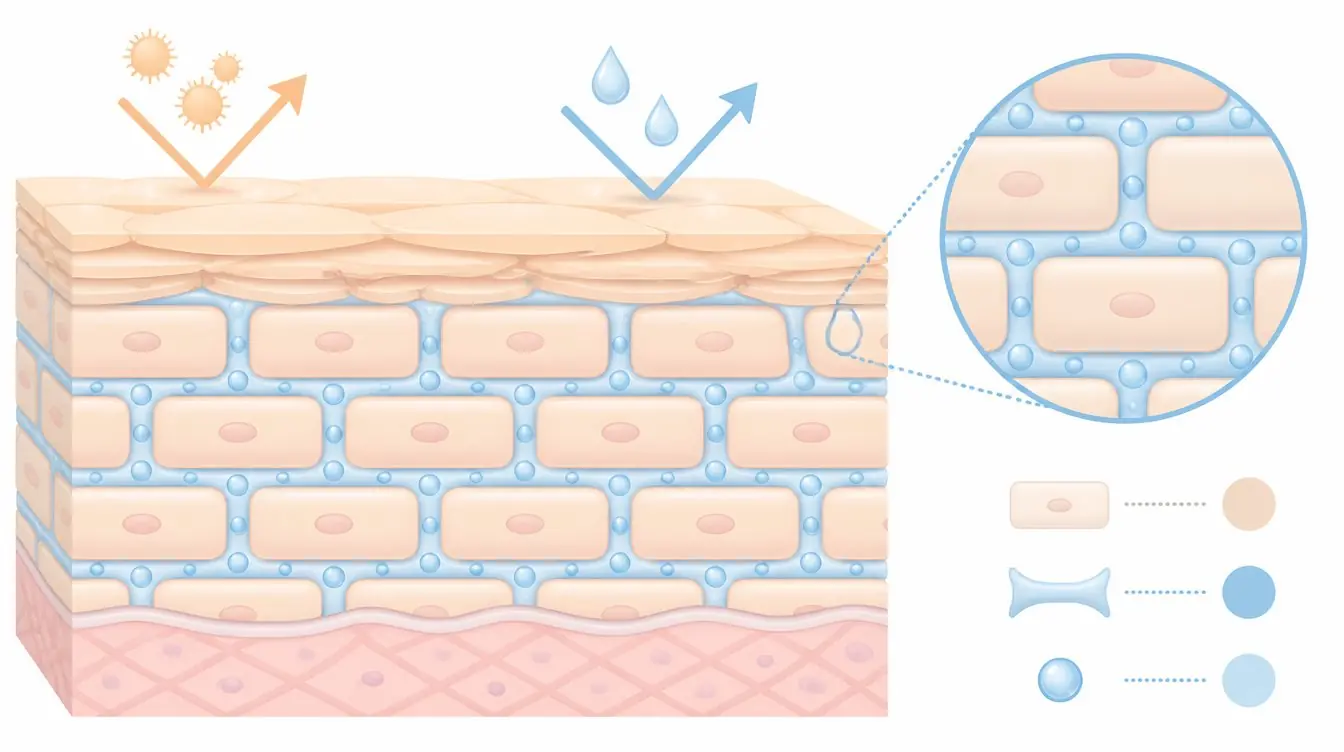
Ceramides are fatty molecules that make up close to half of the skin barrier, the outermost layer that holds water in and keeps irritants out. When skin feels tight, stings for no reason, or flakes in patches, a depleted ceramide layer is usually the quiet cause. Ceramides are not new to skincare, and they are not rare. What changed in 2026 is how brands make and process them.
Fermented ceramides are ceramides produced or refined through microbial fermentation, the same broad process behind yoghurt, kimchi, and the traditional Korean essences that made fermentation a beauty buzzword in the first place. Instead of synthesising the lipid and leaving it in a large, heavy form, fermentation breaks it down and reshapes it into smaller, cleaner, more usable fragments.
The practical payoff is a ceramide that feels lighter on the skin, spreads more evenly, and works at a lower concentration. For anyone who has smeared on a thick barrier cream only to watch it sit on top of the face and transfer onto a pillowcase, that difference is the entire point.
How Fermentation Changes a Ceramide
Fermentation does more than shrink a molecule. It changes the character of the whole ingredient, which is why two products can both list ceramides and behave nothing alike.
Smaller molecules that absorb
Standard ceramides are large and tend to sit high in the skin, doing useful work at the surface but struggling to reach deeper layers. Fermentation cleaves them into smaller fragments that pass through the upper skin more readily. More of what you apply reaches the layers where barrier repair actually happens, rather than wiping off on a towel.
Higher purity, less irritation
The fermentation process removes many of the harsher byproducts left over from conventional lipid manufacturing. That cleaner end product is far less likely to sting or trigger reactive skin, which is why people with sensitive, easily provoked complexions reach for fermented actives first. When a barrier is already compromised, a gentle delivery matters more than a big number on the label.
Bonus byproducts skin loves
Fermentation also generates amino acids, peptides, and postbiotic compounds as it works. These extras feed the community of good bacteria living on the skin surface, and a balanced surface community is tightly linked to a resilient barrier. It is the reason fermented ceramides slot so naturally into the wider interest in feeding, rather than scrubbing, the skin.
Why the Skin Barrier Became 2026’s Obsession
For most of the last decade, skincare culture rewarded doing more: stronger acids, higher retinol percentages, longer routines. The predictable result was a wave of over-exfoliated, inflamed, barrier-damaged skin that no serum could fix because the problem was the routine itself.
The correction arrived as barrier-first thinking. Instead of chasing a glow through aggression, the goal became keeping the barrier strong enough to hold water, calming down quickly, and tolerating the activities people actually want to use. Fermented ceramides fit that mood exactly, because they rebuild the barrier without adding any irritation of their own.
The language changed too. The conversation moved from anti-ageing toward skin health and skin longevity, a shift toward caring how skin functions day to day rather than only how it looks in a mirror. A ceramide that repairs quietly and reliably is the ingredient that philosophy was waiting for.
Fermented Ceramides Versus Standard Ceramides
Both belong in a healthy routine, and neither is a gimmick. The honest read is that fermented ceramides are an upgrade in delivery and tolerance, not a replacement for the entire category. Here is how the two compare on the points that matter at the counter.
| Feature | Standard Ceramides | Fermented Ceramides |
|---|---|---|
| Molecule size | Larger, works higher in the skin | Smaller, penetrates more easily |
| Texture | Often rich and occlusive | Lighter, faster to absorb |
| Best for | Very dry, mature skin | Sensitive, reactive, combination skin |
| Extra byproducts | None | Amino acids, peptides, postbiotics |
| Typical price | Widely affordable | Usually a step up |
If your skin runs very dry and drinks up heavy creams, a classic ceramide moisturiser still earns its place. If it runs reactive, breaks out under rich textures, or you simply want faster absorption, fermented versions are the smarter starting point.
Signs Your Barrier Needs Ceramides
Most barrier damage is self-inflicted through harsh cleansers, daily exfoliation, and stacking too many actives at once. Knowing the warning signs helps you decide whether fermented ceramides are what your face is actually asking for.
- Tightness or a squeaky-clean feeling right after cleansing
- Sudden stinging from products that used to feel fine
- Flaky patches sitting right next to oily areas
- Redness that lingers longer than it used to
- Fine dehydration lines that appear even though you moisturize
Recognize three or more of these, and the fix is rarely another active. It is a stretch of barrier repair, and ceramides are the fastest way to get there.
How to Add Fermented Ceramides to Your Routine
The best part of this ingredient is that it plays well with almost everything. You do not need to rebuild your shelf. You only need to place it correctly, and the order below works for morning and night.
- Cleanse with a gentle, non-stripping wash so you are not undoing your barrier work at step one.
- Apply a hydrating layer, such as a light essence or a humectant serum, onto slightly damp skin.
- Layer your fermented ceramide serum or cream while the skin still feels a little tacky, which locks in the water underneath.
- Seal with a richer moisturiser at night if your skin is on the drier side.
- Finish every morning with sunscreen, since daily UV exposure quietly degrades barrier lipids.
Fermented ceramides also make a calm partner for structured routines. On the recovery nights of a rotation schedule, when skin is resting between stronger treatments, a ceramide layer is exactly what belongs on the face.
What to Layer Them With, and What to Avoid
Ceramides do their best work in company. They are one of three lipids the barrier is built from, alongside cholesterol and fatty acids, and formulas that combine all three tend to outperform ceramides used alone.
Good partners include humectants like hyaluronic acid and glycerin, soothing agents like centella and panthenol, and gentle repair ingredients like niacinamide at a moderate strength. The pairing to avoid is aggressive daily exfoliation. If you are still using a strong acid every night, you are draining the tub while trying to fill it, and no ceramide can win that fight.
Common Mistakes That Waste the Ingredient
Even a forgiving ingredient underperforms when it is set up to fail. These are the errors that keep people from seeing results.
The first is chasing the highest percentage. Ceramides work as part of a balanced lipid ratio, not on raw concentration, and a well-formulated blend at a modest level often beats a poorly balanced higher one. The second is expecting overnight transformation and quitting on day four. Surface comfort improves quickly, but visible barrier repair takes weeks. The third is treating ceramides as a spot fix rather than a daily habit. The barrier is rebuilt through consistency, not through a single dramatic application.
Fermented Ceramides for Specific Skin Types
The ingredient is close to universal, but a few tweaks make it work harder for different skin.
Sensitive and reactive skin
This is the group that benefits most. Fermented ceramides deliver repair without the byproducts that trigger stinging, so they can go on twice a day even during a flare of tightness. Pair them with centella or panthenol and hold off on actives until the skin settles.
Oily and acne-prone skin
Ceramides do not clog pores and do not treat acne directly, but a stronger barrier reduces the irritation and dryness that acne treatments cause. Many people find their retinoids and exfoliating acids suddenly become tolerable once a fermented ceramide layer is in the routine. Choose a lightweight serum texture rather than a heavy cream.
Mature and very dry skin
Barrier function naturally declines with age, so this group can lean on ceramides heavily. Layer a fermented ceramide serum under a richer occlusive cream at night to trap the repair work, and reintroduce any anti-ageing actives only after two or three weeks of barrier rebuilding.
How to Shop for a Good Formula
Ingredient lists reveal more than marketing does. Look for ceramides named specifically, such as ceramide NP, ceramide AP, or ceramide EOP, rather than a vague mention of ceramide complex with nothing to back it up. A formula that also lists cholesterol and fatty acids is signalling that it understands barrier science.
Position on the list matters. Ceramides sitting in the middle of an ingredient list are present in a meaningful amount, while ones buried at the very end may be there for the label alone. Fragrance-free and a short, focused ingredient list are both good signs for reactive skin.
What Results to Expect and When
Set the timeline correctly and you will not quit too early. In the first few days, skin usually feels more comfortable, less tight, and calmer after cleansing. Over two to four weeks of consistent use, the deeper changes settle in: less redness, steadier hydration, fewer flaky patches, and a noticeable jump in how much your skin tolerates the actives you were struggling with before.
Think of fermented ceramides less as a dramatic treatment and more as the foundation everything else is built on. A repaired barrier is what lets a retinoid work without wrecking the skin, what keeps hydration from evaporating by midday, and what turns a reactive complexion into one that finally behaves.
Where the Fermented Ceramide Trend Came From
Fermentation is not a marketing invention. It comes straight out of the Korean beauty tradition, where fermented rice, ginseng, and herbal extracts have been used on skin for centuries under the banner of hanbang, or traditional herbal medicine. The famous first-generation fermentation essences that made Korean skincare a global force were built on the same idea: that fermenting an ingredient makes it gentler and more bioavailable.
Applying that logic to ceramides was the natural next step, and 2026 is the year it went mainstream in the West. Barrier science and the fermentation trend collided at exactly the moment shoppers were tired of stripped, reactive skin. Brands that had spent years perfecting fermented essences simply turned the same process toward the one class of ingredient the barrier is literally built from, and the result was the wave of fermented ceramide serums, creams, and overnight masks that defined the year.
Fermented Ceramides Versus Other Barrier Ingredients
Ceramides are not the only barrier heroes on shelves, and understanding how they differ from their neighbours stops you from buying three products that all do the same thing. Ceramides rebuild the actual lipid matrix, the mortar between skin cells. That is a different job from what other popular barrier ingredients do.
Snail mucin and hyaluronic acid are primarily humectants and soothers. They pull in water and calm the surface, but they do not replace the lipids a damaged barrier is missing. Niacinamide signals the skin to make more of its own ceramides over time, which makes it a genuine partner rather than a competitor. Plain occlusives like petrolatum trap water but add no repair material. Fermented ceramides are the one ingredient in that lineup that supplies the missing building material directly, which is why they anchor a barrier routine rather than sitting on the sidelines of it.
Frequently Asked Questions About Fermented Ceramides
Are fermented ceramides better than regular ceramides?
Fermented ceramides absorb more easily and tend to suit sensitive or reactive skin better, because fermentation shrinks the molecule and strips out many irritating byproducts. Standard ceramides remain excellent for very dry or mature skin that wants a richer, more occlusive feel. Neither is strictly superior. The right choice comes down to your skin type and the texture you prefer, and many routines happily use both.
Can I use fermented ceramides every day?
Yes. Ceramides mirror lipids your skin already makes, so daily use morning and night is safe for almost everyone and is often the fastest way to rebuild a weakened barrier. Unlike actives such as retinoids or strong acids, there is no need to cycle them or build up tolerance. Consistent daily use is exactly what delivers the best barrier results over a few weeks.
Do fermented ceramides help with acne?
Not directly, but they help significantly around the edges. Fermented ceramides do not treat the bacteria or oil behind breakouts, yet a stronger barrier reduces the dryness, redness, and irritation that acne treatments cause. Many people find their retinoids and exfoliating acids become far more tolerable once ceramides are in the routine, which lets those treatments do their job without wrecking the skin.
What should I layer with fermented ceramides?
They pair beautifully with humectants like hyaluronic acid and glycerin, soothing agents like centella and panthenol, and barrier partners like cholesterol and fatty acids. Niacinamide at a moderate strength is another strong match. The one thing to avoid is aggressive daily exfoliation, which strips the barrier faster than the ceramides can rebuild it. Apply ceramides onto slightly damp skin to lock in the hydration underneath.
How long until fermented ceramides show results?
Surface comfort often improves within a few days, with skin feeling less tight and calmer after cleansing. The deeper barrier repair, meaning less redness, steadier hydration, and fewer flaky patches, usually settles in over two to four weeks of consistent twice-daily use. Set that timeline in advance so you do not quit at day four expecting an overnight transformation that no barrier ingredient can deliver.
Are fermented ceramides safe during pregnancy?
Ceramides are generally considered among the safest skincare ingredients because they replicate lipids the skin makes naturally, and they are a common recommendation for the dryness and sensitivity that often come with pregnancy. That said, finished products contain other ingredients too, so anyone who is pregnant should scan the full formula for actives they have been advised to avoid and check with their own doctor if anything is unclear.
RELATED ARTICLES:
- Microbiome Skincare: How to Feed Your Skin’s Good Bacteria
- Snail Mucin for Skin: The K-Beauty Barrier Hero Explained
- Centella Asiatica: The Soothing Ingredient for Sensitive Skin
About The Author

COMMENTS