






Uncover the science behind snail mucin for skin. Learn how snail secretion filtrate hydrates, heals, and anti-ages your complexion and how to add it to your routine.
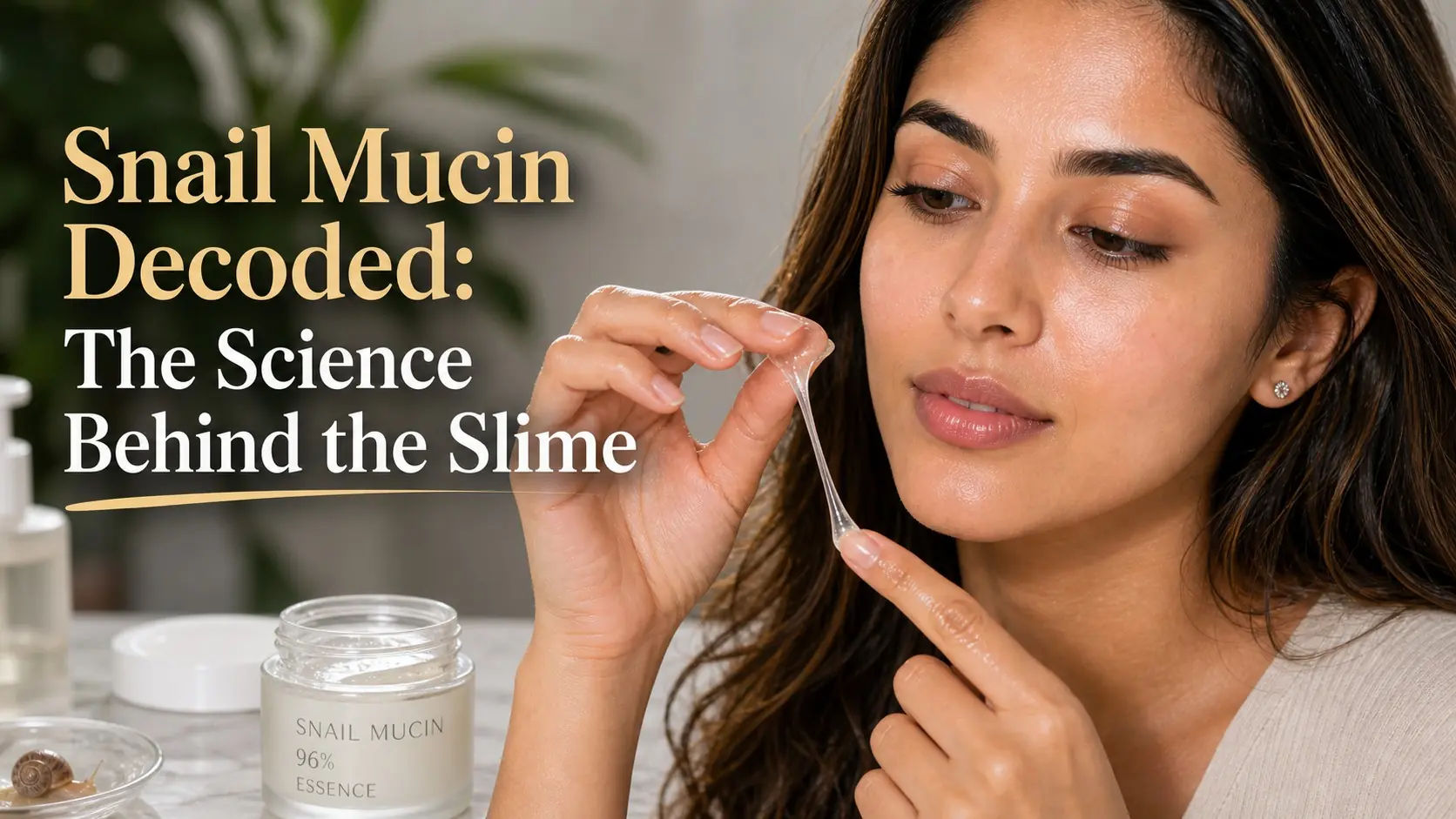
Snail mucin for skin is the K-beauty ingredient that sounds bizarre but delivers brilliant results, from deep hydration to faster healing. This guide decodes the science behind snail mucin for skin and shows you how to use snail secretion filtrate for a plumper, calmer complexion.
If you have ever stumbled across a skincare ingredient that sounds both bizarre and brilliant at the same time, snail mucin for skin is exactly that. Once dismissed as a novelty from K-beauty culture, snail secretion filtrate has since earned a respected place in dermatology-backed skincare routines worldwide. Scientists, aestheticians, and everyday skincare enthusiasts have all taken notice, and for good reason. This glistening, viscous substance produced by garden snails contains a remarkably complex cocktail of bioactive compounds that interact with human skin in ways that few synthetic ingredients can replicate. Whether your concern is deep hydration, fading post-acne marks, smoothing fine lines, or strengthening your skin barrier, the science behind snail mucin offers compelling evidence that this ingredient truly delivers. This article breaks down exactly how it works, what the research says, who benefits most, and how to incorporate it wisely into your daily regimen.
What Is Snail Mucin and Where Does It Come From?
Snail mucin, formally known as snail secretion filtrate (SSF), is a complex biological fluid produced by land snails, most commonly the species Cryptomphalus aspersa. In nature, snails produce this secretion for multiple purposes: to lubricate their movement across surfaces, to protect their soft bodies from environmental hazards like sharp edges and UV radiation, and to facilitate rapid tissue repair when injured.
For centuries, traditional healers in various cultures observed that snail farmers often had remarkably smooth, supple hands, which sparked early curiosity about the protective properties of this slime. It was not until the late 20th century, particularly in Chilean snail farming operations, that researchers began formally analysing the composition and therapeutic potential of snail secretion filtrate.
Published · Updated
The quality of the final ingredient depends heavily on the snail species used, their diet, living conditions, and the processing methods applied. Snails raised in clean, well-monitored environments with nutrient-rich diets tend to produce secretions with higher concentrations of beneficial compounds.
The Difference Between Raw Snail Slime and Snail Secretion Filtrate
It is important to distinguish between raw snail slime and cosmetic-grade snail secretion filtrate. The raw slime contains impurities, bacteria, and compounds that are not suitable for topical application. Snail secretion filtrate is the purified, processed version that has been filtered and stabilised for safe use in skincare products. When you see snail secretion filtrate listed on an ingredient label, it indicates this refined form rather than unprocessed slime.
The Biochemical Composition of Snail Mucin for Skin
Understanding why snail mucin for skin works so effectively requires a closer look at its molecular makeup. The secretion is not a single compound but rather a rich matrix of biologically active molecules, each contributing distinct benefits to the skin.
Glycoproteins and Proteoglycans
Glycoproteins are proteins bonded to carbohydrate chains, and they form a significant portion of snail mucin composition. These molecules are essential for cell communication, tissue repair signalling, and maintaining structural integrity in the skin. Proteoglycans, a subclass of glycoproteins, are particularly notable because they help retain water within the extracellular matrix, contributing to skin plumpness and elasticity.
Glycolic Acid
Snail secretion filtrate contains naturally occurring glycollic acid, an alpha-hydroxy acid (AHA) that gently exfoliates the skin by loosening the bonds between dead skin cells. This promotes cellular turnover, revealing fresher, more radiant skin underneath. Unlike synthetic glycollic acid at high concentrations, the naturally occurring amount in snail mucin is mild enough to provide exfoliation benefits without the irritation commonly associated with standalone AHA treatments.
Allantoin
Allantoin is one of the most celebrated compounds in snail mucin. It is a naturally occurring compound known for its ability to stimulate cell proliferation and accelerate wound healing. Research has demonstrated that allantoin promotes the shedding of damaged tissue and encourages the growth of new, healthy cells. It also has soothing and anti-irritant properties, making it particularly beneficial for sensitive or compromised skin. In concentrations found in snail secretion filtrate, allantoin acts as a skin-conditioning agent that softens and smooths the skin surface.
Hyaluronic Acid
Hyaluronic acid needs little introduction in the skincare world, and its presence in snail mucin is a key reason this ingredient delivers such impressive hydration. A single molecule of hyaluronic acid can hold up to 1,000 times its own weight in water, making it one of the most effective humectants available. The hyaluronic acid in snail secretion filtrate works in concert with other compounds to attract moisture from the environment and bind it to the skin, maintaining hydration throughout the day.
Elastin and Collagen-Stimulating Compounds
Snail mucin contains compounds that stimulate fibroblast activity in the dermis. Fibroblasts are the cells responsible for producing collagen and elastin, the structural proteins that keep skin firm and resilient. As we age, fibroblast activity naturally declines, leading to the visible signs of aging such as fine lines and loss of firmness. The bioactive compounds in snail secretion filtrate have been shown in several studies to upregulate collagen synthesis, supporting the skin natural repair mechanisms from within.
Copper Peptides
Copper peptides are naturally present in snail mucin and are well-documented for their role in skin regeneration. These small protein fragments carry copper ions that are essential for the activation of certain enzymes involved in collagen and elastin synthesis. Copper peptides also have antioxidant and anti-inflammatory properties, helping to protect the skin from environmental damage and reduce redness.
Antimicrobial Peptides
The snail secretion serves as a natural defence mechanism against pathogens in its environment, and this defensive function translates into skincare benefits. Antimicrobial peptides found in snail mucin can help reduce the presence of acne-causing bacteria on the skin surface without disrupting the skin beneficial microbiome. This makes snail mucin particularly interesting for those dealing with acne-prone skin.
How Snail Mucin for Skin Promotes Hydration
Hydration is perhaps the most universally appreciated benefit of snail mucin for skin, and the mechanisms behind it are multifaceted. Rather than relying on a single moisturising action, snail secretion filtrate works through several simultaneous pathways to deliver and maintain optimal skin moisture levels.
The hyaluronic acid and glycoproteins in snail mucin function as humectants, drawing water from the environment and the deeper layers of the skin toward the surface. At the same time, the film-forming properties of the mucin itself create a breathable occlusive layer that slows transepidermal water loss (TEWL). This dual action means that snail mucin not only adds moisture but also helps the skin retain what it already has.
Transepidermal Water Loss and the Skin Barrier
Transepidermal water loss is a measure of how much moisture escapes through the skin outer layer. A high TEWL value indicates a compromised skin barrier that is allowing too much moisture to evaporate. Research on snail secretion filtrate has demonstrated measurable reductions in TEWL after consistent application, suggesting that the ingredient actively supports barrier function.
The proteoglycans in snail mucin contribute to this by replenishing components of the extracellular matrix that support barrier integrity. When the extracellular matrix is well-maintained, the skin natural layered structure remains cohesive, reducing moisture escape and improving resilience against environmental stressors.
Immediate vs. Long-Term Hydration Effects
Users of snail mucin products typically notice two distinct phases of hydration benefit. Immediately after application, the skin feels noticeably plumper and more supple due to the humectant action of hyaluronic acid and glycoproteins pulling moisture to the surface. Over weeks of consistent use, a deeper and more lasting improvement in skin texture and moisture retention develops as the barrier-strengthening compounds do their slower, more structural work. This combination of immediate and cumulative benefits is one reason snail mucin has developed such a devoted following.
The Role of Snail Mucin in Skin Repair and Wound Healing
The wound-healing properties of snail mucin are among its best-documented attributes, supported by both traditional use and modern clinical research. The secretion evolved specifically to help snails repair their own tissue damage rapidly, and this regenerative capability carries over to human skin biology in meaningful ways.
Stimulating Cell Proliferation
Allantoin, one of the primary active compounds in snail secretion filtrate, has been extensively studied for its role in cell proliferation. It stimulates the growth of new skin cells while simultaneously helping to remove damaged or dead tissue. This process accelerates the skin natural healing cycle and reduces the time it takes for minor wounds, irritations, and post-acne marks to resolve.
Reducing Post-Inflammatory Hyperpigmentation
One of the most practically significant benefits of snail mucin for skin is its effectiveness in fading post-inflammatory hyperpigmentation (PIH), the dark marks left behind after acne lesions heal. PIH occurs when the skin produces excess melanin in response to inflammation. The glycollic acid in snail mucin gently accelerates cell turnover, helping to shed pigmented cells more quickly, while the anti-inflammatory compounds reduce the initial inflammatory response that triggers excess melanin production in the first place.
Studies have shown that consistent application of snail secretion filtrate can significantly reduce the appearance of PIH over an 8- to 12-week period, making it a valuable tool for anyone dealing with the aftermath of acne breakouts or other inflammatory skin conditions.
Supporting Recovery After Cosmetic Procedures
Dermatologists and aestheticians have increasingly begun recommending snail mucin formulations as part of post-procedure recovery protocols following treatments such as chemical peels, microneedling, and laser resurfacing. The combination of wound-healing, anti-inflammatory, and barrier-strengthening properties makes it well-suited for calming and accelerating recovery in skin that has been intentionally disrupted for therapeutic purposes. The key is to select formulations that are gentle and free of potentially irritating additives during the recovery period.
Anti-Aging Benefits of Snail Mucin for Skin
The anti-ageing potential of snail mucin for skin is one of the primary reasons it has attracted mainstream attention and scientific scrutiny. Multiple mechanisms contribute to its ability to address visible signs of aging, from fine lines and wrinkles to loss of firmness and dullness.
Collagen Synthesis and Fibroblast Stimulation
The bioactive compounds in snail secretion filtrate stimulate fibroblast activity in the dermis. A 2012 study published in a peer-reviewed dermatology journal found that application of snail secretion filtrate significantly increased the production of procollagen type I in human skin fibroblasts, the precursor to mature collagen. This suggests that snail mucin does not merely mask the appearance of aging but actively contributes to rebuilding the structural proteins that keep skin looking youthful.
Collagen production naturally declines at a rate of approximately 1 percent per year beginning in the mid-20s, and this decline accelerates with UV exposure, pollution, and other environmental stressors. By stimulating fibroblasts, snail mucin helps partially offset this decline, supporting firmer, more resilient skin over time.
Antioxidant Protection
Free radical damage is one of the primary drivers of accelerated skin aging. Environmental factors such as UV radiation, air pollution, and cigarette smoke generate free radicals, which are unstable molecules that damage cellular structures, including DNA, lipids, and proteins. Snail mucin contains antioxidant compounds, including superoxide dismutase, an enzyme that neutralises free radicals and protects skin cells from oxidative stress. This antioxidant activity adds another layer of anti-ageing protection beyond the structural support provided by collagen stimulation.
Improving Skin Texture and Tone
The combined action of gentle exfoliation from glycollic acid, cell renewal stimulation from allantoin, and collagen support from fibroblast-activating compounds results in a progressive improvement in skin texture. Users typically report that their skin feels smoother and looks more even-toned after consistent use, with fine lines appearing less pronounced and overall radiance improving. These textural improvements are cumulative, building over weeks and months of regular application.
Snail Mucin for Acne-Prone and Sensitive Skin
Despite its impressive resume of active compounds, snail mucin has a notably gentle profile that makes it suitable for a wider range of skin types than many other potent skincare ingredients. This is particularly relevant for those with acne-prone or sensitive skin, who often struggle to find effective ingredients that do not cause additional irritation.
Anti-Inflammatory Properties
Inflammation is at the root of most acne lesions, and snail mucin anti-inflammatory compounds help to calm this response. By reducing the inflammatory cascade triggered by bacterial activity and clogged pores, snail secretion filtrate can help minimise the severity and duration of breakouts. This does not mean it prevents new breakouts from forming entirely, but it can reduce their impact and speed the healing process.
Non-Comedogenic Profile
Snail secretion filtrate is generally considered non-comedogenic, meaning it does not tend to clog pores. This is important for acne-prone skin types, as many moisturising ingredients that are effective for dry skin can exacerbate acne by blocking follicles. The lightweight, water-based nature of most snail mucin formulations means they can provide substantial hydration without the pore-clogging risk associated with heavier oils and creams.
Soothing Reactive Skin
For those with sensitive or reactive skin conditions such as rosacea or eczema, the soothing properties of allantoin and the barrier-repairing effects of snail mucin can be genuinely beneficial. The ingredient helps calm redness and irritation while strengthening the compromised barrier that is often at the root of reactive skin behaviour. That said, individuals with severe skin conditions should consult a dermatologist before introducing any new skincare ingredient, including snail mucin.
The Scientific Research Behind Snail Mucin for Skin
The popularity of snail mucin has been accompanied by a growing body of scientific literature examining its efficacy and mechanisms of action. While more large-scale randomised controlled trials are needed, the existing research provides a solid foundation for the claims made about this ingredient.
Clinical Studies on Wound Healing
Several clinical studies have examined the wound-healing properties of snail secretion filtrate. A notable study published in a European dermatology journal tested SSF on patients with minor skin abrasions and found that treated areas healed significantly faster than control areas treated with standard wound care alone. The researchers attributed this to the combined action of allantoin, glycoproteins, and growth factors present in the secretion.
Research on Collagen and Elastin Production
Laboratory studies using human skin fibroblast cultures have consistently demonstrated that snail secretion filtrate upregulates the production of collagen and elastin when applied at concentrations found in cosmetic formulations. One study specifically found that SSF increased procollagen type I synthesis by a statistically significant margin compared to untreated controls, providing mechanistic evidence for the anti-ageing claims associated with this ingredient.
Studies on Hyperpigmentation
Research into the effect of snail mucin on hyperpigmentation has shown promising results. The dual action of glycollic acid promoting cell turnover and the overall anti-inflammatory effect reducing the trigger for excess melanin production has been observed to reduce the intensity of PIH in test subjects over an 8- to 12-week treatment period. These findings are consistent with the anecdotal reports from long-term users of snail mucin products.
Safety and Biocompatibility Research
Multiple studies have evaluated the safety profile of snail secretion filtrate for topical use. The ingredient has been found to be well-tolerated across a wide range of skin types, with a low incidence of allergic reactions or adverse effects. Patch testing studies have confirmed its safety for most users, though as with any ingredient, individual sensitivities can occur.
How to Use Snail Mucin in Your Skincare Routine
Understanding when and how to apply snail mucin in your routine is just as important as understanding what it does. Placement within the skincare layering sequence affects how well the active compounds are absorbed and how effectively they interact with other ingredients in your regimen.
Optimal Placement in the Routine
The general principle in skincare layering is to apply products from thinnest to thickest consistency. Snail mucin typically comes in essence, serum, or gel form, all of which are relatively lightweight. This means it generally belongs in the middle of your routine, after cleansing and toning but before heavier moisturisers and oils.
A typical sequence for incorporating snail mucin would be cleanser, toner, snail mucin essence or serum, additional treatment serums if needed, moisturiser, and then SPF in the morning. This positioning allows the bioactive compounds in snail mucin to be applied to clean, slightly damp skin where absorption is optimal.
Morning vs. Evening Application
Snail mucin can be used effectively in both morning and evening routines. In the morning, it provides hydration and a protective foundation beneath your SPF. In the evening, its repair and regenerative properties can work in alignment with the skin natural overnight renewal processes, which peak between 11 PM and 4 AM. Many skincare enthusiasts choose to use it twice daily for maximum benefit, and the gentle nature of the ingredient makes twice-daily use generally well-tolerated.
Layering With Other Active Ingredients
One of snail mucin practical advantages is its compatibility with most other skincare actives. It pairs particularly well with vitamin C, niacinamide, hyaluronic acid, and centella asiatica, creating routines that address multiple skin concerns simultaneously without conflict. It is generally safe to use alongside retinol as well, and some users find that applying snail mucin before or after retinol helps buffer some of the dryness and irritation that retinol can cause.
The main caution is with very high concentrations of exfoliating acids such as 20 percent or higher AHA or BHA formulations. At these concentrations, the acidic pH may destabilise some of the proteins in snail mucin. Using snail mucin on separate occasions from high-concentration acid treatments, or on alternating nights, is a sensible approach.
How Much to Apply
A small amount of snail mucin goes a long way. For an essence, 2 to 3 drops or a small coin-sized amount is typically sufficient for the entire face and neck. Because of its viscous texture, it spreads easily across the skin surface. Patting rather than rubbing the product in helps preserve the film-forming quality and encourages even absorption.
Who Benefits Most from Snail Mucin for Skin
While snail mucin is broadly beneficial across skin types, certain skin concerns and profiles tend to see the most pronounced improvements from consistent use of this ingredient.
Dry and Dehydrated Skin
Those with chronically dry or dehydrated skin tend to see rapid and dramatic improvement with snail mucin. The combination of humectant action, barrier repair, and reduced transepidermal water loss addresses the root causes of dryness at multiple levels. Skin that previously felt tight, flaky, or rough often transforms noticeably within two to four weeks of consistent use.
Aging Skin Concerns
For those in their 30s and beyond who are noticing the early signs of skin aging, snail mucin offers a compelling combination of collagen stimulation, antioxidant protection, and gentle exfoliation that addresses multiple age-related concerns in a single ingredient. It is not a replacement for prescription retinoids or in-office procedures, but it is a valuable supportive ingredient in any anti-ageing regimen.
Post-Acne Skin Recovery
People dealing with the aftermath of acne breakouts, including PIH, acne scars, and general skin texture irregularities, find snail mucin particularly useful. The combination of cell renewal stimulation, gentle exfoliation, and anti-inflammatory action creates an ideal environment for skin recovery and evening of tone and texture.
Compromised Skin Barriers
Over-exfoliated, over-cleansed, or environmentally stressed skin with a compromised barrier benefits significantly from snail mucin barrier-repairing properties. The ingredient helps rebuild the structural components of the skin protective layer, reducing sensitivity and reactivity over time.
Potential Side Effects and Precautions
Snail mucin has an excellent safety profile, but it is not without potential considerations for certain individuals. Being informed about these allows you to use the ingredient wisely and respond appropriately if any issues arise.
Allergy Considerations
The most significant contraindication for snail mucin is a known allergy to molluscs. Since snails are molluscs, individuals with mollusc allergies should avoid snail mucin products or proceed only with medical guidance. Additionally, some individuals may have sensitivities to other components commonly found in snail mucin formulations, such as specific preservatives or fragrance compounds, so reviewing the full ingredient list is always advisable.
Patch Testing
As with any new skincare ingredient, patch testing before full facial application is recommended. Apply a small amount of the product to the inner forearm or behind the ear and wait 24 to 48 hours to observe any reaction. This simple precaution can prevent a full-face reaction if sensitivity exists.
Interactions With Certain Skin Conditions
While snail mucin is generally soothing for reactive skin, those with active, severe eczema or rosacea flare-ups should consult with a dermatologist before introducing any new ingredient. During active flares, the skin barrier is significantly compromised, and even gentle ingredients can sometimes provoke unexpected reactions.
Texture Reactions
Some users report a slight stinging or tingling sensation upon initial application of snail mucin, which may be attributable to the naturally occurring glycollic acid content. This is usually mild and transient, subsiding after a few seconds. If the sensation is persistent or uncomfortable, it may indicate sensitivity, and the product should be discontinued.
Snail Mucin in the Context of K-Beauty and Global Skincare Trends
It would be incomplete to discuss snail mucin without acknowledging its cultural origins and the broader skincare philosophy from which it emerged. K-beauty, the Korean approach to skincare, introduced snail secretion filtrate to the global market in the early 2010s and fundamentally changed how the rest of the world thinks about skincare ingredients.
The K-Beauty Philosophy and Ingredient Innovation
Korean skincare philosophy emphasises long-term skin health over quick fixes, a multi-step approach that addresses multiple skin functions simultaneously, and a willingness to embrace unusual ingredients with demonstrated biological efficacy. This philosophy created an environment in which an ingredient like snail mucin, which might have been dismissed as too unconventional in Western markets, was embraced and developed into sophisticated, well-formulated products.
The K-beauty industry success in popularising snail mucin has also had the broader effect of encouraging more rigorous scientific examination of traditional and folk ingredients, contributing to a more evidence-informed approach to skincare ingredient selection globally.
Western Dermatology Reception of Snail Mucin
Initially, Western dermatologists were cautious about snail mucin, as with many ingredients that arrive through popular culture rather than pharmaceutical research pipelines. However, as the body of peer-reviewed research has grown and as the individual compounds in snail secretion filtrate have been studied in isolation and combination, clinical acceptance has increased. Today, many board-certified dermatologists actively recommend snail mucin as part of their patients’ routines, particularly for hydration, barrier repair, and post-procedure recovery.
Sustainability and Ethical Considerations
As consumer awareness of ingredient sourcing has grown, the ethical and environmental aspects of snail mucin production have come under greater scrutiny. The most responsible producers use cruelty-free collection methods and maintain standards that prioritise snail welfare. Consumers who wish to prioritise ethical sourcing should look for products from companies that are transparent about their collection practices and can verify that their methods do not cause harm to the snails involved.
Building a Complete Snail Mucin Skincare Routine
To fully leverage the benefits of snail mucin for skin, it helps to understand how to build a complete routine that supports and amplifies its effects. No single ingredient works in isolation, and snail mucin is most effective when part of a thoughtfully constructed regimen.
Morning Routine Framework
Begin with a gentle, pH-balanced cleanser that removes overnight sebum and product residue without stripping the skin. Follow with a hydrating toner to restore the skin pH and prepare the surface for subsequent absorption. Apply snail mucin essence, patting it gently into the skin until absorbed. If using additional serums such as a vitamin C treatment, apply these next from thinnest to thickest. Seal everything in with a moisturiser appropriate for your skin type, and finish with a broad-spectrum SPF 30 or higher. This sequence allows snail mucin to work synergistically with protective and brightening ingredients while the SPF provides essential defence against UV-induced damage and pigmentation.
Evening Routine Framework
Evening routines can be slightly more intensive since the skin enters its repair and regeneration phase during sleep. Begin with a double cleanse if you wear SPF or makeup: an oil-based first cleanser followed by a water-based cleanser. After toning, apply snail mucin essence. In the evening, this is a good point to incorporate treatment ingredients such as retinol or niacinamide, depending on your specific concerns. Finish with a richer night moisturiser or sleeping mask to support overnight recovery. The snail mucin regenerative compounds will work alongside the skin natural overnight renewal processes for compounded benefit.
Frequency and Consistency Expectations
Consistency is the single most important factor in seeing results from snail mucin. Unlike some actives that produce visible changes within days, the deeper structural benefits of snail mucin, including collagen stimulation and barrier reinforcement, develop over weeks and months. Hydration improvements are often noticeable within the first week, while texture refinement, PIH reduction, and anti-ageing effects typically become apparent at the 4- to 8-week mark, with continued improvement through 12 weeks and beyond.
Frequently Asked Questions About Snail Mucin for Skin
Is snail mucin safe to use every day?
Yes, snail mucin is safe and appropriate for daily use for most people. Its gentle formulation and low irritation potential make it suitable for twice-daily application in both morning and evening routines. The naturally occurring compounds in snail secretion filtrate are well-tolerated even with frequent use, and consistent daily application is actually necessary to achieve the deeper structural benefits such as collagen stimulation and barrier strengthening. The only individuals who should proceed cautiously are those with known mollusc allergies or those experiencing severe inflammatory skin conditions, who should consult a dermatologist before beginning use.
How long does it take to see results from snail mucin for skin?
The timeline for visible results varies depending on the specific concern being addressed. Hydration improvements are typically noticeable within the first week of consistent use, as the humectant action of the ingredient begins drawing moisture to the skin surface immediately. For skin texture improvement and reduction of post-acne marks, most users begin to notice meaningful changes between 4 and 8 weeks of twice-daily application. Anti-ageing benefits such as reduced fine lines and improved firmness generally require a minimum of 8 to 12 weeks to become apparent, with continued improvement over longer periods. Patience and consistency are essential, as the deeper mechanisms of collagen synthesis and barrier repair are gradual processes.
Can snail mucin clog pores or cause breakouts?
Snail secretion filtrate is generally considered non-comedogenic and does not tend to clog pores. Its lightweight, water-based consistency is well-suited for acne-prone skin, and the antimicrobial peptides it contains can actually help reduce acne-causing bacteria on the skin surface. Some users may experience initial skin purging when first introducing snail mucin, particularly if it is being used alongside other actives that accelerate cell turnover. Purging, if it occurs, typically resolves within two to four weeks. If persistent breakouts develop beyond this window, it may indicate sensitivity to another ingredient in the formulation rather than the snail mucin itself, and reviewing the full ingredient list is advisable.
Is snail mucin suitable for all skin types?
Snail mucin is one of the more universally applicable skincare ingredients, suitable for dry, oily, combination, normal, sensitive, and acne-prone skin types. Dry skin benefits from its intensive hydration and barrier-repair properties. Oily and acne-prone skin benefits from its lightweight texture, non-comedogenic profile, and antimicrobial properties. Sensitive skin benefits from the soothing action of allantoin and the overall anti-inflammatory character of the secretion. Mature skin benefits from collagen stimulation and antioxidant protection. The primary exception is individuals with mollusc allergies, who should avoid this ingredient.
How does snail mucin compare to hyaluronic acid for hydration?
Both snail mucin and hyaluronic acid are exceptional hydrating ingredients, but they work in complementary rather than competing ways. Hyaluronic acid is a highly concentrated humectant that excels at drawing large amounts of moisture to the skin surface quickly. Snail mucin contains hyaluronic acid as one of its many components but also provides additional mechanisms for moisture retention, including the formation of a protective film on the skin surface that reduces transepidermal water loss and the strengthening of barrier structures that help the skin hold onto moisture long-term. The result is that snail mucin provides a more holistic and sustained hydration effect compared to standalone hyaluronic acid serums. Many skincare enthusiasts use both together for maximum benefit, layering a hyaluronic acid serum beneath snail mucin for immediate and lasting hydration.
Can you use snail mucin with retinol?
Yes, snail mucin and retinol can be used together and are actually a particularly effective pairing. Retinol is one of the most powerful anti-ageing ingredients available, but it is also commonly associated with dryness, peeling, and irritation, especially during the initial adjustment period. Snail mucin helps mitigate these side effects by providing intense hydration, barrier support, and the soothing action of allantoin. Many dermatologists and skincare professionals recommend sandwiching retinol between layers of snail mucin, applying snail mucin first, then retinol once it has absorbed, and finishing with snail mucin again as a buffer. This combination addresses anti-ageing from two distinct angles, making it a powerful approach for those focused on long-term skin health and youthfulness.
Conclusion
Snail mucin for skin has completed a remarkable journey from folk-remedy curiosity to scientifically validated skincare staple, and the evidence supporting its place in modern skincare routines is robust and growing. The unique biochemical complexity of snail secretion filtrate, with its interacting matrix of glycoproteins, allantoin, hyaluronic acid, glycollic acid, copper peptides, and antimicrobial compounds, creates a synergistic effect that few synthetic formulations can replicate.
What makes snail mucin genuinely special is not any single compound but the way these components work together to address skin health from multiple directions simultaneously. It hydrates deeply and durably, repairs and strengthens the skin barrier, stimulates collagen and elastin production, accelerates wound healing and post-acne recovery, provides gentle exfoliation, and delivers antioxidant protection, all while maintaining a safety profile gentle enough for sensitive skin and frequent use.
Whether you are new to skincare exploration or a seasoned enthusiast looking to deepen your understanding of ingredients that truly make a difference, snail mucin deserves serious consideration. The science is sound, the practical benefits are well-documented, and the experience of countless users across the globe confirms what researchers are increasingly demonstrating in clinical settings.
Incorporating snail mucin into a thoughtfully constructed routine, used consistently and combined with complementary ingredients like vitamin C, niacinamide, and SPF, creates a foundation for skin that is not just temporarily improved but genuinely healthier over time. That is the promise of snail mucin decoded: not just the science behind the slime, but a practical pathway to the skin you want to live in.
RELATED ARTICLES:
Retinol Decoded: The Essential Guide to the Anti-Aging Powerhouse Ingredient
Unveiling the Secret to Radiance: Tamarind Extract in Skincare
Skincare-infused makeup: Why your 2026 foundation should double as a serum
PDRN Skincare: The K‑Beauty Ingredient That Went From Clinics to Your Vanity
Skin Tints That Work For a Natural Base
About The Author

COMMENTS