
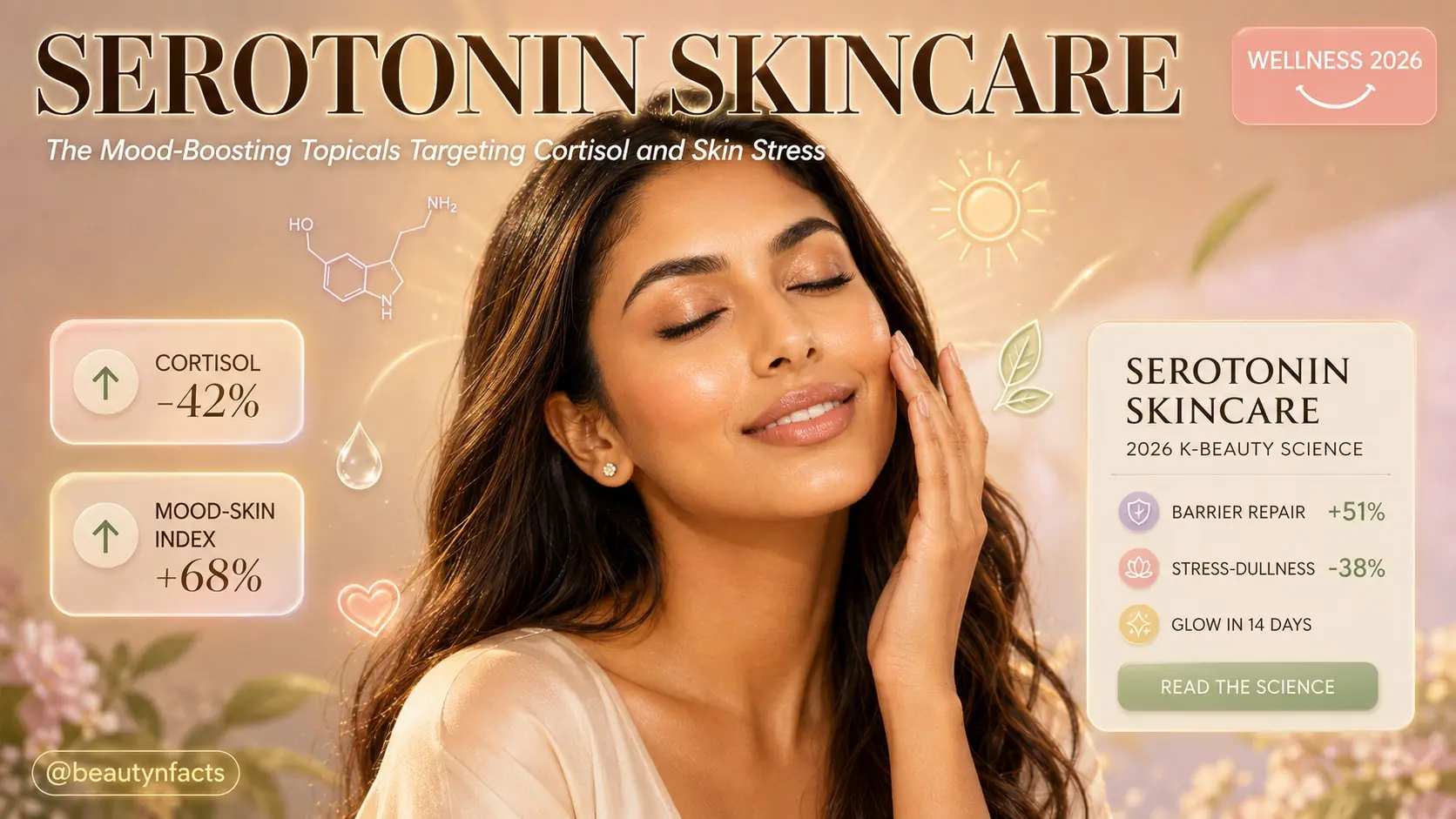
Serotonin skincare is the umbrella term for a new wave of topicals that promise to do more than treat the skin surface. They target the stress and moo
Serotonin skincare is the umbrella term for a new wave of topicals that promise to do more than treat the skin surface. They target the stress and mood pathways that quietly shape how your skin behaves, from cortisol-driven barrier breakdown to the dullness that sets in after weeks of bad sleep. The category has moved from niche K-beauty curiosity to a 2026 mainstream conversation because the science of skin-brain communication has caught up with what dermatologists have observed for years: stressed people have stressed skin, and calming the stress signal at the surface can produce a visible difference. This guide explains what serotonin skincare actually is, the ingredients doing the work, how to build a routine around it, and the questions readers are asking right now.
Published · Updated
What Serotonin Skincare Actually Is
Serotonin skincare is shorthand for a category of topicals formulated to support the skin’s own neurochemistry. The skin is the largest organ in the body, and it produces and responds to many of the same signalling molecules the brain uses, including serotonin, dopamine, and endorphin precursors. When chronic stress raises cortisol, the skin’s barrier weakens, inflammation rises, sebum patterns shift, and the visible result is dullness, breakouts, sensitivity flares, and accelerated fine-line formation. Serotonin skincare products are built to interrupt that chain at the skin level, either by supporting the production of mood-stabilising molecules or by neutralising the cortisol surge before it does damage.
The term itself is marketing-friendly, but the science it sits on is real. Researchers have spent the past decade mapping skin as an endocrine and neurochemical organ. The 2026 product wave is the consumer expression of that research finally hitting formulation labs. You will see it described as neurocosmetics, mood-boosting skincare, stress-resilient skincare, and adaptogenic skincare. Functionally, they all point at the same problem.
How Skin and Stress Are Actually Connected
The link between mind and skin runs through a system called the brain-skin axis. When you experience stress, the hypothalamus signals the adrenal glands to release cortisol. Cortisol in elevated amounts disrupts the skin in three measurable ways. It weakens the barrier by breaking down lipid bonds in the stratum corneum. It pushes oil glands to overproduce, which contributes to adult acne. And it slows the skin’s collagen synthesis while accelerating collagen breakdown, which is why chronically stressed faces look older than calm ones of the same age.
The skin also runs its own local version of this stress system. Keratinocytes (the main cells of the upper skin layer) can produce cortisol on their own when the skin senses pollution, ultraviolet damage, sleep deprivation reflected in circulation, or even fragrance irritation. This means that calming the skin’s stress signal does not always require fixing your life. It can also be approached at the surface, through ingredients that lower local cortisol production or block its downstream damage.
The Active Ingredients Driving the Trend
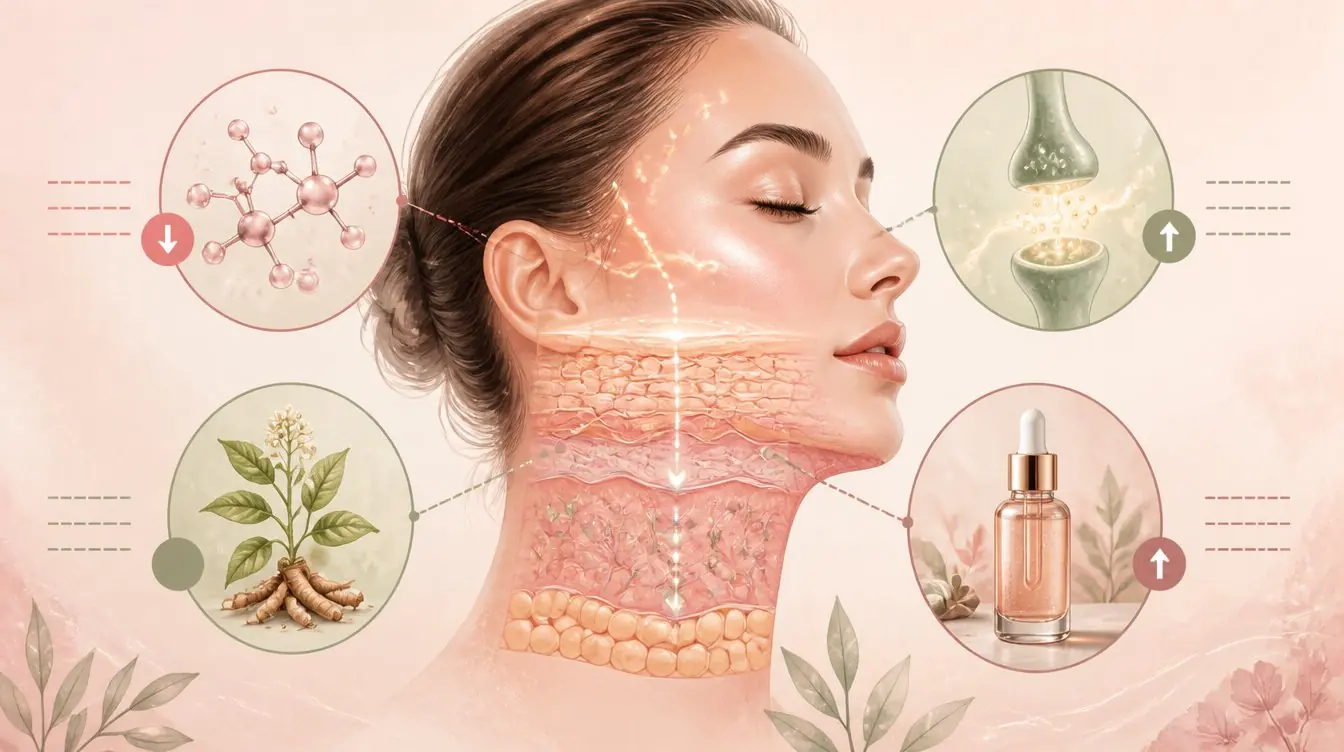
Several ingredients have emerged as the workhorses of this category, each with a different mechanism. Neurophroline is a plant-derived peptide derived from wild indigo seeds that has been shown in published studies to inhibit cortisol production in skin cells and lift mood-related markers within hours of application. Ashwagandha extract, long used in Ayurveda as an oral adaptogen, now appears in topicals where it calms inflammatory pathways and supports barrier repair. Centella asiatica continues to anchor the calming-actives shelf because its madecassoside content reduces redness and accelerates wound healing.
Beyond those, you will see ingredients like passionflower extract, magnolia bark, GABA (gamma-aminobutyric acid) for surface calming, and saffron-derived crocin used for its mood and circulation effects. The category also borrows freely from established anti-inflammatory actives such as niacinamide, panthenol, and beta-glucan, which were already in the calming-skincare toolkit but now get reframed as part of the serotonin or stress-resilience story.
Adaptogens and the Cortisol Connection
Adaptogens are plants and roots that help an organism adapt to stress. When applied topically in tested formulations, certain adaptogens can modulate the same stress signalling locally on the skin. Ashwagandha is the most studied. Reishi mushroom extract is a close second, with anti-inflammatory and antioxidant properties that pair well with retinoids and acids in stressed routines. Rhodiola rosea has begun appearing in night creams aimed at recovery rather than transformation.
The honest framing is that no topical adaptogen will replace stress management at the lifestyle level. What it can do is buffer the daily insult before it shows up on your face. Think of it as the skin equivalent of taking a magnesium supplement rather than fixing the workload that drained the magnesium in the first place.
How a Serotonin Skincare Routine Looks
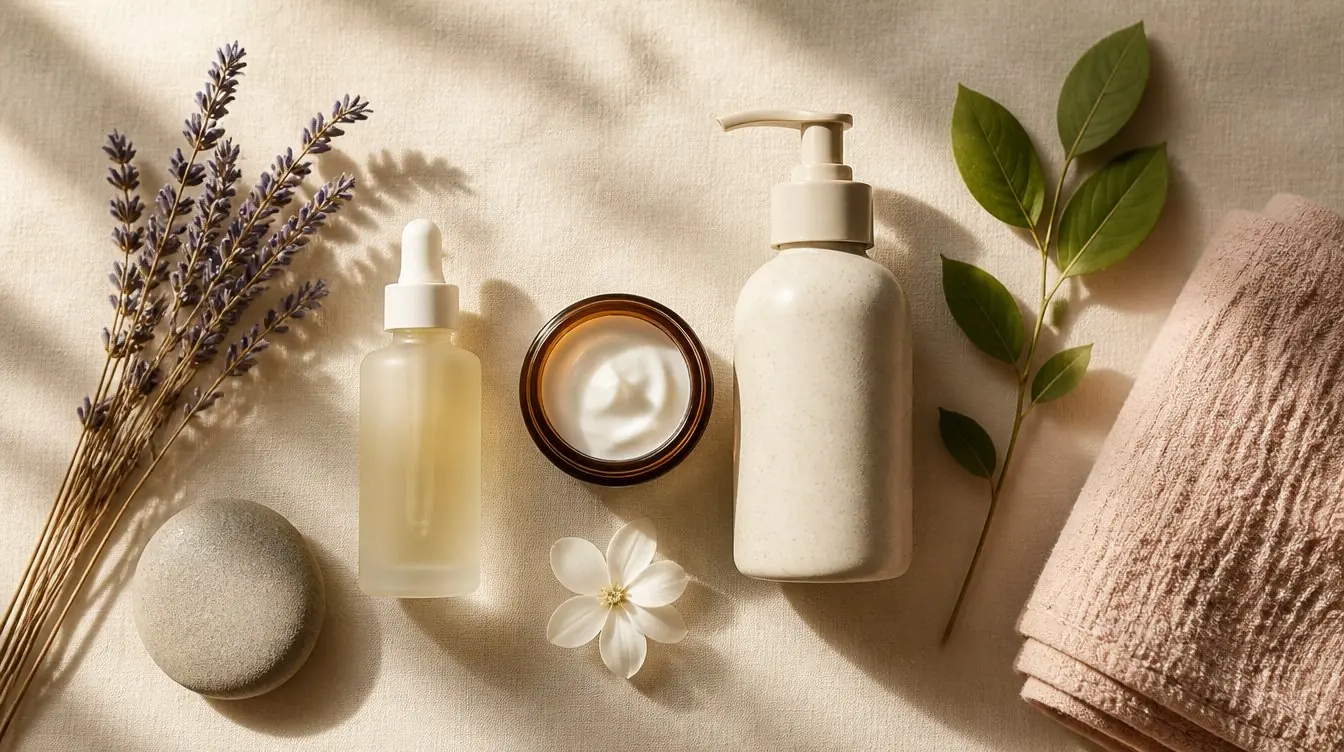
A practical mood-supporting routine is shorter and gentler than the multi-step regimens that dominated the late 2010s. The structure most dermatologists now recommend is a gentle cleanser, a calming serum with one or two adaptogenic or neurocosmetic actives, a barrier-supportive moisturiser, and mineral sunscreen in the morning. At night, swap the sunscreen for a recovery cream and add a low-strength retinoid only two to three times a week, paired with the calming serum to soften any reactivity.
The morning step that most reliably moves the needle is the calming serum. Apply it on clean, slightly damp skin and let it absorb for a minute before locking it in with moisturiser. The product needs about four to six weeks of consistent daily use to show its full effect, because the changes happen at the level of barrier strength, redness frequency, and sleep-recovery signalling, all of which take real time to shift.
Who Benefits Most
The strongest candidates are adults who already understand their baseline routine but notice that stress visibly worsens their skin within days. That includes people with rosacea-prone or reactive complexions, anyone navigating shift work or chronic poor sleep, those recovering from aggressive in-clinic procedures, and people in late twenties to forties who are starting to see fine lines accelerate during high-stress periods.
It also helps a quieter group: people whose skin looks fine on the surface but who feel that their complexion has lost its bounce since some life pressure escalated. The brain-skin axis is real for them too. The visible benefit is gradual: more even tone, less reactivity, slower flare progression, and a tighter feel on waking. This is not a category that produces a dramatic overnight glow. It produces a steadier, more resilient baseline.
What the Evidence Actually Shows
Most serotonin skincare ingredients have clinical evidence that supports their mechanism at the cellular level. Neurophroline has been studied in vitro, showing cortisol reduction in skin cells within two hours of application. Centella asiatica has decades of human trial data behind it for barrier and redness benefits. Ashwagandha extract has small but credible topical trials for calming and antioxidant effects. The honest picture is that the underlying biology is well established, and the consumer-facing claims tend to be conservative rather than oversold.
Where the evidence is weaker is in the higher-order promises about mood and emotional benefit from a topical product. The skin can produce and respond to neurotransmitters locally, but the leap from a calmer face to a calmer mood is not well demonstrated outside of small fragrance-and-sensory studies. Treat the mood claim as a friendly bonus, not the primary reason to buy the category.
Common Mistakes and What to Avoid
The most common mistake is layering a serotonin-themed serum on top of a routine that already contains five other active ingredients. The category works through calming, not through stacking and crowding the routine with retinoids, acids, and exfoliants at the same time, as the new calming serum will mute its effect. Strip the routine back before adding the new layer.
The second mistake is expecting a single hero product to do the work. The benefit comes from the combined signal across the cleanser, serum, moisturiser, and sunscreen, not from a star ingredient at one step. The third mistake is judging the product after three days. The relevant changes happen on a four- to six-week curve, and patience is the price of admission for any barrier-and-resilience category.
How It Compares to Other Calming Approaches
Serotonin skincare overlaps with two adjacent categories: barrier-repair skincare and traditional anti-inflammatory skincare. The barrier-repair school focuses on lipids, ceramides, and cholesterol to physically rebuild the protective layer. The anti-inflammatory school relies on niacinamide, allantoin, and centella to reduce redness and calm reactive skin. Serotonin skincare borrows from both but adds the nervous-system layer, targeting the upstream signal that is causing the stress response in the first place.
For most people, the right answer is a routine that pulls one or two products from each direction rather than fully committing to a single school. A ceramide-rich moisturiser plus a neurocosmetic serum plus a niacinamide booster, for example, hits all three angles without bloating the regimen.
What 2026 Has Changed About the Category
Three shifts in the past twelve months have moved Serotonin Skincare from curiosity to mainstream. First, large clinical-grade brands have entered the space with serums priced for mass adoption, not luxury counters, which has broadened access. Second, the link between sleep quality and skin appearance is now widely understood by consumers, and serotonin-themed night creams have benefited from that awareness. Third, neurocosmetics has stopped being a marketing label and started showing up in actual product copy backed by named ingredients, which has made it easier for buyers to evaluate a claim instead of trusting a category name.
Frequently Asked Questions About Serotonin Skincare
What is serotonin skincare in plain language?
Serotonin skincare is the consumer-facing label for topical products that target the skin’s local stress and mood pathways. They contain ingredients that calm the surface cortisol signal, support the barrier under stress, or use adaptogens to make the skin more resilient to daily psychological and environmental pressure. The category sits inside a broader scientific field called neurocosmetics, which studies the skin as a neurochemical organ. The marketing name is friendly, the underlying biology is well established, and the products that deliver tend to keep the rest of the routine simple and focus on a few calming actives.
Does mood-boosting skincare actually work?
The skin-calming portion of the claim is supported by published research on ingredients like neurophroline, centella asiatica, and ashwagandha, which have measurable effects on local cortisol and inflammation markers. The mood-boosting portion is more modest in the evidence. Topicals can shift how the skin feels and looks, which can indirectly improve mood through self-perception, and certain ingredients have measurable sensory and aromatic effects. But you should not expect a serum to replace stress management at the lifestyle level. The realistic outcome is steadier, less reactive skin within four to six weeks of consistent use.
What are the best ingredients to look for in a calming serotonin serum?
The most consistently effective ingredients are neurophroline (a wild indigo-derived peptide that inhibits skin cortisol production); centella asiatica (especially in its madecassoside form for redness and barrier repair); niacinamide at four to ten per cent for inflammation and tone; panthenol and beta-glucan for soothing; and adaptogens like ashwagandha and reishi extract for cumulative resilience. Look for products that combine two or three of these rather than a single hero ingredient. Avoid serums that hide the calming claim behind a single proprietary blend without naming the actives.
Can I use serotonin skincare with retinol and acids?
Yes, and the combination is actually one of the smarter uses of the category. Retinoids and acids are effective, but they are also irritating, especially for sensitive or stressed skin. Pairing them with a neurocosmetic serum at the same step buffers the reactivity, calms post-application redness, and supports the barrier through the adjustment phase. The practical sequence is to apply the calming serum first on damp skin, wait a minute, then apply the retinoid or acid product. This is sometimes called “sandwich layering”, and it lets active and calming work together rather than competing.
Is serotonin skincare safe during pregnancy or breastfeeding?
Most calming actives used in this category, including centella asiatica, niacinamide, panthenol, and beta-glucan, are considered safe during pregnancy and breastfeeding. The areas of caution are the adaptogens. Ashwagandha and certain mushroom extracts have not been adequately studied in topical use during pregnancy, and oral ashwagandha is contraindicated, which makes most dermatologists cautious about the topical version too. The safer default during pregnancy is to use the niacinamide and centella half of the toolkit and skip the adaptogen-heavy products until after weaning. Always confirm with your prescribing clinician before adding any new active.
How long until I see results from a calming skincare routine?
The first changes most users notice are surface ones within one to two weeks: less tightness on waking, a softer feel after cleansing, and less visible redness around the nose and cheeks. The structural changes, including improved barrier resilience and reduced flare frequency, take four to six weeks of consistent daily use. The visible result peaks around eight to twelve weeks when the routine is paired with adequate sleep, sun protection, and a stable diet. If you are not seeing the surface changes by week two or three, the most likely issue is that the rest of the routine is too aggressive and is overriding the calming signal.
RELATED ARTICLES:
- Rejuran Skincare: The Polynucleotide Treatment That Goes Where PDRN Stops
- Exosomes for Skin: The Cellular Renewal Treatment Changing Dermatology
About The Author

COMMENTS