







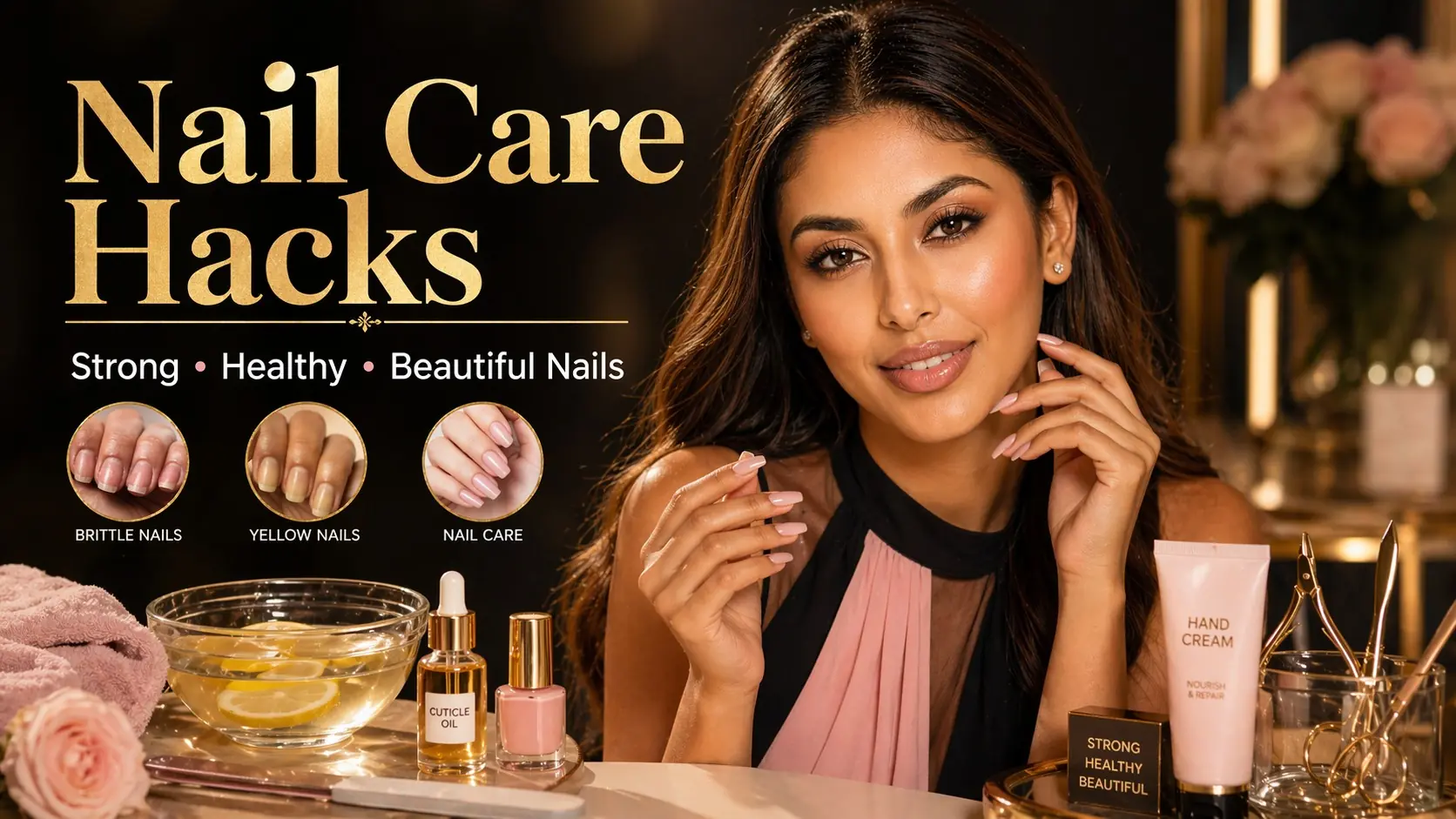
The smartest nail care hacks fix the everyday nail problems that quietly sabotage your manicure: brittle tips that snap, yellow stains from old polish
The smartest nail care hacks fix the everyday nail problems that quietly sabotage your manicure: brittle tips that snap, yellow stains from old polish, hangnails that catch on your sweater, and growth that has stalled for months. This guide collects 15 dermatologist-approved nail care hacks, gives you the science behind why each one works, and shows you how to combine them into a low-effort weekly routine that visibly transforms your nails inside three weeks.
Published · Updated
Understanding Common Nail Problems and Their Root Causes
Brittle Nails: Why They Break and Peel
Brittle nails fall into two distinct categories, and treating them correctly requires knowing which type you have. Dry-brittle nails lack moisture. They snap cleanly and feel rigid when you flex them. Soft-brittle nails have absorbed too much water. They bend rather than snap and peel away in thin layers.
Dry-brittle nails are more common in women over 35. Natural oil production around the nail matrix slows with age. The nail matrix is the tissue beneath the base of the nail where new cells are generated. When oil production drops, the nail loses its natural lipid coating and becomes porous to moisture loss. Frequent hand washing, alcohol-based sanitisers, and acetone exposure accelerate this process by stripping the remaining lipids.
Soft-brittle nails typically affect women who keep their hands submerged in water frequently. Dishwashing without gloves is the most common cause. Repeated wetting and drying cycles expand and contract the keratin structure of the nail plate. Over time, this mechanical stress weakens the bonds between keratin layers, causing the nail to peel rather than grow out intact.
Nutritional deficiencies are a significant and often overlooked cause. Low iron levels make it harder for oxygen to get to the nail matrix, which slows down the production of keratin. Low zinc disrupts the enzymatic processes that assemble protein chains into the nail plate structure. Biotin deficiency, while less common than frequently claimed in beauty marketing, has genuine clinical evidence linking it to nail fragility when the deficiency is confirmed through blood testing.
Yellow Nails: Staining Versus Systemic Causes
Not all yellow nails have the same origin. Identifying the cause correctly determines whether a home remedy is appropriate or whether a doctor visit is needed first.
Surface staining is the most common cause among women who wear nail polish regularly. Dark pigments in polish, particularly reds, deep oranges, and burgundies, seep into the porous keratin of the nail plate over days and weeks. This yellowing is superficial, limited to the upper layers of the nail, and responds well to home treatments. Skipping a base coat is the leading reason this happens.
Tobacco smoke produces a deeper, brownish-yellow discolouration. Nicotine and tar penetrate the full thickness of the nail plate and absorb into the nail bed below. The discolouration is concentrated on the fingers used to hold cigarettes and does not respond well to surface treatments.
Systemic causes are less common but more serious. Yellow nail syndrome is a rare condition associated with lymphoedema and respiratory disease. Diabetes can produce a yellowish tint across all nails due to glycation, a process in which elevated blood glucose molecules attach to nail plate proteins and alter their colour. Liver and kidney conditions, as well as certain thyroid disorders, can sometimes produce changes in nail colour. If yellowing appears suddenly without any history of polish use or smoking, consult a doctor before using any home remedy.
Nail Fungus, White Spots, and Ingrown Nails Explained
Nail fungus, clinically known as ‘onychomycosis’, accounts for nearly 50 percent of all nail disorders seen by dermatologists. The most common culprits are a group of organisms called dermatophytes. Less frequently, yeasts and environmental moulds are responsible. Infections typically begin at the free edge of the nail and progress toward the base over months. Early signs include white or yellow streaks under the nail, a slightly chalky texture, and mild thickening. Advanced infections cause the nail to separate from the nail bed, crumble at the edges, and develop a distinctive, unpleasant odour.
White spots on the nails, known medically as leukonychia, are nearly universal among adults. The most common cause is minor trauma to the nail matrix. A sharp impact against a rigid surface disrupts the normal arrangement of keratin cells in the growing nail. The spot grows forward with the nail over weeks and eventually reaches the free edge, where it can be filed off. These spots are completely harmless. They are not caused by calcium or vitamin deficiency, despite this belief being extremely widespread.
Ingrown nails occur when the lateral nail edge curves downward and pierces the soft tissue alongside the nail. The big toe is the most commonly affected digit. Improper cutting is the leading preventable cause. Cutting nails too short, rounding the corners, or tearing rather than cutting the nail cleanly all substantially increase the risk. Tight footwear that compresses the toes against each other compounds the problem by creating constant pressure on the nail edges.
Nail Care Hacks for Brittle and Weak Nails
Hydration and Moisturizing Strategies That Actually Work
Moisturising nails is fundamentally different from moisturising skin. Water-based lotions are effective on skin because the skin has hydrophilic components that absorb them. The nail plate is more hydrophobic and responds primarily to oils that penetrate between the keratin layers and to occlusives that reduce moisture evaporation.
Jojoba oil is one of the most effective nail oils available. Its molecular structure closely resembles the natural sebum your body produces around the nail fold. It absorbs quickly without leaving a greasy residue and is non-comedogenic on the skin around the nail. Apply it directly to the nail plate and cuticle at least twice daily, morning and night.
Sweet almond oil, argan oil, and vitamin E oil are all excellent alternatives. Vitamin E specifically has antioxidant properties that protect the nail matrix cells from oxidative stress, which accumulates from UV exposure, pollution, and chemical contact.
Apply oil immediately after washing your hands, before the nail has fully dried. This technique traps residual moisture within the nail plate rather than applying oil to an already-desiccated surface. The difference in results between applying oil to a slightly damp nail versus a dry nail is significant.
At night, apply a generous layer of a thick hand cream containing shea butter or glycerin to your hands and nails. Cover with thin cotton gloves and sleep in them. This overnight treatment dramatically improves nail flexibility and cuticle condition within two weeks of consistent use. The occlusion provided by the gloves amplifies the absorption of the moisturising ingredients.
Nutritional Support for Nail Strength
Biotin, a water-soluble B-complex vitamin, has the strongest published evidence for nail strengthening. A study published in the Journal of the American Academy of Dermatology found that biotin supplementation at 2.5 milligrams per day increased nail plate thickness by 25 percent in women with documented brittle nails. Importantly, results require at least three months of consistent daily supplementation. Biotin does not produce rapid changes because nails grow slowly.
Iron is critical for oxygen delivery to the nail matrix. Women with heavy menstrual cycles are at particular risk for low ferritin levels. Ferritin is the stored form of iron, and it can be depleted even when standard haemoglobin levels appear normal on a basic blood test. Low ferritin levels directly harm nail quality, leading to brittleness, ridges, and a spoon-shaped nail deformity called koilonychia in severe cases. Get a full iron panel including ferritin before starting iron supplements.
Protein is the raw material for keratin, the fibrous protein that comprises 90 percent of the nail plate. A diet chronically low in protein will always produce poor nail quality regardless of any topical treatment applied. Aim for at least 0.8 grams of protein per kilogram of body weight daily as a minimum.
Omega-3 fatty acids reduce inflammatory processes in the nail fold and support the moisture barrier of the nail plate. They also improve cuticle condition directly, which affects how cleanly the nail grows from the matrix. Dietary sources include fatty fish, walnuts, chia seeds, and flaxseed oil.
Zinc supports the enzymatic processes involved in keratin synthesis. Beneficial food sources include pumpkin seeds, chickpeas, cashews, hemp seeds, and red meat. Zinc deficiency produces white spots, slow growth, and brittleness that closely resembles the symptoms of more commonly blamed deficiencies.
Protective Habits That Prevent Breakage
No moisturising routine can compensate for repeated mechanical damage. Protective habits reduce the physical stress that causes even well-nourished nails to break.
Wear rubber or nitrile gloves for dishwashing, chemical cleaning, and gardening. Rubber gloves create a complete barrier against water and chemical exposure. If gloves make your hands sweat uncomfortably, wear a thin cotton liner glove underneath to absorb moisture.
File nails in one direction only. Back-and-forth sawing motions create micro-fractures across the nail tip that propagate into full breaks over days. Move the file from the outer edge toward the centre in smooth, even strokes. Use a glass file or a fine-grit emery board in the 180 to 240 grit range. Coarse metal files are appropriate only for acrylic or very thick nails.
Keep nails at a manageable length. Long nails experience greater use forces when they strike hard surfaces. A shorter, rounded square or soft oval shape distributes impact more evenly across the nail tip and reduces the risk of sidewall splits.
Stop using nails as tools. Opening packages, prying stickers, and scraping surfaces create lateral bending stress on the nail plate. This type of stress chips and fractures even healthy nails. Use a proper tool and protect your nails as an investment.
DIY Nail Care Hacks for Yellow Nails and Surface Stains
Natural Brightening Treatments You Can Do at Home
Surface staining from nail polish responds well to several accessible home treatments when used consistently.
Lemon juice contains citric acid, which gently dissolves surface discolouration through a mild chemical exfoliation of the uppermost nail layers. Mix equal parts fresh lemon juice and warm water in a small bowl. Soak your nails for 10 to 15 minutes. Follow the soak immediately with a moisturising cuticle oil, as citric acid is drying to the nail and surrounding skin. Use this treatment three times per week for best results. Avoid using it on damaged or cracked nails, as the acid will cause stinging in broken skin.
Baking soda acts as a mild physical abrasive and a mild chemical whitener. Combine two parts baking soda with one part of three percent hydrogen peroxide to form a thick paste. Apply it to each nail with a soft nail brush or a clean cotton swab. Leave it on for three to five minutes, then rinse thoroughly. Limit this treatment to once per week. Hydrogen peroxide oxidises the keratin layers, causing dryness and surface damage with overuse.
Whitening toothpaste contains the same mild abrasives used in dental whitening. Scrub the nail surface with a soft toothbrush and a small amount of whitening toothpaste for two minutes per nail. This approach works well for light surface staining and is gentle enough for twice-weekly use.
Always apply a base coat before applying any coloured polish. A quality base coat creates a protective barrier between the pigment molecules and the nail plate. This single preventive step eliminates most staining before it starts.
When Yellow Nails Signal a Bigger Problem
Home brightening remedies are appropriate only for confirmed surface staining. Certain signs indicate that the yellowing has a systemic or infectious origin.
Seek medical evaluation if yellowing appears alongside significant nail thickening without any history of nail enhancement products or clear fungal signs. Greenish-yellow discolouration specifically suggests Pseudomonas aeruginosa bacterial colonisation beneath the nail. This infection occurs when a nail enhancement lifts away from the natural nail and traps moisture. It requires medical treatment with topical antibiotics, not cosmetic brightening.
Yellow nails paired with swollen legs, difficulty breathing, or chronic cough may indicate yellow nail syndrome, a rare condition requiring specialist evaluation. Nail changes associated with new medications, particularly certain chemotherapy agents, antimalarials, and tetracyclines, should be discussed with a prescribing doctor before any home treatment is attempted.
Prevention Strategies for Stain-Free Nails
Prevention requires less effort than treatment and produces better outcomes.
Limit continuous nail polish wear to a maximum of two weeks before giving nails a break of at least three to five days. The nail plate is mildly porous. Prolonged coverage by any occlusive product creates conditions for discolouration and superficial softening.
When removing dark polish, start with a non-acetone remover. It dissolves most regular polish without the harshness of acetone. Use acetone-based remover only for residual pigment or for gel polish. This reduces total acetone exposure substantially over time.
Choose lighter nail colours or nudes during nail recovery periods. Sheer and light-tinted polishes contain far less pigment than opaque dark shades and present a much lower staining risk.
How to Treat and Prevent Nail Fungus at Home
Tea Tree Oil and Other Proven Antifungal Home Remedies
Tea tree oil contains terpinen-4-ol, which has been shown to kill dermatophytes in lab and clinical tests. Studies indicate that twice-daily application of tea tree oil to affected nails produces a measurable reduction in fungal infection over a six-month treatment period. Tea tree oil works best on early to moderate infections where the fungus has not yet penetrated the full depth of the nail plate.
Apply undiluted tea tree oil directly to the affected nail and the surrounding skin twice daily using a clean cotton ball or small brush. Allow it to dry completely before putting on socks or shoes. Covering the nail before the oil dries traps moisture, which counteracts the treatment. Consistency is everything. Missing even two or three consecutive applications gives the fungus time to recover.
Apple cider vinegar lowers the pH of the nail surface and creates an acidic environment that inhibits fungal growth. Mix equal parts raw apple cider vinegar and warm water. Soak the affected nails for 20 minutes daily. Dry the nail and all surrounding skin thoroughly after every soak. Any residual moisture actively encourages the fungal growth you are trying to eliminate.
Vicks VapoRub contains thymol and camphor, both of which have documented antifungal properties. A study published in the Journal of the American Board of Family Medicine found that daily application of Vicks VapoRub to infected toenails produced clinically positive results in a significant proportion of participants over a 48-week treatment period. Apply a thin layer nightly and cover with a clean sock. The occlusion helps drive the active compounds into the nail.
These remedies all require extended commitment. Fingernails take approximately six months to grow out fully. Toenails take 12 to 18 months. Complete clearance requires treating the nail throughout its entire growth cycle.
Hygiene Habits That Stop Fungus From Spreading
Dermatophytes survive on surfaces, fabrics, and tools. Hygiene habits break the cycle of reinfection and prevent the spread to other nails and to the people around you.
Wear flip-flops or water shoes in communal showers, gym locker rooms, public swimming pools, and hotel bathrooms. These warm, moist surfaces are the highest-risk environments for dermatophyte exposure.
Never share nail files, clippers, pushers, or any other nail tools. Fungal spores survive on metal and plastic surfaces for extended periods. Clean all your personal nail tools with isopropyl alcohol before and after every use. Store them in a clean, dry container.
Change socks daily. Choose socks made from moisture-wicking materials such as merino wool or copper-infused cotton. These materials keep the nail environment drier than standard synthetic fabrics. Rotate your shoes daily and allow each pair at least 24 hours to dry out completely between wearings.
When Home Remedies Are Not Sufficient
Home treatment is appropriate for early to moderate fungal infections. Certain situations require prescription treatment from a dermatologist.
See a doctor if the infection covers more than half the nail surface, if it has spread to multiple nails, if the nail has fully separated from the nail bed, or if you have diabetes, peripheral vascular disease, or any condition affecting your immune system. Oral antifungal medications such as terbinafine reach the nail matrix through the bloodstream and clear infections that no topical remedy can penetrate. They are significantly more effective than any home treatment for advanced infections.
Solutions for Ingrown Nails and Cuticle Health
Safe Soaking and Lifting Techniques
Warm water soaking is the foundation of ingrown nail treatment at home. Fill a basin with comfortably warm water and add one tablespoon of Epsom salt or a small amount of antibacterial liquid soap. Soak the affected finger or toe for 15 to 20 minutes, two to three times daily. The warm water softens the nail plate and reduces the surrounding inflammation. Epsom salt draws out interstitial fluid and provides mild pain relief.
After soaking, while the nail is at its softest, gently lift the ingrown edge away from the skin using a small piece of clean cotton or a length of unwaxed dental floss. Tuck this material gently under the ingrown nail corner. The goal is to redirect the nail growth away from the skin as the nail grows forward naturally. Replace the cotton or floss daily with a fresh piece. Keep the area clean to prevent secondary infection.
Never attempt to cut the ingrown corner out yourself with scissors or a nail nipper. This creates a sharper nail edge that continues to pierce the skin with every step. Let the nail grow out above the skin level before trimming the edge. Apply a topical antibiotic ointment around the nail fold during treatment to prevent bacterial infection from establishing in the compromised skin.
If the surrounding skin is significantly swollen, red, warm to the touch, or producing pus, the nail is already infected. This condition requires medical treatment with oral antibiotics and, in some cases, a minor surgical procedure to remove the ingrown portion.
Proper Nail Trimming Technique for Prevention
Correct trimming technique eliminates most ingrown nail problems before they begin. The adjustment takes seconds but produces lasting results.
Cut nails straight across. Do not curve or taper the corners to follow the shape of the fingertip or toe. The lateral nail edges should extend just slightly beyond the skin on each side. This allows the nail to grow forward over the skin rather than downward into it.
Use sharp, clean nail clippers that are appropriately sized for the nail. Nail scissors work well for fingernails. Large toenail clippers provide the use needed for thicker toenails without requiring you to force a cut. Dull clippers crush and compress the nail edge rather than cutting it cleanly. A crushed nail edge is irregular and more likely to grow in an erratic direction.
Trim nails when slightly soft. Shortly after a bath or soak is ideal. Dry nails are harder and more likely to crack or splinter when cut. Avoid tearing nails or biting them to length. Both methods produce ragged, uneven edges.
Cuticle Care Done Right
Beauty culture widely misunderstands the critical protective function that the cuticle serves. The cuticle is a thin strip of dead skin that seals the junction between the nail plate and the nail fold, blocking bacteria, fungi, and irritants from reaching the nail matrix below. Cutting this seal removes the protection and creates an entry point for infection.
Push cuticles back rather than cutting them. After a warm soak, when the cuticle tissue is soft, use a rubber-tipped cuticle pusher or a clean wooden orange stick to gently ease the cuticle back toward the nail fold. Never push with enough force to cause discomfort. Work in slow, gentle strokes.
If cuticles are overgrown or have been neglected, apply a cuticle remover gel containing alpha-hydroxy acids or urea for two to three minutes before pushing. These agents dissolve the dead tissue chemically without injuring the living skin below.
The only tissue that should ever be cut from the cuticle area is the white, hardened dead skin that forms hangnails at the sides of the nail fold. Use a sharp cuticle nipper and make a single clean cut rather than tearing or pulling. Pulling a hangnail rips living skin and causes pain and potential infection.
Apply cuticle oil to the base of every nail, every single day. This is non-negotiable for long-term nail health. Dry cuticles crack, bleed, and peel constantly, creating perpetual entry points for bacteria and making any nail product application messier and shorter-lived.
Understanding Nail Product Types: Gel, Acrylic, Dip, and Regular Polish
Gel Nails: Benefits, Risks, and What to Expect
Gel nail polish is a formula that cures under UV or LED light through a photochemical polymerisation process. The result is a durable, chip-resistant coating that adheres tightly to the nail plate. Gel manicures last two to three weeks without chipping and maintain their gloss throughout, making them extremely popular for women who want a low-maintenance result.
The tight bonding that makes gel durable is also its primary risk factor. Gel must be removed correctly to avoid stripping the nail plate. Improper removal, specifically peeling or forcibly lifting gel before it has fully softened, removes the uppermost layers of the nail plate along with the product. Repeated improper removal causes thinning, surface pitting, and chronic sensitivity.
UV curing exposes the skin of the hands and fingers to ultraviolet A radiation. While each individual session produces minimal exposure, the cumulative effect of regular manicures over years is meaningful. Apply a broad-spectrum SPF 50 sunscreen to your hands. Wear UV-protective fingerless gloves during curing, or wait 20 minutes before any UV lamp session.
Builder gel is a thicker formulation used to add nail length or reinforce weak nails. It is appropriate for nails in reasonable condition. Applying builder gel to severely damaged or peeling nails traps the damage and worsens the underlying weakness, preventing the nail from recovering.
Acrylic and Dip Powder Nails: What You Need to Know
Acrylic nails are formed by combining a liquid monomer with a powdered polymer. The mixture remains workable for a short window before it hardens through a chemical reaction called ‘polymerisation’. ‘Acrylics are the most durable nail enhancement available and can be sculpted to create significant length and structural support for naturally weak nails.
Application requires light abrasion of the natural nail surface to create a mechanical grip for the acrylic. This process, called buffing, thins the nail slightly. The chemical monomer used in professional-grade acrylics, primarily ethyl methacrylate, requires good ventilation during application. Methyl methacrylate, a harsher alternative banned by some regulatory bodies but still found in low-cost products, causes more significant nail damage and allergic reactions. Choose a reputable salon that uses ethyl methacrylate products and maintains proper ventilation.
Dip powder nails use a cyanoacrylate-based adhesive and a finely milled coloured powder, applied in alternating layers to build up a hard coating. No UV light is required. Dip systems are generally considered less damaging than acrylics in terms of the application process, but the bonding chemistry is still aggressive. A significant hygiene concern specific to dip powder is the practice of dipping the client’s finger directly into a shared powder jar. This transfers bacteria, fungi, and skin cells between clients. A properly run salon always pours powder onto a clean surface for each client.
Regular Polish: The Gentlest Option for Healthy Nails
Standard nail polish is a suspension of pigments and nitrocellulose in organic solvents. It dries through solvent evaporation rather than chemical curing. Regular polish sits on top of the nail plate without forming a chemical bond with it. This characteristic makes it the least damaging nail product by a significant margin.
Regular polish chips more easily than gel or acrylics, typically within five to seven days for most women, but it can be removed with a simple remover without abrading or thinning the nail surface.
Marketing labels on polish bottles indicate how many of the historically used harsh chemicals have been removed from the formula. A three-free polish omits dibutyl phthalate, toluene, and formaldehyde. Five-free adds formaldehyde resin and camphor to the exclusion list. Seven-free, ten-free, and beyond continue to remove additional plasticisers, colourants, and preservatives. Higher-free formulations are preferable for women with sensitive nails and for anyone who wears polish frequently.
Water-based nail polishes are the gentlest option of all. They peel off cleanly without any solvent remover and are an excellent choice during nail recovery periods or for anyone who prefers to minimise chemical exposure.
Safe Application and Removal of All Nail Products
How to Apply Nail Products Without Causing Damage
Proper nail preparation before any application determines both the quality of the result and the health of the nail beneath. Inadequate prep leads to lifting, and lifting creates pockets where moisture and bacteria accumulate between the product and the nail plate.
Clean the entire nail surface before any application. Remove all traces of oil, lotion, and old product residue using a lint-free wipe saturated with isopropyl alcohol. Any surface oil prevents adhesion in every nail product category, from regular polish to acrylics.
Push cuticles back before applying any product. The product applied over the cuticle immediately creates a lifting point at the nail base and significantly shortens wear time, while also creating a gap for moisture entry.
Apply all products in thin, even layers. Thick gel layers do not cure properly throughout their full depth. Incompletely cured gel remains tacky and soft underneath and degrades faster. Thick regular polish takes too long to dry and is prone to denting and smearing. Multiple thin coats build coverage correctly without compromising the structural integrity of the product.
Leave a small free margin at the cuticle edge and at both sidewalls of the nail when applying any product. Product touching the skin is a primary cause of lifting and is also a risk factor for developing a contact allergy to nail product ingredients with repeated exposure.
Seal the free edge of the nail with each layer of product. Running the applicator brush across the tip of the nail encapsulates the edge and prevents the product from peeling away from the tip, which is where wear almost always begins.
Proper Removal Techniques for Every Product Type
Removal is the stage at which most nail damage occurs. Forcing, peeling, or prying off any nail product takes layers of the natural nail plate with it.
For regular polish, saturate a cotton ball with remover and press it firmly against the nail for 10 to 15 seconds. Then wipe in one smooth downward stroke from base to tip. Do not scrub back and forth. If colour remains, repeat with a fresh cotton ball.
To apply gel polish, saturate a cotton square with pure acetone and press it directly against the nail surface. Wrap each fingertip tightly in a small square of aluminium foil to hold the cotton in place. Leave it for 10 to 15 minutes. The gel will soften and lift at the edges. Slide it off gently using a wooden orange stick. Never force gel that has not fully softened. Rewrap and wait an additional five minutes if any product remains firmly attached.
For acrylic nails, file down the bulk of the acrylic first using a 100-grit coarse file until the layer is thin and even. Then soak fingertips in pure acetone for 20 to 30 minutes. The remaining acrylic will become soft and rubbery and can be gently pushed off with a wooden stick. Attempting to remove acrylics by force without this soaking process causes severe and sometimes permanent damage to the nail surface.
For dip powder, file the shiny topcoat layer to break the seal, then soak in acetone for 10 to 15 minutes. Dip powder dissolves in acetone more readily than gel and typically requires less soak time.
Moisturise every nail and every finger immediately after any removal process. Acetone strips all lipids from the nail plate and surrounding skin. Apply cuticle oil followed by a rich hand cream the moment the removal process is complete. Do not wait.
Nail Recovery After Enhancements
Even with perfect application and correct removal, nails benefit from intentional recovery periods between enhancement cycles.
After gel removal, nails often feel thinner and more pliable than normal. This is temporary in the vast majority of cases and reverses as the nail grows out with proper care. Apply a nail hardener containing hydrolysed wheat protein or keratin to the bare nail surface daily for two weeks to rebuild surface hardness during recovery.
After acrylic removal, the nail surface typically shows white surface marks and feels rougher than normal. Use a fine four-sided nail buffer to smooth the surface gently. Avoid aggressive buffing, which removes additional nail plate thickness and worsens the thinning problem you are trying to recover from.
Schedule a two- to four-week break without any enhancement after every three to four sets of gel or acrylics. During the recovery period, keep nails trimmed short, moisturise twice daily with oil and cream, and wear regular polish with a strengthening base coat if desired.
Building a Long-Term Nail Health Routine
Daily Habits That Compound Into Strong, Healthy Nails
A consistent daily routine outperforms any single treatment. Small habits accumulate over weeks and months, resulting in significantly stronger, more resilient nails.
Apply cuticle oil every morning and every night. This single habit, practised consistently, produces more measurable improvement in nail health than any other daily action. It takes 30 seconds and requires nothing more than a bottle of jojoba oil kept on your nightstand and bathroom counter.
Moisturise your hands every time you wash them. Place a small hand cream at every sink in your home. The brief window after washing, before the water has evaporated, is the optimal moment to apply moisturiser, as it seals existing water into the skin and nail rather than adding moisture to an already dry surface.
Wear gloves consistently for tasks involving water, chemicals, friction, or paper handling. Paper fibres are abrasive enough to strip moisture from the edges of nails over the course of a long workday spent handling documents.
Resist picking, peeling, biting, or tearing at nails and cuticles. This type of repetitive mechanical trauma damages the nail matrix, the growth centre of the nail, and can cause permanent ridging or irregular growth that no product or remedy can fully correct.
Diet and Supplements for Nail Growth and Repair
Nails grow approximately 3 to 4 millimetres per month. Fingernails grow faster than toenails. Growth speed is slightly higher in summer due to increased peripheral circulation. Nutritional deficiencies slow growth below its natural baseline rate, and fixing them brings growth back to normal without going over it.
Silica, which is found in oats, leafy greens, bell peppers, and cucumbers, helps keep connective tissue strong and has been linked to stronger nails in studies of nutrition. Collagen supplements, specifically hydrolysed marine collagen taken at five grams per day, have shown promising results for both nail thickness and flexibility in small clinical trials.
Vitamin C is required for the collagen synthesis that underlies the structural integrity of the nail bed and surrounding soft tissues. Women who smoke or consume significant amounts of alcohol deplete vitamin C at an accelerated rate and benefit from consistent dietary attention to vitamin C sources, including citrus, bell peppers, kiwi, and strawberries.
Adequate daily hydration supports every aspect of nail health. Dehydrated nails become brittle regardless of nutritional status, topical treatment, or product choice. Aim for eight to ten glasses of water daily as a baseline, adjusting upward for exercise, heat, and alcohol consumption.
Seasonal Nail Care Adjustments
Nails respond predictably to seasonal environmental changes. Adapting your routine to the season prevents common recurring problems.
Winter air is cold and holds very little moisture. Heated indoor air compounds the dryness by drawing moisture from skin and nails. Nails become more brittle in winter months. Increase moisturising frequency to three times daily, switch to a heavier overnight hand cream, and consider reducing polish wear to minimise chemical contact during an alreadystressful season for nail hydration.
Summer humidity keeps nails slightly more pliable. However, frequent swimming in chlorinated pools is a significant nail-damaging factor. Chlorine weakens keratin bonds with repeated exposure. Apply a protective nail oil before swimming to create a partial barrier. Rinse and moisturise nails immediately after leaving the pool.
Autumn transitions often trigger nail peeling as the environment shifts rapidly from summer humidity to autumn dryness. The nail layers expand and contract with this humidity shift and can begin separating. Beginning your winter moisturising routine four to six weeks before the temperature drops significantly helps your nails adapt without peeling.
Spring is the best season for nail recovery from winter damage or heavy enhancement use. Higher humidity, longer daylight hours, and improved circulation from warming temperatures all support faster nail growth and improved nail resilience. Use the spring months to grow out any damage, maintain a recovery routine, and prepare a strong foundation before resuming heavier nail products.
Frequently Asked Questions About Nail Care
How long does it take to see results from nail care remedies?
The type of problem being treated entirely determines the results. Surface conditions such as yellow staining from polish respond within two to four weeks of consistent treatment. Brittle nails treated with biotin supplements, daily oil application, and protective habits show measurable improvement within six to eight weeks, but full results take three to four months because you are waiting for a newly grown, stronger nail to replace the weaker nail already on your finger. Fungal infections require the full nail growth cycle, which is six months for fingernails and up to 18 months for toenails, even when treatment is working perfectly. Patience and consistency are more important than any specific product choice.
Is it safe to do gel or acrylic nails regularly, or will they permanently damage my nails?
When applied and removed correctly and given regular recovery periods, gel and acrylic nails do not permanently damage nails. The damage seen from nail enhancements almost always results from one of three causes: improper removal by peeling or forcing product off, overfiling of the nail surface during application prep, or continual back-to-back applications without any break for nail recovery. Schedule a two- to four-week break from all enhancements every three to four cycles. Use a strengthening nail treatment during breaks. Choose a technician who uses gentle prep techniques and takes removal seriously.
What is the difference between a base coat and a nail strengthener?
A base coat is a preparatory product applied before nail polish. Its primary functions are to improve polish adhesion, extend wear time, and provide a barrier between the pigment and the nail plate to prevent staining. Most base coats contain adhesive-promoting ingredients and surface-smoothing components. A nail strengthener, sometimes called a nail hardener, is a treatment product designed to increase nail plate rigidity and resilience. It typically contains proteins, formaldehyde resin in small concentrations, or synthetic strengthening polymers. A nail strengthener is used as a standalone treatment on bare nails during recovery periods, though some products serve both functions. Use a nail strengthener when your nails are in recovery, and switch to a standard or nourishing base coat once the nail has regained its normal strength.
Can I treat nail fungus at home, or do I always need to see a doctor?
Mild to moderate nail fungal infections affecting less than half of one nail with no significant thickening or nail bed separation can reasonably be treated at home with tea tree oil, apple cider vinegar soaks, or antifungal products available over the counter. Treatment must be applied consistently twice daily for the full nail growth cycle to have any chance of clearing the infection. Home treatment is appropriate when you are generally healthy, not immunocompromised, and do not have conditions such as diabetes or peripheral vascular disease that impair healing. If the infection covers more than half the nail, affects multiple nails, has caused the nail to separate from the nail bed, or has not shown any improvement after three months of consistent home treatment, see a dermatologist. Prescription oral antifungals are substantially more effective for moderate to severe infections and work from the nail matrix outward, which no topical remedy can replicate.
Why do my nails keep peeling in layers, no matter what I do?
Layered peeling of the nail, technically called onychoschizia, is almost always caused by repeated moisture cycling, meaning the nail gets wet and then dries out repeatedly throughout the day. This is the most common cause. The repeated expansion and contraction of the nail plate from water absorption and evaporation gradually separates the keratin layers from each other. The fix is consistent protection, which means wearing gloves for water tasks and moisturising immediately after every hand wash. Less commonly, layered peeling results from iron deficiency, hypothyroidism, or long-term overuse of nail hardeners containing formaldehyde resin. Formaldehyde resin is effective for genuinely soft nails but causes paradoxical brittleness and peeling when used on nails that are already reasonably firm. If peeling persists despite three months of diligent protection and moisturising, get a thyroid panel and iron panel from your doctor.
Conclusion
Strong, healthy nails are the result of consistent habits applied over weeks and months, not a single product or quick fix. The most impactful things you can do are also the simplest: protect your nails from water and chemicals with gloves, apply cuticle oil twice daily, moisturise after every hand wash, trim nails correctly, and give them regular breaks from heavy nail products.
Understanding the difference between nail product types gives you the power to make informed choices. Regular polish is the gentlest option. Gel provides longevity with manageable risk when removed properly. Acrylics and dip powder deliver the most durable results but require the most careful application and removal to protect the natural nail beneath. Every product type is compatible with healthy nails when used correctly.
When something goes wrong, whether it is brittleness, fungus, ingrowns, or staining, identify the cause first. Surface yellowing needs a different approach than systemic discolouration. Dry-brittle nails need different treatment than soft-brittle nails. The right remedy applied to the wrong problem wastes time and sometimes makes things worse.
Start with these next steps. Add a bottle of cuticle oil to your nightstand tonight and use it before you sleep. Buy a pair of rubber gloves and keep them next to the kitchen sink. Check your trimming technique the next time you cut your nails. Book a recovery break if you have been wearing gel or acrylics without a break for more than three months. These four changes alone will transform your nail health within eight weeks.
RELATED ARTICLES:
How to Care for Your Nails in Winter: Tips for Healthy, Beautiful Nails During the Cold Months
The Influence of Celebrity Nail Trends: Uncovering the Power of A-List Manicures
10 Nail Care Tips for Stronger, Longer, and Healthier Nails!
10 Ways to Make Your Nails Stronger & Healthier
About The Author

COMMENTS