
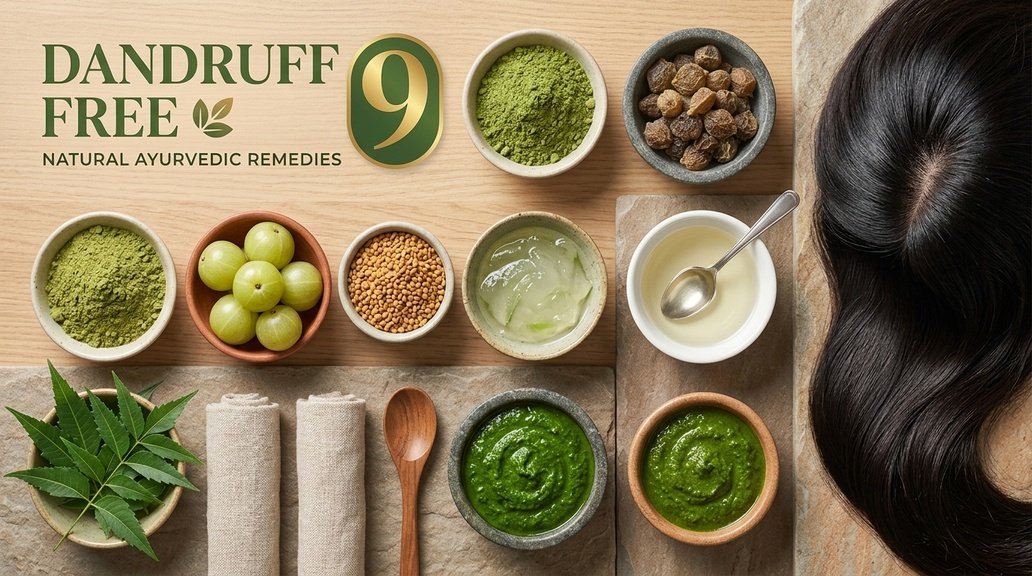
Eliminate dandruff naturally with Ayurvedic remedies, and you skip the cycle of harsh medicated shampoos that strip the scalp barrier, trigger more fl
Eliminate dandruff naturally with Ayurvedic remedies, and you skip the cycle of harsh medicated shampoos that strip the scalp barrier, trigger more flaking, and then need repeating. Ayurveda has spent centuries documenting plant-based scalp treatments, and several of them hold up under modern research. This guide shows how to clear the flakes in 9 Ayurvedic steps that calm inflammation, balance scalp oil, and stop dandruff at its root.
Reviewed by the BeautynFacts editorial team. Last updated: May 2026.
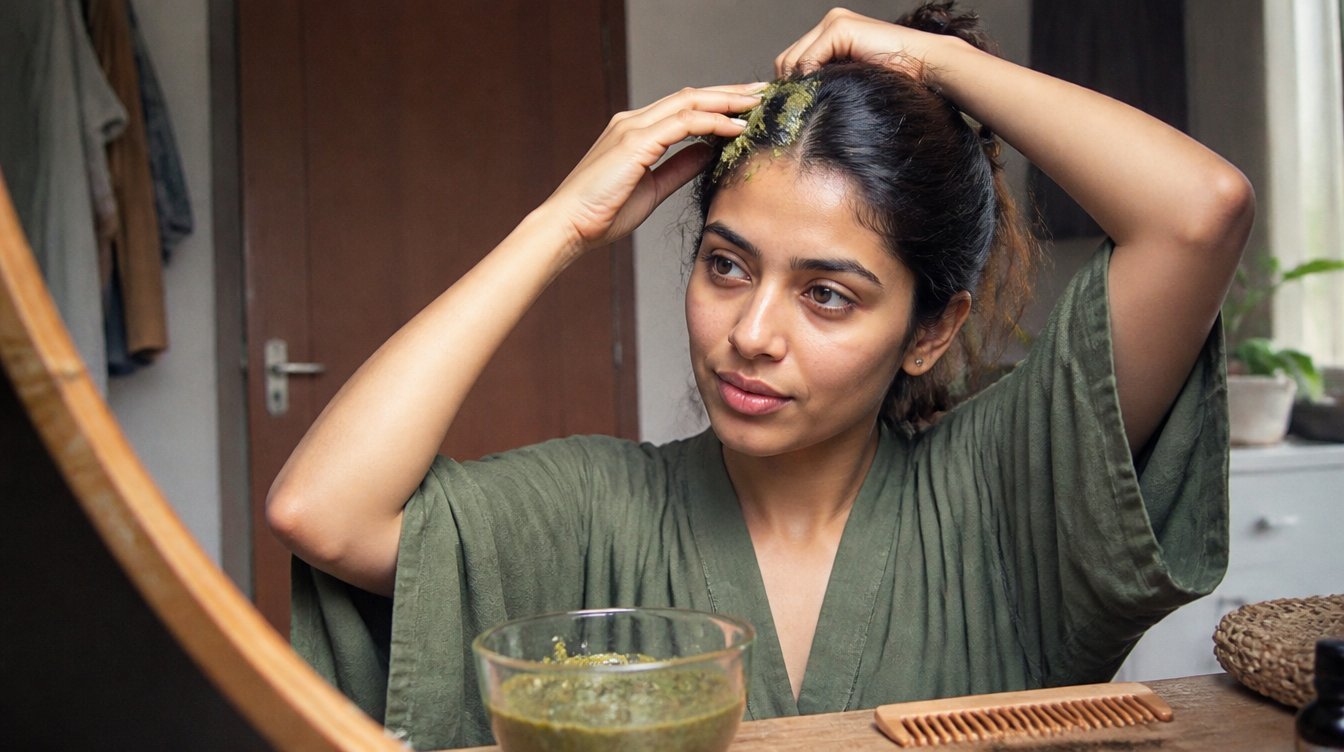

Today, Ayurveda continues to be a popular system of medicine in India and has gained popularity around the world as people seek alternative and natural solutions for their health concerns. While modern medicine has largely replaced traditional remedies for many health conditions, Ayurvedic remedies for dandruff are still widely used and are considered to be effective and safe.
In conclusion, Ayurveda has a long history of using natural remedies to manage dandruff, and these remedies have been passed down through generations. Whether you prefer traditional remedies or home remedies, there are many effective ways to manage dandruff naturally, and Ayurveda offers a rich resource of knowledge and solutions.
If you want to eliminate dandruff naturally, the answer lies in centuries-old Ayurvedic remedies and proven home treatments that calm the scalp without harsh chemicals. This guide covers the causes, the most effective natural ingredients, and step-by-step recipes you can try this week.
Home Remedies for Dandruff
These home remedies eliminate dandruff naturally without disrupting your scalp’s natural microbiome.
In addition to Ayurvedic remedies, there are several effective home remedies for dandruff. Here are some of the most popular and effective home remedies for dandruff:
- Apple cider vinegar: Apple cider vinegar is a natural antifungal and can help to balance the pH of the scalp, reducing dandruff. To use apple cider vinegar for dandruff, simply mix equal parts apple cider vinegar and water and then massage the mixture into the scalp. Leave it on for at least 10 minutes before washing it off.
- Baking soda: Baking soda can help to remove excess oil and dead skin cells from the scalp, reducing dandruff. To use baking soda for dandruff, simply mix a small amount of baking soda with water to form a paste. Massage the paste into the scalp and leave it on for a few minutes before washing it off.
- Lemon juice: Lemon juice is a natural antifungal and can help to reduce dandruff. To use lemon juice for dandruff, simply mix equal parts lemon juice and water, then massage the mixture into the scalp. Leave it on for at least 10 minutes before washing it off.
- Tea tree oil: Tea tree oil has antifungal and antiseptic properties, making it an effective home remedy for dandruff. To use tea tree oil for dandruff, simply add a few drops of tea tree oil to your shampoo or massage it directly into the scalp. Leave it on for at least 10 minutes before washing it off.

Dandruff can be a frustrating and embarrassing condition, but there are many effective ways to manage it naturally. Whether you prefer Ayurvedic remedies or home remedies, there is something out there that can help you beat dandruff and get your scalp back to its healthy, flake-free state. If you have tried all of these remedies and your dandruff is still not improving, it may be time to see a dermatologist for further treatment.
Frequently Asked Questions About Ayurvedic Dandruff Remedies
Do Ayurvedic remedies really work for dandruff?
Yes, several Ayurvedic ingredients have research support for dandruff. Neem has antifungal properties that target malassezia, the yeast linked to most dandruff. Tea tree oil from the related sandalwood family also fights the same fungus. Fenugreek seeds soaked overnight and ground into paste reduce scalp inflammation. Aloe vera calms irritation while moisturising the scalp. Used consistently for four to six weeks, these Ayurvedic dandruff remedies match medicated shampoos for mild to moderate cases. Severe dandruff usually needs prescription treatment alongside herbal care.
How often should you apply Ayurvedic dandruff treatments?
Twice a week for masks and overnight oil treatments, while a daily neem-infused water rinse can complement. Apply a thick paste of fenugreek, neem, and yogurt to the scalp before washing, leave for thirty minutes, then shampoo out with a gentle cleanser. Overnight oil treatments work well once a week, using warmed coconut or sesame oil infused with neem leaves. Avoid daily heavy oil masks, which can clog the scalp and worsen dandruff. Consistency over weeks matters more than daily intensity.
Is coconut oil good for dandruff?
Mildly yes, with caveats. Coconut oil has gentle antifungal properties and moisturises a dry flaky scalp. Apply warm to the scalp, massage for five minutes, leave on for thirty minutes to overnight, then wash out thoroughly. The catch is that coconut oil alone is not enough for moderate to severe dandruff, since the malassezia yeast can sometimes feed on the oil itself. Combine with neem or tea tree oil for stronger antifungal action. People with very oily scalps should skip coconut oil entirely.
What is the difference between dandruff and dry scalp?
Dandruff is caused by malassezia yeast overgrowth and shows up as larger, yellowish, oily flakes with scalp redness and itching. Dry scalp shows smaller white flakes and a tight uncomfortable feel without redness. They need different treatments. Dandruff responds to antifungal Ayurvedic remedies like neem and tea tree. Dry scalp responds to moisturising treatments like coconut oil and aloe vera. Misdiagnosis is the most common reason home treatment fails. Look closely at flake size and check for scalp redness before treating.
Can Ayurvedic dandruff remedies be combined with medicated shampoo?
Yes, and the combination often works better than either alone. Use a medicated shampoo with ketoconazole, zinc pyrithione, or salicylic acid two to three times a week, and alternate with gentler Ayurvedic dandruff remedies in between. The medicated shampoo handles the active fungal load while the herbal treatments calm inflammation and rebuild scalp health. Within four to six weeks, most people see significant improvement and can wean off the medicated shampoo. Keep the Ayurvedic remedies as long-term maintenance.
How long until dandruff clears with Ayurvedic treatment?
Four to six weeks of consistent twice-weekly treatment for mild to moderate dandruff. Severe cases take longer and may need stronger interventions alongside Ayurvedic dandruff remedies. The first sign of progress is reduced itching, usually within two weeks. Flake reduction follows by week four. Inflammation and redness clear by week six. If you see no improvement by week eight, see a dermatologist for prescription antifungal shampoo. Stress, diet, and seasonal changes all affect dandruff timelines.
RELATED ARTICLES:
Say Goodbye to Dandruff with the Power of Neem for Healthy Hair
Hair thinning and dandruff: How Tea Tree Oil Can Help
Glass Hair in 2026: The Products and Techniques for a Frizz-Free, Mirror-Like Finish That Lasts
Struggling with Acne & Flaky Scalp? Top Skin & Hair Triggers Women Must Avoid in 2025!
MOB WIFE HAIR: HOW TO GET THE VOLUMINOUS, LIVED-IN LOOK EVERYONE’S OBSESSING OVER
About The Author

COMMENTS