








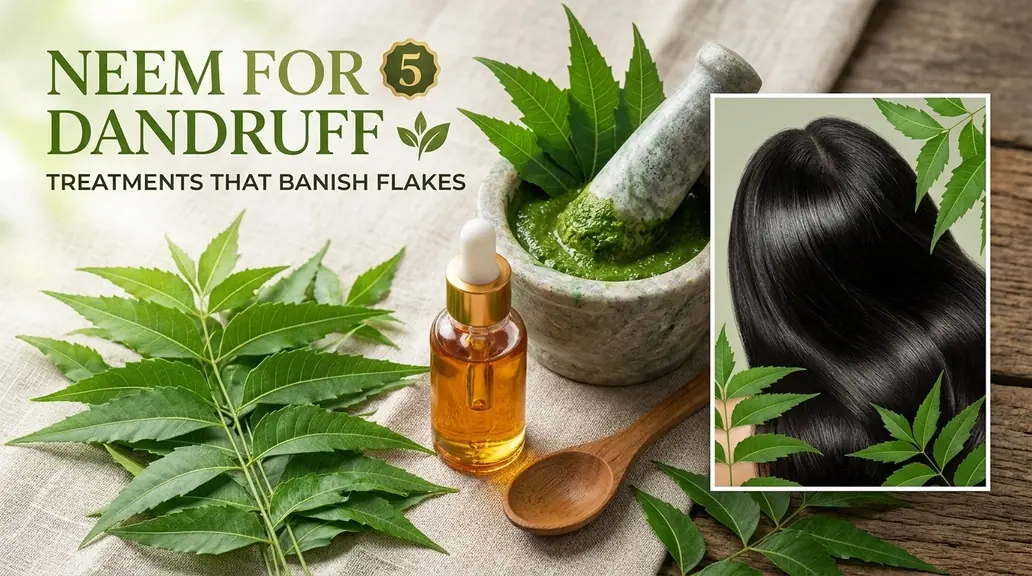
Say Goodbye to Dandruff with the Power of Neem for Healthy HairNeem for dandruff is one of the oldest and best-researched remedies for a flaky, itchy
Say Goodbye to Dandruff with the Power of Neem for Healthy Hair
Neem for dandruff is one of the oldest and best-researched remedies for a flaky, itchy scalp, and modern science is finally catching up to what Ayurvedic healers knew centuries ago. Dandruff affects nearly half of all adults at some point, and drugstore shampoos often bring only temporary relief. Derived from the Azadirachta indica tree, neem is packed with antifungal and antibacterial compounds that target the root causes of flaking. This guide shows you exactly how to use it.
Flaky scalp. Persistent itch. White specks on your dark clothing. If any of these sound familiar, you are not alone. Dandruff affects nearly half of the global adult population at some point in their lives, and for many people, it becomes a recurring battle that over-the-counter shampoos barely touch. The good news is that nature has already solved this problem, and it did so thousands of years ago. Neem for dandruff is one of the most well-researched, time-tested remedies in Ayurvedic medicine, and modern science is now confirming what ancient healers always knew. Neem, derived from the Azadirachta indica tree native to the Indian subcontinent, contains a dense profile of bioactive compounds that target the root causes of dandruff at the cellular level. This article is your complete guide to understanding why neem works, exactly how to use it, and which formulations deliver the best results. You will learn the science behind neem’s antifungal and antibacterial properties, discover practical home remedies you can make today, and understand how to build a consistent neem-based hair care routine that keeps dandruff from coming back for good.
Understanding Dandruff: What Is Really Happening on Your Scalp
Published · Updated
The scalp’s skin barrier plays a central role. A compromised barrier allows moisture to escape and irritants to penetrate more easily, triggering inflammation and accelerated shedding. Genetics, climate, stress, and hormonal changes all influence how well your skin barrier functions. Understanding this biology matters because effective treatment must address the barrier itself, not just the visible symptoms.
The Role of Malassezia Fungus
The primary microbial culprit behind most dandruff cases is Malassezia globosa, a lipid-dependent yeast that lives naturally on every human scalp. In balanced quantities, it causes no harm. When it overgrows, however, it breaks down scalp sebum into oleic acid, a free fatty acid that penetrates the skin barrier and triggers an inflammatory response in people who are sensitive to it. This inflammation speeds up cell turnover, leading to the visible flaking associated with dandruff.
Malassezia species are present in significantly higher concentrations on dandruff-affected scalps compared to healthy ones. This fungal link is precisely why antifungal ingredients form the backbone of effective dandruff treatment, and it is exactly why neem, with its well-documented antifungal activity, has become such a powerful natural solution.
Other Contributing Factors
While Malassezia is the most common driver, dandruff rarely has a single cause. Excess sebum production creates the ideal environment for fungal overgrowth. Contact dermatitis from sulphates, fragrances, or preservatives in hair products can mimic dandruff symptoms or worsen an existing condition. Stress elevates cortisol, which disrupts the skin’s immune function and increases sebum production simultaneously. Nutritional deficiencies, particularly low levels of zinc, B vitamins, and omega-3 fatty acids, are consistently linked to scalp inflammation and increased flaking. A comprehensive treatment approach addresses as many of these factors as possible, which is where neem’s multi-compound profile offers a genuine advantage over single-ingredient solutions.
The Neem Tree: Origins, History, and Cultural Significance
Ancient Roots in Ayurvedic Medicine
The neem tree, Azadirachta indica, has been cultivated across the Indian subcontinent for more than 4,000 years. Sanskrit texts refer to it as “Sarva Roga Nivarini”, which translates to “the curer of all ailments”. In Ayurvedic medicine, neem is classified as a bitter herb with cooling, detoxifying properties. Practitioners used it to treat fevers, infections, skin disorders, and scalp conditions long before the development of modern pharmaceuticals.
Ancient Ayurvedic texts, including the Charaka Samhita and the Sushruta Samhita, both document the use of neem leaves and oil for scalp and hair treatments. Neem leaf paste was applied directly to the scalp to combat itching, flaking, and hair loss. Neem oil was massaged into the roots to strengthen hair and prevent microbial overgrowth. These practices were passed down through generations and remain common across South Asia and South-east Asia today.
Global Spread and Modern Recognition
As trade routes expanded, neem’s reputation travelled beyond India. By the 20th century, neem had attracted the attention of botanists and pharmacologists around the world. The United States National Academy of Sciences published a landmark report in 1992 calling neem “a tree for solving global problems”, highlighting its medicinal, agricultural, and environmental applications. Today, neem-derived ingredients appear in products sold on every continent, and its extracts are subject to ongoing pharmaceutical research for applications ranging from antifungal treatment to wound healing.
For the hair care industry, neem’s journey from Ayurvedic apothecary to global beauty shelf has been driven by consumer demand for effective, plant-based alternatives to synthetic antifungals. The compound azadirachtin, along with nimbidin, nimbin, and gedunin, has drawn particular scientific interest for its demonstrated activity against the microorganisms most responsible for scalp problems.
Different Parts of the Neem Tree Used in Hair Care
Every part of the neem tree contributes something useful. The leaves contain the highest concentration of nimbidin and quercetin, compounds with potent anti-inflammatory and antifungal effects. Neem seed oil, cold-pressed from the kernels, is rich in fatty acids, including oleic acid, linoleic acid, and palmitic acid, along with high levels of azadirachtin and triterpenoids that deliver the most concentrated antifungal action. Neem bark contains tannins and polyphenols with antibacterial properties. In hair care, the most commonly used forms are neem oil, dried neem leaf powder, and standardised leaf extracts, each with distinct application methods and benefits.
The Science Behind Neem’s Effectiveness Against Dandruff
Antifungal Compounds and Their Mechanisms
Neem’s antifungal activity is not a single-compound phenomenon. It results from the synergistic action of multiple bioactive molecules working together. Azadirachtin disrupts fungal cell membranes, preventing Malassezia from reproducing effectively. Gedunin and nimbolide inhibit ergosterol synthesis, a process that fungi depend on to maintain cell wall integrity. Without a functional cell wall, fungal cells cannot survive.
Anti-inflammatory Action on the Scalp
Inflammation is at the heart of dandruff-related discomfort. The itching, redness, and sensitivity that accompany flaking are all signs of an active inflammatory response in the scalp skin. Neem contains nimbidin, one of the most studied anti-inflammatory compounds from a plant source.
Quercetin, a flavonoid found in high concentrations in neem leaves, also inhibits histamine release from mast cells, reducing the localised allergic-type response that worsens scalp sensitivity. This dual anti-inflammatory mechanism means that neem does not just stop fungal growth. It simultaneously calms the inflammatory cascade that makes dandruff so uncomfortable, providing faster symptomatic relief alongside longer-term microbial control.
Antibacterial Properties That Protect Scalp Health
While fungi are the primary dandruff driver, bacteria can complicate scalp conditions significantly. Staphylococcus and Propionibacterium species contribute to folliculitis, scalp acne, and secondary infections that develop when scratching breaks the skin barrier. Neem’s antibacterial compounds, particularly nimbidol and undecanoic acid derivatives, demonstrate broad-spectrum activity against both Gram-positive and Gram-negative bacterial strains.
For people whose dandruff is accompanied by scalp bumps, pustules, or deeper inflammation, this antibacterial action can be particularly valuable. It transforms neem from a simple anti-dandruff ingredient into a comprehensive scalp health solution.
Forms of Neem Available for Hair Treatment
Neem Oil: The Most Potent Delivery Method
Cold-pressed neem oil is the most concentrated form of neem available for hair use. It is extracted from the seeds of the neem tree and retains the full spectrum of bioactive compounds, including azadirachtin, triterpenoids, and fatty acids. The oil has a distinctive strong, sulphurous smell that many people find intense, but this pungency is actually an indicator of high active compound content. Refined or deodorised neem oils may be easier to tolerate but deliver reduced therapeutic activity.
Neem oil should never be applied undiluted to the scalp. Its potency makes it potentially irritating in its pure form, particularly for people with sensitive skin. A standard dilution of one to two teaspoons of neem oil mixed into two tablespoons of a neutral carrier oil such as coconut, jojoba, or sweet almond oil creates an effective and safe pre-wash scalp treatment. Apply this blend to the scalp, massage gently for five minutes to stimulate circulation, and leave it on for 30 to 60 minutes before shampooing thoroughly.
Neem Leaf Powder: Versatile and Accessible
Dried neem leaf powder is made from ground, dehydrated neem leaves and retains a strong concentration of nimbidin, quercetin, and other leaf-specific compounds. It is widely available online and in health food stores, and it is considerably less expensive than pure neem oil. Neem powder can be used in several ways. It can be mixed with water or aloe vera gel to form a scalp mask. It can be blended with yoghurt or coconut milk for a conditioning treatment. It can also be added to your existing shampoo to boost its antifungal performance.
A basic neem powder scalp mask involves combining two tablespoons of neem powder with enough warm water to create a smooth paste. Apply it to the scalp in sections, pressing it gently into the roots, and leave it on for 20 to 30 minutes. The slight tingling sensation that some people notice is normal and indicates the active compounds are at work. Rinse thoroughly with warm water, followed by a gentle shampoo to remove all residue. Use this mask once or twice weekly for the first month, then reduce to once weekly for maintenance.
Neem Shampoos, Conditioners, and Scalp Serums
The commercial market for neem-based hair products has expanded considerably over the past decade. Neem shampoos formulated with standardised leaf extract or neem oil offer a convenient entry point for people who want the benefits without the preparation time of home remedies. When choosing a neem shampoo, look for products that list neem extract or Azadirachta indica within the first five to seven ingredients, indicating a meaningful concentration rather than a token inclusion for marketing purposes.
Neem scalp serums and leave-on treatments represent the newest category of neem-based products. These are typically water-based formulas with neem leaf extract combined with salicylic acid, tea tree oil, or zinc pyrithione for a multi-modal approach to dandruff control. They are applied directly to the scalp after washing and left in to work between wash days. For people with persistent or severe dandruff, this category often produces the most noticeable improvements because the active compounds have extended contact time with the scalp rather than being rinsed away quickly.
Effective Neem Home Remedies for Dandruff
Neem and Coconut Oil Scalp Treatment
Coconut oil is one of neem’s most effective carrier partners. Its medium-chain fatty acids, particularly lauric acid, have their own documented antifungal and antibacterial properties, creating a synergistic blend that outperforms either ingredient alone. To prepare this treatment, gently warm three tablespoons of virgin coconut oil until it is just liquid, then stir in one teaspoon of pure neem oil. Add five drops of tea tree essential oil for additional antifungal potency if desired.
Section your dry hair and apply the blend directly to your scalp using a dropper bottle or your fingertips. Work methodically from the crown outward to ensure full coverage. Massage for five to seven minutes using circular motions to boost blood flow and ensure the oil penetrates the scalp surface rather than sitting on top of the hair. Cover your hair with a shower cap and allow the treatment to work for at least one hour, or overnight for deeply entrenched dandruff. Wash out with a sulphate-free shampoo, lathering twice if needed to fully remove the oil. Repeat twice weekly for the first month, then once weekly as a preventive measure.
Neem Leaf Boil Rinse
This is one of the most traditional neem hair treatments and remains highly effective. Bring two cups of water to a boil and add a generous handful of fresh neem leaves, approximately 20 to 25 leaves. Reduce the heat and simmer for 15 minutes until the water turns a deep green colour and the leaves have released their compounds into the liquid. Remove from heat, allow the mixture to cool completely, and strain out the leaves.
After shampooing and rinsing your hair as normal, pour the cooled neem leaf water over your scalp and hair as a final rinse. Massage it gently into the scalp for two to three minutes, then leave it in without rinsing. This leave-in application keeps neem’s active compounds in contact with your scalp between wash sessions, providing ongoing antifungal and anti-inflammatory protection. The mild green tint it may leave on very light hair is temporary and washes out with the next shampoo. Use this rinse two to three times per week for best results.
Neem, Yogurt, and Fenugreek Scalp Mask
This three-ingredient mask combines neem’s antifungal activity with yoghurt’s probiotic and lactic acid benefits and fenugreek’s soothing, protein-rich properties. The lactic acid in plain yoghurt gently exfoliates the scalp, removing built-up flakes and allowing neem’s compounds to penetrate more effectively. Fenugreek seeds, soaked overnight and ground into a paste, contain nicotinic acid and lecithin, which strengthen hair follicles and reduce scalp inflammation.
To make this mask, combine two tablespoons of neem leaf powder, three tablespoons of plain unsweetened yoghurt, and two tablespoons of fresh fenugreek paste. Mix until smooth. Apply generously to the scalp in sections and work a small amount through the lengths of your hair. Leave the mask on for 30 to 45 minutes. Rinse thoroughly with cool water, then follow with a gentle shampoo. Use this mask weekly. Most people notice a significant reduction in flaking within three to four weeks of consistent use, along with improved scalp comfort and reduced itching from the first or second application.
Neem Oil and Aloe Vera Overnight Serum
Aloe vera gel is a superb partner for neem oil because it delivers intense hydration to a dry, irritated scalp while also providing its own mild antimicrobial and anti-inflammatory compounds, including aloenin and barbaloin. This combination works particularly well for people whose dandruff is driven by dryness rather than excess oil.
Mix one teaspoon of neem oil with three tablespoons of fresh aloe vera gel. If you prefer, add two to three drops of lavender essential oil to help offset neem’s strong scent and add additional soothing properties. Apply this blend to the scalp only, not the hair lengths, before bed. Wear a protective satin or silk bonnet or use a towel over your pillow to protect your bedding. In the morning, wash your hair as usual. The extended contact time during sleep allows the neem compounds to work at their most effective, and many people report a significant difference in scalp comfort within the first week of nightly application.
Building a Complete Neem-Based Hair Care Routine
Assessing Your Scalp Type Before Starting
No single neem routine works equally well for every scalp type. Before you begin, identify whether your dandruff is associated with an oily or dry scalp. An oily scalp produces excess sebum, often appears shiny between washes, and may develop yellowish, greasy flakes that clump together. A dry scalp produces smaller, whiter flakes that fall loosely, and the scalp may feel tight or rough to the touch. Combination scalps exist too, with an oily crown and dry hairline or nape area.
Oily scalps benefit most from neem oil pre-wash treatments and neem-infused shampoos that help regulate sebum production. Dry scalps respond better to neem leaf rinses and the neem-aloe overnight serum, which deliver antifungal action without stripping the scalp further. Sensitive scalps should start with the most diluted formulations and patch-test every new neem product on the inner arm for 24 hours before applying to the scalp, even with natural ingredients.
A Week-by-Week Implementation Plan
Consistency is the single most important factor in achieving lasting dandruff control with neem. Start in week one with twice-weekly neem oil scalp treatments combined with a daily neem shampoo. This intensive phase saturates the scalp with antifungal compounds and begins disrupting Malassezia overgrowth immediately. Most people notice reduced itching within the first week, with visible flake reduction beginning in week two.
In weeks two and three, maintain the twice-weekly oil treatments but reduce them to a neem shampoo every other wash, alternating with a gentle, fragrance-free cleanser to prevent scalp dryness from over-washing. Add a weekly neem-powder mask or yoghurt-blend treatment during this phase to address any remaining inflammation. By week four, many people can shift to a maintenance routine of one neem oil treatment per week and two to three neem shampoo sessions. From month two onward, once-weekly neem treatment is typically sufficient to prevent recurrence, though individual needs vary based on scalp type and lifestyle factors.
Complementary Lifestyle Habits That Enhance Neem’s Results
Neem works best when supported by habits that reduce the internal triggers of dandruff. Stress management is particularly important because cortisol directly increases sebum production and impairs the scalp’s immune response. Regular exercise, adequate sleep, and stress reduction practices all help regulate cortisol levels and create a less hospitable environment for fungal overgrowth.
Dietary adjustments also make a measurable difference. Reducing refined sugar and processed carbohydrates can help control Malassezia growth because these yeasts thrive when blood sugar spikes create an abundance of glucose in skin secretions. Increasing zinc intake through foods like pumpkin seeds, chickpeas, and lean meat supports scalp immune function and reduces inflammation. Omega-3 fatty acids from flaxseed, walnuts, and fatty fish strengthen the scalp’s lipid barrier and reduce the sensitivity that makes dandruff symptoms worse. Staying well hydrated keeps the scalp’s natural moisture balance intact, reducing the dry-scalp component of flaking.
Neem for Hair Health Beyond Dandruff Control
Stimulating Hair Growth and Reducing Shedding
Neem’s benefits for hair extend well beyond dandruff treatment. The scalp inflammation that accompanies chronic dandruff can impair hair follicle function and contribute to increased hair shedding. By reducing this inflammation, neem indirectly creates better conditions for healthy hair growth.
Neem is also rich in antioxidants, including nimbolide and beta-sitosterol. Oxidative stress is an increasingly recognised contributor to hair follicle miniaturisation and premature hair loss. By neutralising free radicals at the scalp level, neem’s antioxidant compounds may help preserve follicle health over time. While neem is not a proven standalone treatment for androgenetic alopecia, incorporating it into a broader hair care routine that supports scalp health can contribute to reduced shedding and improved hair density for many people.
Strengthening Hair Structure and Adding Shine
Neem oil’s fatty acid profile, particularly its high content of oleic acid and linoleic acid, penetrates the hair shaft and helps restore moisture to the cortex. Dry, brittle hair is more prone to breakage, and the same scalp conditions that cause dandruff often compromise the overall health of the hair fibre. Regular neem oil treatments condition the hair from root to tip, improving elasticity and reducing mechanical breakage during combing and styling.
The oil also forms a protective film around the hair cuticle, reflecting light more evenly and creating natural shine without synthetic silicones. This is particularly beneficial for people who have been using harsh medicated shampoos that strip the hair of its natural oils while treating dandruff. Neem offers a way to manage the condition while simultaneously nourishing and restoring the hair itself, addressing both the scalp problem and its cosmetic consequences at the same time.
Protection Against Environmental Damage and Scalp Buildup
Urban environments expose the scalp to particulate matter, pollutants, and ultraviolet radiation that accelerate oxidative damage and disrupt the microbiome balance on the scalp surface. Neem’s antioxidant compounds provide a degree of protection against this environmental assault. Using a neem-based scalp serum or leave-in treatment on days between washes can help neutralise pollutant-derived free radicals before they trigger inflammatory cascades.
Product build-up is another significant but often overlooked contributor to dandruff-like symptoms. Silicones, waxes, and heavy conditioning agents can accumulate on the scalp and interfere with the skin’s natural shedding process, trapping dead cells and creating the appearance of dandruff even when the underlying condition is minimal. Neem’s mild cleansing properties, combined with its ability to normalise sebum production, help prevent this buildup over time. Incorporating a neem-based clarifying rinse once or twice monthly is an effective way to keep the scalp environment clean and balanced.
Safety, Precautions, and What to Expect
Who Should Use Caution with Neem
Neem is safe for the vast majority of adults when used topically as directed. However, a few groups should exercise caution. People with known allergies to plants in the Meliaceae family should consult a dermatologist before using neem products. Those with very sensitive or reactive skin should start with highly diluted formulations and perform a patch test before full scalp application. Pregnant women are advised to avoid oral neem supplements, though topical use in normal cosmetic concentrations is generally considered safe. If you are currently using prescription antifungal scalp treatments, consult your dermatologist before introducing neem to ensure there are no interactions with your prescribed regimen.
Children under 12 should not use concentrated neem oil on the scalp without medical guidance, as their skin barrier is thinner and more permeable. Neem-containing shampoos formulated specifically for children are available and use much lower concentrations that are appropriate for younger scalps. For adults with normal skin types, the main practical concern is neem oil’s strong smell rather than any safety issue. Mixing it with pleasant-scented carriers like coconut or almond oil helps considerably.
Managing Expectations: Timeline for Results
Neem works, but it is not an overnight solution. This is true of virtually all natural treatments because they work by gradually correcting the underlying imbalance rather than simply suppressing symptoms with aggressive pharmaceutical force. Most people using neem consistently report the following general timeline. Itching and scalp discomfort typically reduce within the first one to two weeks as neem’s anti-inflammatory compounds begin to calm the inflammatory response. Visible flaking begins to decrease in weeks two to four as the antifungal action brings Malassezia populations back into balance. Full resolution of persistent dandruff generally takes six to eight weeks of consistent use.
If you see no improvement after eight weeks of consistent application, consider that your dandruff may have an underlying cause beyond Malassezia, such as psoriasis, contact dermatitis, or hormonal imbalance, all of which require a different treatment approach. A dermatologist can perform a scalp examination and, if necessary, a scalp biopsy or culture to identify the specific cause and guide appropriate treatment. Neem can still form part of a comprehensive plan in these cases, but additional interventions may be needed.
Combining Neem with Other Natural Antifungal Ingredients
Neem’s efficacy can be enhanced when combined strategically with other natural antifungals. Tea tree oil, derived from Melaleuca alternifolia, contains terpinen-4-ol, which disrupts fungal cell membranes through a different mechanism than neem’s azadirachtin, making the combination synergistically more effective than either ingredient alone. Apple cider vinegar, used as a diluted scalp rinse at a ratio of one part vinegar to four parts water, lowers scalp pH and creates an environment less hospitable to Malassezia growth. Zinc-based compounds regulate sebum production and have direct antifungal properties, making zinc-enriched neem shampoos particularly effective for oily, dandruff-prone scalps.
Rosemary oil has received significant attention in recent research for both its antimicrobial properties and its potential to support hair growth by improving scalp circulation. Adding five drops of rosemary essential oil to a neem oil blend creates a multi-action treatment that addresses fungal overgrowth, scalp inflammation, and follicle stimulation simultaneously. The key principle in combining these ingredients is to use each at an appropriate concentration rather than layering too many actives at once, which can cause irritation rather than additional benefit.
Frequently Asked Questions
How often should I use neem oil on my scalp for dandruff?
During an active dandruff outbreak, applying a diluted neem oil treatment two to three times per week produces the fastest results. Dilute one to two teaspoons of neem oil in two tablespoons of a carrier oil such as coconut or jojoba, apply to the scalp, leave on for 30 to 60 minutes, and wash out thoroughly. After four to six weeks, once dandruff is controlled, reduce it to once weekly as a preventive maintenance treatment. Avoid applying neem oil daily, as this can lead to scalp build-up and potentially clog hair follicles, which counteracts the treatment’s benefits.
Can neem completely cure dandruff permanently?
Neem can achieve long-term control of dandruff, but the concept of a permanent cure is complicated by the nature of the condition. Because dandruff is linked to a naturally occurring scalp yeast, changes in health, stress, diet, or climate can trigger recurrence even after successful treatment. Neem works best as part of an ongoing scalp care routine rather than a short-term fix. Many people find that maintaining a once-weekly neem treatment indefinitely keeps dandruff from returning, with no need for medicated products. Think of it as managing a tendency rather than curing a disease.
Is neem safe to use on colour-treated or chemically processed hair?
Neem leaf rinses and neem-based shampoos are generally safe for colour-treated hair. Neem oil, however, should be used with some caution on freshly coloured hair. Its fatty acids can potentially affect how colour molecules bond to the hair shaft if applied too soon after colouring. Wait at least two weeks after a colour treatment before introducing neem oil treatments. Neem powder masks, applied only to the scalp and not drawn through the lengths, are safe to use at any time on colour-treated hair. Always perform a strand test when introducing any new oil treatment to coloured hair to ensure it does not affect your colour result.
What is the best way to deal with neem oil’s strong smell?
Neem oil’s distinctive sulphurous, garlic-like odour comes from the same sulphur-containing compounds that contribute to its antibacterial activity. Blending it with pleasantly scented carriers and essential oils is the most effective approach. Mixing neem oil with coconut oil masks much of the smell while adding complementary antifungal benefits. Adding five to ten drops of lavender, peppermint, or rosemary essential oil per two tablespoons of blend creates a more pleasant scent profile. Applying the treatment as a pre-wash rather than a leave-in also limits exposure time. After a thorough shampoo, very little neem scent remains. Choosing commercial neem products with deodorised or encapsulated neem extract is an option if pure neem oil’s smell is a significant barrier.
Can I use neem if I have scalp psoriasis rather than standard dandruff?
Scalp psoriasis and dandruff are distinct conditions with different underlying mechanisms. Psoriasis is an autoimmune condition involving rapid skin cell turnover driven by an overactive immune response, while dandruff is primarily microbial. That said, neem’s anti-inflammatory properties can help reduce the itching and scaling associated with scalp psoriasis as a complementary measure alongside prescribed treatment. Neem should not replace medical treatment for psoriasis, but it can be a supportive addition to your routine with your dermatologist’s knowledge. Avoid concentrated neem oil on actively inflamed psoriatic plaques, as it may cause additional irritation. Neem leaf rinses and diluted neem shampoos are typically better tolerated by psoriasis-affected scalps.
Conclusion
Dandruff does not have to be a permanent fixture in your life. The evidence supporting neem as a safe, effective, and multifaceted solution is both ancient and modern, rooted in thousands of years of Ayurvedic practice and validated by contemporary pharmacological research. Neem’s combination of antifungal, antibacterial, anti-inflammatory, and antioxidant properties makes it uniquely suited to address dandruff at every level, from the fungal overgrowth that drives it to the inflammation that makes it uncomfortable and the scalp barrier weakness that allows it to persist.
The key takeaways from this guide are straightforward. Use diluted neem oil or neem powder consistently, at least twice weekly during active outbreaks and once weekly for maintenance. Choose your formulation based on your scalp type. Pair neem treatments with a diet that limits refined sugar and supports zinc and omega-3 intake. Allow six to eight weeks for full results, and do not abandon the routine prematurely. Combine neem with complementary natural ingredients like tea tree oil, rosemary, or aloe vera for enhanced results. If your dandruff does not respond after two months of consistent treatment, seek a dermatologist’s evaluation to rule out other conditions.
Your next steps are simple. Start with what you have access to today. A basic neem oil scalp massage this week is a meaningful first step. Add a neem leaf rinse the following week. Build the routine gradually and observe how your scalp responds. Neem has been solving this problem for thousands of years. Used correctly and consistently, it can solve it for you too.
Neem for Dandruff: The Antifungal Science
The reason neem for dandruff has worked for centuries in Ayurvedic medicine is biological, not mythical. Most dandruff is driven by an overgrowth of the yeast Malassezia on the scalp. Neem leaves contain nimbidin and nimbin, two compounds with documented antifungal activity that target exactly this organism. That is why neem for dandruff often produces results faster than commercial shampoos for people whose scalp has not responded to zinc pyrithione.
A peer-reviewed review on neem’s antimicrobial properties documents measurable inhibition of Malassezia at concentrations that are easy to achieve with a simple neem-leaf rinse or diluted neem oil. The same compounds also calm the inflammation that drives the persistent itch, which is why neem for dandruff protocols often reduce scratching within a week.
For application, the Healthline neem oil guide recommends diluting one teaspoon of pure neem oil in two tablespoons of carrier oil, like coconut or jojoba, before massaging it into the scalp. Leave it for 30 minutes, then shampoo as normal. Twice weekly is enough; daily use of neem for dandruff can over-dry the scalp and trigger rebound flaking.
RELATED ARTICLES:
Say Goodbye to Dry Skin and Dull Hair: Unleash the Benefits of Olive Oil for Your Skin and Hair
Eliminate Dandruff Naturally with Ayurvedic Remedies and Home Treatments
Hair thinning and dandruff: How Tea Tree Oil Can Help
The Power of Aloe Vera for Your Hair: Tips and Tricks
Struggling with Acne & Flaky Scalp? Top Skin & Hair Triggers Women Must Avoid in 2025!
About The Author

COMMENTS