










Homemade face scrubs are one of the few DIY skincare projects that actually rival what you can buy, but only when you match the grain size, the oil ba
Homemade face scrubs are one of the few DIY skincare projects that actually rival what you can buy, but only when you match the grain size, the oil base, and any added actives to your specific skin type. The wrong scrub on the wrong skin is how people end up with microtears and a damaged barrier, not a glow. This guide gives you 6 homemade face scrubs that are safe for oily, dry, and sensitive skin, with the exact ratios and application steps to follow.
Published · Updated

Quick safety notes before you scrub
Gentle care always wins. Here are the core rules that keep skin calm while you exfoliate.
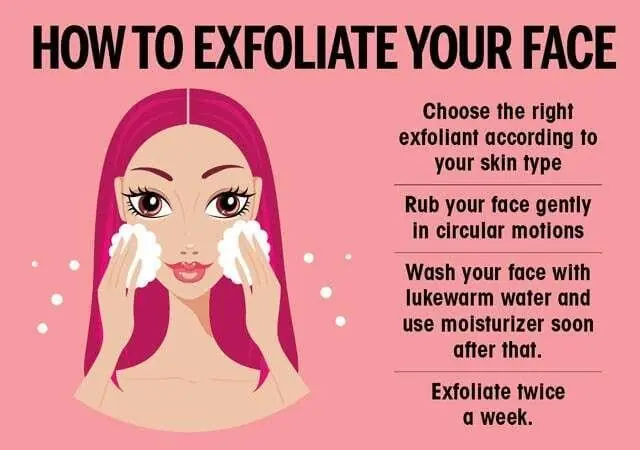
- Use only light pressure and short contact time. Consider using feather-light circles for 20 to 30 seconds before rinsing.
- Work on damp skin and avoid the eye area.
- Rinse with lukewarm water, not hot.
- Pat dry and moisturise immediately to support the skin barrier.
- Skip scrubs if your face is sunburnt or freshly shaved or if you have open cuts or an active flare-up.
- If you are using strong actives in your routine, reduce scrub frequency and watch for signs of irritation.
- Choose fine, skin-kind particles for the face. Save coarse, scratchy crystals for the body only.
- Patch test each new mix on the inner arm. Wait 24 hours before applying to the face.
These basics set the tone for how to make homemade face scrubs without unwanted redness or roughness. Keeping your touch light and your sessions short is the fastest way to get a glow without setbacks.
What kind of exfoliation is right for me?
Picking your method is the most important step. The better the match, the easier your results.
Physical vs chemical at home, in brief
- Physical exfoliation uses tiny particles to nudge away surface build-up. Suitable options for the face include finely ground oats or rice flour. These particles are soft and glide well when mixed with a creamy base.
- Chemical exfoliation uses mild acids to loosen dull cells so they rinse away. In DIY mixes, the simplest way to add a gentle chemical touch is with plain yoghurt, which naturally contains a low level of lactic acid.
It is normal for people to prefer one style over the other. Some enjoy the instant smooth feel of a soft physical polish. Others like the even tone they get from a mild lactic boost. Many people blend both by using a soft grain with a yoghurt base. The right choice is the one your skin accepts without protest.
How often should you exfoliate?
Your skin’s tolerance sets the rhythm. A practical starting range is once weekly. If your skin stays calm, move to two or three times per week, with at least one rest day in between. Watch for dryness, stinging, or tightness after rinsing. If you feel any of those, reduce frequency or switch to a softer texture.
Face Scrub Frequency Guide
| Skin type | Start frequency | Texture choice | Notes |
|---|---|---|---|
| Sensitive | 1x per week | Finely ground oats in yogurt | Keep contact time short and pressure minimal |
| Dry | 1x per week | Oats with a few drops of jojoba | Moisturize right after; consider hydrating toner first |
| Normal or combo | 1-2x per week | Rice flour in yogurt | Adjust water to keep slip generous |
| Oily | 1-3x per week | Rice flour with cooled green tea | Moisturizer still matters; pick a light gel |
| Dull or textured | 1-2x per week | Very fine coffee with yogurt | If you feel scratchiness, switch to oats. |
Caption: Use this table to match frequency and texture to your skin type so you exfoliate enough to see results without overdoing it.
This table gives you a snapshot, but your skin is the final judge. When in doubt, scale back, moisturise well, and build up slowly.
The DIY base formula
You can make the most gentle scrubs by following a simple template. This approach makes measuring easy and allows you to adjust the quantities for single-use batches.
Template for one application
- 2 parts gentle exfoliant: finely ground oats or finely milled rice flour
- 1 part creamy base: plain unsweetened yogurt or aloe gel
- 1 part humectant or emollient: honey or a few drops of jojoba oil
Method
- Place the dry ingredients in a small clean bowl.
- Stir in the creamy base until it forms a smooth paste.
- Add the humectant or oil and mix until the texture feels silky and spreadable.
Texture check: You want a paste that glides without dragging. If it looks too thick, loosen it with a few drops of water or aloe. If it seems thin, sprinkle a little more oat or rice flour and remix.
This template makes it easy to learn how to make homemade face scrubs that fit your needs. Once you know your preferred feel, you can make tiny tweaks with confidence.
6 gentle homemade face scrub recipes by skin type
All recipes below are designed as small, single-use batches to keep things fresh. Mix your paste, use it the same day, and discard any leftovers.
Sensitive or easily irritated
Oat, Yogurt, and Honey Soother
- 2 teaspoons finely ground oats
- 1 teaspoon plain yogurt
- 1 teaspoon honey
Why it works: Finely ground oats feel plush on the skin. Yoghurt adds a hint of gentle exfoliation, while honey brings slip and comfort. This mixture is the most forgiving when you are starting out.
How to use: Apply to damp skin. Massage with the lightest touch for 20 to 30 seconds. Rinse with lukewarm water, pat dry, and follow with a calm, basic moisturiser.
Tips: If your skin leans very reactive, add a few extra drops of water to thin the paste and keep movements extra soft.
Dry or dehydrated
Oat and Milk Powder and Jojoba Comfort Scrub
- 2 teaspoons finely ground oats
- 1 teaspoon milk powder
- 6 to 8 drops jojoba oil
- 1 to 2 teaspoons water as needed
Why it works: Oats bring gentle polish, milk powder softens the feel, and jojoba adds glide so you do not tug on dry patches.
How to use: Mix into a creamy paste. Work on damp skin with light circles, then rinse and moisturise while the skin is still slightly damp.
Tips: For extra comfort, layer a hydrating toner or mist before the scrub.
Normal or combination
Rice Flour and Yoghurt Balance Scrub
- 2 teaspoons finely milled rice flour
- 2 teaspoons plain yogurt
Why it works: Rice flour creates a smooth, fine polish, and yoghurt adds a mild chemical touch. Together they leave skin soft and refreshed.
How to use: Apply to damp skin, massage gently, and rinse well. Follow with a light lotion on oily areas and a richer cream on dry zones.
Tips: Thin with a splash of water if the paste feels draggy. The goal is slip, not friction.
Oily or breakout-prone
Green Tea + Rice Flour Clarifying Scrub
- 2 teaspoons rice flour
- 2 teaspoons cooled brewed green tea
- 1 teaspoon honey
Why it works: Rice flour offers a light polish, green tea water gives a fresh, fluid base, and honey keeps the paste from catching on the skin.
How to use: Apply to damp skin and keep your massage brief. Rinse thoroughly and use a light gel moisturiser.
Tips: Frequency matters more than force. One to three sessions per week with a gentle hand beats a single harsh scrub.
Dullness or texture
Extra-Fine Coffee + Yogurt Brightener
- 1 teaspoon very finely ground coffee
- 2 teaspoons plain yogurt
- 1 teaspoon honey
Why it works: Tiny coffee particles give a refined buffing effect. Yoghurt’s mild acid helps loosen dull cells for an even rinse.
How to use: Massage with a bare-there touch for less than 30 seconds. Should you experience any scratching, please rinse off immediately and consider using oats next time.
Tips: Keep this ingredient on hand as an occasional option. If your skin is thin or delicate, use the oat blend instead.
Quick pantry classic
Two-Ingredient Oat and Honey Scrub
- 2 teaspoons finely ground oats
- 2 teaspoons honey
Why it works: It is easy, fast, and kind to most skin types. The texture is plush and forgiving.
How to use: Thin with a little water in your palm. Massage with light fingers and rinse.
Tips: This formulation is the best mix to demonstrate how to make homemade face scrubs for first-timers. It teaches pressure control and proper slip.
Step-by-step: how to make and use your scrub
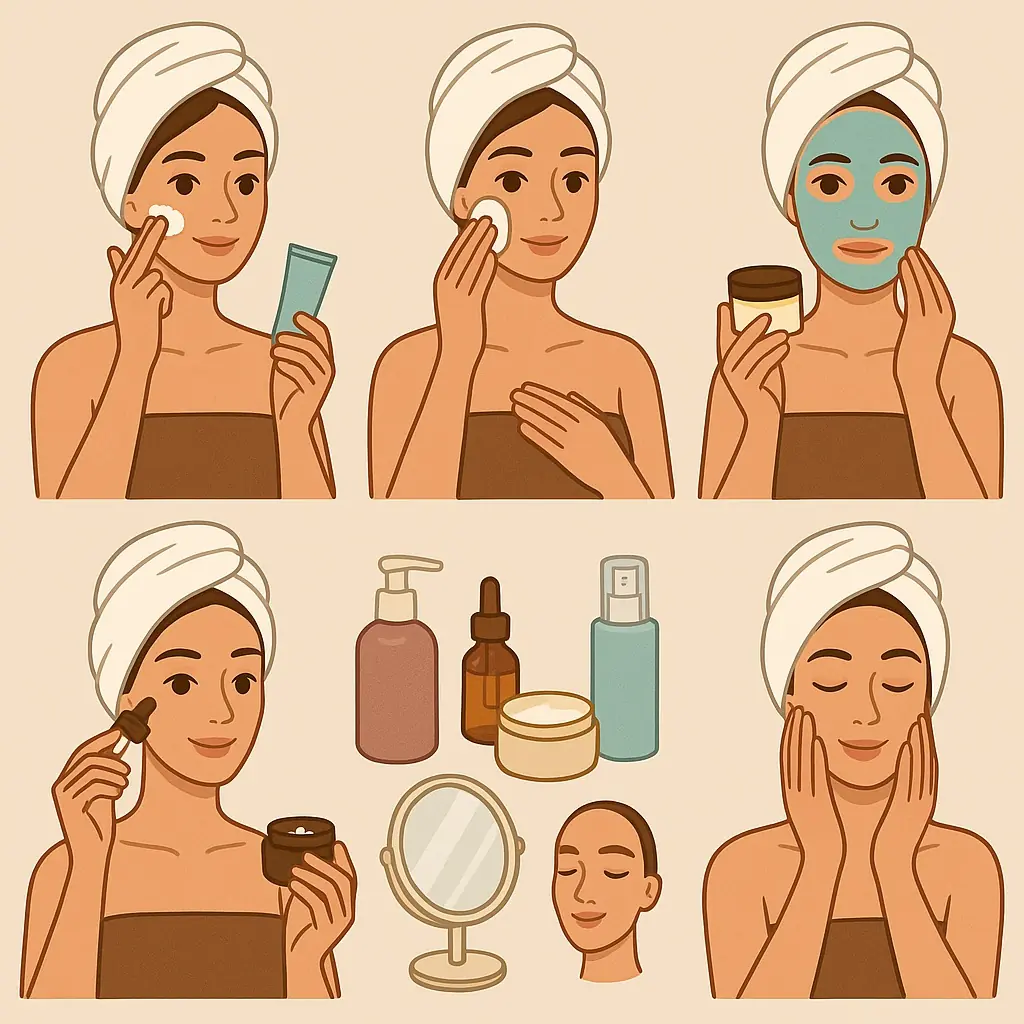
This routine breaks the process into four simple stages so you can repeat the same smart steps each time.
Prep
- Start with clean hands and a clean mixing bowl.
- Grind oats or coffee extra fine if needed. A spice grinder gives a soft meal that feels kind on the face.
- Cleanse your face with a gentle wash and leave the skin slightly damp.
- If your skin is very dry, layer a light hydrating toner before the scrub to improve slip.
Apply
- Scoop a teaspoon of paste and dot it across the forehead, cheeks, nose, and chin.
- Use two or three fingers to make wide, slow circles. Keep pressure feather-light.
- Stay away from the thin skin around your eyes and lips.
- Cap the massage at 20 to 30 seconds. More time does not equal better results.
Rinse and recover
- Rinse with lukewarm water until the paste is gone.
- Pat dry with a soft towel, leaving a hint of moisture on the skin.
- Apply a barrier-supporting moisturiser. On days you scrub, simpler is better.
- If you go outside during the day, finish with sunscreen.
If you are new
- Start once weekly and keep a simple routine on scrub days.
- Log how your skin feels after each session. Signs of success are smoothness and comfortable softness, not tightness.
- If you feel stinging or see redness that lasts, reduce frequency, shorten massage time, or switch to the oat blend.
These habits help you learn how to make homemade face scrubs part of a routine that supports your skin, not fights it.
What to avoid in homemade face scrubs
- Coarse crystals on the face: Large sugar crystals, chunky salt, and ground nutshells can feel scratchy and create hot spots of friction on delicate facial skin.
- Harsh pressure or long scrubbing sessions: The goal is to glide, not grind. Light touch and short contact time prevent barrier stress.
- Strong essential oils directly in the scrub: Potent oils can irritate skin, especially when massaged in. If you use oils, keep them at very low levels or skip them.
- Photosensitising add-ins before daytime: Some citrus add-ins are better saved for night routines.
- Dirty mixing tools or storing leftovers: Small, single-use batches are safer and keep textures consistent.
Avoiding these pitfalls is a key part of how to make homemade face scrubs that give a glow while keeping skin comfortable.
Troubleshooting and substitutions
The paste feels too thick. Add a few drops of water or aloe gel and remix. Aim for a texture that spreads with no drag.
The paste runs down my face. You added too much liquid. Sprinkle in more finely ground oats or rice flour to tighten the texture.
It still feels scratchy. Your particles may be too coarse. Grind them finer or switch to oats. Keep your touch lighter and reduce massage time.
I got red after rinsing. Shorten the session next time and add more base or honey to increase slip. Space out your scrubs to once a week until your skin adapts.
My skin felt tight later. Moisturise right after rinsing while your face is still damp. On scrub days, avoid strong agents.
I do not have yoghurt. Use aloe gel or even plain water as the base. If you want a creamy feel, add a small spoonful of milk powder.
I want more glow. Try the rice flour plus yoghurt mix once or twice a week. Keep your touch gentle and your sessions short.
I want the simplest path. Use the two-ingredient oat and honey scrub. It teaches pressure control and gives reliable softening.
These small fixes keep your mix simple to use and help you personalise how to make homemade face scrubs in a safe, repeatable way.
FAQ:
Is a sugar scrub good for the face? Sugar crystals can feel coarse on facial skin. Many people keep sugar scrubs for the body and choose softer options like oats or rice flour for the face.
How often should I use a face scrub? Begin once per week. If your skin stays comfortable, try two or three times per week, leaving rest days between sessions.
Which homemade scrub is best for sensitive skin? A simple oat, yoghurt, and honey paste is the most forgiving choice. It offers glide and comfort with a soft touch.
Can I use lemon in a DIY scrub? Be cautious with citrus before daytime. If you use it, consider adding it at night and following with moisturiser.
What should I apply after exfoliating? Rinse, pat dry, and apply a calming, barrier-friendly moisturiser. Keep the rest of the routine simple.
Can I make a big batch and store it? It is safer to mix single-use portions. Fresh pastes feel better and reduce the chance of contamination.
Do I need to scrub if I use a washcloth? A soft washcloth provides some gentle polishing. You can still use a very mild scrub once weekly if your skin tolerates it.
Will scrubbing help with blackheads? A soft scrub can improve surface smoothness and help keep pores looking clearer, but steady care and patience matter more than pressure.
Can I scrub on the same day as retinoids? It is better to avoid mixing strong actives and scrubs on the same night. Space them out to keep irritation low.
Is there a beginner-friendly recipe? Yes. The two-ingredient oat and honey scrub is a wonderful first step that shows how to make homemade face scrubs in the simplest way possible.
RELATED ARTICLES:
For the ultimate skin exfoliation, try homemade sugar scrubs
Ubtan Face Mask Benefits & How to Make Ubtan Face Mask for Instant Glow 2025
Microcurrent Facial: The Natural Face-Lift Explained
The Power of Mint for Summer Skincare: The Best Mint Face Packs to Tackle Skin Issues
Use a face mist or face oil to refresh and hydrate your skin.
About The Author

COMMENTS