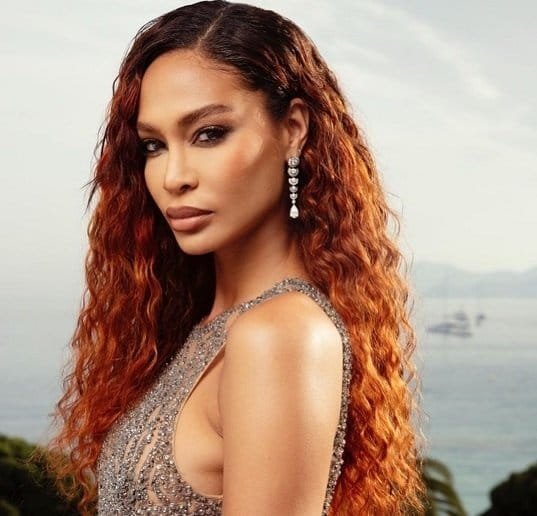
Celebrity curls look effortless in every photo, but the truth is that each bouncy, glossy coil you admire comes from technique, timing, and the right
Celebrity curls look effortless in every photo, but the truth is that each bouncy, glossy coil you admire comes from technique, timing, and the right products working together, not luck, expensive salons, or an unreachable genetic jackpot.
Scrolling through red carpet photos, you have probably caught yourself wondering how stars like Zendaya, Tracee Ellis Ross, Yara Shahidi, and Tessa Thompson consistently appear with curls that look sculpted, shiny, and almost unreasonably bouncy. The assumption is that they have access to something you do not: a secret product, a genetic jackpot, or a magic wand wielded by a Hollywood hairstylist. The reality is far more encouraging. The secret to getting your curls to look like a celeb is not a single miracle item but a layered routine built on hydration science, smart product chemistry, strategic styling technique, and protective habits that compound over weeks and months.Celebrity hairstylists, including Vernon François, Lacy Redway, Ursula Stephen, and Felicia Leatherwood, have spent years refining methods that translate beautifully to everyday routines. What they do backstage is teachable, repeatable, and absolutely achievable in your bathroom. This guide walks you through every tier of that process, from identifying your precise curl pattern and porosity to mastering water-to-product ratios, heatless setting techniques, and the overnight habits that keep curls camera-ready. By the end, you will understand not just what to do, but why each step works on a structural and chemical level, so you can adapt the routine when seasons, hormones, or hair milestones change things up.
Reviewed by the BeautynFacts editorial team. Last updated: May 2026.
Understand Your Curl Pattern Before You Touch A Single Product
The first thing any seasoned celebrity stylist does with a new client is assess the hair itself. They do not reach for a bottle until they understand what they are working with, and neither should you. Curls are categorised using the Andre Walker system, which ranges from Type 2 (wavy) through Type 3 (curly) to Type 4 (coily), with subcategories A, B, and C denoting the tightness of the pattern. A Type 2A wave behaves very differently from a Type 4C coil, and products formulated for one can fall disastrously flat or feel greasy on the other.
Type 2 hair has a loose, S-shaped bend and tends to get weighed down easily, so it thrives on lightweight mousses, flexible gels, and sea salt sprays. Type 3 curls form defined spirals that range from corkscrew-thin to sidewalk-chalk-thick, and they love creamy leave-ins layered with medium-hold gels. Type 4 coils and kinks have the tightest curl pattern and the most surface area, which means they lose moisture the fastest and benefit from rich butters, dense creams, and the LOC or LCO method (liquid, oil, cream or liquid, cream, oil).
Figuring Out Your Porosity
Curl pattern is only half the equation. Porosity, the hair cuticle’s ability to absorb and retain moisture, determines which products actually penetrate the strand. Low-porosity hair has tightly closed cuticles, so heavy butters sit on top and cause buildup, while lightweight humectants like glycerine and aloe slip in easily. High-porosity hair has raised or damaged cuticles that soak up water fast but lose it just as quickly, which is why it often feels dry within hours of styling. Medium-porosity hair, the luckiest of the three, accepts most products without drama.
The classic porosity test involves dropping a clean, product-free strand into a glass of water at room temperature. If it floats for several minutes, your porosity is low.You are considered medium if your weight hovers in the middle range.. If it sinks quickly, you are high in porosity and need sealing ingredients like shea butter, jojoba oil, or argan oil to lock moisture in.
Identifying Density And Strand Width
Density refers to how many strands of hair grow per square inch of scalp, while width refers to the thickness of each individual strand. You can have fine strands but high density, which creates the illusion of thick hair that cannot actually handle heavy products. Conversely, you can have coarse strands but low density, which requires volumising techniques rather than thinning. Gently pinching a single hair between your fingers tells you about width, while parting your hair and examining how much scalp shows reveals density. Together, curl pattern, porosity, density, and width create a personalised blueprint that guides every product and technique choice you make from here on out.
The Wash Day Routine That Sets The Foundation
Celebrity curls do not begin on the styling stool; they begin in the shower. Wash day is where moisture is deposited, the canvas is prepped, and most curl failures are prevented. The single biggest mistake people make is washing too often with harsh sulphates, which strip the natural sebum that gives curls their shine and elasticity. Most curly textures only need cleansing every five to seven days, and many type 4 textures do beautifully on a ten- to fourteen-day cycle with co-washes in between.
Begin by detangling dry or lightly misted hair with a wide-tooth comb or your fingers, working from the ends up to the roots. This reduces breakage dramatically compared to yanking through wet, tangled curls. Rinse with warm water to open the cuticle, then apply a sulphate-free shampoo or cleansing conditioner, focusing only on the scalp. Let the suds rinse down the lengths; never scrub the mid-shaft and ends, which causes friction-induced frizz.
Follow with a rinse-out conditioner that contains slip-giving ingredients like behentrimonium methosulphate or cetrimonium chloride. While the conditioner is in, finger-detangle or use a seamless detangling brush, then do what stylists call the ‘squish-to-condition’ method: cup water and conditioner in your palms and scrunch upward towards your scalp to encourage clumping. Rinse with cool water to seal the cuticle and amplify shine.
Why Deep Conditioning Is Non-Negotiable
Once a week, or at minimum every two weeks, swap your rinse-out conditioner for a deep conditioning treatment. Deep conditioners contain higher concentrations of proteins, ceramides, and emollients that repair structural damage and restore elasticity. Hydrolysed wheat, rice, or silk proteins fill in gaps in the cuticle caused by chemical or mechanical damage, while fatty alcohols like cetyl alcohol and stearyl alcohol smooth the cuticle without causing buildup.
For maximum penetration, apply the deep conditioner to freshly rinsed hair, cover with a plastic cap, and add gentle heat for fifteen to thirty minutes. Heat causes the hair shaft to swell slightly, allowing active ingredients to reach deeper into the cortex. A warm towel, a hooded dryer on low, or even sitting in a steamy bathroom will do. Curls that are consistently deep-conditioned feel softer, hold their shape longer, and reflect light the way celebrity curls do under stage lighting.
Layering Products Like A Pro Stylist
Watch any behind-the-scenes footage of a celebrity styling session, and you will notice the stylist applies not one product, but three to five, in a deliberate order. This is not overkill; it is hair chemistry. Each layer serves a specific function: hydration, definition, hold, shine, or protection. Skipping a layer or applying them out of order is the reason so many home routines produce crunchy, frizzy, or flat results.
Start on sopping wet hair, right out of the shower with water still dripping. This is critical because water is your primary moisturiser, and products spread most evenly when they have moisture to disperse through. Apply a leave-in conditioner first, raking it through with your fingers, section by section. Leave-ins contain cationic surfactants that cling to the negatively charged damaged areas of the cuticle, smoothing frizz before it has a chance to form.
Next comes a curl cream or curl custard, depending on how much moisture your strands need. Creams are oil-in-water emulsions that deliver hydration plus lightweight hold. Custards are thicker, often gel-cream hybrids that offer more structure. Apply with the praying hands method, smoothing the product down each section, then scrunch upward to encourage the curl pattern to spring back.
Finish with a gel, mousse, or flaxseed-based styler. Gels containing polyquaternium-11, PVP, or carrageenan create a flexible cast around each curl, locking in the pattern while it dries. Yes, the cast will feel crunchy when dry, and that is a good thing. You break the cast afterwards, a technique called ‘scrunching out the crunch’, revealing soft, defined curls underneath. Not using enough gel or skipping it is the main reason home curls fall flat within hours.
The Water-To-Product Ratio That Changes Everything
One of the best-kept secrets from celebrity stylists is that the secret ingredient is often simply more water. When products refuse to distribute evenly or your curls feel sticky and clumpy, you probably do not have enough water in your hair. A continuous-mist spray bottle is the cheapest, most transformative tool in a curly person’s arsenal. Spritz between each product layer to keep strands soaked, and watch how much more smoothly everything glides on.
Mastering The Drying Technique
How you dry your curls matters as much as the products you use. Rough-towelling with a terrycloth bath towel causes friction that roughens the cuticle and creates instant frizz. Swap it for a microfibre towel or, better yet, a clean cotton t-shirt. The plopping technique, where you flip your hair forward onto a t-shirt laid flat, gather the sides, and tie at the nape, concentrates curls at the roots for maximum volume and encourages clumps to form without disturbing them.
Air drying produces the most natural-looking results but takes hours, especially for dense or thick hair. Diffusing with a hooded attachment on your blow dryer cuts drying time in half while preserving the curl pattern. Set the dryer to low heat and low airflow, cup sections of hair into the diffuser bowl, and hover without moving for thirty to sixty seconds per section. Movement makes it harder to define; still diffusing produces the cleanest curl clumps.
Pixie diffusing, a technique popularised on curly hair forums and embraced by celebrity stylists, involves gently pushing curls upward into the diffuser bowl to create dramatic volume at the roots. This technique is how stars like Yara Shahidi and Tracee Ellis Ross achieve that glorious lift that makes curls look red-carpet ready. Dry the hair until the cast is firm and the curls feel about 80 percent dry. Then, stop using the dryer and let the rest air-dry to prevent heat damage.
Breaking The Cast Correctly
Once hair is fully dry, pour a few drops of a lightweight hair oil like argan, grapeseed, or jojoba into your palms, rub them together, and gently scrunch the curls from the ends upward. The oil lubricates the gel cast and allows it to shatter without frizzing the curl. Some stylists also work the oil in with a tiny bit of satin pillowcase fabric, which adds shine and slip. The result is soft, touchable, camera-ready curls that move like liquid.
Heat Styling Without The Damage
Occasionally the look you are chasing involves a sleek blowout, bouncy heat-set curls, or smooth flat-ironed waves. Heat styling is not the enemy celebrity stylists would have you believe, but it does demand respect and a proper thermal protection protocol. The average curling iron reaches 400 degrees Fahrenheit, hot enough to permanently alter the protein structure of your hair if applied incorrectly.
Always start on clean, deeply conditioned, fully dry hair. Heat styling wet curls is the fastest route to hygral fatigue, a condition where the hair shaft swells and contracts repeatedly until the cortex breaks down. Apply a thermal protectant containing silicones like dimethicone or cyclopentasiloxane, or plant-based protectants with hydrolysed quinoa protein. These create a film around the strand that distributes heat evenly and reduces direct thermal transfer.
For curly hair, the ideal temperature is between 300 and 350 degrees Fahrenheit. Fine or chemically processed curls should stay at 300 or below, medium curls at 325, and coarse Type 4 textures can handle up to 375 when properly protected. Section hair into small, manageable pieces, and never pass the iron over the same section more than twice.
Heatless Setting Methods That Rival The Salon
Some of the most envied celebrity curls achieved their look with zero heat. Overnight heatless styling methods like flexi rods, perm rods, curlformers, and the viral robe-tie method produce bouncy, uniform curls that last days. The key is to set it on slightly damp hair with a lightweight setting lotion or foam and then allow hair to dry completely before unravelling it. Rushing this step produces limp, frizzy results.
Bantu knots are another celebrity-favourite technique that delivers stretched, elongated curls with stunning volume. Part hair into six to twelve sections, twist each section tightly, and then wrap the twist around itself to form a small knot. Secure with a bobby pin and leave overnight. When you unravel the next morning, you get a defined, gravity-defying wave pattern that looks sculpted.
Protective Styling As A Long-Term Strategy
Protective styles are the unsung heroes of celebrity curl maintenance. Between red carpet appearances and filming schedules, stars rely on low-manipulation styles that tuck the fragile ends of curls away from daily friction and environmental stress. Braids, twists, flat twists, cornrows, Bantu knots, buns, and updos all qualify as protective styling when done with care.
The goal of protective styling is to minimise the mechanical breakage that occurs when curls brush against clothing, get tangled during sleep, or are styled repeatedly throughout the week. Ends are the oldest, most fragile part of any strand, and tucking them away preserves length retention over months and years. This method is how celebrities grow their hair to dramatic lengths despite frequent colour changes and styling.
However, protective styling is only protective when installed correctly. Tension headaches, an itchy scalp, or small bumps along the hairline are warning signs that the style is too tight and can lead to traction alopecia, a form of permanent hair loss caused by sustained tension on the follicles. Always moisturise before installation, keep styles in for no longer than six to eight weeks, and follow up with a thorough cleansing and deep conditioning treatment upon removal.
Low-Manipulation Daily Styles
Not every protective style requires a salon appointment. Simple low-manipulation styles like a pineapple updo, a loose satin-scrunchie bun, a halo braid, or a silk-wrapped ponytail keep curls tucked and preserved during workdays and workouts. Two-strand twists done on slightly damp hair and taken down the next morning create a twist-out style that doubles as overnight protection and next-day definition.
Overnight Habits That Preserve Your Style
The difference between day-one curls and day-four curls often comes down to what happens while you sleep. Cotton pillowcases act like sandpaper against the hair cuticle, absorbing moisture and creating frizz through eight hours of tossing and turning. Switching to a silk or satin pillowcase is the single easiest upgrade you can make to preserve your style.
For even better results, wrap your curls in a silk or satin scarf, bonnet, or buff. The pineapple method prevents your curls from being crushed flat against the pillow and preserves volume at the roots by gathering all your curls loosely at the top of your head and securing them with a silk scrunchie. For shorter hair, flat-twist it into two to four sections and cover with a bonnet to maintain definition until morning.
Refreshing on days two, three, and beyond is where many people struggle. The trick is to mist lightly with a mixture of water and a tiny amount of leave-in conditioner, then re-scrunch sections that have lost definition. Avoid over-wetting, which reactivates styling products and can create a sticky mess. A curl refresher spray or a few drops of oil worked through the ends can revive shine without weighing the hair down.
The Ingredients That Actually Matter
Celebrity stylists are militant about reading labels, and you should be too. Not every ingredient works for every curl type, and a product that made your best friend’s type 3A curls bounce might turn your type 4B coils into a dry, crunchy mess. Understanding which ingredients to seek and which to avoid gives you the power to build a truly customised routine.
Humectants like glycerine, honey, and panthenol attract moisture from the air into the hair shaft, which is magical in balanced humidity but disastrous in very dry or very humid climates. In low humidity, humectants can pull moisture out of the hair and into the air, causing dryness. In high humidity, they can pull in too much moisture and cause frizz or reversion.
Emollients like shea butter, mango butter, cocoa butter, and avocado oil smooth the cuticle and seal in moisture, making them ideal for high-porosity and Type 4 hair. Lighter emollients like jojoba, argan, grapeseed, and sweet almond oil work better for low-porosity and finer curl types. Proteins like hydrolysed wheat, rice, quinoa, and keratin strengthen weakened strands, but too much protein causes stiffness and breakage, a condition called protein overload.
Ingredients To Avoid
Sulphates like sodium lauryl sulphate and sodium laureth sulphate are cleansing agents that strip oil too aggressively from curly textures. Drying alcohols like SD alcohol 40, isopropyl alcohol, and ethanol dehydrate the hair shaft. Non-water-soluble silicones like dimethicone and cyclopentasiloxane can build up over time unless cleansed with a clarifying shampoo. Mineral oil and petrolatum coat the strand and prevent true moisture penetration, even though they create a superficial shine.
Reading the first five ingredients on any label tells you most of what you need to know. If water is not first and a gentle conditioning agent is not second, the product is probably not formulated for serious curl care. The best curl products often come from brands that specialise in textured hair, rather than from mass-market brands that added a curly line later.
Seasonal Curl Strategy
Curls behave differently across seasons, and celebrity stylists adjust routines accordingly. Summer humidity can expand the hair shaft and cause frizz, so anti-humectant products with ingredients like IPDI or film-forming polymers help hold curl shape. Winter dry air, indoor heating, and wool scarves can zap moisture and cause static, requiring richer creams, humidifiers in the bedroom, and silk-lined hats.
Spring often brings a need for a clarifying treatment to remove buildup from heavier winter products. A chelating shampoo or apple cider vinegar rinse every four to six weeks resets the hair and restores bounce. Fall is the perfect time for a protein-moisture balance reset, since summer sun and chlorine often leave curls weaker than they appear.
Adjusting hydration as the temperature shifts is a game-changer. You might use a light gel in June, a medium cream in October, and a heavy butter-based styler in January. Listening to what your hair needs each season, rather than clinging to a single holy grail product, is how the pros keep their clients looking consistent year-round.
Nutrition, Hydration, And The Inside Job
No topical routine compensates for poor internal care. Hair is built from keratin, a protein composed of amino acids, and those amino acids come from what you eat. Diets low in protein, iron, zinc, biotin, vitamin D, or omega-3 fatty acids manifest as dull, thinning, slow-growing hair. Celebrities who appear with consistently gorgeous curls invariably prioritise nutrient-dense eating alongside their topical routines.
Aim for at least 0.8 grammes of protein per kilogram of body weight daily, with emphasis on complete proteins from eggs; fish; poultry; legumes paired with grains; and Greek yoghurt. Leafy greens, lentils, pumpkin seeds, and grass-fed red meat provide iron, while oysters, cashews, and chickpeas deliver zinc. Fatty fish like salmon, sardines, and mackerel supply the omega-3s that keep the scalp supple and reduce inflammation.
Hydration from within also matters. Drinking enough water to keep urine pale yellow throughout the day supports cellular turnover in the follicle and helps maintain the hair shaft’s natural moisture content. Caffeine and alcohol both contribute to dehydration, so balance indulgences with extra water. A daily multivitamin containing biotin, B-complex vitamins, and vitamin E can fill nutritional gaps, but whole foods remain the most reliable source.
When To See A Professional
At some point, even the most dedicated home stylist benefits from professional expertise. A trim every eight to twelve weeks removes split ends before they travel up the strand and cause breakage. Curly-specialist stylists trained in methods like the DevaCut, RëzoCut, or CurlyCut technique cut each curl individually while the hair is dry, ensuring the shape flatters the natural pattern rather than fighting it.
Colour-treated curls need extra attention, ideally from a colourist who understands textured hair. Balayage, highlights, or full-colour processes all compromise the cuticle to some degree, and improper aftercare can turn gorgeous curls into straw. Bond-building treatments like Olaplex, K18, or Redken Acidic Bonding Concentrate, used in thesalon after colour services, repair disulphide bonds and restore integrity.
If you are experiencing sudden shedding, thinning, severe breakage, scalp itching, or patches of hair loss, a board-certified dermatologist or trichologist should be your first call. Conditions like seborrhoeic dermatitis, central centrifugal cicatricial alopecia, androgenetic alopecia, and telogen effluvium are medical issues that cannot be resolved with products alone and require proper diagnosis and treatment.
Frequently Asked Questions
How often should I wash my curly hair to keep it looking its best?
Washing frequency depends entirely on your curl pattern, scalp health, and lifestyle. Type 2 wavy hair often needs cleansing every three to four days to prevent oil buildup at the roots. Type 3 curls generally do well with a weekly wash, potentially with a mid-week co-wash for refreshing. Type 4 coils can often go ten to fourteen days between cleanses, relying on co-washes and water-only rinses to refresh in between. The goal is to preserve natural sebum while preventing scalp buildup, so let your scalp feel, not a calendar date, guide you.
Why do my curls fall flat within hours of styling?
Flat curls usually indicate one of three issues: insufficient product, wrong product for your hair’s weight, or improper drying technique. If you are not using a gel or custard with adequate hold, your curls have nothing structural to cling to as they dry. If your curl type cannot support the weight of your products, the pattern may become weighed down. If you are touching or moving your hair while it is still damp, you are disrupting the formation of the cuticle-sealing cast. Try layering more styling product, switching to lighter formulas if your hair is fine, and committing to completely hands-off drying.
Can I train my hair to be curlier than it naturally is?
You cannot change your genetic curl pattern, but you can absolutely reveal its fullest expression by removing factors that mute it. Product buildup, heat damage, chemical processing, and mechanical breakage all flatten the natural pattern. As you remove these stressors through sulphate-free cleansing, protein-moisture balance, heat minimisation, and protective styling, your curls often appear tighter and more defined than you realised they could be. Many people who believed they had waves discover they actually have loose curls once their hair heals.
What is the difference between a curl cream and a curl gel, and do I need both?
Curl creams are moisturising products that deliver hydration and a light hold, usually in an oil-in-water emulsion base. Curl gels are hold-focused products that create a flexible cast to lock curls in place as they dry. Creams alone often produce soft curls that lack definition, while gels alone can feel crunchy and dry. Layering cream first for moisture, then gel for structure, gives you the best of both worlds: hydrated, shiny, well-defined curls that stay put all day. Most people with Type 3 and Type 4 hair benefit from using both.
How do I prevent frizz without using heavy products?
Frizz is essentially disrupted cuticles, and preventing it requires consistent smoothing and sealing. Start with a leave-in conditioner on sopping-wet hair, apply styling products using the praying hands technique rather than raking, dry without touching, and sleep on silk or satin. If you need extra frizz control without weight, try a small amount of lightweight oil like grapeseed or argan on dry hair or a refresh spray with aloe vera juice and a few drops of flaxseed oil. Humidity-resistant polymers in certain gels also help in damp climates.
Is it okay to brush curly hair, and if so, when?
Brushing dry curly hair disrupts the curl pattern and causes frizz and breakage, so avoid it unless you are intentionally going for a stretched or blown-out look. Detangling is best done in the shower with conditioner fully saturating the strands, using either your fingers or a wide-tooth comb. Some stylists recommend a flexible detangling brush with widely spaced bristles for looser curl types. The rule is simple: detangle with slip and moisture, never on dry hair, and always from the ends up to the roots.
How long does it take to see results from a new curl routine?
Expect immediate improvements in definition and hydration within one to two wash days, but structural improvements to damaged hair take eight to twelve weeks. The hair growing in from your scalp today will not reach your mid-lengths for months, so patience is essential. Document your progress with photos in the same lighting every four weeks, and resist the urge to constantly jump between products. Giving a routine at least six weeks before judging results allows your hair time to adjust and your scalp to recalibrate.
Do I really need to stop using heat styling tools completely?
Not necessarily. Occasional heat styling, done with proper thermal protection at appropriate temperatures, is perfectly compatible with healthy curls. The damage comes from frequent, high-temperature use without preparation. Limit heat styling to special occasions; always apply a thermal protectant; keep irons at or below 350 degrees Fahrenheit for most curl types; and deep condition within a week of any heat-styling session. Celebrities use heat all the time; they just do it surrounded by a full protective protocol.
Bringing It All Together For Your Best Curls Yet
Celebrity curls are not the product of a single secret weapon but of a comprehensive, consistent routine that respects the science of textured hair. Start by understanding your curl pattern, porosity, density, and width, and then build a wash day routine that cleanses gently and conditions deeply regularly. Layer products strategically on sopping-wet hair, using leave-in, cream, and gel in that order, and commit to hands-off drying with either air or a diffuser on low settings.
Protect your style overnight with silk or satin; refresh thoughtfully with water and leave-in, rather than piling on more product; and rotate in protective styles to minimise manipulation and preserve length. Read your ingredient labels like a chemist, adjust seasonally, eat well, hydrate deeply, and visit a curly-specialist stylist and dermatologist as needed. Every one of these habits compounds, and within a few months, the curls staring back at you in the mirror will look like the ones you once thought only celebrities could have.
The secret was never inaccessible. It was always about knowledge, patience, and consistent care applied to hair that was already capable of stunning beauty. Trust the process, tune out the trends that do not serve your specific hair, and give yourself permission to experiment until your routine feels like second nature. Your red-carpet moment is every single day you step out with curls you love.
Celebrity Curls at Home: The 3 Daily Habits Stylists Always Recommend
Recreating celebrity curls at home is less about expensive products and more about three small daily habits. First, swap your cotton pillowcase for silk or satin. Cotton absorbs the oils your hair needs to keep curly hair defined, and the friction causes frizz overnight. Silk solves both problems in one move.
Second, master plopping. After conditioning and before applying a styler, wrap wet hair in a microfibre towel or cotton t-shirt for 10 to 20 minutes. This is the single technique most often credited for the celebrity curls’ shape you see on red carpets. According to the American Academy of Dermatology guide on styling curly hair, gentle blotting preserves the natural curl pattern far better than rough towel-drying.
Third, refresh between washes with water and a leave-in spritz rather than restyling from scratch. The NaturallyCurly refresh guide walks through the exact mist-and-scrunch sequence stylists use backstage. Done consistently, these three habits get most women 80 percent of the way to celebrity curls without a single salon visit. The remaining 20 percent is product selection, which the next sections cover in detail.
RELATED ARTICLES:
Effortless Hair Detangling: Secrets to Smooth, Knot-Free Hair
Jojoba oil for hair: the secret to soft, strong and healthy hair
Silk covers: the secret to waking up with the most beautiful hair ever
Glass Hair in 2026: The Products and Techniques for a Frizz-Free, Mirror-Like Finish That Lasts
MOB WIFE HAIR: HOW TO GET THE VOLUMINOUS, LIVED-IN LOOK EVERYONE’S OBSESSING OVER
About The Author

COMMENTS