
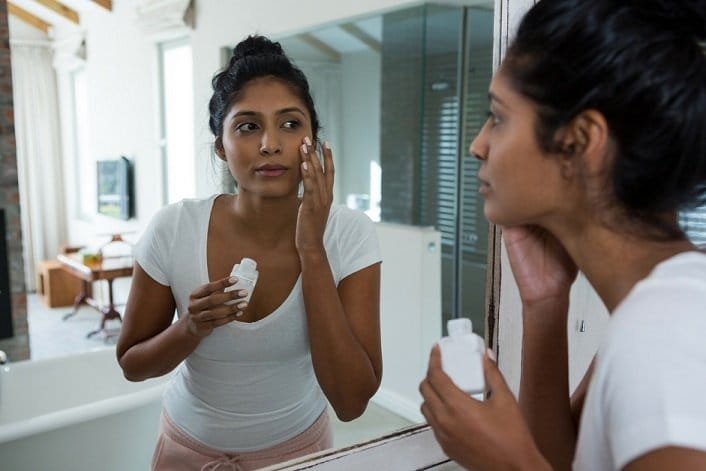
Spring skincare tips matter because your skin senses the shift from winter to spring before your calendar does. As humidity and daylight rise, dullnes
Spring skincare tips matter because your skin senses the shift from winter to spring before your calendar does. As humidity and daylight rise, dullness, rough patches, and clogged pores tend to appear, so recalibrating the routine you already have is the fastest way to reset your complexion and prepare it for warmer months.
When the first warm breeze sweeps through the air and daylight stretches just a little longer, your skin notices before your calendar does. The transition from winter to spring is one of the most underestimated moments in the beauty year, and it often shows up on the face as dullness, rough patches, clogged pores, uneven tone, and a complexion that simply looks tired. A thoughtful skincare routine for clear skin in spring is the single most effective way to reset your complexion, repair the damage accumulated during cold months, and prepare your skin for the sun, humidity, and environmental shifts ahead. The goal is not to overload your shelves with new products but to recalibrate the routine you already have so it supports brighter, healthier, more resilient skin. This guide walks you through every layer of a spring-ready regimen, from cleansing and exfoliation to hydration, sun protection, diet, sleep, and the tiny habits that make the biggest difference. You will learn why your winter moisturiser is probably working against you right now, how dermatologists approach the seasonal pivot, which active ingredients shine in warmer months, and how to troubleshoot common spring skin concerns like breakouts, sensitivity, and hyperpigmentation. By the end, you will have a clear, science-backed blueprint you can personalise to your skin type, lifestyle, and budget, so spring becomes the season your skin finally catches up with you.
Reviewed by the BeautynFacts editorial team. Last updated: May 2026.
Why Your Skin Changes When Seasons Shift
Skin is a living, adaptive organ, and it responds continuously to temperature, humidity, UV exposure, and airborne particles. During winter, low humidity and indoor heating strip transepidermal water, weakening the moisture barrier and producing the flaky, tight, sometimes irritated texture most people associate with cold weather. The sebaceous glands also slow down slightly in the cold, but they do not disappear. When spring arrives and temperatures rise, those glands ramp back up, producing more oil at the same moment your barrier is still recovering from months of dryness. This mismatch is why so many people experience confusing breakouts, dehydrated oily skin, or blotchy redness in March, April, and May.
Pollen counts rise dramatically in spring, and airborne allergens can settle on the skin, triggering histamine release, inflammation, and flare-ups of conditions like eczema, rosacea, and seborrhoeic dermatitis. Pollution remains a steady aggressor year-round, but warmer air tends to hold more particulate matter close to ground level in urban environments. The UV index climbs sharply from February onwards, even on cloudy days, and this UVA exposure is the primary driver of photoaging, pigmentation, and collagen breakdown. Understanding these overlapping stressors is the foundation of every intelligent seasonal routine, because you cannot treat what you do not first identify.
The Science of the Skin Barrier
The outermost layer of skin, the stratum corneum, is often compared to a brick wall, with corneocytes as the bricks and a lipid matrix of ceramides, cholesterol, and fatty acids as the mortar. When this matrix is intact, water stays in, irritants stay out, and skin looks plump, smooth, and calm. Winter depletes the lipid matrix, and studies published in dermatology journals consistently show measurable drops in ceramide levels during cold months. Rebuilding those lipids should be a central priority of any spring reset, and it is why ingredient choices matter more than product quantity.
How Hormones and Stress Influence Spring Skin
Cortisol levels can rise during seasonal transitions due to disrupted sleep patterns, allergy-driven fatigue, and increased activity as the weather warms. Elevated cortisol stimulates sebum production and suppresses skin repair processes, which is why stress often coincides with breakouts. Oestrogen and progesterone fluctuations across the menstrual cycle also interact with seasonal shifts, making some women notice cyclical congestion in the T-zone during spring months. Acknowledging these internal factors helps you avoid blaming a single product when the real culprit is a complex, layered picture.
Assessing Your Skin Type Before You Change Anything
Before you buy a single new product or toss the old ones, take a week to observe your skin under spring conditions. Wash your face with a gentle cleanser in the morning, apply nothing else, and note how your skin feels at one hour, four hours, and eight hours. Tight and flaky at hour one suggests dry or dehydrated skin. Shiny in the T-zone by hour four but normal on the cheeks indicates combination skin. All-over shine and visible pores within two hours points to oily skin. Redness, stinging, or reactivity to temperature changes suggests sensitive skin, which can overlap with any of the above.
Dehydration is different from dryness and deserves its own attention. Dry skin lacks oil and is a type you are born with. Dehydrated skin lacks water and is a condition anyone can develop, even oily skin types. Signs of dehydration include fine lines that appear suddenly, a dull surface, makeup that settles into texture, and skin that feels tight even after moisturising. Spring is prime dehydration season because people assume warmer weather means hydrated skin, then wonder why their complexion still looks flat.
When to See a Dermatologist
If you notice persistent acne that does not respond to gentle adjustments, new pigmentation, moles that change, chronic redness that worsens with any product, or any skin change that causes distress, schedule a visit with a board-certified dermatologist. Professional evaluation rules out conditions like rosacea, perioral dermatitis, fungal acne, and melasma, all of which require targeted treatment and can be worsened by the wrong over-the-counter products. A fifteen-minute consultation can save you months of trial and error.
Step One: Thorough but Gentle Cleansing
Cleansing is the foundation of every routine, and spring calls for a slight reset in how you approach it. During winter, many people gravitate toward rich cream cleansers or cleansing balms that leave a conditioning film on the skin. These are wonderful for cold, dry months, but as oil production rebounds in spring, they can feel heavy and contribute to congestion. A gel cleanser, a low-foaming hydrating cleanser, or a gentle milk-to-foam hybrid often strikes the right balance for warmer weather.
Double cleansing remains the gold standard when you wear sunscreen daily, which you should. The first cleanse, typically with an oil, balm, or micellar water, dissolves sebum, sunscreen, and makeup. The second cleanse, with a water-based formula, lifts sweat, pollution, and water-soluble debris. This two-step approach is not about scrubbing harder or longer; it is about removing different categories of residue efficiently. In the morning, a single gentle cleanse or even just a splash of lukewarm water is enough for most skin types, because overwashing strips the acid mantle and sets off a chain of irritation.
Choosing the Right Cleanser pH
Healthy skin sits at a slightly acidic pH between 4.7 and 5.5. Cleansers that are too alkaline, often old-school soap bars, disrupt this mantle and compromise the barrier for hours afterward. Look for cleansers labelled ‘pH-balanced’ or in the 5.0 to 6.0 range. Syndet bars, sulphate-free gels, and amino acid-based cleansers tend to sit comfortably in this window and leave skin feeling soft rather than squeaky. That squeaky-clean feeling, though satisfying, is actually a sign your barrier has been stripped.
Micellar Water and When It Fits
Micellar water contains tiny oil molecules called micelles suspended in soft water, which attract and lift impurities without requiring rinsing in theory. It is excellent as a first cleanse, a midday refresh after sweating, or a travel option. It is not a replacement for a full cleanse at the end of the day, because residue from surfactants can linger and cause irritation if left on indefinitely. Use it thoughtfully, not exclusively.
Step Two: Exfoliation Done Right
Exfoliation is where spring routines shine, because the accumulated dead cells from winter are a primary reason complexions look dull after cold months. The turnover rate of skin cells slows with age and cold exposure, and exfoliation gently accelerates the shedding process to reveal the fresher cells beneath. The key word is ‘gently’. Over-exfoliating is one of the most common skincare mistakes, and it produces the exact problems people are trying to fix: redness, sensitivity, breakouts, and dehydration.
There are two main categories of exfoliation to understand. Physical exfoliants use friction, such as scrubs with fine particles, soft cloths, or cleansing brushes, to manually remove dead cells. Chemical exfoliants use acids or enzymes to dissolve the bonds between dead cells so they release naturally. Chemical exfoliation is generally more even, more controllable, and less likely to cause microtears than physical scrubs, which is why most dermatologists recommend it as the primary method for most skin types.
Alpha Hydroxy Acids for Surface Renewal
Alpha hydroxy acids, or AHAs, are water-soluble acids derived from fruits, milk, and sugarcane. Glycollic acid is the smallest molecule and penetrates most deeply, making it powerful for texture and pigmentation but potentially irritating for sensitive skin. Lactic acid is larger, gentler, and hydrating because it also functions as a humectant. Mandelic acid is the largest and slowest-absorbing, making it ideal for sensitive or reactive complexions. AHAs work beautifully in spring routines at concentrations between 5 and 10 percent, used two to three nights per week.
Beta Hydroxy Acid for Oily and Congested Skin
Salicylic acid is the primary beta hydroxy acid and differs from AHAs because it is oil-soluble, meaning it can penetrate into pores and dissolve the sebum and debris that cause blackheads and whiteheads. For anyone whose spring skin concerns include congestion, enlarged pores, or breakouts, a salicylic acid toner or serum at 0.5 to 2 percent used two to four times per week can be transformative. It pairs well with gentle hydration and should be introduced slowly to avoid irritation.
Polyhydroxy Acids and Enzyme Exfoliation
Polyhydroxy acids, or PHAs, such as gluconolactone and lactobionic acid, offer the exfoliating benefits of AHAs with even gentler action and additional antioxidant properties. Enzyme exfoliants derived from papaya, pineapple, or pumpkin work by breaking down the protein bonds in dead skin cells and are particularly forgiving for reactive or rosacea-prone skin. Rotating these gentler options during spring allergy flare-ups keeps your renewal process going without pushing sensitive skin over the edge.
Step Three: Treatment Serums Tailored to Your Concerns
Serums are concentrated delivery systems for active ingredients, and spring is the perfect moment to reassess which ones earn space in your routine. A morning serum typically focuses on protection and brightness, while an evening serum focuses on repair and renewal. You do not need five serums. You need the right two or three for your skin right now.
Vitamin C, in forms like L-ascorbic acid, sodium ascorbyl phosphate, or tetrahexyldecyl ascorbate, is the workhorse antioxidant for daytime use. It neutralises free radicals generated by UV exposure and pollution, brightens existing pigmentation, and supports collagen synthesis. A stable vitamin C serum applied after cleansing and before moisturiser in the morning is one of the most evidence-backed habits in modern skincare. Concentrations between 10 and 20 percent are effective for most people, with lower percentages recommended for sensitive skin.
Niacinamide, a form of vitamin B3, is another versatile ingredient that deserves consideration. It regulates sebum production, strengthens the barrier, reduces redness, and improves the appearance of enlarged pores. At 4 to 5 percent, it is tolerable for nearly all skin types and layers comfortably with almost any other active. For spring routines dealing with the oil rebound effect, niacinamide is a quiet hero.
Hyaluronic Acid and Humectants for Hydration
Hyaluronic acid is a humectant, meaning it attracts and binds water to the skin. A good hyaluronic acid serum uses multiple molecular weights so it can hydrate at different depths rather than sitting only on the surface. Apply it to damp skin, immediately after cleansing or a hydrating mist, and seal it with a moisturiser to prevent the water from evaporating. Glycerin, polyglutamic acid, and panthenol are other excellent humectants that work synergistically with hyaluronic acid to flood thirsty spring skin with moisture.
Retinoids for Nighttime Renewal
Retinoids, the umbrella term for vitamin A derivatives including retinol, retinal, and prescription tretinoin, are the most well-studied anti-ageing ingredients in dermatology. They accelerate cell turnover, stimulate collagen, fade pigmentation, and improve texture. Spring is an excellent time to commit to a retinoid if you have been hesitant, because the weather is mild enough to minimise irritation but not yet so sunny that sensitivity becomes risky. Start with a low concentration two nights per week, always paired with sunscreen the next morning, and build up slowly over six to twelve weeks.
Step Four: Lighter, Smarter Hydration
The moisturiser you loved in January is probably too heavy for April. Winter formulas rely on occlusives like petrolatum, shea butter, and rich oils to lock in moisture against harsh air. Spring skin benefits from lighter textures that still deliver ceramides, fatty acids, and humectants without a greasy finish. A gel-cream, a lotion with ceramides, or a lightweight emulsion typically replaces a thick cream as temperatures rise.
The rule of thumb is to match your moisturiser to how your skin feels ten minutes after applying a serum. If your skin still feels tight, you need something richer. If your skin feels balanced and comfortable, you have the right weight. If your skin feels slick or overloaded, you need something lighter or less. Seasonal transitions are gradual, so you may find yourself using a hybrid approach in early spring, with a lighter morning product and a slightly richer evening option, before shifting fully to lightweight formulas by late May.
Ceramides, Cholesterol, and Fatty Acids
The barrier-repairing trio of ceramides, cholesterol, and fatty acids appears on ingredient lists of the best modern moisturisers. When these three are present in a ratio similar to what healthy skin produces naturally, they help rebuild the lipid matrix damaged by winter. Look for moisturisers that list ceramide NP, ceramide AP, or a ceramide complex high in the ingredient list. These formulas work quietly, but consistent use over three to four weeks visibly improves resilience, smoothness, and calm.
Face Oils as Optional Layers
Face oils can still play a role in spring, particularly for dry or mature skin types. Squalane, jojoba, and rosehip are lightweight options that mimic the skin’s natural sebum and absorb without heaviness. Use a few drops pressed into damp skin after moisturiser in the evening, or mix a single drop into your daytime moisturiser for a subtle glow. Avoid coconut oil on the face for most people, because it is highly comedogenic and often triggers breakouts.
Step Five: Non-Negotiable Sunscreen
If you only take one lesson from this guide into your spring routine, let it be this: sunscreen is the single most important product on your shelf. UVA rays, which penetrate glass, clouds, and the ozone layer consistently year-round, are responsible for up to 90 percent of visible aging. UVB rays cause burning and skin cancer risk. A broad-spectrum sunscreen with SPF 30 or higher, applied every morning as the last step of your routine, is the foundation of every dermatologist-approved regimen, and spring is when many people dangerously forget this truth because the sun feels mild.
Modern sunscreens have come a long way from the chalky, heavy formulas of decades past. Mineral sunscreens, which use zinc oxide or titanium dioxide, sit on top of the skin and reflect UV. Chemical sunscreens, with filters like avobenzone, octinoxate, or newer options like Tinosorb and Uvinul available internationally, absorb UV and convert it to heat. Both categories are effective, and the best sunscreen is the one you will actually wear daily. Apply two finger-lengths for the face and neck, reapply every two hours when outdoors, and do not skip cloudy days.
Tinted Sunscreens and Iron Oxides
Tinted sunscreens contain iron oxides, which protect against visible light in addition to UV. Visible light, particularly blue light from screens and high-energy sunlight, contributes to pigmentation disorders like melasma. For anyone dealing with uneven tone, a tinted mineral sunscreen does double duty as protection and a light complexion evener, often replacing the need for a separate foundation or BB cream entirely.
Reapplication in Real Life
Reapplication is where most people fail, because no one wants to redo a full face of makeup every two hours. Powder sunscreens, mist sunscreens, and stick formulas let you refresh protection without disturbing what you have already applied. Keep one in your bag, one at your desk, and one in your car. Treat reapplication like drinking water: a habit rather than a project.
Weekly Spring Rituals That Elevate Your Results
Daily routines do the heavy lifting, but weekly rituals amplify results. A clay mask once a week draws out excess oil and impurities from pores, which is especially helpful during the spring oil rebound. Kaolin clay is the gentlest option, bentonite is more absorbent, and French green clay falls in the middle. Apply to clean, damp skin, leave on only until the mask is nearly dry but not cracking, and rinse with lukewarm water to avoid over-drying.
Hydrating sheet masks or cream masks two to three times per week flood the skin with humectants and leave it plumper and more radiant. Look for masks with hyaluronic acid, snail mucin, centella asiatica, or fermented ingredients. Use them after a shower when your skin is warm and slightly damp, because absorption is highest then. Follow immediately with moisturiser to lock in the benefits.
Facial Massage and Lymphatic Drainage
A five-minute facial massage with a jade roller, gua sha tool, or simply your fingers stimulates circulation, reduces puffiness, and helps your skincare products penetrate more effectively. The lymphatic system does not have its own pump, so gentle upward and outward strokes along the jaw, cheeks, and neck help drain the fluid buildup responsible for morning puffiness. Consistency over six to eight weeks produces visibly more sculpted, awake-looking skin.
At-Home Chemical Peels
Low-percentage at-home peels, typically glycollic or lactic acid at 10 to 30 percent, can be used every two to four weeks to accelerate cell turnover more aggressively than a daily acid. Follow the instructions precisely, never leave a peel on longer than directed, and always apply a thick moisturiser and sunscreen afterwards. Skip at-home peels if you are using prescription retinoids, have sensitive skin, or have had recent professional treatments.
Diet, Hydration, and Sleep as Skincare
No topical routine overcomes a lifestyle that works against your skin. What you eat and drink and how you sleep show up in your complexion with remarkable consistency. Spring is a natural moment to refresh internal habits alongside topical ones because farmers’ markets fill with vibrant produce and longer days make it easier to move your body and cook fresh meals.
Omega-3 fatty acids from fatty fish, walnuts, flaxseed, and chia seeds support the skin’s lipid barrier from the inside. Vitamin C-rich foods like strawberries, citrus, bell peppers, and kiwi provide the building blocks for collagen synthesis. Zinc from pumpkin seeds, chickpeas, and lean meats regulates oil production and supports healing. Polyphenols in green tea, berries, and dark chocolate neutralise free radicals and calm inflammation. A diet built around these categories gives topical products a much stronger foundation to work with.
The Hydration Question
Drinking water does not directly hydrate the skin in the way marketing sometimes implies, because water is distributed through the body based on physiological needs before reaching the skin. However, chronic dehydration does show up in the complexion as dullness and loss of plumpness. Aim for steady hydration throughout the day rather than chugging a large amount at once, and include water-rich foods like cucumber, watermelon, tomatoes, and leafy greens to boost intake naturally.
Sleep and Overnight Repair
Skin does the majority of its repair work during deep sleep, when growth hormone peaks, cell turnover accelerates, and blood flow to the dermis increases. Aim for seven to nine hours nightly, sleep on a silk or satin pillowcase to reduce friction and moisture loss, and consider keeping your bedroom cool and slightly humidified, especially if spring allergies are drying your sinuses. Poor sleep shows on the face within 48 hours as dullness, puffiness, and darker undereye circles.
Spring Makeup That Works With Your Skin
With a refreshed complexion, your makeup can also lighten up for spring. Heavy foundations that felt cosy in winter often look mask-like in bright spring light, and they can contribute to clogged pores as your skin produces more oil. Switching to a BB cream, CC cream, tinted moisturiser, or skin tint gives you coverage that feels like skincare and looks like skin. Build coverage strategically in areas that need it, such as redness around the nose or pigmentation on the cheeks, rather than applying a uniform layer across the entire face.
Cream blushes and cream bronzers blend into spring skin for a dewy, lived-in finish, while powder products can emphasise dryness or flaking if your barrier is still recovering. For eyes, soft peachy pinks, warm browns, and a touch of shimmer brighten the face naturally. Lips benefit from hydrating tints and glosses, because the same barrier recovery happening on your face is happening on your lips. A rosy balm is often all you need.
The Case for Skin First, Makeup Second
The goal of spring makeup is to enhance rather than mask. When your skincare routine is working, you need less coverage, and the makeup you apply sits better, wears longer, and photographs more naturally. This philosophy also saves money over time, because you buy fewer heavy complexion products and instead invest in quality skincare that pays compounding returns.
Troubleshooting Common Spring Skin Concerns
Even with a thoughtful routine, spring brings specific challenges worth addressing directly. Breakouts in March and April are often driven by the oil rebound effect combined with lingering barrier damage. The fix is not harsher products but gentler cleansing, a salicylic acid toner two to four times weekly, a niacinamide serum daily, and a lightweight non-comedogenic moisturiser. Avoid the temptation to strip your skin with astringents, because that cycle makes oil production worse.
Seasonal allergies can trigger facial redness, puffy eyes, and eczema flare-ups. Antihistamines help from the inside, while topical soothers like centella asiatica, azelaic acid, and colloidal oatmeal calm inflamed skin. Wash your face as soon as you come indoors after spending time outside, and change your pillowcase frequently during high pollen weeks. Sunglasses also protect the delicate undereye area from both UV and airborne allergens.
Hyperpigmentation and Uneven Tone
Winter sun, often underestimated, can leave behind pigmentation that becomes more visible in bright spring light. Ingredients like vitamin C, niacinamide, azelaic acid, tranexamic acid, kojic acid, and alpha arbutin work synergistically to fade dark spots over eight to twelve weeks. Consistency and diligent sunscreen use are non-negotiable, because any pigmentation treatment without sun protection is like trying to fill a bathtub with the drain open.
Sensitivity and Barrier Repair
If your skin is stinging, burning, or reacting to products it used to tolerate, your barrier needs rest. Strip your routine down to a gentle cleanser, a barrier-repair moisturiser with ceramides and panthenol, and sunscreen. Pause all actives for two to four weeks, then reintroduce them one at a time, spaced several days apart, to identify any triggers. This reset often solves problems that adding more products would only worsen.
Building Your Personalized Spring Routine
A complete spring routine does not need to be complicated. In the morning, cleanse gently, apply a vitamin C or antioxidant serum, follow with a lightweight moisturiser, and finish with broad-spectrum SPF 30 or higher. That is four products, and it takes under five minutes. In the evening, double cleanse; apply a treatment serum or active two to three times per week; use a hydrating serum on non-active nights; and finish with a barrier-supporting moisturiser. Add a weekly mask and monthly peel as optional enhancements.
The biggest mistake most people make is trying too much at once. Introducing more than one new product every two weeks makes it impossible to identify what is helping and what is irritating. Patience rewards you with clearer results, fewer surprises, and a routine you can actually stick with. Think of your skincare as a garden, where consistent tending produces more beauty than aggressive interventions.
Budget-Friendly vs Investment Products
Cleansers, moisturisers, and sunscreens generally perform beautifully at drugstore prices because the ingredient technology is well-established and widely accessible. Serums with vitamin C, retinoids, and peptides are often where a modest investment pays off, because stability and formulation quality matter more at higher concentrations. You do not need to spend a fortune to have exceptional skin, but allocating your budget thoughtfully is worth the effort.
Sample Morning and Evening Routines
A simple spring morning might look like this: splash your face with lukewarm water or gentle cleanser, apply vitamin C serum, layer hyaluronic acid serum on damp skin, smooth on a lightweight ceramide moisturiser, and finish with tinted mineral SPF 50. A simple spring evening might look like this: oil cleanser to remove sunscreen and makeup, gentle foaming cleanser, retinol two to three nights per week or hydrating serum on off-nights, moisturiser with ceramides and peptides, and occasional face oil for extra repair. Adjust based on your skin type, concerns, and lifestyle.
Frequently Asked Questions
How quickly will I see results from a new spring skincare routine?
Meaningful changes in skin typically appear over four to twelve weeks, because the skin cell cycle takes approximately 28 days in younger adults and longer as we age. Surface hydration improvements can show within days, while pigmentation, texture, and fine lines respond more gradually. Consistency is the most important variable, and documenting your skin with weekly photos in the same lighting helps you track real progress that day-to-day observation often misses.
Can I use the same sunscreen I used in winter during spring?
You can, but you may find the texture less comfortable as temperatures rise. Many winter sunscreens have richer, creamier bases that feel heavy in warmer weather and can contribute to breakouts or makeup sliding. Consider switching to a lighter, more breathable formula for spring, and if you spend significant time outdoors, upgrade from SPF 30 to SPF 50 and commit to reapplying every two hours.
Is it really necessary to double-cleanse every night?
Double cleansing is most important when you wear sunscreen or makeup or spend time in polluted environments, which describes most people most days. A single cleanse often leaves residue behind, and that residue contributes to clogged pores, dullness, and reduced penetration of subsequent products. If your day involved only water-based products and clean air, a single thorough cleanse is enough, but the two-step approach is a small investment of time for significantly better results.
Can I use retinol and vitamin C in the same routine?
Yes, and the most common approach is vitamin C in the morning for antioxidant protection and retinol at night for renewal. Using both simultaneously in the same routine can increase irritation for sensitive skin, but many experienced users layer them in the evening without issue. Start by separating them into morning and evening, and experiment with combining only once your skin has adapted to each individually.
What should I do if my skin starts breaking out after changing my routine?
First, determine whether the breakouts are true acne, a reaction to a new ingredient, or purging from increased cell turnover. Purging typically appears in areas where you normally break out and resolves within four to six weeks as the skin cycles through. True irritation or allergy presents as new bumps in unusual locations, itching, or redness and warrants stopping the new product. When in doubt, simplify back to your basic routine and reintroduce changes more gradually.
How often should I exfoliate during spring?
Most skin types benefit from two to three exfoliation sessions per week during spring, using a chemical exfoliant like lactic acid, glycollic acid, or salicylic acid. Sensitive skin may do better with once-weekly exfoliation using a gentler option like a PHA or enzyme mask. Signs you are over-exfoliating include stinging when applying other products, increased redness, tightness, and paradoxical breakouts. If you notice these, pause exfoliation for two weeks and focus on barrier repair.
Do I need a separate eye cream, or can I use my regular moisturiser?
For many people, a good facial moisturiser applied gently around the eyes is perfectly adequate. Eye creams can be worth the investment if you have specific concerns like persistent dark circles, deep fine lines, puffiness, or sensitivity to ingredients in your regular moisturiser. Look for eye creams with caffeine for puffiness, peptides and retinol for lines, and vitamin K or niacinamide for dark circles.
How does diet really affect my skin compared to topical products?
Diet influences skin from the inside by providing raw materials for repair, regulating inflammation, and affecting hormones that control oil production. Research consistently links high-glycaemic diets and excessive dairy intake to acne in predisposed individuals, while anti-inflammatory diets rich in omega-3s, antioxidants, and whole foods support clearer, calmer skin. Topical products address the outermost layers directly, while diet affects the deeper processes, and both working together produce the best results.
Bringing It All Together for Your Best Spring Skin
Spring is an invitation to reset, and your skin is one of the most rewarding places to accept that invitation. A thoughtful routine built on gentle cleansing, smart exfoliation, targeted serums, lightweight hydration, and diligent sun protection delivers visible improvements within weeks and transformative results within months. The foundation is simple, the ingredients are well-studied, and the habits are teachable to anyone willing to pay attention.
Start with one or two changes this week. Swap your heavy winter moisturiser for something lighter. Commit to daily broad-spectrum SPF 30 or higher. Introduce a vitamin C serum in the morning. Move to a gentler cleanser if your current one leaves skin feeling tight. Small, sustained choices compound into dramatic differences, and the version of your complexion you see by summer will reflect every thoughtful decision you make in the coming weeks.
Your skin is not a problem to solve but a partner to support. When you listen to what it needs, respond with kindness, and stay consistent with evidence-based choices, it rewards you generously. Spring is the season of fresh starts, and there is no better time to begin. The steps are clear, the tools are accessible, and your clearer, brighter, healthier complexion is waiting on the other side of a few steady weeks of care.
RELATED ARTICLES:
Anti-aging: why this skin expert recommends adopting a minimalist skincare routine
2025’s Best Natural Wrinkle Remedy: Garlic Skincare Hacks for Ageless Beauty!
The Ultimate Body Care Routine for Your Softest, Most Supple Skin Yet
The Ultimate Egg-based Beauty Routine: Enhancing Skin and Hair Health
Stay Radiant with Grapes: The Benefits of Adding Them to Your Summer Skin Care Routine
About The Author

COMMENTS