











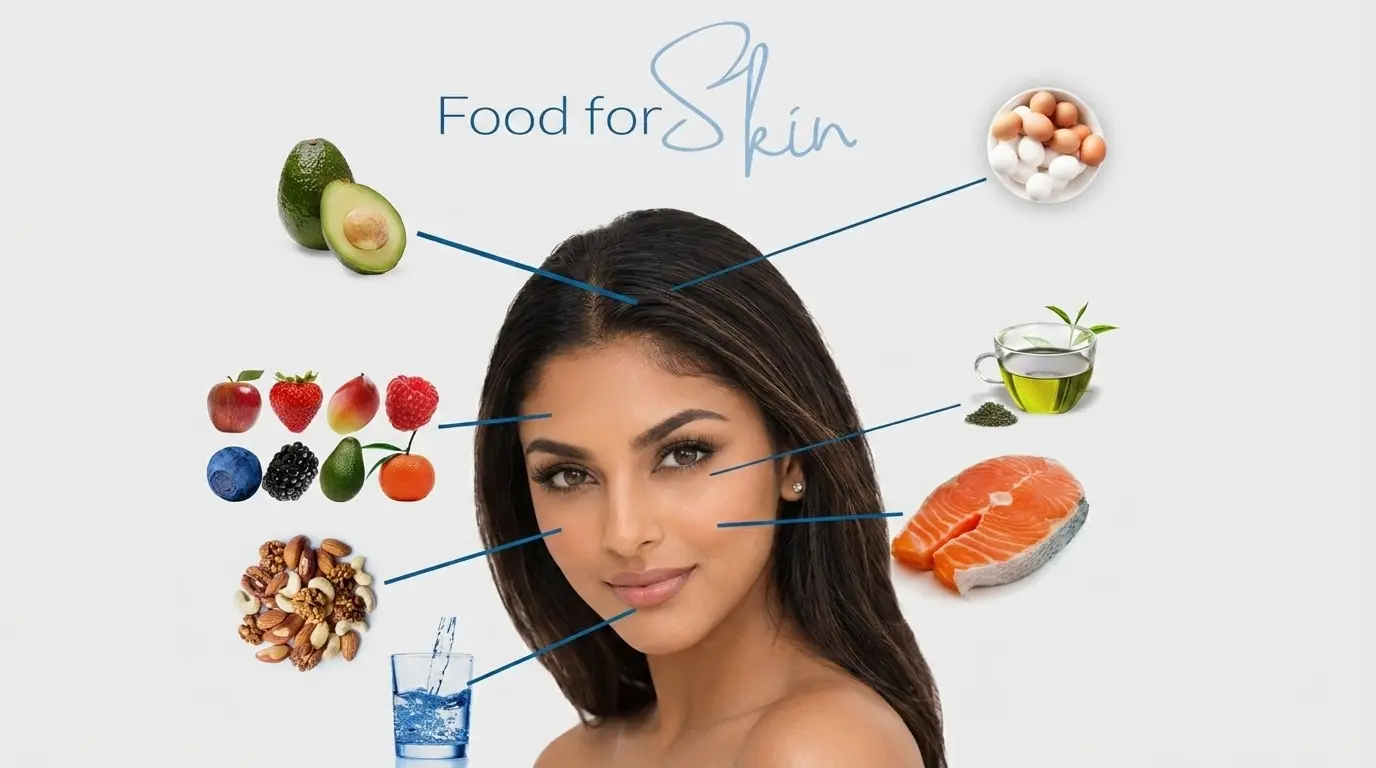
Best Foods for Skin Health: Your skin tells a story about what you eat. Long before skincare brands made vitamin C serums and hyaluronic acid moisturi
Best Foods for Skin Health: Your skin tells a story about what you eat. Long before skincare brands made vitamin C serums and hyaluronic acid moisturisers, women relied on whole foods to nourish their complexions from within. Science confirms what generations of women intuited: diet is one of the most powerful drivers of skin health. The right foods skin needs are not exotic or expensive. They are everyday ingredients that fight inflammation, protect collagen, and keep skin hydrated, firm, and clear. This guide breaks down exactly which foods deliver the most impact and why, backed by nutritional science and dermatologist-endorsed principles. Whether you struggle with dryness, oiliness, acne, dullness, or early signs of aging, you will find targeted guidance here. We cover the science behind each food group, explain how nutrients work at the cellular level, and show you how to build a skin-boosting diet that fits real life. You do not need a complete dietary overhaul. Small, consistent shifts produce visible results over weeks and months. Read on to discover the most effective foods for skin health, radiance, and long-term protection.
Published · Updated
Dermatologists increasingly recognize diet as a foundational element of skin health, not a secondary factor. Research published in journals like Dermato-Endocrinology and Nutrients confirms strong links between dietary patterns and skin aging, acne severity, and barrier function. A Mediterranean-style diet, rich in vegetables, fish, olive oil, and legumes, consistently associates with reduced skin aging and lower rates of inflammatory skin conditions. Women who eat more processed foods and refined sugar show higher rates of acne and faster visible aging.
The Skin Cell Renewal Process
New skin cells form in the deepest layer of the epidermis, called the stratum basale. They migrate upward over roughly four weeks, flattening and hardening as they go, until they shed from the surface. This process is called desquamation, and every step requires nutrients.
Vitamin A drives keratinocyte differentiation, which is the process that turns new cells into functioning skin cells. Without adequate vitamin A from foods like sweet potatoes, eggs, and leafy greens, cell turnover becomes uneven. Skin looks dull and rough. Zinc, found in pumpkin seeds, lentils, and shellfish, regulates enzymes that control cell division and repair. A deficiency slows healing and increases susceptibility to inflammation.
Iron delivers oxygen to skin cells through the bloodstream. Low iron causes skin to look pale and fatigued. B vitamins, especially biotin and niacin, support the metabolic processes that fuel cell energy. Without them, skin cells underperform and age faster. Vitamin C acts as an essential cofactor in the enzymatic reactions that produce new collagen, meaning even a mild deficiency shows up directly in skin firmness and texture.
The Gut-Skin Axis
Your gut and your skin communicate constantly. The gut-skin axis is a well-documented biological pathway. When gut microbiome diversity drops, inflammatory signals travel through the bloodstream and surface on the skin as redness, acne, eczema, or dullness. A diet high in fibre, fermented foods, and plant diversity feeds beneficial gut bacteria. This reduces systemic inflammation and supports a calmer, clearer complexion.
Women with acne-prone or sensitive skin benefit especially from gut-focused dietary choices. Probiotic-rich foods like yoghurt, kefir, kimchi, and sauerkraut introduce beneficial bacteria. Prebiotic foods like garlic, onions, leeks, and oats feed those bacteria. Together, they strengthen the gut-skin connection and reduce the inflammatory load that triggers breakouts and redness.
A 2021 study in the Journal of Dermatological Science found that patients with rosacea had significantly lower gut microbiome diversity than those with clear skin. Correcting gut health through diet produced measurable improvements in skin redness and sensitivity over 12 weeks. This confirms that feeding your gut is also feeding your skin.
Nutrient Deficiencies and Visible Skin Changes
Deficiencies appear on the skin before they show up on a blood test. Dry, flaky patches signal low essential fatty acids or vitamin A. Dark circles and pallor indicate iron or B12 deficiency. Slow-healing blemishes point to low zinc or vitamin C. Premature fine lines connect to insufficient antioxidants and protein intake.
Women who are vegans, women who are over 40, and women who are on strict diets are more likely to have these nutritional gaps. Targeted food choices close most deficiencies without supplementation. When diet alone falls short, supplements like zinc gluconate, omega-3 fish oil, and vitamin D3 fill the gap effectively. The goal is always food first, supplements second.
Antioxidant-Rich Foods Skin Needs for Radiance
Antioxidants are your skin’s primary defence against oxidative stress. Free radicals, generated by UV exposure, pollution, stress, and processed food, break down collagen and accelerate visible aging. Antioxidants neutralise free radicals before they damage skin cells. Eating a wide variety of antioxidant-rich foods gives your skin layered, continuous protection that no single serum can match.
Vitamin C and Collagen Synthesis
Vitamin C is one of the most critically important nutrients for skin. It serves two major functions. First, it acts as a potent antioxidant, protecting skin cells from UV-induced oxidative damage. Second, it is an important cofactor in making collagen. Without vitamin C, the body cannot properly form the triple-helix structure of collagen fibres, which give skin its firmness and elasticity.
A study published in the American Journal of Clinical Nutrition found that higher vitamin C intake correlated directly with reduced skin wrinkling and dryness in women aged 40 to 74. The food sources are plentiful. Bell peppers contain more vitamin C per gram than oranges. Strawberries, kiwi, broccoli, guava, and papaya are all excellent sources. Cooking destroys vitamin C, so eating these foods raw or lightly steamed preserves their potency.
Aim for at least two vitamin C-rich foods per day. For oily and acne-prone skin types, strawberries and bell peppers also provide anti-inflammatory compounds that calm breakout-related inflammation alongside their antioxidant and collagen-supporting roles.
Vitamin E and Beta-Carotene
Vitamin E works alongside vitamin C in a synergistic antioxidant relationship. While vitamin C neutralises free radicals in the water-based parts of the cell, vitamin E protects the fat-based cell membranes. Together, they provide complete cellular protection. Sunflower seeds, almonds, hazelnuts, and avocado are the richest dietary sources of vitamin E.
Beta-carotene is a precursor to vitamin A, which the body converts into retinol as needed. Foods rich in beta-carotene include carrots, sweet potatoes, butternut squash, and dark leafy greens like spinach and kale. Regular intake gives skin a subtle warm glow, a phenomenon documented in a study at the University of St Andrews, where higher fruit and vegetable consumption visibly improved participants’ ratings of skin colour attractiveness over six weeks.
For dry and sensitive skin types, vitamin E-rich foods provide extra support for barrier repair. Avocado, in particular, also delivers oleic acid, a monounsaturated fat that improves skin softness and moisture retention from within. Combining avocado with a vitamin C source at the same meal enhances absorption of fat-soluble antioxidants significantly.
Polyphenols and Skin Aging
Polyphenols are plant compounds with potent antioxidant and anti-inflammatory properties. They include flavonoids, catechins, resveratrol, and curcumin. Epigallocatechin gallate (EGCG) is a catechin that is found in high amounts in green tea. Research has shown that EGCG can protect skin from UV damage and stop matrix metalloproteinases, which are enzymes that break down collagen and elastin in skin that is getting older.
Dark chocolate with 70 percent cacao or higher provides flavanols that improve skin hydration and blood flow to the skin surface. Red grapes and blueberries deliver resveratrol, which activates cellular repair pathways associated with slower aging. Turmeric provides curcumin, a compound with well-documented anti-inflammatory effects that calm redness and irritation in sensitive and rosacea-prone skin types.
Drinking two to three cups of green tea daily delivers meaningful amounts of EGCG. Adding turmeric to your cooking, eating a small portion of dark chocolate, and including berries in your daily diet create a powerful polyphenol defence against premature aging. Black pepper added to turmeric increases curcumin absorption by up to 2,000 percent through its active compound, piperine.
Healthy Fats That Fortify Your Skin Barrier
Your skin barrier is largely made of lipids, specifically ceramides, cholesterol, and fatty acids. Without adequate dietary fat, the barrier thins, loses water rapidly, and becomes reactive. Dry, tight, flaky, or easily irritated skin often signals a fat deficiency in the diet. The right fats feed the barrier from within in a way that no moisturiser can fully replicate.
Omega-3 Fatty Acids and Inflammation Control
Omega-3 fatty acids are the most skin-relevant dietary fats. They exist in three main forms: ALA, found in plants; and EPA and DHA, found in fatty fish. EPA and DHA are the most bioactive forms for skin. They reduce the production of inflammatory prostaglandins, which trigger redness, swelling, and breakouts. They also incorporate into cell membranes, making them more fluid and resilient under environmental stress.
Fatty fish like salmon, mackerel, sardines, and anchovies are the richest sources of EPA and DHA. A 2021 systematic review in the Journal of Clinical Medicine found that regular fish consumption significantly reduced inflammatory skin markers and improved skin hydration scores. For women with acne-prone or sensitive skin, increasing omega-3 intake often produces noticeable improvements in redness and breakout frequency within six to eight weeks.
Flaxseeds, chia seeds, hemp seeds, and walnuts are all plant-based sources of omega-3. They provide ALA, which the body partially converts to EPA and DHA. The conversion rate is limited, so plant-based women may benefit significantly from algae-derived EPA and DHA supplements to ensure adequate skin-active omega-3 levels.
Monounsaturated Fats for Deep Moisture
Monounsaturated fatty acids, particularly oleic acid, support skin moisture by reinforcing the lipid matrix of the stratum corneum. Extra-virgin olive oil is the richest culinary source. It also provides squalene and oleocanthal, compounds with strong anti-inflammatory and antioxidant effects. Regular olive oil consumption associates with lower rates of photoaging in Mediterranean women across multiple observational studies.
Avocados provide both oleic acid and vitamin E, making them a dual-action skin food. Studies confirm that women who eat avocado regularly have more supple, moisturised skin. Avocado also delivers lutein and zeaxanthin, carotenoids that protect skin from UV-related oxidative damage. For dry skin types, monounsaturated fats are especially beneficial because they do not trigger the sebum overproduction that excessive saturated fat can cause in oily skin types.
Ceramide-Supporting Foods
Ceramides are lipid molecules that form approximately 50 percent of the skin barrier’s structure. They hold skin cells together and prevent water loss. Dietary choices directly influence ceramide levels in the skin. Wheat germ, sweet potatoes, and rice bran contain ceramide precursors that the body uses to rebuild the barrier over time.
Eggs contain sphingolipids, which are the building blocks of ceramide. Soybeans contain phytoceramides, which studies show increase skin hydration and reduce transepidermal water loss after regular consumption. Research published in the Journal of Investigative Dermatology shows that women with eczema-prone or chronically dry skin get better barrier repair results when they eat ceramide-supporting foods and use topical ceramide moisturisers together, rather than using topical products alone.
Protein and Collagen-Boosting Foods Skin Needs to Rebuild
Collagen is the scaffolding of your skin. It accounts for roughly 75 percent of the skin’s dry weight and is responsible for firmness, elasticity, and structural integrity. After age 25, collagen production declines by approximately one percent per year. Diet cannot stop that decline entirely, but it significantly slows it and optimises whatever collagen your body still produces.
Amino Acids and Collagen Synthesis
Collagen is a protein built from specific amino acids, primarily glycine, proline, and hydroxyproline. Your body synthesises collagen by combining these amino acids with vitamin C as a cofactor. If either the amino acids or the vitamin C are insufficient, collagen production slows and skin structure weakens.
Glycine is the most abundant amino acid in collagen and is found in bone broth, chicken skin, gelatin, and pork skin. Proline appears in egg whites, dairy, cabbage, and asparagus. Including these foods regularly provides the direct building blocks your skin needs to synthesise new collagen fibres. Lysine is another essential amino acid for collagen. It plays a critical role in the cross-linking of collagen fibres, giving them tensile strength. Lean meats, legumes, eggs, and quinoa are all strong sources of lysine.
Combining protein-rich foods with vitamin C-rich foods in the same meal maximises collagen synthesis efficiency. A practical example is grilled salmon served with steamed broccoli and a squeeze of lemon. This single meal delivers collagen amino acids, omega-3 fatty acids, vitamin C, and additional antioxidants simultaneously.
Best Protein Sources for Skin Repair
Complete proteins contain all essential amino acids. Animal sources, including chicken, turkey, fish, eggs, and Greek yoghurt, provide complete protein with high bioavailability. Fish, especially wild-caught salmon and cod, also delivers omega-3 fatty acids alongside protein, creating a double benefit for skin repair and hydration in every serving.
Plant-based complete proteins include quinoa, soy, buckwheat, and hemp seeds. Combining incomplete plant proteins strategically, such as rice with lentils, also produces a complete amino acid profile across the day. The key is consistency. Skin repair is a continuous process. Protein intake spread evenly across meals supports it more effectively than one large serving at a single sitting.
For women over 35, protein requirements for skin health increase as both muscle mass and collagen turnover efficiency decline. Dermatologists recommend at least 1.2 grams of protein per kilogram of body weight daily for women concerned with skin aging and collagen maintenance. This is higher than the standard RDA and reflects the additional demands of skin structural protein synthesis.
Foods That Support Hyaluronic Acid Production
Hyaluronic acid is a naturally occurring molecule in the skin that holds up to 1,000 times its weight in water. It is responsible for the plump, dewy appearance of youthful skin. The body produces hyaluronic acid from magnesium and other minerals, as well as from a dietary precursor called N-acetylglucosamine.
Bone broth, root vegetables, leafy greens, and soy-based foods support the body’s hyaluronic acid production. Zinc, found in oysters, pumpkin seeds, and chickpeas, also plays a role in hyaluronic acid enzyme activity. Women who eat diets consistently rich in these foods report better skin hydration and plumpness, which aligns with the biochemical mechanism behind hyaluronic acid synthesis.
Magnesium-rich foods, including dark chocolate, avocado, bananas, and legumes, support the enzymatic reactions behind hyaluronic acid production. Keeping magnesium levels adequate is a simple, underrated strategy for maintaining skin hydration from within, particularly for combination and mature skin types, where natural hyaluronic acid levels noticeably decline after age 40.
Best Foods Skin Loves for Hydration and Clarity
Topical moisturisers add water to the skin’s surface. Diet provides systemic hydration that reaches every skin cell from within. The two work together, but dietary hydration operates at a deeper, more fundamental level. A well-hydrated diet reduces the appearance of fine lines, improves skin translucency, and supports faster cell turnover for a clearer, more even complexion.
Water-Rich Foods for Deep Hydration
Eating water-rich foods contributes meaningfully to daily hydration totals. Cucumbers are 96 percent water and also provide silica, a mineral that supports collagen and elastin structure. Watermelon delivers water alongside lycopene, a powerful antioxidant that protects skin from UV-induced damage. Tomatoes provide similar benefits and are one of the best dietary sources of lycopene available, with bioavailability increasing when tomatoes are cooked or consumed with fat.
Celery, zucchini, lettuce, and strawberries all have water content above 90 percent. Eating two to three servings of water-rich vegetables and fruits daily contributes visibly to skin plumpness over time. Women who increased their water intake through food and beverages showed significantly improved skin density and thickness in a 2015 study published in Clinical, Cosmetic and Investigational Dermatology. Electrolytes from coconut water, leafy greens, and cucumber help cells retain that water at the cellular level, making hydration strategies far more effective.
Zinc-Rich Foods and Breakout Control
Zinc is one of the most important minerals for acne-prone skin. It regulates sebum production, inhibits the growth of acne-causing bacteria, and reduces keratin buildup in pores. Dermatologists commonly recommend zinc supplementation for acne, but dietary zinc is equally effective when consumed consistently and in sufficient quantity.
Oysters are the single richest source of dietary zinc, containing more per serving than any other food. Pumpkin seeds, hemp seeds, cashews, lentils, chickpeas, and lean beef are also strong sources. For oily skin types, incorporating zinc-rich foods at least three to four times per week helps regulate sebum output and reduces the frequency of inflammatory breakouts without the digestive side effects that high-dose zinc supplements can cause.
Niacinamide, also known as vitamin B3, is celebrated as a topical skincare ingredient for reducing pore appearance, controlling sebum, and brightening uneven tone. But dietary niacin from foods like chicken breast, tuna, turkey, mushrooms, and peanuts supports the same skin benefits internally. Eating niacin-rich foods provides the precursor your skin uses to produce its own niacinamide activity at the cellular level, working in parallel with any topical niacinamide products in your routine.
Probiotic and Prebiotic Foods for Clarity
Gut health profoundly affects skin clarity through the gut-skin axis. Probiotic foods seed the gut with beneficial bacteria. The most effective dietary sources include plain Greek yoghurt, kefir, kimchi, sauerkraut, miso, tempeh, and kombucha. Eating one to two servings of fermented foods daily maintains microbiome diversity and reduces the systemic inflammation that surfaces as breakouts, redness, and dullness.
Prebiotic foods provide the fibre that feeds beneficial bacteria. Garlic, onions, leeks, asparagus, Jerusalem artichokes, bananas, and oats are all excellent prebiotic sources. Resistant starch from cooled cooked potatoes, green bananas, and cooked and cooled rice also feeds the microbiome effectively without spiking blood sugar.
For women with sensitive, redness-prone, or eczema-affected skin, the probiotic and prebiotic combination is particularly valuable. Clinical trials show that consistent probiotic food intake reduces eczema severity scores and improves skin barrier function over eight to twelve weeks. The mechanism involves reduced intestinal permeability, lower circulating inflammatory cytokines, and better regulation of immune responses that trigger skin reactivity.
Foods That Harm Your Skin
Knowing which foods to add is only part of the picture. Understanding which foods actively damage skin health is equally important. Several common dietary patterns accelerate aging, trigger breakouts, and compromise barrier function. Reducing these foods produces visible skin improvements within weeks for most women.
High-Glycemic Foods and Acne
High-glycaemic foods cause rapid blood sugar spikes. The body responds by releasing insulin. Elevated insulin triggers increased androgen activity, which stimulates sebaceous glands to produce more sebum. Excess sebum clogs pores and feeds acne-causing bacteria. This hormonal cascade is well-established in dermatology research and applies to all skin types, though oily and acne-prone skin types experience the most dramatic effects.
White bread, white rice, sugary cereals, pastries, soft drinks, and candy are the main culprits. Processed snack foods like chips and crackers fall into the same category. A landmark study in the Journal of the American Academy of Dermatology found that switching acne patients from a high-glycaemic diet to a low-glycaemic diet reduced total acne lesion count by 51 percent after 12 weeks, without any change to topical skincare.
Replacing high-glycaemic foods with low-glycaemic alternatives like oats, legumes, sweet potatoes, quinoa, and most whole fruits achieves the same caloric intake with dramatically lower insulin impact. For oily and acne-prone skin types, this single dietary shift often produces more improvement than adding new skincare products to an existing routine.
Dairy, Hormones, and Breakouts
The relationship between dairy and acne is complex and not universal. For some women, particularly those with hormonal acne concentrated along the jawline and chin, dairy appears to be a meaningful trigger. Cow’s milk contains IGF-1, a growth hormone that stimulates sebum production and skin cell proliferation. Skim milk shows a stronger acne association than full-fat milk in research, possibly because fat removal concentrates whey proteins that spike insulin independently.
For women who notice breakouts correlating with dairy consumption, an elimination trial lasting four to six weeks is a practical way to identify the personal connection. Plant-based alternatives like unsweetened almond milk, oat milk, and soy milk do not carry the same IGF-1 content. Fermented dairy products like yoghurt and kefir appear less problematic because fermentation breaks down some of the triggering proteins and adds probiotic benefits instead.
Sensitive skin types may also experience increased redness and inflammation from dairy even without visible breakouts. If skin feels more reactive or flushed after dairy-heavy meals, reducing intake for several weeks and monitoring the response is a straightforward diagnostic approach.
Inflammatory Oils and Ultra-Processed Foods
Refined vegetable oils high in omega-6 fatty acids, including soybean oil, corn oil, sunflower oil, and canola oil, promote inflammation when consumed in excess. The modern Western diet contains a severely imbalanced ratio of omega-6 to omega-3 fatty acids, sometimes as high as 20 to 1, when an ideal ratio is closer to 4 to 1. This imbalance promotes chronic, low-grade inflammation that accelerates skin aging and worsens acne and rosacea over time.
Ultra-processed foods combine high glycaemic load with high omega-6 content. They also strip dietary fibre, which depletes the gut microbiome. For skin health, ultra-processed foods are a triple threat: they spike insulin, promote inflammation, and damage gut diversity simultaneously. Replacing them with whole food alternatives addresses all three mechanisms at once.
Alcohol is also worth highlighting. It is a vasodilator and a diuretic. It flushes the skin, causes cellular dehydration, depletes zinc and B vitamins, and elevates inflammatory cytokines. Women with rosacea, dry skin, or sensitive skin see the most visible effects. Reducing alcohol to one or two drinks per week, or eliminating it entirely, produces measurable improvements in skin clarity, tone, and hydration within four to six weeks for most women who try it.
Dietary Tips by Skin Type
No single diet works identically for every skin type. Understanding your skin’s specific needs allows you to prioritise the most relevant foods and minimise the most problematic ones. These recommendations are evidence-informed and practical. For persistent skin conditions, consulting a board-certified dermatologist is always the advisable first step.
Oily and Acne-Prone Skin
Oily skin produces excess sebum. Acne-prone skin also deals with clogged pores, bacterial imbalance, and chronic inflammation. The dietary priority for this skin type is managing insulin response, reducing androgen stimulation, and controlling systemic inflammation through food.
- Eat low-glycemic carbohydrates: oats, legumes, berries, and sweet potatoes
- Include zinc-rich foods like pumpkin seeds, oysters, and chickpeas at least four times per week
- Increase omega-3 intake through fatty fish, flaxseeds, and walnuts
- Drink green tea daily for its EGCG and anti-inflammatory catechins
- Reduce or eliminate sugar, white bread, skim milk, and refined seed oils
Spearmint tea deserves specific mention here. Studies show that drinking two cups of spearmint tea per day measurably reduces circulating androgens in women with hormonal acne. It is a low-cost, evidence-backed addition for women whose breakouts worsen around their menstrual cycle.
Dry and Sensitive Skin
Dry skin struggles to retain moisture and often has a compromised barrier. Sensitive skin reacts easily to both topical and internal triggers. The dietary priority for these types is rebuilding the lipid barrier from within and reducing the inflammatory load that keeps skin reactive.
- Prioritize omega-3 fatty acids from fatty fish, chia seeds, and flaxseeds daily
- Eat monounsaturated fat sources like olive oil and avocado with every main meal
- Include ceramide-supporting foods like eggs and sweet potatoes regularly
- Eat one serving of probiotic food daily to calm the gut-skin axis
- Avoid alcohol, spicy foods, and refined oils, which worsen flushing and barrier breakdown
Vitamin E-rich foods like almonds and sunflower seeds give barrier lipids the antioxidant protection they need to remain intact. Silica-rich foods like cucumber, bell peppers, and green beans support the elastin and collagen matrix that keeps dry skin from becoming crepey and dull over time.
Combination and Mature Skin
Combination skin has both oily and dry zones. It benefits from a balanced approach: enough healthy fat to prevent dryness without excess refined carbohydrates that trigger sebum overproduction in the T-zone. A Mediterranean-style diet is naturally well-suited to combination skin because it balances omega-3 fats, antioxidants, fibre, and lean protein without extremes in any direction.
Mature skin, typically in women over 40, has accelerated collagen loss and reduced natural hyaluronic acid production. The dietary priority shifts toward collagen-supporting amino acids, vitamin C, antioxidants, and hyaluronic acid precursors. Bone broth, citrus fruits, berries, eggs, and fatty fish are particularly valuable for this group. Reducing sugar and refined carbohydrates also slows glycation, a process where sugar molecules bond to collagen fibres and cause them to become rigid and brittle. Glycation is one of the primary drivers of accelerated skin aging and is directly controllable through diet.
Building Your Daily Skin-Boosting Routine
Knowing the best foods is step one. Building them into a consistent, practical daily routine is step two. Skin nutrition is cumulative. What you eat every day for months determines your skin’s long-term health far more than any superfood consumed occasionally. Consistency beats perfection every time.
Morning Nutrition for Skin
Start the day with a breakfast that combines protein, healthy fat, and antioxidants. A smoothie with spinach, frozen mango, Greek yoghurt, one tablespoon of ground flaxseeds, and a handful of berries delivers vitamin C, zinc, probiotics, omega-3 ALA, and beta-carotene in one glass. Alternatively, scrambled eggs with smoked salmon, sliced avocado, and diced bell pepper provide collagen amino acids, omega-3 fatty acids, monounsaturated fats, and vitamin C in a single plate.
Swap coffee for green tea at least a few mornings per week. If you prefer coffee, keep it to one or two cups and drink a large glass of water alongside it to offset its mild diuretic effect. Beginning the morning with 500ml of water before any food or beverage gives skin cells immediate hydration after overnight water loss and supports the kidney clearance of overnight metabolic waste.
Midday and Evening Meals
Lunch and dinner are opportunities to layer more skin nutrients strategically. A lunch of grilled salmon or mackerel over a salad of mixed greens, cherry tomatoes, cucumber, pumpkin seeds, and an olive oil and lemon dressing covers omega-3s, lycopene, silica, zinc, monounsaturated fats, and vitamin C in one bowl. The lemon adds vitamin C and enhances iron absorption from the leafy greens simultaneously.
For dinner, build around a complete protein with various vegetables. Chicken with roasted sweet potato, steamed broccoli, and garlic sautéed in olive oil provides collagen amino acids, beta-carotene, vitamin C, and gut-supporting prebiotic fibre from the garlic. Adding turmeric and black pepper to the seasoning delivers curcumin for anti-inflammatory support, with the piperine in black pepper enhancing curcumin absorption dramatically.
Snacks bridge the gap between meals and keep nutrient intake steady. Almonds, walnuts, a square of dark chocolate, a piece of whole fruit, or plain yoghurt with honey and blueberries are all skin-supportive choices. Preparing these in advance prevents reaching for ultra-processed alternatives when hunger strikes between meals.
Supplements Worth Considering
Whole foods should always come first. But certain supplements have solid clinical evidence behind them for skin health and are worth considering when dietary gaps exist or when specific skin goals require additional support.
Hydrolysed collagen peptides have attracted significant research attention recently. Several randomised controlled trials demonstrate that daily consumption of 2.5 to 10 grams of hydrolysed collagen peptides for 8 to 12 weeks significantly enhances skin elasticity, hydration, and reduces wrinkle depth. They seem to make fibroblasts produce more collagen and hyaluronic acid after the peptide fragments are absorbed.
Omega-3 fish oil supplements are useful for women who do not eat fatty fish regularly. Seek products providing at least 1,000mg of combined EPA and DHA. Vitamin D3 is relevant because low vitamin D associates with psoriasis, eczema, and impaired wound healing. Many women in the UK and US have suboptimal vitamin D, particularly during winter months. A daily dose of 1,000 to 2,000 IU is generally safe and beneficial for both skin and immune function. Zinc supplements at 25 to 40 mg daily are clinically shown to reduce acne severity but should not exceed 40 mg without medical guidance, as excess zinc impairs copper absorption over time.
Frequently Asked Questions
How long does it take for dietary changes to improve skin?
Most women notice initial changes within four to six weeks. This aligns with one full cycle of skin cell turnover, the time it takes for newly formed cells to reach the surface. However, deeper structural improvements, particularly in collagen density and barrier integrity, take three to six months of consistent dietary changes to become measurable. Skin reflects your dietary history, not just what you ate this week. Stick with the changes and give the process time to work at the cellular level before evaluating results.
Which single food has the greatest impact on skin health?
No single food transforms skin on its own, but fatty fish like salmon comes closest to a skin superfood in terms of nutrient density and breadth of benefit. It provides complete protein with collagen amino acids, EPA and DHA omega-3 fatty acids, astaxanthin (a highly potent antioxidant), vitamin D, zinc, and selenium in one serving. Eating fatty fish two to three times per week addresses the largest number of skin nutrient needs simultaneously. For plant-based women, a combination of flaxseeds, walnuts, and pumpkin seeds provides a comparable, though not identical, profile when consumed consistently alongside varied whole foods.
Can diet alone clear acne?
Diet is a powerful contributing factor, but acne is multifactorial. Hormones, bacteria, genetics, and skincare habits all play roles. For mild to moderate acne, dietary changes such as reducing high-glycaemic foods, eliminating skim milk, increasing omega-3 intake, and eating zinc-rich foods regularly can reduce breakout frequency significantly without any topical intervention. For moderate to severe acne, dietary changes work best alongside dermatologist-directed topical or oral treatments rather than as a replacement. Tracking your diet and breakout patterns in a simple journal helps identify personal triggers within two to three menstrual cycles, making the connection between specific foods and flares much clearer over time.
Are there skin-boosting foods specifically for women over 40?
After 40, collagen production declines sharply, and oestrogen levels begin to drop in perimenopause, which further reduces skin hydration and elasticity. The most important foods for this group are collagen-supporting: bone broth, eggs, fatty fish, citrus fruits, and berries that combine collagen amino acids with the vitamin C needed to use them. Foods that combat glycation are also critical at this stage. Reducing sugar and refined carbohydrates directly slows one of the primary aging mechanisms for mature skin. Phytoestrogen-rich foods like soy, flaxseeds, and lentils may also support oestrogen balance during perimenopause, which can translate to better skin moisture and firmness for some women. Speak with your GP before making significant dietary changes related to hormone balance.
Does drinking more water actually improve skin?
Hydration and skin have a nuanced relationship. Drinking adequate water is necessary but not sufficient on its own to improve skin appearance in women who are already adequately hydrated. For women who are chronically mildly dehydrated, increasing water intake produces measurable improvements in skin density and plumpness. The more effective strategy combines increased water intake with water-rich foods and a reduction in diuretics like alcohol and excess caffeine. Electrolytes from foods like cucumber, coconut water, and leafy greens help cells retain the water you drink, making hydration far more effective at the skin cell level than drinking large amounts of plain water alone.
Conclusion
Skin health begins with what you eat. The most effective skincare routine is incomplete without a diet rich in antioxidants, healthy fats, complete protein, and gut-supporting foods. These nutrients work at the cellular level to build collagen, maintain the skin barrier, control inflammation, and sustain hydration in ways no topical product can replicate on its own.
The core takeaways are straightforward. Eat fatty fish two to three times weekly for omega-3 fatty acids and collagen amino acids. Add a vitamin C-rich food to every meal to support collagen synthesis. Replace refined oils with extra-virgin olive oil. Include a daily serving of fermented food for gut-skin health. Reduce sugar, skim milk, and ultra-processed foods to control inflammation and insulin response. Drink water consistently and eat water-rich vegetables and fruits every day.
These changes do not require perfection. They require consistency. Your skin reflects what you eat over weeks and months, not days. Start with one or two adjustments this week. Build from there. Your skin will show the results.
RELATED ARTICLES:
Skincare: 5 Proven Ways to Protect, Nourish & Rejuvenate Your Skin in 2025
2025 Skincare Revolution: Morning & Evening Routine to Achieve Flawless Skin
2026 Skin Streaming Routine
Climate-Adaptive Skincare: Build a Weather-Proof Skin Care Routine
The 27 Best Anti-Aging Foods for Women
About The Author

COMMENTS