
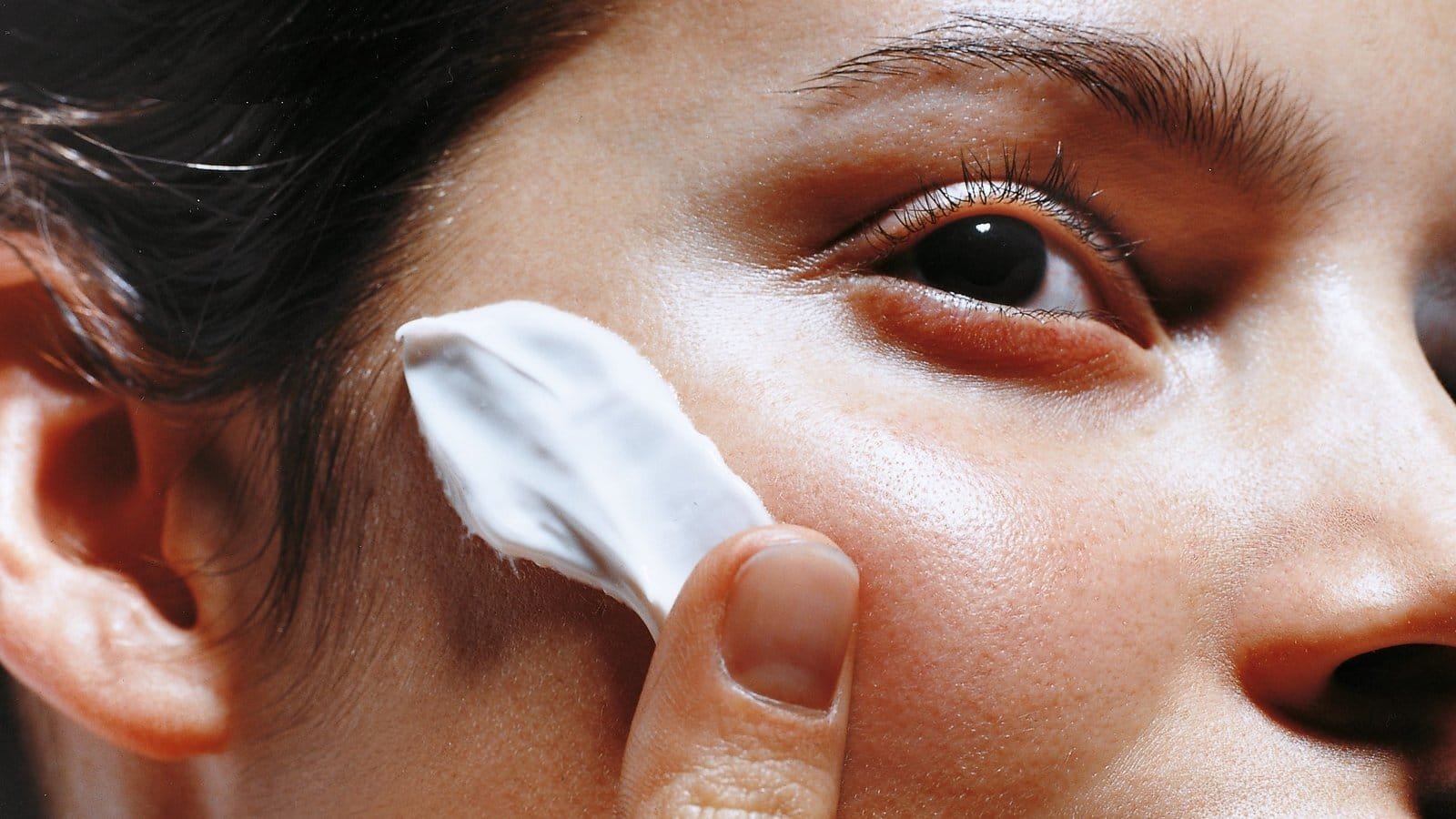
How to Hydrate Your Skin: The Complete Moisturizer Guide for Every Skin TypeKnowing how to hydrate your skin properly is one of the most foundational
How to Hydrate Your Skin: The Complete Moisturizer Guide for Every Skin Type
Knowing how to hydrate your skin properly is one of the most foundational skills in skincare, yet it is also one of the most misunderstood. Many people apply moisturiser daily without seeing meaningful results because they are using the wrong formula for their skin type, applying it incorrectly, or confusing hydration with moisture, which are related but distinct concepts. Truly hydrated skin looks plump, feels supple, reflects light evenly, and responds well to other skincare products. Chronically dehydrated skin looks dull, feels tight, develops fine lines prematurely, and often overproduces oil in a compensatory response that leads to breakouts. This comprehensive guide explains the science behind skin hydration, identifies the best moisturiser ingredients for each skin type, and provides practical daily routines that deliver lasting hydration results.
The Difference Between Hydration and Moisture in Skin
Before choosing any product to hydrate your skin, it helps to understand the distinction between hydration and moisture as skincare concepts. These terms are often used interchangeably in product marketing, but they describe different things at the cellular and structural level of skin.
Hydration refers specifically to the water content of the skin cells themselves. Skin cells that are adequately hydrated plump up and function optimally, producing a skin surface that looks smooth, feels bouncy, and transmits light evenly. When skin cells are dehydrated, they shrink and the skin surface becomes uneven, creating the look of dullness, fine lines, and texture irregularities. Virtually any skin type can be dehydrated, including oily skin, which is a point of significant confusion for many people.
‘Moisture’ refers to the lipid (oil) content of the skin, which is primarily governed by the skin barrier, a multi-layered structure made of skin cells and the lipids between them, including ceramides, fatty acids, and cholesterol. The skin barrier’s primary job is to prevent transepidermal water loss (TEWL), meaning the evaporation of water from the skin cells through the skin surface into the air. A healthy, intact skin barrier keeps water locked inside the skin cells. A compromised skin barrier allows excessive water evaporation, leading to dehydration regardless of how much water you drink or how often you apply humectant serums.
Hydrating your skin effectively requires addressing both dimensions: delivering water to the skin cells (hydration) and maintaining the barrier that prevents that water from evaporating away (moisture). The most effective moisturisers do both simultaneously through a combination of humectant, emollient, and occlusive ingredients.
Reviewed by the BeautynFacts editorial team. Last updated: May 2026.
Understanding the Three Types of Moisturizing Ingredients
Every effective moisturiser works through some combination of three functional ingredient categories. Understanding these categories makes it far easier to choose the right products to hydrate your skin based on your specific needs.
Humectants: Drawing Water into the Skin
Humectants are ingredients that attract and bind water molecules, drawing hydration into the skin from the surrounding environment and from the deeper layers of the skin. They work like tiny sponges at the skin surface, pulling water into the outermost layer of skin to create immediate visible plumping and improved texture.
The most important humectants in skincare are hyaluronic acid, glycerine, aloe vera, urea (at lower concentrations), panthenol (provitamin B5), sorbitol, honey, and amino acids. Hyaluronic acid is particularly celebrated because a single molecule can hold up to 1,000 times its weight in water, making it among the most potent hydrating ingredients available. Glycerine is one of the most effective and best-studied humectants, highly effective at drawing water into the skin and safe for virtually all skin types, including the most sensitive.
An important consideration with humectants: in very low-humidity environments, humectants may draw water from the deeper layers of the skin rather than from the air, which can actually worsen dehydration in dry climates. For this reason, humectants work best when sealed in by an occlusive ingredient, particularly in low-humidity environments.
Emollients: Softening and Smoothing Skin
Emollients are ingredients that fill in the microscopic cracks and gaps between skin cells, creating a smoother surface, improving skin texture, and providing a softening effect. Many emollients also have barrier-repairing properties, helping to restore the lipid matrix between skin cells that the barrier depends on for function.
Key emollient ingredients include ceramides (the most physiologically important because they are the actual lipids that make up the skin barrier), plant oils (jojoba, rosehip, squalane, and argan), fatty acids (linoleic acid, oleic acid, and stearic acid), shea butter, and dimethicone (a silicone that is also a mild occlusive). Ceramide-containing moisturisers are particularly valuable for people with compromised skin barriers, including those with eczema, rosacea, chronically dry skin, or skin damaged by over-exfoliation.
Occlusives: Sealing Moisture into the Skin
Occlusives are ingredients that form a physical film or barrier on the surface of the skin, slowing the evaporation of water through the skin surface. They are the most effective tools for preventing transepidermal water loss. Heavy occlusives include petrolatum (the most effective occlusive ingredient known), lanolin, beeswax, mineral oil, and thick waxes. Lighter occlusives include dimethicone, cyclomethicone, and certain plant waxes.
Occlusives are most beneficial for very dry, compromised, or weather-damaged skin. For oily or acne-prone skin, heavy occlusives can be problematic, which is why people with these skin types need to hydrate their skin using primarily humectant-and-emollient-focused formulas without heavy occlusive layers.
How to Hydrate Your Skin Based on Your Skin Type
Dry Skin
Dry skin is characterised by chronically low sebum (oil) production, which results in a naturally compromised skin barrier that cannot effectively retain moisture. Dry skin types typically experience tightness, flaking, and dullness and are most prone to premature visible aging because the skin barrier does not efficiently retain hydration.
To hydrate your skin when you have dry skin, you need the richest combination of all three moisturiser ingredient categories. Look for creams (not lotions, which contain more water and fewer actives) with ceramides to repair the barrier, glycerine and hyaluronic acid to attract water, and occlusive ingredients like petrolatum, shea butter, or beeswax to seal everything in. Apply moisturiser immediately after cleansing while the skin is still slightly damp to capture water in the skin before applying the cream as a seal. For very dry skin, applying a facial oil over or under your moisturiser provides an additional occlusive layer.
Avoid foaming cleansers for dry skin, as these typically strip the natural oils that already exist in insufficient quantities. Choose cream or oil cleansers that do not disrupt the skin barrier during cleansing.
Oily Skin
Oily skin is a significant source of confusion when it comes to skin hydration, because many people with oily skin believe they do not need to moisturise. This belief leads to a problematic cycle: if oily skin goes without moisturiser, the skin often increases oil production to compensate for the lack of surface moisture, making oiliness worse over time. Oily skin absolutely needs hydration; it just needs a different type of moisturiser.
To hydrate your skin when you have oily skin, use lightweight, water-based or gel moisturisers containing primarily humectant ingredients without heavy occlusives or oils. Look for formulas with hyaluronic acid, glycerine, niacinamide (which also regulates sebum production and minimises pores), and aloe vera. Gel-cream and water-gel textures work particularly well for oily skin because they deliver hydration without contributing additional oiliness. Avoid SPF-free moisturisers with heavy plant oils, butters, or petrolatum, as these will compound oiliness.
Combination Skin
Combination skin, characterised by an oily T-zone (forehead, nose, and chin) and normal-to-dry cheeks, requires a balanced approach. The instinct to spot-treat different areas with different products is valid but logistically complicated for many people.
The most practical approach to hydrating your skin with a combination type is to use a medium-weight moisturiser, either a lightweight cream or a richer gel formula, applied all over the face, and to adjust by applying a thin layer to the T-zone and a more generous layer to the cheeks. Look for ingredients that provide hydration without heaviness: hyaluronic acid, ceramides in moderate concentrations, niacinamide, and light emollients. A few days of targeted treatment with a clay-based mask on the T-zone and a rich sleeping mask on the dry areas can also address the imbalance without requiring two separate daily moisturisers.
Sensitive Skin
Sensitive skin has a chronically weakened barrier that allows environmental irritants, bacteria, and potential allergens to penetrate more easily than in healthy skin. The result is reactive skin that frequently becomes red, itchy, or inflamed in response to products or environmental triggers.
To hydrate your skin when it is sensitive, prioritise moisturisers with short, simple ingredient lists that focus on barrier repair and hydration without fragrance, dyes, alcohol, or unnecessary additives. Ceramide-based moisturisers are particularly well-suited to sensitive skin because they directly repair the lipid gaps in the barrier that cause reactivity. Look also for ingredients like allantoin, bisabolol, and centella asiatica extract, all of which provide anti-inflammatory support while hydrating. Avoid all products with fragrance, essential oils, and high concentrations of active acids when the barrier is compromised or the skin is reactive.
Dehydrated Skin (Any Type)
Dehydration is a skin condition rather than a type, meaning it can affect any skin type, including oily skin. Dehydrated skin looks dull, feels tight even after applying moisturiser, and develops a fine crepey texture. Typical signs of dehydration include visible fine lines that appear under magnification or when the skin is pinched gently, a lack of bounce when pressed, and a greyish or uneven tone.
To hydrate your skin when it is dehydrated regardless of your type, the most effective approach combines a hyaluronic acid serum applied to damp skin with a moisturiser appropriate for your skin type sealed over it. The critical technique is the application to damp skin: applying hyaluronic acid to completely dry skin draws moisture from the deeper layers rather than absorbing environmental humidity, which can worsen dehydration. Apply the serum immediately after cleansing while water is still on the face, then seal with moisturiser within 60 seconds.
The Best Ingredients to Look for to Hydrate Your Skin
Hyaluronic Acid
Hyaluronic acid is one of the skin’s naturally occurring molecules, present in the skin’s extracellular matrix, where it plays a central role in maintaining tissue hydration and volume. As a skincare ingredient, it is available in multiple molecular weights. Low-molecular-weight hyaluronic acid penetrates more deeply into the skin surface, while high-molecular-weight hyaluronic acid works on the surface to create a film that reduces water evaporation. Products containing multiple molecular weights provide both surface and deeper hydration simultaneously, making them the most comprehensive hydrating serums available.
Glycerin
Glycerine (glycerol) is one of the most widely used and best-validated moisturising ingredients. It is a byproduct of soap-making and occurs naturally in many plant and animal oils. As a humectant, glycerine is exceptionally effective at drawing water into the skin. At concentrations around 20 percent in moisturiser formulas, glycerine also has mild occlusive properties. It is non-comedogenic, safe for all skin types, and remarkably inexpensive relative to its efficacy. Many budget-friendly drugstore moisturisers that outperform luxury alternatives do so largely because of well-formulated glycerine systems.
Ceramides
Ceramides are the lipids that make up approximately 50 percent of the skin barrier by weight. They hold the skin cells together and prevent water from evaporating through the skin surface. Many skin conditions associated with dryness and sensitivity, including eczema, rosacea, and chronically dry skin, are characterised by ceramide depletion. Topical ceramide application has been shown in clinical studies to restore barrier function, reduce TEWL, and improve symptoms of dryness and reactivity. Look for moisturisers that list ceramides (often labelled as ‘ceramide NP’, ‘AP’, ‘EOP’, or ‘ceramide 1’, ‘3’, or ‘6-II’) among the top five ingredients.
Niacinamide
Niacinamide (vitamin B3) is a multifunctional skincare ingredient with significant hydration benefits alongside its other well-known effects on pores, oiliness, and hyperpigmentation. Niacinamide has been shown to stimulate the production of ceramides and other skin barrier lipids, improving the barrier’s ability to retain moisture over time. It also reduces TEWL and improves skin smoothness and tone. For oily or combination skin types that need to hydrate their skin without heaviness, niacinamide is an excellent choice because it addresses multiple concerns simultaneously in a lightweight format.
Aloe Vera
Aloe vera gel contains polysaccharides that act as humectants, binding water to the skin and providing immediate soothing hydration. It also contains compounds with anti-inflammatory and mild antimicrobial properties that make it particularly valuable for sensitive, inflamed, or breakout-prone skin. Fresh aloe vera gel applied to the skin provides lightweight hydration without any of the heaviness of oil-based moisturisers, making it an excellent choice for humid-climate hydration and as a calming treatment for reactive skin.
Squalane
Squalane is a stable, plant-derived lipid that closely resembles squalene, a naturally occurring lipid produced by the sebaceous glands. Because its molecular structure mimics the skin’s own oils, squalane is readily absorbed without feeling greasy, and it does not clog pores or contribute to breakouts. It functions as an emollient and mild occlusive, improving skin texture, reducing TEWL, and providing a natural, non-greasy finish. Squalane is an excellent oil choice for dry skin that finds heavier plant oils too rich and for oily skin that needs emollient support without additional sebum.
How to Apply Moisturizer Correctly to Maximize Hydration
Choosing the right moisturiser to hydrate your skin is only half the equation. How you apply it determines how much of that hydration is actually delivered to and retained by the skin.
Apply on Damp Skin
The most important application technique for maximising hydration is to apply moisturiser immediately after cleansing, while the skin is still slightly damp. Damp skin allows humectants in the moisturiser to bind to the water on the skin surface and draw it into the skin cells. Waiting until the skin is completely dry before applying moisturiser means you lose that window of ambient moisture that amplifies the humectant effect. The ideal timing is within 60 to 90 seconds of cleansing.
Apply in the Right Order
In a multi-step routine, applying products in the correct order is essential. The general principle in skincare layering is to apply thinnest to thickest: cleanser first, then toner, then watery serums, then thicker serums, then moisturiser, then oil (if used), and finally SPF in the morning. Applying a thick moisturiser before a thin hyaluronic acid serum, for example, creates a physical barrier that prevents the serum from reaching the skin surface where it can work. Follow the sequence correctly, and each product performs at its best.
Use Enough Product
Under-application is one of the most common reasons that moisturisers appear ineffective. Clinical studies that demonstrate moisturiser efficacy typically use application amounts of approximately two milligrammes per square centimetre of skin, which corresponds to about a pea-sized amount for the full face. Many people apply significantly less than this, reducing the delivered dose of active ingredients proportionally. Use enough product to cover the face with a visible film that requires gentle pressing in rather than just grazing the surface.
Include the Neck and chest.
The skin of the neck and upper chest is thinner than facial skin and equally prone to dehydration, premature aging, and barrier compromise, yet it is commonly overlooked in facial moisturising routines. Hydrating the neck and decolletage as part of your daily routine prevents the visible disparity that often develops over time between a well-maintained face and a neglected neck.
Daily Habits That Affect Skin Hydration
Topical moisturisers are essential to hydrate your skin, but they are only one piece of the picture. Several daily habits have substantial effects on skin hydration that product application alone cannot compensate for.
Water Intake
Adequate water intake supports skin hydration by maintaining the body’s overall fluid balance. When the body is dehydrated, water is prioritised for internal organs, and the skin, which is the largest but least critical organ for survival, receives water last. Consistent adequate hydration, approximately 8 glasses or 2 litres of water daily for most adults (more in hot weather or during physical activity), keeps the body in a state where skin can maintain its optimal water content. Research on the relationship between water intake and skin hydration shows meaningful improvements in skin plumpness and suppleness with increased daily water consumption over six to eight weeks.
Diet and Nutrition
Certain dietary factors directly influence the skin’s ability to hydrate itself. Foods rich in omega-3 fatty acids, including fatty fish, flaxseed, walnuts, and chia seeds, support the production of skin barrier lipids, helping the barrier retain moisture more effectively. Antioxidant-rich foods, including colourful fruits and vegetables, provide the nutrients needed for collagen synthesis and cellular repair. Excessive alcohol and sodium consumption both deplete body water content and can visibly worsen skin dehydration.
Hot Showers and Cleansing Habits
Hot water strips the skin of its natural oils more aggressively than warm or cool water, accelerating moisture loss through the barrier immediately after cleansing. Reducing shower temperature and limiting shower time to 10 minutes or less significantly reduces the barrier disruption that promotes TEWL throughout the day. Using gentle, non-stripping cleansers, whether for the face or body, preserves the natural lipid content of the barrier and reduces the amount of restoration work moisturisers have to do.
Environmental Factors
Low-humidity environments, including air-conditioned offices, heated indoor spaces, and dry climates, accelerate TEWL and require more consistent and richer moisturiser use to hydrate your skin effectively. Using a humidifier in the bedroom, particularly in winter when heating systems dramatically reduce indoor humidity, can make a visible difference in morning skin texture and hydration levels. Air travel is particularly dehydrating because aircraft cabin humidity levels are typically below 20 percent, far lower than the skin’s comfortable operating range. Applying a richer moisturiser or hydrating facial oil before and during flights compensates for this extreme dehydration environment.
Building a Hydrating Skincare Routine
Morning Routine to Hydrate Your Skin
A well-constructed morning routine focuses on hydrating and protecting the skin for the day ahead. Begin with a gentle, non-stripping cleanser (or simply rinse with water if your skin is dry or sensitive). Apply a hydrating toner or essence containing glycerine or hyaluronic acid to damp skin. Apply a hyaluronic acid serum immediately while the skin is still damp from toner. Apply a moisturiser appropriate to your skin type over the serum while it is still slightly tacky, sealing in the hydration. Finish with a broad-spectrum SPF of at least 30, which, in addition to protecting against UV damage, many modern formulas contribute additional hydration through film-forming ingredients.
Evening Routine to Hydrate Your Skin
The evening routine is where the most intensive hydration work can be done, because the skin is in its repair and regeneration phase overnight, and there is no UV exposure to consider. Begin with thorough double cleansing (oil cleanser followed by a gentle water-based cleanser) to remove sunscreen, makeup, and daytime environmental residue. Apply your hydrating toner or essence. Apply any treatment serums (vitamin C, retinoid, AHA). Apply moisturiser. Consider applying a facial oil as the final step in dry or cold weather conditions, pressing it gently into the moisturiser to seal the entire routine. For extremely dry or compromised skin, applying a thick occlusive sleeping mask or a thin layer of petrolatum over the regular moisturiser provides maximum overnight hydration.
Signs You Are Not Adequately Hydrating Your Skin
Skin communicates dehydration through a consistent set of signs. Recognising these signals allows you to adjust your routine before the condition worsens.
Tightness or a pulling sensation after cleansing or throughout the day indicates the barrier is not retaining adequate moisture. Fine lines that appear or worsen after washing and improve temporarily after moisturising are characteristic of dehydration rather than intrinsic aging. Dull, flat, or grey-toned complexion where the skin does not reflect light and looks lacklustre even with colour cosmetics on top. Skin that drinks up moisturiser immediately and still feels dry within an hour suggests the barrier is too compromised to hold what is being applied. Increased sensitivity, redness, or stinging from products that were previously well-tolerated can indicate barrier compromise from dehydration.
Frequently Asked Questions About How to Hydrate Your Skin
Can I over-hydrate my skin?
Over-hydrating the skin is possible but uncommon with standard topical routines. Applying too many heavy occlusives for extended periods can theoretically soften the skin too much and slightly impair its normal barrier function, but this typically resolves immediately once you reduce product usage. More commonly, people make the mistake of using too many humectants without an adequate occlusive seal, which can draw moisture from the deeper skin layers in dry environments. Focus on a balanced routine rather than maximising the quantity of hydrating products applied.
How long does it take to see results when you properly hydrate your skin?
Immediate results, including reduced tightness, improved texture, and more even reflectivity, are visible within 30 to 60 minutes of correct moisturiser application. Sustained improvement in skin hydration levels with consistent correct routine use is typically visible within two to four weeks. Significant barrier repair and lasting improvement in skin quality generally requires six to eight weeks of consistent, appropriate product use.
Should I apply moisturiser if I have oily skin?
Yes, without exception. Skipping moisturiser when you have oily skin is one of the most counterproductive habits in skincare. When oily skin does not receive external hydration, the skin often increases sebum production to compensate, making oiliness worse. The correct approach is to choose a lightweight, gel- or water-based moisturiser specifically formulated for oily skin that hydrates without adding oil or heaviness.
Does drinking water hydrate your skin?
Adequate water intake is necessary to maintain systemic hydration that the skin depends on, but drinking excess water beyond your body’s needs does not produce proportional improvements in skin hydration. Your skin hydration is primarily managed by the skin barrier and topical moisturiser use. Drinking water prevents the skin from becoming dehydrated due to systemic fluid deficit, but it does not replace the need for topical moisturisers.
Recommended Moisturizer Types by Skin Need
A summary of moisturiser formats and the skin types they serve best:
Gel moisturisers, which are typically 70 to 90 percent water with humectants and lightweight water-soluble emollients, are best for oily, acne-prone, and combination skin. Lightweight lotions, which have a water-to-oil ratio that provides moderate hydration, suit normal and slightly combination skin. Rich creams, with significant emollient and ceramide content and light-to-moderate occlusives, work best for dry, mature, and normal-to-dry skin. Balms and ointments, which are heavily occlusive and emollient, are best for severely dry, eczema-prone, or weather-damaged skin. Sleeping masks, which are thick hydrating formulas designed for overnight wear, provide intensive overnight repair for any skin type that needs a hydration boost.
The Bottom Line on How to Hydrate Your Skin
Knowing how to hydrate your skin correctly comes down to understanding three things: the difference between hydration and moisture, the three types of moisturising ingredients and how they work together, and the specific combination your skin type needs to stay optimally hydrated year-round. No single product or routine works for everyone, because skin types differ significantly in their barrier function, sebum production, and sensitivity levels. The most effective approach starts with identifying your skin type, selecting moisturisers with ingredient profiles designed for that type, applying correctly to damp skin, and supporting your topical routine with hydration-friendly lifestyle habits. Skin that is consistently and correctly hydrated performs better, ages better, and responds to treatment products more effectively, making hydration the most important foundational step in any skincare routine.
How to Hydrate Your Skin: The Humectant + Occlusive Layering Method
The most-overlooked rule when learning how to hydrate your skin is that one product almost never gets you there. Real hydration comes from layering a humectant, which draws water into the skin, with an occlusive, which seals the water in. Without the seal, the water you just pulled in evaporates within an hour. This is the foundation of how to hydrate your skin for the long term.
The American Academy of Dermatology guide on dry-skin relief recommends hyaluronic acid or glycerine as your humectant and ceramides, squalane, or petrolatum as your occlusive. Applied in that order to slightly damp skin, this combination defines how to hydrate your skin at every age and skin type.
Drinking water helps, but topical layering matters more than most beauty marketing admits. A peer-reviewed study on water intake and skin hydration found measurable but modest improvements from increased daily water consumption. The bigger lever for how to hydrate your skin is the morning-and-evening layering routine plus a humidifier in dry climates or air-conditioned spaces.
RELATED ARTICLES:
Use a Face Mist or Face Oil to Refresh and hydrate your skin.
2025’s Best Natural Wrinkle Remedy: Garlic Skincare Hacks for Ageless Beauty!
The Ultimate Body Care Routine for Your Softest, Most Supple Skin Yet
Saffron Skincare Secrets: Brighten, Hydrate & Get Flawless Skin Naturally!
Use a Hydrogel Eye Patch or Under-Eye Mask to Help Reduce Puffiness and Hydrate the Delicate Skin Around Your Eyes
About The Author

COMMENTS