Glow Lips: How to Get the Most Desired Lips of 2023 Glow lips are the full, luminous, impossibly juicy lip look that has taken over every beauty feed
Glow Lips: How to Get the Most Desired Lips of 2023
Glow lips are the full, luminous, impossibly juicy lip look that has taken over every beauty feed, runway, and tutorial. Far from a fleeting trend, the glow lips technique is rooted in colour theory and clever product layering, and this guide shows you exactly how to recreate the most desired lip look.
Full, luminous, and impossibly juicy lips have taken over every beauty feed, runway, and makeup tutorial in 2023. The glow lips trend is not just another fleeting moment in beauty history. It is a carefully constructed makeup technique rooted in colour theory, skincare science, and decades of professional artistry. The best part is that you do not need filler, a hefty budget, or a professional makeup artist to achieve this look. Everything you need fits inside your makeup bag, and the entire application takes under ten minutes once you understand the method. This guide breaks down every single layer of the glow lips technique, from the biology of why gloss creates the illusion of volume to the precise order in which each product should be applied. You will learn which ingredients actually plump the lip surface, how liner placement transforms the shape of your mouth, which shade families work for your specific skin tone, and how to make the look last through meals and long days. Whether you are entirely new to bold lip styling or want to level up a routine you already have, this guide is the most complete resource you will find for achieving the most covetable lip look of the year.
What Glow Lips Actually Are and Why This Trend Has Taken Over
Reviewed by the BeautynFacts editorial team. Last updated: May 2026.
The Anatomy of the Glowy Lip Look
The glow lips technique is not simply applying gloss over bare lips. It is a layered approach that combines strategic liner placement, carefully chosen base shades, and reflective toppers to build the convincing illusion of fuller, healthier, more dimensional lips. The technique borrows heavily from the Y2K aesthetic that dominated early 2000s beauty culture, where high-shine glosses were considered the ultimate status symbol. The modern revival, however, adds a more refined edge. Where early 2000s gloss was often applied without much structure, the 2023 version uses precise liner work and skin-matching base shades to make the effect look natural rather than costume-like.
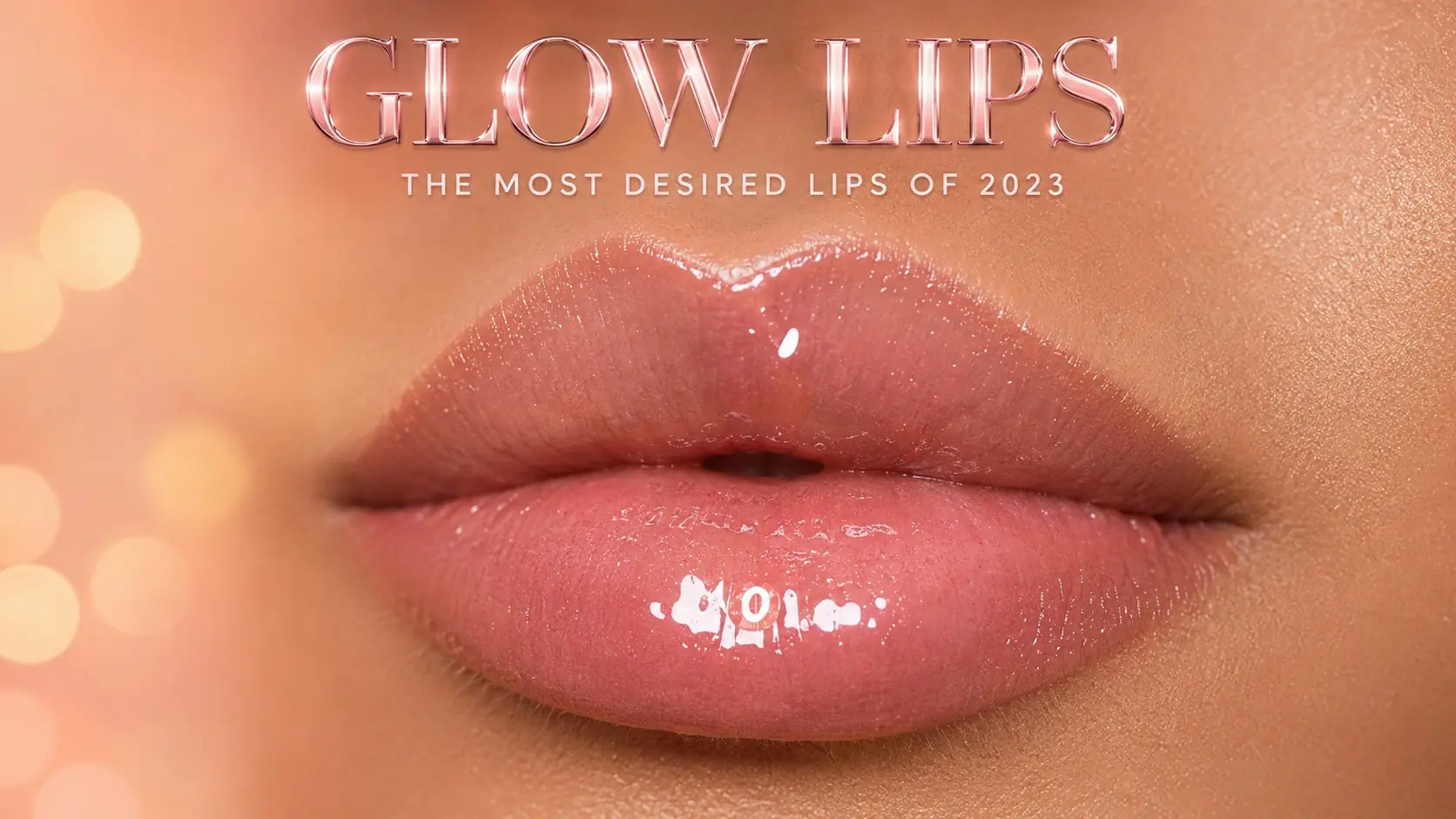
At its core, the look relies on one principle from the world of lighting and photography: glossy surfaces reflect light, and surfaces that reflect light appear to project forward. When the centre of the lip catches the light and the outer edges remain slightly more matte, the eye reads the lip as rounder and more protruding than it actually is. This technique uses the same optical illusion that contouring applies to cheekbones and noses, but it is simply applied to lips.
Why Glow Lips Flatter Every Face and Skin Tone
One of the most compelling reasons for this trend’s widespread popularity is its genuine inclusivity. Unlike certain makeup trends that only work within a narrow range of complexions or lip shapes, the glow lips technique is adaptable. The underlying mechanics reflect light from the centre of the lip while maintaining definition at the border, and they work regardless of natural lip pigmentation, skin undertone, or lip size.
For people with very full lips, the technique celebrates natural volume by adding radiance without adding more perceived bulk at the edges. For people with thinner or less defined lips, strategic liner application and centred gloss placement create visible plumpness without any invasive procedures. The shade selection changes depending on skin tone, and the guide to choosing those shades is covered in detail in a later section, but the structural technique itself remains consistent across all skin types.
The Y2K Revival and Its Modern Refinements
The early 2000s lip gloss culture emerged from a particular moment in pop culture when people equated shine with youth, health, and desirability. Celebrities and pop icons of that era made high-gloss lips iconic, and the images from that period are now the reference points for an entire generation of younger beauty consumers who are discovering the aesthetic for the first time. However, the 2023 version of glow lips is more sophisticated in its execution.
Modern formulas are far superior to what was available two decades ago. Contemporary glosses are formulated with ingredients like hyaluronic acid, peptides, and plant-based plumpers that actively condition and temporarily volumise the lip surface while they sit on the lips. Lightweight, non-tacky formulations that stay comfortable for hours have largely replaced the sticky, uncomfortable finishes that made vintage glosses frustrating to wear. The modern iteration is also less neon and more nuanced in its colour story, favouring skin-adjacent shades, warm berries, and milky pinks over the loud frosteds and metallics of the original era.
The Science of Lip Volume and What Creates the Illusion of Fullness
How Light Reflection Physically Alters Perceived Shape
Understanding the optics behind the glow lips technique helps you apply it with more intention and precision. When light strikes a matte surface, it scatters in multiple directions, which makes the surface appear flat and recessed. When light strikes a glossy or reflective surface, it bounces back toward the viewer in a more focused direction, which makes the surface appear to advance toward the eye. This is why a glossy centre on the lip creates the perception of forward projection, essentially tricking the brain into reading the lips as fuller than they are.
The position of the highlight matters enormously. Placing shine directly at the cupid’s bow on the upper lip and at the dead centre of the lower lip maximises this effect. If gloss is applied all the way to the outer corners of the mouth, the reflection is distributed evenly and the rounding effect is lost. Concentrating the gloss at the centre and allowing it to thin out naturally toward the corners creates a gradient of shine that mimics the natural three-dimensionality of a genuinely full lip.
The Role of Skin Texture in Glow Retention
Lip skin is unique compared to the rest of the face. It has no oil glands, no hair follicles, and a much thinner protective outer layer. This means it is more susceptible to dehydration, surface cracking, and uneven texture than facial skin. When gloss is applied to a lip surface that is dry, flaky, or uneven, the product catches and pools in the crevices rather than spreading in a smooth, reflective film. The result looks patchy rather than luminous.
This is why proper lip preparation is not optional. It is the foundational step that determines whether every subsequent product performs well or poorly. Smoothing and hydrating the lip surface before any colour or gloss application creates an even canvas that allows light to reflect uniformly, which is the whole point of the technique. The next section covers exactly how to prepare the lips for optimal product performance.
Biological Factors That Affect Natural Lip Plumpness
Lips contain a higher concentration of collagen and hyaluronic acid relative to surrounding facial skin, which is why they appear naturally full and smooth in youth. As collagen production declines with age, starting in the mid-twenties, the lips gradually lose volume, definition, and the pronounced cupid’s bow that characterises a youthful mouth. Chronic dehydration accelerates this process by depleting the water content of the lip tissue, making it appear thinner and more lined.
Sun exposure is another significant factor. The lip surface, particularly the lower lip, receives substantial UV radiation, and chronic exposure degrades the collagen and hyaluronic acid in the tissue over time. Most people do not apply SPF to their lips consistently, which makes the lips an overlooked area of premature ageing. Understanding these biological factors helps explain why the skincare steps in the glow lips routine are not just cosmetic preparation. They actively support the health of the lip tissue in ways that show up visually over time.
Lip Preparation: The Steps That Make or Break the Final Look
Exfoliation: Removing Dead Skin for a Smooth Base
Lip exfoliation removes the layer of dead, dry cells that accumulate on the surface and create an uneven texture. When this layer is present, lip products grip inconsistently and colours look duller. Removing it reveals the fresher, pinker skin underneath, which naturally appears more youthful and alive, even before any product is applied.
Physical exfoliants for the lips include sugar-based scrubs, which combine the gentle abrasion of sugar crystals with a moisturising oil base that simultaneously conditions the skin. A simple homemade version uses equal parts fine white sugar and coconut oil, applied with a fingertip in circular motions for thirty seconds. Chemical options include products containing lactic acid or mandelic acid, which dissolve the bonds between dead skin cells without any scrubbing. These are gentler for people with sensitive or reactive lip skin.
Exfoliation frequency matters. Doing it daily can strip the lip surface and increase sensitivity. Two to three times per week is sufficient for most people, and once a week is adequate for those with very dry or reactive lip skin. Always follow exfoliation with a hydrating product to replenish what the exfoliant has stripped away.
Hydrating and Moisturizing the Lip Surface
After exfoliation, the lip skin is temporarily more permeable and better able to absorb moisture. This window is the optimal time to apply a hydrating lip treatment. The most effective ingredients for this purpose include hyaluronic acid, which draws water into the lip tissue and holds it there; shea butter, which creates a protective occlusive film over the surface to prevent water loss; and ceramides, which reinforce the lip’s natural moisture barrier.
Apply a generous layer of treatment and allow it to absorb for at least five minutes before beginning any makeup application. If you are applying the glow lips look in the morning, applying a hydrating treatment the night before and allowing it to work overnight gives you a noticeably smoother, more plump base by the time you sit down at your mirror. Many professional makeup artists apply a light layer of balm at the very start of their face routine and remove the excess just before applying lip colour, allowing the product to condition the surface for as long as possible.
How Daily Hydration and Nutrition Show Up on the Lips
The condition of your lips is a visible reflection of your internal hydration level. When overall body hydration is low, the lips are among the first areas to show it, with increased surface cracking, a pale or greyish undertone, and noticeably reduced plumpness. Drinking adequate water, typically two litres per day for most adults, helps maintain the water content of
lip tissue and contributes to a naturally fuller, rosier appearance.
Nutritional deficiencies also manifest on the lips. Low levels of B vitamins, particularly B2 and B12, are associated with chapping, cracking at the corners of the mouth, and dull lip colour. Iron deficiency can cause lips to appear paler and thinner due to reduced blood volume and circulation. A diet rich in leafy greens, lean proteins, whole grains, and adequate healthy fats supports the collagen and lipid structures in the lip tissue. These are long-term changes that complement the immediate effects of topical products.
The Core Products Behind the Glow Lips Technique
Choosing the Right Lip Liner for Volume and Definition
Lip liner is the architectural element of the glow lips look. Its job is to define the outer border of the lip, slightly extend the perceived size where desired, and prevent the gloss from bleeding into the surrounding skin. Choosing the right liner is critical, and the most important factor is shade selection. The liner should be close to your natural lip colour or your base lip product shade, and no more than one or two shades deeper. A liner that is dramatically darker than the rest of the lip creates a visible border that reads as dated rather than polished.
For the glow lips technique specifically, the most versatile choice is a nude liner that is slightly warmer and deeper than your natural lips. This shade creates a subtle shadow at the border of the lip, which, by contrast, makes the glossy centre appear to project even further. The texture of the liner matters too. A creamy, well-pigmented liner applies smoothly and blends easily, which is important for softening the outer edge of the liner line into the lip so it appears seamless rather than drawn-on.
Lip Gloss Formulas: What to Look For and What to Avoid
Not all lip glosses deliver the same visual result. The key factor in achieving the glow-lips effect is optical clarity combined with adequate reflectivity. A gloss with a very dense pigment load obscures the lips’ natural colour and depth, flattening their three-dimensional effect. The best glosses for this technique are either clear, very sheer, or lightly tinted, allowing the layered base beneath to show through while adding a concentrated hit of shine.
Ingredients to look for in a quality gloss include vitamin E, which nourishes and protects the lip surface; hyaluronic acid, which temporarily plumps by drawing moisture into the tissue; and natural waxes or jojoba oil, which contribute to a smooth, comfortable wear without the sticky residue that plagued older gloss formulas. Avoid glosses with high concentrations of synthetic fragrance if your lip skin is reactive, as fragrance is one of the most common triggers for lip contact dermatitis. Also approach cinnamon-heavy plumpers with caution, as they work through mild irritation, which can cause sensitivity over time with repeated use.
Lip Plumpers: The Science of Temporary Volume
Lip plumper products work through several different mechanisms, and understanding these helps you choose the right one. Irritant-based plumpers use ingredients like cinnamon extract, capsaicin, ginger, or menthol to cause mild localised inflammation, which increases blood flow to the lip surface and creates visible swelling. This method produces a genuine increase in lip size, typically lasting thirty minutes to two hours. The effect is real, but frequent use of high-concentration irritant plumpers can lead to chronic sensitivity and barrier damage.
Hydration-based plumpers use humectants like hyaluronic acid, glycerin, and peptides to draw water into the lip tissue and temporarily expand the cells. This effect is subtler but gentler and cumulative with consistent use. Peptide-based formulas, particularly those containing palmitoyl tripeptide or collagen-stimulating peptides, may offer modest long-term support by encouraging the lip’s own collagen production with regular application. Optical plumpers use light-reflecting particles in the gloss base to create the visual illusion of volume without any physical change to the lip. These are the safest and most predictable in their effect.
Step-by-Step Glow Lips Application
Building the Base: Liner and Color Placement
Begin with dry, prepared lips. If you applied a balm or hydrating treatment, blot away any excess with a tissue before starting, leaving just a light residue of moisture on the surface. Start with a nude or skin-matching lip liner and trace the natural border of your lips. For added volume, place the liner just at the outermost edge of the natural lip line or fractionally outside it at the cupid’s bow and centre of the lower lip. Avoid extending the liner dramatically beyond the natural lip, as the effect becomes unconvincing in close proximity and tends to migrate unevenly throughout the day.
After outlining, fill in the entire lip surface with the liner. This step is often skipped, but it is important. Filling in the lip creates a consistent base for the gloss and significantly extends the wear time of the entire look, because the pigment in the liner acts as a stain that remains visible even after the gloss has worn off. It also prevents the gloss from appearing patchy or sliding unevenly across a bare lip surface.
Applying Gloss for Maximum Luminosity
Apply the gloss starting from the centre of the upper lip, just below the peaks of the cupid’s bow. Move outward toward each corner with a light hand, allowing the gloss to thin out naturally as you approach the edges. Do not press the wand into the corners of the mouth or coat the outer edges as heavily as the centre. Repeat on the lower lip, starting from the dead centre and working outward in both directions. The centre of the lower lip should have the highest concentration of product, as this area is the focal point of the light-reflective effect.
For the cupid’s bow, apply a small additional press of gloss directly to the two peaks of the upper lip and to the centre dip between them. This concentrated application at the cupid’s bow is what defines the modern glow lips look and separates it from a simple gloss application. It creates a three-dimensional highlighting effect that mimics the natural shadow-and-light play of a very full upper lip.
Adding Dimension with Highlighter and Luminizer
Once the gloss is in place, a final optional step significantly enhances the three-dimensional effect. Using a very fine-tipped brush or a clean fingertip, apply a small amount of pearlescent or champagne-toned powder highlighter directly to the peaks of the cupid’s bow and to the centre of the lower lip, over the gloss. This adds a second layer of light reflection that photographs exceptionally well and catches the light from multiple angles in person.
The key to this step is using a minimal amount of product. The highlighter should enhance the gloss rather than sit on top of it visibly. A pressed pearl or champagne shade works better than a highly frosted or glittery formula, as fine shimmer blends into the gloss smoothly while larger-particle glitter sits on the surface in a way that can look textured rather than smooth. If the lip area is prone to fine lines, skip the powder highlighter and opt instead for a liquid luminiser mixed directly into the gloss before application.
Color Theory and Shade Selection for Every Skin Tone
Understanding Undertones and How They Interact with Lip Products
Every skin tone has an undertone: cool, warm, or neutral. Undertones are distinct from the surface shade of the skin and refer to the subtle hue that shows through from beneath. Cool undertones have pink, red, or bluish bases. Warm undertones have yellow, peachy, or golden bases. Neutral undertones maintain a balance of both warm and cool tones. Lip shade selection that aligns with your undertone creates a look that appears naturally harmonious with your complexion, while a mismatched undertone can make even a beautifully applied look appear slightly off.
For cool undertones, the most flattering glow lip shades include true nudes with pink or lavender bases, cool-toned berry glosses, and mauve pinks. Warm, clear glosses in these shades add the required luminosity without appearing orange or muddy against cool skin. For warm undertones, peachy nudes, golden-toned pinks, corals, and caramel shades create a harmonious glow. For neutral undertones, nearly any shade works, and this group has the most flexibility to experiment with unconventional choices like warm reds or dusty mauves with a gloss layered over.
Depth of Skin Tone and the Right Nude Approach
The concept of a universal nude lip does not exist. A shade marketed as nude is only neutral relative to a specific reference point, and that reference is usually not representative of the full spectrum of skin tones. Finding your actual nude, which is the shade closest to your natural lip colour or one shade above it, requires matching the product to your specific lip pigmentation rather than to the skin on the back of your hand.
For very fair skin with light natural lip pigmentation, the right nude for glow lips is a soft pink-beige or pale blush. For medium skin tones, mid-toned roses, warm taupes, and peachy mauves tend to hit the right note. For olive skin tones, the most seamless look is created by terracotta nudes, warm sands, and bronzed pinks. For deeper skin tones, rich caramels, warm browns, plummy mauves, and brick nudes create a visible plumping effect with the gloss while honouring the complexion’s depth. Adding a lighter champagne or gold gloss over a deeper nude base on darker skin tones creates a particularly striking glow-lips effect.
Experimenting Beyond Nude: Berries, Reds, and Glazed Tones
While nude shades are the most approachable entry point for glow lips, the technique is not limited to this colour family. A glazed berry, achieved by applying a sheer berry tint under a clear gloss, creates a deeply luxurious version of the look that suits autumn and winter palettes. A sheer coral with a gold gloss overlay is a standout summer variation. Even a classic red lip can receive the glow lips treatment by finishing a classic red base with a very light press of clear gloss at the centre of each lip, adding dimension without overwhelming the boldness of the red.
The rule that stays constant across all colour choices is the gloss placement: concentrated at the centre, lightening toward the edges, and with a secondary application at the cupid’s bow. This structural principle applies regardless of the base colour used underneath. It is the placement and the gradient of shine that create the glow lips effect, not any specific shade.
Skincare Ingredients That Support Naturally Fuller Lips Over Time
Hyaluronic Acid and Peptides in Lip Treatments
Hyaluronic acid is one of the most well-researched and effective hydrating ingredients in skincare, and its application to lip care is highly effective. As a humectant, it attracts and binds water molecules to the tissue, with a single molecule capable of holding up to one thousand times its weight in water. When applied topically to the lip surface in a product with appropriate molecular weight, it draws water from the deeper layers of the skin and from the surrounding environment to create a visibly plumper, smoother surface within minutes of application.
Peptides are short chains of amino acids that tell skin cells to make certain proteins. Several peptides used in high-performance lip serums and treatments are designed to signal increased collagen and elastin production in the lip tissue. Palmitoyl tripeptide-1 and palmitoyl tetrapeptide-7, commonly found in anti-ageing skincare, have been incorporated into specialised lip formulas for their ability to support the structural proteins that give lips their natural volume and defined borders. These are not overnight solutions, but consistent use over several weeks produces measurable improvement in lip texture, plumpness, and the definition of the lip contour.
SPF Protection for the Lip Area
The lower lip in particular is highly vulnerable to UV damage. Its position on the face means it receives direct sunlight without the natural shadow protection that the forehead and nose provide to other facial features. Chronic UV exposure breaks down collagen and hyaluronic acid in the lip tissue, causes hyperpigmentation of the vermilion border, and is a known risk factor for actinic cheilitis, a precancerous condition affecting the lower lip.
Applying an SPF lip balm daily as your base layer before any makeup product protects the lip tissue from these cumulative effects. Most people do not associate lip care with sun protection, but adding an SPF-30 or higher lip product to your morning routine is one of the most effective long-term investments you can make in the natural fullness and colour of your lips. Many SPF lip balms are available in tinted formulas that also act as a light base for the glow lips technique, combining sun protection with the prep step.
Overnight Lip Treatments and Their Benefits
The night is the most productive time to apply intensive lip treatments. During sleep, the body repairs and regenerates cells, and applying concentrated nourishing ingredients to the lip tissue during this time enhances those natural processes. Overnight lip masks, which are typically thicker and more occlusive than daily balms, create a seal over the lip surface that prevents transepidermal water loss while active ingredients work on the tissue beneath.
Effective ingredients in overnight lip treatments include shea butter and mango butter for deep occlusive moisture, vitamin C for brightening uneven pigmentation and supporting collagen production, retinol in very low concentrations for stimulating cell turnover and collagen synthesis, and niacinamide for improving the lip’s barrier function and reducing visible lines. Applying a generous layer of an overnight mask before sleep and waking to immediately smooth, hydrated lips makes the morning prep steps of the glow lips routine faster and more effective.
Making Glow Lips Last: Longevity Tips and Touch-Up Strategies
Priming and Sealing for Extended Wear
A dedicated lip primer creates a slightly tacky base that anchors lip colour and gloss, preventing the migration that is the most common complaint with glossy lip looks. Lip primer works similarly to face primer, creating a barrier between the skin and the product above it, which reduces pigment absorption into the skin and keeps the colour on the surface longer. Apply a thin layer of lip primer to prepared lips before any liner or colour application and allow it to set for thirty seconds before proceeding.
An alternative priming method uses a very thin layer of concealer or foundation applied to the lip and blotted with a damp sponge. This neutralises the natural pigmentation of the lips, allowing the chosen lip colour to appear truer to its shade in the pan and creating a smooth surface for liner and gloss application. This approach is particularly useful for very sheer or cool-toned shades, which the underlying warmth of natural lip pigmentation can alter.
Touch-Up Strategies for All-Day Wear
Gloss is inherently a product that requires reapplication, and building a touch-up routine around this reality rather than fighting it makes the experience much more manageable. The key is to preserve the underlying structure—the liner fill and base colour—so that reapplying gloss alone restores the look without needing a full redo. When the liner base is well-applied and filled in at the start, the gloss can be blotted and reapplied several times throughout the day without visible degradation of the overall look.
Carry the gloss in an easily accessible bag or pocket. Reapply after meals by first blotting any remaining product with a tissue, then pressing the wand to the centre of each lip and working outward as described in the application technique. A single layer of fresh gloss over the preserved liner base restores the full glow effect in under sixty seconds. If the liner base has also worn significantly, a quick trace of the liner around the outer border and a press of the wand to fill in any gaps is all that is needed before reapplying the gloss.
Removing Glow Lip Products Without Damaging the Lip Surface
Proper removal of lip products is as important as their application. Many people wipe at their lips with dry tissues or makeup wipes, which removes surface product but also strips moisture from the lip skin and can cause micro-abrasions over time. A more gentle approach uses a small amount of micellar water or a dedicated lip-safe oil cleanser applied to the lip on a cotton pad with a light press-and-sweep motion rather than rubbing.
For long-wearing liner pigment that has stained the lip surface, a small amount of cleansing balm massaged gently onto the lips with a fingertip dissolves the pigment without friction. Follow removal with immediate application of a hydrating lip treatment to replenish any moisture lost during cleansing. This recovery step takes thirty seconds and makes a measurable difference in the long-term condition of the lip surface. Consistent gentle removal and immediate re-moisturising are what keep lips in the smooth, healthy condition that makes the glow lips technique look its best every time.
Frequently Asked Questions About Glow Lips
Can I achieve glowing lips if my lips are very thin?
Yes, and in many ways the technique is most transformative on thinner lips. The combination of a nude liner placed fractionally outside the natural lip line at the cupid’s bow and centre of the lower lip, a filled-in base to create the illusion of solid colour across the widened outline, and a concentrated gloss application at the centre creates a convincing illusion of significantly more volume. The optical mechanics of the gloss placement work regardless of starting lip size. You may also consider adding a lip plumper to your base layer before applying the liner to create a combined physical and visual volumising effect. The most important thing to avoid is placing the liner more than a millimetre outside the natural lip line, as beyond that threshold the extension becomes noticeable up close.
How do I stop my gloss from bleeding into the fine lines around my mouth?
Gloss bleeding into perioral lines is a common concern, particularly for those with more defined lines around the mouth. Several strategies address this issue effectively. First, a lip liner applied carefully around the entire border of the lip creates a physical barrier that prevents gloss from migrating outward. The waxier the liner formula, the more effective this barrier is. Second, a lip primer applied before any product significantly reduces migration by anchoring the entire look to the lip surface. Third, opting for a less runny, more viscous gloss formula helps keep the product from travelling. Finally, applying a light dusting of translucent setting powder just outside the lip border creates a dry surface that interrupts the migration path of any gloss that reaches the border. Using all four strategies together essentially eliminates the problem for most people.
What is the difference between a clear gloss and a tinted gloss for this technique?
Both work well for glow lips, but they produce slightly different results and suit different situations. A clear gloss layered over a liner base gives you the most control over the final colour, as the base colour you choose determines the entire tone of the look, and the gloss simply amplifies it. This approach allows for very precise colour matching and is the better choice for those who frequently like to customise their lip look. A tinted gloss, on the other hand, combines colour and shine in a single step, making it faster and requiring less layering of product. Sheer tinted glosses in berry, pink, or peach shades can be applied directly to bare lips for a casual version of the glow lips look or over a liner base for more definition and longevity. The choice between the two depends on how much precision and effort you want to put into each application.
Are there any ingredients I should avoid in lip products if I have sensitive lips?
Several common lip product ingredients are known triggers for sensitivity and contact dermatitis. Synthetic fragrance is the most widespread offender and is present in a surprising number of lip balms and glosses marketed as gentle or natural. Look for products labelled ‘fragrance-free’ rather than simply ‘unscented’, as unscented products may still contain fragrance agents that mask the scent of other ingredients. Cinnamon derivatives, used in many plumping glosses, work through irritation and can cause significant sensitivity with regular use on reactive lips. Certain chemical UV filters used in SPF lip products, such as oxybenzone, cause contact reactions in some people. Lanolin, while very effective as a moisturiser, is a common allergen for those with wool sensitivities. If your lips frequently feel irritated, itchy, or dry despite regular moisturising, switching to a minimalist product formulation with a short, recognisable ingredient list can often resolve the issue within a few days.
How does the ‘glow lips’ look translate on mature skin?
The glow lips technique works beautifully for mature skin with a few minor adjustments. The first is to prioritise lip preparation even more thoroughly, as the lip surface on mature skin tends to be more prone to dryness and visible fine lines, both of which affect how products adhere and reflect light. Overnight lip treatments used consistently for several weeks before wearing the look regularly will improve the baseline condition of the lip surface. The second adjustment is to choose a more viscous, less runny gloss formula to minimise migration into perioral lines and to use the full barrier strategy described above. The third adjustment is to scale the liner application slightly. A very precisely placed liner at the natural border or just at the outer edge, rather than noticeably overlined, creates a cleaner result on mature skin where the natural lip line may have softened. Finally, opting for lighter, more luminous champagne and pink-based shades over very deep or matte undertones keeps the look fresh and radiant rather than heavy.
Bringing It All Together: Your Glow Lips Action Plan
The glow lips technique is one of the most rewarding beauty skills you can develop because the results are immediate, visible, and genuinely flattering regardless of your starting point. The core takeaways from this guide are straightforward. Consistent lip skincare preparation, including regular gentle exfoliation and intensive hydration, is the non-negotiable foundation that every other step depends on. A nude liner placed at and just beyond the natural lip border, filled in completely, creates the structure and longevity that gloss alone cannot achieve. Strategic gloss placement concentrated at the centre of each lip and at the cupid’s bow, rather than applied edge to edge, is the specific technique that creates the three-dimensional, plump effect for which the trend is known.
Shade selection based on your undertone and skin depth ensures that the base colour harmonises with your complexion rather than fighting it. Skincare ingredients applied consistently over weeks and months, particularly hyaluronic acid, peptides, and SPF, support the natural health and volume of the lip tissue in ways that make every application of the glow lips technique more effective over time. A realistic approach to longevity keeps the look polished by building a preserved liner base that allows for quick gloss reapplication throughout the day without requiring a full redo after every meal.
Start with the simplest version: a skin-matching liner, a clear or very sheer gloss applied at the centre, and a champagne highlighter pressed to the cupid’s bow. Practise the placement technique in good lighting until it feels instinctive. From there, you can build toward more complex colour combinations, overlaid plumpers, and layered finishes. The glow lips look is endlessly adaptable, and once you understand the principles driving it, you have the tools to create a version of it that is completely your own.
RELATED ARTICLES:
Lazy Girl’s Secrets to Perfect Lips: Easy Tips for Soft, Smooth, and Healthy Lips
Perfect lipsticks for Valentine’s Day
Milk Tea Lips & Blurred Edges 2025: The Work-Ready Lip Care Look That Lasts Through Coffee
How to Keep Your Lips Looking Young: Anti-Aging Lip Care Tips
The Power of Aloe Vera for Lips: Hydration Secrets Revealed
About The Author

COMMENTS