
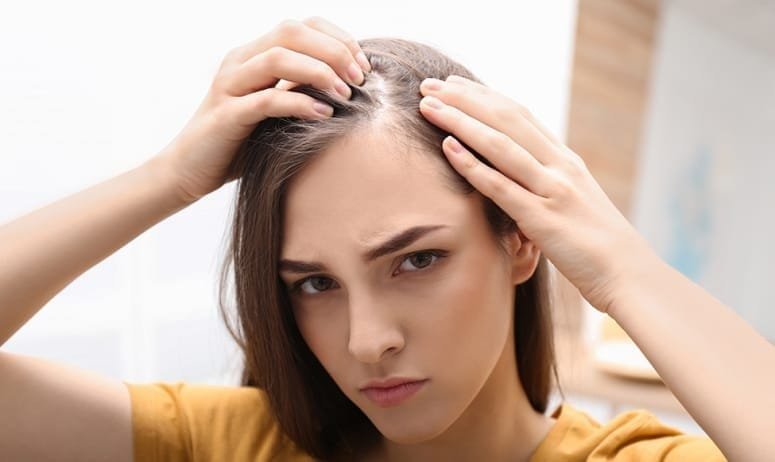
Waking up to silvery flakes on your pillow, feeling that relentless itch beneath your hair, or catching sight of raised red patches along your hairlin
Waking up to silvery flakes on your pillow, feeling that relentless itch beneath your hair, or catching sight of raised red patches along your hairline can be genuinely distressing. You are not alone, and you are not dealing with ordinary dandruff. Scalp psoriasis is a chronic autoimmune condition that affects roughly half of all people living with plaque psoriasis, and it demands a different approach than everyday dry scalp or seborrhoeic dermatitis. The excellent news is that with the right knowledge, the right shampoos, and the right lifestyle habits, you can calm inflammation, reduce flaking, protect your hair, and reclaim comfort. This guide walks you through every step, from identifying the condition correctly to choosing clinically supported ingredients, layering treatments safely, and preventing flare-ups long-term. You will learn how dermatologists classify severity, which active compounds actually work, which shampoos deliver results, and how to protect your hair from breakage while you heal. Expect science-backed recommendations, honest expectations, and practical routines you can start using today to transform the health of your scalp.
Managing scalp psoriasis is about understanding the autoimmune trigger cycle and matching the right shampoo, topical, and lifestyle plan to your flare severity. This guide breaks down every option from gentle daily care to prescription treatments.
Understanding Scalp Psoriasis at a Deeper Level
Scalp psoriasis is not a cosmetic inconvenience. It is an immune-driven skin condition in which the body produces new skin cells far faster than it sheds them. Where healthy skin renews itself roughly every 28 days, psoriatic skin can turn over in as little as 3 to 4 days, leaving thickened, scaly plaques that cannot shed quickly enough. Understanding what drives this imbalance sets the foundation for treating it effectively.
Reviewed by the BeautynFacts editorial team. Last updated: May 2026.
The Autoimmune Mechanism Behind the Flakes
The condition begins inside the immune system. Overactive T cells mistake healthy skin cells for invaders, releasing inflammatory signals like tumour necrosis factor, interleukin 17, and interleukin 23. These chemical messengers push keratinocytes into overdrive. The result is a pile-up of immature cells on the surface, forming the plaques and silvery scale that define psoriasis. Because the trigger is internal, topical treatments alone sometimes cannot stop the process. This is why moderate and severe cases often benefit from systemic support alongside medicated shampoos.
How It Differs From Dandruff and Seborrheic Dermatitis
Many people assume they have dandruff until flaking worsens or plaques appear. Dandruff is flaking without significant inflammation, typically linked to a yeast called Malassezia. Seborrhoeic dermatitis also involves Malassezia but adds redness and oilier yellow scales, mainly in sebum-rich zones. Scalp psoriasis, by contrast, produces dry, thick, silvery-white plaques with sharply defined borders that often extend past the hairline onto the forehead, ears, or neck. Psoriatic plaques usually feel firmer and can bleed slightly when lifted, a sign known as the Auspitz phenomenon.
Who Is Most Likely to Develop It
Genetics play a major role. If one parent has psoriasis, your risk climbs to about 15 percent. If both parents are affected, the risk may exceed 50 percent. Environmental and lifestyle factors also contribute, including chronic stress, smoking, heavy alcohol use, obesity, and certain medications such as lithium and beta blockers. The condition can appear at any age but most commonly surfaces between 15 and 35, with a second, smaller peak after 50.
Recognizing the Signs Early
Catching scalp psoriasis in its earliest stages dramatically widens your treatment options.
Catching scalp psoriasis early offers a clear advantage. Smaller plaques respond faster to topical treatments, and early intervention reduces the risk of scratching damage, secondary infection, and temporary hair loss. The trick is learning to read the subtle signals your scalp sends before full plaques develop.
Classic Symptoms to Watch For
The most recognisable sign is the appearance of raised, reddish patches topped with thick, silvery scales. These patches often feel dry, tight, or burning. Intense itching is nearly universal, though some people experience soreness or stinging instead. You may also notice fine powdery flakes on dark clothing, persistent scalp sensitivity, cracks near the hairline, and a tight feeling when you move your eyebrows or smile if plaques extend onto the forehead.
Less Obvious Clues People Often Miss
Subtler signs include pink areas behind the ears that never quite heal, persistent scaling inside the external ear canal, and dry cracked skin at the nape of the neck. Nail changes such as pitting, ridges, or yellowish discolouration often accompany scalp psoriasis because the same inflammatory process affects the nail matrix. Joint stiffness, especially in the fingers or lower back, can indicate psoriatic arthritis, which occurs in up to 30 percent of people with psoriasis and requires prompt medical evaluation.
Severity Levels and What They Mean
Dermatologists generally classify scalp psoriasis into three tiers. Mild involves light scaling over less than 20 percent of the scalp, usually manageable with medicated shampoos. Moderate covers up to 50 percent with visible plaques that resist basic treatment and need prescription topicals. It severely affects most of the scalp, often with bleeding, pain, and hair loss, and typically requires systemic medication or biologic therapy. Knowing your severity level helps you set realistic treatment expectations and avoid wasting time on products that cannot reach deep enough to help.
Root Causes and Triggers That Fuel Flare-Ups
Knowing the personal triggers behind your scalp psoriasis is the difference between controlled flares and constant frustration.
Psoriasis is chronic, meaning flare-ups can come and go throughout life. While you cannot eliminate the underlying tendency, you can significantly reduce how often and how intensely it surfaces by identifying and managing your personal triggers.
Stress and the Mind-Skin Connection
Stress is the most reported trigger among people with psoriasis. When you experience psychological pressure, your body releases cortisol and pro-inflammatory cytokines that directly aggravate psoriatic pathways. A stressful week can produce visible scalp changes within days. Practices like mindfulness meditation, steady sleep, regular exercise, and cognitive behavioural therapy have measurable effects on skin severity, with studies showing reductions in plaque scores after just eight weeks of consistent stress management.
Diet, Weight, and Inflammation
Although no single food causes psoriasis, certain dietary patterns fuel systemic inflammation that worsens flares. Refined sugar, ultra-processed snacks, excessive red meat, and alcohol all raise inflammatory markers. A Mediterranean-style approach rich in fatty fish, olive oil, leafy greens, berries, and nuts has been linked to lower psoriasis severity. Maintaining a healthy body weight matters as well, since excess adipose tissue produces inflammatory compounds that can amplify autoimmune responses.
Environmental and Physical Triggers
Cold, dry weather strips moisture from the scalp and triggers tightness, flaking, and itching. Conversely, some people improve dramatically in humid climates or after sunlight exposure. Tight hairstyles, harsh hair dyes, sulphate-heavy shampoos, and aggressive brushing all produce friction and microtrauma that can provoke the Koebner phenomenon, where psoriasis appears at sites of skin injury. Even sunburn on the forehead or neck can trigger new plaques along the hairline.
Medical Treatments That Deliver Real Results
When over-the-counter products stop working or plaques cover large areas, medical treatment becomes essential. Dermatologists typically follow a stepped approach, starting with topical therapies and advancing to phototherapy or systemic medications for stubborn cases.
Topical Corticosteroids and Vitamin D Analogues
Topical corticosteroids remain the front-line prescription treatment for scalp psoriasis. Clobetasol propionate and betamethasone dipropionate come in foam, solution, and shampoo formulations designed for hair-bearing skin. They reduce inflammation, itching, and scaling quickly, often within one to two weeks. Vitamin D analogues like calcipotriene regulate the turnover of skin cells and work well in combination with steroids. A popular fixed-combination foam containing calcipotriene and betamethasone has shown clearance rates above 50 percent in clinical trials. Long-term steroid use requires caution, since extended exposure can thin the skin and cause rebound flares.
Coal Tar, Salicylic Acid, and Keratolytics
Coal tar is one of the oldest and most effective psoriasis treatments. It slows skin cell reproduction and soothes itching. Modern formulations minimise the strong odour that deterred earlier users. Salicylic acid works as a keratolytic, gently dissolving the bonds between dead skin cells so plaques release their grip on the scalp. Used together, salicylic acid lifts scale while tar calms the underlying inflammation, creating a powerful pair for mild to moderate cases.
Phototherapy and Systemic Therapy
For widespread or resistant scalp psoriasis, narrowband ultraviolet B phototherapy can deliver excellent results without the side effects of oral drugs. Specialised UV combs allow for targeted scalp treatment. When topical and light-based approaches fail, systemic medications become relevant. Methotrexate, cyclosporine, and apremilast suppress immune overactivity broadly. Biologics like adalimumab, secukinumab, ixekizumab, and risankizumab precisely target specific inflammatory pathways. These therapies can clear scalp plaques almost completely, though they require medical supervision and regular monitoring.
Best Shampoos for Scalp Psoriasis
Choosing the right shampoo is one of the most empowering things you can do. The wrong formula strips moisture, aggravates itching, and drives you to scratch. The right formula gently lifts scale, calms redness, and lets other treatments penetrate more effectively.
Medicated Shampoos With Proven Active Ingredients
Look for shampoos containing salicylic acid at 2 to 3 per cent, coal tar at 0.5 to 2 per cent, ketoconazole at 1 to 2 per cent, pyrithione zinc at 1 to 2 per cent, or selenium sulphide at 1 to 2.5 per cent. Neutrogena T/Gel contains coal tar extract and excels at reducing scaling and itchiness. Neutrogena T/Sal uses salicylic acid to break down thick buildup. Nizoral A-D with ketoconazole helps when Malassezia overgrowth accompanies psoriasis. DHS Sal and MG217 Psoriasis shampoos are trusted drugstore options. For prescription strength, Clobex Shampoo delivers clobetasol propionate directly to the scalp, and Caphos contains fluocinolone acetonide for inflammation control.
Gentle Daily Shampoos for Maintenance
Between medicated washes, you still need a mild cleanser that does not strip natural oils. Vanicream Gentle Shampoo is sulphate-free, fragrance-free, and dermatologist-recommended. Free and Clear shampoo avoids common irritants, including dyes, parabens, and botanical extracts that can trigger sensitivity. Avalon Organics Biotin B-Complex delivers gentle cleansing with soothing botanicals that do not clash with psoriasis treatments. Rotating a medicated shampoo with a gentle maintenance shampoo prevents the dryness that over-treatment can cause.
Natural and Plant-Based Options
Some people prefer botanical formulas, especially during mild flairs. Shampoos with tea tree oil, aloe vera, camomile, and oat extract can soothe irritation and moisturise without harsh chemicals. MooGoo Scalp Cream Shampoo and Dr Eddie’s Happy Cappy offer plant-focused formulations backed by positive user reports. Keep expectations realistic: natural shampoos rarely match the performance of medicated versions for moderate or severe cases, but they work beautifully as part of a rotation.
Building a Scalp Care Routine That Actually Works
Products only deliver results when used correctly. A thoughtful routine layers treatments, respects the skin barrier, and works around your hair type so you stay consistent long enough to see genuine improvement.
How to Wash and Apply Treatments Properly
Wet your hair thoroughly with lukewarm water, since hot water strips the barrier. Apply medicated shampoo directly to the scalp, not just the hair length. Use your fingertips to massage gently, never your nails. Let the shampoo sit on your scalp for 5 to 10 minutes so the active ingredients penetrate. This contact time is where most people fail. Rinse thoroughly, then follow with a gentle conditioner applied mainly to the mid-lengths and ends so your scalp does not get weighed down. Pat your hair dry rather than rubbing vigorously, and avoid tight ponytails immediately after washing when strands are most vulnerable.
Weekly Treatments and Overnight Masks
Once or twice a week, treat your scalp to a scale-lifting session. Warm a small amount of mineral oil, jojoba oil, or a salicylic acid solution and massage it through the scalp. Cover with a shower cap and leave on for 30 minutes or overnight for very thick plaques. The oil softens and loosens scale so your next shampoo can clear it easily. Apple cider vinegar diluted 1 to 3 with water makes a soothing rinse for itching, though avoid it if your scalp has open cracks. Aloe vera gel straight from the plant calms redness and hydrates without clogging.
Combining Shampoos and Prescription Treatments
If your dermatologist prescribed a topical steroid or vitamin D analogue, apply it to a clean, dry scalp at night. Part your hair into sections and deposit the medication directly onto the plaques. Use a medicated shampoo in the morning to clear lifted scales and deliver additional actives. Avoid applying multiple strong treatments at once without guidance, since layering can increase irritation and burning. Most dermatologists recommend rotating tar or salicylic acid shampoos with steroid applications to balance efficacy and tolerability.
Protecting Your Hair During Flare-Ups
Scalp psoriasis often triggers temporary hair loss, not from the disease itself but from inflammation, scratching, and aggressive product use. Protecting your strands during flares keeps your mane intact while you treat the root cause.
Why Hair Falls Out and How to Prevent It
The hair loss associated with psoriasis is usually telogen effluvium, a shedding phase triggered by stress or inflammation. Follicles remain alive and hair regrows once the scalp calms down. Scratching and mechanical removal of scale also pull hair out during the active phase. To minimise loss, resist the urge to scratch by using cold compresses, menthol-based scalp sprays, or a prescription antihistamine during intense itching episodes. Soften scale with oil treatments rather than picking and handle wet hair gently, since wet strands are the weakest.
Styling Products and Tools to Avoid
Alcohol-heavy gels, hair sprays, and mousses dry out the scalp and can seep into cracked plaques, causing stinging and worsening inflammation. Fragrance in styling products is another common irritant. Swap harsh tools for a wide-tooth comb and a boar-bristle brush. Avoid tight braids, buns, and weaves during flares, since traction can provoke Koebner responses along the hairline. Heat styling should be reduced. When you must use heat, apply a lightweight heat protectant and keep temperatures under 350 degrees Fahrenheit.
Safe Coloring and Chemical Treatments
Many people worry that they must give up hair colour entirely. You can still colour your hair, but the timing and formula matter. Wait until your scalp is calm, ideally with no active plaques on the hairline. Ask your stylist to use ammonia-free, PPD-free, and gentle developer formulations. Demi-permanent and semi-permanent colours carry less risk than harsh bleach. Always perform a patch test 48 hours before any chemical service. If possible, request a scalp-protection barrier cream applied along the hairline. Avoid relaxers, keratin treatments with formaldehyde, and perms during active flares entirely.
Lifestyle Adjustments for Long-Term Control
Topical treatments calm the surface, but lifestyle choices shape the internal environment that either fuels or quiets psoriasis. Small consistent changes often reduce flare frequency dramatically over six to twelve months.
Nutrition Strategies That Reduce Inflammation
Focus your plate on anti-inflammatory foods. Fatty fish like salmon, sardines, and mackerel supply omega-3 fatty acids that counter inflammatory signals. Leafy greens, cruciferous vegetables, and colourful berries deliver polyphenols and antioxidants. Extra virgin olive oil, walnuts, flaxseed, and avocado provide healthy monounsaturated fats. Turmeric contains curcumin, a compound studied for its ability to downregulate inflammatory cytokines relevant to psoriasis. Limit alcohol, refined carbohydrates, and processed meats. Some patients report improvements on gluten-free eating, especially if they carry antibodies to gliadin, though this approach is not universally beneficial.
Stress Management and Sleep Quality
Chronic stress rewires your immune system to favour inflammation. Daily practices that activate the parasympathetic nervous system are powerful tools. Diaphragmatic breathing for 10 minutes, yoga, tai chi, nature walks, journaling, and meditation all lower cortisol and inflammatory markers. Sleep is equally vital. Aim for seven to nine hours of quality rest per night. Poor sleep raises inflammatory signalling and reduces the skin barrier’s overnight repair capacity. Keep a consistent bedtime, limit screens an hour before bed, and maintain a cool, dark sleeping environment.
Exercise, Sunlight, and Climate Considerations
Regular moderate exercise reduces systemic inflammation and improves mood. Aim for 150 minutes of moderate activity weekly, such as brisk walking, swimming, or cycling. After exercise, rinse sweat promptly to prevent irritation. Sunlight in moderation benefits many people with psoriasis because ultraviolet B rays slow the hyperactive skin cell cycle. Aim for 10 to 15 minutes of midday sun on affected areas a few times per week, keeping in mind that sunburn can trigger the opposite effect. During dry winter months, a bedroom humidifier set at 40 to 50 percent can prevent the scalp dryness that often precedes flares.
When to See a Dermatologist and What to Expect
Self-care goes far, but some situations call for professional guidance. Knowing when to seek help and how to prepare makes every appointment more productive.
Warning Signs That Need Immediate Attention
Book an appointment promptly if plaques spread rapidly; bleed regularly; develop yellow crust, suggesting bacterial infection; or cause significant pain. Hair loss that continues after plaque clearance warrants evaluation, as does any joint pain, swelling, or morning stiffness. New scalp sensitivity combined with a fever or swollen lymph nodes could indicate an infection. If over-the-counter treatments fail to deliver improvement within four to six weeks of consistent use, prescription therapy is likely needed, and delaying only prolongs discomfort.
Preparing for Your Appointment
Arrive with a clear picture of your history. Note when symptoms started, what triggers worsen them, what products you tried, and how they affected you. Photograph your scalp during flares so your dermatologist sees the full severity, since symptoms can look milder on appointment day. List all medications and supplements, since some can aggravate psoriasis. Come with questions written down: What type of psoriasis do I have? What treatments suit my severity? How long before I see results? What are the potential side effects? Are there systemic considerations I should monitor?
Ongoing Monitoring and Treatment Adjustments
Psoriasis treatment is rarely one-and-done. Plan for follow-up visits every three to six months during active management and at least yearly for maintenance. Your dermatologist may adjust strengths, rotate products to prevent tolerance, or escalate to systemic therapy based on response. Keep a simple symptom diary tracking flare frequency, severity, and suspected triggers. This information transforms vague complaints into actionable data and helps your provider fine-tune your plan.
Frequently Asked Questions
Is scalp psoriasis contagious?
Scalp psoriasis is absolutely not contagious. You cannot catch it from touching someone affected, sharing a hairbrush, or swimming in the same pool. The condition is an autoimmune response influenced by genetics and internal triggers, not by bacteria, viruses, or fungi that could be transferred between people. If someone in your life withdraws or seems worried, sharing this fact often eases their concerns. Children of a parent with psoriasis may inherit susceptibility, but the condition is not passed through contact.
Can scalp psoriasis be cured permanently?
There is currently no permanent cure for scalp psoriasis, but effective long-term management is absolutely possible. Many people achieve extended periods of clear or nearly clear skin using a combination of medicated shampoos, topical prescriptions, lifestyle changes, and, when necessary, systemic therapies. Biological medications have revolutionised treatment over the last decade, with many patients maintaining 90 percent clearance for years. Research into the immune pathways behind psoriasis continues to advance rapidly, and new targeted therapies appear regularly, bringing the prospect of even deeper and longer remissions closer than ever.
How long does it take for shampoos to clear scalp psoriasis?
Most medicated shampoos show initial improvement within two to four weeks of consistent use, with a significant reduction in scaling and itching by eight weeks. Coal tar and salicylic acid formulations tend to work gradually, while prescription clobetasol shampoos can produce visible improvement within the first week. Results depend heavily on proper application, particularly giving the shampoo sufficient contact time on the scalp, typically five to ten minutes before rinsing. If you see no improvement after six weeks of correct use, the product is likely not strong enough for your severity level, and it is time to consult a dermatologist for prescription options.
Will my hair grow back after hair loss due to scalp psoriasis?
Yes, in nearly all cases hair grows back once the underlying scalp inflammation resolves. The hair loss associated with psoriasis is temporary because follicles are not destroyed by the condition itself. As plaques clear and scratching decreases, new hair growth resumes within three to six months. To support regrowth, focus on gentle handling; a nutrient-rich diet with adequate protein, iron, zinc, and biotin; and avoiding pulling or picking at any remaining scale. If hair loss continues after the scalp clears, ask your dermatologist about evaluating for other causes like thyroid imbalance or androgenic alopecia that may coexist with psoriasis.
Can I dye my hair if I have scalp psoriasis?
You can dye your hair with scalp psoriasis, but careful timing and product selection matter. Schedule colouring services only when your scalp is calm, with minimal redness and no active plaques along the hairline. Choose ammonia-free, PPD-free formulas and demi-permanent or semi-permanent colours instead of harsh bleaches. Always perform a patch test 48 hours in advance to rule out sensitivity. Ask your stylist to apply colour to the hair shaft rather than directly onto the scalp when possible, and consider using a protective barrier cream along the hairline. Avoid chemical services during flares, since even mild irritation can trigger new plaques through the Koebner phenomenon.
Conclusion and Next Steps
Scalp psoriasis is a chronic condition, but it is far from an unmanageable one. Understanding that it stems from an overactive immune response rather than poor hygiene or simple dandruff reframes your entire approach. The most important takeaways are these: recognize the signs early, match your treatment intensity to your severity level, use medicated shampoos correctly with sufficient contact time, and support your scalp with gentle handling and a consistent routine. Medicated shampoos with salicylic acid, coal tar, ketoconazole, or clobetasol are the main part of effective management, used together with gentle, sulphate-free cleansers to protect your barrier. Lifestyle adjustments including anti-inflammatory nutrition, stress management, quality sleep, and moderate sunlight amplify everything your topical routine achieves.
Your next steps are practical and achievable. Start by identifying your severity level honestly. If your scalp shows only mild flaking and itching, begin with a rotation of Neutrogena T/Sal for scale lifting and Neutrogena T/Gel for inflammation, paired with a gentle maintenance shampoo like Vanicream. Please give this routine six weeks with proper contact time. If plaques are thicker, redder, or cover significant areas, schedule a dermatologist appointment to discuss prescription options such as clobetasol shampoo, calcipotriene, or combination therapies. Begin a simple symptom diary this week, noting flare triggers, stress levels, and dietary patterns so you can spot connections over time.
Beyond products, invest in your overall wellbeing. Add fatty fish and leafy greens to your weekly meals, commit to 10 minutes of daily stress reduction, protect your sleep, and limit harsh styling while your scalp heals. Remember that consistency outperforms intensity. A steady, gentle routine followed for months produces far better results than aggressive treatments abandoned after two weeks. You have every tool you need to calm your scalp, protect your hair, and feel confident again. Start today with one small change, and build from there.
RELATED ARTICLES:
Struggling with Acne & Flaky Scalp? Top Skin & Hair Triggers Women Must Avoid in 2025!
How to Treat Wrinkles Around the Mouth: Effective Tips and Treatments for Smoother Skin
Nasolabial Folds: Causes, Treatment, And Prevention
Sunken Eyes: No More Causes, Remedies, and Treatments That Work
A Guide to Hair Straightening Treatments: What’s Right for You?
About The Author

COMMENTS