
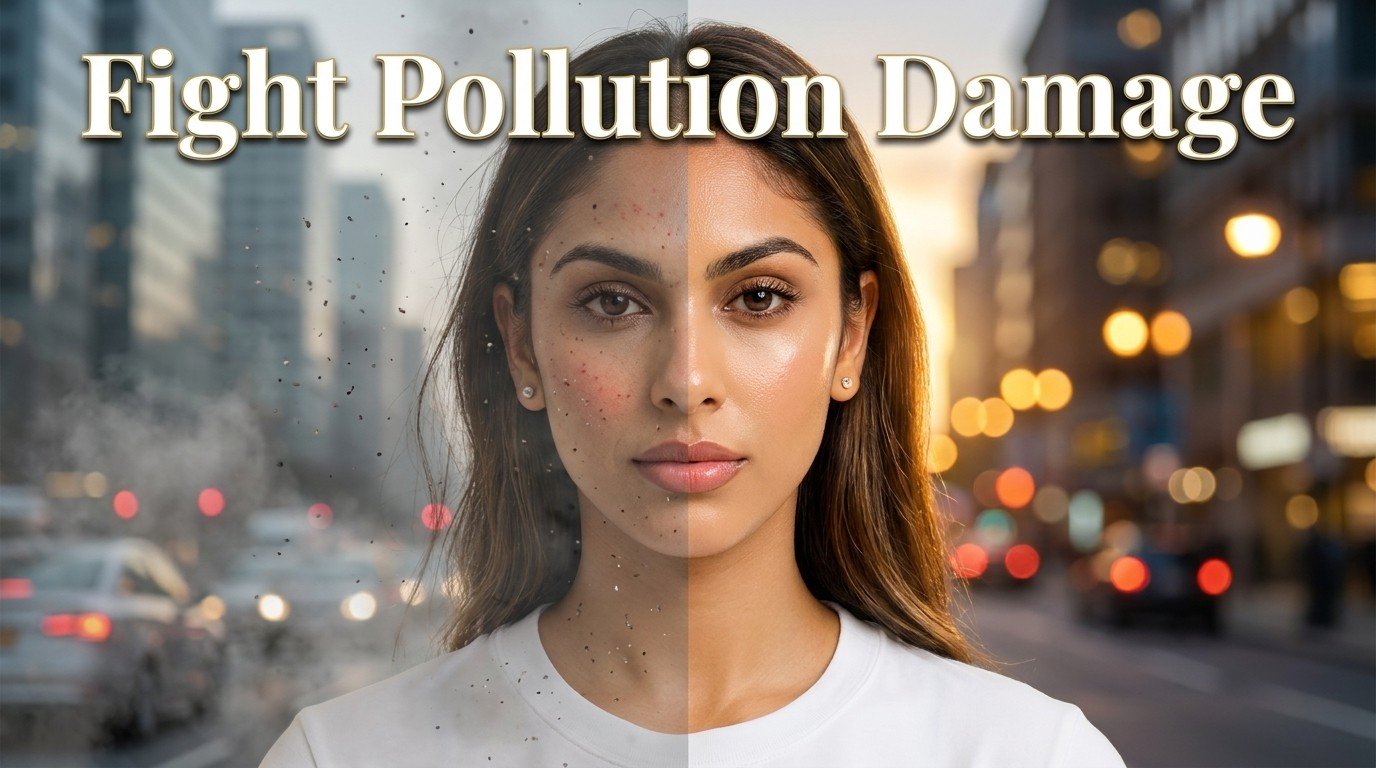
Combat Pollutions Skin: Your skin faces invisible attacks every single day. Exhaust fumes, industrial smog, microscopic particulate matter, and h
Combat Pollutions Skin: Your skin faces invisible attacks every single day. Exhaust fumes, industrial smog, microscopic particulate matter, and harmful gases settle onto your face and penetrate your pores. The damage is real, measurable, and growing worse as air quality declines in cities across North America, Europe, and Asia. Urban dwellers absorb more than 200 different chemical compounds from traffic alone. If you live near a busy road, your skin ages faster than it should. It breaks out more often. It loses its natural radiance ahead of schedule, and pollution drives all of it.
Reviewed by the BeautynFacts editorial team. Last updated: May 2026.
Knowing how to combat pollutions skin damage is no longer a niche concern reserved for people living near industrial zones. It is a fundamental part of modern skincare, as essential as daily moisturizing or consistent sun protection. Dermatologists now identify environmental pollution as a primary driver of premature aging, persistent hyperpigmentation, and chronic inflammatory conditions including acne and eczema. The science behind this connection has grown dramatically over the past decade.
This guide gives you the full picture. You will learn how pollution harms your skin at a cellular level, which ingredients block and reverse that damage, and how to build complete morning and evening routines suited to your skin type. Whether your skin is oily, dry, combination, or sensitive, this article provides a concrete, science-backed plan you can start using today.
What Pollution Actually Does to Your Skin
Free Radicals and Oxidative Stress
Pollution harms skin primarily through a process called oxidative stress. When pollutants such as ozone, nitrogen dioxide, and polycyclic aromatic hydrocarbons contact your skin, they trigger the production of free radicals. Free radicals are unstable molecules that attack healthy skin cells in a destructive chain reaction. They damage cellular DNA, degrade collagen fibers, and break down the lipids that form your skin’s protective outer layer.
Your skin has natural antioxidant defenses, including superoxide dismutase and catalase enzymes. However, chronic exposure to urban pollution overwhelms those defenses quickly. Once your skin’s natural antioxidant capacity is depleted, oxidative stress becomes the dominant state, and visible damage accumulates rapidly.
Studies published in the Journal of Investigative Dermatology have linked long-term exposure to particulate matter, specifically PM2.5 and PM10 particles, with measurable increases in skin aging markers. These include higher rates of forehead wrinkles and dark pigmentation spots on the cheeks and temples. PM2.5 particles are smaller than 2.5 micrometers in diameter. This means they are small enough to penetrate open pores and interact directly with skin cells below the surface. That interaction triggers inflammation, accelerates cellular aging, and disrupts normal repair cycles.
People who commute daily through high-traffic urban areas show measurably higher levels of skin oxidation compared to those living in rural environments. The difference becomes visible within months of sustained exposure, even in people with otherwise healthy skin habits.
How Pollutants Compromise the Skin Barrier
Your skin barrier is your first line of defense against the outside world. It consists of layers of lipids, ceramides, fatty acids, and cholesterol arranged in a precise lamellar structure. This structure locks moisture in and keeps harmful substances out. When it functions correctly, your skin stays hydrated, calm, and resilient. When it breaks down, everything else follows.
Pollution disrupts this barrier in two specific ways. First, pollutants physically strip away barrier lipids through a chemical process called lipid peroxidation. Ozone reacts with the surface of your skin and oxidizes squalene, a naturally occurring lipid your skin produces. This reaction generates pro-inflammatory compounds that trigger immediate irritation and long-term structural damage.
Second, pollutants like heavy metals and combustion byproducts activate an immune response in your skin. This activates inflammatory pathways that further degrade the barrier’s structural integrity. The result is what dermatologists call a leaky skin barrier. A damaged outer layer allows irritants in while allowing moisture to escape.
People with dry skin are particularly vulnerable to barrier disruption from pollution. Their baseline ceramide levels are already lower, and pollution accelerates that depletion. Sensitive skin types also suffer disproportionately because their inflammatory response threshold is lower, meaning the same level of pollutant exposure creates a stronger reaction. Rebuilding barrier function is the foundation of every effective anti-pollution skincare routine.
Pollution, Inflammation, and Accelerated Aging
Chronic low-grade inflammation is one of the most damaging long-term consequences of pollution exposure. Researchers call this process inflammaging, a term that captures exactly what happens when skin is repeatedly exposed to environmental aggressors without adequate protection.
When pollutants activate your skin’s immune cells, called Langerhans cells and mast cells, those cells release pro-inflammatory cytokines. Cytokines are signaling proteins that trigger a cascade of damaging responses. They stimulate matrix metalloproteinases, enzymes that break down collagen and elastin. Collagen provides structural firmness. Elastin provides bounce and resilience. Both degrade faster under chronic inflammatory stress than they naturally would with age alone.
The visible result is earlier and deeper wrinkle formation, loss of skin density, and a dull, uneven complexion. Hyperpigmentation also worsens under pollution stress. Pollutants activate the aryl hydrocarbon receptor in skin cells, which upregulates melanin production. This is why people living in heavily polluted cities often develop uneven skin tone, dark patches, and persistent discoloration even without significant sun exposure.
Acne and eczema worsen under pollution conditions as well. Particulate matter blocks pores and introduces bacteria. This creates ideal conditions for acne-causing bacteria like Cutibacterium acnes to proliferate. For people with eczema, a compromised barrier combined with inflammatory signals from pollutants creates persistent flares that are difficult to manage without addressing the underlying environmental trigger.
The Best Ingredients to Combat Pollutions Skin Damage
Antioxidants That Neutralize Free Radicals
Antioxidants are the most important class of ingredients for anyone living in a polluted environment. They work by donating electrons to unstable free radical molecules, neutralizing them before they damage healthy skin cells. Different antioxidants neutralize different types of free radicals, which is why layering multiple antioxidants provides better protection than relying on any single ingredient alone.
Vitamin C, specifically L-ascorbic acid, is the gold standard for antioxidant protection in skincare. It neutralizes free radicals, inhibits melanin production, and stimulates collagen synthesis. Dermatologists recommend concentrations between 10 and 20 percent for visible results. Vitamin C is unstable and oxidizes quickly, so look for products in opaque, airless packaging and replace them every three to four months after opening.
Vitamin E works synergistically with vitamin C. Together, they regenerate each other’s antioxidant activity and provide broader free radical coverage than either delivers alone. Niacinamide, a form of vitamin B3, is another versatile antioxidant that reduces inflammation, strengthens barrier function, and minimizes pore appearance. Research shows that 5 percent niacinamide reduces melanin transfer between skin cells, making it effective against pollution-related hyperpigmentation.
Resveratrol is a plant-derived antioxidant with impressive clinical results. It activates sirtuins, proteins involved in cellular repair, and provides strong protection against ozone-induced oxidative stress. Ferulic acid is a plant polyphenol that significantly boosts the stability and efficacy of vitamins C and E when combined in the same formulation. Products combining all four of these antioxidants deliver compounding protection far beyond what any single ingredient achieves.
Barrier-Repairing Ingredients Your Skin Needs
Rebuilding a damaged skin barrier requires specific ingredients that either replace lost structural components or stimulate the skin to produce them naturally.
Ceramides are the most direct approach. They are lipid molecules that naturally make up around 50 percent of your outer skin layer. When pollution depletes them, supplementing with topical ceramides directly replenishes barrier structure. Look for formulations that combine ceramides with fatty acids and cholesterol in the ratios found naturally in healthy skin. This combination is more effective than ceramides alone because it replicates the lamellar structure your barrier needs to function correctly.
Hyaluronic acid is a humectant that draws moisture into the skin and holds it there. It does not repair structural barrier damage on its own, but it supports barrier recovery by keeping skin adequately hydrated throughout the repair process. Multiple molecular weights of hyaluronic acid in one formula provide hydration at different depths of the skin, from the surface down into the dermis.
Peptides play a crucial role in barrier repair as well. Palmitoyl pentapeptide-4 signals skin cells to increase collagen production and accelerate repair of barrier proteins. Oat extract and beta-glucan calm the inflammatory response that pollution triggers, reducing redness and supporting the skin’s own barrier-repair mechanisms without adding stimuli that could irritate already-stressed skin.
Brightening Agents for Pollution-Induced Dark Spots
Pollution-induced hyperpigmentation is one of the most common complaints among urban women. Aryl hydrocarbon receptor activation caused by pollutants accelerates melanin synthesis, creating dark spots, uneven tone, and a persistent dullness that does not respond to standard moisturizers alone.
Alpha arbutin is a gentle but effective melanin inhibitor. It works by blocking tyrosinase, the enzyme responsible for melanin production. Concentrations of 1 to 2 percent are well-tolerated by most skin types, including sensitive skin. It is safe for daily use and pairs well with vitamin C for enhanced brightening effects.
Tranexamic acid has become one of the most recommended ingredients for hyperpigmentation by dermatologists. At concentrations between 2 and 5 percent, it interrupts multiple stages of the melanin production pathway. It is particularly effective for post-inflammatory hyperpigmentation caused by pollution-triggered acne or eczema flares.
Retinol accelerates skin cell turnover, bringing fresh, evenly pigmented cells to the surface while fading existing dark spots over time. It also stimulates collagen production, making it one of the few ingredients that addresses both pigmentation and structural aging simultaneously. Start with low concentrations around 0.025 to 0.05 percent, especially if you have dry or sensitive skin. Increase gradually over several weeks to minimize irritation. Azelaic acid is another excellent choice for combination and oily skin. It reduces inflammation, targets acne-causing bacteria, and inhibits tyrosinase activity, all in one step.
Building a Morning Routine Against Pollution
Cleanse Gently Before Layering Protection
Your morning routine sets up your skin’s defenses for the hours ahead. The goal is to create a multi-layered shield that blocks pollutants, neutralizes free radicals as they form, and locks in moisture so your barrier stays intact throughout the day.
Start with a gentle cleanser. Many people skip the morning cleanse or use water alone, but this is a mistake in a polluted environment. While you sleep, your skin sheds cells, produces sebum, and absorbs residue from your pillowcase. A brief cleanse with a low-pH, sulfate-free formula removes those residues without stripping your barrier before it has a chance to work.
Micellar water works well for dry and sensitive skin in the morning. It removes surface debris with minimal contact and does not require vigorous rubbing. Gel cleansers with glycerin work well for combination and oily skin. They remove excess sebum without disrupting ceramide levels. Avoid hot water at every step. Hot water dissolves barrier lipids and compromises ceramide structure. Use lukewarm water and pat your face dry rather than rubbing. Friction activates inflammatory responses in skin already under environmental stress.
After cleansing, apply your treatment products within 60 seconds. Skin that is still slightly damp from cleansing allows active ingredients to penetrate more effectively than completely dry skin does.
Antioxidant Serums and Why They Come First
Antioxidant serums are your most important morning product. They go on before moisturizer and sunscreen to ensure they penetrate the skin where they work, rather than sitting on top of other products where absorption is blocked.
A vitamin C serum at 10 to 20 percent L-ascorbic acid should form the core of your morning antioxidant layer. Apply three to five drops to clean skin and press gently rather than rubbing. Allow it to absorb for approximately one minute before applying the next layer.
If your skin is sensitive, pure L-ascorbic acid may cause temporary stinging. Derivatives like magnesium ascorbyl phosphate or sodium ascorbyl phosphate are gentler and more stable, though slightly less potent. They are still effective and significantly more tolerable for reactive skin types.
Follow your vitamin C with a niacinamide serum if your skin is oily, combination, or acne-prone. Niacinamide regulates sebum production, which reduces the amount of oil that traps particulate matter on the skin surface. For dry skin, apply a hyaluronic acid serum after vitamin C instead. This draws moisture into your skin before you seal it with moisturizer. Hydrated skin is more resilient to pollutant penetration because a well-hydrated barrier maintains its structural integrity better than a dehydrated one does.
Sunscreen as Your Anti-Pollution Shield
Sunscreen is the final morning step and arguably the most powerful anti-aging tool available. Broad-spectrum SPF 30 or higher protects against UVA and UVB radiation, but its role in pollution defense extends beyond UV protection alone.
Physical sunscreen filters, specifically zinc oxide and titanium dioxide, create a physical barrier on the skin surface. This barrier reflects and scatters UV light but also acts as a partial physical shield against some environmental particles settling onto the skin. Studies show that people who use sunscreen consistently have measurably lower rates of pollution-induced hyperpigmentation compared to those who skip it.
Many modern sunscreen formulations include antioxidant ingredients like vitamin E, ferulic acid, or niacinamide alongside their UV filters. These additions provide free radical defense that amplifies the product’s overall anti-pollution value. Look for labels that mention environmental defense alongside the SPF rating.
Reapply sunscreen every two hours if you spend significant time outdoors in an urban environment. Pollution and UV radiation work synergistically to increase free radical production. People with oily skin often resist sunscreen because of texture concerns. Lightweight, oil-free, mineral sunscreens have improved dramatically and now offer elegant textures that do not cause pore congestion. Powder SPF products allow for easy reapplication over makeup without disrupting your look.
Evening Routines That Reverse Pollution Damage
Double Cleansing to Remove Particulate Matter
Your evening routine is where real repair happens. Before any repair can occur, you must thoroughly remove the pollutants, sunscreen residue, makeup, and sebum that have accumulated throughout the day. Standard single cleansing is often insufficient for this task.
Double cleansing is the solution. Start with an oil-based cleanser or cleansing balm. Oil-based products dissolve the sebum and lipid-soluble pollutants that water alone cannot remove. They break down sunscreen and makeup without requiring harsh scrubbing. Apply the oil cleanser to dry skin, massage for 60 seconds, then emulsify with water before rinsing.
Follow immediately with a water-based gel or foam cleanser. This second cleanse removes water-soluble impurities, residual oil cleanser, and surface debris. Use a formula appropriate for your skin type. Oily skin benefits from salicylic acid gel cleansers that clear pores simultaneously. Dry and sensitive skin types should use a creamy, low-pH cleanser with ceramides or glycerin to prevent over-stripping.
Research from environmental dermatology has shown that thorough double cleansing removes up to 90 percent of surface-deposited particulate matter, compared to approximately 45 percent from a single water-based cleanse. Leaving half the day’s pollution on your skin overnight means those particles continue generating free radicals while you sleep, which negates much of the benefit from your evening repair products.
Active Ingredients for Nighttime Repair
Nighttime is when your skin enters its natural repair cycle. Cell turnover accelerates. Collagen synthesis peaks. Blood flow to skin increases. This makes evening the optimal time to apply active ingredients that work with your skin’s repair processes.
Retinol is the cornerstone of any anti-pollution evening routine. It accelerates cell turnover, pushing pollutant-damaged cells to the surface faster so they shed and are replaced with healthier cells. It also stimulates fibroblasts to produce more collagen, partially reversing the structural damage that chronic pollution exposure causes. Start retinol use two to three nights per week and build toward nightly use over three to four months as your skin acclimates.
Niacinamide is an excellent companion to retinol in the evening. It reduces the mild irritation that retinol sometimes causes while contributing its own brightening and barrier-strengthening benefits. A 5 percent niacinamide serum applied before retinol significantly improves tolerability for beginners.
Alpha hydroxy acids, specifically glycolic acid and lactic acid, accelerate surface cell shedding and improve skin texture. They address the dull, uneven complexion that pollution causes over time. Use them two to three times per week rather than nightly, especially if you are also using retinol. Alternating AHAs and retinol on different nights prevents cumulative irritation while delivering both exfoliation and cellular renewal benefits in the same weekly routine.
Restoring Your Barrier While You Sleep
The final evening step should focus entirely on barrier restoration and overnight hydration. This step seals in all active ingredients and gives your compromised skin barrier the components it needs to repair itself overnight.
A rich moisturizer containing ceramides, fatty acids, and cholesterol is ideal for this step. This lipid combination mirrors the natural composition of a healthy skin barrier and directly supplies the building blocks your skin needs for structural repair. For very dry skin, a facial oil applied after moisturizer adds an extra occlusive layer that reduces overnight moisture loss significantly. Squalane is an excellent choice because it closely resembles your skin’s natural sebum and absorbs without greasiness.
Peptide-containing night creams are worth considering for anyone over 30 who is concerned about pollution-related aging. Matrixyl, a combination of palmitoyl tripeptide-1 and palmitoyl tetrapeptide-7, has strong clinical evidence for collagen synthesis stimulation. Applied overnight, it works alongside your skin’s natural repair cycle to counteract the structural damage that daytime pollution exposure causes.
Sleeping masks are a practical addition for dry and sensitive skin types. They contain film-forming ingredients that create a breathable seal over the skin surface, preventing transepidermal water loss while delivering concentrated hydrating and soothing actives. Apply them as the final step over all other products, two to three nights per week. Keep your pillowcase clean. Cotton pillowcases collect sweat, bacteria, and pollution particles that transfer back onto your skin during sleep. Switch to a clean pillowcase every two to three days.
Skin-Type Strategies to Combat Pollutions Skin Effects
Oily and Acne-Prone Skin
Oily skin produces more sebum, and excess sebum on the skin surface acts like a magnet for airborne particulate matter. Pollution particles adhere to sebum, creating a layer of contaminated oil that blocks pores and generates sustained oxidative stress directly against follicular walls.
The priority for oily, acne-prone skin is thorough cleansing combined with oil regulation. Use a salicylic acid cleanser in the evening. Salicylic acid is oil-soluble and penetrates inside pores to dissolve debris and sebum deposits. Use it once daily rather than twice, since overuse strips the skin and triggers a compensatory increase in oil production that worsens the problem it was meant to solve.
Niacinamide at 5 to 10 percent is the most important treatment ingredient for this skin type. It regulates sebum secretion, reduces pore appearance, and controls inflammation simultaneously. Use it morning and evening. Layer it under a lightweight, oil-free moisturizer with hyaluronic acid to maintain hydration without adding heaviness or congestion.
Avoid thick occlusive creams and heavy facial oils on this skin type. They trap particulate matter against the skin surface rather than protecting it. A lightweight gel moisturizer with ceramides provides sufficient barrier support without congesting oily skin. For acne that worsens in high-pollution seasons, benzoyl peroxide at 2.5 percent targets Cutibacterium acnes bacteria effectively as a spot treatment.
Dry and Sensitive Skin
Dry skin lacks sufficient ceramides and natural moisturizing factors, making its barrier inherently weaker and more vulnerable to pollutant penetration. Sensitive skin has a lower inflammatory threshold, meaning the same pollutant exposure generates a stronger and more visible response than it would in other skin types.
The priority for both types is barrier reinforcement above everything else. Build your routine around ceramide-rich products at every step. Choose a creamy, fragrance-free cleanser. Use a ceramide and niacinamide moisturizer morning and evening. Add a facial oil like squalane or rosehip as a final step at night to create an occlusive layer that retains moisture and reduces pollutant penetration during daylight hours.
Introduce active ingredients cautiously. Vitamin C can irritate sensitive skin at high L-ascorbic acid concentrations. Use a gentler derivative like ascorbyl glucoside at 2 percent or sodium ascorbyl phosphate at 10 percent. Both provide antioxidant and brightening benefits with significantly less irritation potential than pure L-ascorbic acid at 15 to 20 percent.
Avoid layering too many active ingredients simultaneously. Sensitive skin has limited tolerance for multiple stimuli. Use one active at a time, introduce new ingredients one at a time over several weeks, and always patch-test new products on your inner arm before applying to your face. A mineral SPF with zinc oxide is the best sunscreen choice for sensitive skin because it sits on the surface rather than absorbing into skin cells, reducing irritation risk substantially.
Combination Skin
Combination skin presents a unique challenge in anti-pollution routines because the T-zone behaves like oily skin while the cheeks behave more like dry skin. Both zones need targeted support, and a single product approach often under-serves one zone or over-serves the other.
The simplest approach is a balanced moisturizer across the whole face combined with targeted spot treatments. A lightweight gel-cream with ceramides, niacinamide, and hyaluronic acid works across both zones. It provides sufficient hydration for dry cheeks without over-enriching the oily T-zone or causing congestion around the nose and forehead.
Apply a clay mask to the T-zone once or twice per week. Clay, specifically kaolin or bentonite, adsorbs excess sebum and draws out particulate matter from pores. This targeted deep cleanse reduces the pollution-trapping effect of excess oil in the central face zone. Keep the mask away from drier cheek areas to prevent over-drying those regions.
Retinol can be applied with a buffering technique on combination skin. Apply a ceramide moisturizer to drier cheek areas before applying retinol across the full face. This slows absorption in drier zones while allowing normal penetration in the oilier T-zone, delivering the benefits of retinol without disproportionate dryness in areas that cannot tolerate it as well.
Foods and Lifestyle Habits That Support Your Skin
Antioxidant-Rich Foods That Work From Within
Topical skincare does not work in isolation. Your skin’s ability to defend against pollution and repair pollution damage depends significantly on the nutrients you supply through your diet. A diet high in antioxidant-rich foods measurably increases the skin’s internal antioxidant capacity and reduces markers of oxidative stress in clinical studies.
Vitamin C-rich foods are essential. Bell peppers, kiwi, strawberries, and citrus fruits provide high concentrations of ascorbic acid that support your skin’s internal antioxidant pool. Your skin actively concentrates vitamin C from dietary sources, making consistent intake important alongside topical application rather than as a replacement for it.
Polyphenol-rich foods protect against pollution-induced inflammation from the inside. Green tea contains epigallocatechin gallate, one of the most potent plant-based antioxidants studied for skin protection. Blueberries, dark chocolate, and red grapes provide resveratrol and anthocyanins that reduce inflammatory signaling and support vascular health in the skin’s microcirculation.
Omega-3 fatty acids from oily fish, flaxseeds, and walnuts support ceramide production and reduce the inflammatory response that pollution triggers. Studies show that people with higher dietary omega-3 intake have measurably stronger skin barrier function and lower rates of pollution-related eczema flares. Zinc and selenium, found in pumpkin seeds, Brazil nuts, and whole grains, support the enzymatic antioxidant systems your skin uses as its primary internal defense. A single Brazil nut provides the full daily recommended intake of selenium.
Hydration, Sleep, and Stress Management
Adequate hydration supports every aspect of skin health, including barrier function and repair capacity. Drinking two to three liters of water daily, depending on body weight and activity level, maintains the water content of the stratum corneum. A hydrated outer layer is structurally more resilient and measurably less permeable to pollutant penetration than a dehydrated one.
Sleep is when your skin performs most of its repair work. Growth hormone peaks during deep sleep, and this hormone directly stimulates collagen synthesis and cellular repair. Chronic sleep deprivation has been shown to impair skin barrier recovery after stress exposure, including pollution exposure, by up to 30 percent in some studies. Adults need seven to nine hours of sleep per night for optimal skin repair capacity. A consistent sleep schedule matters as much as total hours because irregular sleep disrupts growth hormone release patterns.
Stress management is directly relevant to pollution resilience. Cortisol, the primary stress hormone, suppresses immune function, increases inflammation, and directly degrades collagen. People under chronic psychological stress show faster pollution-related skin aging in epidemiological studies. Regular exercise, consistent sleep, and sufficient social connection all measurably reduce cortisol levels and improve skin barrier recovery rates. Exercise also improves circulation, delivering more oxygen and nutrients to skin cells. Shower promptly after outdoor exercise in urban environments to remove pollutants that accumulate on skin during exertion.
Improving Indoor Air Quality
Many people focus entirely on outdoor pollution while ignoring indoor air quality, which can be two to five times more polluted than outdoor air according to the Environmental Protection Agency. Indoor pollution sources include cooking fumes, cleaning products, synthetic fragrances, off-gassing from furniture and flooring, and dust containing heavy metals.
Air purifiers with HEPA filters remove particulate matter from indoor air effectively. Place them in bedrooms, where you spend seven to nine hours each night, and in any space where you spend extended time. Models with activated carbon filters also capture volatile organic compounds from paint, furniture, and household products.
Ventilate your home strategically. Open windows for 15 to 30 minutes in the early morning and evening when outdoor pollution levels are typically lower than during peak traffic hours. Avoid opening windows near busy roads during rush hours when particulate matter concentrations are highest.
Reduce indoor fragrance products including synthetic air fresheners, scented candles, and plug-in diffusers. These release volatile organic compounds and particulate matter that irritate skin and respiratory passages. Use fragrance-free cleaning products and laundry detergents to reduce your total chemical exposure at home. Houseplants like snake plants, spider plants, and peace lilies provide modest improvements to indoor air quality and serve as a low-cost supplement to air purification.
Professional Treatments for Pollution-Damaged Skin
Chemical Peels for Deep Cleansing and Renewal
Professional chemical peels address pollution damage that topical products cannot fully correct at home. They remove the uppermost layers of damaged skin cells, revealing fresher skin beneath and triggering a wound-healing response that stimulates new collagen production.
Superficial peels using glycolic acid or lactic acid at concentrations between 20 and 50 percent are the most appropriate starting point for most skin types. They cause minimal downtime, typically one to three days of mild peeling and sensitivity, and deliver consistent improvement in skin texture, tone, and radiance. Monthly superficial peels maintain clear, even skin in people with significant daily pollution exposure.
Medium-depth peels using trichloroacetic acid address deeper pigmentation and structural damage. They require a week or more of downtime and should be performed by a board-certified dermatologist. They are particularly effective for entrenched hyperpigmentation from years of pollution and UV exposure combined.
Enzymatic peels using papain or bromelain enzymes are an excellent gentler option for sensitive skin types who cannot tolerate acid peels. They digest surface dead cells without disrupting the acid mantle or triggering significant inflammation. Schedule chemical peels during autumn and winter when UV exposure is lower, and wear SPF 50 daily without exception during the post-peel healing period to prevent post-inflammatory hyperpigmentation.
Antioxidant Facials and Advanced Therapies
Antioxidant facials delivered by trained aestheticians provide concentrated doses of antioxidant ingredients through professional-grade formulations that penetrate more deeply than over-the-counter products. They typically combine cleansing, exfoliation, high-dose vitamin C, and barrier repair in a single treatment. Regular monthly treatments measurably improve skin brightness and reduce the dullness associated with chronic pollution exposure.
LED light therapy is gaining strong clinical support as a complement to anti-pollution skincare. Red LED light at 630 to 700 nanometers penetrates into the dermis and stimulates fibroblast activity, increasing collagen and elastin synthesis. This directly counteracts the structural degradation that pollution causes over time. Blue LED light at 415 nanometers kills surface acne-causing bacteria, reducing the pollution-triggered breakouts that affect oily and combination skin types.
Microneedling, performed by a dermatologist or licensed practitioner, creates controlled micro-channels in the skin that trigger wound-healing responses and significantly increase collagen production. It also enhances the penetration of topical antioxidants applied immediately after treatment, making it a powerful combination approach for pollution-related aging. Radiofrequency treatments tighten and firm skin by delivering heat energy to the dermis, stimulating collagen contraction and new synthesis. Results build over three to six months following a course of treatments.
When to Seek Dermatologist Guidance
Most anti-pollution skincare can be managed successfully at home with the right products and consistent routine. Certain situations warrant professional evaluation.
If your skin develops persistent redness, stinging, burning, or hives that worsen despite simplifying your routine and removing potential irritants, see a dermatologist. These symptoms can indicate contact dermatitis triggered by pollution-damaged barrier function, or an allergic reaction to an ingredient that has increased in potency due to pollution-induced permeability changes.
Sudden worsening of eczema or psoriasis in high-pollution periods is a medical concern. A dermatologist can prescribe prescription-strength barrier repair treatments, topical corticosteroids for acute flares, and develop a long-term management plan that accounts for your environment and skin type specifically.
Rapid development of hyperpigmentation, particularly large or asymmetric patches, should be evaluated to rule out conditions like melasma that require targeted medical treatment rather than over-the-counter brighteners. A dermatologist can prescribe hydroquinone, tretinoin, or combination therapies that work significantly faster than consumer products. Any new skin lesion that does not resolve within two to three weeks deserves professional attention. Long-term pollution exposure has been associated with increased skin cancer risk in epidemiological studies, and early detection dramatically improves outcomes.
Frequently Asked Questions
Can pollution cause acne even if I have never had breakouts before?
Yes. Pollution can trigger acne in people with no prior breakout history. Particulate matter, particularly PM2.5, blocks pores and introduces bacteria including Cutibacterium acnes to the skin surface. Pollutants also disrupt your skin barrier, allowing bacteria and inflammatory compounds to penetrate more deeply than they would in intact, healthy skin. Pollution additionally activates inflammatory pathways that increase sebum production. Excess sebum combined with pore-blocking particles creates ideal conditions for acne formation. People who move from rural to urban environments frequently report new-onset acne within months, even as adults, without any change in diet or stress levels. The solution involves thorough daily cleansing with a salicylic acid formula, niacinamide to regulate oil production, and consistent SPF to prevent post-acne hyperpigmentation from intensifying with sun exposure.
How long does it take to see results from an anti-pollution skincare routine?
Timeline varies by concern. Hydration and surface radiance improve within one to two weeks of consistent double cleansing and antioxidant serum use. Pore appearance and skin texture improve within four to six weeks as niacinamide and salicylic acid take effect. Hyperpigmentation requires the longest timeline. Consistent use of vitamin C, tranexamic acid, or alpha arbutin produces visible fading over eight to twelve weeks of daily use. Structural changes, including improvement in fine lines and skin firmness, require three to six months of consistent retinol use. Your skin cell cycle runs approximately 28 days, and multiple cycles are needed for significant visible change at the surface. Consistency matters far more than the number of products in your routine. A simple three-step routine used daily outperforms a complex ten-step routine used sporadically.
Is a physical sunscreen better than a chemical sunscreen for pollution protection?
Both types offer UV protection, but they work differently and suit different skin types. Physical sunscreens containing zinc oxide and titanium dioxide sit on the skin surface and reflect UV radiation. This surface presence also provides a mild physical barrier against some settling particles. They are the better choice for sensitive and reactive skin because they do not absorb into skin cells and are less likely to trigger irritation reactions. Chemical sunscreens absorb UV radiation and convert it to heat. They offer no additional physical barrier against particles, but many modern chemical sunscreen formulations include antioxidants like vitamin E and niacinamide that add free radical defense alongside UV protection. For maximum protection, look for a broad-spectrum SPF 50 product that combines both filter types or includes antioxidant ingredients. Either type is significantly better than no sunscreen at all.
Does drinking green tea or taking supplements actually help with pollution skin damage?
Yes, with realistic expectations. Green tea contains epigallocatechin gallate, a polyphenol with strong antioxidant and anti-inflammatory properties. Studies show that regular green tea consumption increases skin resilience to UV and pollution-induced oxidative stress measurably. Two to three cups per day provides meaningful benefit. Oral supplements including vitamin C, vitamin E, and astaxanthin have been studied for skin protection and show modest but consistent benefits in clinical trials. Astaxanthin, a carotenoid from marine algae, is one of the most potent oral antioxidants for skin, with multiple clinical trials showing reduced markers of photoaging and oxidative stress. Collagen supplements with vitamin C as a cofactor support internal collagen production over time. Supplements work best as additions to a solid topical routine and a nutrient-dense diet, not as replacements for them. No supplement compensates for the direct barrier damage and free radical load from daily pollutant contact with your skin surface.
What should I do on high-pollution days specifically?
On high-pollution days, which you can track through air quality index apps or local weather services, make three specific adjustments. First, add an additional antioxidant layer in the morning. Apply both a vitamin C serum and a niacinamide serum before sunscreen rather than choosing one. This broader antioxidant coverage is warranted when free radical generation will be higher than on average days. Second, if possible, wear a physical barrier on your face outdoors. A wide-brim hat reduces particle deposition on skin significantly. Some people choose to wear a properly fitting N95 mask during extended outdoor activity when the air quality index exceeds 150. Third, double-cleanse more thoroughly in the evening and follow with an extra application of a ceramide repair product. Your barrier will have worked harder than usual that day and needs additional support to recover before the next morning’s exposure begins.
Conclusion: what to remember and Next Steps
Pollution damages skin through oxidative stress, barrier disruption, chronic inflammation, and accelerated structural aging. The effects are cumulative, but they are also preventable and partially reversible with the right approach applied consistently.
Your core anti-pollution routine requires only a few well-chosen steps. Cleanse thoroughly every evening to remove the day’s pollution load. Apply antioxidant serums morning and night to neutralize free radicals as they form. Use broad-spectrum sunscreen daily without exception. Rebuild your barrier with ceramide-rich moisturizers, and support your skin’s overnight repair cycle with retinol or peptides applied in the evening.
Tailor your routine to your skin type. Oily skin needs thorough cleansing and oil regulation. Dry skin needs barrier reinforcement and gentle active ingredients. Combination skin needs a balanced approach with targeted treatments in problem zones. Sensitive skin needs careful ingredient selection and slow, methodical introduction of new actives.
Support your topical routine from the inside with antioxidant-rich foods, adequate hydration, consistent sleep, and stress management. Improve your indoor air quality to reduce the total pollution burden your skin faces across all hours of the day and night.
Consider professional treatments quarterly to address accumulated damage that home care alone cannot fully resolve. Monthly antioxidant facials, chemical peels in low-UV seasons, and LED therapy provide compounding benefits that accelerate results beyond what topical care achieves alone.
Start today. Assess your current routine against this framework. Identify one gap, whether that is adding a vitamin C serum, switching to double cleansing, or replacing your current moisturizer with one that contains ceramides, and make that single change first. Progress compounds quickly when the foundation is correct and the habits are consistent.
RELATED ARTICLES:
Glowing Skin Made Easy: Beauty Tips, Natural Remedies, and Expert Advice
Skincare-infused makeup: Why your 2026 foundation should double as a serum
Climate-Adaptive Skincare: Build a Weather-Proof Skin Care Routine
Quick and Tangy ‘Retinol Salad’ Will Boosts Collagen and Reverses Skin Aging
Peaches for Health & Beauty: The Summer Fruit That’s Good for You Inside Out
About The Author

COMMENTS