Bold lipstick is more than a beauty choice; reaching for a statement shade on a flat morning is a small act of psychology that measurably lifts your m
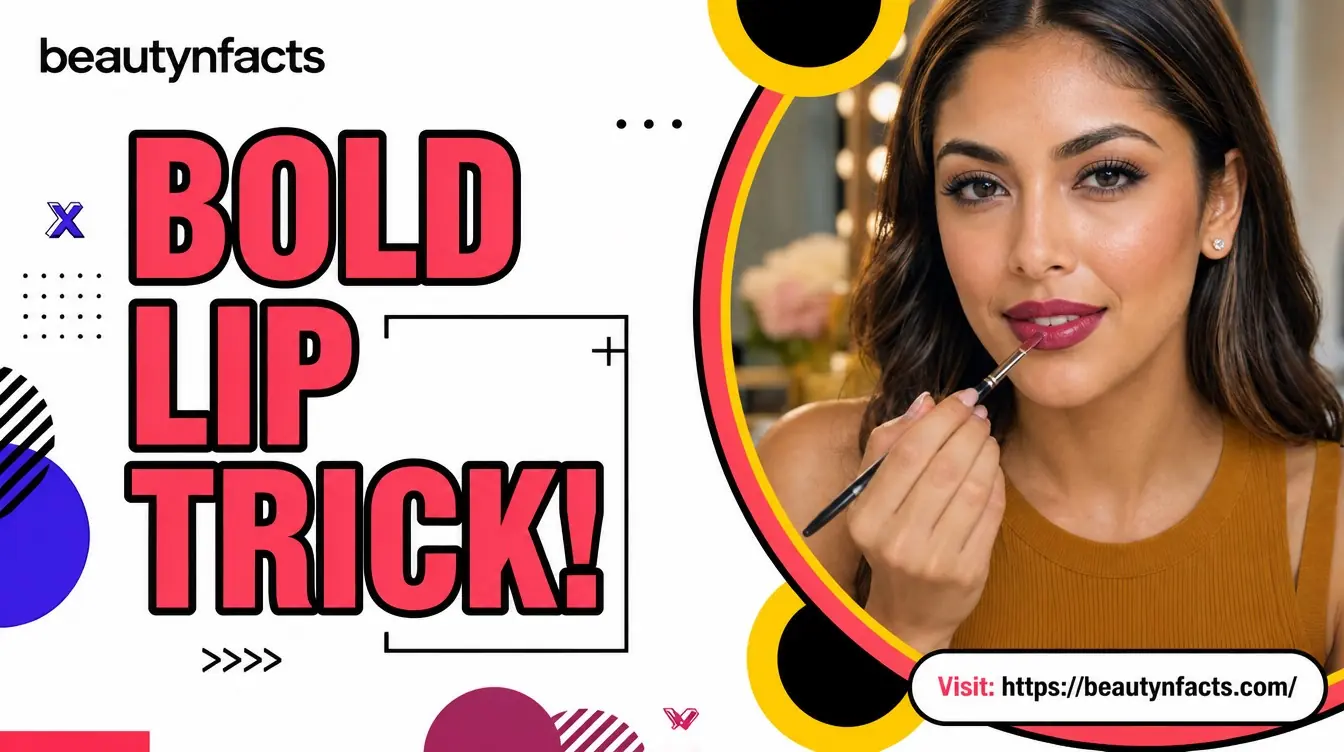
Bold lipstick is more than a beauty choice; reaching for a statement shade on a flat morning is a small act of psychology that measurably lifts your mood and confidence for hours. This guide unpacks the research behind the lipstick effect, the bold shades that flatter every skin tone, and the lip-prep and long-wear tricks that keep your colour crisp from sunrise to last call.
Reviewed by the BeautynFacts editorial team. Last updated: May 2026.
The Power of Lipstick: How a Bold Lip Can Boost Your Confidence
There is something almost instant about what lipstick does to a person. You pick up the tube, swipe colour across your lips, and the mirror shows someone who looks ready. Not just ready for the day, but ready to be seen. That shift is not vanity. It is psychology, ritual, and identity compressed into a small cylinder of pigmented wax. The bold lip boost is a well-documented phenomenon that beauty lovers and behavioural scientists alike have studied with genuine fascination. A single swipe of colour can change how you carry yourself, how others perceive you, and how you perceive yourself. This article unpacks every layer of that transformation. You will find the science behind colour psychology, a close look at lipstick history, a complete guide to finding your best shade for your skin tone, and practical steps for prepping your lips, applying your colour, and making it last. You will also learn to solve the three most common lipstick problems: feathering, fading, and dryness. By the end, you will not just understand why bold lips work. You will know exactly how to make them work for you.
The Psychology Behind Lipstick and Confidence
Lipstick occupies a unique space in beauty. Unlike skincare, which works quietly and invisibly, lipstick makes an immediate, visible statement. Psychologists have studied colour, appearance, and self-perception for decades, and the findings consistently point to one truth: what you wear on your face affects how you feel on the inside.
Why Color Changes the Way You Feel
Colour psychology is the study of how hues affect mood, behaviour, and perception. In the context of lips, this field has clear and fascinating applications. Red is one of the most psychologically charged colours in existence. It is associated with power, passion, urgency, and strength. When you apply a red lipstick, you are not just adding pigment to your face. You are sending a signal, both to yourself and to the people around you.
Researchers at the University of Manchester found that men spent significantly more time looking at women who wore red lipstick during a social interaction compared to women who wore pink or no lipstick at all. The study concluded that red lips function as a biological and social signal of confidence and attractiveness. While the study focused on heterosexual attraction, the underlying principle applies broadly: red lips command attention.
Beyond red, other bold shades carry their own psychological weight. Berry and plum tones evoke sophistication and mystery. Bright coral and orange shades signal energy and warmth. Fuchsia communicates playfulness and daring. Each colour you choose is a non-verbal message. When that message aligns with how you want to feel, the effect on confidence is immediate and real.
The Ritual of Applying Lipstick
The act of applying lipstick is not purely cosmetic. For many people, it functions as a ritual: a deliberate pause in the morning that says, ‘I am preparing myself; I am getting ready to face the world.’ Rituals, even small ones, carry significant psychological weight. They create a sense of control and intentionality. They signal to the brain that a transition is happening.
Behavioural scientists refer to a related concept as ‘enclothed cognition’, a term developed by researchers Hajo Adam and Adam Galinsky. Their work showed that wearing certain garments or using certain beauty products can trigger associated psychological states. A doctor who puts on a white coat feels more focused and precise. A woman who applies her signature red lipstick may feel more assertive and put-together. The connection between the product and the psychological state becomes reinforced over time.
This is why so many women describe their bold lip colour as their armour. The colour does not protect them physically. The ritual of applying it activates a confident, prepared version of themselves. That activation is the bold lip boost in its most essential form.
What Science Says About Lipstick and Self-Esteem
A study published in the International Journal of Cosmetic Science found that women who wore makeup, including lipstick, reported higher levels of self-esteem and confidence than those who did not. More interestingly, the benefit was not tied to how others responded. It was an internal shift. The women felt more capable regardless of whether anyone noticed their look.
Research from Harvard Medical School, conducted in collaboration with Procter and Gamble, found that wearing bold lip colour positively affected perceived competence, likability, and trustworthiness. The study used eye-tracking technology to measure observer attention and found that bold lip looks consistently drew more extended, positive attention. These findings suggest that the choice to wear a bold lip has measurable social consequences, and those consequences tend to be favourable.
The History of Lipstick as a Symbol of Power
To understand why lipstick carries so much psychological weight today, it helps to trace its origins. Lipstick has been used for thousands of years across vastly different cultures. In nearly every era, it has been connected to power, status, and identity.
Ancient Origins: From Sumer to Egypt
The earliest recorded use of lip colour dates back approximately 5,000 years to ancient Mesopotamia. Sumerian women crushed gemstones and applied the pigment to their lips and faces. Queen Puabi of Ur, who lived around 2500 BCE, was buried with a cosmetic kit that included a lip pigment made from white lead and crushed red rock.
Ancient Egyptians took lip colour further. Both men and women in ancient Egypt painted their lips using a mixture of beeswax, red ochre, and crushed insects. Cleopatra, arguably the most famous beauty icon of the ancient world, reportedly used a formula made from carmine beetles and ants for her iconic red lip. In Egyptian culture, the appearance of the lips was directly tied to social hierarchy and spiritual significance.
In ancient Greece and Rome, lip colour was initially associated with performers and social outcasts, which made it taboo for upper-class women. However, as time passed, bold lip colour gradually became more acceptable across social classes. By the mediaeval period, pale skin paired with red lips was considered the pinnacle of feminine beauty in European courts.
The 20th Century: Lipstick as Political Statement
The 20th century transformed lipstick from a cosmetic product into a political symbol. During World War II, red lipstick became a symbol of patriotism in both the United States and the United Kingdom. Winston Churchill reportedly encouraged the continued production of cosmetics during wartime because of their positive effect on civilian morale. American women buying lipstick were seen as maintaining normalcy, resilience, and femininity in the face of global conflict.
Elizabeth Arden created a red lipstick called Montezuma Red specifically for members of the United States Women’s Army Corps. The idea was explicit: lipstick was armour, and bold lips were a mark of strength. That framing echoes through every generation since.
In the 1960s and 1970s, lipstick became entangled with the feminist movement. Some feminists rejected cosmetics as tools of patriarchal control. Others reclaimed them as instruments of self-expression and autonomy. The debate itself reflected lipstick’s cultural power. Something so small had become a flashpoint for larger conversations about identity, freedom, and female agency.
Lipstick Today: A Universal Tool
Today, lipstick has shed most of its historical restrictions. It is worn by people of all genders, ages, backgrounds, and political persuasions. The global lipstick market is valued at over ten billion dollars and continues to grow. Cultural economists have even identified the lipstick index, a term coined by Estee Lauder chairman Leonard Lauder, which suggests that lipstick sales rise during economic downturns as consumers seek affordable, mood-lifting luxuries.
Bold lip colours continue to dominate fashion runways, red carpets, and social media feeds. Each era reinterprets what a bold lip means, but the core message stays consistent: a person wearing a bold lip is someone who has decided to be seen.
How a Bold Lip Boost Works for Every Skin Tone
One of the most common reasons people avoid bold lip colours is the fear of choosing the wrong shade. The truth is that there is a bold lip for every skin tone. The key is understanding your undertone and knowing which colour families will harmonise with your complexion.
Identifying Your Skin Undertone
Skin undertone is different from your surface skin tone. Your surface tone changes with sun exposure, seasons, and aging. Your undertone stays constant throughout your life. Undertones fall into three categories: warm, cool, and neutral.
To identify your undertone, look at the veins on the inside of your wrist in natural daylight. Green-tinted veins indicate a warm undertone. Blue or purple veins indicate a cool undertone. Veins that appear to shift between blue and green indicate a neutral undertone. Another method is the white paper test. Hold a sheet of plain white paper next to your bare face. If your skin looks yellowish or golden, you have a warm undertone. If it looks pink or rosy, you have a cool undertone. If it reads as beige without a strong lean either way, your undertone is neutral.
Jewellery preference is also a useful guide. People with warm undertones tend to look best in gold. Cool undertones are typically flattered by silver. Neutral undertones can wear neither with equal success.
Best Bold Shades for Warm Undertones
If you have a warm undertone, the best bold lip shades are those with orange, red-orange, coral, tomato red, brick red, and warm brown bases. These colours echo the golden and yellow tones in your skin and create a harmonious, radiant effect.
For light to medium skin with warm undertones, peach-coral, warm rose, and classic tomato red are highly flattering. For medium to deep warm-toned skin, rich terracotta, burnt orange, and deep copper create a striking look. Deep warm skin tones are particularly well-suited to warm reds and earthy rusts, which bring out the richness of the complexion beautifully.
Avoid shades with strong blue or pink bases, as these can make warm-toned skin appear dull or sallow by contrast.
Best Bold Shades for Cool and Neutral Undertones
Cool undertones are flattered by shades with blue, pink, or purple bases. This includes berry, wine, raspberry, cool red, fuchsia, and blue-based pink. These colours mirror the cool tones in your skin and create a crisp, polished effect. Classic blue-red lipsticks, the kind with a distinctly cool and almost theatrical quality, are a staple for cool-toned wearers.
For fair cool-toned skin, bright pink and cool berry are particularly impactful. For medium cool-toned skin, deep plum, wine, and magenta work beautifully. For deep cool-toned skin, rich purple, deep wine, and blue-based red create a dramatic and sophisticated statement.
Neutral undertones have the greatest flexibility. If you fall into this category, you can wear both warm and cool shades with success. Start with a true red, which is universally flattering, and branch out from there as your confidence grows.
Choosing the Right Lipstick Formula for Your Needs
Shade is only half the equation. The formula you choose affects how your lipstick feels, how long it lasts, and whether it solves or creates problems like dryness and feathering. Understanding the difference between formulas helps you choose the right product for each occasion and lip type.
Lip Balms and Tinted Balms: Hydration First
Lip balms and tinted balms are the most hydrating lip products available. Standard lip balms contain ingredients like shea butter, coconut oil, beeswax, vitamin E, and hyaluronic acid. These ingredients form a protective barrier over the lip surface, sealing in moisture and preventing water loss throughout the day.
Tinted balms add light pigment to this base, offering a sheer wash of colour with all the hydration benefits of a regular balm. They are ideal for daily, low-maintenance wear, particularly during colder months when lips are most prone to dryness. Tinted balms do not provide the high-impact colour of a traditional lipstick, but they work beautifully as a base layer under gloss or as a standalone choice for natural, effortless looks.
For anyone dealing with chronic lip dryness, starting and ending the day with a quality lip balm is essential. The skin on your lips is thinner than the skin on the rest of your face and has no oil glands. It cannot moisturise itself and depends entirely on external hydration.
Lip Gloss, Satin, and Sheer Lipstick
Lip gloss adds shine and a plumping effect without the full opacity of a traditional lipstick. It works by reflecting light off the lip surface, which creates the illusion of fullness. Many glosses also contain ingredients like peptides, hyaluronic acid, or plumping agents such as capsaicin that temporarily increase circulation to the lips and enhance volume.
Gloss is particularly effective when layered over a lip liner or a satin lipstick for a multidimensional, high-shine finish. On its own, it offers light to medium coverage and a youthful, fresh aesthetic. Its main drawbacks are longevity and smudging. Gloss requires reapplication after eating and drinking and can feel sticky in humid conditions.
Satin and sheer lipsticks sit between the opacity of matte and the shine of gloss. They offer more pigment than a tinted balm, a comfortable texture, and a soft finish that works for most occasions. These formulas are ideal for everyday wear and are generally more forgiving of imperfect application than a full matte lip.
Matte and Liquid Lip: Maximum Impact
Matte lipstick delivers the most intense, opaque colour payoff. It absorbs light rather than reflecting it, creating a flat, velvety finish that is bold and commanding. Matte formulas tend to last longer than glosses or sheers, making them a popular choice for long days and evenings out.
The trade-off is dryness. Traditional matte lipsticks can feel tight and drying after a few hours. Lip prep is critical before applying any matte formula. Exfoliated, well-hydrated lips hold matte colour better and look smoother throughout the wear period.
Liquid lipsticks take the matte concept further. They apply as a liquid and dry down to a transfer-resistant, long-wear finish. High-quality liquid lips can last six to eight hours without significant fading. They require very well-hydrated lips underneath, as they adhere to dry patches and amplify them. Apply a conditioning balm at least 30 minutes before a liquid lip, then blot away the excess before application begins.
Lip Prep: The Foundation of Every Great Bold Lip
No matter how beautiful your chosen shade is or how high-quality your formula, the result will only be as good as the surface you apply it to. Lip prep is non-negotiable for a bold, flawless look. Skipping it leads to patchy colour, emphasised lines, and premature fading.
Exfoliation: Removing Dead Skin for Smooth Color
Lip exfoliation removes the layer of dead, dry skin cells that build up on the lip surface. This buildup causes colour to apply unevenly and look flaky within an hour of application. Exfoliating two to three times per week creates a consistently smooth base for any lip product.
You can exfoliate your lips in several ways. A dedicated lip scrub, typically made from sugar and an emollient like coconut oil, is the most common method. Apply it in gentle circular motions for about 30 seconds, then rinse or wipe it away. An old soft toothbrush with a small amount of balm on the bristles works equally well. After exfoliation, always apply a nourishing lip balm immediately to seal the freshly exposed skin.
Avoid over-exfoliating. More than three times per week can cause irritation and sensitivity. If your lips are already cracked or bleeding, skip exfoliation until they heal. Focus on intensive moisturising instead until the skin fully recovers.
Hydration: Moisturizing Before Application
Apply a rich lip balm or conditioning treatment at least 20 to 30 minutes before you apply your lipstick. This gives the product time to absorb into the lip tissue rather than sitting on the surface. Applying lipstick directly over a freshly applied balm causes the lipstick to slip, feather, and fade far more quickly.
Look for balms that contain occlusive ingredients like beeswax, petrolatum, or lanolin alongside humectants like hyaluronic acid and glycerin. The occlusives seal moisture in while the humectants draw water into the lip tissue. Together, they create deep, lasting hydration that shows in the way your colour applies and wears.
At night, sleeping with a thick lip balm or a dedicated overnight lip mask is one of the most effective ways to maintain soft, healthy lips long-term. Products containing peptides, ceramides, or retinol can also improve the texture and resilience of the lip skin over time with consistent use.
Lip Liners and Primers: The Professional Finish
A lip liner serves two essential purposes. First, it defines the lip edge and creates a precise boundary that prevents lipstick from bleeding into the fine lines around the mouth. Second, it extends the wear of your lipstick by creating a base layer of pigment that survives even when the topcoat begins to fade.
Choose a lip liner that matches your lipstick shade as closely as possible, or select a nude liner close to your natural lip tone as a universal base. Line the outer edge of your lips carefully, then fill in the entire lip surface with the liner. This gives your lipstick something to grip and significantly extends wear time throughout the day.
Lip primers work similarly to face primers. They smooth the lip surface, fill in fine lines, and create a slightly tacky base that helps pigment adhere. For liquid lipsticks and long-wear formulas, a lip primer can extend wear by two to three additional hours.
Solving the Three Biggest Lipstick Problems
Even with the right shade and formula, lipstick problems are common. Feathering, fading, and dryness can turn a beautiful look into a source of frustration. Understanding why these problems occur and how to prevent them puts you in full control of your results.
Preventing Feathering and Bleeding
Feathering occurs when lipstick bleeds into the fine lines and pores surrounding the lip edge. It is most common with glossy, creamy, or oil-heavy formulas. Warm temperatures, oily skin around the mouth, and the natural movement of speaking and eating all contribute to feathering throughout the day.
The most effective prevention method is a lip liner. Lining the outer edge of the lip creates a physical barrier that contains the colour. Apply a thin layer of translucent setting powder just outside the lip line before applying your lipstick. This absorbs any oils that could cause the colour to migrate outward.
A long-wear or matte formula will also feather significantly less than a gloss or creamy lipstick. If feathering is a persistent problem for you, switching to a liquid lipstick or a semi-matte formula can solve it almost entirely.
Combating Dryness and Flaking
Dryness and flaking are most associated with matte and liquid lipstick formulas, but any lipstick can cause or worsen lip dryness if the lips are not properly maintained. The pigments and waxes in lipstick can draw moisture from the lips over time, particularly in dry or cold environments.
The solution begins before application. Consistent exfoliation and moisturising form the foundation of healthy lip skin. During the day, blot your lipstick gently with a tissue rather than rubbing it off. Reapply over the existing layer rather than removing and restarting. This preserves the conditioning layer underneath and reduces friction on the lip surface.
Choose formulas that contain nourishing ingredients. Many modern matte and long-wear lipsticks now include vitamin E, argan oil, jojoba oil, or hyaluronic acid to counteract the drying effects of their colour pigments. Reading the ingredient list before purchasing can save you from repeated disappointment with drying formulas.
Making Your Bold Color Last All Day
Colour fading is the most universal lipstick complaint. Eating, drinking, speaking, and natural lip movement all break down pigment throughout the day. While no lipstick lasts indefinitely, specific techniques dramatically extend wear time.
After applying your first coat of lipstick, blot your lips with a single-ply tissue. Then apply a second coat. This builds pigment depth and removes any excess product that would otherwise smudge or fade quickly. Dust a small amount of translucent powder over the lips between coats to lock the colour in place.
For maximum longevity, choose a liquid lipstick or a long-wear formula. Apply it over a full lip liner base. Set it with powder. Avoid oily foods and resist touching your lips throughout the day. Keep your lipstick in your bag for touch-ups after meals, as eating is when the most significant fading occurs.
The Bold Lip Boost: Step-by-Step Application Guide
Knowing which shade to wear and which formula to choose matters enormously. Knowing how to apply it well matters just as much. A confident, clean application makes the difference between a bold lip that looks intentional and polished and one that looks rushed or uneven. Follow these steps for a professional result every time.
The Tools You Need
You do not need a professional kit to apply lipstick well, but a few basic tools make the process significantly easier. A matching or nude lip liner is essential for definition and wear. A lip brush gives you more control over placement than applying directly from the bullet, particularly for sharp and precise edges. A tissue and a small amount of translucent powder complete your core toolkit.
Cotton swabs dipped in micellar water or makeup remover are invaluable for cleaning up mistakes along the lip edge after application. A magnifying mirror helps if you are working with a very defined, sharp-edged look. Good lighting is the single most important environmental factor. Natural daylight or a well-lit mirror helps you see your work accurately and catch any unevenness before it sets.
The Application Process
Start with clean, exfoliated, and moisturised lips. Allow your lip balm to absorb for at least 20 minutes before starting. Begin by lining your lips with a matching lip liner. Start at the cupid’s bow, placing two small marks at the peaks, and then connect them in a clean arc. Line the lower lip from corner to corner. Fill in the entire lip surface with the liner to create a complete base.
Apply your lipstick from the bullet or use a lip brush for maximum precision. Begin at the centre of the upper lip and work outward toward each corner. Repeat on the lower lip. Press your lips together gently to blend the colour at the corners. Check your work in the mirror and use a cotton swab to refine any uneven edges.
Blot with a tissue, then apply a second coat for deeper colour and longer wear. For a gloss finish, apply a small amount of clear or matching gloss to the centre of the lower lip only. This adds dimension and visual fullness without compromising the liner-defined edges.
Finishing Touches for a Polished Look
Once your lipstick is applied and blotted, press a single sheet of tissue over your lips and dust translucent powder through it with a fluffy brush. This sets the colour and significantly extends wear. Remove the tissue and check that the edges are clean and symmetrical on both sides.
If you are wearing a very dark or very bright shade, keep the rest of your makeup simple. A bold lip is a complete statement on its own. It pairs best with clean skin, defined brows, and minimal eye makeup. Mascara and a subtle highlight are all you need. Competing elements alongside a bold lip can make the overall look feel visually crowded and unfocused.
Step back, assess the full face in the mirror, and adjust anything that feels off-balance. Then wear it with complete ownership.
Building Real Confidence Through Lipstick: Mindset and Ritual
The physical act of wearing a bold lip is one thing. The mental dimension is another. For many people, the challenge is not finding the right shade or mastering the application. It is believing they have permission to wear it. That hesitation is worth examining, because it reveals something important about how confidence actually works.
Overcoming the Fear of Being Noticed
Many people avoid bold lip colours not because they dislike them but because they fear the attention those colours invite. A bold lip says, ‘Look at me.’ For anyone who has spent years trying to stay unnoticed, that message can feel deeply uncomfortable. The fear of standing out, of inviting judgement, of taking up visible space is real and widely shared among women of all ages.
The way to work through this is gradual exposure. Start with a bold shade you love in a low-stakes environment: at home, with close friends, or on a casual errand. Notice what happens. Notice that most people are too absorbed in their own concerns to scrutinise your lipstick. Then wear it to a slightly higher-stakes situation. Build the evidence base that bold lips are survivable, then enjoyable, then essential.
Confidence is not something you possess before you act boldly. It is something you build by acting boldly. The lipstick comes first. The confidence follows naturally from that choice.
Lipstick as a Confidence Uniform
Athletes have game-day rituals. Musicians have pre-show routines. Many high-performing women have beauty rituals that serve the same psychological function: they signal the beginning of a mode. Putting on your lipstick can be the moment you shift from private to public, from resting to ready, from your quiet self at home to your visible, capable self in the world.
Over time, if you consistently wear a particular lip colour in situations where you need to perform, present, or lead, that colour itself becomes a trigger for the performance state. The association strengthens with each use. Your bold lip becomes your cue to step into your most capable, visible self.
Wearing Bold Lips at Work and in Social Settings
There is sometimes a lingering assumption that bold lips are not appropriate for professional environments. This assumption is outdated and increasingly irrelevant. Research consistently shows that a groomed, put-together appearance, including bold lip colour worn with confidence, reads as competent and credible rather than frivolous or distracting.
In social settings, a bold lip does important non-verbal work. It signals openness, confidence, and approachability. It gives people a point of visual interest that naturally invites engagement. Far from being intimidating, a bold, well-applied lip is expressive in a way that draws positive connections.
The key in every setting is wearing your choice with conviction. A bold lip worn apologetically communicates discomfort. The same shade worn with stillness and ease communicates ownership. Own your choice, and the colour becomes exactly what you always wanted it to be: a genuine source of power.
Frequently Asked Questions
What is the best bold lip colour for beginners?
If you are new to bold lips, start with a warm coral or a bright berry shade. These colours are forgiving across a wide range of skin tones and have a softer visual impact than a full red or deep plum. A satin or sheer formula reduces the stakes further by offering buildable, blendable coverage. Once you feel comfortable with colour on your lips, you can experiment with bolder pigments and stronger finishes at your own pace.
How do I make my lipstick last longer?
The most effective method is layering. Apply lip liner across the entire lip surface first, apply your first coat of lipstick, blot with a single-ply tissue, and then apply a second coat. Dust a small amount of translucent setting powder over the lips between coats. Choose long-wear or matte formulas for extended wear. Avoid oily foods throughout the day, carry your lipstick for post-meal touch-ups, and resist touching or pressing your lips together unnecessarily.
Can I wear bold lip colours if I have dry lips?
Yes, but preparation is essential. Exfoliate your lips gently two to three times per week, and apply a nourishing lip balm every morning and night. Allow the balm to fully absorb before applying any lipstick. Choose moisturising formulas: satin lipsticks, tinted balms, or lip glosses with conditioning ingredients like vitamin E and hyaluronic acid. Avoid liquid lipsticks and heavy matte formulas until your lip health improves, as these formulas adhere to dry patches and make dryness more visible.
What lipstick formula works best for mature lips?
For mature lips, hydrating satin and cream formulas work best. They plump the appearance of the lips and avoid settling into fine lines the way matte and liquid formulas can. Avoid very dark shades if you are concerned about making lips appear smaller, as deep colours can visually recede the lips. Instead, opt for warm medium tones like rose, coral, and warm berry. Always use a lip liner and fill in the entire lip to define the shape and prevent feathering into perioral lines.
Does wearing lipstick every day damage your lips?
Wearing lipstick daily does not inherently damage your lips, but it can contribute to dryness over time if you do not maintain a consistent lip care routine. Some formulas, particularly long-wear and matte lipsticks, contain ingredients that absorb moisture from the lip surface. Counter this by exfoliating regularly, applying a nourishing balm morning and night, and choosing formulas with conditioning ingredients. Remove your lipstick thoroughly at the end of each day with a gentle makeup remover or micellar water to prevent buildup and irritation.
Conclusion
Lipstick is one of the most powerful tools in your beauty routine. Its influence extends far beyond the surface of your lips. It touches psychology, history, identity, and self-expression in ways that few other beauty products can match. A bold lip colour chosen thoughtfully for your skin tone, applied carefully over prepared lips, and worn with genuine conviction does something remarkable. It changes how you feel about yourself before you have said a single word.
The things to remember from this guide are practical and actionable. Find your undertone and choose shades that harmonise with your complexion. Prep your lips consistently through exfoliation and deep hydration. Match your formula to your lifestyle and your lip health. Use a lip liner every time for definition and lasting wear. Solve feathering, fading, and dryness with targeted techniques rather than accepting them as inevitable. And most importantly, wear your colour with ownership. The ritual matters. The confidence it builds is real. Start with one bold shade that excites you, apply it with intention, and notice what shifts.
RELATED ARTICLES:
Matte Lipsticks: The Perfect Choice for a Bold and Vibrant Look
The Power of Aloe Vera for Lips: Hydration Secrets Revealed
The Power of Aromatherapy in Lip Care: A Comprehensive Guide to Enhancing Your Lip Care Routine
Glossy Lipsticks: The Perfect Choice for a Shiny and Hydrated Look
Perfect lipsticks for Valentine’s Day
About The Author

COMMENTS