


Lip Exfoliation Frequency: If you have ever stood in the beauty aisle wondering exactly how often you should be reaching for that sugar scrub, you are
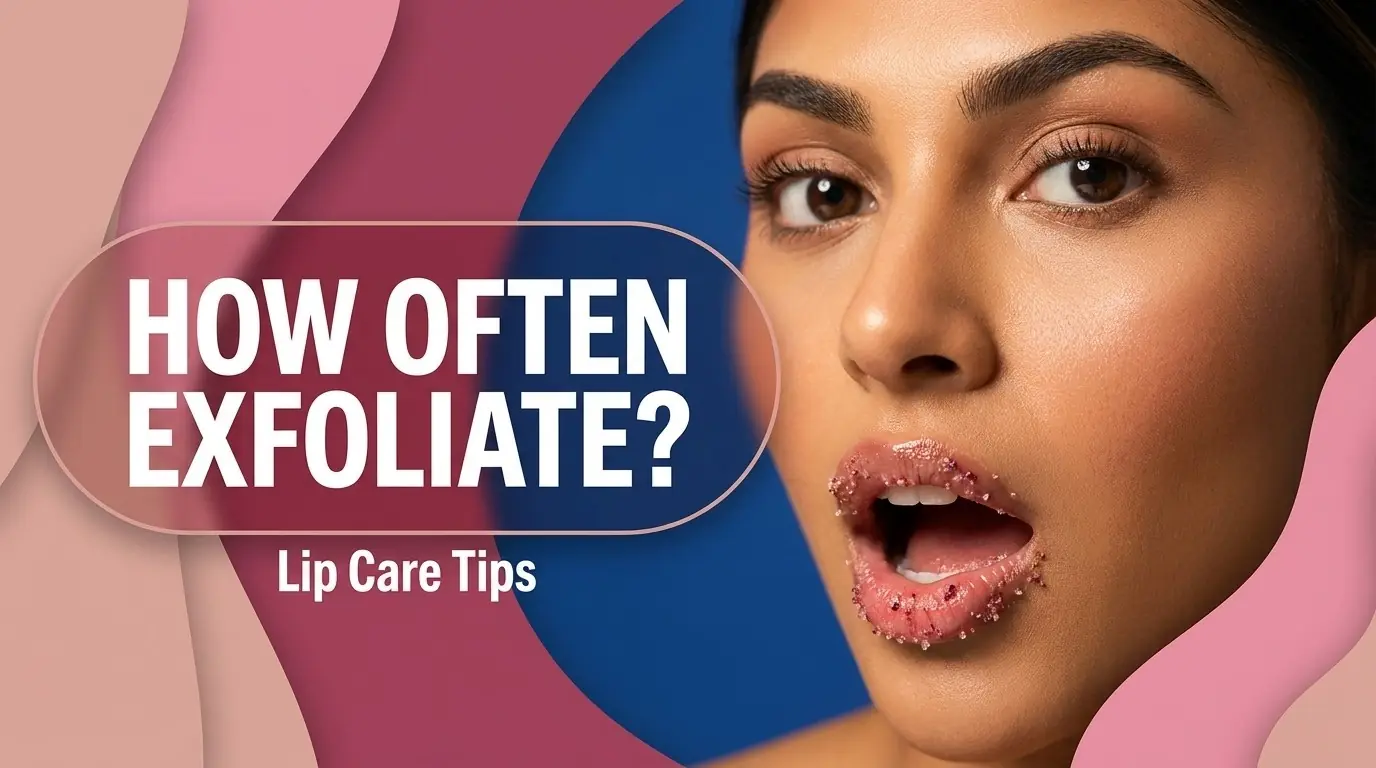
Lip Exfoliation Frequency: If you have ever stood in the beauty aisle wondering exactly how often you should be reaching for that sugar scrub, you are not alone. The question of lip exfoliation frequency is one that trips up even the most dedicated skincare enthusiasts. Exfoliate too rarely and your lips stay rough, flaky, and unable to absorb the moisturizers you layer on top. Exfoliate too often and you strip away the very barrier your lips depend on to stay soft and supple. Getting the balance right is genuinely one of the most impactful things you can do for your lip health, and this guide is going to walk you through everything you need to know to find that sweet spot.Lips are one of the most expressive, visible, and also most neglected features of the face. They face constant exposure to sun, wind, temperature changes, food, drink, and the habitual licking that so many of us do without thinking. All of that adds up to a surface that can become rough and uneven surprisingly quickly. Understanding how exfoliation works at a biological level, recognizing the signals your lips send you, and building a routine tailored to your specific lip type will transform not just how your lips look, but how they feel every single day.
Published · Updated
On facial skin, this cell turnover cycle takes approximately 28 days in younger women, slowing to around 40 to 60 days as we age. Lip skin operates on a similar but slightly accelerated schedule because the epithelium on your lips is thinner than the epidermis on the rest of your face. The exact lip skin cell turnover rate varies from person to person, but the thinner cellular architecture means that disruption to the renewal process can happen more rapidly and with more visible consequences on lips than on other areas of the face.
When you exfoliate your lips, you are manually or chemically accelerating the removal of those dead surface cells. Done correctly, this reveals the fresher, more hydrated cells underneath, improves circulation to the lip tissue, and creates a smoother surface that allows moisturizing ingredients like shea butter, hyaluronic acid, and natural oils to penetrate more effectively. The increased blood flow that results from gentle physical exfoliation also gives lips that naturally plump, rosy appearance that many women associate with healthy, well-maintained lips.
The barrier function of lips is something that deserves particular attention. Unlike the skin on your cheeks or forehead, your lips do not have sebaceous glands, which are the oil-producing glands that help maintain the skin’s protective barrier elsewhere on the face. This is a critical difference between lip and facial skin. Without those natural oils, your lips rely almost entirely on external moisture and on a thin mucous layer to maintain their suppleness. This means the barrier is inherently more vulnerable and more easily disrupted by over-exfoliation.
When that barrier is compromised, lips lose moisture rapidly, a process called transepidermal water loss. The result is dryness, cracking, and sometimes even a raw, sensitive feeling that makes eating and drinking uncomfortable. Exfoliation that removes too many layers or is performed too frequently can trigger this cascade, which is why understanding frequency is so important.
The Difference Between Lip Skin and Facial Skin
Understanding why lips behave differently from the rest of your face is the foundation of good lip care. The skin on your lips is significantly thinner, with only three to five cellular layers compared to the much thicker epidermis elsewhere on the face, which can have up to 16 layers. This thinness is actually why lips show their color so readily, you are seeing the blood vessels beneath the surface through that translucent skin.
Beyond thickness, lips lack the melanin-producing cells called melanocytes that protect facial skin from UV damage, which is why your lips can burn easily in strong sun. They also lack the hair follicles and the sweat glands present in facial skin. All of these structural differences mean that lips are operating with far fewer natural defense mechanisms. This is precisely why aggressive exfoliation that a face might tolerate with no visible consequences can leave lips raw, swollen, and painfully dry.
Knowing this, it becomes clear that recommendations designed for facial exfoliation should never simply be applied to lips without adjustment. The gentler, the better is the governing principle for lips, and frequency matters enormously.
Signs You Are Over-Exfoliating Your Lips
Your lips will tell you when you have overdone it. The challenge is learning to read those signals before they escalate into something more serious. Over-exfoliation is more common than most people realize, particularly among women who are enthusiastic about their beauty routines and assume that more is always better.
Persistent Rawness or Soreness
One of the clearest signs that you are exfoliating too often is a persistent feeling of rawness. If your lips feel tender to the touch, sting when you apply lip balm, or feel uncomfortably sensitive after eating spicy or acidic foods, your barrier has been compromised. Healthy lips should not be sore. That soreness is your body signaling that you have removed protective layers that have not had time to regenerate.
Redness That Does Not Resolve
Some redness immediately after exfoliation is normal, a sign of increased circulation. However, if your lips remain red and irritated for hours or even days after a scrub session, that is a sign of inflammation driven by over-exfoliation. Chronic low-level inflammation on the lips can lead to long-term sensitivity and make it harder for your barrier to function properly.
Increased Flakiness After Exfoliating
This is a frustrating paradox that many over-exfoliators encounter. You exfoliate to get rid of flakes, but your lips become even flakier than before. This happens because frequent exfoliation disrupts the skin renewal process, causing irregular shedding and preventing the barrier from ever fully recovering. The answer is almost always to reduce frequency dramatically and focus on deep moisturization instead.
Bleeding or Cracking
If you notice small bleeding points or cracks in your lips after exfoliating, you have gone too far. Physical exfoliants that are too abrasive, or any exfoliant used on lips that are already cracked and raw, can create micro-tears in the tissue. These micro-tears not only hurt but also create entry points for bacteria, which can lead to infection.
A Feeling of Tightness
Tightness after exfoliation signals moisture loss. If your lips feel tight and dry within an hour of exfoliating, even after applying balm, the barrier has been too aggressively stripped. Well-exfoliated lips that have been properly moisturized afterward should feel soft and comfortable, not tight.
Signs You Need to Exfoliate More Often
On the other side of the spectrum, under-exfoliation has its own set of visible consequences. If any of the following apply to you, your lips are asking for more frequent exfoliation than you are currently providing.
Visible Flakes and Peeling Skin
The most obvious sign is persistent visible flakiness. When dead skin cells accumulate faster than the natural turnover process removes them, they become visible as dry, peeling patches. Lip balm applied over these patches tends to sit on top of the flakes rather than penetrating to the skin beneath, which is why some women find their lip balm feels ineffective no matter how often they apply it.
Lip Products Apply Unevenly
If your lipstick looks patchy, your lip gloss clumps in the corners, or your lip liner catches on rough texture instead of gliding smoothly, the issue is almost certainly a lack of exfoliation. A smooth, even lip surface is the best canvas for any lip product, and achieving that surface requires regular dead cell removal.
Lips Feel Rough to the Touch
Run your fingertip lightly over your lips. Healthy, well-maintained lips should feel relatively smooth. If you can feel a rough, sandpaper-like texture, the top layer of dead cells has built up and needs to be cleared away.
Dullness and Lack of Natural Color
A buildup of dead skin cells can make lips look dull and muted. Exfoliating reveals the fresher skin underneath, which reflects light better and shows more of the natural pink or rosy tone that makes lips look healthy and vibrant.
Physical vs. Chemical Exfoliation for Lips
There are two broad categories of lip exfoliation, and understanding the difference will help you choose the approach that best suits your needs, your lip type, and your routine.
Physical Exfoliation
Physical or mechanical exfoliation involves using an abrasive substance or tool to physically scrub away dead skin cells. For lips, the most common forms are sugar-based lip scrubs, which can be purchased or made at home, and soft-bristle toothbrushes used with a thin layer of balm or oil.
Sugar is particularly well-suited to lip exfoliation because the granules are fine enough to be gentle on the delicate lip surface, and sugar also has natural humectant properties, meaning it draws moisture to the skin. This is why sugar scrubs are the gold standard recommendation in the beauty community for lip exfoliation. Brown sugar is even softer than white granulated sugar, making it an excellent choice for sensitive lips or for anyone who has experienced irritation with coarser scrubs.
The key with physical exfoliation is pressure. Light, circular motions for no more than 30 to 60 seconds is all that is needed. Scrubbing vigorously or for extended periods does not produce better results, it only increases the risk of micro-tears and irritation. Always finish with a thorough rinse and immediate application of a nourishing lip balm or oil.
Chemical Exfoliation
Chemical exfoliants use acids or enzymes to dissolve the bonds between dead skin cells, allowing them to shed more easily without the need for physical scrubbing. For lips, the most commonly used chemical exfoliants include lactic acid, alpha-hydroxy acids in low concentrations, and fruit enzymes from papaya or pineapple.
Chemical exfoliants are particularly valuable for women who find physical scrubbing too harsh or who have lips that are prone to micro-tears from mechanical friction. They are also useful for evening out lip texture over time, since the dissolution process is more even and less dependent on the direction and pressure of scrubbing.
Chemical lip exfoliants should be used even less frequently than physical ones, as a general rule. Starting with once a week or even once every ten days allows you to assess how your lips respond before building up frequency. If you notice any stinging beyond a very mild, brief tingle, the product may be too strong or your application time too long.
Which Is Better for Your Lips?
For most women, physical exfoliation with a gentle sugar-based scrub is the easiest, most accessible, and most controllable approach. You can adjust the pressure, the duration, and the coarseness of the scrub to suit your lips on any given day. Chemical exfoliation is an excellent complement for women with particularly stubborn or uneven lip texture, used as an occasional treatment rather than a routine replacement for physical scrubbing.
Ideal Lip Exfoliation Frequency by Lip Type and Season
There is no single answer to how often you should exfoliate your lips, because the ideal frequency depends on several factors: your natural lip type, your environment, the season, and whether you are dealing with any specific lip conditions. Here is a breakdown to help you find your personal optimal schedule.
Normal Lips
If your lips are generally comfortable, rarely feel excessively dry, and show only mild flakiness in certain conditions, you have what would be considered normal lips. For normal lips, exfoliating once or twice a week is typically ideal. This frequency keeps dead cell buildup at bay without compromising the barrier. Adjust toward twice a week in winter and lean toward once a week in summer when humidity naturally assists your lips.
Dry or Dehydrated Lips
Chronically dry lips need more exfoliation than normal lips, but they also need to be handled with particular care because the barrier is already under stress. For dry lips, two to three times a week with a very gentle physical scrub or a mild chemical exfoliant is appropriate. Always follow with an occlusive balm or a nourishing oil to seal in the moisture after exfoliating. If your lips are severely cracked or actively raw, hold off on exfoliation entirely until they have healed.
Sensitive Lips
Sensitive lips, including lips that react with redness or irritation to new products, should be exfoliated no more than once a week, and ideally with an extremely gentle approach, such as a soft cloth dampened with warm water, a fine sugar scrub made with skin-soothing ingredients like aloe or honey, or a very low-concentration chemical exfoliant. Always patch test any new exfoliant on the inner lip or just inside the lip line before full application.
Oily or Combination Skin Types
Even if you have oily or combination skin elsewhere on your face, remember that lips do not produce oil. Lip type is really determined by moisture levels, not oil production. Women with otherwise oily skin are not immune to dry lips. Assess your lips independently of your facial skin type when determining exfoliation frequency.
Seasonal Adjustments
Season plays a significant role in how your lips behave and how often they need exfoliation. Winter months, with their cold temperatures, low humidity, indoor heating, and harsh winds, are the toughest season for lips. The combination of environmental moisture loss and habitual licking in response to dryness creates the perfect conditions for heavy flaking. During winter, most women will benefit from exfoliating two to three times a week, always followed by a deeply moisturizing balm.
Spring and fall are transitional seasons where lips are generally more comfortable. Once a week exfoliation is usually sufficient for these months. Summer can be deceptive. While higher humidity helps lips stay naturally more hydrated, sun exposure, air conditioning, chlorine from pools, and salt from the ocean can all be drying. Aim for once or twice a week in summer, and always apply an SPF-containing lip balm after exfoliating.
DIY Sugar Lip Scrub Recipes
Making your own lip scrub at home is genuinely one of the most satisfying and practical parts of a lip care routine. You can customize the ingredients to suit your lips and taste preferences, and the recipes are simple enough to prepare in a minute or two. Here are several formulas for different needs.
Classic Honey and Sugar Lip Scrub
This is the most universally loved DIY lip scrub recipe, and for good reason. Combine one teaspoon of fine white or brown sugar with half a teaspoon of raw honey. Mix until well blended. Apply to lips in gentle circular motions for about 30 seconds, then rinse with warm water. Honey is a natural humectant and has gentle antibacterial properties, making this scrub particularly good for lips that tend toward small sores or sensitivity. The honey also helps the sugar granules adhere to the lips without requiring heavy pressure, reducing the risk of irritation.
Coconut Oil and Brown Sugar Scrub
For very dry or flaky lips, the extra conditioning power of coconut oil makes this recipe particularly effective. Combine one teaspoon of brown sugar with half a teaspoon of virgin coconut oil. You can also add a small drop of vitamin E oil for additional barrier support. Brown sugar is finer than white sugar, making this a gentle but effective scrub that works well even two or three times a week. The coconut oil leaves lips feeling immediately soft and nourished after rinsing.
Vanilla and Sugar Scrub
This recipe prioritizes the sensory experience. Combine one teaspoon of white sugar, half a teaspoon of sweet almond oil, and two drops of pure vanilla extract. The almond oil is lightweight and absorbs well into lip tissue, making it excellent for daytime use. The vanilla adds a pleasant scent and a trace of antioxidant activity. This scrub is particularly popular as a pre-lipstick step because it leaves lips smooth and lightly conditioned without a heavy residue.
Cinnamon and Sugar Scrub for Natural Plumping
Cinnamon has a mild stimulating effect on circulation, which can give lips a temporarily fuller appearance. Combine one teaspoon of sugar, half a teaspoon of olive oil, and a tiny pinch of cinnamon, no more than an eighth of a teaspoon. Less is more with cinnamon, as too much can cause significant irritation. Apply for no more than 20 seconds and rinse promptly. This is a once-a-week occasional treat rather than a regular scrub, and it is not suitable for sensitive lips. If you feel more than a very mild warmth, rinse immediately.
Coffee and Sugar Scrub
For a slightly more invigorating exfoliation, finely ground coffee mixed with sugar provides a dual-action scrub. Combine half a teaspoon of very finely ground coffee with half a teaspoon of fine sugar and half a teaspoon of coconut or almond oil. Coffee contains caffeine, which temporarily improves circulation, and the fine grounds provide gentle mechanical exfoliation alongside the sugar. This scrub has a warming, stimulating feel and works well as an occasional treatment. Use no more than once a week, as coffee grounds can be slightly more abrasive than sugar alone.
When to Avoid Exfoliating Your Lips
There are situations when exfoliation, even gentle exfoliation, is the wrong choice for your lips. Knowing when to pause your routine is just as important as knowing how to maintain it.
Active Cold Sores or Fever Blisters
If you have an active cold sore outbreak, exfoliation of any kind is absolutely off the table. The herpes simplex virus that causes cold sores creates open sores on the lip surface that are extremely vulnerable to further irritation and can spread if the sore is disturbed. Scrubbing over an active cold sore can worsen the sore, extend the outbreak, and spread the virus to surrounding skin. Wait until the sore has completely healed before resuming your exfoliation routine.
Severely Cracked or Bleeding Lips
Applying an exfoliant to lips that are already cracked and bleeding is counterproductive and painful. The primary goal in this situation is healing, not exfoliation. Focus exclusively on moisturizing and protecting the lips with an occlusive balm, petroleum jelly, or a healing ointment until the cracks have fully closed and the skin has had time to repair itself. Introducing exfoliation prematurely will simply reopen the cracks and delay healing.
Sunburned Lips
Sunburned lips are inflamed and already damaged. The tissue needs rest and moisture, not additional friction or chemical activity. Apply aloe vera gel formulated for use near the mouth, or a gentle fragrance-free lip balm, and avoid exfoliation until the burn has resolved completely, which may take several days.
Allergic Reactions or Contact Dermatitis
If you are experiencing an allergic reaction around or on your lips, whether from a new lip product, a food allergy, or contact with an irritant, exfoliating will only intensify the inflammation. Give your lips time to calm down, eliminate the triggering product or ingredient, and consult a dermatologist if the reaction does not resolve within a few days.
Immediately After Certain Lip Treatments
If you have recently had lip filler injections, laser treatment, or any other professional lip procedure, follow your provider’s specific instructions regarding exfoliation. In general, a waiting period of at least two to four weeks is recommended before resuming physical exfoliation after such procedures. Chemical exfoliation timelines may differ depending on the treatment, so always check with your provider.
How to Pair Exfoliation with a Lip Mask and Balm
Exfoliation alone is only half of the equation. The steps you take immediately after exfoliating are what lock in the benefits and prevent your freshly revealed skin from losing moisture too quickly. Think of exfoliation as preparation, and the moisturizing steps that follow as the actual treatment.
The Immediate Post-Exfoliation Window
After rinsing your lip scrub, your lips are in their most receptive state. The fresh cells that have been revealed are open to absorbing ingredients, and the increased circulation from the scrubbing action means that the tissue is actively drawing nutrients and moisture. This is the moment to apply your most nourishing lip products, and doing so within 30 to 60 seconds of rinsing maximizes their effectiveness.
Using a Lip Mask After Exfoliation
A lip mask applied immediately after exfoliation provides an intensive dose of moisture and active ingredients to the freshly cleared skin. Overnight lip masks, which are typically thicker and more occlusive than regular lip balm, are particularly effective when used after an evening exfoliation session. Ingredients to look for in a lip mask include hyaluronic acid for deep hydration, ceramides to support barrier repair, peptides for plumping, and natural oils like jojoba, rosehip, or marula for conditioning.
Apply the mask generously and allow it to absorb fully. If using an overnight mask, there is no need to wipe it off before bed. The warming temperature of sleep actually enhances absorption, making an overnight mask the most effective way to follow up an evening exfoliation session.
Layering Lip Balm Correctly
For daytime exfoliation sessions, a quality lip balm replaces the lip mask as the primary moisturizing step. Choose a balm that provides both humectant and occlusive action. A humectant, like hyaluronic acid or glycerin, draws moisture into the skin, while an occlusive, like beeswax, shea butter, or lanolin, seals that moisture in so it cannot evaporate. Balms that combine both types of ingredient provide the most comprehensive protection.
Apply the balm with a generous, even layer and allow it to absorb for at least a few minutes before eating, drinking, or applying lip color. Rushing through this step defeats the purpose of exfoliating in the first place.
Lip Oils as a Step Between Exfoliation and Balm
A newer addition to many lip care routines, lip oils occupy a useful middle ground between lip balm and lip serum. Used immediately after exfoliation and before your regular balm, a few drops of a lightweight oil like rosehip, jojoba, or sea buckthorn oil provides a fast-absorbing layer of lipid nutrients that complement the barrier-sealing effect of the balm applied over it. This layering approach, oil first then balm, is particularly beneficial for very dry lips or during winter months.
Building a Weekly Lip Care Routine
Now that you understand the components of a good lip care practice, let us put it all together into a weekly routine that is realistic, sustainable, and genuinely effective.
The Foundation: Daily Habits
Before getting to the exfoliation schedule, daily habits form the foundation of every good lip care routine. Staying well hydrated by drinking adequate water is the single most effective thing you can do for your lip moisture levels. Applying a protective lip balm every morning before going outside, and every evening before bed, maintains the baseline moisture barrier that makes exfoliation effective when you do it. Resisting the urge to lick your lips, as tempting as it feels when they are dry, is also critical. Saliva contains digestive enzymes that actually break down lip skin over time, worsening dryness with every lick.
A Sample Weekly Schedule for Normal Lips
Monday: Morning exfoliation session. Apply a gentle sugar scrub for 30 to 45 seconds, rinse, then apply a nourishing lip balm. Follow with SPF balm if going outside. Evening: apply a generous layer of regular lip balm before bed.
Tuesday through Thursday: No exfoliation. Focus on moisture maintenance with balm applied morning, midday, and evening. Stay hydrated.
Friday: Evening exfoliation session. Apply a sugar scrub, rinse, and follow with an overnight lip mask for intensive recovery over the weekend.
Saturday and Sunday: No exfoliation. Allow the barrier to fully recover and focus on hydration. This is a good time to apply a thicker occlusive balm if you are home and do not need to wear lip products.
Adjusting for Dry Lips
Women with dry lips can move exfoliation sessions to Monday, Wednesday, and Friday, always followed by an intensive moisturizing step. Keep one of those sessions as an evening session with an overnight mask. On non-exfoliation days, apply balm as frequently as needed to keep lips comfortable and avoid the dry, tight feeling that leads to licking.
Adjusting for Sensitive Lips
For sensitive lips, one exfoliation session per week is sufficient. Choose the day that works best for your schedule, apply the gentlest possible scrub, and never rush the post-exfoliation moisture step. If at any point your lips feel irritated after exfoliating, extend the interval to ten days or two weeks and reassess.
Seasonal Rotation
Revisit your routine at the start of each season. As summer transitions into fall, begin increasing your exfoliation frequency and richness of your follow-up moisturizers. As winter transitions into spring, you can scale back slightly. Paying attention to how your lips feel from week to week is the best guide, and that attention becomes intuitive over time.
The Role of Diet and Hydration in Lip Health
Your lip care routine does not exist in isolation from the rest of your lifestyle. What you eat and drink has a direct impact on how your lips look and how well they respond to exfoliation. Vitamin deficiencies, particularly deficiencies in vitamins B2, B3, B6, and B12, as well as iron and zinc, can manifest as dry, cracked, or persistently rough lips that do not respond well to topical treatment. If you find that no amount of exfoliation and moisturization seems to resolve persistent lip dryness or cracking, it may be worth exploring whether a nutritional imbalance is contributing.
Adequate omega-3 fatty acid intake from sources like fish, flaxseeds, and walnuts supports the lipid layer throughout the skin, including the delicate barrier of the lips. Women who are on very low-fat diets sometimes experience increased lip dryness as a secondary effect of reduced dietary fat intake.
Caffeine and alcohol, while enjoyable in moderation, are both diuretics that increase overall body water loss and can contribute to lip dehydration when consumed in excess. Balancing these beverages with adequate water intake helps maintain the systemic hydration that your lips depend on.
Common Lip Exfoliation Mistakes to Avoid
Even with the best intentions, there are a handful of common mistakes that undermine the effectiveness of a lip exfoliation routine. Knowing them in advance helps you sidestep them from the start.
Using a Facial Scrub on Lips
Facial scrubs, even those labeled as gentle, are formulated for facial skin that is thicker and more resilient than lip skin. Using a standard facial exfoliant on your lips risks over-exfoliation, irritation, and potentially introducing ingredients that are not safe to ingest in the small amounts that inevitably end up in your mouth. Stick to products specifically formulated for lips, or to simple DIY scrubs made from food-safe ingredients.
Exfoliating Dry, Unprepped Lips
Applying a scrub to completely dry, unprepared lips can increase friction and the risk of micro-tears. A very brief application of warm water or a damp cloth to soften the surface before scrubbing allows the exfoliant to work more effectively with less pressure needed. This is especially important in winter when lips are at their driest.
Skipping Moisture After Exfoliating
Exfoliating and then walking out the door without applying a balm or mask is one of the most common and most damaging mistakes in lip care. The fresh skin revealed by exfoliation has no protection against moisture loss. Without an immediate sealing step, you can end up with lips that are more dehydrated after exfoliating than they were before. This step is not optional.
Picking at Loose Skin
When you notice a piece of loose, peeling skin on your lip, the instinct to pull it off is almost irresistible. Resist it. Pulling at loose skin almost always removes more than the dead layer, tearing into live tissue and causing bleeding and soreness. Instead, soften the loose skin with balm and allow exfoliation to remove it gently during your next scheduled session.
Frequently Asked Questions
How often should I exfoliate my lips if I wear lipstick every day?
Daily lipstick wearers can benefit from exfoliating two to three times a week, because the regular application and removal of lip products can dry out the lip surface over time. Makeup removers, particularly those that require rubbing to dissolve long-wear formulas, add an element of mechanical stress that makes regular gentle exfoliation beneficial. Always exfoliate in the evening rather than immediately before applying lipstick, which can make freshly exfoliated lips too sensitive for rich pigment formulas.
Can I exfoliate my lips with a toothbrush?
A soft-bristled toothbrush can be an effective lip exfoliation tool when used correctly. Wet the brush, apply a small amount of lip balm or honey, and use very gentle, circular movements for no more than 30 seconds. The key word is soft. Medium or firm bristle toothbrushes are too abrasive for the delicate lip surface. Replace the toothbrush you use for lip exfoliation regularly to prevent bacterial buildup, and ideally keep it separate from your dental toothbrush.
Is it normal for lips to feel slightly tingly after exfoliating?
A very mild, brief tingling immediately after exfoliation is generally normal and is related to the increased blood flow in the lip tissue. This sensation should resolve within a few minutes. If the tingling is intense, persists for more than five minutes, or is accompanied by burning, redness that does not fade, or swelling, it indicates that the exfoliant is too aggressive for your lips or that you have an ingredient sensitivity. Rinse thoroughly, apply a soothing balm, and switch to a gentler product or method.
Should I exfoliate my lips before or after showering?
Exfoliating your lips during or immediately after a shower is actually one of the most effective approaches, because the warm water and steam from the shower softens the lip surface, making exfoliation more effective with less effort. If you prefer to exfoliate at the sink, dampen your lips with warm water first for a similar preparatory effect. Avoid exfoliating with very hot water or immediately after very hot drinks, as heat on its own can temporarily increase lip sensitivity.
Can I exfoliate my lips if I have fillers?
After lip filler injections, most providers recommend waiting two to four weeks before resuming any mechanical manipulation of the lips, including physical exfoliation. During this waiting period, you can focus on gentle hydration and protection. After the recommended waiting period has passed, gentle exfoliation is generally safe and can actually help the lip surface look more refined and even. Always confirm the specific timeline with the medical professional who performed your treatment.
Does lip exfoliation help with hyperpigmentation or dark lips?
Regular, consistent exfoliation can help with mild lip hyperpigmentation by removing the topmost layer of darkened, uneven cells and promoting the turnover of fresh, evenly pigmented skin beneath. However, for more significant pigmentation concerns, exfoliation alone is usually insufficient. Chemical exfoliants with ingredients like lactic acid may be more effective than physical scrubs for this concern, and consulting a dermatologist about targeted treatments is worthwhile if the pigmentation is a significant aesthetic concern for you.
What is the best time of day to exfoliate lips?
Evening is generally the best time to exfoliate your lips for two reasons. First, you are not going to be immediately applying lip products over the freshly exfoliated surface, which means the balm or mask you apply afterward can absorb properly without being disturbed. Second, the overnight hours give your lips time to recover and absorb the moisturizing treatment you apply after exfoliating, taking full advantage of the body’s natural repair processes that are most active during sleep. Morning exfoliation can work well if you have enough time to allow the post-exfoliation balm to absorb before applying lip products.
How long does it take to see results from a consistent lip exfoliation routine?
Most women notice an immediate improvement in lip texture and smoothness after their very first exfoliation session. The longer-term benefits, including consistently smoother texture, better lip product application, improved natural lip color, and more effective moisturizer absorption, become apparent within two to four weeks of maintaining a consistent routine. The key is consistency. Exfoliating once and expecting permanent results will always disappoint. Treating it as a regular maintenance practice, like washing your face or moisturizing, is what produces the lasting transformation you are after.
Building Your Lip Exfoliation Routine for the Long Term
The beauty of a well-constructed lip care routine is that it becomes completely intuitive over time. What starts as a conscious decision to exfoliate on Monday and Friday eventually becomes as natural as brushing your teeth. Your lips begin to feel when they need attention, and you learn to recognize the subtle early signs of dryness or buildup before they become visible problems.
The investment in learning your lips, understanding how they respond to different products and frequencies, and adjusting your approach through the seasons is genuinely one of the most rewarding parts of a comprehensive beauty routine. Lips are one of the first things people notice about you. They are central to expressions of joy, communication, and confidence. Taking care of them with the same thoughtfulness and consistency that you bring to your face and body skincare routine is simply an extension of the care you already know they deserve.
Start where you are. If you have never exfoliated your lips before, begin with once a week and a simple sugar-and-honey scrub. Give it a month of consistency and observe how your lips change. From there, you can layer in additional frequency, try different scrub formulas, experiment with lip masks, and refine every detail of your routine until it is perfectly calibrated for the lips you have and the results you want.
Healthy, smooth, soft lips are not an accident. They are the result of a routine that respects the delicate biology of one of the most expressive features of your face, a routine that starts with understanding exactly the right lip exfoliation frequency for you.
RELATED ARTICLES:
For the ultimate skin exfoliation, try homemade sugar scrubs
Dolphin Skin Makeup
2026 Skin Streaming Routine
5 Skincare Trends to Watch Out for in 2026, According to a Top Skin Expert
Retinal vs Retinol in 2025: The Fastest Path to Results for Your Skin Care Goals
About The Author

COMMENTS