
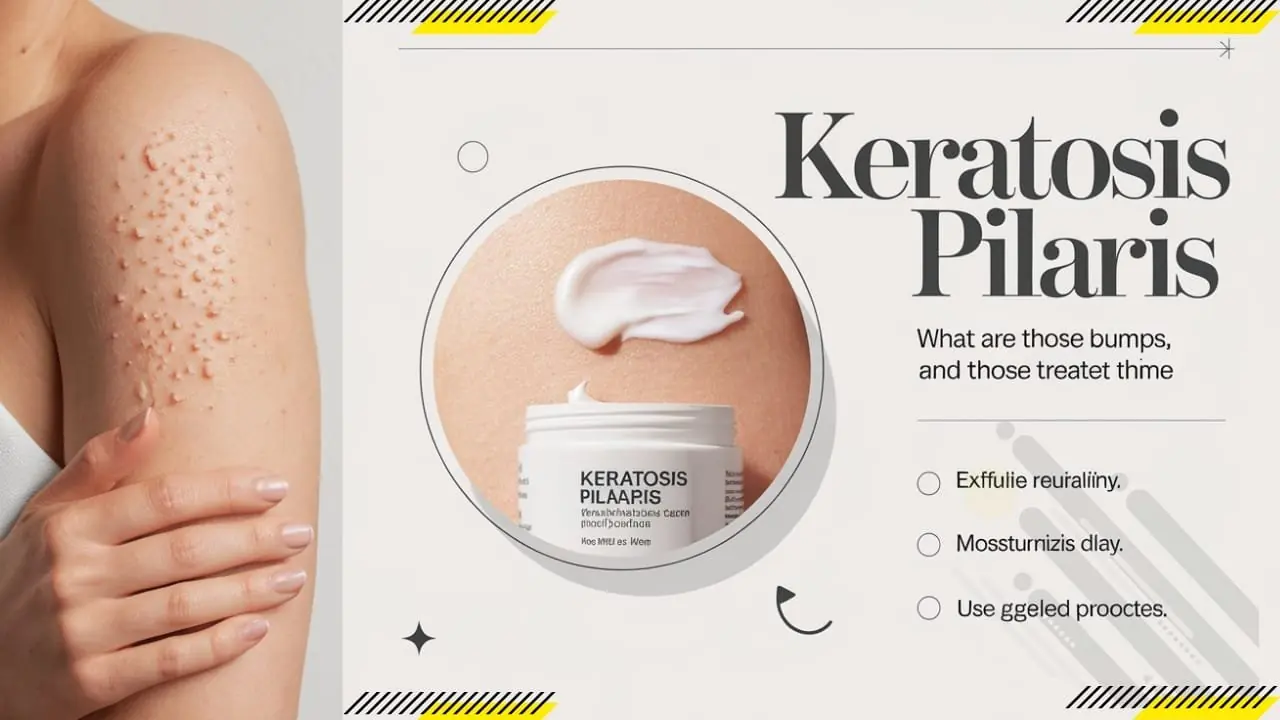
Keratosis pilaris is the reason the backs of so many arms feel like a field of tiny, stubborn bumps that no lotion seems to smooth. It affects nearly
Keratosis pilaris is the reason the backs of so many arms feel like a field of tiny, stubborn bumps that no lotion seems to smooth. It affects nearly half of all adults and most teenagers, yet it is completely harmless. This guide explains the protein build-up behind the bumps, the triggers that worsen flare-ups, the home routines that genuinely soften skin, and when a dermatologist can help.
Run your hand along the back of your upper arm. If you feel a field of tiny, stubborn bumps that refuse to smooth out no matter how many lotions you try, you are not imagining it, and you are certainly not alone. Those rough patches have a name, and they belong to one of the most misunderstood skin conditions in dermatology. Keratosis pilaris affects nearly half of all adults and the overwhelming majority of teenagers, yet most people spend years scrubbing, squeezing, and worrying about bumps that are completely harmless. This guide walks through every layer of the condition, from the protein build-up under your skin to the ingredients that actually soften the surface. You will learn which triggers make flare-ups worse, which home routines genuinely work, and when a dermatologist can help with treatments you cannot buy over the counter. By the end, you will have a clear, science-backed plan that fits real life, real skin, and real budgets, so you can finally stop fighting your arms and start understanding them.
What Keratosis Pilaris Actually Is
Keratosis pilaris, often shortened to ‘KP’, is a benign disorder of the hair follicle. Instead of shedding normally, dead skin cells and a fibrous protein called keratin pack tightly inside the follicle opening. The result is a raised plug that feels like a grain of sand trapped under the surface. Multiply that by hundreds of follicles across the upper arms, thighs, and cheeks, and you get the textured, sometimes reddish pattern that earned the condition its nickname, chicken skin.
Reviewed by the BeautynFacts editorial team. Last updated: May 2026.
The Biology Behind the Bumps
Keratin is the same protein that builds your hair and nails. In healthy skin, it forms a protective barrier and sheds in microscopic flakes every day. In KP, this shedding process goes wrong at the follicle level. The keratin hardens inside the pore and traps the growing hair, which often curls back on itself instead of breaking through the surface. That trapped hair is why many KP bumps look like a tiny dot inside each raised dome. The surrounding skin sometimes flushes pink or red because the plug irritates the follicle wall.
Why It Looks the Way It Does
The classic presentation is a patch of uniform, small, dome-shaped bumps with a slightly rough surface. Some people see only the texture, while others notice colour changes around each follicle. On lighter skin, KP often appears pink or red. On deeper skin tones, it can look brown, grey, or slightly darker than the surrounding skin, and the post-inflammatory pigmentation can last longer after each flare.
How It Differs From a Rash
Unlike a rash, KP is chronic rather than reactive. It does not spread from person to person; it does not ooze, and it rarely itches in a significant way. The bumps sit in roughly the same places for months or years, waxing and waning with the seasons but not erupting suddenly the way hives or allergic reactions do.
How Common Keratosis Pilaris Really Is
KP is one of the most frequent conditions walking through dermatology clinics, yet it is rarely discussed openly because the bumps sit on body parts people tend to cover. Understanding prevalence helps put the condition in perspective and removes the sense that something is uniquely wrong with your skin.
Global Numbers
Studies estimate that up to 40 percent of adults and as many as 50 to 80 percent of adolescents show signs of keratosis pilaris. The condition appears across every ethnicity and skin tone, though it is slightly more visible on fair skin because the redness stands out. Women report it more often than men, though the disparity may reflect reporting patterns rather than a true gender difference.
When It Typically Appears
Most cases emerge in early childhood, often between ages two and ten. A second wave appears at puberty, when hormonal shifts thicken skin and push sebum production into overdrive. Many teenagers see their KP peak around ages fourteen to sixteen, then gradually soften through their twenties and thirties. A smaller group continues to experience bumps well into midlife.
Seasonal Patterns
Cold, dry winters almost always make KP worse. Low humidity pulls moisture out of the skin, which makes the keratin plugs feel rougher and the surrounding skin redder. Many people notice their arms clear up during humid summers, then return with a vengeance once heating systems switch on indoors.
The Root Causes of Keratosis Pilaris
Nobody has identified a single cause for KP, but researchers have mapped several contributing factors. The condition lies at the intersection of genetics, skin barrier health, and environmental exposure. Understanding these drivers helps you target the root rather than chasing surface symptoms.
Genetics and Family History
KP runs strongly in families. If one parent has it, you have about a 50 percent chance of developing it yourself. Scientists have linked the condition to mutations in filaggrin, a gene that also plays a role in eczema and general skin barrier function. A weaker filaggrin gene means your skin struggles to hold moisture and regulate keratin turnover, which creates perfect conditions for follicular plugging.
Skin Barrier Dysfunction
Healthy skin relies on a lipid matrix of ceramides, cholesterol, and fatty acids to keep water inside. When that matrix thins, transepidermal water loss increases, leaving the outer layers dehydrated and stiff. Dehydrated skin sheds unevenly, which feeds the keratin build-up inside follicles. This is why even the best scrubs fail if you do not rebuild the barrier afterward.
Hormonal Influences
Androgens, including testosterone, thicken the outer layer of skin and boost oil production. That partially explains why puberty worsens KP and why pregnancy sometimes makes it flare. Thyroid issues can also intensify symptoms because both underactive and overactive thyroid conditions disrupt normal skin turnover.
Recognising the Symptoms
KP has a fairly consistent signature, but it overlaps with several other conditions, which causes constant confusion. Learning the telltale featurerecognise what you seeu are seeing on your own skin and judge whether a professional opinion is worth booking.
Texture and Touch
The hallmark symptom is a sandpaper feel. Close your eyes and glide your fingertips across an affected patch, and you will feel a uniform grittiness, as if the skin has been lightly dusted with salt. The bumps are usually the same size within a cluster, about one to two millimetres wide, and they sit close together rather than being scattered randomly.
Colour and Appearance
Colour varies by subtype and skin tone. Some bumps look flesh-toned and only become visible when light catches the raised edges. Others flush red, pink, or purple, especially after a hot shower or rigorous exercise. A ring of slight redness around each follicle is common and helps distinguish KP from simple dryness.
Locations to Watch
The upper outer arms are the classic site, followed by the front of the thighs, the buttocks, and the cheeks. Less often, KP appears on the forearms, calves, back, and shoulders. It rarely shows up on the palms, soles, or face outside the cheeks and jawline, so bumps in unusual areas usually point to a different diagnosis.
Itch, Burn, and Sensitivity
Most K.P. feels like nothing. Some people notice mild itching, particularly after sun exposure, sweating, or friction from tight sleeves. True burning, stinging, or pain is unusual and suggests that eczema, folliculitis, or an irritant reaction might be layered on top.
The Types of Keratosis Pilaris
Dermatologists split KP into several subtypes based on colour, location, and associated inflammation. Knowing your subtype matters because each responds slightly differently to treatment, and some overlap with other dermatological conditions that need separate care.
Keratosis Pilaris Alba
Alba is the most common presentation. The bumps are skin-coloured or pale, with minimal redness and a rough, dry surface. Alba responds well to gentle chemical exfoliation and barrier repair, since inflammation is not the main driver. If your arms feel bumpy but barely look different from the surrounding skin, you probably have this variant.
Keratosis Pilaris Rubra
Rubra features prominent red or pink bumps with visible redness between follicles. The inflammation component is stronger, and the skin often stings when exfoliants hit it. This subtype benefits from a slower, more soothing approach, with ingredients like niacinamide, colloidal oatmeal, and centella asiatica added to the exfoliation routine.
Keratosis Pilaris Rubra Faceii
Faceii affects the cheeks specifically, producing a blotchy red flush that many people mistake for rosacea. Unlike rosacea, it does not include visible blood vessels or pustules, and it tends to improve with gentle skincare rather than antibiotics. It often appears alongside arm or thigh bumps, confirming the KP connection.
Keratosis Pilaris Atrophicans
Atrophicans is a rarer, more serious group of variants that can cause hair loss and scarring, especially on the eyebrows, scalp, or face. This form usually begins in infancy and warrants professional evaluation, since early treatment can limit permanent changes to the hair follicle.
Conditions That Mimic Keratosis Pilaris
Several skin conditions share features with KP, which is why self-diagnosis sometimes misfires. Knowing the differences helps you avoid treatments that make the wrong condition worse and saves time chasing the wrong solution.
Folliculitis
Folliculitis is inflammation of the hair follicle caused by bacteria, yeast, or ingrown hair. It produces bumps that often contain pus, feel tender, and can spread quickly. Unlike KP, folliculitis usually itches or hurts, and it responds to antibacterial or antifungal treatment rather than exfoliation. Shaving, waxing, or tight synthetic clothing can trigger it.
Acne and Body Acne
True acne comes with a mix of whiteheads, blackheads, papules, and sometimes cysts. Sebum and the bacterium Cutibacterium acnes drive acne, while KP involves keratin and hair follicle plugging. Acne bumps change size and shape over days, while KP bumps stay remarkably similar week to week.
Eczema and Dermatitis
Eczema creates itchy, red, scaly patches rather than discrete bumps. The two conditions often coexist, because both share a weak skin barrier. If your KP patches itch severely, crack, or weep, eczema may have layered on top and need its own calming routine.
Milia and Heat Rash
Milia are small white cysts, usually on the face, filled with trapped keratin but smooth and pearl-like rather than rough. Heat rash shows up suddenly after sweating and fades within days. Both lack the persistent, gritty texture of KP.
Daily Skincare That Genuinely Helps
KP will not disappear overnight, but a consistent, well-designed routine can dramatically soften texture, fade redness, and reduce flares. The goal is to loosen the keratin plugs, rebuild the barrier, and protect against the triggers that make bumps worse. Patience pays off, because visible results usually take four to eight weeks of steady effort.
Gentle Cleansing
Start with a cream or oil cleanser that does not strip the skin. Sulphate-heavy body washes and bar soaps scrub away the lipids your barrier needs. Warm water, not hot, limits the moisture loss that makes KP worse. Keep showers under ten minutes and pat the skin almost dry before moisturising, leaving a slight dampness to lock in hydration.
Chemical Exfoliation
Chemical exfoliants are the heart of any effective KP routine. Lactic acid, an alpha hydroxy acid, loosens the glue between dead cells and draws moisture into the skin at the same time. Ten to twelve percent concentrations work well for most people. Glycollic acid penetrates deeper and suits thicker skin on the thighs. Salicylic acid, a beta-hydroxy acid, dissolves oil inside the follicle and is particularly useful when KP coexists with body acne. Urea, at fifteen to twenty percent, softens both the plug and the skin around it, making it one of the most effective single ingredients for stubborn cases.
Barrier Repair Moisturisers
After exfoliation, flood the skin with barrier-rebuilding ingredients. Ceramides replace the fats lost during cleansing and peeling. Hyaluronic acid and glycerin pull water into the outer layers. Shea butter, squalane, and colloidal oatmeal calm inflammation and lock moisture in. A rich body lotion applied twice a day makes more of a difference than most people expect, because exfoliation without moisture creates a vicious cycle of dryness and irritation.
Ingredients That Science Supports
The skincare aisle is stuffed with products promising smooth skin, but only a handful of ingredients have genuine evidence behind them for KP. Focusing on proven molecules saves money and avoids the disappointment of fancy bottles that do little.
Alpha Hydroxy Acids
Lactic acid stands out as the most studied option for KP. Clinical trials show measurable reductions in roughness and follicular plugging after four to six weeks of daily use. Glycollic acid works similarly but can sting more on inflamed skin, so people with rubra variants often prefer it. Mandelic acid is a gentler cousin that suits sensitive or darker skin types prone to hyperpigmentation.
Beta-hydroxy acids
Salicylic acid dissolves in oil, which lets it travel deep into the follicle where keratin plugs form. Body washes and leave-on lotions at two percent salicylic acid reduce both bumps and the red halo that sometimes surrounds them. Salicylic acid also has mild anti-inflammatory properties, which helps the rubra subtype.
Urea and Polyhydroxy Acids
Urea is underrated in the KP world. At concentrations of ten percent it acts as a humectant, and at twenty percent and above it becomes genuinely keratolytic, dissolving the plug from the inside. Polyhydroxy acids such as gluconolactone and lactobionic acid offer similar exfoliation with larger molecules that penetrate more slowly, making them better tolerated on sensitive skin.
Retinoids
Topical retinoids speed cell turnover and normalise how the follicle sheds. Over-the-counter retinol at zero point five to one percent works for mild cases, while prescription tretinoin or adapalene tackles stubborn patches. Retinoids can irritate, so introduce them slowly, two or three nights a week, and always pair with a strong moisturiser.
Lifestyle Habits That Shape Your Results
Skincare alone only goes so far. What you wear, eat, and do between showers plays a surprising role in how calm or angry your KP looks from week to week. Small lifestyle tweaks often unlock the progress that products alone cannot deliver.
Humidity and Temperature
Dry air is a direct enemy of smooth skin. A bedroom humidifier set between forty and fifty percent relative humidity can visibly soften KP within two weeks, especially during winter. Hot showers feel wonderful but damage the barrier quickly, so lower the temperature and keep showers short. Avoid harsh loofahs and exfoliating gloves, since mechanical scrubbing irritates the follicle and can deepen redness.
Clothing and Friction
Tight synthetic sleeves trap sweat and rub against the upper arms, making KP flare up. Breathable cotton, bamboo, or loose performance fabrics allow moisture to evaporate and reduce irritation. After workouts, rinse off quickly rather than sitting in damp clothes, since trapped sweat combined with friction is a classic trigger for both KP and folliculitis.
Diet and Hydration
No food causes KP, but some nutrients support smoother skin from the inside. Omega-3 fatty acids from oily fish, flaxseed, and walnuts strengthen the skin barrier. Vitamin A, found in carrots, sweet potatoes, and leafy greens, helps regulate keratin turnover. Zinc supports wound healing and calms inflammation. Staying hydrated does not cure KP, but chronic dehydration makes every skin issue look worse, so aim for steady water intake throughout the day.
Stress and Sleep
Chronic stress raises cortisol, which weakens the skin barrier and slows healing. Many people notice their KP worsens during exam periods, work deadlines, or poor sleep stretches. Consistent rest, movement, and stress management may not sound like skincare, but they change the hormonal backdrop that your follicles react to every day.
Professional Treatments Worth Considering
When home routines plateau, dermatologists have several in-office options that can push KP further than any bottle on your shelf. These treatments carry higher upfront costs, but they often deliver results that justify the investment for people with severe or emotionally draining cases.
Prescription Topicals
A dermatologist can prescribe stronger versions of the ingredients you already know. Tretinoin, tazarotene, and adapalene are prescription retinoids that work faster than their over-the-counter counterparts. Ammonium lactate at twelve percent, available by prescription in some regions, outperforms most drugstore body lotions. Compounded formulas that blend urea, lactic acid, and a retinoid can target stubborn patches with a single product.
Laser and Light Treatments
Pulsed dye lasers target the red pigment in inflamed KP and can dramatically fade the flush of rubra variants. Intense pulsed light, often shortened to IPL, offers a gentler alternative with similar goals. Fractional non-ablative lasers and long-pulsed alexandrite lasers go further, improving texture as well as colour by stimulating collagen and normalising follicular structure. Results usually require three to six sessions spaced a month apart.
Chemical Peels and Microdermabrasion
Superficial peels with glycollic acid, lactic acid, or salicylic acid at clinic strengths deliver stronger exfoliation than at-home products without the risk of overdoing it. Microdermabrasion uses fine crystals or a diamond tip to polish the surface, which temporarily smooths texture. Neither option erases KP permanently, but repeat sessions keep flares under control and maintain results between home treatments.
Keratosis Pilaris in Different Life Stages
KP looks and behaves slightly differently depending on age and hormonal context. Adapting your routine to your current life stage makes it easier to stay consistent and avoid ingredients that do not fit your situation.
Children and Teens
In children, gentle is the watchword. Colloidal oatmeal baths, fragrance-free ceramide creams, and a daily moisturiser usually keep symptoms manageable. Avoid strong acids and retinoids unless a paediatric dermatologist recommends them. Teenagers can tolerate mild lactic acid or salicylic acid products, which help bridge the gap during the years when KP typically peaks.
Pregnancy and Breastfeeding
Hormonal shifts during pregnancy can make KP appear for the first time or flare up after years of calm. Many acids are safe at low concentrations, but salicylic acid at high doses and all retinoids should be avoided during pregnancy and breastfeeding. Lactic acid, glycollic acid, urea, and ceramide-rich moisturisers offer effective, pregnancy-friendly options. Always confirm with an obstetrician before adding new activities.
Adults and Later Life
Many adults find KP fades gradually by their late thirties or forties, though the underlying tendency remains. Hormonal shifts around perimenopause and menopause can cause a resurgence, usually alongside general skin dryness. Richer moisturisers, gentle exfoliants, and consistent sunscreen on exposed arms keep the skin strong as its natural lipids decline.
Psychological and Social Effects
KP is physically harmless, but its emotional impact is real. People with visible bumps on their arms, cheeks, or thighs often avoid swimwear, short sleeves, or close-up photographs. Acknowledging the psychological side of the condition is part of a complete care plan.
Body Image and Confidence
Surveys of KP patients consistently show that the condition affects self-esteem, particularly in teenagers and young adults. Many feel pressure to hide their arms or cheeks, which can limit activities and social interactions. Normalising the condition helps. Roughly one in three people walking around has some form of KP, even if they cover it.
Reducing Self-Conscious Behaviour
Picking, squeezing, and scrubbing bumps feels satisfying in the moment but almost always worsens redness and can leave dark marks or scars. Replacing these habits with a consistent, gentle routine shifts your relationship with your skin from adversarial to caring. Keeping your nails short, wearing gloves during chores, and using a soft washcloth instead of abrasive tools all reduce the temptation to pick.
When to Seek Support
If KP or any other skin condition is interfering with relationships, work, or mental health, speak to a professional. Dermatologists increasingly recognise the emotional toll of visible skin issues, and psychological therapy, peer support groups, and online communities can help normalise the experience and provide practical coping strategies.
Building a Practical Weekly Routine
A written plan makes everything easier. The framework below translates the science into a concrete weekly schedule that you can adjust based on your skin tolerance and subtype.
Morning Steps
Rinse affected areas with lukewarm water and a gentle cleanser. Apply a barrier moisturiser containing ceramides, glycerin, and niacinamide. On exposed areas like the upper arms during summer, add a broad-spectrum sunscreen with at least SPF thirty to prevent the post-inflammatory pigmentation that can darken old KP spots.
Evening Steps
Cleanse with the same gentle wash or swap in a body wash containing two percent salicylic acid three times a week. Apply a leave-on exfoliant with lactic acid, glycollic acid, or urea on alternate nights. On non-exfoliating nights, layer a rich ceramide cream to restore the barrier. Once your skin tolerates the routine, introduce a body retinoid two nights a week, reducing exfoliant frequency on those evenings.
Weekly Boosters
Once a week, consider a short soak in a lukewarm bath with colloidal oatmeal to calm inflammation. Follow with a thicker body butter to seal in moisture. Avoid scrubs with jagged particles, which micro-tear the skin and worsen inflammation. Track your progress with monthly photos in the same lighting, since steady improvements are easier to see in images than in the mirror.
Frequently Asked Questions
Can keratosis pilaris be cured permanently?
There is no permanent cure for keratosis pilaris because the condition is rooted in genetics and skin barrier biology. What you can achieve is excellent long-term control. With consistent exfoliation, barrier repair, and attention to triggers, most people see bumps fade to the point where they become barely noticeable. Many also experience natural improvement with age, particularly after the mid-thirties, though the underlying tendency to develop KP remains for life. Think of it as management rather than elimination, much like eczema or rosacea. Stopping your routine usually brings the bumps back within weeks, so sustainability matters more than intensity.
Is it safe to exfoliate keratosis pilaris every day?
Daily exfoliation works for some people but irritates others, particularly those with the red, inflamed rubra variant. Start with two or three applications per week of a lactic acid or urea product, then increase frequency only if your skin stays calm. Stinging, persistent redness, or a dry, tight feeling are signs to pull back. Pair every exfoliation session with a generous barrier moisturiser, because acids without hydration create more roughness, not less. Physical scrubs with rough particles should be avoided altogether, since they can damage the follicle and worsen redness without providing any real benefit.
Does shaving make keratosis pilaris worse?
Shaving does not cause keratosis pilaris, but it can aggravate it if done poorly. A dull blade, dry skin, or harsh shaving gel creates microabrasions and inflammation that layer on top of existing bumps. Always shave in the direction of hair growth, use a sharp single blade or a multi-blade in good condition, and apply a moisturising shaving cream rather than soap. Rinse thoroughly, pat dry, and follow with a fragrance-free moisturiser. Waxing and epilating can also trigger flares in sensitive skin, so test on a small area first. For very reactive KP, laser hair removal sometimes reduces both bumps and future irritation because it removes the trapped hair that contributes to follicular plugging.
Are there any natural remedies that really work?
A few gentle, traditional options have genuine support. Coconut oil contains lauric acid, which softens the skin and carries mild antimicrobial benefits, though it can clog pores on oil-prone skin. Colloidal oatmeal baths calm inflammation and are safe for children and sensitive skin. Apple cider vinegar diluted heavily in water offers mild exfoliation from its natural acids, but it can sting and is easy to overuse. Sugar and salt scrubs are popular online but often do more harm than good because the sharp edges create micro-tears. The most effective natural approach combines consistent hydration, humidifier use, and a diet rich in omega-3 fatty acids, zinc, and vitamin A, rather than any single miracle ingredient.
When should I see a dermatologist about keratosis pilaris?
Book an appointment if your bumps itch severely, hurt, ooze, or spread quickly, since these signs suggest folliculitis, eczema, or another condition rather than simple KP. A dermatologist can also help if home treatments fail after eight to twelve weeks of consistent effort, if redness is persistent and embarrassing, or if you notice scarring or hair loss in affected areas. Professional evaluation is especially important for children with unusually widespread bumps or any form that involves the eyebrows or scalp because the rare atrophicans variants benefit from early treatment. Most general practitioners can recognise KP, but a dermatologist offers access to prescription topicals, laser therapy, and tailored routines that can transform results.
Bringing It All Together
Keratosis pilaris is common, harmless, and deeply manageable once you understand what is happening beneath the surface. The bumps come from keratin plugs inside hair follicles, often driven by genetics and a slightly weaker skin barrier. Winter, hot showers, friction, and harsh products make flares worse, while gentle cleansing, barrier-rebuilding moisturisers, and proven chemical exfoliants soften texture within weeks. Identifying your subtype, whether alba, rubra, or rubra faceii, lets you fine-tune your approach with the right balance of exfoliation and calming care.
Your next steps are simple. Swap your harshest body wash for a creamy, fragrance-free option. Choose one leave-on exfoliant with lactic acid, urea, or salicylic acid and use it two or three evenings a week. Follow every shower with a ceramide-rich moisturiser while your skin is still slightly damp. Add a humidifier during dry months, lower your shower temperature, and resist the urge to scrub or pick. Give the routine at least eight weeks before judging results, and keep monthly photos to track progress you might otherwise miss.
If you hit a wall, book a dermatologist and explore prescription retinoids, stronger peels, or laser options. Above all, be patient with your skin and with yourself. The bumps on your arms do not define your beauty, your health, or your worth. They are simply a quirk of how your skin grows, and with the right care they can become a detail almost no one notices, least of all you.
RELATED ARTICLES:
Skincare Ingredients 101: Everything You Need to Know About Vitamin C
What Is Skin Slugging? Benefits and Risks About Skin Slugging
Unveiling the Secret to Radiance: Tamarind Extract in Skincare
PDRN Skincare: The K‑Beauty Ingredient That Went From Clinics to Your Vanity
Skin Tints That Work For a Natural Base
About The Author

COMMENTS