
Hair porosity is the most useful word in modern hair care because once you understand your own, every product recommendation suddenly makes sense or s
Hair porosity is the most useful word in modern hair care because once you understand your own, every product recommendation suddenly makes sense or stops making sense for you. Hair porosity describes how easily the cuticle lets water and product in, and it has three levels: low, medium, and high. This guide walks through hair porosity in detail, with the at-home float test, the routine each porosity needs, and the product picks that work with your strands instead of fighting them.
Reviewed by the BeautynFacts editorial team. Last updated: May 2026.
Grasping Hair Porosity and Its Care: An In-Depth Guide to Achieving Lustrous, Healthy Hair
You spend money on quality conditioners, follow trending hair mask tutorials, and still end up with dry, limp, or frizzy results. The root cause is rarely the product. It is almost always a mismatch between the product and your hair’s ability to absorb and retain moisture. That ability has a name: hair porosity. When you understand your hair’s porosity level, you stop guessing and start making intentional, science-backed choices. Every strand of your hair has a cuticle, and the way those cuticle scales are arranged determines whether moisture flows in easily, stays in, or escapes rapidly. This single characteristic controls nearly every aspect of how your hair behaves. Does your hair take forever to get wet in the shower? Does it dry in minutes but feel rough and tangled by the afternoon? Both experiences trace back to porosity. This guide walks you through the science behind porosity, teaches you how to identify your own level accurately, and delivers detailed, research-informed care routines for each porosity type. You will also discover how porosity shifts over time and how to protect it. By the end, you will have a clear, personalized framework for building the most effective hair care routine of your life.
What Is Hair Porosity and Why Does It Matter
Hair porosity is the measure of your hair’s capacity to absorb and hold onto water and conditioning agents. It is one of the most clinically relevant characteristics of the hair strand, yet it remains widely misunderstood. Most people select products based on hair texture, curl pattern, or thickness. While those factors matter, porosity is the underlying variable that determines whether a given product will actually penetrate the hair shaft or simply coat the surface. Getting porosity right changes everything about how your hair looks and feels.
The Science Behind the Hair Cuticle
Each strand of hair is composed of three layers. The innermost layer is the medulla, which plays a minor structural role. The cortex surrounds the medulla and contains the keratin proteins and melanin pigment that give hair its strength and color. The outermost layer is the cuticle, a series of overlapping, translucent, scale-like cells arranged much like roof shingles. These scales point from the root toward the tip of the strand. Research published in the International Journal of Trichology confirms that the cuticle serves as the primary gatekeeper for moisture and chemical entry into the cortex. When cuticle scales lie flat and close together, they form a tight barrier. When they are raised or damaged, they create gaps that allow faster, less controlled exchange of moisture. The integrity of those scales is what we measure when we talk about porosity. The number of cuticle layers on a single strand can range from six to ten, and their condition directly reflects the hair’s overall health and history of exposure to chemical and physical stress.
How Porosity Affects Moisture and Product Performance
The practical impact of porosity shows up every time you wash, condition, or style your hair. Low porosity hair, with its tightly closed cuticles, repels water initially and makes it challenging for conditioning agents to penetrate deeply. Products tend to sit on the surface, leading to visible buildup without genuine hydration. High porosity hair absorbs water almost instantly but loses it just as quickly. The gaps in the cuticle allow moisture to escape freely into the surrounding air, leaving the hair brittle and prone to tangles. Medium porosity hair strikes the most favorable balance, taking in moisture at a manageable rate and releasing it slowly. The right porosity-matched product penetrates where it is needed and stays in place long enough to deliver its benefits. Using the wrong product type, even a high-quality one, can make your hair feel worse over time rather than better.
The Role of Genetics and External Factors
Your baseline porosity level is largely genetic. Studies on hair fiber structure indicate that natural curl pattern influences the thickness and arrangement of the cuticle layer. Tighter coils often display more naturally raised cuticle edges due to the helical geometry of the strand. However, genetics is only part of the picture. External factors can raise or lower your effective porosity significantly. Chemical processes such as bleaching, coloring, and relaxing lift or break cuticle bonds to alter the hair’s internal structure. Repeated heat styling using flat irons or curling wands above 230 degrees Celsius degrades the cuticle progressively. Prolonged sun exposure causes photo-oxidative damage that weathers the cuticle surface. Even hard water with high mineral content can roughen cuticle scales and reduce their ability to lie flat. Understanding both your genetic baseline and your environmental influences helps you build a care strategy that addresses your hair’s actual condition rather than just its appearance.
The Three Levels of Hair Porosity Explained
Hair porosity exists on a spectrum, but it is most practically divided into three categories: low, medium, and high. Each category presents a distinct set of characteristics, challenges, and advantages. Knowing which category describes your hair allows you to move from generic advice to targeted, purposeful care.
Low Porosity Hair
Low porosity hair has tightly overlapping cuticle scales that resist the entry of water and conditioning ingredients. When you spray water on low porosity hair, you can often see the droplets bead on the surface before slowly absorbing. This hair type often looks healthy and shiny because the smooth cuticle reflects light evenly. It is also less prone to frizz in humid conditions because the closed cuticle prevents atmospheric moisture from entering the strand unexpectedly. The challenge is getting hydration inside in the first place. Deep conditioning treatments frequently sit on the surface rather than penetrating, providing only temporary softness without long-term cortex benefit. Low porosity hair is also sensitive to protein overload. Because protein molecules are large and the cuticle resists entry, excess protein accumulates on the outer layer and makes the hair feel stiff, crunchy, and brittle. People with low porosity hair often report that their hair takes a long time to fully wet in the shower and dries slowly once washed.
Medium (Normal) Porosity Hair
Medium porosity hair, also called normal porosity hair, has cuticle scales that are slightly raised but still relatively intact. This allows water and products to enter the hair shaft at a balanced rate while preventing rapid moisture loss. Medium porosity hair is considered the most manageable type because it responds predictably to most care routines. It absorbs chemical treatments, color, and deep conditioners effectively without over-processing or resisting treatment. The cortex receives conditioning agents in sufficient quantities for lasting softness and shine. People with medium porosity hair experience fewer extremes: their hair does not feel perpetually dry, nor does it become limp from product overload. This type maintains color vibrancy well and holds styles effectively. Medium porosity hair does require consistent care to stay in this balanced state, since repeated chemical or heat exposure can shift it toward higher porosity over months and years of neglect.
High Porosity Hair
High porosity hair has cuticle scales that are significantly raised, irregularly spaced, or partially missing due to damage or genetic factors. This structural openness means the hair absorbs moisture almost immediately, which can initially seem like a benefit. However, the same gaps that allow rapid absorption also allow rapid moisture loss. High porosity hair frequently feels dry within hours of conditioning, becomes frizzy as it pulls humidity from the air, and tangles easily because the rough, raised cuticle edges catch on each other. Breakage is common because the compromised cuticle no longer effectively protects the cortex beneath it. High porosity hair can be either natural, since some people are born with inherently porous strands, or acquired through bleaching, heat damage, or harsh styling practices. Both cases require intensive care focused on reinforcing the cuticle, delivering deep hydration, and sealing moisture in with occlusive or film-forming ingredients applied at every wash session.
How to Test Your Hair Porosity at Home
Before you overhaul your routine, you need to accurately identify your porosity level. Several at-home tests can give you a reliable starting point. No single test is perfectly definitive, but combining two or three methods produces a clear picture of where your hair falls on the porosity spectrum.
The Float Test
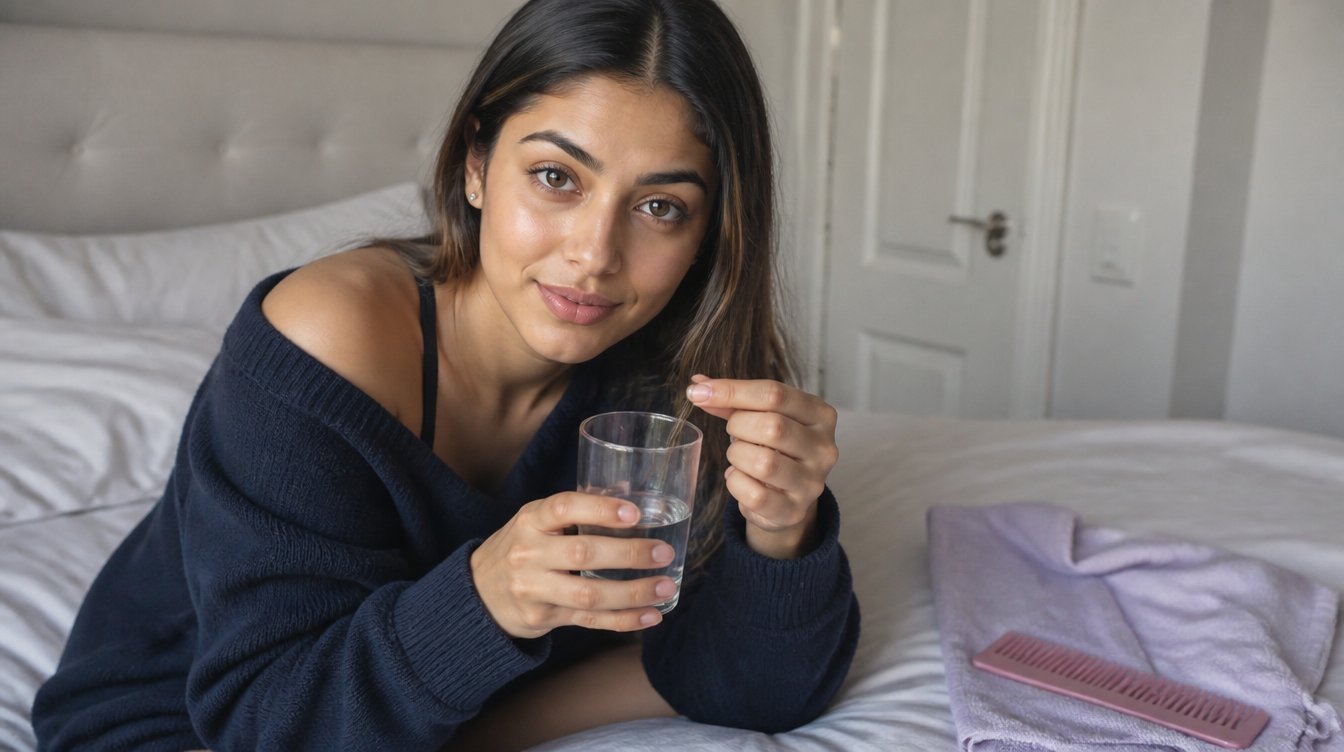
The float test is the most widely cited method for assessing hair porosity. Start by washing your hair with a clarifying shampoo to remove any product buildup, then allow a strand to dry completely. Product residue on the strand can interfere significantly with the result. Fill a clear glass with room-temperature water and drop the clean, dry strand inside. Watch what happens over the next two to four minutes. If the strand floats near the surface, the tightly closed cuticle is trapping air inside the shaft, indicating low porosity. If the strand sinks slowly and settles somewhere in the middle of the glass, the cuticle allows a moderate rate of water absorption, pointing to medium porosity. If the strand sinks quickly to the bottom, the open cuticle allows rapid water intake, confirming high porosity. Use strands from different areas of your head, as porosity can vary between the crown, nape, and ends due to differing histories of manipulation and exposure.
The Slip and Slide Test
The slip and slide test requires no tools and gives immediate tactile feedback about your cuticle condition. Take a single strand of clean, dry hair between your thumb and index finger. Starting at the tip, slide your fingers slowly toward the root. Pay close attention to the texture you feel against your fingertips. Low porosity hair feels smooth along the entire length because the flat cuticle scales create minimal friction. Medium porosity hair feels slightly textured, especially toward the mid-shaft and ends, reflecting mildly raised cuticle scales. High porosity hair feels distinctly rough or bumpy, almost like running your fingers against the grain of fine sandpaper, because the raised or broken cuticle edges create significant resistance. This test is particularly useful for identifying porosity at the ends of the hair, where cuticle damage tends to accumulate first due to age and repeated mechanical manipulation over the life of each strand.
The Spray Bottle Test
The spray bottle test assesses moisture absorption in a more natural context. Part your hair into a small section and use a fine-mist spray bottle to apply a light, even layer of water. Observe the surface of your hair for about thirty seconds. Low porosity hair will show visible water droplets sitting on the surface for an extended period before slowly absorbing. The water does not immediately disappear into the strand. Medium porosity hair absorbs the water gradually, with droplets disappearing within ten to twenty seconds without dramatic beading or prolonged surface sitting. High porosity hair appears to drink the water almost instantly, with no visible beading on the surface at all. For the most reliable result, perform this test on freshly washed, product-free hair. Oils, butters, and stylers can form a temporary barrier that mimics low porosity behavior even in hair that is genuinely highly porous underneath.
Caring for Low Porosity Hair
Low porosity hair requires patience and the right application techniques. The goal is to encourage the cuticle to open temporarily so that beneficial ingredients can reach the cortex, then allow the cuticle to close and seal that moisture safely inside.
Best Products and Ingredients for Low Porosity Hair
Low porosity hair performs best with lightweight, water-based products. Heavy butters, thick creams, and oils with large molecular structures sit on the cuticle surface and contribute to rapid buildup without providing genuine internal hydration. Reach for humectant-rich formulas containing glycerin, aloe vera, or honey. These ingredients draw water into the hair shaft from the surrounding environment without adding weight or blocking the cuticle. Lightweight oils with smaller molecular sizes, such as argan oil, grapeseed oil, and jojoba oil, penetrate the cuticle more effectively than heavier alternatives like castor oil or shea butter. For conditioners and masks, look for formulas that list water as the first ingredient and avoid dense emollients among the first five listed. Hydrolyzed silk or hydrolyzed keratin in moderate concentrations can help improve hair texture without causing the protein sensitivity and buildup that low porosity hair is particularly vulnerable to with heavy protein regimens.
Techniques to Improve Moisture Absorption
Heat is the most effective tool for temporarily lifting the cuticle of low porosity hair and allowing conditioners to penetrate the shaft. After applying a deep conditioner, cover your hair with a plastic processing cap and sit under a hooded dryer for fifteen to thirty minutes, or use a heated conditioning cap. The gentle, sustained heat causes the cuticle scales to expand slightly, creating the opening needed for conditioning agents to reach the cortex. If you do not have a hooded dryer, wrapping a warm, damp towel around the processing cap works as a practical substitute. Pre-washing with a light steaming session also prepares the hair to absorb moisture more efficiently. Washing with lukewarm water rather than cold water keeps the cuticle in a slightly more receptive state during the conditioning process. Applying products to damp rather than soaking wet hair ensures that conditioning ingredients are not immediately diluted before they have a chance to absorb into the strand.
Common Mistakes to Avoid with Low Porosity Hair
The most damaging mistake for low porosity hair is protein overload. Because the closed cuticle prevents large protein molecules from entering the shaft easily, they accumulate on the surface and make the hair feel rigid and straw-like over time. Limit protein treatments to once every four to six weeks and always follow them with a thorough moisture-focused conditioning session. Another common error is using heavy butters and oils as daily moisturizers. These create a film that prevents subsequent moisture from entering and makes product buildup considerably worse. Skipping the clarifying step compounds this issue. Low porosity hair needs a clarifying shampoo every two to three weeks to dissolve the mineral deposits and product residue that block the cuticle and prevent effective hydration. Applying heat that exceeds what is necessary for cuticle opening is also counterproductive. Very high styling temperatures used frequently can gradually damage the cuticle structure you are working to protect and open gently.
Caring for Medium Porosity Hair
Medium porosity hair is the most forgiving hair type, but it still benefits from a consistent, balanced routine. The focus is on maintaining the natural equilibrium between protein and moisture while protecting the cuticle from the damage that would shift it toward higher porosity over time.
Maintaining the Protein and Moisture Balance
Medium porosity hair processes both moisture and protein effectively, which means it responds well to alternating treatments. Every two to three weeks, use a protein-based deep conditioner or a reconstructing mask to reinforce the cortex and keep the cuticle compact. Follow each protein session with a moisture-focused deep conditioner to prevent the hair from feeling stiff or dry afterward. The key is listening to your hair between treatments. If your strands feel stretchy or limp when wet, they need protein. If they feel brittle, rough, or snap easily when dry, they need moisture. Medium porosity hair rarely reaches the extremes that low or high porosity hair experiences, but neglecting the balance over several months can cause a gradual drift toward dryness or limpness. Consistent co-washing or lightweight conditioner washing between regular shampoo sessions maintains hydration levels without disrupting the cuticle unnecessarily between wash days.
Protective Styling and Heat Care
Because medium porosity hair holds styles well and processes treatments evenly, it is well suited for both heat styling and protective styles. However, this versatility can lead to complacency about maintenance. Consistent heat use without protection gradually raises cuticle scales and shifts hair toward higher porosity over time. Always apply a heat protectant product containing ingredients like cyclopentasiloxane or dimethicone before using any tool that applies direct heat. These ingredients form a temporary shield over the cuticle surface, reducing the temperature that reaches the shaft directly. When wearing protective styles such as braids, twists, or buns, ensure that the tension at the root is not excessive, as chronic traction can damage the follicle and alter the hair’s growth trajectory. Protective styles should be worn for no longer than six to eight weeks at a time to allow scalp access for regular cleansing and moisturizing.
Long-Term Maintenance Strategies
The long-term goal for medium porosity hair is preservation of its current state. Minimizing chemical processing is the single most effective long-term strategy. If you color your hair, consider semi-permanent or demi-permanent options that do not require high-volume peroxide-based developers. These deposit color without significantly lifting the cuticle, making them far less damaging than permanent dyes over repeated applications. Trimming the hair every eight to twelve weeks removes split ends before they travel up the shaft and create larger areas of cuticle damage. Sleeping on a satin or silk pillowcase reduces the friction-related cuticle wear that occurs with cotton fabric during movement in sleep. Silk bonnets and satin-lined hoods serve the same purpose for longer styles. Maintaining a diet rich in biotin, zinc, and omega-3 fatty acids supports hair from the inside, reinforcing keratin structure at the growth stage before the hair even emerges from the scalp, setting the foundation for healthier new lengths over time.
Caring for High Porosity Hair
High porosity hair demands the most intensive care approach. The strategy must address three simultaneous goals: delivering deep, lasting hydration to the cortex, sealing moisture inside the strand, and minimizing ongoing damage to the already compromised cuticle with every product and technique choice.
Deep Conditioning and Protein Treatments
Deep conditioning should be a weekly commitment for high porosity hair rather than an occasional treatment. Choose products formulated with penetrating humectants and conditioning agents such as panthenol, cetyl alcohol, hydrolyzed wheat protein, and ceramides. Ceramides are particularly valuable because they help fill the gaps between cuticle scales, partially restoring the barrier function of a damaged cuticle. Research published in the journal Cosmetics confirms that ceramide application reduces moisture loss in high porosity strands by improving lipid cohesion at the cuticle surface. Protein treatments are equally important for high porosity hair, especially for chemically processed strands. Hydrolyzed proteins in deep conditioners temporarily bind to the gaps in the cuticle, smoothing the surface and reducing the rate of moisture escape. Balance protein treatments with moisture treatments in roughly a one-to-one ratio, since high porosity hair can become protein-sensitive if protein sessions are not alternated with sufficient moisture recovery sessions.
Sealing in Moisture with the LOC and LCO Methods
High porosity hair requires a layering approach to lock moisture into the strand effectively. The LOC method (Liquid, Oil, Cream) and the LCO method (Liquid, Cream, Oil) are both widely used and well-regarded techniques for this purpose. In the LOC method, you first apply a liquid, typically water or an aloe vera-based spray, to add initial hydration directly to the cortex. You then apply an oil to slow moisture evaporation from the hair surface. Finally, a cream seals everything in place and adds weight to reduce frizz. The LCO method works similarly but applies the cream before the oil, allowing the oil to function as the outermost sealing layer. High porosity hair generally benefits most from the LOC method because the oil acts as an early and effective moisture barrier. Heavier oils such as castor oil, Jamaican black castor oil, and avocado oil are appropriate for high porosity hair because their denser molecular structures coat the cuticle more thoroughly than lightweight alternatives.
Reducing Damage and Ongoing Breakage
Minimizing mechanical stress is critical for high porosity hair because the weakened cuticle makes each strand far more vulnerable to breakage from everyday handling. Always detangle high porosity hair starting at the ends and working carefully toward the roots, using a wide-tooth comb or your fingers. Detangle only when the hair is saturated with a slippery conditioner to reduce friction between strands. Avoid tight hairstyles that place sustained tension on already fragile strands. Air drying is preferable whenever possible, as direct heat from blow dryers accelerates the moisture loss that high porosity hair already struggles with. If you must blow dry, use a diffuser attachment on the lowest heat setting and apply a heat protectant generously before beginning. Rinsing with cool water at the end of each wash session encourages the cuticle to contract slightly, temporarily closing the gaps that allow moisture to escape rapidly after washing and conditioning.
How Hair Porosity Changes Over Time
Porosity is not a fixed characteristic. It shifts in response to chemical treatments, heat exposure, environmental stressors, and the natural aging process. Recognizing these changes allows you to adjust your care routine before your hair shows visible signs of distress and damage accumulation.
Chemical Treatments and Color Processing
Bleaching is the most aggressive chemical process in terms of porosity change. The alkaline bleach formula forces the cuticle open while the oxidizing agent breaks down melanin molecules inside the cortex. Even a single bleaching session can shift hair from low or medium porosity to high porosity, particularly at the treated lengths. Permanent hair color with a developer of 20 volume or higher has a similar, though less extreme, effect on cuticle integrity. Relaxers and texturizers permanently break disulfide bonds in the cortex and significantly compromise cuticle structure throughout the treated lengths. Each subsequent chemical treatment compounds the damage, pushing porosity progressively higher with every application. If you use any of these processes, schedule a professional deep conditioning or bond-repair treatment immediately after each session. Bond-building products containing bis-aminopropyl diglycol dimaleate or similar chemistry can help partially restore intracortical bonds lost during processing, improving tensile strength and reducing post-treatment porosity elevation.
Heat Damage and Environmental Factors
Repeated high-heat styling is one of the most common causes of porosity elevation that goes unnoticed until significant damage has accumulated. Each pass of a flat iron above 230 degrees Celsius disrupts the hydrogen bonds within the cortex and causes micro-fractures in the cuticle surface. Over time, these fractures accumulate into structural irregularities that permanently raise effective porosity. UV radiation from prolonged sun exposure causes similar surface weathering. Studies using scanning electron microscopy have documented visible cuticle erosion in hair samples from individuals with sustained high outdoor sun exposure without protective coverage. Swimming in chlorinated pools and salt water both raise porosity as well: chlorine oxidizes the cuticle lipid layer, and salt water physically abrades the cuticle surface with repeated exposure. Wearing a swim cap or applying a protective oil barrier before water exposure provides meaningful protection. Hard water, defined as water containing high concentrations of calcium and magnesium ions, deposits mineral scale on the cuticle surface that roughens it and creates a false high porosity presentation even in otherwise healthy hair.
Restoring Damaged Hair Porosity
Once the cuticle is significantly damaged, it cannot be fully restored to its original state. However, targeted treatments can meaningfully reduce porosity elevation and improve the hair’s functional behavior on a daily basis. Apple cider vinegar rinses at a dilution of one part vinegar to three parts water temporarily lower the pH of the hair surface, encouraging cuticle scales to contract and improving surface smoothness. Regular use can visibly improve shine and reduce tangling in high porosity strands. Acidic leave-in products using citric acid or lactic acid achieve the same effect with longer-lasting results. Bond-repair treatments, available as in-salon services or at-home products, address cortex-level damage rather than just surface conditioning. For severely damaged hair where porosity has shifted dramatically, a strategic trim schedule to progressively remove the most compromised lengths is often the most practical long-term solution. Prioritizing growth health by reducing scalp stress and maintaining nutritional support allows new hair to emerge with healthier cuticle structure from the root forward.
Building a Complete Hair Care Routine Based on Porosity
The most effective hair care routine is built around porosity first, then refined by texture, curl pattern, and personal preference. A porosity-matched routine reduces product waste, improves visible results, and gives your hair the specific inputs it needs at every step of the process.
Daily and Weekly Routines for Each Porosity Type
Low porosity hair benefits from co-washing or gentle sulfate-free cleansing two to three times per week, followed by a lightweight leave-in conditioner applied to damp hair. A heat-assisted deep conditioning session once per week delivers meaningful cortex hydration without product buildup. Medium porosity hair thrives with a twice-weekly wash routine using a moisturizing shampoo, a rinse-out conditioner after every wash, and a deep conditioning mask applied once every one to two weeks. High porosity hair needs washing twice a week at most, since over-washing strips the natural oils that the compromised cuticle struggles to retain between sessions. Every wash day for high porosity hair should be followed by a deep conditioner left on for a minimum of twenty minutes and a rich leave-in conditioner applied before sealing with an oil or butter. Daily refreshes using a water-based spritz followed by a lightweight oil seal help high porosity hair maintain hydration between wash days without the need for full wash sessions.
Choosing the Right Ingredients by Porosity
Low porosity hair works best with humectants, lightweight oils, and minimal protein. Look for glycerin, aloe vera, panthenol, argan oil, and grapeseed oil. Avoid shea butter used as a leave-in, coconut oil applied without heat, and heavy protein treatments used frequently. Medium porosity hair is highly adaptable. Rotate between protein-enriched conditioners containing hydrolyzed keratin or silk and moisture-forward formulas with hyaluronic acid and cetyl alcohol. Avoid products with excessive film-forming polymers that may accumulate over time and create a dull, coated appearance. High porosity hair benefits from ceramides, fatty alcohols such as cetyl and stearyl alcohol, heavier humectants like honey and panthenol, and richer oils including castor, avocado, and olive oil. Protein is beneficial in moderate amounts for high porosity hair. Hydrolyzed wheat protein, rice protein, and silk protein all help temporarily fill cuticle gaps and reduce moisture escape. Avoid daily use of very light oils that evaporate quickly and provide insufficient sealing for an open, highly porous cuticle structure.
Tracking and Adjusting Your Hair Care Progress
Hair responds to product and routine changes over four to eight weeks, so allow enough time before concluding whether a change is working or failing. Keep a simple hair journal or take weekly photos under consistent lighting to compare shine, texture, breakage rate, and dryness levels over time. If your hair feels progressively stiffer and less elastic after incorporating a new product, protein overload is the likely cause. Discontinue the protein-heavy product and switch to a moisturizing deep conditioner for two to three consecutive sessions before reassessing. If your hair feels perpetually limp, greasy, or heavy despite regular washing, product buildup from heavy emollients is the likely culprit. Introduce a clarifying shampoo session and shift toward lighter formulas moving forward. Your porosity level can shift due to lifestyle and treatment choices, so re-test your porosity every three to six months if you have made significant changes to your chemical treatment schedule, heat styling frequency, or environmental exposure.
Frequently Asked Questions About Hair Porosity
Can hair porosity be permanently changed?
The porosity of hair that has already grown from your scalp cannot be permanently reversed because the cuticle cannot regenerate itself once damaged. However, targeted treatments such as bond-repair products, ceramide-enriched conditioners, and acidic rinses can meaningfully improve the functional behavior of high porosity hair by filling cuticle gaps temporarily and encouraging the cuticle surface to contract. New hair growing from the follicle emerges with the porosity level that reflects your current health, genetics, and lifestyle habits. If you reduce heat use, avoid aggressive chemical treatments, and support your body with adequate nutrition and hydration, new growth tends to have better cuticle integrity than previously damaged lengths, gradually improving the overall porosity profile of your hair as older, compromised lengths are trimmed away.
Does hair porosity differ across different sections of the head?
Yes, porosity can vary significantly across different sections of your hair. The ends are almost always more porous than the roots because they are older and have accumulated more manipulation, heat styling, and environmental stress over their lifespan. The nape area often has finer, more delicate strands that may behave differently from the crown. Color-treated sections are more porous than uncolored regrowth on the same head. Because of this natural variation, many people benefit from applying products differently to different sections. Applying a richer deep conditioner primarily to the mid-lengths and ends while using a lighter formula near the scalp and new growth targets care precisely where it is most needed and prevents product overload at the roots.
Is hair porosity related to hair texture or curl pattern?
Porosity and texture are related but distinct characteristics. Hair texture refers to the diameter of each strand, and curl pattern refers to the shape of the hair follicle and the geometry of the emerging strand. Research shows that tighter curl patterns, particularly type 4 coils, tend to have more naturally raised cuticle edges due to the helical and elliptical cross-section of the strand, which can make them more susceptible to moisture loss. However, a person with type 4 hair can have low, medium, or high porosity depending on their individual genetics and hair care history. Straight hair can also be highly porous if it has been chemically or thermally damaged over time. Testing your porosity independently rather than assuming it based on texture or curl type gives you more accurate and directly actionable information for building your routine.
Can diet and nutrition affect hair porosity?
Diet does not directly alter the porosity of hair that has already grown, but it significantly affects the structural quality of new hair as it emerges from the follicle. The hair shaft is built primarily from keratin protein, so adequate dietary protein intake, at a minimum of 0.8 grams per kilogram of body weight daily, supports strong, dense cuticle formation at the root. Biotin, found in eggs, nuts, and leafy greens, supports the keratin synthesis process. Zinc deficiency has been linked to increased hair fragility and structural abnormalities in the cuticle that translate to higher porosity in new growth. Omega-3 fatty acids from oily fish, flaxseeds, and walnuts support the scalp’s sebum production, which contributes to the natural lipid coating that helps keep the cuticle supple and resistant to external damage over the life of the strand.
How do I know if my hair care routine is working for my porosity type?
The most reliable indicators that your routine is porosity-matched are visual and tactile over a consistent period of time. Well-moisturized low porosity hair feels soft, lightweight, and product-free between wash days without appearing dull or coated. Properly cared-for medium porosity hair maintains a natural sheen, detangles with minimal effort, and holds styles consistently throughout the day. High porosity hair that is being managed correctly feels softer and more supple than before, shows reduced frizz in humid conditions, and breaks less frequently during combing and styling. Moisture duration is another reliable signal. A routine that matches your porosity should keep your hair feeling hydrated for at least one to two days after washing. If moisture disappears within hours of washing and styling, your sealing strategy needs adjustment regardless of your porosity level, and revisiting your product choices is the first practical step.
A Smarter, Lasting Approach to Hair Health
Hair porosity is not a trend or a passing wellness concern. It is a fundamental characteristic of every strand on your head, and it shapes the outcome of every product you apply and every technique you use. Low porosity hair demands lightweight products, heat-assisted absorption, and protein restraint. Medium porosity hair rewards a balanced, consistent routine with relatively predictable results. High porosity hair requires intensive moisture delivery, strategic sealing, and a gentle approach to every manipulation and heat exposure. Understanding where your hair falls on this spectrum removes the guesswork that leads to wasted money, frustrating results, and unnecessary damage accumulation.
The next steps are practical and immediate. Test your porosity this week using two of the three methods described in this guide. Audit your current products against the ingredient guidance provided for your porosity type. Identify and remove one product that is working against your hair’s needs, whether that is a heavy butter causing buildup on low porosity hair or a lightweight product failing to seal moisture on high porosity strands. Commit to one consistent, porosity-matched deep conditioning routine for four full weeks and track the difference in texture, breakage, and moisture retention. Hair health is cumulative. The small, consistent, science-informed choices you make in response to your hair’s actual biology are what build the lustrous, resilient, genuinely healthy hair you have been working toward.
RELATED ARTICLES:
MOB WIFE HAIR: HOW TO GET THE VOLUMINOUS, LIVED-IN LOOK EVERYONE’S OBSESSING OVER
Glass Hair in 2026: The Products and Techniques for a Frizz-Free, Mirror-Like Finish That Lasts
5 Hair Mistakes While Sleeping
Trim Split Ends Regularly for Healthier, Stronger Hair: The Exact Schedule That Works
Hair Care for the Outdoor Enthusiast: Field-Tested Tips to Protect, Style, and Recover Anywhere
About The Author

COMMENTS