



Baby oil is the cheap, multitasking beauty product that can replace a shelf full of expensive serums, cleansing oils, and moisturisers. This gentle mi
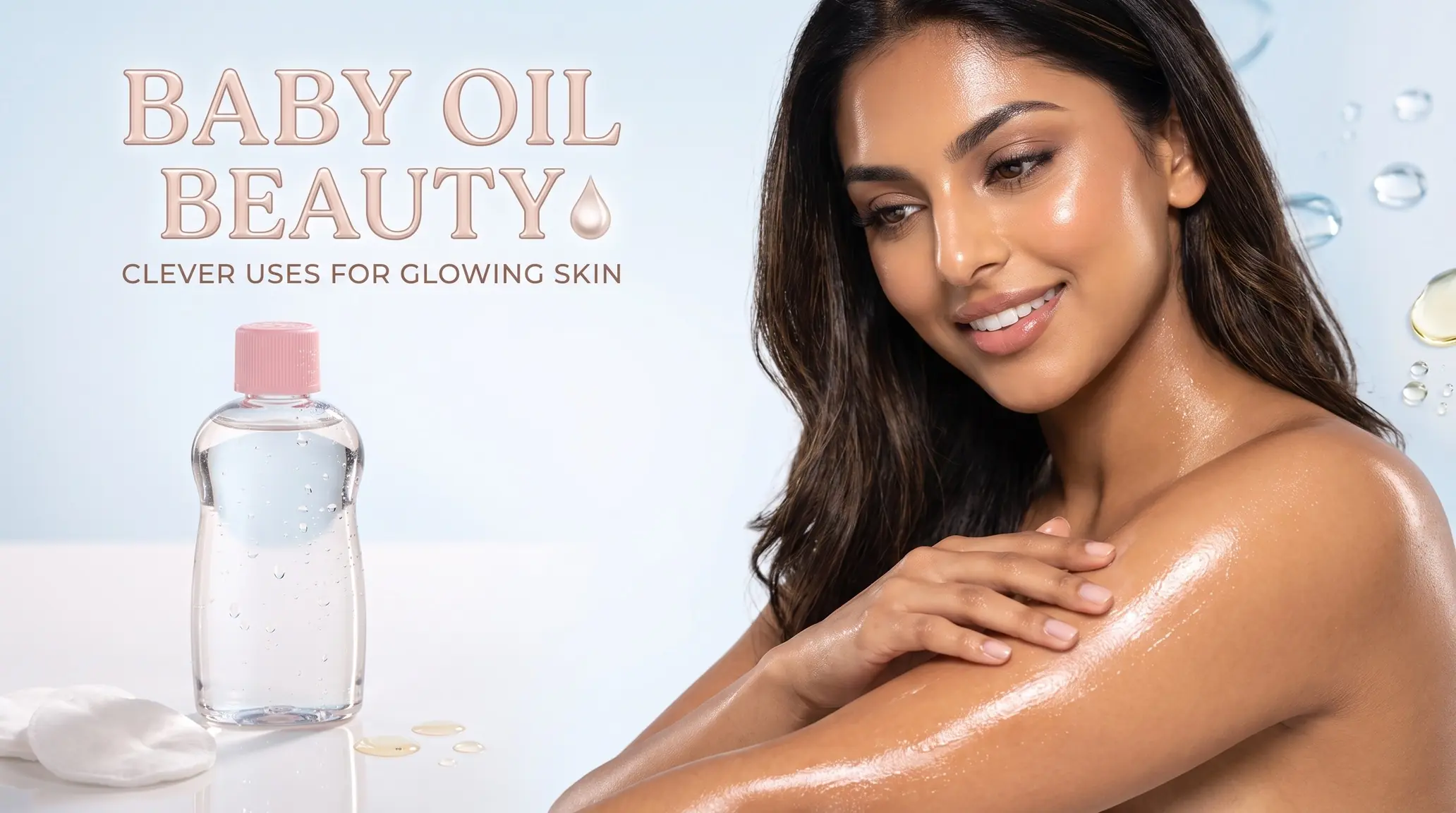
Baby oil is the cheap, multitasking beauty product that can replace a shelf full of expensive serums, cleansing oils, and moisturisers. This gentle mineral oil locks in moisture, removes makeup, softens skin, and adds shine for a fraction of the price, and this guide shows you the best baby oil beauty uses.
Expensive beauty products line every store aisle: serums at $80, cleansing oils at $45, body moisturisers starting at $30 and climbing fast. Yet sitting quietly on the baby products shelf is something that does the same job, sometimes better, for a fraction of the cost. The baby oil beauty routine is not new, but it remains one of the most underestimated strategies in modern skincare, since so many pricey products rely on mineral oil, the very compound found in a $3 bottle of baby oil.
Baby oil is a lightweight, highly refined mineral oil that has been used on the most delicate skin imaginable for decades. That track record is not an accident. Mineral oil is an effective emollient and occlusive agent. It locks in moisture, dissolves oil-based substances, and creates a protective barrier that keeps skin soft and resilient.
This guide covers every practical way to use baby oil across your entire beauty routine. You will learn how to use it on your body, face, hair, nails, and lips. You will also discover DIY recipes, application techniques, and honest guidance on who should and should not use it in specific ways.
What Is Baby Oil and Why Does It Work So Well?
Published · Updated
Mineral oil is one of the most effective occlusive agents available in cosmetic formulation. Its ability to slow water loss makes it especially valuable for dry, compromised, or eczema-prone skin. The oil itself does not add moisture directly to the skin. It prevents existing moisture from escaping. This distinction shapes how and when you apply baby oil for the best results.
How Baby Oil Compares to Other Oils
Natural oils such as coconut oil, argan oil, and jojoba oil have gained enormous popularity in recent years. Each has genuine benefits. However, they also come with trade-offs. Coconut oil is comedogenic and clogs pores for many skin types. Argan oil oxidises when exposed to air repeatedly. Jojoba oil is lightweight but expensive. Baby oil, by contrast, is shelf-stable, non-reactive, and almost universally tolerated by sensitive skin types.
Its occlusive properties are stronger than most plant-based oils, making it more effective for severe dryness. Plant oils contain fatty acids that can go rancid over time. Mineral oil does not carry that risk. For budget-conscious beauty routines, baby oil is also significantly cheaper per ounce than any premium botanical alternative, often costing ten to twenty times less for a comparable amount.
Why the Beauty Industry Overlooks It
Baby oil is cheap and widely available. That makes it unappealing to brands whose business model depends on premium pricing. Many high-end cleansing oils, body treatments, and overnight masks contain mineral oil as a primary ingredient, listed under the INCI name “paraffinum liquidum” on the label. Consumers pay dramatically more for the same active compound packaged in frosted glass with an elegant brand story. Understanding this gap gives you the power to make smarter purchasing decisions without sacrificing results.
Baby Oil as a Full-Body Moisturizer
How to Apply It for Maximum Hydration
Timing is everything when you use baby oil as a body moisturiser. Apply it immediately after a shower or bath, while your skin is still slightly damp. The damp surface provides the water that baby oil will then seal in. Pat your skin lightly with a towel, leaving some moisture on the surface, then smooth a thin layer of baby oil over your arms, legs, torso, and any dry areas. A little goes a long way. Too much will leave your skin feeling greasy rather than soft.
Focus extra attention on the driest zones: elbows, knees, heels, and shins. These areas lose moisture fastest and benefit most from a strong occlusive layer. Within a few days of consistent use, those rough patches soften noticeably. The improvement continues with regular application over weeks.
Baby Oil for Dry Skin Conditions
People who manage chronic dry skin conditions, including eczema, psoriasis, and ichthyosis, often find baby oil to be a reliable and affordable part of their daily regimen. Emollients with occlusive properties help with these conditions because the skin’s natural barrier function is impaired. Baby oil fills that gap without introducing fragrances, preservatives, or botanical extracts that can trigger reactions.
If you have eczema, apply baby oil after bathing and again during the day on flare-prone areas. Always patch-test first if your skin is actively inflamed. For most people, mineral oil in cosmetic-grade baby oil is unlikely to cause irritation, but individual skin responses vary. Start with a small area and observe for 48 hours before applying more broadly.
Seasonal Adjustments for Year-Round Use
Skin’s moisture needs change with the seasons. In winter, cold air and indoor heating strip moisture aggressively. Baby oil becomes an essential daily shield during these months, preventing the cracked, itchy skin that many women experience from October through March. In summer, you may find it too heavy for daytime use in humid climates. Consider using it only at night during warmer months, allowing your skin to absorb it fully while you sleep. This nighttime approach also eliminates any concern about a shiny appearance during the day.
Using Baby Oil to Remove Makeup Like a Pro
How Mineral Oil Dissolves Makeup
The chemistry of makeup removal is based on a straightforward principle: like dissolves like. Most makeup, especially waterproof formulas, is oil-based. Waterproof mascara, long-wear foundation, and transfer-proof lipstick are designed to resist water. This is exactly why water-based cleansers struggle to remove them. Baby oil, being an oil, dissolves these formulas effortlessly. It breaks down pigment bonds and lifts product from the skin surface without the physical scrubbing that accelerates skin aging over time.
This approach is far gentler than most commercial makeup wipes, which contain high concentrations of surfactants and require significant friction to work. Excessive rubbing around the eyes and on the face contributes to fine lines and broken capillaries over years. Baby oil requires almost no rubbing at all.
Step-by-Step Makeup Removal Routine
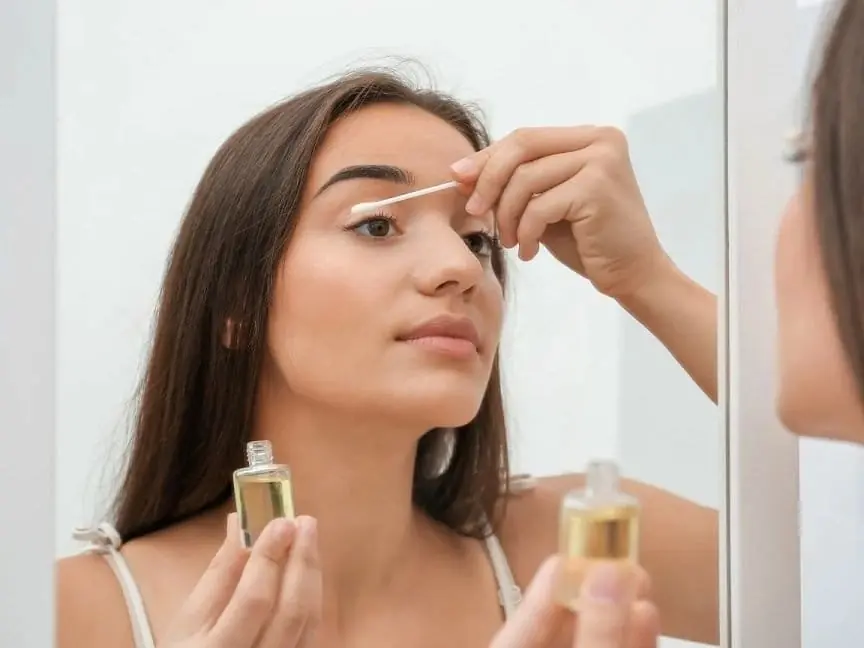
Start with dry hands and a dry face. Pour a small amount of baby oil into your palm, roughly the size of a dime. Gently press it onto your closed eyelids and hold it there for ten seconds. The oil immediately begins dissolving mascara, eyeshadow, and liner. Wipe away with a damp cotton pad using light, downward strokes. For the rest of your face, apply baby oil in gentle circular motions, then remove with a warm, damp cloth.
Follow with your regular water-based cleanser to remove any oil residue from the skin. This two-step method is often called the ‘double cleanse’, a cornerstone of Korean skincare praised by aestheticians for thorough pore cleansing. The first step removes makeup and sunscreen. The second step cleanses the skin itself. The result is noticeably cleaner skin than a single cleanser alone achieves.
Is Baby Oil Safe for the Eye Area?
The skin around the eyes is thinner than anywhere else on the face and the most prone to premature aging from tugging and rough product application. Baby oil is ophthalmologist-tested and considered safe to use around the eye area. If a small amount enters the eye, it causes temporary blurring but no lasting damage. Direct contact should still be minimised as a general precaution.
People who wear contact lenses should remove them before using baby oil for makeup removal and wait until the area is thoroughly cleansed before reinserting their lenses. The oil can coat contact lens surfaces and temporarily reduce clarity of vision if lenses are reinserted before cleansing is complete.
Baby Oil for Hair Care and Scalp Health
Pre-Shampoo Treatment for Deep Conditioning
A pre-shampoo oil treatment, commonly called a “pre-poo” in hair care circles, protects hair from the stripping effects of shampoo. Shampoo removes dirt and buildup effectively, but it also removes natural oils from the hair shaft. This leaves hair temporarily vulnerable, especially at the ends where breakage and split ends form. Applying baby oil before shampooing creates a protective coating that reduces protein loss during the wash cycle.
To use baby oil as a pre-poo treatment, warm a small amount between your palms and work it from mid-length to the ends of your hair. For very dry or damaged hair, apply it to the scalp as well. Cover your hair with a shower cap and leave it on for at least 30 minutes. Then shampoo and condition as usual. Hair will feel noticeably softer and more manageable after just one treatment. With weekly use, the cumulative benefits are significant.
Taming Frizz and Adding Shine
Frizz forms when the outer cuticle layer of the hair lifts and absorbs moisture from humid air. Baby oil smooths the cuticle layer and reduces this tendency. Apply a very small amount, roughly the size of the tip of your finger, to dry hair after styling. Work it through the mid-lengths and ends, avoiding the roots. Too much oil at the roots will make hair look greasy. Used sparingly, it adds a glossy finish and controls flyaways without weighing hair down.
This technique works especially well on coarse, curly, or chemically processed hair, which tends to have a rougher cuticle structure and benefits most from smoothing agents. Colour-treated hair loses moisture faster than untreated hair and responds particularly well to the sealing effect of baby oil applied after styling.
Scalp Massage and Dryness Relief
A dry scalp produces visible flaking that is often mistaken for dandruff. True dandruff has a fungal component and requires antifungal treatment. Simple scalp dryness, however, is extremely common and responds well to consistent moisturisation. Baby oil scalp massages relieve tightness, reduce visible flaking, and improve circulation to the hair follicles.
To perform a baby oil scalp massage, warm the oil slightly and apply it directly to the scalp using your fingertips. Massage in slow, circular motions for five to ten minutes. Leave it on for at least one hour before washing. Perform this treatment once a week for maintenance or twice a week during particularly dry winter periods.
Baby Oil for Nail and Cuticle Care
Why Cuticles Need Consistent Moisture
Cuticles serve a specific protective function: they seal the base of the nail to prevent bacteria and moisture from entering the nail matrix below. When cuticles dry out, they crack, peel, and sometimes become inflamed. Picking or cutting dry cuticles increases the risk of infection and can temporarily damage the nail plate. Consistent hydration is the simplest and most effective way to maintain healthy cuticles and prevent these problems from developing.
Baby oil is ideal for cuticle care because it penetrates the thin skin of the cuticle quickly and does not evaporate rapidly the way water-based lotions do. A single application of baby oil to the cuticles lasts for several hours, providing sustained moisture without the need for frequent reapplication throughout the day.
How to Create a DIY Nail Soak
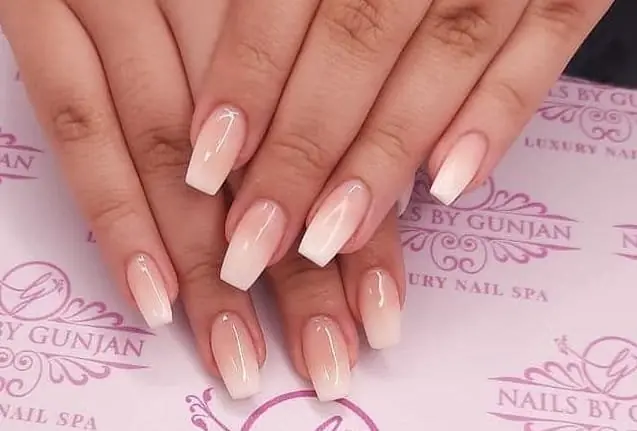
A five-minute nail soak with baby oil once a week transforms brittle nails over time. Pour enough baby oil to cover your fingertips into a small bowl. Warm it gently by placing the bowl in warm water for a few minutes. Soak your fingertips for five minutes, then massage the oil into the nail plate and cuticle area. No rinsing is necessary. The oil absorbs gradually and continues to condition the nail throughout the day.
For added benefit, mix a few drops of vitamin E oil into the baby oil before soaking. Vitamin E is a fat-soluble antioxidant that supports nail plate integrity and reduces brittleness caused by repeated water exposure and acetone-based nail polish removers. Together, these two oils create a simple but highly effective treatment for dry, damaged nails.
Baby Oil Before and After Manicures
Professional nail technicians often apply cuticle oil before pushing back or trimming cuticles because softened tissue is easier to work with and less prone to tearing. You can replicate this at home using baby oil. Apply it to your cuticles approximately ten minutes before beginning your manicure. The cuticles will be noticeably more pliable and easier to manage, reducing the risk of accidental nicks or discomfort.
After your manicure, once your polish is fully dry, apply a single drop of baby oil to each nail. This adds a glossy, freshly done finish and keeps the surrounding skin soft. It also extends the life of your manicure by keeping the nail plate flexible and less likely to chip from rigidity caused by dryness.
Baby Oil for Face Care and Anti-Aging
Using Baby Oil Around the Eyes
The under-eye area and the outer corners of the eyes are the first places fine lines appear on the face. This happens because the skin here is extremely thin and loses moisture rapidly, especially overnight. Baby oil applied to this area before bed acts as an occlusive overnight treatment. It does not eliminate existing wrinkles, but it visibly reduces the appearance of fine, dehydration-related lines by keeping the skin plumped with retained moisture throughout the night.
Apply the smallest possible amount of baby oil to your ring finger and tap it gently around the orbital bone. The ring finger naturally exerts the least pressure of any finger, which protects the fragile tissue from unnecessary mechanical stress. Use this as the final step in your nighttime skincare routine, applied after all serums and moisturisers have been fully absorbed.
Baby Oil as a Facial Massage Oil
Facial massage improves lymphatic drainage, reduces morning puffiness, and promotes circulation for a healthy, lit-from-within glow. Facialists around the world use massage as a core technique in professional treatments. Baby oil provides the slip and lubrication needed for effective facial massage without creating drag on the skin. Apply a few drops to clean skin and use upward, lifting strokes along the jawline, cheekbones, and forehead. A five-minute facial massage three to four times per week makes a visible difference in skin tone and firmness over weeks and months.
The cost difference between baby oil and commercial facial massage oils is dramatic. A single bottle of baby oil costs less than most facial massage oils cost per single session, yet the mechanical benefit of the massage itself is entirely identical.
Who Should Avoid Baby Oil on the Face
Baby oil is not right for every skin type when used as a leave-on facial product. People with acne-prone or oily skin should avoid applying it to the face as a moisturiser or treatment. While mineral oil itself rates low on the comedogenicity scale, the strong occlusive barrier it creates can trap sebum and bacteria on skin that already produces excess oil, potentially worsening congestion and breakouts. Using it strictly as a makeup remover that is washed off immediately is generally safe even for oily skin types.
If you are uncertain how your skin will respond, patch-test the oil on a small area of your jaw or neck for three consecutive days before applying it more broadly to the face.
Baby Oil in Your Bath and Body Ritual
Bath Oil Benefits
Adding two to three tablespoons of baby oil to a warm bath transforms a routine soak into a full moisturising treatment. As you bathe, the oil disperses through the water and coats your skin continuously. When you step out, a fine layer remains on the surface, sealing in the moisture your skin absorbed during the bath. This method is especially effective for people with extremely dry skin who find that topical moisturisers alone do not provide enough relief.
Use warm water rather than hot. Hot water strips the skin’s natural oils more aggressively, counteracting the benefit of the bath oil. Pat dry gently after bathing rather than rubbing vigorously, which removes the thin oil film you want to keep intact on the skin surface.
Baby Oil as a Shaving Aid
Commercial shaving creams and gels often contain alcohols, foaming agents, and synthetic fragrances that irritate sensitive skin. Baby oil is a simple, effective alternative that provides the glide a razor needs to cut cleanly without catching or dragging. Apply a thin layer of baby oil to damp skin before shaving. The razor glides smoothly, and the oil conditions your skin simultaneously.
Your legs, underarms, and bikini area benefit most from this method. For the bikini area in particular, baby oil reduces the friction and post-shave irritation that cause ingrown hairs. After shaving with baby oil, no additional moisturiser is needed because the oil already performs that function. Rinse with lukewarm water and pat dry to remove any residue.
Baby Oil for Stretch Marks and Body Scars
Stretch marks form when skin stretches faster than its collagen fibres can adapt to the change. They are not entirely preventable, but consistent moisturisation keeps skin supple and less prone to tearing. Applying baby oil regularly to stretch mark-prone areas during pregnancy, periods of rapid growth, or significant weight change reduces the severity of new marks forming. Massage the oil in circular motions over the abdomen, hips, thighs, and breasts during these times.
For existing stretch marks and body scars, baby oil will not eliminate them. However, regular massage with the oil improves their texture and colour over time by increasing local circulation and keeping the tissue pliable. Consistent application over three to six months shows measurable softening of scar tissue in many cases.
DIY Beauty Recipes Using Baby Oil
Homemade Sugar Scrub
A sugar scrub exfoliates dead skin cells and leaves skin smooth and glowing. Baby oil makes an excellent base for a homemade scrub because it binds the sugar granules together while conditioning the skin during the exfoliation process itself. To make a basic scrub, combine half a cup of white granulated sugar with three tablespoons of baby oil and stir until it reaches a uniform paste. For a pleasant fragrance, add three drops of lavender or rose essential oil. Store the mixture in a sealed glass jar and use it within two weeks.
Apply the scrub to damp skin in circular motions, focusing on rough areas like elbows, knees, and heels. Rinse thoroughly with warm water. Your skin will feel immediately softer. Use this scrub no more than twice a week to avoid over-exfoliation, which can strip the skin barrier and cause sensitivity.
DIY Lip Treatment
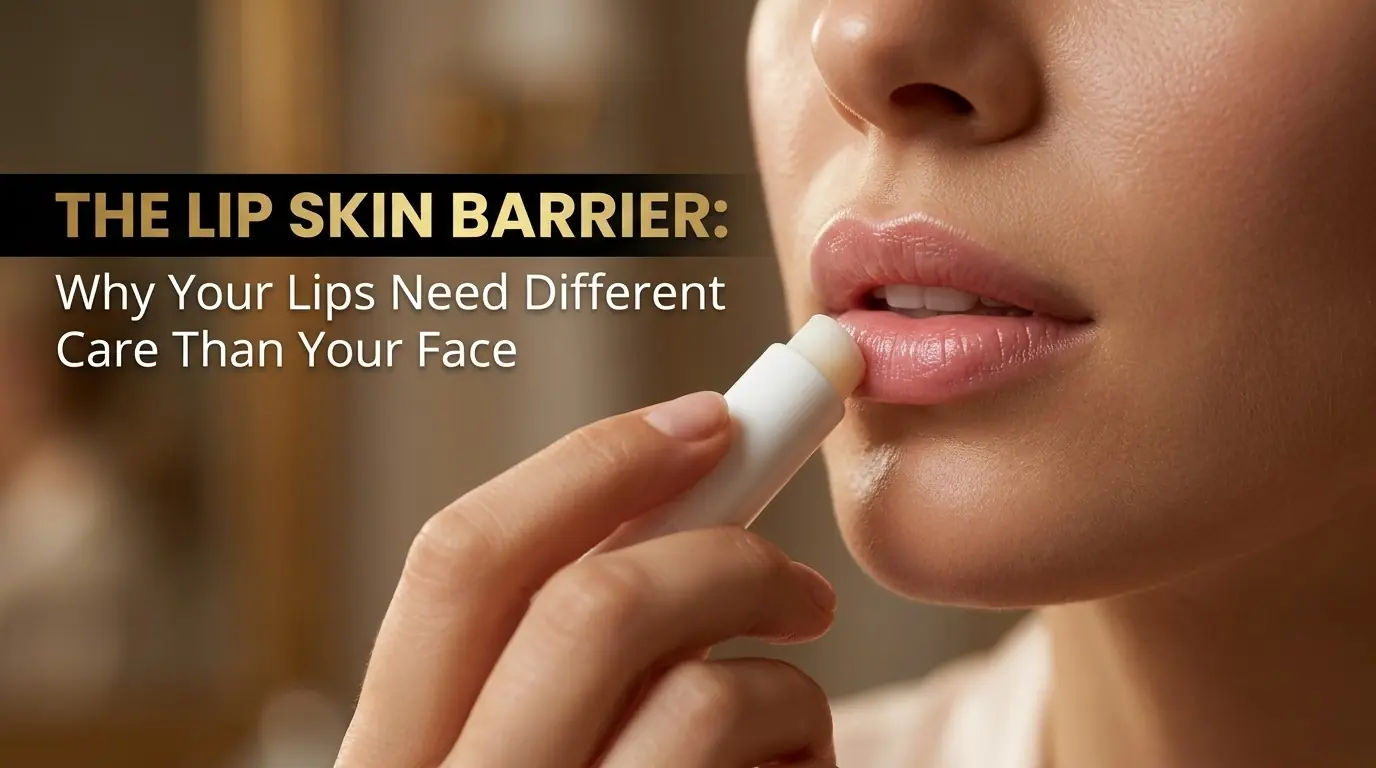
Dry, chapped lips respond beautifully to baby oil used alone or in a simple homemade treatment. A quick DIY lip scrub combines one teaspoon of baby oil with half a teaspoon of honey and a pinch of brown sugar. Mix the ingredients together and apply the paste to your lips. Leave it on for two minutes, then gently rub in small circular motions to lift dead skin cells. Rinse or wipe away and follow with a coat of plain baby oil for lasting softness.
Baby oil alone also works as an effective, safe lip gloss. Apply a single drop to your lips for a shiny, hydrated look at virtually no cost. It is safe to ingest in small quantities and is free of synthetic fragrances that commonly cause lip sensitivities and allergic contact cheilitis in susceptible individuals.
Overnight Foot Treatment
Cracked heels are among the most stubborn dry skin problems because the skin there is thicker than anywhere else on the body and lacks sebaceous glands to self-lubricate. Consistent moisture and gentle exfoliation are the only reliable solutions. An overnight baby oil foot treatment accelerates the healing process significantly compared to daytime moisturiser use alone.
After your evening shower, apply a generous amount of baby oil to your clean, damp feet. Massage it into the heels, the soles, and the tops of your feet. Then put on a pair of clean cotton socks and go to sleep. The socks create an occlusive environment that keeps the oil pressed against the skin all night, dramatically increasing moisture absorption in the thick heel tissue. With regular use three to four nights per week, cracked heels smooth out within two to three weeks. For deeply cracked heels, use a pumice stone during your shower first to remove the outermost layer of hardened skin before applying the oil.
Frequently Asked Questions
Can I use baby oil on my face every day?
Daily use of baby oil on the face works well for some skin types and poorly for others. People with dry, normal, or mature skin can use it as a nightly eye area treatment or facial massage oil without problems. People with oily or acne-prone skin should limit its use to makeup removal only, washing the oil off completely afterward with a water-based cleanser. If you have combination skin, you can apply baby oil to dry zones such as the cheeks and jawline while avoiding the T-zone entirely. Start with two to three times per week and assess your skin’s response before increasing frequency.
Is baby oil the same as mineral oil?
Baby oil is essentially mineral oil with a small amount of fragrance added. Most baby oil formulations are 98 to 100 percent mineral oil by composition. Fragrance-free versions are widely available and preferred for people with sensitive skin or fragrance allergies. If a skincare guide or recipe calls for mineral oil, fragrance-free baby oil is an appropriate substitute in most contexts. The two products are functionally identical in their moisturising and occlusive properties, and the price difference between them is usually minimal.
Does baby oil clog pores?
Cosmetic-grade mineral oil is considered non-comedogenic or very low on the comedogenicity scale in published dermatological literature. The widespread belief that mineral oil clogs pores originated from studies that used industrial-grade mineral oil, not the highly refined cosmetic-grade version found in baby oil. However, individual skin responses vary considerably. If you apply baby oil to your face and notice increased breakouts or congestion within one to two weeks, discontinue its use on that area. The occlusive effect that makes baby oil so effective for dry skin can also trap excess sebum on skin that already produces oil in abundance, creating conditions where congestion can worsen.
Can I use baby oil in my hair every day?
Daily use of baby oil in hair is not recommended for most people. It is an occlusive oil that coats the hair shaft effectively, but frequent application leads to buildup that weighs hair down and dulls its natural texture over time. Use it once or twice a week as a pre-shampoo treatment, or apply it in very small amounts to dry hair to smooth frizz and add shine between washes. Thorough shampooing between applications prevents buildup from accumulating on the scalp, which can interfere with healthy follicle function and make hair appear limp and flat.
How long does baby oil last once opened?
Baby oil has an exceptionally long shelf life compared to most beauty products. Mineral oil is one of the most chemically stable cosmetic ingredients available. It does not oxidise when exposed to air the way plant-based oils do. An opened bottle of baby oil typically remains effective for two to three years when stored in a cool, dark location away from direct sunlight. Check the bottle for a PAO (period after opening) symbol, which indicates the manufacturer’s recommended use-by period after the seal is broken. If the oil ever develops an unusual odour, discard it immediately, though this outcome is genuinely rare with mineral oil-based products.
Wrapping Up: Make Baby Oil Part of Your Routine
Baby oil earns its place in a smart beauty routine through consistent performance across an impressive range of applications. It moisturises the body after bathing, removes even waterproof makeup with minimal friction, conditions and protects hair before shampooing, softens cuticles and strengthens nails, smooths fine lines around the eyes, and transforms dry, cracked skin with overnight treatments. Every one of these results costs a fraction of what specialist products charge for the same outcomes.
The key is knowing how and when to use it. Apply it to damp skin for maximum moisture retention. Use it sparingly on hair to avoid buildup. Keep it away from acne-prone areas of the face unless you are using it as a rinse-off cleanser. Start with one or two uses from this guide, observe how your skin responds, and add more applications gradually as your confidence grows.
Your next steps are simple. Pick up a bottle of fragrance-free baby oil, try the post-shower body application method for one week, and judge the results yourself. From there, experiment with the overnight foot treatment, the pre-shampoo hair conditioning routine, and the DIY sugar scrub. The results will speak for themselves, and your beauty budget will thank you for making the switch.
RELATED ARTICLES:
Say Goodbye to Summer Breakouts with These Skin-Friendly Foods
Say Goodbye to Wrinkles and Acne Scars with Safe Microneedling at Home
Spot Treatments: Goodbye to That Horrible Pimple!
About The Author

COMMENTS