Arabic doll eye makeup turns the eyes into the undeniable focal point of the face, sculpting them into wide, lifted, almond-meets-round shapes that fe
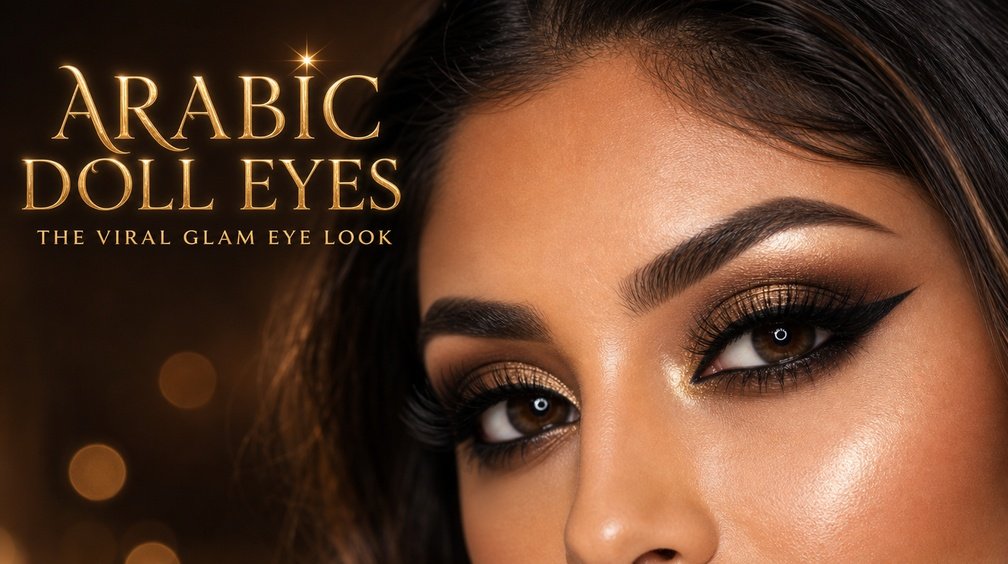
Arabic doll eye makeup turns the eyes into the undeniable focal point of the face, sculpting them into wide, lifted, almond-meets-round shapes that feel both ethereal and glamorous. Rooted in centuries of Middle Eastern tradition, where kohl lined the eyes of queens and brides, it has been reborn through cut creases, cloud liner, and feathered lash clusters. This guide shows you how to recreate the look step by step.
Unlike the clean, minimalist eye trends that came before it, Arabic doll eye makeup invites you to lean into drama with intention. Every element, from the lifted wing to the diffused lower lash halo, is engineered to widen the eye shape, elongate the lash line, and create the illusion of a bigger, brighter, more awake gaze. Whether you are preparing for a wedding, a festive gathering, a date night, or simply a creative weekend at your vanity, mastering this look gives you a versatile skill that translates beautifully across skin tones, eye shapes, and occasions.
This comprehensive guide walks you through every step with the kind of detail you would expect from a professional makeup artist, paired with dermatologist-informed prep advice, ophthalmologist-safe application tips, and pigment science that explains exactly why each product does what it does. By the end, you will not just know how to recreate the look, you will understand the reasoning behind it.
Understanding the Origins and Signature Features of the Arabic Doll Eye
Reviewed by the BeautynFacts editorial team. Last updated: May 2026.
The Arabic doll eye is a modern interpretation of a beauty heritage that stretches back thousands of years. Ancient Egyptians, Mesopotamians, and Bedouins used ground kohl, known locally as kajal or ithmid, around the eyes for both aesthetic and protective purposes, believing the mineral paste shielded the eyes from sun glare and infection. Across generations, this tradition evolved into the rich, layered eye artistry associated with Khaleeji bridal makeup, where eyes are sculpted with precision contouring, smoky halos, and luminous metallic washes.
The contemporary doll eye iteration takes that richness and marries it with Western techniques such as the cut crease, the reverse cat eye, and the siren lash effect popularized by global beauty creators. The result is a look that feels globally fluent yet deeply rooted in its cultural origins. Signature features include a sharply defined upper lash line, a lifted outer wing, a lower waterline darkened with black or deep brown kohl, and lashes that fan outward in a way that emphasizes the roundness of the iris.
What sets the doll eye apart from a traditional smoky eye is its focus on lifting the eye rather than sinking it. Every shadow placement, every liner angle, and every lash cluster is strategically chosen to pull the eye upward and outward, countering gravity and creating a doe-like openness. Understanding this guiding principle will help you adapt the technique to your own anatomy rather than blindly copying a tutorial.
Why This Look Works on Every Eye Shape
One of the most underrated strengths of the Arabic doll eye is its adaptability. Hooded eyes benefit from the floating crease placement, which creates visible shadow dimension even when the lid is partially covered. Almond eyes gain extra roundness from the centered highlight and lower lash halo. Monolid eyes look spectacularly balanced when the cut crease is placed slightly above the natural socket line. Downturned eyes are visually lifted by the sharply angled wing, while upturned eyes look softened and balanced by the rounded lower shadow.
The Philosophy of Bigger, Brighter, Lifted
Every decision in this look serves three goals: enlargement, illumination, and elevation. Enlargement comes from extending shadow beyond the natural eye perimeter. Illumination comes from strategically placing highlight at the inner corner, center of the lid, and brow bone. Elevation comes from angling every line, from liner to lash to lower lash extension, upward toward the temple rather than downward toward the cheek.
Prepping the Skin and Eye Area for Flawless Longevity
No amount of talent can save eye makeup applied to dehydrated, oily, or poorly primed skin. Board-certified dermatologists consistently emphasize that the thin skin of the eyelid, which measures roughly 0.5 millimeters compared to the 2 millimeter thickness of facial skin elsewhere, behaves completely differently when it comes to product adhesion, creasing, and fallout. Proper prep is therefore not optional, it is the foundation that allows every subsequent step to perform as intended.
Start by cleansing with a gentle, non-stripping formula. Look for cleansers with ingredients like glycerin, ceramides, or panthenol that preserve the skin barrier while removing the residue of the day. Avoid harsh foaming surfactants on the eye area, as they can leave the skin tight and flaky, which causes shadow to cling unevenly. Follow with a lightweight hydrating toner or essence containing hyaluronic acid or beta glucan to plump the skin without adding heaviness.
Moisturizer should be applied at least five minutes before makeup. For the under eye area specifically, choose a cream with peptides, caffeine, or niacinamide, which reduce puffiness and create a smoother canvas for concealer later. If you struggle with oily lids, apply only a whisper of eye cream on the orbital bone rather than directly on the mobile lid, as excess hydration on the lid itself can sabotage eyeshadow longevity.
Choosing the Right Primer for Your Lid Type
Eye primer is the single most important product for making this look last from morning glam to late evening celebrations. For oily lids, look for mattifying primers with silica or kaolin clay that absorb sebum throughout the day. For dry or mature lids, choose a hydrating primer with glycerin or squalane to prevent shadow from settling into fine lines. For neutral skin tones, a flesh-toned primer neutralizes discoloration, while deeper skin tones benefit from primers in warm beige, caramel, or bronze that preserve the vibrancy of pigments applied on top.
Apply primer with a clean fingertip, pressing rather than swiping, to warm the product into the skin. Allow 30 to 60 seconds for it to set before moving to the next step. Set the primer with a thin layer of translucent powder or a matte skin-toned shadow to create a velvety surface that grabs pigment cleanly and allows for seamless blending.
Brow Prep and Face Base Considerations
Before any eye work, groom and set your brows. The Arabic doll eye pairs best with softly arched, fluffy brows that are full enough to frame the drama below. Use a brow pencil to fill sparse areas with hair-like strokes, then lock everything in place with a tinted or clear brow gel brushed upward. Complete your face base, foundation, concealer, contour, and powder, before starting detailed eye work so you can cleanly wipe away any shadow fallout without disturbing your finished complexion.
Building the Transition and Base Shadow Layers
The foundation of a breathtaking Arabic doll eye lies in the often-overlooked transition shade. This soft, warm, diffused color sits above the crease and creates the gradient that makes every subsequent shade look intentional rather than patchy. Skipping this step is the most common reason amateur attempts look harsh or muddy.
Start with a large, fluffy blending brush and a warm neutral shade such as soft peach, muted terracotta, or dusty rose. Using windshield wiper motions, sweep the color in the hollow above your crease, keeping it above the orbital bone. The goal is a diffused halo of color that extends slightly beyond the outer corner and fades upward toward the brow bone. Build slowly, tapping excess product off your brush between each pass, because it is always easier to add intensity than to remove it.
Next, apply a matte beige, champagne, or soft bisque shade across the entire lid up to the transition zone. This base color evens out any remaining discoloration and provides a neutral canvas for the metallic or shimmer focal point that will follow. Use a medium flat shader brush and pat the color onto the lid rather than sweeping, as packing motions deposit more pigment and prevent the base from disturbing the transition shade above.
Selecting Shadow Undertones for Your Skin
Understanding your undertone dramatically improves how pigmented shadows appear on your skin. Cool undertones come alive with rosy pinks, berry taupes, and icy champagnes. Warm undertones glow with peach, copper, gold, and bronze. Neutral undertones can play across both palettes. For the Arabic doll eye specifically, warm rich shades such as burnt sienna, deep amber, and cognac brown create the classic effect most associated with the look, though modern interpretations also embrace cool plums, smoky mauves, and rose-taupe variations.
The Transition Blend Rule
Makeup artists often use the rule of three brushes for blending: one brush to apply color, one clean brush to soften edges, and one larger fluffy brush with just a trace of transition shade to diffuse the outer perimeter. This approach ensures that no shadow has a visible hard line, which is essential for the seamless gradient that makes the doll eye appear painterly and professional rather than blocky and amateur.
Sculpting the Cut Crease for Maximum Eye Opening Effect
The cut crease is the signature architectural element of the Arabic doll eye. Done well, it creates the optical illusion of a deeper, larger, more lifted eye by carving a sharp line of darkness just above where the lid meets the socket. Done poorly, it can look smudged, uneven, or outdated. Precision here separates beginner attempts from bridal-level artistry.
Begin by mapping your crease with your eyes open. Using a small pencil brush or a flat concealer brush, trace where you want the cut crease to sit. On most eye shapes, this line should be slightly above the natural crease to create lift, particularly at the outer third of the eye where you want the wing effect to emerge. For hooded eyes, place the line just above where the hood falls when the eye is open, so it remains visible when you look forward.
Apply a small amount of medium brown or warm bronze matte shadow directly along this mapped line using a tightly packed pencil brush. Blend only upward, never downward, so the mobile lid remains clean and bright. Once the shape is established, intensify the line with a deeper shade such as rich espresso, burnt umber, or smoky plum. Keep the deepest color concentrated in the outer two thirds of the crease, tapering it inward so the inner corner stays soft and luminous.
Carving the Lid with Concealer
To achieve that unmistakable crisp cut effect, apply a small dot of full coverage concealer or a dedicated lid primer directly on the mobile lid, right below the crease shadow. Pat it out with a flat synthetic brush, pushing the concealer up to meet the bottom edge of the crease color. This creates a clean canvas and a razor-sharp dividing line that will make any metallic shadow applied next look vibrant, dimensional, and almost liquid on the skin.
Troubleshooting a Wonky Cut Crease
If your crease line looks uneven, resist the urge to keep darkening it, which usually worsens the problem. Instead, dip a small flat brush in concealer and gently redraw the line from below, using the concealer as an eraser. This technique, sometimes called reverse carving, allows you to perfect the shape without adding more pigment. Always work with both eyes open in the mirror to check symmetry from the angle others will actually see you from.
Applying the Luminous Lid Focal Point
Once the cut crease is set, the mobile lid becomes the showpiece of the entire look. This is where metallic, foil, or high-shimmer shadows transform the eye into something jewel-like and magnetic. Traditional Arabic doll eye interpretations favor warm golds, antique bronzes, and rich coppers, while modern variations embrace rose gold, champagne pearl, icy silver, and duochrome pigments that shift color in the light.
For maximum payoff, apply metallic shadows with a damp flat shader brush or your clean fingertip. Water or a dedicated mixing medium activates the binders in pressed shadows, intensifying the metallic sheen and reducing fallout dramatically. Pack the shadow directly onto the center of the lid, building density in the middle and fading toward the inner and outer edges. This center-focused placement is a classic doll eye technique because it catches the most light and draws attention to the iris.
Allow the metallic layer to set for 30 seconds before blending the edges softly into the cut crease. Avoid overworking the area, as excessive blending breaks down the reflective particles and dulls the finish. If you want extra drama, layer a second shade over the first, using a slightly lighter metallic in the very center of the lid to create a three-dimensional gradient that mimics the way light hits a polished gemstone.
The Inner Corner Halo
A small dab of the brightest, most reflective shimmer at the inner corner of the eye is a non-negotiable doll eye detail. Use a small detail brush to apply a pale pearl, champagne, or iridescent white shadow to the tear duct area, extending slightly onto the inner lower lash line. This trick instantly makes the eyes appear wider, more refreshed, and more youthful by bouncing light off the part of the eye that naturally recedes into shadow.
Avoiding Glitter Fallout
If you are using loose pigments or chunky glitter shadows, apply a generous layer of translucent powder under the eye before you begin. This shadow shield catches any fallout, which you can then sweep away with a soft fan brush without disturbing your foundation underneath. For long-lasting adhesion, use a dedicated glitter glue rather than regular primer, and pat glitter on top with a flat brush rather than swiping, which disperses particles unevenly.
Crafting the Perfect Arabic Winged Eyeliner
The winged liner is arguably the defining element of the Arabic doll eye. Unlike a standard cat eye, the Arabic wing is often thicker, more elongated, and angled higher toward the temple, creating an unmistakably lifted, almost feline silhouette. Liquid, gel, or pen formulas all work beautifully, though many professionals prefer gel liner with an angled synthetic brush for the ultimate control.
Begin by marking three reference points. First, identify the outer endpoint of your wing by drawing an imaginary line from the outer corner of your nostril, past the outer corner of your eye, toward your temple. Place a small dot where you want the tip of the wing to land. Second, draw a thin line from this dot back toward the center of your lash line, creating the top edge of the wing. Third, fill in the triangle by connecting the tip to the outer third of your upper lash line.
Once the wing is shaped, carefully trace along your upper lash line from the inner corner outward, tightlining between the lashes to eliminate any visible skin that might show through. The thickness of the liner should gradually increase toward the outer corner, creating a seamless transition into the wing itself. Keep your eye relaxed and slightly closed rather than fully shut during this step, which preserves the natural curve of the lash line.
Correcting Wing Asymmetry
No two eyes are perfectly identical, which means your wings should complement your unique anatomy rather than mirror each other exactly. Use a cotton swab dipped in micellar water or makeup remover to clean up any uneven edges, and pair the swab with a pointed concealer brush for extra precision. If one eye is slightly smaller or more hooded, compensate by making that wing marginally thicker or longer to create the illusion of symmetry when viewed from the front.
Waterproof Versus Regular Formulas
For events involving heat, humidity, emotional moments, or long hours, always choose a waterproof or long-wear liner formula. Modern waterproof liners contain film-forming polymers that bond to the skin and resist smudging even through tears and sweat. For everyday wear, a regular formula is gentler on the lash line and easier to remove at night, which protects the delicate skin from the friction of aggressive cleansing.
Mastering the Lower Lash Line and Kohl Waterline
The lower lash line is where many makeup looks fall flat, but in the Arabic doll eye, it is a crucial element that completes the sense of roundness and depth. The goal is to mirror the drama happening above without overwhelming the eye, creating a balanced frame that makes the iris look like the center of a perfectly staged jewel.
Start by smudging a soft brown or deep bronze shadow along the lower lash line using a small pencil brush. Keep the pigment concentrated in the outer two thirds, fading toward the inner corner where the inner halo highlight will take over. Build intensity gradually, making sure the color on the bottom echoes the tone and depth of the crease above for a cohesive finish.
Next, line the lower waterline with a creamy black or deep brown kohl pencil. The waterline is the inner rim of the lower lid where the lash roots grow from. Tilt your chin upward, gently pull down on your cheek to expose the waterline, and glide the pencil along the inner edge. Black creates maximum drama and makes the whites of the eyes appear brighter by contrast, while brown offers a softer, more wearable version for daytime variations.
Ophthalmologist-Safe Waterline Application
Ophthalmologists note that the waterline contains meibomian glands, which secrete the oil layer of your tear film. Clogging these glands with pigment can contribute to dry eye, styes, and irritation over time. To protect eye health, use only kohl or kajal pencils specifically formulated for the waterline, avoid products containing parabens or fragrance near the eye, and always remove waterline liner thoroughly before bed with a gentle oil-based cleanser or micellar water.
The Lower Lash Halo Effect
For an extra doll-like touch, extend a soft smudge of warm shimmer just below the lower lash line at the outer corner, creating a subtle diffused halo. This optical trick rounds out the eye shape and reinforces the wide-eyed impression that defines the look. Use a small smudge brush with a warm peach, bronze, or rose gold shimmer, and blend until there are no visible edges.
Lash Strategy for Maximum Doll Eye Drama
Lashes are the final architectural element that carries this look from pretty to unforgettable. The Arabic doll eye relies on dense, fluttery lashes that open the eye vertically while also fanning outward to enhance the lifted effect created by the winged liner. Whether you choose strips, individual clusters, or a heavy mascara-only approach, lash selection is critical.
Before applying any lashes, curl your natural lashes with a high-quality eyelash curler. Clamp at the base for five seconds, the middle for three seconds, and the tips for two seconds to create a graduated curl that lifts without a sharp bend. Follow with a lash-priming mascara if you have one, which coats the lashes in a conditioning base that helps subsequent mascara hold its shape longer.
Apply two thin coats of volumizing mascara, wiggling the wand at the root and sweeping upward and outward at the tips. Allow each coat to dry fully before applying the next, which prevents clumping. For the Arabic doll eye specifically, concentrate extra mascara on the center lashes to enhance the vertical lift and on the outer corner lashes to accentuate the wing.
Strip Lashes Versus Cluster Lashes
Strip lashes offer a dramatic all-in-one transformation and are ideal for beginners because they apply in a single motion. Look for strips with a transparent band, a tapered outer corner that extends beyond your natural lash line, and varying lengths that mimic natural growth patterns. Cluster lashes, applied in small sections of three to five hairs, create a more customized and seamless effect that reads as natural up close. They are especially flattering for mature eyes and hooded shapes because you can control placement with surgical precision.
Lash Glue Application Tips
Apply a thin, even line of lash glue to the lash band and wait 30 seconds until the glue becomes tacky. This wait time is the single most common mistake in lash application, as wet glue slides around and never fully adheres. Use a pair of tweezers or a dedicated lash applicator to place the strip as close to your natural lash line as possible, pressing inward and slightly downward to secure the band. Finish by gently pinching your natural lashes and the false lashes together at the base to blend them into a single fused line.
Highlighting, Contouring, and Complexion Balance
While the eyes command the spotlight, a well-executed Arabic doll eye demands a complementary face that frames without competing. Think luminous but not greasy, sculpted but not severe, and flushed in a way that suggests an inner glow rather than an obvious product. The goal is to let the eye remain the undisputed hero while the rest of the face provides harmonious support.
Use a lightweight liquid or cream highlighter on the high points of the face, including the tops of the cheekbones, the bridge of the nose, the cupid’s bow, and the brow bone. Pearl, champagne, or soft gold tones pair beautifully with warm doll eye variations, while icy pink or silver highlighters complement cooler shadow palettes. Keep the finish glass-like rather than chunky glitter, as too much sparkle on the cheeks can overwhelm the eye artistry.
Contour lightly along the cheekbones, temples, and jawline using a cool-toned matte bronzer or contour cream. Avoid heavy contour directly beside the eye, as this can darken the under-eye area and compete with the lower lash smudge. Blush should sit slightly higher than usual, closer to the cheekbone than the apples of the cheek, to visually lift the entire face in harmony with the lifted eye.
Lip Pairing for Doll Eye Looks
The classic Arabic doll eye pairs most beautifully with a neutral, softly defined lip that allows the eye to remain center stage. Warm nudes, soft caramels, muted mauves, and blurred rose shades all work exquisitely. For bridal or evening variations, a plush berry or deep terracotta can add sophistication without stealing focus. Line the lips slightly beyond the natural border for a plumping effect, then top with a glossy or satin finish that mirrors the luminosity of the eye.
Setting the Entire Look
Lock in your masterpiece with a fine mist of setting spray held at arm’s length. Choose a formula with hydrating ingredients like aloe, glycerin, or hyaluronic acid rather than alcohol-heavy versions, which can dry out the skin and make the makeup look powdery over the course of the day. Press any fallen glitter or loose powder back into place with a clean fluffy brush, then blot any areas that appear too dewy with a gentle tissue.
Customizing the Look for Different Occasions
The beauty of the Arabic doll eye is how adaptable it is across settings, from an intimate coffee date to a grand wedding celebration. The core technique remains the same, but intensity, color palette, and finish can be dialed up or down to match the vibe. Understanding these variations lets you lean into the look with confidence rather than feeling locked into a single dramatic rendition.
For daytime wear, soften the look by skipping the cut crease concealer step and opting for matte warm browns instead of bold metallics. Swap black liner for deep espresso, trade strip lashes for a single coat of lengthening mascara, and lean into a warm peachy flush on the cheeks. The result feels approachable and polished, perfect for brunches, office environments with permissive dress codes, or afternoon outings.
For bridal or festive occasions, embrace the full glamour. Use rich jewel tone pigments such as emerald, sapphire, or ruby layered beneath the metallic focal point for dimensional depth. Apply double-stacked strip lashes for maximum fan effect. Consider adding tiny crystal accents at the inner corner or along the wing for an opulent Khaleeji-inspired finish. These details photograph beautifully and carry well under professional event lighting.
Seasonal Color Variations
Spring calls for soft pastels in rose, lilac, and peach that still feel dreamy. Summer invites bronzed golds, terracotta oranges, and sun-warmed coppers. Autumn suits deep burgundy, burnished amber, and smoky plum. Winter flatters cool silvers, deep navy, icy champagne, and rich chocolate brown. Rotating your palette with the seasons keeps the look feeling fresh year-round.
Age-Adaptive Adjustments
For mature eyes, focus on cream formulas over powders, which tend to settle into fine lines. Place the cut crease slightly higher than the natural crease to accommodate any lid laxity, and avoid heavy glitter, which can emphasize texture. Cluster lashes read more natural than strips on mature lashes. For younger eyes, the full spectrum of the look, including bold metallics and dramatic liner, translates beautifully without modification.
Product Recommendations and Tool Essentials
A look this detailed rewards investment in the right tools. You do not need a vanity full of luxury products, but a few strategic purchases will dramatically elevate your results. Prioritize brushes first, as even the most expensive shadow performs poorly with inadequate applicators. Build from there based on which elements of the look you plan to recreate most often.
Essential brushes include a large fluffy blending brush for transition, a medium flat shader for the lid, a small pencil brush for the cut crease and lower lash line, a tapered crease brush for diffused smoky edges, an angled liner brush for gel eyeliner, and a flat detail brush for the inner corner highlight. Synthetic fibers work best with cream and liquid products, while natural fibers excel at picking up and depositing powder pigments.
When choosing shadow palettes, look for formulations with high pigment load, buttery texture, and minimal fallout. Read ingredient lists for binders like magnesium stearate or boron nitride, which indicate a silky pressed texture. For metallic shadows specifically, seek out foil-finish formulas that apply wet for maximum reflectivity. Kohl pencils should glide smoothly without tugging and set within seconds to resist smudging throughout the day.
Hygiene and Tool Maintenance
Dermatologists universally recommend washing makeup brushes at least once a week with a gentle shampoo or dedicated brush cleanser to prevent bacterial buildup, which can cause breakouts, styes, and eye infections. Replace mascara every three months and liquid liner every six months, as these products are prone to contamination. Always sharpen pencil liners before each use to remove any surface bacteria and ensure a clean, precise line.
Budget-Friendly Swaps
Drugstore and indie brands now rival luxury performance in many categories. For shadows, look to established drugstore lines that have gained professional following for their pigmentation. For lashes, multiple affordable brands replicate designer silhouettes at a fraction of the price. Eye primer is one category where drugstore options perform almost identically to high-end versions, making it an easy place to save without sacrificing results.
Frequently Asked Questions
How long does Arabic doll eye makeup typically last?
With proper prep, primer, and setting spray, a well-executed Arabic doll eye can easily last 10 to 14 hours. The key variables are skin type, climate, and product quality. Oily lids benefit from mattifying primer and powder-heavy shadows, which resist sebum breakthrough. Dry lids last longer with cream products and hydrating primers. Humidity is the biggest longevity threat, so waterproof mascara, long-wear liner, and a sweat-resistant setting spray are essential for warm weather or event-heavy days.
Can I do this look on hooded or monolid eyes?
Absolutely, and in fact the doll eye technique is particularly flattering on both shapes. For hooded eyes, place the cut crease above where the hood falls when your eye is open, ensuring the line remains visible without being swallowed by the fold. For monolid eyes, map the crease slightly above the natural socket line and create extra lift with the wing. Both shapes benefit from vertical emphasis at the center of the lid, which counteracts the tendency of shadows to disappear under the lid structure.
What is the difference between Arabic doll eye makeup and a smoky eye?
While both styles are dramatic, they achieve very different effects. A traditional smoky eye darkens the entire eye area with diffused, shadowy gradients, creating a sultry, sunken effect that narrows the eye. The Arabic doll eye, by contrast, uses sharp architectural elements like the cut crease, lifted wing, and center-focused metallic highlight to open and enlarge the eye. One pulls the eye inward, the other pushes it outward. Many modern interpretations blend both techniques for a hybrid look.
Are false lashes necessary for this look?
False lashes amplify the doll eye effect beautifully, but they are not strictly required. A heavily curled lash with two to three coats of volumizing mascara, or even a tubing mascara for extra definition, can deliver impressive results. Lash serums used consistently over several months can also thicken and lengthen your natural lashes, reducing the need for falsies. That said, for bridal, festive, or photographic occasions, falsies deliver a dimensionality that mascara alone cannot match.
How do I prevent my eyeshadow from creasing?
Creasing is almost always a primer or setting issue. Always apply eye primer to clean, oil-free lids and allow it to set for at least 30 seconds. Lock in the primer with a dusting of translucent powder or a skin-tone matte shadow before adding any color. Avoid layering too many cream products without setting each with powder. For particularly oily lids, blot the eye area mid-day with a translucent powder puff to absorb any emerging sebum before it breaks down your shadow.
Is it safe to wear kohl on the waterline every day?
Modern kohl and kajal pencils formulated for the waterline are generally safe for daily use if they are specifically labeled as such and come from reputable brands that comply with cosmetic safety regulations. Avoid traditional unregulated kohl, particularly imported varieties that may contain lead or other heavy metals. Always remove waterline liner thoroughly at night, as leftover pigment can irritate the meibomian glands and contribute to dry eye. If you experience redness, itching, or frequent styes, switch to a gentler formula or reserve waterline liner for special occasions.
Can I adapt this look for everyday wear?
Yes, a toned-down version works beautifully for everyday wear. Skip the metallic lid and cut crease concealer step, opt for a warm matte palette of peach, soft brown, and deep bronze, and keep the wing shorter and thinner. Replace strip lashes with a single coat of mascara and a few cluster lashes at the outer corner. The result preserves the signature lifted eye effect while feeling polished rather than performative, making it office-appropriate and weekend-friendly.
What if I make a mistake mid-application?
Mistakes are inevitable, even for professionals. Keep a small jar of micellar water, a handful of cotton swabs, and a pointed concealer brush at your station for quick corrections. For shadow fallout, sweep away gently with a clean fluffy brush or press with a piece of tape rolled around your finger. For smudged liner, dip a cotton swab in makeup remover and trace only the affected area. For stubborn issues, pat a thin layer of concealer over the problem spot and rebuild the shadow or liner on top. Never rub aggressively, which only spreads the mistake further.
Bringing It All Together: Your Path to Mastering the Look
The Arabic doll eye is more than a trending makeup technique, it is a celebration of centuries of beauty heritage reinterpreted through a modern lens. Every step, from the carefully prepped canvas to the final setting mist, contributes to a finished look that is equal parts artistry, intentionality, and self-expression. The more you practice, the more intuitive each movement becomes, and the more confidently you can adapt the technique to match your unique features, mood, and occasion.
Start small if you are new to the look. Master the transition shade and base layer first, then add the cut crease, then introduce metallic lid focal points, then progress to precision liner and lashes. Breaking the technique into phases prevents overwhelm and builds muscle memory in a way that skipping straight to the finished product never allows. Record your attempts with your phone camera, as photos reveal symmetry issues and blending gaps that mirrors hide.
Invest in education as much as in products. Watch tutorials from Middle Eastern and Khaleeji makeup artists who originated the technique, as their cultural fluency offers nuances that generic Western interpretations often miss. Follow artists whose eye shape or skin tone resembles yours, which gives you relatable reference points for adapting placement and pigmentation.
Finally, remember that makeup is meant to bring joy. The Arabic doll eye rewards patience and experimentation, and every attempt teaches you something new about your own features. Whether you are painting it on for a wedding, a night out, a creative Tuesday afternoon, or simply to make yourself feel luminous in the mirror, this technique gives you a timeless tool for self-expression that transcends seasons and trends. Now gather your brushes, set the lighting, and get ready to dazzle.
RELATED ARTICLES:
Get Ready to Embrace the Spring Trend: Pastel Eyelashes Everywhere!
Blue Eyeshadow Makes a Comeback: How to Wear 2026’s Coolest Eye Color Trend
Best Winter Eye Makeup Looks: 9 Stunning Styles to Try This Season
Makeup for Glasses: Eye Looks That Stand Out Behind Lenses
The Ultimate Guide to Brow Lamination, Lash Lift, Brow Tint, and Lash Tint in 2024
About The Author

COMMENTS