






How to remove peach fuzz at home is one of the most-asked beauty questions because the fine vellus hair on the face shows up sharply in macro photos a
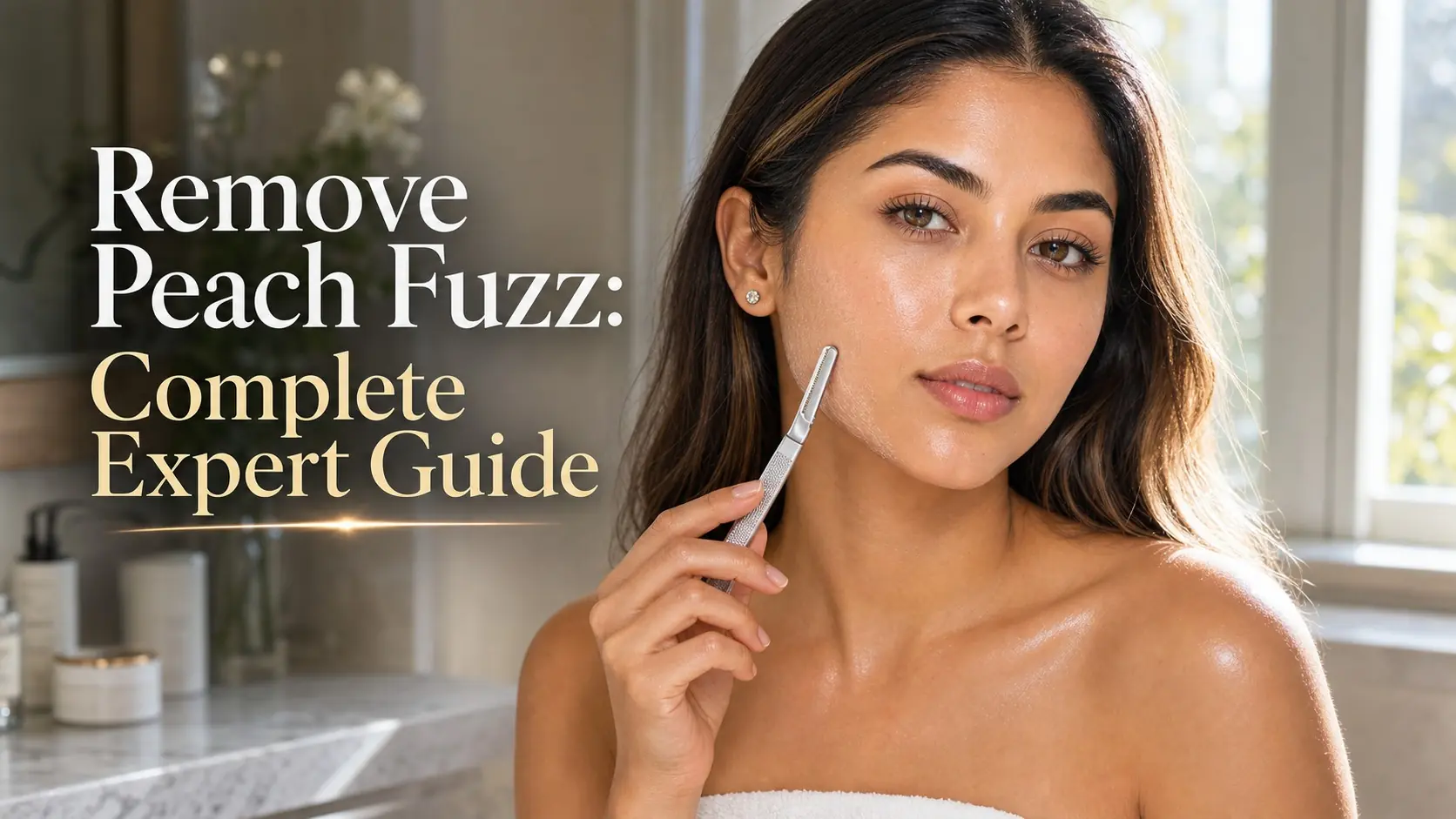
How to remove peach fuzz at home is one of the most-asked beauty questions because the fine vellus hair on the face shows up sharply in macro photos and under flash photography, even when it’s invisible in daily life. Remove peach fuzz at home as well, and makeup glides on flatter, skincare absorbs better, and your skin photographs cleaner. This guide walks through how to remove peach fuzz at home with 7 specific methods, the safe technique for each, and the aftercare that decides whether results last days or weeks.
Published · Updated
How to Remove Peach Fuzz on Your Face: complete Guide
Every woman has it. That soft, barely-there layer of fine hair covering the cheeks, chin, and forehead. It is completely natural and harmless. Yet millions of women choose to remove peach fuzz every year, driven by the desire for smoother skin, flawless makeup application, and a brighter overall complexion. If you have ever wondered whether it is safe, which method actually works, or how to avoid irritating your skin in the process, this guide answers every question. You will find a complete breakdown of every removal method available, from quick at-home options to professional clinical treatments. You will also learn what happens to your skin after removal, how to protect it during recovery, and which approach suits your specific skin type best. Whether you are entirely new to facial hair removal or looking to refine an existing routine, this guide moves from foundational biology through practical, science-backed steps that help you make the right choice for your skin.
What Is Peach Fuzz and Why Does It Grow?
‘Peach fuzz’ is the informal name for vellus hair, the fine, soft, and often colourless hair that covers most of the human body. On the face, it grows across the cheeks, upper lip, chin, and forehead. It serves a biological purpose: it helps regulate body temperature and protects the skin from environmental elements like dust and UV particles. Unlike terminal hair, which is thick and pigmented, vellus hair is thin, short, and mostly transparent. Most people never think about it. Others find it affects their confidence, their skincare absorption, and the way makeup performs on their skin.
The Science Behind Vellus Hair
Vellus hair grows from follicles that are present from birth. These follicles are smaller and produce thinner, lighter strands compared to the follicles that grow terminal hair. Each strand contains very little melanin, which is why vellus hair appears almost invisible under most lighting conditions. However, in certain light, particularly direct sunlight or ring light, the hair becomes highly visible against the skin’s surface.
Vellus follicles sit in the upper dermal layer of the skin. This is relevant for understanding which removal methods work at which level. Techniques that target the surface, such as shaving or dermaplaning, remove only the hair shaft above the skin. They leave the follicle completely intact. Techniques that target the root, such as waxing or threading, remove the hair from below the surface. Techniques that damage or destroy the follicle, such as laser treatment or electrolysis, prevent regrowth entirely. Understanding this distinction helps you set realistic expectations for every method.
Why Some People Have More Visible Peach Fuzz
Genetics plays the largest role in how visible peach fuzz appears. Women with naturally darker hair contain more melanin in every hair strand, including vellus hair. This makes the facial fuzz more visible against the skin. Women with lighter or thinner skin may also notice their hair more because there is less visual difference between the skin tone and the pale hair shaft in certain lighting.
Ancestry significantly influences hair density as well. Women of Mediterranean, South Asian, and Middle Eastern descent commonly report denser vellus hair growth on the face. Skin texture also plays a role. Dry or dehydrated skin lacks the plumpness that can visually minimise surface-level texture, making fine hairs appear more pronounced. A hydrated, smooth complexion naturally makes vellus hair far less noticeable.
Hormones and Peach Fuzz Growth
Hormonal fluctuations can increase the visibility or density of facial vellus hair. During puberty, androgens, which are male sex hormones present in both men and women, stimulate hair follicle activity. In most women, this process does not cause noticeable facial hair growth. However, conditions such as polycystic ovary syndrome (PCOS), Cushing’s syndrome, and adrenal disorders elevate androgen levels beyond the normal range. This causes vellus follicles to shift into producing darker, coarser terminal hair, a condition called hirsutism.
If you notice sudden or unusually rapid increases in facial hair, consult a physician before focusing on cosmetic removal. Addressing the underlying hormonal cause takes priority. Cosmetic removal manages the visible symptom but does not correct the root condition driving excessive growth.
Is It Safe to Remove Peach Fuzz?
Yes, removing facial vellus hair is safe for most women when done correctly. Problems arise from using the wrong method for your skin type, skipping preparation steps, or neglecting aftercare. A well-executed removal session leaves the skin smooth, radiant, and more receptive to skincare products. A careless approach causes redness, micro-cuts, or post-removal breakouts. Understanding the real risks separates safe practice from harmful habits.
The Myth About Hair Growing Back Thicker
This myth has persisted for generations, but science does not support it. Hair texture, colour, and thickness are determined entirely by the follicle, not by cutting the hair shaft above the surface. When you shave or dermaplane, you cut the hair at the skin’s surface, creating a blunt tip. That blunt tip creates a slightly coarser feel as the hair grows back, which many people interpret as thicker regrowth. The diameter and pigment of the hair have not changed at all.
Multiple clinical studies confirm that shaving produces no measurable effect on the biological characteristics of hair regrowth. The follicle remains structurally unchanged by surface-level removal. The same principle applies to waxing and threading. These methods remove hair at the root, but the new hair that grows from that same follicle has an identical texture to the original strand. There is no evidence that repeated removal coarsens vellus hair over time.
Skin Sensitivity and Risk Factors
Removing peach fuzz carries real risks for specific skin conditions. Women with active acne, open wounds, sunburnt skin, or active rosacea should postpone removal until the skin heals. Passing a razor or wax strip over inflamed or broken skin increases the risk of infection, scarring, and spreading bacteria to surrounding areas.
Women using retinoids, tretinoin, or strong chemical exfoliants such as glycollic acid need to pause those treatments before dermaplaning or waxing. These actives thin the outer skin layer, making it far more vulnerable to cuts, tears, and chemical irritation. Sensitive skin types fare best with gentler methods: dermaplaning with a single-blade razor, threading, or sugaring. Harsh depilatory creams can disrupt the skin barrier in reactive skin, causing prolonged redness and inflammation that lasts several days.
When to See a Dermatologist First:
Consult a dermatologist before beginning any removal routine if you have chronic skin conditions such as eczema, psoriasis, or severe rosacea. These conditions compromise the skin barrier and make standard removal methods more likely to cause flare-ups or secondary infections. You should also seek medical guidance if you notice sudden changes in your facial hair growth pattern, particularly if the hair is becoming darker or coarser, as this may signal a hormonal imbalance requiring blood work.
For professional laser or electrolysis treatments, always verify the credentials and licensing of the practitioner performing the procedure. These treatments involve delivering energy into skin tissue and carry greater risks when performed by someone without proper training.
Best Temporary Methods to Remove Peach Fuzz at Home
Temporary removal methods work on the surface and subsurface of the skin. They are accessible and affordable and require no special training when executed carefully. Results last anywhere from a few days to six weeks, depending on the method chosen. Each option carries distinct benefits and limitations worth understanding before committing.
Dermaplaning with a Facial Razor
Dermaplaning is currently the most popular at-home peach fuzz removal method worldwide. It involves using a small, single-blade razor held at a 45-degree angle to gently scrape away both vellus hair and dead skin cells from the surface simultaneously. The dual action of exfoliation and hair removal leaves skin noticeably smoother, brighter, and more receptive to serums and moisturisers.
For best results, start with a clean, completely dry face. Hold the skin taut with one hand. Hold the razor at a 45-degree angle with the other and use short, light, downward strokes following the direction of hair growth. Do not apply pressure. Let the weight of the blade do the work. Rinse the blade after each small section to prevent product buildup from reducing effectiveness. Work methodically across the forehead, cheeks, chin, and upper lip. Avoid the eye area and any areas with active breakouts entirely.
The results last approximately two to four weeks. The skin may feel slightly sensitive for the first few hours after treatment. Single-use dermaplaning tools are widely available at drugstores for under ten dollars. Reusable handles with replaceable blades are also available at a modest cost. Always replace the blade after every session. A dull blade drags against the skin and increases irritation significantly.
Waxing and Sugaring
Waxing removes peach fuzz directly from the root, providing results that last four to six weeks. Hot wax adheres to the hair and is removed quickly with a cloth strip, pulling the hair shaft and root out together. For vellus hair, which is far finer than eyebrow or leg hair, soft strip wax or cold wax formulas work best. They create less trauma on delicate facial skin than hard wax applied at higher temperatures.
Sugaring is a natural alternative with a meaningful practical advantage. The paste, made from sugar, lemon, and water, wraps around each hair shaft without adhering to the skin itself. This reduces the risk of skin lifting, which is a common concern when using traditional wax on thin or mature facial skin. The paste is applied against the direction of hair growth with the fingers and removed in the direction of growth. This technique reduces hair breakage and achieves cleaner removal at the root level.
Both waxing and sugaring carry a risk of temporary redness and skin sensitivity lasting several hours after treatment. Women with thin or mature skin should approach facial waxing with caution. Repeated pulling over time can stress skin elasticity. Avoid both methods around the eye area unless working with a trained professional who has experience with that delicate zone.
Threading and Depilatory Creams
Threading uses a twisted cotton thread to capture and pull out hairs in a precise, rolling motion. It is chemical-free, leaves no residue on the skin, and is highly effective for targeted areas. Though most commonly used for eyebrow shaping, a skilled technician can use threading to clear peach fuzz from the upper lip, chin, and side of the cheeks. At-home threading kits exist, but mastering the technique requires practice. Most women visit a threading salon for this service, where cost typically ranges from five to fifteen dollars per session.
Depilatory creams dissolve hair using alkaline chemicals, mainly thioglycolic acid salts, which break down the keratin bonds in the hair shaft. The cream is applied, left on for the specified time (usually five to ten minutes), and then wiped away along with the dissolved hair. The result is smooth skin with no blunt stubble, as removal occurs just below the surface level. However, depilatory creams carry a significant risk of irritation on facial skin. Always perform a 24-hour patch test on the inner arm before applying to larger facial areas. Select formulas labelled specifically for the face and upper lip, not those designed for legs or the body. Never leave the cream on longer than directed, as chemical burns can and do occur with overexposure.
Permanent and Long-Lasting Peach Fuzz Removal Options
Women who want to break the cycle of repeated at-home maintenance may prefer professional treatments. These options target the follicle itself rather than the hair shaft and can permanently reduce or eliminate vellus hair growth. They require a greater upfront financial investment but deliver results that last months or years, making them cost-effective over a longer time horizon.
Laser Hair Removal Explained
Laser hair removal uses concentrated beams of light to target melanin inside the hair follicle. The light energy converts to heat within the follicle, causing thermal damage that inhibits future hair production. Multiple sessions are required because hair grows in cycles, and the laser is most effective during the active growth phase, called the anagen phase, when the follicle contains the most melanin.
For vellus hair specifically, laser removal presents a real challenge. Most traditional laser systems, including Nd:YAG and diode lasers, rely on a contrast between the melanin in the hair and the surrounding skin tissue. Vellus hair is often too fine and too lightly pigmented for effective laser targeting. The hair simply does not contain enough melanin to absorb sufficient light energy. Individuals with darker skin tones also face additional complexity, as higher melanin concentration in the skin itself increases the risk of burns or post-inflammatory hyperpigmentation if the laser settings are not calibrated precisely. Always consult a board-certified dermatologist or licensed laser specialist to determine whether your hair colour and skin tone make you a suitable candidate before booking a course of treatment.
Individual sessions typically cost between one hundred fifty and five hundred dollars, and most areas require six to eight sessions spaced four to eight weeks apart for meaningful results. Maintenance sessions every twelve to twenty-four months may be needed to address any follicular recovery.
Electrolysis for Permanent Results
Electrolysis is the only FDA-approved method for permanent hair removal. A trained electrologist inserts a fine probe into each individual hair follicle and delivers a small electric current. This destroys the follicle at the root level, preventing regrowth permanently. The process is methodical and requires multiple sessions to treat every follicle during its active growth phase.
Electrolysis works on all hair colours and all skin tones, making it a genuinely universal option. This is its critical advantage over laser treatment. It is particularly well-suited for women with light blonde or white vellus hair that contains insufficient melanin for laser targeting. Each session typically lasts thirty minutes to one hour. Complete results for a facial area may require anywhere from twelve to thirty sessions depending on hair density and individual follicle response.
Mild discomfort is expected during treatment, described by most clients as a brief stinging or pricking sensation at each insertion point. Post-treatment redness and minor localised swelling resolve within twenty-four to forty-eight hours. Working with an experienced, licensed electrologist minimises the risk of scarring, infection, or pitting significantly. Verify your practitioner’s credentials and state licensing before beginning any course of treatment.
IPL (Intense Pulsed Light) Therapy
Intense pulsed light therapy uses broad-spectrum light across multiple wavelengths to target hair follicles. Unlike a laser, which uses a single concentrated wavelength, IPL disperses a range of light energies simultaneously. This makes it less precise and generally less effective on fine vellus hair compared to coarser terminal hair. However, professional IPL treatments in a clinical setting can provide meaningful hair reduction for suitable candidates.
IPL works best on women with fair to medium skin tones and hair with at least some detectable pigment. At-home IPL devices have grown increasingly popular as an accessible alternative to clinical visits. These devices operate at lower energy settings than clinical machines, making them safer for self-use but less effective per session. The cost per professional session ranges from seventy-five to three hundred dollars. Multiple sessions spaced four to six weeks apart are required. IPL is generally not recommended for women with very dark skin tones because the broad light spectrum increases the risk of thermal damage to skin melanin at higher energy settings.
How to Choose the Right Method for Your Skin Type
No single removal method works for every woman. Skin type, hair colour, budget, and lifestyle all influence which option delivers the best results with the least irritation. Understanding your skin’s specific characteristics prevents the frustration of trial and error with methods that never suited you in the first place.
Sensitive and Dry Skin
Sensitive skin reacts quickly to friction, heat, and chemicals. Dermaplaning with a clean, sharp, single-blade razor is the safest starting point for this skin type. The technique removes hair without chemicals or heat, and a sharp blade reduces dragging, which is the primary cause of post-removal redness. Sugaring is also well-suited for sensitive skin because the paste binds to hair rather than adhering to the skin itself, significantly minimising trauma to the surface.
Avoid depilatory creams entirely if your skin is reactive. The alkaline chemicals are potent enough to cause contact dermatitis on thin, sensitive facial skin. Avoid hot wax if your skin is currently experiencing a rosacea flare or significant dryness. After any removal method, apply a fragrance-free, calming moisturiser containing aloe vera, centella asiatica, or ceramides to actively restore the skin barrier and reduce any post-treatment reactivity.
Oily and Acne-Prone Skin
Oily and acne-prone skin requires extra precaution during and after hair removal. Touching the face with fingers or dirty tools transfers bacteria into open pores. Dermaplaning on acne-prone skin is entirely possible, but it requires avoiding any active lesions completely. Passing a blade over a pustule or inflamed cyst opens the wound, spreads bacteria, and meaningfully increases the risk of scarring.
Threading is a strong alternative for acne-prone skin because it requires no product application to the face. It purely uses thread to remove hair, leaving no pore-clogging residue behind. After threading, apply a toner that contains salicylic acid to minimise the risk of post-treatment breakouts. Waxing is generally not recommended for acne-prone skin. The heat from wax opens pores and creates conditions that can trigger flare-ups or trap bacteria at the follicle opening immediately after removal.
Budget and Maintenance Considerations
At-home dermaplaning tools cost between five and twenty dollars and produce results lasting two to four weeks, making the cost per use exceptionally low. Sugaring kits range from ten to thirty dollars. Threading sessions at a salon cost five to fifteen dollars. These represent the most budget-friendly, low-commitment entry points into regular peach fuzz removal.
Professional treatments such as laser and electrolysis require a significant upfront investment across multiple sessions, but the cumulative savings over years of at-home maintenance can make them cost-effective in the long term. Consider your schedule alongside your budget. Women with limited time for regular upkeep may find that investing in professional reduction treatments is more practical than maintaining a weekly or biweekly home routine. Factor in both the financial cost and the time cost when choosing your approach.
Step-by-Step Guide to Removing Peach Fuzz Safely at Home
A proper technique makes the difference between smooth, radiant results and irritated, inflamed skin. Whether you choose dermaplaning, sugaring, or threading, preparation and precision matter as much as the tool itself. Follow these steps to get the cleanest possible results every session.
Skin Preparation Before Removal
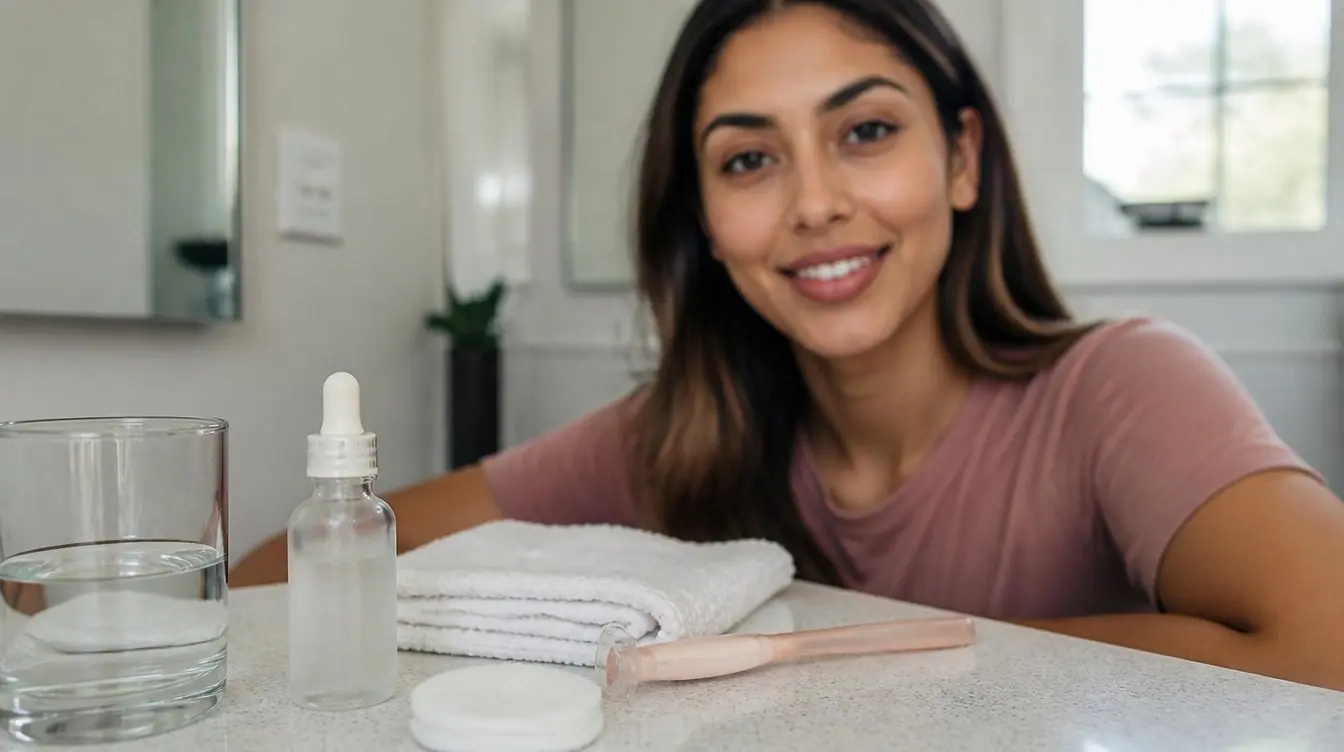
Start with a completely clean face. Wash with a gentle, non-stripping cleanser and pat dry thoroughly. The skin must be fully dry for dermaplaning and threading. Any moisture on the surface causes a razor to drag and a thread to slip, both of which reduce precision and increase irritation risk.
Do not exfoliate on the same day as your removal session. Chemical exfoliants such as glycollic acid or lactic acid weaken the skin barrier. Combining them with any physical removal method on the same day strips the skin beyond its recovery capacity. If you use retinoids or alpha hydroxy acids in your nightly routine, skip them for at least forty-eight hours before your removal session. Giving your skin a window free from active ingredients allows the barrier to strengthen before you introduce any mechanical disruption.
The Removal Process
For dermaplaning: hold the skin taut with one hand. Hold the razor at a strict 45-degree angle to the latter. Use short, light, downward strokes following the direction of hair growth. Work in small sections across the forehead, cheeks, chin, and upper lip. Never pass over the same area more than twice in a single session. Rinse the blade after each section to remove hair and skin cell buildup.
For sugaring: warm the paste to a pliable consistency using your hands. Apply it firmly against the direction of hair growth. Flick it off in a sharp, brisk motion in the direction of growth. Work in small patches rather than sweeping large areas. Do not reapply the paste to the same area repeatedly in one session. Multiple passes over the same patch significantly increase the risk of bruising or skin lifting, particularly on thin facial skin.
For threading: if you are visiting a professional, communicate which areas you want treated and mention if your skin is sensitive. If you are attempting threading at home, practise on less sensitive areas, such as the chin, before working on the upper lip, where the skin is especially delicate and reactive to pulling.
Immediate Post-Removal Care
After removal, the skin surface is temporarily more open and more permeable. Apply a gentle, alcohol-free toner to soothe the skin. Follow with a calming serum containing hyaluronic acid, niacinamide, or centella asiatica. These ingredients hydrate and reduce surface redness without causing further irritation. Finish with a lightweight, fragrance-free moisturiser.
If you plan to go outdoors within hours of your removal session, apply a broad-spectrum SPF 30 or higher sunscreen as your final step. Sun protection is essential after any removal method because the outermost skin layer has been disrupted and is more vulnerable to UV-induced damage and hyperpigmentation. Avoid applying heavy makeup for at least one hour after removal. When you do apply it, you will notice an immediate improvement in how smoothly it sits against the freshly cleared skin beneath.
Long-Term Skincare Routine After Peach Fuzz Removal
The benefits of removing peach fuzz extend well beyond the day of the session. A consistent follow-up skincare routine maintains results, keeps skin in optimal condition between sessions, and supports faster recovery from any post-removal sensitivity.
Soothing and Calming the Skin
In the first twenty-four hours after removal, the skin may appear slightly pink or feel tight and reactive. This is a normal and temporary response. Ingredients such as aloe vera gel, centella asiatica extract, and panthenol actively calm inflammation and accelerate barrier repair. Apply these in lightweight serum or gel format after cleansing. Avoid any product containing alcohol, synthetic fragrance, or essential oils during this recovery window, as these components add unnecessary chemical stress to skin that is already healing.
Cold compresses can also help reduce immediate post-removal redness. Wrap ice in a clean cloth and press it gently against the skin for one to two minutes at a time. Do not drag ice directly across the face, as friction adds to irritation rather than reducing it.
Moisturisation and SPF in the Days Following Removal
The days following a peach-fuzz removal session call for consistent, thorough moisturisation. Even oily skin types need additional hydration after removal because the physical process disrupts the outermost skin layer regardless of your natural oil production. Choose a moisturiser containing ceramides, glycerine, or squalane. These ingredients replenish the lipid barrier without clogging pores or triggering breakouts in acne-prone skin types.
SPF remains critical throughout the week following removal. UV exposure after any skin trauma increases the risk of post-inflammatory hyperpigmentation, particularly in women with medium to deep skin tones. Apply a broad-spectrum SPF 30 to SPF 50 sunscreen every morning without skipping. Reapply every two hours during extended outdoor exposure. This single step prevents the most common long-term side effect of frequent removal in women with higher melanin levels.
Optimizing Makeup Application After Removal
One of the most celebrated practical benefits of removing peach fuzz is the transformation it creates in makeup performance. Foundation, tinted moisturiser, and concealer sit flush against the skin rather than settling around individual hair shafts. The result is a smoother, more airbrushed finish that builds more evenly and lasts longer throughout the day.
For best results, apply a lightweight primer before foundation in the days following removal. Silicone-based primers fill surface texture and create a seamless base for pigmented products. Use a damp beauty sponge to press foundation into the skin rather than dragging it across the surface. Pressing preserves the smooth finish of freshly cleared skin, while dragging can disturb regrowth and cause patchiness. Powder products also perform better on hair-free skin, as loose particles are no longer caught in fine hair and clumping is noticeably reduced.
Common Mistakes That Damage Your Skin During Peach Fuzz Removal
The most common problems women encounter during peach fuzz removal come from shortcuts and assumptions rather than from the methods themselves. Understanding what to avoid protects both your skin and your results across every removal session.
Skipping Patch Tests and Preparation Steps
Using a new product or tool without a patch test is the fastest route to an allergic reaction. Depilatory creams contain potent chemicals that can cause contact dermatitis on the face if your skin is reactive. Apply a small amount to the inner arm and wait twenty-four hours before applying to your face. This step is non-negotiable for any chemical-based removal method, regardless of how gentle the packaging claims the formula to be.
Skipping the physical preparation process causes equally avoidable problems. Using an old or dull blade for dermaplaning increases friction dramatically and raises the risk of micro-cuts across the skin surface. Waxing skin that has not been thoroughly cleansed allows the wax to trap bacteria and dead skin cells under the strip, creating conditions for infected follicles. Clean skin and clean, sharp tools form the absolute foundation of safe, effective removal.
Over-Exfoliating and Using the Wrong Tools
Dermaplaning is itself a meaningful form of physical exfoliation. Layering it with a chemical exfoliant on the same day strips the skin far beyond what its barrier can recover from within a normal twenty-four-hour window. The result is intense redness, flaking, and prolonged sensitivity. Space your exfoliation methods at least forty-eight to seventy-two hours apart to allow the barrier to rebuild between treatments.
Using a body razor on your face is a common and damaging error. Body razors are not designed for facial contours. They feature multiple blades angled for flat surfaces, and those angles do not translate safely to the varied terrain of the forehead, chin, and jawline. The multi-blade design increases the risk of nicks significantly. Always use a razor designed specifically for facial use, with a single blade and a handle fine enough to allow precise directional control in tight areas.
Ignoring Post-Removal Ingredients That Cause Irritation
Applying products with alcohol, synthetic fragrance, menthol, or strong essential oils directly after hair removal inflames the freshly disrupted skin surface. These ingredients sting, cause visible redness, and in some cases trigger breakouts in acne-prone skin by entering pores that are temporarily more open than usual. The skin is transiently more permeable after removal, which means it absorbs everything applied to it faster and reacts to irritants more strongly than it would on a non-removal day.
Retinoids, vitamin C serums, and glycollic acid deserve particular mention. These actives are excellent for regular skincare maintenance and long-term skin health. However, applied to skin that is actively recovering from a physical removal session, they cause unnecessary irritation and can lead to prolonged sensitivity or surface breakouts. Resume your active skincare ingredients two to three days after removal when the barrier has had adequate time to recover.
Frequently Asked Questions About Peach Fuzz Removal
Does removing peach fuzz make it grow back thicker or darker?
No. This is one of the most persistent myths in beauty, and it has no scientific basis. The thickness, colour, and texture of hair are determined entirely by the follicle, not by anything that happens at the hair shaft level. When you shave or dermaplane, you cut the hair at a blunt angle, which can make the regrowth feel slightly rougher to the touch for the first few days. This tactile difference creates the strong impression of thicker hair, but no measurable change in the hair’s diameter or pigment has occurred. Multiple controlled clinical studies have examined this question directly and found no evidence that surface removal alters follicle behaviour or output. Women who have maintained a regular dermaplaning or shaving routine for years consistently report the same texture of regrowth as when they first started.
How often should I remove peach fuzz?
Frequency depends on the method you use and the rate at which your vellus hair grows, which varies between individuals. Dermaplaning results typically last two to four weeks. Most women find that removing peach fuzz once every three weeks maintains a consistently smooth appearance without over-treating the skin. Waxing and sugaring results last four to six weeks. Threading results vary between three and five weeks. Avoid removing more frequently than your results require. Over-treatment causes cumulative skin sensitivity, makes the barrier harder to maintain, and does not accelerate permanent results in any meaningful way. If your skin feels inflamed or overly reactive before your next planned session, wait an additional week before proceeding.
Can I remove peach fuzz if I have active acne?
You should avoid any mechanical hair removal directly over active acne lesions. Passing a blade, wax strip, or thread over a pustule or inflamed cyst opens the lesion, spreads bacteria to surrounding pores, and significantly increases the risk of scarring or hyperpigmentation at the treated site. If your breakout affects only a small localised area, you can carefully work around it and treat unaffected zones. However, if active inflammation is widespread across your face, postpone the entire session until your skin has calmed. Addressing the active acne with appropriate skincare or prescribed medication takes clear priority. Once the active phase resolves and the lesions are fully healed, hair removal can resume safely on cleared skin.
Is dermaplaning or threading better for sensitive skin?
Both methods suit sensitive skin well, but they appeal to different preferences and circumstances. Dermaplaning puts you in full control. You set the pressure, the angle, and the pace. It is chemical-free, quick, and inexpensive. Threading involves a technician working on your skin, which removes user error but introduces the variable of another person’s technique and pressure. Threading also carries zero risk of cutting the skin, which makes it technically safer for those with very thin or reactive skin who lack confidence in their own blade-handling techniques.
Threading does cause a mild stinging sensation during the process as hairs are pulled from the root, which some sensitive-skin women find uncomfortable. Dermaplaning with a sharp, quality blade and a consistently light hand is often more comfortable overall. The best approach is to try both methods at different times and observe how your specific skin responds to each before committing to a regular routine with either.
What should I apply to my skin immediately after removing peach fuzz?
Apply a gentle, alcohol-free toner immediately after removal to soothe the surface and help close the skin. Follow with a calming serum containing hyaluronic acid, centella asiatica, niacinamide, or aloe vera. These ingredients deliver hydration and actively reduce post-removal redness without causing further irritation to freshly treated skin. Next, apply a lightweight, fragrance-free moisturiser to lock in hydration and reinforce the skin barrier. If you plan to go outdoors, finish with a broad-spectrum SPF 30 or higher sunscreen as your final step. Avoid any products containing retinoids, alpha hydroxy acids, vitamin C, or potent essential oils for at least forty-eight hours. These actives will irritate skin while it is in active recovery mode and can lead to prolonged redness, increased sensitivity, or a post-removal breakout in predisposed skin types.
Conclusion
Removing peach fuzz is a safe, well-established cosmetic practice with clear aesthetic benefits when approached with proper knowledge and technique. What is to be remembered from this guide is clear. Vellus hair does not grow back thicker or darker after removal. The right method depends on your skin type, hair colour, budget, and how long you want results to last. Dermaplaning is the most accessible and affordable at-home option. Waxing and sugaring offer longer-lasting results at moderate cost. Threading is ideal for sensitive or acne-prone skin without introducing any chemicals or heat. Professional electrolysis delivers permanent results across all hair colours and skin tones. Preparation and aftercare matter as much as the removal technique itself. Always patch-test new products. Protect the skin with SPF after every session. Avoid strong actives for forty-eight hours after any method. Your next step is selecting the approach that best aligns with your skin type and lifestyle and committing to the preparation steps this guide has outlined. Start with one method, observe how your skin responds over two to three sessions, and adjust from there. Consistency and proper aftercare deliver the smoothest, longest-lasting, and healthiest results over time.
RELATED ARTICLES:
Peaches for Health & Beauty: The Summer Fruit That’s Good for You Inside Out
Simple Ways to Remove Dark Circles
How to remove black from elbows
How to remove a cystic pimple on the back
How to Remove Forehead Wrinkles Naturally and Effectively: Proven Tips and Treatments for Smoother Skin
About The Author

COMMENTS