
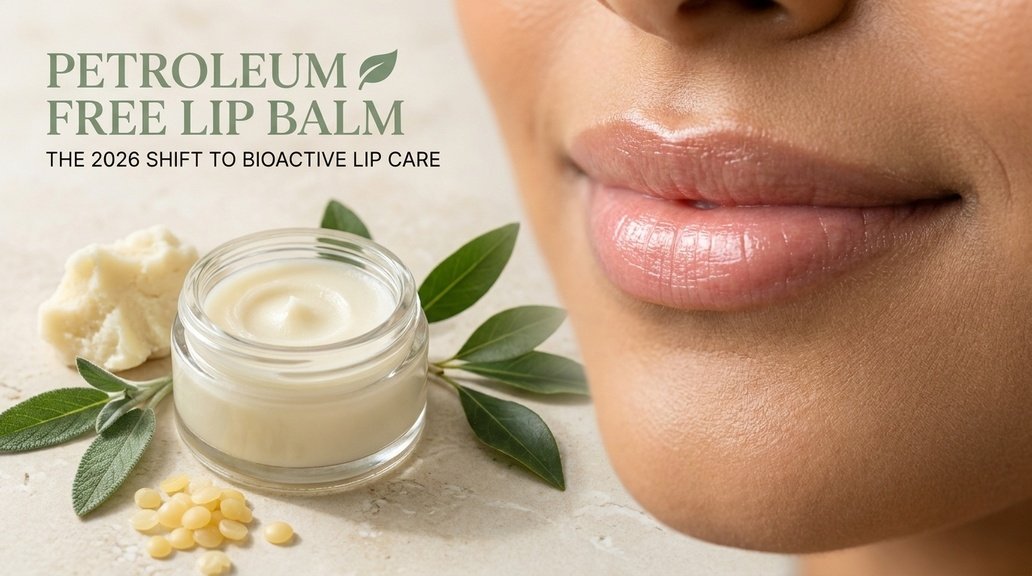
Petroleum-free lip balm is the fastest-growing corner of lip care in 2026, and the reason is a quiet shift in how people think about their lips. For d
Petroleum-free lip balm is the fastest-growing corner of lip care in 2026, and the reason is a quiet shift in how people think about their lips. For decades the default answer to dry lips was petroleum jelly or a petrolatum-based stick, something that sealed the surface and felt slick. The new thinking treats lips as skin, thin and hard-working skin that can be repaired rather than just coated. That is the lip-skinification movement, and petroleum-free balms sit right at the centre of it. Instead of a single occlusive layer, these balms carry plant butters, ceramides, squalane, and humectants that actually feed the lip barrier. This guide covers why people are ditching petroleum-based sticks, the lip balm addiction myth and what is really happening, what petroleum-free formulas use instead, how the two approaches compare, how to read a label, and how to switch without a rough week.
Reviewed by the BeautynFacts editorial team. Last updated: July 2026.
What Petroleum-Free Lip Balm Actually Means
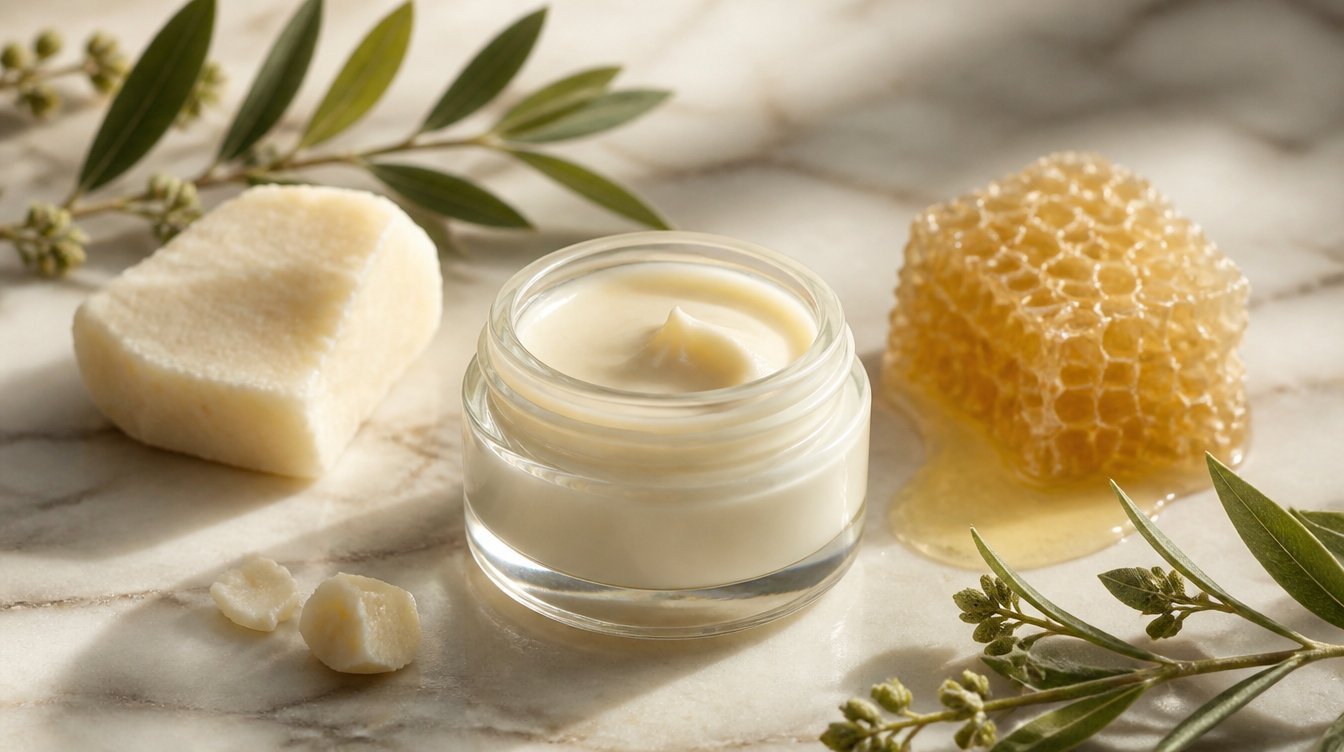
A petroleum-free lip balm is any balm made without petroleum jelly or its cousins: petrolatum, mineral oil, paraffin, and microcrystalline wax. These are all petroleum-derived ingredients. They work by forming a seal on the lip surface that slows water loss. That seal is real and useful, but it is the only thing it does.
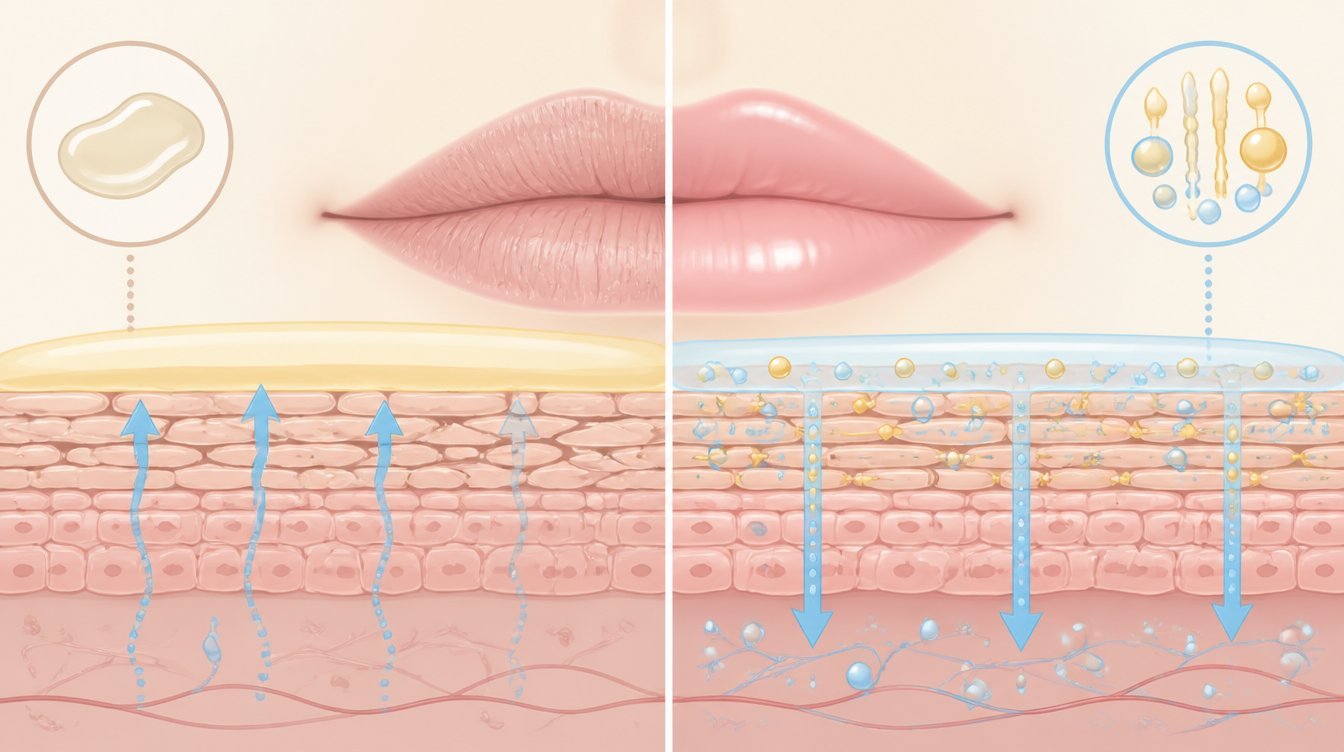
Petroleum-free balms swap that single occlusive layer for a blend that does more than one job. They still slow water loss, but they also add lipids the lips are made from, pull in moisture, and calm inflamed skin. The goal shifts from covering the lips to rebuilding them.
The label language to know
Marketing terms here are loose. Petroleum-free is a clear claim, but words like natural, clean, and plant-based are not regulated and mean little on their own. The only reliable check is the ingredient list, which is why a good chunk of this guide is about reading one.
Why People Are Ditching Petroleum-Based Balms
The move away from petrolatum is not driven by fear of a dangerous ingredient. Petrolatum is one of the most tested, most stable moisturising ingredients in existence. The shift is about what people now want a lip balm to do.
They want repair, not just a seal
A petrolatum stick keeps water in, but it brings no new building material to the lip barrier. If your lips are chronically chapped, sealing them slows the damage without fixing the cause. People with lips that never seem to heal are the ones switching first, because a seal alone was never getting them anywhere.
They noticed the reapply loop
Many long-term petroleum-balm users describe a pattern: the balm feels great for an hour, then the lips feel dry again, so they reapply. That loop is the seed of the so-called lip balm addiction, and it deserves a clear explanation rather than a scary label.
Texture and finish preferences changed
Petroleum balms sit heavy and shiny on the lips and transfer onto cups and pillowcases. Newer bioactive balms absorb more cleanly and leave a softer, less greasy finish. For daily wear, that texture difference matters more to most people than any ingredient debate.
The Lip Balm Addiction Myth, Explained
The phrase ‘lip balm addiction’ gets used a lot, and it is misleading. Your lips do not become chemically dependent on balm. There is no withdrawal in the medical sense. What is real is a cycle that feels like dependence, and understanding it changes how you choose a product.
The cycle works like this. An occlusive-only balm masks the feeling of dry lips without repairing the barrier underneath. The moment the film wears off, the underlying dryness is still there, so the lips feel tight and you reach for the balm again. Some flavoured or menthol balms make it worse by mildly irritating the lips, which drives even more reapplication.
The fix is not to quit baling. It is to use a balm that repairs while it protects, so the barrier underneath slowly recovers and the constant tight feeling fades. That is exactly the gap petroleum-free bioactive balms are built to fill.
What Petroleum-Free Balms Use Instead
This is where the category earns its reputation. Instead of one sealing ingredient, a good petroleum-free balm layers several types of ingredients that each do a different part of the repair job.
Plant butters and waxes
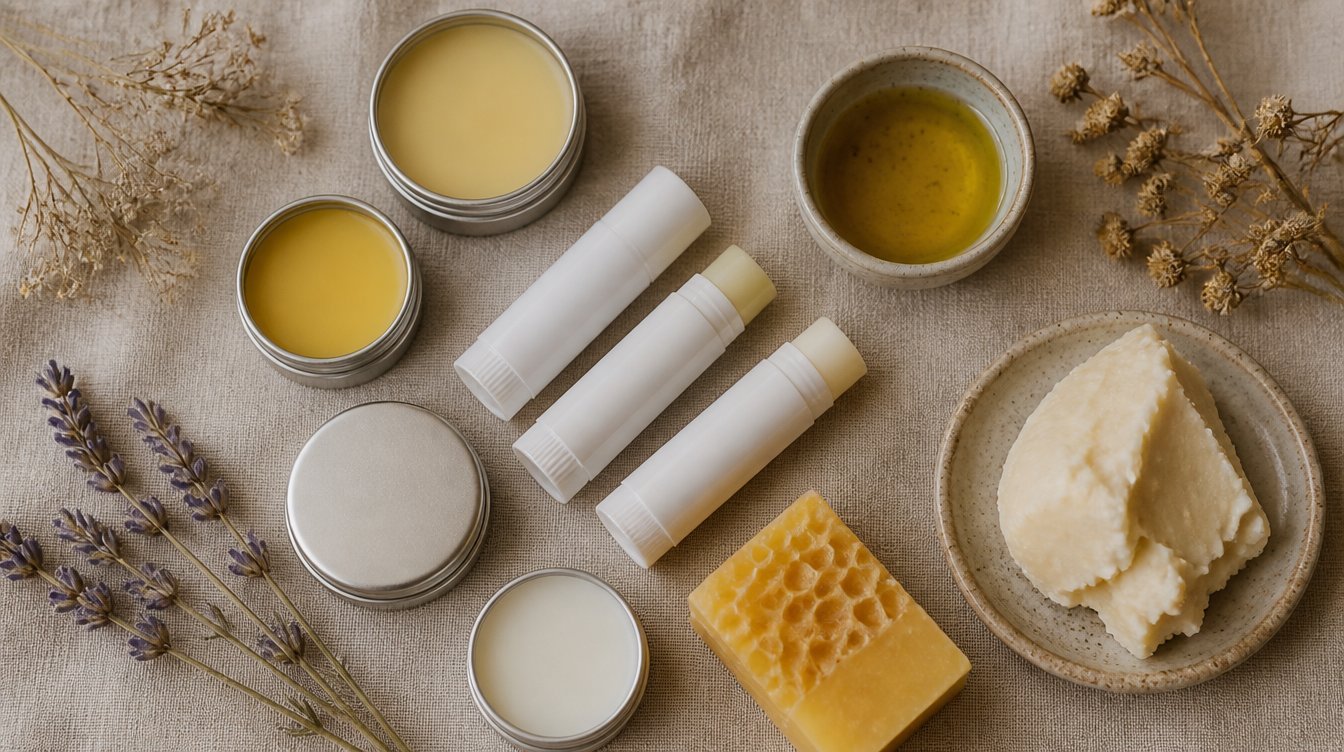
Shea butter, cocoa butter, mango butter, and beeswax or plant waxes like candelilla give the balm its body and provide a softer, breathable occlusive layer. Unlike petrolatum, these butters also carry fatty acids and vitamins that the lip skin can use, so they nourish while they protect.
Ceramides and squalane
Ceramides are the lipids the barrier is literally built from, and lip skin has a thin, easily depleted barrier. Adding ceramides puts back the exact material chapped lips are missing. Squalane, a lightweight lipid that mirrors what skin makes naturally, absorbs fast and softens without any grease, which makes it a favourite in newer balms.
Humectants that pull in water
Glycerin, hyaluronic acid, and honey are humectants, meaning they draw water into the lip surface rather than just sealing what is there in. Paired with butter or wax on top, they hydrate and then hold that hydration in place, which is a combination a plain petroleum stick cannot offer.
Petroleum-Free Versus Petrolatum: The Honest Comparison
Neither option is a villain, and the marketing on both sides overstates the case. Petrolatum is safe, cheap, and genuinely effective at slowing water loss. Petroleum-free balms do more but usually cost more and can carry a slightly higher chance of a plant-ingredient sensitivity. Here is how they line up on the points that matter when you are standing at the shelf.
| Feature | Petrolatum Balm | Petroleum-Free Balm |
|---|---|---|
| Main action | Seals the surface and slows water loss | Seals, repairs, and hydrates |
| Barrier repair | None, adds no lipids | Yes, supplies ceramides and fatty acids |
| Texture | Heavy, shiny, can transfer | Lighter and absorbs more cleanly |
| Best for | Quick protection, wind and cold | Chronic chapping, long-term repair |
| Sensitivity risk | Very low, inert | Low, but plant extracts can irritate some |
| Typical price | Very affordable | Usually a step up |
Read plainly, petrolatum is a fine emergency seal for wind, cold, and a cracked lip that needs protecting fast. A petroleum-free bioactive balm is the smarter daily choice if your lips are chronically dry and you want them to actually heal rather than stay coated.
Why Lip Skin Needs Different Care
Lips are not built like the rest of your face. The skin there is far thinner, has almost no oil glands, and carries very little natural pigment to shield it from sun. That combination is why lips chap so easily and why they lose water faster than cheeks or foreheads.
Because lips make so little of their own oil, they rely heavily on whatever you apply. A balm that only seals leaves the thin barrier as fragile as it was found. A balm that supplies lipids and humectants gives the lips the raw materials they cannot produce in useful amounts on their own.
How to Read a Lip Balm Label
The ingredient list tells you far more than the front of the tube. A few habits make it quick to judge any balm in the aisle.
Check the first few ingredients
Ingredients are listed by amount, most first. If petrolatum, mineral oil, or paraffin sits at the top, you are holding an occlusive-only balm no matter what the front says. If you see butters, plant oils, and named lipids near the top, the balm is doing more.
Look for named actives, not vague blends
Ceramide NP, squalane, glycerin, shea butter, and hyaluronic acid are specific and meaningful. A vague phrase like ‘nourishing complex’ with nothing named behind it is a marketing signal, not an ingredient. Specific names sitting in the middle of the list, not buried at the very end, are the sign of a real formula.
Scan for common irritants
Menthol, camphor, phenol, strong flavour oils, and heavy fragrance can sting or dry the lips and quietly feed the reapplication loop. For chronically chapped lips, a short, fragrance-free ingredient list is usually the safest bet.
Ingredients to Look For
When you want a petroleum-free balm that repairs, this is the short list worth prioritising on the label.
- Shea, cocoa, or mango butter for a nourishing, breathable seal
- Ceramides to rebuild the lip barrier directly
- Squalane for fast-absorbing, grease-free softness
- Glycerin, hyaluronic acid, or honey to pull in and hold water
- Beeswax or candelilla wax to give the balm structure
- Vitamin E or plant oils like jojoba and rosehip for extra fatty acids
A balm that combines a butter, a lipid, and a humectant is doing the full job. That trio is the pattern to look for.
Ingredients to Avoid or Approach With Care
Not everything on a lip balm label helps chronically dry lips, and a few common additions actively work against them.
- Menthol, camphor, and peppermint that create a tingle but can dry and irritate
- Phenol and salicylic acid in balms, which can be harsh on already cracked lips
- Heavy synthetic fragrance, a frequent cause of lip irritation
- Flavor oils that tempt you to lick your lips, which strips moisture
- Occlusive-only formulas if healing, not just protecting, is your goal
None of these are dangerous in the alarmist sense, but for lips stuck in a chapped cycle, they are the ingredients most likely to keep the cycle going.
Who Benefits Most From Switching
Petroleum-free balms suit almost everyone, but a few groups see the clearest difference.
Chronically dry and chapped lips
This is the group that gains the most. Lips that peel, crack, and never seem to heal are barrier-depleted, and a repairing balm gives back the lipids and moisture they are missing rather than just sealing over the damage. This is where the reapply loop finally starts to break.
People who reapply balm all day
If you cannot go an hour without reaching for a stick, an occlusive-only balm has probably been masking the problem. A bioactive balm that repairs the barrier tends to reduce that constant tight feeling over a couple of weeks, so you reach for it out of habit rather than need.
Sensitive or reactive lips
Fragrance-free, petroleum-free balms built around ceramides and squalane tend to calm reactive lips rather than provoke them, as long as you avoid the menthol and heavy flavour formulas. Patch testing a new balm on the inner wrist first is a sensible step for reactive skin.
How to Transition Off Petroleum Balm
Switching is simple, but a smooth transition avoids a rough few days while the barrier catches up.
- Pick a petroleum-free balm that pairs a plant butter with a lipid like ceramides or squalane and a humectant.
- Apply it to slightly damp lips, since humectants work best when there is water to pull in.
- Use it as often as you used your old balm at first, then let the frequency drop naturally as the lips settle.
- Keep a plain butter or wax balm for harsh wind and cold, where a stronger seal genuinely helps.
- Give it two to three weeks before judging results, because barrier repair is gradual, not instant.
There is no need to quit balm entirely to break the reapply loop. You simply move to one that repairs while it protects, and the loop fades on its own.
Common Mistakes When Switching
Even a good balm underperforms when the routine around it works against it. These are the errors that keep lips chapped.
The first is choosing a petroleum-free balm loaded with menthol or a strong flavour because it feels active. That tingle is mild irritation, and on chapped lips it slows healing. The second is applying balm to dry lips and expecting humectants to do their job with no water to draw on, which can leave lips feeling drier in a dry room. The third is quitting after three days because the lips are not instantly fixed. Surface comfort improves fast, but real barrier repair takes weeks of consistent use.
Do Petroleum-Free Balms Work in Winter
A common worry is that a lighter balm cannot handle cold, wind, and dry indoor heat. The answer depends on the formula, not on whether it contains petrolatum.
A balm built around shea or cocoa butter and beeswax provides a strong, breathable seal that holds up well against wind and cold, while still delivering the lipids petrolatum lacks. For the harshest exposure, a thicker butter-and-wax balm layered over a humectant serum on the lips gives both a seal and repair. The occlusive power of petrolatum is not unique to petrolatum, and plant waxes reach much of the same protection.
What Results to Expect and When
Setting the timeline correctly keeps you from quitting too early. In the first few days, lips usually feel more comfortable and less tight, and obvious flaking eases. That early relief comes from the humectants and butters working at the surface.
Over two to three weeks of consistent use, the deeper change settles in. The barrier rebuilds, the constant need to reapply drops, and lips that were stuck in a chapped cycle start holding moisture on their own. Think of a repairing petroleum-free balm not as a quick fix but more as the daily habit that finally lets the lip barrier recover.
Frequently Asked Questions About Petroleum-Free Lip Balm
Is petroleum jelly actually bad for your lips?
No, petroleum jelly is not dangerous or harmful for your lips. Cosmetic-grade petrolatum is highly refined, stable, and very effective at slowing water loss, which is why dermatologists still recommend it for protection. The real limitation is that it only seals. It adds no ceramides, fatty acids, or moisture to repair the lip barrier underneath. For chronically chapped lips that need to heal rather than just stay coated, a petroleum-free balm with repairing ingredients tends to work better over time.
Can lip balm really cause an addiction?
Not in the medical sense. Your lips cannot become chemically dependent on balm, and there is no true withdrawal. What people call lip balm addiction is a cycle where an occlusive-only balm masks dryness without repairing the barrier, so the lips feel tight again as soon as the film wears off and you reapply. Flavoured or menthol balms can worsen it through mild irritation. Switching to a balm that repairs while it protects usually breaks the cycle within a couple of weeks.
What should a good petroleum-free lip balm contain?
Look for a formula that combines three types of ingredient. A plant butter such as shea, cocoa, or mango butter gives a nourishing, breathable seal. A lipid such as ceramides or squalane rebuilds the lip barrier directly. A humectant such as glycerin, hyaluronic acid, or honey pulls in and holds moisture. Beeswax or candelilla wax adds structure. That butter, lipid, and humectant trio is the pattern that repairs chapped lips instead of only coating them, so prioritise those named ingredients near the top of the list.
Do petroleum-free lip balms work in cold weather?
Yes, as long as you pick the right formula. A balm built around shea or cocoa butter and beeswax provides a strong, breathable seal that holds up against wind, cold, and dry indoor heat, while still supplying the lipids that petrolatum lacks. The occlusive protection people associate with petroleum jelly is not unique to it, and plant waxes reach much of the same seal. For the harshest exposure, layer a thicker butter-and-wax balm over a humectant serum for both protection and repair.
How long does it take to see results after switching?
Surface comfort usually improves within a few days, with lips feeling less tight and obvious flaking easing as the humectants and butters work at the surface. The deeper change, meaning a rebuilt barrier and less constant need to reapply, generally settles in over two to three weeks of consistent use. Set that timeline in advance so you do not quit after three days expecting an instant fix that no lip ingredient can deliver. Barrier repair is gradual and rewards patience.
Are plant-based lip balm ingredients safe for sensitive lips?
For most people, yes, and fragrance-free, petroleum-free balms built around ceramides and squalane tend to calm reactive lips rather than provoke them. The caveat is that some plant extracts, essential oils, and heavy fragrances can irritate sensitive skin, so a short, fragrance-free ingredient list is the safest choice. Avoid menthol, camphor, and strong-flavour oils, which can sting chapped lips. Patch testing a new balm on the inner wrist for a day before regular use is a sensible precaution for anyone with reactive lips.
RELATED ARTICLES:
- The Lip Skin Barrier: Why Your Lips Need Different Care Than Your Face
- How to Heal Chapped Lips: The Barrier-First Approach That Works
- The Lip Care Routine That Keeps Lips Soft All Year
About The Author

COMMENTS