






How to tame flyaways is the small finishing detail that separates a good blowout from a styled one. Those wispy strands at the hairline and crown happ
How to tame flyaways is the small finishing detail that separates a good blowout from a styled one. Those wispy strands at the hairline and crown happen because of broken hair, baby growth, or static, and no amount of brushing alone will keep them down. This guide walks through how to tame flyaways and baby hairs in 9 practical steps, from the right toothbrush trick and finishing spray to the silk-pillowcase swap that prevents fresh flyaways overnight.
Published · Updated
Mastering the Art of Controlling Flyaways and Baby Hairs
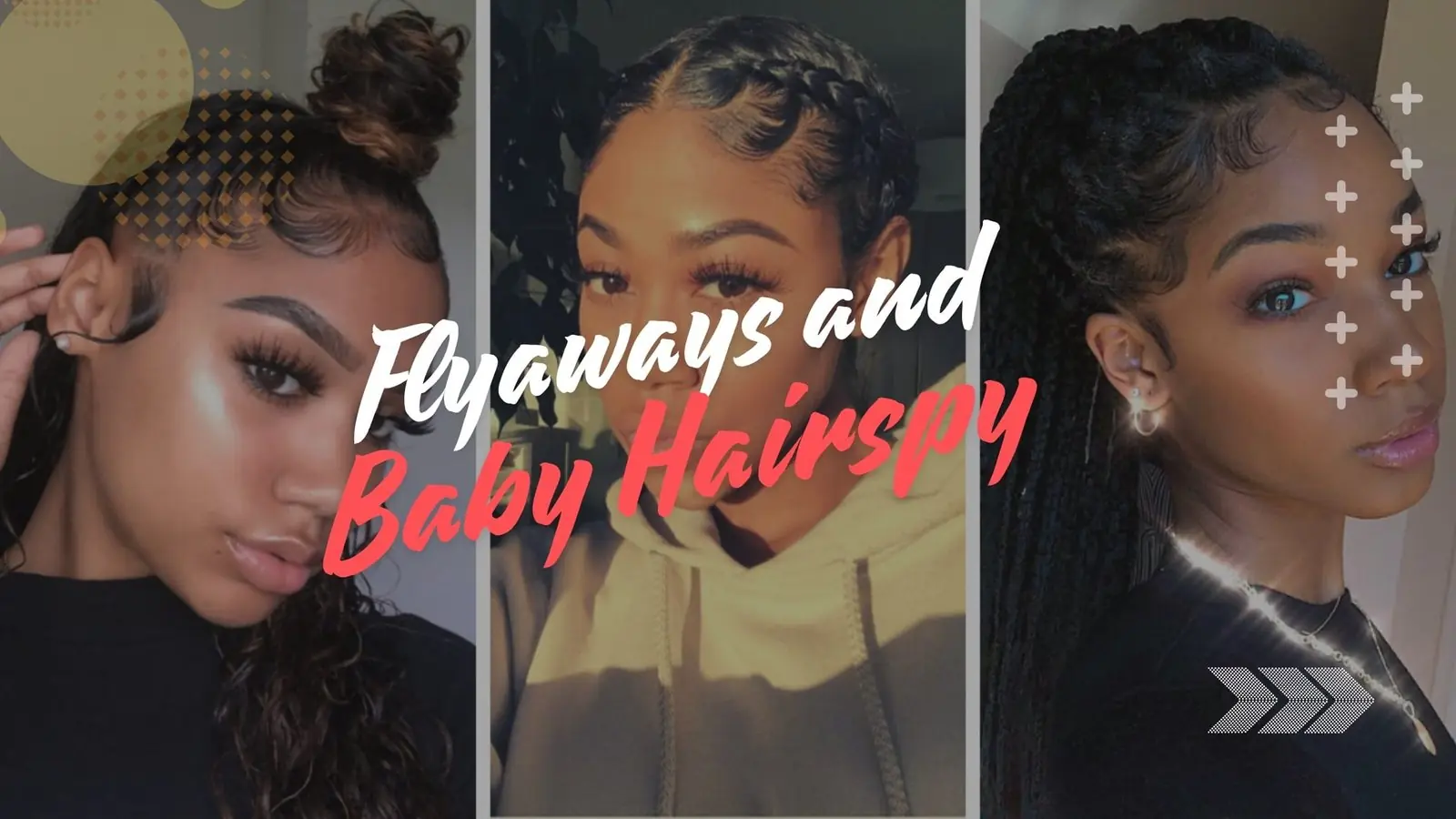
Flyaways and baby hairs can be a frustrating problem, making your hairstyle look unkempt and messy. Fortunately, there are several techniques and products you can use to tame those pesky hairs and achieve a polished, sleek look. In this comprehensive guide, we will discuss expert tips on managing flyaways and baby hairs to help you maintain a flawless hairstyle, no matter the occasion.
Understanding Flyaways and Baby Hairs
Before diving into how to tame flyaways and baby hairs, it’s essential to understand what they are and why they occur.
a. What are Flyaways?
Flyaways are short, fine hairs that stick out from the rest of your hair due to their length, texture, or static electricity. They can make your hair appear frizzy and untidy, especially when trying to achieve a sleek hairstyle.
b. What are Baby Hairs?
Baby hairs are the fine, wispy hairs that grow around your hairline. They are typically shorter and softer than the rest of your hair and can be difficult to manage and style.
Causes of Flyaways and Baby Hairs
There are several reasons why you might have flyaways and baby hairs:
a. Hair Breakage:
Hair breakage can lead to flyaways, as broken hair strands tend to be shorter and more prone to sticking out from the rest of your hair.
b. New Hair Growth:
New hair growth, including baby hairs, can cause flyaways, as these shorter hairs may not blend seamlessly with the rest of your hair.
c. Static Electricity:
Static electricity can cause flyaways, as it makes your hair strands repel each other and stand up or stick out from your head.
d. Humidity:
High humidity can cause hair to become frizzy and lead to flyaways, as moisture in the air can cause hair strands to swell and become unruly.
Expert Tips for Taming Flyaways and Baby Hairs
To tame flyaways and baby hairs, follow these expert tips:
a. Choose the Right Hair Products:
Select hair products specifically designed to combat frizz and flyaways. Look for products containing smoothing ingredients, such as silicones or natural oils, to help weigh down and control your hair. Use a lightweight hair serum or smoothing cream to help tame flyaways and baby hairs without making your hair appear greasy.
b. Maintain a Healthy Hair Care Routine:
Keep your hair healthy and well-maintained to minimize the occurrence of flyaways and baby hairs. Regularly trim your hair to remove split ends and damaged hair, and deep-condition your hair once a week to maintain moisture and reduce frizz.
c. Style Your Hair Properly:
When styling your hair, use a flat iron or hairdryer with a concentrator nozzle to help smooth and tame flyaways and baby hairs. Apply a heat protectant spray before using heat styling tools to prevent hair damage and breakage.
d. Utilize Hair Accessories:
Hair accessories, such as headbands or bobby pins, can help keep flyaways and baby hairs under control. Choose soft, fabric headbands or hairbands that won’t cause tension or damage to your hair. Use bobby pins to secure baby hairs and flyaways in place discreetly.
Home Remedies for Taming Flyaways and Baby Hairs
If you prefer natural solutions, try these home remedies to help manage flyaways and baby hairs:
a. Aloe Vera Gel:
Aloe vera gel is known for its soothing and hydrating properties. Apply a small amount of aloe vera gel to your flyaways and baby hairs to help smooth and weigh them down.
b. Coconut Oil:
Coconut oil is an excellent natural moisturizer and can help tame frizz and flyaways. Apply a small amount of coconut oil to your fingertips and gently smooth over your flyaways and baby hairs.
c. Apple Cider Vinegar:
Apple cider vinegar can help balance your hair’s pH levels and reduce frizz. Mix one part apple cider vinegar with three parts water and use it as a rinse after shampooing and conditioning your hair. Rinse your hair thoroughly with cold water afterward.
d. DIY Hair Spray:
Create a DIY hair spray using water and natural ingredients to help control flyaways and baby hairs. Mix equal parts water and aloe vera gel or rose water in a spray bottle, and lightly mist your hair before styling.
Frequently Asked Questions
Q: Can I trim my baby hairs to make them more manageable?
A: While it may be tempting to trim your baby hairs, doing so can make them appear more noticeable and difficult to manage. Instead, focus on taming and styling your baby hairs using the tips and techniques mentioned in this guide.
Q: How can I prevent static electricity from causing flyaways?
A: To prevent static electricity from causing flyaways, use a natural bristle brush, which can help distribute your hair’s natural oils and minimize static. You can also try using a humidifier in your home to maintain a balanced humidity level, which can help reduce static electricity.
Q: How often should I deep-condition my hair to prevent flyaways?
A: Deep-condition your hair at least once a week to maintain moisture and minimize frizz and flyaways. If you have particularly dry or damaged hair, you may need to deep-condition more frequently.
Conclusion
Taming flyaways and baby hairs can help you achieve a sleek, polished look for any occasion. By understanding the causes of flyaways and baby hairs and implementing the expert tips, home remedies, and hair care practices mentioned in this comprehensive guide, you can successfully manage these pesky hairs and maintain a flawless hairstyle. Keep your hair healthy, well-maintained, and properly styled to prevent and control flyaways and baby hairs, ensuring a stunning appearance every day.
Frequently Asked Questions About Taming Flyaways
How do you tame flyaways quickly?
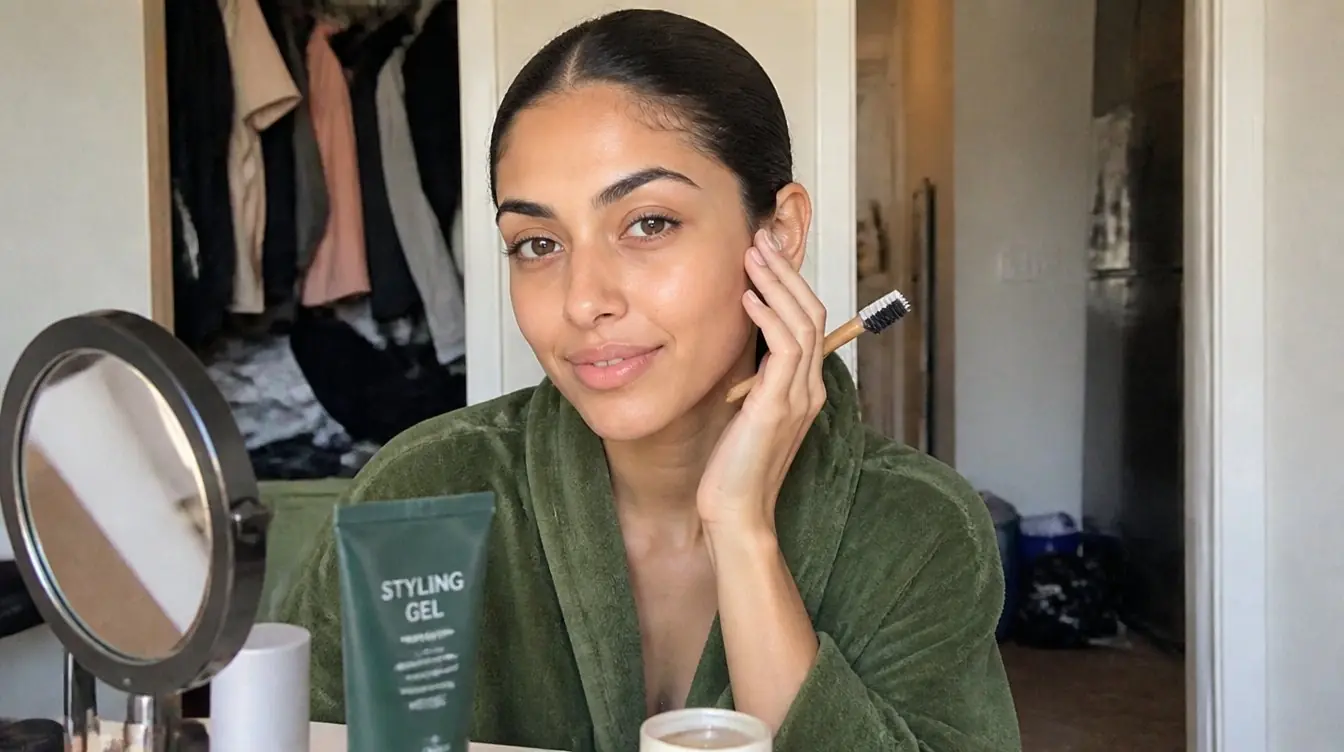
Quick flyaway fixes start with a clean mascara wand or a flyaway brush sprayed lightly with hairspray, then smoothed gently over the surface. A pea-sized amount of hair wax or pomade rubbed between fingertips and pressed onto the flyaways works for thicker hair. For fine flyaways, a fingertip dipped in a hydrating face cream and pressed along the hairline is a stylist secret. Keep all three options small; over-applying any product turns flyaways into flat, greasy hair within minutes.
What causes flyaways in hair?
Flyaways are caused by short broken hairs, new regrowth, dry weather, static, and damaged cuticles that lift away from the strand. Heat styling, over-brushing, harsh shampoos, and cotton pillowcases all increase flyaways. Hormonal changes and seasonal humidity shifts also play a role. Most people see more flyaways in winter when central heating dries out the hair and again in monsoon-style humidity. A consistent hydrating routine and a silk pillowcase noticeably reduce flyaway count over the course of a month.
Can hair oil tame flyaways?
Yes, a small amount of lightweight hair oil tames flyaways effectively, but the dose has to be right. Use a single drop of argan, jojoba, or grapeseed oil rubbed between palms and smoothed over the surface of dry hair. Too much oil turns flyaways into greasy strands. For touch-ups during the day, a hair oil pen or rollerball is more controlled than a dropper bottle. Apply on the mid-lengths and ends, never on the roots, unless you are styling the hair back.
Are flyaways a sign of damaged hair?
Not always. Some flyaways are new growth, which is healthy. Persistent flyaways across the whole head, especially with split ends and a rough texture, do suggest damage to the cuticle from heat, colour, or harsh products. The fix is to deep condition weekly, reduce heat styling, use a wide-tooth comb instead of a brush on wet hair, and sleep on a silk pillowcase. A trim every eight to twelve weeks also removes the worst of the damaged ends and reduces visible flyaways.
Does hair spray make flyaways worse?
Sprayed directly on flyaways, hairspray often makes them worse because the strands stick out and harden in that lifted position. The right method is to spray a small amount onto a clean mascara wand, toothbrush, or flyaway brush, then smooth it through the surface from root to mid-length. This press-and-set technique flattens flyaways without the crunchy, sticky finish. Choose a flexible-hold hairspray rather than a strong-hold formula for the most natural-looking result that lasts through the day.
How can I prevent flyaways overnight?
Switch to a silk or satin pillowcase, which reduces friction and protects the cuticle while you sleep. Apply a leave-in conditioner or a few drops of hair oil to mid-lengths before bed on dry days. Loosely braid or pineapple long hair on top of the head to prevent crushing and tangling. Avoid going to bed with wet hair, which makes flyaways worse in the morning. A silk hair scarf or bonnet over the hair is the next level of overnight protection and works well for fine or chemically treated hair.
RELATED ARTICLES:
5 Hair Mistakes While Sleeping
Hair Care for the Outdoor Enthusiast: Field-Tested Tips to Protect, Style, and Recover Anywhere
How to Sleep with Bangs: The Best Ways to Maintain Bangs While Sleeping
About The Author

COMMENTS