












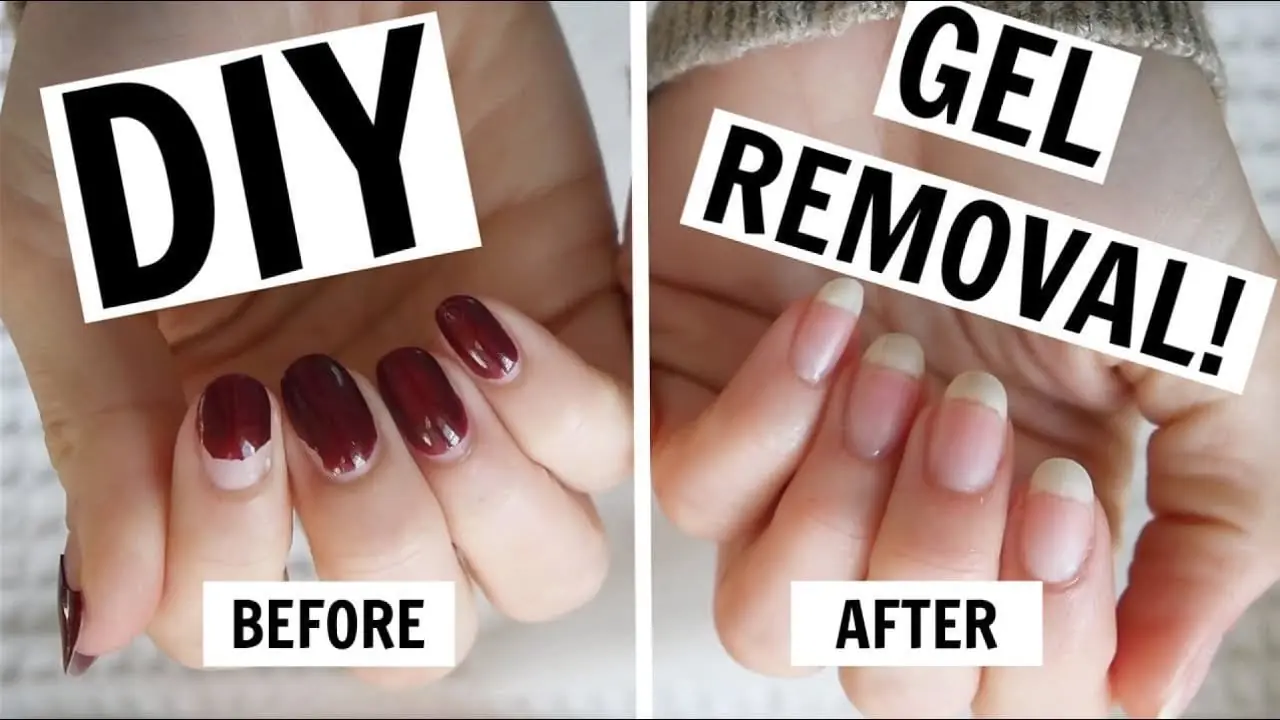
How to Remove Gel Nail Polish at Home: A Comprehensive, Step-by-Step GuideRemove gel nail polish at home safely and you can save the time and money of
How to Remove Gel Nail Polish at Home: A Comprehensive, Step-by-Step Guide
Remove gel nail polish at home safely and you can save the time and money of a salon visit. Gel is built to bond hard to the nail, so it needs a more deliberate process than peeling or scraping, which only damages the plate underneath. This complete guide explains the science behind gel polish, the exact tools you need, and the gentle step by step method that lifts color cleanly without harming your natural nails.
This comprehensive guide is designed to demystify the process of removing gel nail polish at home. We’ll delve into the science behind gel polish, explain why it requires a different approach than traditional polish, and provide you with a detailed, step-by-step method that prioritizes the health and integrity of your natural nails. We’ll cover everything you need to know, from the essential materials you’ll need to the most effective techniques for lifting the stubborn gel layers without causing damage. Whether you’re a seasoned gel polish enthusiast or trying it for the first time and wondering about removal, this guide will equip you with the confidence and expertise to achieve salon-quality results in the comfort of your home. Get ready to transform your at-home gel removal experience from a chore into a manageable and even enjoyable part of your nail care routine.
Understanding Gel Nail Polish and Its Removal
Published · Updated
The very properties that make gel polish so desirable also make it resistant to simple evaporation or quick dissolving. Acetone, the primary active ingredient in most nail polish removers, works by breaking down the chemical bonds within the polish. However, the cured polymer network of gel polish is far more resilient than traditional polish. This means that simply swiping a cotton ball soaked in acetone won’t be enough to break down the gel effectively. It requires a more prolonged and concentrated exposure to acetone to penetrate and soften the gel layers. Furthermore, the strong adhesion of gel polish to the natural nail means that aggressive scraping or peeling can easily lift off layers of your natural nail along with the gel, leading to thinning, weakness, and breakage. Therefore, patience and the correct technique are paramount when removing gel nail polish.
The goal of gel nail polish removal is to dissolve the cured gel without compromising the health of your natural nail. This involves softening the gel sufficiently so that it can be gently lifted or pushed away, rather than being forced. The process typically involves soaking the nails in an acetone-based solution, allowing the acetone to penetrate and break down the gel’s structure. This soaking period is often enhanced by trapping heat and the acetone vapor around the nail, which speeds up the dissolution process. Once softened, the gel can be carefully removed with a gentle tool. Finally, it’s essential to rehydrate and nourish the nail and cuticle area, as acetone can be quite drying.
Essential Materials for Gel Nail Polish Removal
Gathering the right tools and products before you begin is key to a smooth and successful gel nail polish removal. Having everything on hand will prevent interruptions and ensure you can follow the steps precisely. Here’s a breakdown of what you’ll need:
- 100% Acetone Nail Polish Remover: This is the most critical ingredient. Ensure you are using pure acetone, not a “non-acetone” remover or a regular nail polish remover, which will not be effective for gel polish. Acetone is a powerful solvent that can break down the cured gel. Look for bottles specifically labeled as 100% acetone.
- Cotton Balls or Lint-Free Cotton Pads: You’ll need these to apply the acetone to your nails. Lint-free pads are often preferred as they don’t leave behind small fibers that can stick to wet polish or your nail.
- Aluminum Foil: Cut into small squares, approximately 3×3 inches, enough to wrap around each fingertip. Aluminum foil helps to trap heat and acetone vapor, creating a more potent soaking environment and speeding up the removal process.
- Cuticle Pusher or Orange Stick: A metal cuticle pusher with a rounded or flat end, or a wooden orange stick, is essential for gently nudging away softened gel polish. Choose one with a smooth edge to avoid scratching your nail plate.
- Nail File (Medium Grit): A 180-220 grit nail file is useful for gently buffing the top layer of the gel polish. This step is optional but can significantly improve the acetone’s ability to penetrate the gel.
- Cuticle Oil or Nourishing Hand Cream: After the gel is removed, your nails and cuticles will need replenishment. A good quality cuticle oil or a rich hand cream will restore moisture and keep your nails healthy.
- Optional: Small Bowl or Dish: Some people prefer to pour a small amount of acetone into a bowl and soak their fingertips directly. However, the foil method is generally more efficient and uses less acetone.
- Optional: Small Tweezers: To help pick up and place the saturated cotton balls onto your nails.
Having these items ready will ensure you can proceed efficiently and effectively, minimizing the time your nails are exposed to acetone and maximizing the chances of a clean, damage-free removal. Remember, using the right concentration of acetone is crucial; anything less potent will likely result in a frustrating and incomplete removal.
Step 1: Preparing Your Nails for Removal
The initial preparation of your nails is a vital step that can significantly impact the ease and effectiveness of the gel polish removal. Skipping this stage can lead to longer soaking times and more challenging removal. This first step focuses on creating an entry point for the acetone to penetrate the gel polish layers.
Gently Buffing the Surface (Optional but Recommended)
Gel polish typically has a very glossy, sealed top coat. This layer acts as a barrier, preventing the acetone from easily reaching the colored gel layers underneath. While some may skip this step, gently buffing the surface of the gel polish with a medium-grit nail file (around 180-220 grit) can make a world of difference. The goal here is not to file down to your natural nail, but simply to remove the shine and create a slightly roughened surface. This opens up microscopic pores in the gel, allowing the acetone to penetrate more effectively and quickly.
How to do it: Take your nail file and gently, with light pressure, file over the entire surface of each nail. Use short, even strokes. You’re aiming to dull the shine of the top coat. You should see a matte finish where you’ve filed. Be careful not to over-file, especially around the edges and cuticle area, as you don’t want to thin your natural nail. If you have very thin or sensitive nails, you might choose to skip this step or use a very fine-grit file with extreme caution.
The benefit of this step is that it drastically reduces the required soaking time. When acetone can penetrate the gel more easily, it works faster to break down the polymers. This means less time with your fingers wrapped in foil and less potential for over-exposure to acetone, which can dry out your nails and skin.
Protecting Your Surrounding Skin (Optional but Beneficial)
Acetone can be quite drying to the skin. While the foil method minimizes direct contact, some people find it helpful to apply a barrier to the skin around their nails before starting the soaking process. A thick petroleum jelly (like Vaseline) or a rich hand cream can be applied to the cuticles and the skin surrounding the nail. This creates a protective layer that helps to prevent the acetone from drying out your skin during the soaking period. Be careful not to get too much product on the nail plate itself, as this could interfere with the acetone’s ability to penetrate the gel. Focus on the cuticle area and the skin adjacent to the nail.
This preparatory step ensures that when you move on to the soaking phase, your nails are primed for the acetone to do its work efficiently, and your skin is somewhat protected from the drying effects of the solvent. It sets the stage for a smoother, more successful removal.
Step 2: The Acetone Soak – Softening the Gel
This is the core of the gel polish removal process. The goal is to saturate the gel with acetone, allowing it to penetrate and break down the cured polish. The method described below uses cotton and aluminum foil, which is a widely recommended and effective technique for at-home removal.
Prepare Your Workspace: Ensure you are in a well-ventilated area, as acetone has strong fumes. Lay down some paper towels or an old cloth to protect your surface from any spills. Have your pre-cut aluminum foil squares and your cotton balls or pads ready.
Saturate the Cotton: Take a cotton ball or a piece of a cotton pad and soak it thoroughly with 100% acetone nail polish remover. You want it to be wet, but not so saturated that it’s dripping excessively. A good amount ensures sufficient contact time and solvent action.
Apply to Nails: Place the saturated cotton ball or pad directly onto the surface of each gel-polished nail. Ensure that the cotton completely covers the entire nail where the gel polish is applied. If you gently buffed the surface in the previous step, the acetone will be able to penetrate more easily.
Wrap with Foil: Take a square of aluminum foil and carefully wrap it around your fingertip, securing the cotton ball in place against the nail. The foil should snugly encase the fingertip, ensuring the cotton stays put and, crucially, helps to trap heat and acetone vapor. The warmth from your finger, combined with the trapped vapor, will create a mini-sauna effect that significantly aids in the breakdown of the gel polish. Ensure the foil is secure but not so tight that it cuts off circulation.
Repeat for All Nails: Repeat this process for all ten nails. It’s often easiest to work on one hand at a time, especially if you are right-handed and performing the removal on yourself. This allows you to maintain dexterity for wrapping the foil.
The Waiting Game: Now, patience is key. Allow the acetone to work its magic for a minimum of 10 to 15 minutes. During this time, the acetone will penetrate the gel layers, softening them and breaking the bond between the gel and your natural nail. Resist the urge to peek too early, as this can disrupt the process and require longer soaking times overall. The trapped heat and vapor are essential for effective softening.
The duration of this soak can vary depending on the brand of gel polish, the number of layers applied, and whether you buffed the surface. Thicker gel applications or those with a particularly robust top coat might require slightly longer soaking times. The goal is to have the gel softened to a point where it is no longer hard and adheres firmly to the nail.
Step 3: Checking and Re-Soaking (If Necessary)
After the initial soaking period, it’s time to assess the progress. This stage is about determining if the gel polish has softened sufficiently for removal. Rushing this can lead to forceful scraping and potential nail damage, while being too impatient can mean you haven’t soaked long enough, requiring you to start the process over.
Carefully Unwrap One Nail: Gently unwrap the aluminum foil from one fingertip. Remove the cotton ball. You should be able to see if the gel polish has started to lift, bubble, or appear softened. It might look slightly gummy or patchy.
Assess the Softness: Try to gently nudge a small section of the gel polish with your cuticle pusher or orange stick. If the gel slides off easily with minimal pressure, it’s ready to be removed. If it’s still hard, stuck on firmly, or only peeling off in tiny flakes, it needs more time to soak.
The Decision to Re-soak:
- If the gel is softened: Proceed to the next step of gently removing the polish.
- If the gel is still hard: Re-saturate the cotton ball with acetone, place it back onto the nail, and re-wrap the foil securely.
Adjusting the Soaking Time: If re-soaking is necessary, allow an additional 5 to 10 minutes. It’s generally better to add time in smaller increments rather than repeating the full 15-minute soak. This prevents over-exposure to acetone. After the additional time, check again. You might find that some nails are ready while others need a bit more soaking. It’s perfectly normal for different nails to react at slightly different rates.
Dealing with Stubborn Spots: Occasionally, even after extended soaking, small areas of gel polish might remain stubbornly attached. In such cases, you can try gently scraping those specific spots. If a large portion of the gel is still intact, it’s often more effective and safer to re-wrap the nail for another short soak rather than attempting to force removal.
The key here is observation and gentle testing. You’re looking for the point where the gel has broken down enough to be easily lifted. This stage ensures that you’re only removing the gel and not damaging your natural nail underneath. Patience during this checking and re-soaking phase will pay off in healthier-looking nails post-removal.
Step 4: Gently Removing the Softened Gel
Once you’ve determined that the gel polish has softened sufficiently, the next crucial step is to remove it gently. This is where aggressive techniques can cause the most damage, so proceed with caution and a light touch.
Remove Foil and Cotton: Carefully unwrap the aluminum foil from one finger at a time. Discard the foil and the saturated cotton ball. You should see that the gel polish has lost its hard structure and appears softened, perhaps slightly lifted or gummy.
Gentle Scraping: Take your cuticle pusher or orange stick. Hold it at a slight angle to your nail surface. Starting from the cuticle area, gently push the softened gel polish towards the free edge of your nail. The gel should glide off relatively easily. If you encounter resistance, do not force it. This indicates that the gel is not fully softened in that area.
Work Methodically: Work your way across the nail, gently nudging the gel away. You may need to use the edge of the pusher to lift small sections that are still slightly adhered. The aim is to lift the gel off the nail plate, not to scrape or scratch the nail itself. Think of it as coaxing the polish off rather than aggressively removing it.
What to Do if Gel Resists: If you encounter a stubborn patch of gel that won’t budge easily, resist the urge to apply excessive pressure. Instead, re-wrap the nail with a fresh, acetone-soaked cotton ball and foil for another 5-10 minutes. It’s always better to soak a little longer than to risk damaging your natural nail. Repeated gentle scraping after adequate soaking is the safest approach.
Avoid Metal Files or Harsh Tools: Never use a metal file or coarse tools to scrape off gel polish. These can easily scratch, gouge, and weaken your natural nail, leading to peeling, splitting, and a rough surface. Orange sticks are gentler, and a plastic cuticle pusher can also be a good option. The key is a smooth edge and minimal pressure.
Cleaning Up Residue: After you’ve gently pushed off the bulk of the softened gel, there might be some faint residue or pigment left on the nail. You can often remove this by gently buffing with a very fine-grit buffer (around 240 grit or higher) or by wiping the nail with a fresh cotton pad soaked in acetone. This final wipe will remove any remaining traces of gel and acetone.
The emphasis throughout this step must be on gentleness. The goal is to remove the gel polish completely without compromising the integrity of your natural nail. A patient and careful approach here will ensure your nails are in good condition for your next manicure.
Step 5: Post-Removal Nail Care and Nourishment
Removing gel nail polish, especially with acetone, can leave your nails and cuticles feeling dry and depleted. This final step is absolutely crucial for restoring hydration, strengthening your nails, and preparing them for their next life, whether it’s a bare nail break or a fresh coat of polish.
Cleanse the Nails: After you’ve removed all traces of gel polish and any residue, give your hands a gentle wash with mild soap and water. This will remove any lingering acetone and dust from the buffing process. Pat your hands and nails dry gently with a clean towel.
Deep Hydration with Cuticle Oil: This is where cuticle oil shines. Apply a generous amount of cuticle oil to each nail and the surrounding skin. Use the dropper or brush to apply it directly to the cuticle area, the nail plate, and under the free edge of the nail. Gently massage the oil into your cuticles and nails using circular motions. Cuticle oil, typically a blend of natural oils like jojoba, almond, or vitamin E, penetrates deeply to rehydrate and nourish the skin and the nail matrix (where the nail grows from). This is essential for flexibility and preventing brittleness.
Moisturize Thoroughly: Following the cuticle oil, apply a rich, hydrating hand cream. Massage this into your hands, nails, and cuticles. This provides an additional layer of moisture and helps to seal in the benefits of the cuticle oil. Pay special attention to the cuticle area, which can become dry and prone to hangnails after soaking.
Consider a Nail Strengthener (Optional): If your nails feel particularly weak or brittle after the removal process, you might consider applying a nail strengthener. Look for formulas that are free from harsh chemicals like formaldehyde. These can provide a protective layer and help to rebuild nail strength over time. However, allow your nails to breathe and rehydrate fully before applying any strengthening treatments.
Give Your Nails a Break: It’s often beneficial to give your natural nails a break from polish altogether for a few days or even a week after removing gel polish. This allows them to fully recover and rehydrate. During this time, continue with regular application of cuticle oil and hand cream.
Gentle Buffing for Smoothness: If your nail surface feels a bit rough after the removal, you can very gently buff it with a fine-grit buffer (240 grit or higher) to smooth out any minor ridges or unevenness. Again, be extremely gentle and avoid over-buffing.
Proper post-removal care is not just about making your nails look good; it’s about maintaining their health and structural integrity. Neglecting this step can lead to long-term issues like dryness, brittleness, and peeling. By investing a few extra minutes in nourishing your nails, you ensure they remain strong, healthy, and beautiful, ready for whatever manicure style you choose next.
Alternative Removal Methods and When to Use Them
While the acetone soak with foil wrap is the most common and generally recommended method for removing gel nail polish at home, there are a few alternative approaches and variations. Understanding these can be helpful if you encounter specific challenges or have different preferences.
The Bowl Soak Method
This method involves soaking your fingertips directly in a bowl of acetone.
- How it works: Pour about half an inch of 100% acetone into a small glass or ceramic bowl. Sit with the bowl on a protected surface and submerge your fingertips into the acetone.
- Pros: Some find this method more convenient as it doesn’t require wrapping each nail individually. It ensures the entire nail surface is consistently exposed to acetone.
- Cons: This method uses significantly more acetone, which can be costly and is harsher on the skin, as more of your skin is submerged. It also requires you to remain stationary for the entire soaking duration, making it difficult to multitask. Ventilation is even more critical with this method.
- When to use: This might be considered if the foil method proves difficult for some reason, or if you have very thick gel layers that require maximum, consistent exposure to acetone. However, it’s generally less preferred due to the higher acetone usage and skin exposure.
Gel Polish Remover Clips
These are small, reusable plastic clips designed to hold a soaked cotton pad securely onto each fingertip.
- How it works: You saturate a cotton pad with acetone, place it on your nail, and then snap the clip over your finger to hold it in place.
- Pros: They offer a neater alternative to aluminum foil, ensuring the cotton pad stays put without needing to be perfectly wrapped. They are reusable, making them an eco-friendlier option over time.
- Cons: The initial investment is higher than using household aluminum foil. Some users find them less effective at trapping heat compared to foil, potentially leading to slightly longer soaking times.
- When to use: If you frequently remove gel polish at home and want a more streamlined, reusable solution, these clips can be a good investment.
Specialized Gel Polish Removers
Some brands offer specialized gel polish removers that are formulated to be gentler or faster-acting. These might contain a blend of solvents or conditioning agents.
- How it works: These products are used similarly to 100% acetone, often following the same soaking or wrapping techniques.
- Pros: They might be formulated to reduce the drying effects of pure acetone or to break down gel more quickly.
- Cons: They can be more expensive than pure acetone, and their effectiveness can vary greatly by brand. Some may still contain a high percentage of acetone. Always check the ingredients list.
- When to use: If you have particularly sensitive skin or find pure acetone too harsh, exploring these specialized removers might be worthwhile, but always research reviews and ingredient lists.
What NOT to Do
It’s equally important to know which methods to avoid entirely, as they can cause significant damage to your natural nails.
- Peeling or Picking: Never attempt to peel or pick off gel polish that is not fully softened and lifting easily. This is the fastest way to rip off layers of your natural nail, leading to thinning, weakness, and breakage.
- Using a Metal File Aggressively: While a gentle buffing of the top coat is acceptable, using a coarse metal file to scrape off the gel is extremely damaging. It can scratch the nail plate, create unevenness, and weaken the nail structure.
- Soaking in Rubbing Alcohol: Isopropyl alcohol (rubbing alcohol) is not strong enough to break down cured gel polish effectively. It may remove some of the shine or surface layer, but it won’t dissolve the gel itself.
The best method for you will depend on your nail condition, the type of gel polish used, and your personal preferences. However, the core principles of using a strong acetone-based solvent, allowing adequate penetration time, and removing the softened gel gently remain consistent across most effective techniques.
Common Problems and Troubleshooting During Gel Removal
Even with the best intentions and a detailed guide, you might encounter a few snags during the gel nail polish removal process. Understanding common issues and how to address them can save you frustration and protect your nails.
Problem: The Gel Polish Isn’t Softening
This is perhaps the most common frustration. The acetone seems to be doing nothing, and the gel remains hard and firmly attached.
- Possible Causes:
- Insufficient Acetone Strength: You might be using a remover that isn’t 100% acetone. Non-acetone removers or those with a lower acetone concentration simply won’t work.
- Top Coat Too Thick or Robust: Some gel brands have extremely durable top coats that are harder for acetone to penetrate.
- Inadequate Buffing: If you skipped the initial buffing step, the sealed top coat is preventing acetone penetration.
- Not Enough Soaking Time: You may simply need more time. Gel polish is designed to be long-lasting.
- Solutions:
- Verify Acetone Purity: Double-check your bottle to ensure it says 100% acetone.
- Re-Buff: If you skipped this, gently re-buff the surface of the gel polish to create pores.
- Increase Soaking Time: Be patient. Try soaking for another 10-15 minutes, or even longer in 5-10 minute increments.
- Ensure Good Seal: Make sure the foil is wrapped tightly to trap heat and vapor, which aids the process.
Problem: The Gel is Lifting Unevenly or Leaving Stubborn Patches
After soaking, some parts of the gel might be coming off easily, while others are still stuck fast.
- Possible Causes: Uneven application of the gel polish or top coat, or inconsistent penetration of acetone due to how the foil was wrapped.
- Solutions:
- Gentle Scraping: Use your cuticle pusher or orange stick to gently lift the softened areas.
- Targeted Re-soaking: If a specific nail or area is being stubborn, re-wrap only that finger with a fresh, acetone-soaked cotton ball and foil for an additional 5-10 minutes.
- Avoid Force: Never scrape forcefully. If it’s not coming off with gentle pressure, it needs more soaking.
Problem: Nails Feel Dry, Brittle, or White/Crusty After Removal
Acetone is a powerful solvent and can strip natural oils from your nails and surrounding skin.
- Possible Causes: Prolonged or repeated exposure to acetone, insufficient post-removal hydration.
- Solutions:
- Immediate Hydration: As soon as you’ve finished removing the gel, apply cuticle oil generously and massage it in. Follow up with a rich hand cream.
- Use a Barrier: Apply petroleum jelly or a thick cream to cuticles and skin before soaking to minimize drying.
- Give Nails a Break: Allow your nails to recover for a few days before applying new polish.
- Gentle Buffing: If the nail surface is rough, very gently buff with a high-grit buffer to smooth it.
Problem: Cuticles Are Sore or Irritated
Acetone fumes and contact can irritate the delicate cuticle skin.
- Possible Causes: Acetone contact with skin, sensitivity to the solvent.
- Solutions:
- Protective Barrier: Apply Vaseline or a thick hand cream to the cuticles before soaking.
- Be Precise: Try to ensure the cotton ball only contacts the nail plate, not excessive surrounding skin.
- Soothing Balm: After removal, apply a soothing balm or a thick layer of cuticle oil to the irritated area.
- Ventilation: Ensure the room is well-ventilated to minimize inhaling fumes.
By anticipating these potential issues and knowing how to address them, you can navigate the gel removal process more confidently and ensure the health and beauty of your natural nails.
The Science Behind Gel Polish Removal: Why Acetone Works
Understanding the chemistry behind gel polish removal can demystify the process and highlight the importance of using the correct solvent and technique. Gel nail polish is essentially a type of acrylic resin that cures (hardens) when exposed to UV or LED light. This curing process involves polymerization, where individual monomer molecules link together to form long, strong polymer chains. This creates a durable, solid coating on the nail.
Acetone, a simple organic compound with the chemical formula (CH₃)₂CO, is a highly effective solvent. Its molecular structure, featuring a polar carbonyl group (C=O) and two nonpolar methyl groups (CH₃), allows it to interact with and dissolve a wide range of substances, including many plastics and synthetic resins. When it comes to gel polish, acetone works by penetrating the cured polymer network. The acetone molecules work their way between the polymer chains, disrupting the intermolecular forces (like Van der Waals forces) that hold the structure together. This process effectively breaks down the cross-links between the polymer chains, causing the gel to soften, swell, and eventually dissolve or break apart.
The reason why pure acetone is necessary is due to the strength and nature of the cured gel polymers. Weaker solvents found in regular nail polish removers are not potent enough to break these strong chemical bonds efficiently. This is why a prolonged soak is required for gel polish. The longer the acetone is in contact with the gel, the more it can penetrate and break down the polymer structure.
The use of aluminum foil plays a crucial role beyond just holding the cotton pad. When wrapped around the fingertip, the foil traps the heat generated by your body. This trapped heat increases the rate at which acetone evaporates, creating a higher concentration of acetone vapor within the foil wrapping. This vapor is a potent solvent in its own right, and the combination of liquid acetone and acetone vapor significantly speeds up the softening and dissolving process. It essentially creates a mini-sauna that enhances the effectiveness of the acetone.
Furthermore, the initial buffing step, while optional, is scientifically sound. Removing the glossy top coat creates microscopic fissures and channels in the gel surface. These imperfections allow the acetone molecules to access the underlying gel layers more readily, accelerating the penetration process. Without these entry points, the acetone has to work harder and longer to diffuse through the intact, smooth surface of the top coat.
Understanding this scientific basis reinforces why specific steps are necessary: using 100% acetone, allowing sufficient soaking time, potentially buffing the surface, and using the foil wrap to enhance solvent action are all designed to maximize the chemical breakdown of the cured gel polymers with minimal damage to the natural nail.
Frequently Asked Questions About Gel Nail Polish Removal
Q1: How long does it typically take to remove gel nail polish at home?
A: The total time can vary, but generally, you should expect the process to take between 20 to 30 minutes. This includes the initial soaking time (10-15 minutes), checking and potentially re-soaking (5-10 minutes), and the gentle removal of the softened gel. Some very stubborn gels might take slightly longer.
Q2: Can I use a regular nail polish remover to take off gel polish?
A: No, regular nail polish removers, especially those that are not acetone-based, are not effective for removing gel nail polish. Gel polish is cured using UV/LED light, creating a much harder and more durable coating than traditional polish. You need the strong solvent power of 100% acetone to break down the cured gel polymers.
Q3: Is it safe to remove gel polish myself, or should I always go to a salon?
A: It is generally safe to remove gel nail polish yourself at home, provided you follow the correct steps carefully and prioritize gentleness. The key risks involve potential damage to your natural nails if you are too aggressive during the scraping phase or if you over-expose your nails and skin to acetone without proper care. If you are unsure or have very delicate nails, a salon removal is always an option.
Q4: My nails feel very dry and weak after removing gel polish. What can I do?
A: This is a common side effect of acetone exposure. The most important step is immediate and thorough hydration. Apply cuticle oil generously to your nails and cuticles and massage it in. Follow up with a rich hand cream. Giving your nails a break from polish for a few days and continuing with regular moisturizing will help them recover their strength and flexibility.
Q5: Can I peel off gel polish if I’m in a hurry?
A: Absolutely not. Peeling or picking off gel polish that hasn’t been properly softened is the most damaging thing you can do. It will strip away layers of your natural nail, leaving them thin, weak, and prone to splitting and peeling. Always opt for the proper soaking method, even if you’re short on time.
Q6: How often can I safely remove gel polish?
A: You can safely remove gel polish whenever you are ready for a new manicure or want to give your nails a break. The removal process itself, when done correctly, does not inherently limit how often you can wear gel polish. However, it’s always a good idea to listen to your nails. If they feel compromised, weak, or overly dry, give them a rest period with intensive hydration before reapplying gel or any other type of polish.
Conclusion
Removing gel nail polish at home doesn’t have to be a daunting task. By understanding the unique properties of gel polish and employing the right techniques, you can achieve a clean and safe removal process right in your own home. The key lies in patience, using the correct materials , primarily 100% acetone , and prioritizing the health of your natural nails throughout the entire process. Remember the essential steps: prepare your nails by gently buffing the surface if possible, saturate cotton pads thoroughly with acetone, wrap each nail securely with aluminum foil to trap heat and vapor, allow adequate soaking time (typically 10-15 minutes, potentially longer with re-soaks), and most importantly, gently nudge away the softened gel with a cuticle pusher or orange stick, never forcing it.
The post-removal care is just as critical as the removal itself. Replenishing moisture is paramount. Generously applying cuticle oil and a rich hand cream will counteract the drying effects of acetone, restoring suppleness to your nails and cuticles and promoting overall nail health. By following this comprehensive guide, you can confidently maintain your beautiful gel manicures while ensuring your natural nails remain strong, healthy, and resilient. Embrace the power of informed at-home care, and enjoy flawless nails with every removal.
RELATED ARTICLES:
Achieve a Salon-Quality Manicure at Home with Gel Nail Polish
Discover the Convenience and Beauty of Best Long Lasting Nail Polish
How to Care for Your Nails in Winter: Tips for Healthy, Beautiful Nails During the Cold Months
The Influence of Celebrity Nail Trends: Uncovering the Power of A-List Manicures
About The Author

COMMENTS