






Homemade sugar scrubs are the easiest way to get genuinely glowing skin, sloughing away the dead cells that dull your complexion and clog pores. Made
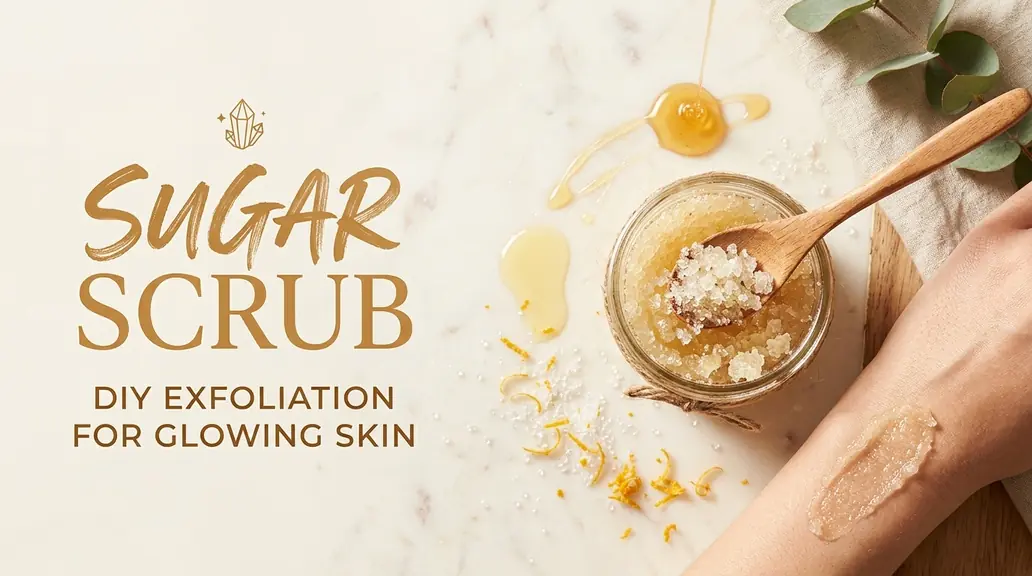
Homemade sugar scrubs are the easiest way to get genuinely glowing skin, sloughing away the dead cells that dull your complexion and clog pores. Made from a few kitchen staples, they exfoliate gently, leave skin soft and smooth, and cost a fraction of store-bought scrubs, and this guide shows you how to make and use them.
Skin exfoliation is the step that separates genuinely glowing skin from skin that only looks clean. Without it, dead cells build up, dulling your complexion, clogging pores, and blocking your serums and moisturizers from absorbing. Store-bought scrubs can cost a fortune and often carry synthetic abrasives and fragrances that sensitive skin cannot tolerate. Homemade sugar scrubs offer a gentler, dermatologist-acknowledged alternative. Here is the science behind sugar and how to use it safely.
This guide is the most comprehensive resource you will find on making and using sugar scrubs at home. You will learn the science behind why sugar works so brilliantly as an exfoliant, how to build recipes tailored to your specific skin type, which carrier oils and add-ins deliver the best results, how to apply your scrub safely and effectively, and how to avoid the mistakes that can turn a good skincare habit into a source of irritation. Whether you are completely new to DIY beauty or an experienced formulator looking to refine your craft, every section here is packed with information that will genuinely change the way you think about exfoliation.
The Science of Skin Exfoliation: Why Your Skin Needs It
Published · Updated
The problem is that this natural shedding process slows down considerably as we age. In teenagers and young adults, the turnover cycle is brisk and efficient. By the time we reach our thirties, that cycle can extend to 35 or even 45 days. Cells that are overdue for shedding pile up on the surface, creating a rough, dull, uneven texture. They also trap sebum, environmental pollutants, and bacteria in the pores, increasing the likelihood of breakouts and blackheads. Skincare actives like vitamin C, hyaluronic acid, and retinol are less effective when they have to work through that built-up layer before reaching living skin cells.
Exfoliation, whether physical or chemical, addresses exactly this problem. Physical exfoliants like sugar granules work by mechanically loosening and lifting those dead cells from the surface when you massage them across the skin. Chemical exfoliants like alpha-hydroxy acids (AHAs) dissolve the bonds that hold dead cells together. What makes sugar uniquely special is that it delivers both mechanisms simultaneously. The granules provide physical abrasion while the naturally occurring glycolic acid in sugar cane provides gentle chemical exfoliation at the same time. Very few natural ingredients offer this dual-action benefit, which is precisely why sugar has been used in beauty rituals across cultures for centuries.
What Makes Sugar an Exceptional Exfoliant
Not all physical exfoliants are created equal. Walnut shell powder, which has been used in some popular commercial scrubs, has jagged, irregularly shaped particles that can create microscopic tears in the skin, leading to inflammation and accelerated aging over time. Salt crystals are effective but can sting on sensitive or broken skin. Sugar granules, by contrast, are naturally rounded, which means they glide across the skin surface without creating those damaging micro-abrasions. They are also water-soluble, which means they dissolve completely during rinsing without leaving residue and without the risk of an accidental over-exfoliation if you linger a little too long.
The glycolic acid content in sugar is another remarkable feature. Glycolic acid is the smallest-molecule AHA, which allows it to penetrate the upper layers of the skin more efficiently than other acids. At the concentrations found naturally in sugar, it acts as a gentle exfoliating and hydrating agent rather than the aggressive peeling treatment you would get from a clinical glycolic peel. Glycolic acid works by breaking down the glue-like substance between dead skin cells, called desmosomes, encouraging them to release from the surface more readily. It also stimulates fibroblasts, the cells responsible for producing collagen and elastin, which is why consistent use of glycolic acid is associated with improved skin firmness and a reduction in the appearance of fine lines over time.
Sugar is also hygroscopic, meaning it draws moisture from the air and holds it against the skin. This is a rare quality in a physical exfoliant and is one reason why sugar scrubs leave skin feeling soft and supple immediately after use, rather than tight or stripped as some harsh scrubs do. When you combine sugar with a nourishing carrier oil and apply it to damp skin, you are simultaneously exfoliating, infusing the skin with moisture, and laying the groundwork for better absorption of any products you apply afterward.
Brown Sugar vs. White Sugar: Choosing the Right Granule
The type of sugar you choose for your scrub matters more than most DIY guides acknowledge. White granulated sugar is the standard choice for body scrubs because its granules are uniform in size and provide a consistent level of abrasion. It is effective for the knees, elbows, feet, and the general body where skin is thicker and can tolerate more vigorous exfoliation.
Brown sugar is significantly finer and softer than white sugar because it retains molasses, which adds additional moisture and gives it a slightly stickier consistency that clings to the skin surface. This makes brown sugar the ideal choice for facial scrubs and for anyone with sensitive skin anywhere on the body. The molasses in brown sugar also contains trace minerals including calcium, potassium, and iron, which have mild skin-conditioning properties. If you are torn between the two, brown sugar is the safer, more versatile option for everyday use, while white sugar is your go-to for areas that need more intensive treatment.
Raw cane sugar, often sold as turbinado or Demerara sugar, sits between the two in terms of coarseness. Its larger granules are excellent for a deep exfoliation on the body, particularly on callused areas like the heels and balls of the feet. Many seasoned DIY formulators keep all three types on hand and select based on the area being treated and the intensity of exfoliation desired.
The Role of Glycolic Acid in Sugar Scrubs
It is worth spending a moment on the glycolic acid connection because it often surprises people who think of sugar purely as a physical exfoliant. Glycolic acid was first isolated from sugar cane, which is why it is classified as an AHA. In its pure, concentrated form it is a powerful cosmetic acid used in professional peels. In its naturally occurring form within raw and granulated sugar, the concentration is much lower and the pH is not acidic enough to trigger the same level of cellular turnover. However, this does not render it inactive.
When you massage a sugar scrub onto damp skin, the granules begin to dissolve on contact. As they dissolve, they release their glycolic acid content directly onto the skin surface. At low concentrations, glycolic acid acts as a humectant, drawing water into the upper layers of the skin and improving its capacity to retain moisture. It also encourages gentle cell turnover and helps to fade hyperpigmentation, including post-blemish marks and sun spots, over extended periods of regular use. Dermatologists who recommend gentle at-home exfoliation often point to this dual-action quality as the reason sugar scrubs outperform many single-mechanism alternatives.
The Full Spectrum of Benefits: What Regular Sugar Scrubbing Does for Your Skin
The benefits of a consistent sugar scrub practice extend well beyond the obvious smoothing effect. Understanding all the ways your skin responds to regular, gentle exfoliation will motivate you to make it a non-negotiable part of your weekly routine rather than an occasional treat.
Improved product absorption is one of the most immediately noticeable benefits and one of the most practically significant. When dead cells sit on the surface, they act as a physical barrier that prevents active ingredients in your serums and moisturizers from penetrating to the living skin cells where they can actually do something. Studies on transdermal drug delivery have repeatedly demonstrated that removing the stratum corneum barrier dramatically increases the skin’s permeability to topically applied substances. In practical terms, this means that the vitamin C serum you apply after a sugar scrub session will be meaningfully more effective than the same serum applied to unexfoliated skin.
Skin tone evenness improves steadily with regular exfoliation because dead skin cells tend to cluster more heavily in some areas than others, creating an uneven, patchy appearance. People who deal with hyperpigmentation, whether from sun damage, hormonal changes (melasma), or post-inflammatory hyperpigmentation from acne, often find that sugar scrubbing accelerates the fading process. While exfoliation alone will not eliminate deep-set hyperpigmentation, it removes the surface layer where pigmented cells accumulate and ensures that brightening actives like vitamin C or niacinamide can reach their target tissue more effectively.
Circulation stimulation is an often overlooked benefit of the massage component of any scrub application. The circular motions used to work a sugar scrub into the skin temporarily increase local blood flow, which delivers oxygen and nutrients to the skin cells and contributes to the rosy, healthy flush you see immediately after exfoliation. Some research in the field of lymphatic drainage suggests that facial massage also supports the movement of lymphatic fluid, which can reduce puffiness and improve the overall vitality of the complexion.
For people who shave, whether legs, underarms, or the bikini area, regular sugar scrubbing is one of the most effective strategies for preventing ingrown hairs. Ingrowns occur when a hair curls back into the follicle or when dead skin cells block the follicle opening and prevent the emerging hair from breaking through the surface. By keeping the follicle openings clear, a twice-weekly sugar scrub in shaved areas can dramatically reduce the frequency and severity of ingrowns, producing smoother, bump-free skin over time.
Building Your Base Recipe: The Classic Sugar Scrub Formula
Every great sugar scrub starts with the same two-component foundation: the sugar and the carrier oil. Everything else, from essential oils to vitamin E to natural colorants, is an enhancement. Getting the foundation right is the most important step in formulating a scrub that works beautifully and feels luxurious on the skin.
The ratio of sugar to oil determines the texture of your scrub. A higher sugar ratio produces a grittier, more abrasive scrub with stronger physical exfoliation. A higher oil ratio produces a paste-like, emollient scrub with more moisturizing action and gentler abrasion. For a versatile all-purpose body scrub, a 2:1 ratio of sugar to oil is a reliable starting point. For a facial scrub, lean toward a 1:1 ratio with brown sugar to keep the abrasion gentle and the moisture delivery generous.
Here is the foundational recipe that forms the basis of every variation covered in this article:
- 1 cup of granulated white sugar (or brown sugar for sensitive skin or facial use)
- 1/2 cup of carrier oil of your choice (coconut, sweet almond, jojoba, or olive oil are all excellent options)
- 1 tablespoon of fresh lemon juice (optional, adds brightening action)
- 10 to 15 drops of essential oil (optional, for fragrance and additional skin benefits)
- 1 teaspoon of raw honey (optional, adds antibacterial and humectant properties)
To prepare, combine the sugar and carrier oil in a clean, dry bowl and stir thoroughly until no dry sugar remains at the bottom. Add the lemon juice, honey, and essential oil in that order, stirring well after each addition. Transfer the finished scrub to an airtight glass jar. A wide-mouth jar is ideal because it allows you to scoop out the scrub easily with clean, dry hands or a spatula. Store at room temperature away from direct sunlight and moisture. Without water-based ingredients, an oil-and-sugar scrub has a shelf life of approximately four to six weeks at room temperature. If you use a water-containing liquid like aloe vera gel or fresh juice, reduce the batch size and store in the refrigerator, using within one to two weeks.
Choosing the Right Carrier Oil for Your Skin Type
The carrier oil you select is not merely a vehicle for the sugar granules. It is an active skincare ingredient that should be chosen based on your skin type and specific concerns. Each oil has a distinct fatty acid profile, vitamin content, and skin-feel that makes it more or less appropriate for different people.
Coconut oil is the most popular choice in DIY sugar scrubs because it is solid at room temperature, which gives the scrub a firm, scoopable texture, and it melts on contact with warm skin for easy application. It is rich in lauric acid, which has documented antimicrobial properties, making it a reasonable choice for body scrubs on acne-prone back or chest skin. However, coconut oil is considered comedogenic (pore-clogging) for some people, so it is not universally recommended for facial scrubs, particularly if you are prone to facial breakouts.
Jojoba oil is technically a liquid wax rather than an oil, and its molecular structure closely resembles human sebum. This makes it extraordinarily skin-compatible for almost all skin types, including oily and acne-prone skin. It absorbs readily, does not leave a greasy residue, and is rich in vitamin E and B-complex vitamins. Jojoba is the gold-standard carrier oil for facial sugar scrubs and is equally excellent in body scrubs.
Sweet almond oil is lightweight, pale yellow, and rich in oleic and linoleic acids, making it particularly beneficial for dry, dull skin. It absorbs without greasiness, has a mild, pleasant natural scent, and contains vitamin E and zinc. It is a beautiful choice for a full-body winter scrub when dry skin is at its most persistent.
Argan oil, often called liquid gold, is cold-pressed from the kernels of the Moroccan argan tree and is rich in oleic acid, linoleic acid, and vitamin E. It is non-comedogenic, fast-absorbing, and has well-documented anti-aging properties. Using argan oil as your carrier in a facial brown sugar scrub is a genuinely luxurious formulation that delivers exceptional smoothing and brightening results.
Olive oil is the most pantry-accessible carrier oil and has been used in Mediterranean beauty rituals for millennia. It is rich in squalene, which mimics the skin’s natural lipid barrier, and contains powerful antioxidants including polyphenols and vitamin E. It is heavier than some oils and works best in body scrubs or in scrubs for very dry skin types.
Essential Oils That Elevate Your Scrub
Essential oils should always be used at a concentration of no more than 1 to 2 percent of the total formula, which for a standard one-cup batch translates to 10 to 20 drops. Beyond that threshold, most essential oils can cause sensitization, photosensitivity, or irritation. Within safe dilution ranges, however, they add meaningful skin benefits on top of their aromatic pleasure.
Lavender essential oil is one of the most broadly applicable options because it is calming, anti-inflammatory, and mildly antimicrobial. It suits all skin types and is a sensible default if you want aromatic enhancement without a specific therapeutic goal. Research published in dermatological literature has demonstrated lavender’s ability to soothe minor irritation and reduce the sensation of itchiness.
Frankincense essential oil has been used in skincare for thousands of years and is associated with cellular regeneration, improved skin tone, and a reduction in the appearance of scars and stretch marks. It is particularly well-suited for mature skin and for use in scrubs targeting areas with uneven pigmentation.
Tea tree oil is a powerful antimicrobial agent that is well-supported by clinical research. At safe dilutions in a body scrub, it can help keep follicles clear and reduce the bacterial load that contributes to body acne. It should be avoided on the face by people with sensitive skin, as it can cause redness and dryness even at low concentrations.
Geranium essential oil is beloved in aromatherapy for its balancing properties and is thought to help regulate sebum production, making it a thoughtful addition to scrubs for combination and oily skin types. Peppermint oil delivers a refreshing, cooling sensation and stimulates circulation, which makes it an energizing addition to a foot scrub. Rose essential oil, though expensive, is deeply moisturizing, mildly astringent, and extraordinarily skin-compatible, making it a premier choice for facial scrubs targeting dry or mature skin.
Targeted Sugar Scrub Recipes for Every Skin Type and Concern
One of the greatest advantages of making your own sugar scrubs is the ability to customize every batch to address your specific skin concerns. The following recipes are formulated for particular skin types and concerns, building on the base recipe with purposeful additions that address real skincare needs.
For dry, flaky skin, a honey and oat sugar scrub delivers exceptional nourishment alongside exfoliation. Combine one cup of fine brown sugar with half a cup of sweet almond oil, two tablespoons of raw honey, and two tablespoons of finely ground oats. The honey is a natural humectant that draws moisture into the skin while also providing gentle antibacterial action. The colloidal oatmeal fraction from the ground oats is clinically recognized for its ability to soothe and repair a compromised skin barrier, making this formulation ideal for winter skin or anyone dealing with eczema-prone or chronically dry skin.
For oily and acne-prone skin, a green tea and lemon sugar scrub leverages the antioxidant and oil-regulating properties of two powerful natural ingredients. Brew a strong cup of green tea, allow it to cool completely, and use two tablespoons of the cooled tea in place of carrier oil for a lighter formulation. Combine with one cup of white sugar, one tablespoon of jojoba oil, the zest of half a lemon, and 10 drops of tea tree essential oil. The EGCG (epigallocatechin gallate) in green tea is one of the most potent plant antioxidants studied in dermatology and has demonstrated anti-inflammatory and sebum-regulating activity in multiple published studies.
For dull, hyperpigmented skin, a turmeric and citrus sugar scrub is a time-honored brightening treatment used across South Asian beauty traditions and increasingly validated by modern dermatological research. Combine one cup of granulated sugar with half a cup of jojoba oil, one teaspoon of ground turmeric, one tablespoon of fresh orange juice, and 10 drops of sweet orange or lemon essential oil. The curcumin in turmeric is a potent antioxidant and anti-inflammatory that inhibits an enzyme called tyrosinase, which is responsible for melanin production. Consistent use can visibly reduce the appearance of dark spots and uneven pigmentation. A word of caution: turmeric can temporarily stain lighter skin tones yellow. To prevent staining, rinse thoroughly immediately after use and do not leave the scrub on the skin for extended periods.
For sensitive skin, a chamomile and rose sugar scrub keeps both the physical and chemical stimulation to an absolute minimum while delivering calming, nourishing benefits. Brew two tablespoons of very strong chamomile tea and allow it to cool. Combine one cup of the finest brown sugar you can find with one quarter cup of argan oil, the cooled chamomile tea, one teaspoon of vitamin E oil squeezed from a capsule, and 10 drops of lavender or rose essential oil. Chamomile contains bisabolol and apigenin, compounds with well-documented anti-inflammatory and skin-calming properties that are particularly effective for rosacea-adjacent skin and reactive skin types.
For rough, neglected feet, an intensive peppermint and pumice-enhanced sugar scrub is transformative. Combine one cup of coarse turbinado sugar with half a cup of coconut oil, one tablespoon of pumice powder (available at beauty supply stores), two tablespoons of shea butter melted gently, and 15 drops of peppermint essential oil. The pumice enhances the abrasive action for thick, callused skin while the shea butter delivers intensive emollient nourishment to dry, cracked heels. Apply this to dry feet before stepping into the shower for maximum impact, allowing the oils to penetrate the callus before the warm water opens the pores further.
How to Apply a Sugar Scrub Correctly: A Step-by-Step Protocol
The technique with which you apply a sugar scrub is almost as important as the formulation itself. Applied incorrectly, even the gentlest scrub can cause micro-irritation. Applied with proper technique, a sugar scrub delivers results that feel immediate and cumulative over time.
Begin by thoroughly cleansing your skin to remove surface makeup, sunscreen, and daily grime. Attempting to exfoliate skin covered in product buildup is counterproductive. For a body scrub, cleanse in the shower first, then proceed to exfoliation. For a facial scrub, use your regular gentle cleanser, rinse, and pat your face to damp (not dripping wet) before applying the scrub.
Scoop a generous amount of scrub, about the size of a golf ball for body areas, or roughly a teaspoon for the face, into the palm of your hand. Apply to damp skin using your fingertips. The dampness is important: it allows the sugar granules to glide rather than drag, prevents friction burns, and begins dissolving the outer layer of granules to initiate the chemical exfoliation component.
Work the scrub into the skin using gentle circular motions. On the body, you can use firm pressure on thick-skinned areas like the knees, elbows, and heels, gradually lightening your touch for the more delicate skin of the inner forearms and décolletage. On the face, use extremely light pressure, the weight of your fingertips only, with small circular movements. The skin on the face is significantly thinner than body skin and requires far less mechanical force to achieve the same result. Concentrate on areas of congestion, texture, or dullness, but avoid the immediately around the eyes, where the skin is the thinnest on the body.
Allow the scrub to sit on the skin for two to three minutes after massaging it in. During this dwell time, the oils penetrate the skin surface, the remaining sugar granules continue their gentle chemical exfoliation, and any essential oils or active add-ins begin to interact with the skin. This rest period is often skipped in DIY tutorials but is one of the most beneficial steps in the process.
Rinse with warm water, not hot. Hot water strips the skin’s natural lipid barrier and negates some of the moisturizing work the carrier oil has done. Use gentle sweeping motions to rinse, allowing the warm water to remove every grain of sugar. Pat the skin dry with a clean towel rather than rubbing, which can reintroduce friction and irritation immediately after exfoliation.
While the skin is still slightly damp from the rinse, apply your regular moisturizer or body lotion. The damp skin state dramatically improves the penetration and efficacy of any subsequent product. If you have used a facial sugar scrub, this is an ideal moment to apply a hyaluronic acid serum followed by your moisturizer, as your freshly exfoliated skin will absorb these actives with exceptional efficiency.
How Often Should You Use a Sugar Scrub
Frequency is one of the most commonly misunderstood aspects of exfoliation. More is emphatically not better. Over-exfoliation is a real and increasingly common skin condition that occurs when the skin barrier is repeatedly disrupted before it has had time to fully recover. Symptoms include persistent redness, a burning or stinging sensation when applying products that never used to cause issues, increased sensitivity to sunlight, breakouts in skin that was previously clear, and a tight, dry feeling that moisturizer cannot adequately resolve.
For most skin types, exfoliating two to three times per week with a gentle sugar scrub strikes the optimal balance between effective cell turnover and barrier recovery. For sensitive skin or rosacea-prone skin, once per week is sufficient and is far preferable to more frequent use. For very dry or flaky skin that has been neglected for a long time, starting with once or twice per week and gradually increasing as the skin acclimates is the safest approach.
Body skin, being thicker and more resilient than facial skin, can generally tolerate more frequent exfoliation than the face. Many people use a body sugar scrub three times per week without any adverse effects, especially if their formulation leans moisturizing. Facial exfoliation should be approached more conservatively, particularly if you are also using any retinoids, AHAs, BHAs, or benzoyl peroxide in your routine, as layering multiple forms of exfoliation can quickly tip over into barrier damage.
Seasonal adjustments are also worth making. In winter, when central heating and cold winds compromise the skin barrier more aggressively, reducing exfoliation frequency by one session per week and increasing the oil content of your scrub formula helps the skin maintain its integrity through the harsher months. In summer, you may find that slightly more frequent exfoliation helps keep pores clear as sweat and sunscreen can build up more readily.
Mistakes to Avoid When Using Sugar Scrubs
Even the most thoughtfully formulated sugar scrub can cause problems if used incorrectly. Being aware of the most common mistakes will help you get the best possible results and keep your skin barrier healthy throughout your exfoliation practice.
Using a sugar scrub on active acne or open skin is one of the most frequent errors. When you have active pustules, cysts, or broken skin anywhere on the face or body, physical exfoliation can spread bacteria, deepen inflammation, and significantly worsen the breakout. Always wait until active lesions have fully healed before resuming physical exfoliation in that area. For acne-prone skin that rarely has a full break, consider alternating your sugar scrub sessions with an enzyme-based or BHA exfoliant, which can address congestion without the risk of mechanically spreading infection.
Applying too much pressure is another extremely common mistake. People intuitively feel that scrubbing harder will produce better results. The opposite is true. The sugar granules are doing the exfoliating work. Your role is simply to move them across the skin surface with enough friction to engage them. Aggressive scrubbing creates microscopic trauma to the skin, triggers an inflammatory response, and over time can contribute to post-inflammatory hyperpigmentation in darker skin tones. Think of your movement as polishing, not sanding.
Using a sugar scrub in combination with other exfoliating treatments on the same day without understanding the potential for over-exfoliation is a mistake that many enthusiastic skincare devotees make. If you use a retinol serum at night, do not do your facial sugar scrub on the same morning. If you use a chemical toner with AHAs or BHAs in your evening routine, do not exfoliate that same morning either. The combination of physical and chemical exfoliation in a compressed timeframe very easily leads to a disrupted barrier.
Contaminating the scrub jar with wet fingers is a preservation issue that most people overlook entirely. Water introduced into a jar of oil-and-sugar scrub creates a hospitable environment for bacterial and mold growth. Always use dry hands or a clean, dry spatula to scoop product from the jar. If the thought of managing this seems inconvenient, consider making smaller batches in single-use portions, which guarantees freshness and eliminates any contamination risk entirely.
Neglecting sun protection after exfoliation is a safety issue with real consequences. Fresh, newly exfoliated skin is more vulnerable to ultraviolet radiation than skin with its full complement of dead cells intact. Those outer dead cells provide a degree of physical protection against UV damage. After exfoliating, especially on the face, neck, and any sun-exposed body areas, applying a broad-spectrum SPF of at least 30 is not optional. This is especially important if your scrub formula contains citrus ingredients like lemon juice or orange zest, which can increase photosensitivity through a process called phototoxicity.
Sugar Scrubs and Skin Tone: Special Considerations
Exfoliation affects different skin tones differently, and this is an important nuance that mainstream skincare content often glosses over. People with deeper skin tones, Fitzpatrick types IV through VI, have a higher concentration of melanocytes and are more prone to post-inflammatory hyperpigmentation (PIH), which is the darkening of skin that occurs in response to inflammation or injury. Any form of exfoliation that is too aggressive, including a sugar scrub applied with excessive pressure or too frequently, can trigger PIH, paradoxically making hyperpigmentation worse rather than better.
For deeper skin tones, the priority is gentle technique above all else. Brown sugar over white, light pressure, shorter massage time, and fewer sessions per week are the guidelines to follow. Adding niacinamide to your post-scrub routine, a serum or moisturizer containing 5 to 10 percent niacinamide, helps manage pigmentation concerns by inhibiting the transfer of melanin to the skin’s surface. Vitamin C is another excellent post-exfoliation active for addressing hyperpigmentation in deeper skin tones, and its efficacy is measurably improved on freshly exfoliated skin.
People with lighter skin tones and particularly those with fair, easily flushed, or rosacea-prone skin need to approach sugar scrubbing with equal caution but for different reasons. For these skin types, the concern is redness, broken capillaries, and barrier disruption rather than PIH. Extremely fine sugar, maximum dilution with a soothing carrier oil like jojoba or chamomile-infused oil, once-weekly frequency, and a cool-water rinse are the most important adjustments.
Preserving and Storing Your Homemade Sugar Scrubs
Proper storage is what separates a scrub that maintains its quality for weeks from one that goes rancid or contaminated within days. The good news is that sugar itself is a natural preservative. In high concentrations, it creates an osmotic environment that is inhospitable to most microorganisms, which is why jams, preserves, and sugary condiments have such long shelf lives without refrigeration. Your sugar scrub benefits from this same preservation principle.
Glass jars are significantly preferable to plastic containers for several reasons. Glass does not absorb the essential oils in your scrub, which means the aromatic and therapeutic properties of those oils remain fully intact throughout the product’s shelf life. Glass is also non-porous and therefore easier to sterilize between batches. Wide-mouth mason jars are ideal because they allow easy scooping without the need to dig around in a narrow-necked container with your fingers.
To maximize shelf life, store your scrub away from the bathroom shower ledge or tub surround, where steam and water vapor can introduce moisture into the jar. Instead, keep it on a dry shelf or in a cabinet and bring it to the shower only when you intend to use it immediately. If your formula contains no water-based ingredients, a room-temperature shelf life of four to six weeks is achievable with proper handling. Adding a few drops of vitamin E oil, which is a natural antioxidant, to your formula will extend the shelf life of the carrier oils by slowing oxidation and rancidity.
Signs that a sugar scrub has gone past its prime include a rancid or off smell (particularly with oils like coconut or sweet almond that can oxidize), a change in color that suggests mold growth, or any visible unusual spots or textures in the jar. When in doubt, make a fresh batch. The ingredients are inexpensive and the process takes less than ten minutes, so there is never a good reason to use a scrub that may have degraded.
Frequently Asked Questions About Homemade Sugar Scrubs
Can I use a sugar scrub on my face every day?
Daily facial exfoliation with a sugar scrub is not recommended for the vast majority of people. The skin barrier, which functions as your face’s primary defense against environmental stressors, bacteria, and moisture loss, requires recovery time after exfoliation. Using a sugar scrub daily prevents this recovery and over time leads to a chronically compromised barrier, manifesting as persistent redness, increased sensitivity, dryness, and paradoxically even more breakouts as the disrupted barrier becomes less effective at regulating sebum and defending against bacteria. For most people, two to three times per week is sufficient for the face, and once per week is appropriate for sensitive or reactive skin types. If you crave the feeling of fresh, smooth skin every day, incorporate a very gentle non-abrasive cleanser on the days between scrub sessions.
Will a sugar scrub help with cellulite?
This is one of the most frequently asked questions about sugar scrubs, and the honest answer is nuanced. A sugar scrub will not eliminate or permanently reduce cellulite, which is a structural change in the fat and connective tissue beneath the skin that no topical treatment can meaningfully alter at a cellular level. However, the massaging action of a sugar scrub application temporarily increases local circulation and lymphatic drainage, which can reduce the fluid retention that makes cellulite appear more prominent. The smoothing of the skin surface also improves the visual appearance of the overlying skin, which can make cellulite appear slightly less noticeable. Coffee can be added to a sugar scrub body formula for its caffeine content, which has documented vasoconstrictive and temporary skin-tightening effects that are commonly used in anti-cellulite products. Mixing one quarter cup of finely ground coffee with one cup of sugar and half a cup of coconut oil creates a highly effective body scrub that delivers all of these benefits simultaneously.
Is it safe to use a sugar scrub if I have eczema or psoriasis?
People with eczema and psoriasis need to approach physical exfoliation with significant caution. Both conditions involve a compromised skin barrier and often feature active inflammation, and physical exfoliation during a flare can worsen symptoms, trigger new flares, and spread the inflammatory response to adjacent skin. During any active flare, all physical exfoliation should be avoided entirely. During periods of remission, when the skin is calm and the barrier has recovered, a very gentle brown sugar scrub with an extremely nourishing oil base, applied with minimal pressure and rinsed with cool water, can help manage the build-up of dead skin that both conditions produce. It is strongly advisable for anyone with these conditions to consult with a dermatologist before incorporating any form of physical exfoliation into their routine. An enzyme-based exfoliant, which works without mechanical friction, is often a safer primary option for these skin conditions.
Can sugar scrubs cause breakouts?
Yes, under certain circumstances. If you are using a comedogenic carrier oil like coconut oil on acne-prone facial skin, the oil component can clog pores and contribute to comedones. Switching to jojoba, argan, or hemp seed oil, which are all non-comedogenic, resolves this issue. Additionally, physical exfoliation on skin with active inflammatory acne can spread the bacteria responsible for breakouts (Cutibacterium acnes) to adjacent pores and worsen an existing outbreak. In this case, pausing physical exfoliation until the breakout subsides and substituting a salicylic acid-based chemical exfoliant, which penetrates into the pore to address congestion from within, is the more appropriate choice. For maintenance on acne-prone skin in between breakouts, a weekly sugar scrub with jojoba oil and tea tree essential oil is a well-tolerated and beneficial option for many people.
Do I need to apply a moisturizer after using a sugar scrub?
Moisturizing after exfoliation is not just recommended, it is essential. Exfoliation removes the outermost layer of dead skin cells, which while they may be past their useful life, still contribute to the skin’s moisture-retaining capacity. Freshly exfoliated skin is more permeable, which is beneficial for active ingredient absorption but also means it loses moisture more readily to the environment if left unprotected. Applying a moisturizer while the skin is still slightly damp, within two to three minutes of rinsing, seals in the residual moisture and the benefits of any carrier oils that have already absorbed during the scrubbing process. For dry skin types or in dry climates, layering a humectant serum (hyaluronic acid or glycerin-based) under a richer moisturizer provides optimal hydration after exfoliation.
How long does homemade sugar scrub last, and how should I store it?
A properly formulated and stored sugar scrub, made with dry sugar and oil-based ingredients only, has a shelf life of four to six weeks at room temperature. The limiting factor is typically the carrier oil, which can go rancid over time, especially oils with a higher content of polyunsaturated fatty acids like rosehip or hemp seed oil. Adding half a teaspoon of vitamin E oil per cup of carrier oil extends shelf life significantly by acting as a natural antioxidant. Store in a sterilized, wide-mouth glass jar with an airtight lid, away from direct sunlight, heat, and moisture. Never introduce water into the jar, as this creates conditions for bacterial and mold growth. If your scrub smells rancid or off, discard it and make a fresh batch rather than using a degraded product on your skin.
Can I use a sugar scrub on my lips?
Lip sugar scrubs are one of the best applications of this DIY skincare approach. The skin on the lips has no oil glands of its own, which makes it uniquely susceptible to dryness, flaking, and chapping. Regular exfoliation removes the built-up dead skin that can make lips appear dull and rough and prevents chapped lips from becoming cracked and painful. A simple lip scrub of one tablespoon brown sugar, half a tablespoon of honey, and half a tablespoon of coconut oil is a complete lip treatment that exfoliates, nourishes, and hydrates simultaneously. Apply with a clean fingertip or a soft toothbrush in gentle circular motions for 30 to 60 seconds, then rinse and apply a nourishing lip balm. Because lips are frequently licked, all ingredients should be food-safe, which is another advantage of the natural sugar scrub formulation. Use two to three times per week for consistently smooth, kissable lips.
Are there any ingredients I should avoid adding to a homemade sugar scrub?
Several common DIY additions can cause more harm than good. Baking soda is frequently recommended in online DIY circles for its exfoliating properties, but it has a pH of approximately 9, which is dramatically more alkaline than healthy skin’s natural pH of 4.5 to 5.5. Applying it disrupts the acid mantle, compromises the barrier, and creates conditions that favor bacterial overgrowth. Apple cider vinegar, while popular in DIY recipes, is too acidic and can cause chemical burns in concentrations above two to three percent. Neat lemon juice, while having genuine brightening properties through its citric acid content, is also acidic enough to cause irritation in sensitive individuals and significantly increases photosensitivity. If you use lemon juice, use one tablespoon per cup of sugar, always rinse thoroughly, and never apply to skin that will be immediately exposed to sunlight. Rubbing alcohol, sometimes suggested as a preservative, strips the skin’s natural oils and is completely inappropriate in a product intended to nourish the skin barrier.
Conclusion: Making Sugar Scrubs a Lasting Part of Your Skincare Practice
The case for homemade sugar scrubs is built on a foundation of genuine science, centuries of cross-cultural beauty wisdom, and the practical reality that some of the most effective skincare solutions do not require a premium price tag or a complex ingredient list. Sugar delivers dual-action physical and chemical exfoliation, releases naturally occurring glycolic acid onto the skin surface, draws moisture in through its hygroscopic properties, and serves as a versatile base for any combination of nourishing oils, skin-brightening actives, and aromatherapeutic essential oils that your specific skin needs.
The key to unlocking those benefits consistently is approach: choosing the right type of sugar for your skin’s sensitivity level, selecting a carrier oil that complements rather than counteracts your skin type, applying with gentle pressure and proper technique, rinsing thoroughly, moisturizing immediately after, and maintaining a frequency that allows your barrier to fully recover between sessions. These are not complicated requirements. They simply ask that you treat your skin with the same thoughtfulness you would bring to any other form of self-care.
Start with the foundational recipe: one cup of brown sugar, half a cup of jojoba oil, and a few drops of lavender essential oil. Use it twice this week. Pay attention to how your skin feels in the days following, how much better your moisturizer absorbs, and how much more evenly your complexion reads in the mirror after just a handful of sessions. Then begin customizing. Add honey for an extra boost of moisture. Try turmeric for brightness. Experiment with coffee for circulation. The beauty of a homemade scrub is that every batch can be a new experiment, refined based on what your skin tells you it needs.
Your skin is the largest organ in your body and one of the most visible expressions of your overall health and vitality. It deserves consistent, knowledgeable, gentle care. Sugar scrubs, made with intention and used with proper technique, are one of the most rewarding and accessible ways to give it exactly that.
RELATED ARTICLES:
2025’s Best Natural Wrinkle Remedy: Garlic Skincare Hacks for Ageless Beauty!
The Ultimate Body Care Routine for Your Softest, Most Supple Skin Yet
Silicone Chest Pads: The Science Behind Why They Work & More
How to Care for Decolletage and Chest Wrinkles
How to Care for Your Skin After Sugaring : Guide to Smooth, Bump-Free Skin!
About The Author

COMMENTS