Ginger for hair has been trusted for centuries, from ancient China to Egypt, as a natural way to support growth and scalp health. This humble kitche
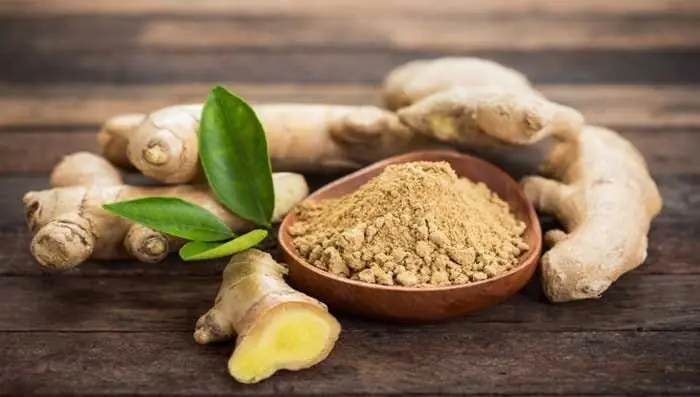
Ginger for hair has been trusted for centuries, from ancient China to Egypt, as a natural way to support growth and scalp health. This humble kitchen spice is rich in antioxidants and anti-inflammatory compounds that calm the scalp, strengthen strands, and help reduce shedding. In this guide you will learn the real benefits and simple, safe ways to use it for visible results.
Reviewed by the BeautynFacts editorial team. Last updated: May 2026.
Ginger was also used by the Egyptians as a natural remedy for hair loss. They would mix ginger with other ingredients such as castor oil to create a hair tonic that would be massaged into the scalp to promote hair growth.
Throughout history, ginger has been used for its medicinal properties in various cultures, including Europe and Africa. In the Caribbean, ginger was used as a natural remedy for dandruff and an itchy scalp.
Today, the use of ginger for hair care continues to be popular as people seek natural and effective ways to improve their hair’s health and appearance. With its antioxidants, anti-inflammatory properties, and essential vitamins and minerals, ginger is a versatile and highly effective ingredient for hair care. Whether used in oil, hair masks, shampoo, or rinse form, ginger remains a popular and effective ingredient for promoting hair growth, improving scalp health, and preventing hair loss.
What are the Benefits of Ginger for Hair?
- Promotes Hair Growth
Ginger is rich in antioxidants, which can help stimulate blood circulation to the scalp. This increased blood flow provides the hair follicles with essential nutrients that promote hair growth. Ginger also contains magnesium, potassium, and vitamins B and C, which are essential for healthy hair.
- Improves Scalp Health
Ginger has anti-inflammatory properties that can help soothe an irritated scalp. An itchy, flaky scalp can be the result of dandruff, fungal infections, or other skin conditions. Ginger can help reduce inflammation and provide relief for an itchy scalp.
- Prevents Hair Loss
Hair loss can be caused by a variety of factors, including genetics, hormonal changes, and stress. Ginger has been shown to help prevent hair loss by improving blood circulation to the scalp and promoting hair growth. Additionally, ginger can help reduce stress levels, which is another common cause of hair loss.
- Adds Shine and Luster to Hair
Ginger contains minerals that can help improve the overall health of your hair, making it look shinier and more lustrous. Ginger can also help protect hair from damage caused by environmental factors such as sun exposure and pollution.
- Treats Dandruff
Dandruff is a common scalp condition that can cause itching, flaking, and redness. Ginger has antifungal properties that can help treat dandruff and other fungal infections that can cause an itchy scalp.
How to Use Ginger for Hair Care
- Ginger Oil
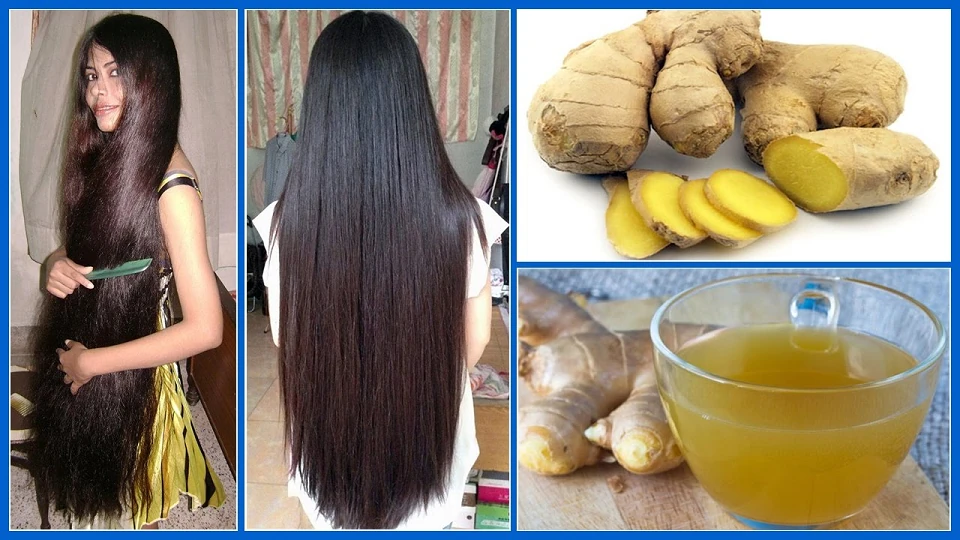
Ginger oil is one of the most effective ways to incorporate ginger into your hair care routine. Ginger oil can be applied directly to the scalp, or you can add a few drops to your favorite shampoo or conditioner. To make ginger oil, simply simmer ginger root in a carrier oil such as coconut oil or olive oil for 30 minutes. Strain the mixture and store the oil in an airtight container.
- Ginger Hair Mask
Ginger can also be used as a hair mask to promote hair growth and improve scalp health. Simply mix grated ginger with honey and coconut oil and apply the mixture to your scalp and hair. Leave the mask on for 30 minutes, then rinse with warm water.
- Ginger Shampoo
You can also purchase ginger shampoos that contain ginger extract or ginger oil. These shampoos can help improve scalp health, prevent hair loss, and add shine and luster to your hair.
- Ginger Rinse
Finally, you can use ginger as a hair rinse to improve the overall health of your hair. Simply boil sliced ginger in water for 30 minutes, then strain the mixture and use it as a final rinse after shampooing.
Ginger is an incredibly versatile and beneficial ingredient that can be used for hair care. Whether you choose to use ginger oil, a hair mask, shampoo, or rinse, incorporating ginger into your hair care routine can help improve scalp health, promote hair growth, and prevent hair loss. So
if you’re looking for a natural way to improve the health and appearance of your hair, give ginger a try. With its antioxidants, anti-inflammatory properties, and essential vitamins and minerals, ginger is a great addition to any hair care routine.
It’s important to note that while ginger is generally safe for most people, it may cause skin irritation or allergic reactions in some individuals. If you have sensitive skin, it’s best to perform a patch test before using ginger on your scalp or hair. Additionally, if you have a medical condition or are taking any medications, it’s always best to consult with a healthcare provider before incorporating ginger into your hair care routine.
In conclusion, ginger can be a highly beneficial ingredient for hair care. Whether you’re looking to promote hair growth, improve scalp health, or simply add shine and luster to your hair, ginger is a great choice. With its natural properties and versatility, ginger is a must-try for anyone looking to improve their hair’s health and appearance.
Frequently Asked Questions About Ginger for Hair
Does ginger really help with hair growth?
Ginger contains compounds that improve scalp circulation, which can support a healthier growth environment, but the evidence for accelerating hair growth beyond your genetic baseline is modest. Some early studies show ginger extracts can stimulate hair follicles, though high-concentration topical ginger can also irritate the scalp in some people. Use diluted preparations and view ginger as supportive scalp care rather than a guaranteed growth booster. For real hair loss concerns, addressing underlying medical or nutritional causes matters far more than topical ginger.
How do you use ginger for hair at home?
Mix one tablespoon of fresh grated ginger juice with two tablespoons of carrier oil like jojoba or coconut. Apply to the scalp, massage for three to five minutes, leave on for thirty minutes, and shampoo out. Use once or twice a week. For dandruff, add one teaspoon of lemon juice. Always patch test on the inner wrist first because ginger can irritate sensitive skin. Stop using if redness, burning, or itching develops within the first two applications.
Can ginger help with dandruff?
Ginger has antifungal and anti-inflammatory properties that can help with mild dandruff. Mix fresh ginger juice with a few drops of tea tree oil in a carrier oil, massage into the scalp, and leave for twenty to thirty minutes before shampooing. Use twice a week alongside a regular dandruff shampoo. Severe seborrheic dermatitis usually needs medicated treatment with ketoconazole or zinc pyrithione rather than ginger alone. Stop if the scalp becomes more irritated, which can happen with high concentrations.
How long does ginger take to show hair results?
Surface improvements like a healthier-looking scalp and softer strands show in three to four weeks of weekly use. Reduced shedding and any growth-supportive effects build over three to four months because hair cycles are slow. Consistent use over six months gives the clearest picture of whether ginger is doing meaningful work for your specific hair. Pair with good nutrition, stress management, and gentle styling for the best overall results. Single applications produce minimal visible change.
Are there any side effects of using ginger on hair?
Ginger can cause scalp irritation, redness, burning, or contact dermatitis in some people, especially when used undiluted or in high concentrations. Patch test on the inner wrist for forty-eight hours before applying to the scalp. Avoid applying to broken skin, scratched scalp, or right after chemical treatments like colouring or perming. Pregnant and breastfeeding people should consult a doctor before using topical ginger extensively. Discontinue use if any irritation develops and rinse thoroughly with cool water.
Can ginger replace other hair growth treatments?
No, ginger should not replace clinically validated hair growth treatments for diagnosed hair loss conditions. Minoxidil, finasteride, low-level laser therapy, platelet-rich plasma treatments, and hair transplant procedures have far stronger evidence for treating androgenetic alopecia and other significant hair loss. Ginger may complement these treatments as gentle scalp support, but it does not substitute for medical intervention when needed. If hair loss is sudden, patchy, or significant, see a dermatologist before committing to natural remedy routines.
RELATED ARTICLES:
Rice Water Magic: Easy Steps to Boost Hair Growth and Reduce Breakage
Glass Hair in 2026: The Products and Techniques for a Frizz-Free, Mirror-Like Finish That Lasts
MOB WIFE HAIR: HOW TO GET THE VOLUMINOUS, LIVED-IN LOOK EVERYONE’S OBSESSING OVER
5 Hair Mistakes While Sleeping
Trim Split Ends Regularly for Healthier, Stronger Hair: The Exact Schedule That Works
About The Author

COMMENTS