
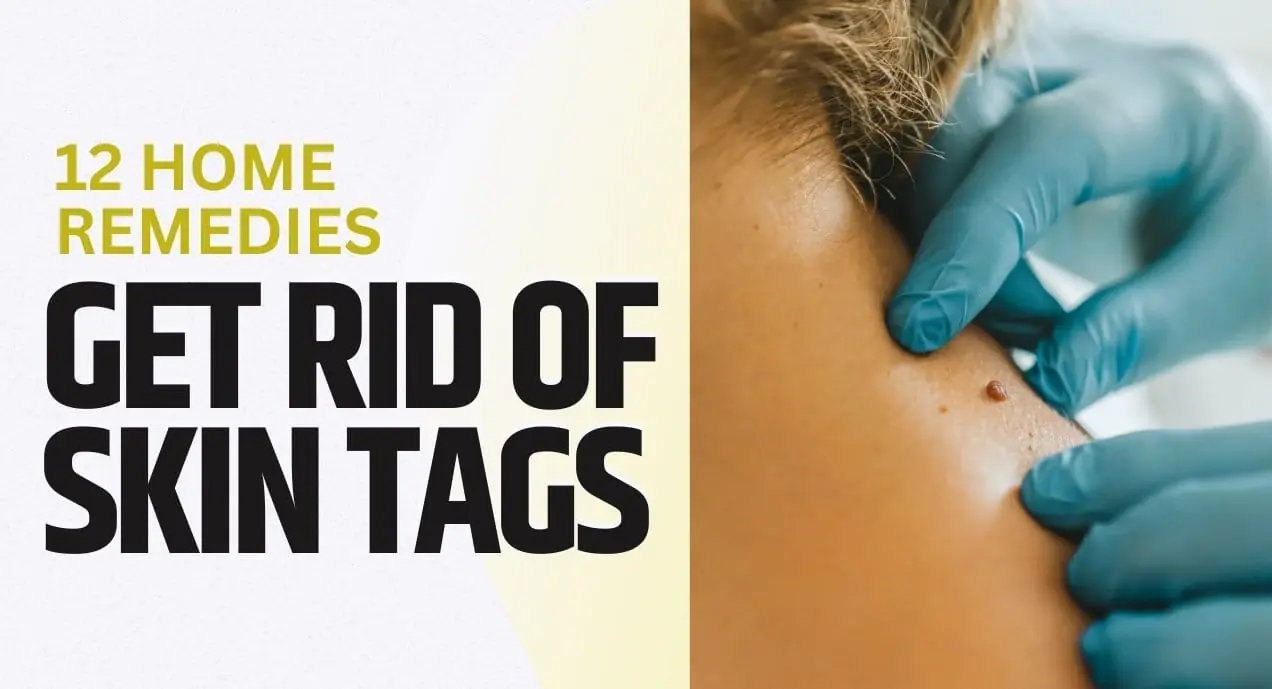
Introduction: Get Rid of Skin Tags Get rid of skin tags safely and you can remove those small, soft growths on your neck, armpits, and eyelids withou
Introduction: Get Rid of Skin Tags
Get rid of skin tags safely and you can remove those small, soft growths on your neck, armpits, and eyelids without risking scars or infection. While skin tags are harmless, many people want them gone, and this guide covers the safe home remedies and over-the-counter products that get rid of skin tags for good.
Skin tags, those small, soft growths that often appear on your neck, armpits, or other areas, might not pose a health threat, but they can be annoying. Whether they’re causing discomfort or simply affecting your confidence, removing them safely is a top priority. Fortunately, you have options, from simple home remedies to over-the-counter (OTC) products designed to help.
This guide will explore 12 proven ways to get rid of skin tags, ensuring your approach is safe and effective. Let’get startedin and find the best solution for you.
Reviewed by the BeautynFacts editorial team. Last updated: May 2026.
What Are Skin Tags?
Skin tags, medically known as ‘acrochordons’, are benign growths made of collagen fibres and blood vessels. They often form where skin rubs against skin or clothing, such as on the neck, underarms, groin, or eyelids.
Causes of Skin Tags
- Friction: Repeated rubbing of the skin.
- Genetics: If your parents had skin tags, you might be more prone to them.
- Hormonal Changes: Pregnancy and weight gain are common triggers.
- Age: Skin tags tend to appear more frequently after age 40.
Though harmless, they can sometimes snag on jewellery or clothing, causing irritation.
Why Remove Skin Tags?
While skin tags don’t usually require removal for medical reasons, there are a few situations where taking action makes sense:
- Cosmetic Reasons: Many people remove skin tags because they’re visible and affect confidence.
- Irritation: If your skin tag gets caught on fabric or jewellery, it can become sore or bleed.
- Medical Concerns: Rarely, a skin tag may be mistaken for another type of growth. In such cases, consult a dermatologist.
Home Remedies to Get Rid of Skin Tags Safely
1. Apple Cider Vinegar
Apple cider vinegar is a popular remedy due to its acidic properties. It can break down the tissue of the skin tag, causing it to fall off naturally.
How to Use:
- Soak a cotton ball in apple cider vinegar.
- Place it on the skin tag and secure it with a bandage.
- Leave it on for 30 minutes, then wash the area with water.
Pre-avoid using this remedy on sensitive areas like the eyelids, as the acidity may cause irritation.
2. Tea Tree Oil
Tea tree oil’s antifungal and antibacterial properties make it a great option for skin tag removal. It dries out the tag, causing it to shrink over time.
How to Use:
- Apply a few drops of tea tree oil to a cotton ball.
- Secure it over the tag with a bandage and leave it overnight.
- Repeat daily until the tag falls off.
Those with sensitive skin should dilute tea tree oil with a carrier oil like coconut oil.
3. Garlic Paste
Garlic is known for its anti-inflammatory and antimicrobial properties, which can help reduce the size of a skin tag.
How to Use:
- Crush a clove of garlic to create a paste.
- Apply it to the skin tag and cover it with a bandage.
- Wash it off in the morning.
Side Effects: Garlic can irritate the skin, so patch-test first to ensure you don’t react.
4. Banana Peel
Surprisingly, banana peel contains enzymes that can help dry out skin tags.
How to Use:
- Cut a small piece of banana peel.
- Place the inner side against the skin tag and secure it with a bandage.
- Leave it overnight.
Effectiveness: It may take a few weeks to see results, but it’s a gentle and natural approach.
5. Castor Oil and Baking Soda Paste
This combination forms a thick paste that can help remove skin tags by breaking down the tissue.
How to Use:
- Mix equal parts castor oil and baking soda to create a paste.
- Apply it to the skin tag and cover it with a bandage.
- Repeat twice daily until the tag falls off.
This method is best for smaller skin tags and areas that aren’t too sensitive.
6. Aloe Vera Gel
Aloe vera is widely known for its soothing and healing properties, making it an excellent choice for skin tag removal. While it won’t dissolve the tag overnight, its consistent use can gradually shrink it.
How to Use:
- Extract fresh aloe vera gel from a leaf or use a store-bought product.
- Massage a small amount onto the skin tag for a few minutes.
- Leave it on without rinsing.
Effectiveness: Regular application can show results in a few weeks. It’s especially helpful if the skin tag is causing irritation or inflammation.
7. Dental Floss or Thread Method
This mechanical method works by cutting off blood flow to the skin tag, causing it to dry up and fall off. It’s simple but requires careful handling to avoid infections.
How to Use:
- Sterilise the area with rubbing alcohol.
- Tie a piece of dental floss or thread tightly around the base of the skin tag.
- Tighten the floss daily until the tag naturally detaches.
Pre
- Avoid this method on sensitive areas like the face or near the eyes.
- Ensure the thread is sterile to minimise the risk of infection.
Over-the-Counter (OTC) Products for Skin Tag Removal
8. Skin Tag Removal Creams
Specialised creams for skin tag removal are available at most pharmacies. These products often work by drying out the tag, leading to its detachment.
How to Use:
- Clean the area around the skin tag thoroughly.
- Apply the cream as directed on the packaging.
- Cover the tag with a bandage to protect the area.
Safety Tips:
- Read the instructions carefully before use.
- Avoid using creams on or near sensitive areas like the eyelids.
9. Freezing Kits (Cryotherapy)
Cryotherapy is a popular and effective OTC solution that involves freezing off the skin tag using a special kit.
How It Works:
- The kit uses liquid nitrogen or another freezing agent to freeze the skin tag, causing it to fall off within a few days.
How to Use:
- Follow the instructions provided with the kit.
- Apply the freezing agent to the skin tag using the applicator.
- Wait for the skin tag to darken and eventually fall off.
Pros and Cons:
- Pros: Fast and effective.
- Cons: May cause temporary redness or swelling.
10. Skin Tag Removal Patches
Skin tag removal patches are a mess-free option for those who want a low-effort method. These adhesive patches are infused with a drying solution that works over time to remove the tag.
How to Use:
- Clean the area around the skin tag.
- Apply the patch directly over the tag.
- Leave it on for the recommended duration (usually a few hours or overnight).
Benefits:
- Easy to use and painless.
- Ideal for small to medium-sized skin tags.
11. Liquid Solutions
Liquid OTC products are another effective way to remove skin tags. These solutions typically contain a combination of salicylic acid or other skin-safe chemicals.
How to Use:
- Clean the skin around the tag.
- Apply the liquid using the provided applicator or a cotton swab.
- Repeat daily until the skin tag falls off.
Pre
- Be careful not to apply the solution to surrounding healthy skin.
- Avoid using on irritated or broken skin.
12. Skin Tag Scissors or Clippers
If you’re comfortable with a more direct method, skin tag scissors or clippers can provide an instant solution. However, this method requires extreme care to avoid injury or infection.
How to Use:
- Sterilise the scissors or clippers with alcohol.
- Numb the area with ice or a numbing cream.
- Cut the skin tag at its base in one quick motion.
Safety Measures:
- Always clean the wound afterwards to prevent infection.
- Avoid this method if you’re squeamish or unsure about proper technique.
Precautions and When to See a Doctor
Safety Tips for Skin Tag Removal
No matter which method you choose, keeping safety in mind is crucial. Follow these tips to avoid complications:
- Cleanliness is key: always sterilise tools or clean the affected area before applying any product or remedy.
- Patch test first: If you’re using a new product or remedy, test it on a small area of skin to ensure you don’t have an allergic reaction.
- Be patient: Some methods, especially natural remedies, can take weeks to show results.
When to Consult a Dermatologist
While most skin tags are harmless, certain situations may require professional attention:
- If the skin tag is large or located in a sensitive area.
- If it changes colour, size, or shape, as this could be a sign of a more serious condition.
- If you experience pain, bleeding, or signs of infection after attempting removal.
Dermatologists can offer safe, effective removal options like surgical excision, cryotherapy, or electrosurgery.
Conclusion
Skin tags may be harmless, but they don’t have to stay forever. Whether you prefer natural remedies like tea tree oil or aloe vera or opt for over-the-counter solutions like freezing kits or removal creams, there’s an option for everyone.
Always prioritise safety, and don’t hesitate to consult a professional if you’re unsure about a particular method. With the right approach, you can say goodbye to skin tags in a safe and effective way.
FAQs
1. Are home remedies for skin tag removal safe?
Yes, most home remedies are safe when used correctly, but always patch-test and follow instructions to avoid irritation.
2. How long does it take for home remedies to work?
It can take anywhere from a few days to several weeks, depending on the size and location of the skin tag.
3. Can skin tags grow back after removal?
While the removed skin tag won’t grow back, new ones can form in the same area if the underlying causes persist.
4. Is it painful to remove skin tags with OTC products?
Most OTC methods are painless or cause minimal discomfort, but follow the product’s guidelines carefully.
5. What’s the best option for sensitive skin?
For sensitive skin, gentle remedies like aloe vera or banana peels are ideal, as they’re less likely to cause irritation.
Frequently Asked Questions About Skin Tags
What causes skin tags?
Skin tags are soft, benign growths of collagen and blood vessels wrapped in skin. They form in areas of friction, like the neck, underarms, eyelids, groin, and under the breasts, which is why they show up more often after weight gain, during pregnancy, or in skin folds. Genetics, insulin resistance, and ageing increase the risk. They are not contagious and they are not a sign of skin cancer. They simply represent a tendency of the skin to form little projections in high-friction zones.
Are skin tags dangerous?
Skin tags are not dangerous. They are benign growths with no risk of becoming cancerous. The reason to see a dermatologist is to confirm a lesion is actually a skin tag rather than a mole, wart, or another growth that mimics one. Skin tags can also become irritated when they catch on jewellery, clothing, or shaving, leading to bleeding or twisting. In those cases, removal is a comfort decision rather than a medical one, and you have several safe options.
What is the safest way to remove a skin tag at home?
Over-the-counter skin tag removal kits using small ligation bands cut off the blood supply over several days, and they are the safest home option for small tags. Avoid string tying, scissor cutting, or apple cider vinegar burns, which can damage surrounding skin, cause infection, and leave scars. Tags near the eyes, on the genitals, or any growth that has changed colour, bled spontaneously, or grown rapidly should be evaluated by a professional rather than treated at home. When in doubt, book a quick dermatology visit.
Will skin tags grow back after removal?
An individual removed skin tag does not grow back, but new tags can form in the same friction zone over time if the underlying causes persist. Weight management, diabetes control, and reducing friction with looser collars and jewellery can lower the frequency of new tags. People who have ever had several skin tags often continue to form them across their lifetime. The good news is that each new one is just as easy to remove as the first.
Can over-the-counter products really remove skin tags?
Yes, modern OTC skin tag removal products are effective for small to medium tags in non-delicate areas. Ligation bands, freezing kits, and topical solutions with low-percentage active ingredients have improved significantly. Ligation works best for stalked tags, freezing handles smaller flat ones, and topicals are slower but useful where bands cannot grip. Read application instructions carefully, do not use multiple methods at once, and stop immediately if you see surrounding redness, pus, or significant pain.
How long does it take to remove a skin tag?
Ligation bands take seven to ten days for the tag to fall off naturally as the blood supply is cut. Cryotherapy or freezing kits usually drop the tag within two weeks, though larger tags may need a second application. Professional dermatology removal by snipping or electrocautery is immediate, with surface healing in five to seven days. Topical solutions are the slowest, often needing three to four weeks of daily application. Whatever method, never pull a partially detached tag off prematurely.
RELATED ARTICLES:
How to Make Homemade Face Scrubs Safely: 6 Gentle, Skin-Type Recipes
For the ultimate skin exfoliation, try homemade sugar scrubs
How do you do microneedling at home without damaging your skin?
Say Goodbye to Wrinkles and Acne Scars with Safe Microneedling at Home
PDRN Skincare: The K‑Beauty Ingredient That Went From Clinics to Your Vanity
About The Author

COMMENTS