
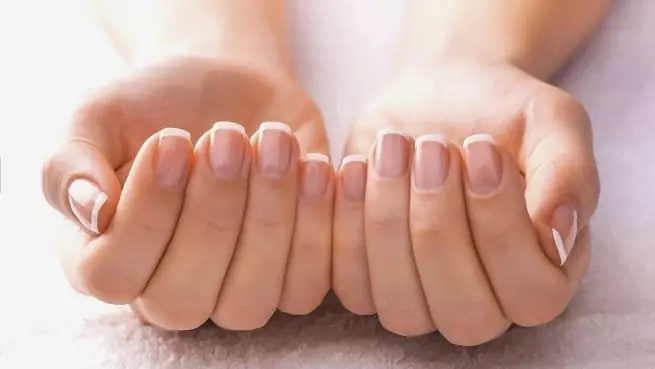
Brittle nails that peel, split, crack, or snap at the slightest bump are telling you something inside or around your body needs attention. Weak nails
Brittle nails that peel, split, crack, or snap at the slightest bump are telling you something inside or around your body needs attention. Weak nails can point to nutrient gaps, hormonal shifts, dehydration, or damage from cleaning products and gel manicures. The good news is that nails renew every six months, so real change is possible. This guide covers the science of keratin, the foods and supplements that work, and the daily routines that rebuild strength.
This complete guide breaks down exactly how to fix brittle nails at the root, not just mask the damage with another coat of hardener. You will learn the science behind keratin, the foods and supplements that genuinely work, the salon habits that quietly destroy your nails, and the exact daily and weekly routines that build thicker, stronger plates. Every recommendation is grounded in dermatology research and practical experience, so you can stop guessing and start seeing results within one growth cycle.
Understanding Brittle Nails: The Science Behind Weak, Splitting Plates
Reviewed by the BeautynFacts editorial team. Last updated: May 2026.
Before you can fix brittle nails, you need to understand what a nail actually is and why it behaves the way it does. Most weak nail problems stem from a mismatch between the structure of the nail plate and the environment you put it through every day. Once you see how that mismatch happens, the solutions become obvious.
What Keratin Really Does in Your Nails
Your nail plate is built from tightly packed layers of a hard protein called keratin. Unlike the soft keratin in your skin, nail keratin is rich in sulfur bonds that lock fibers together into a dense, flexible shield. These bonds give nails both rigidity and a small amount of bend, which is why a healthy nail can tap a keyboard all day without cracking. When keratin production slows or the bonds between layers weaken, the plate starts to delaminate, and you see the classic peeling or flaking that defines brittle nails.
Keratin synthesis depends on a steady supply of amino acids, minerals, and water. The matrix, the tissue under your cuticle where new nail cells form, is metabolically demanding. If your body is short on raw materials, it prioritizes vital organs first and your nails last. That biological ranking explains why nails often suffer before any other symptom appears when nutrition falters.
Onychoschizia and Onychorrhexis Explained
Dermatologists use two specific terms for brittle nails. Onychoschizia refers to horizontal splitting, where the free edge peels apart into thin sheets. Onychorrhexis refers to vertical ridging and lengthwise splits that travel down the plate. Many people have a mix of both, and each pattern points to different underlying causes. Onychoschizia is usually linked to repeated wet and dry cycles, while onychorrhexis often signals age-related changes, thyroid issues, or long-term nutritional shortages.
Recognizing which pattern you have helps you target the right fix. If your nails peel in layers after doing dishes, the issue is environmental. If they develop deep vertical grooves that did not exist five years ago, it may be time to look inward at hormones, iron stores, and hydration.
The Wet and Dry Cycle That Destroys Nails
Water is the hidden enemy of brittle nails. Every time your nails get wet, they absorb moisture and expand slightly. When they dry, they contract. Repeating this cycle many times a day, which happens with dishwashing, frequent hand washing, swimming, and showering, creates microscopic stress fractures between keratin layers. Over weeks, those fractures add up to visible peeling.
Soaps and surfactants make the damage worse by stripping the natural lipids that seal the nail plate. This is why hospital workers, hairdressers, bartenders, and parents of young children so often struggle with chronically weak nails. The fix is not less hand washing. It is smarter aftercare, which we will cover in detail.
The Root Causes of Brittle Nails You Need to Address
Weak nails rarely have a single cause. They usually result from several small factors stacking up over months or years. Identifying yours is the first real step toward a permanent fix.
Age, Hormones, and Menopause
Nails change as estrogen levels shift. In your twenties and thirties, nails tend to grow fast and thick. From perimenopause onward, estrogen decline reduces natural oil production in the nail bed and slows keratin turnover. The result is thinner, drier, more ridged nails that chip easily. Pregnancy creates the opposite effect for many women, with higher estrogen driving thick, fast-growing nails that sometimes revert to brittle after delivery as hormones rebalance.
Thyroid function matters just as much. Both an underactive and overactive thyroid disrupt nail growth. Hypothyroidism slows everything down, leaving nails dry, brittle, and slow to grow. Hyperthyroidism can cause nails to lift from the bed, a condition called onycholysis. If your brittle nails appeared alongside fatigue, weight changes, or temperature sensitivity, ask your doctor for a full thyroid panel.
Nutritional Deficiencies That Weaken Nail Structure
Your nails need specific nutrients to build strong keratin. Biotin supports the enzymes that weave keratin fibers together, and studies show that 2.5 milligrams daily for six months can measurably thicken nails in people with brittle plates. Iron deficiency is another major culprit, often producing spoon-shaped nails called koilonychia along with pale, fragile tips. Low zinc leaves white spots and slows healing of hangnails.
Protein intake matters too. Because keratin is a protein, chronic under-eating or very low protein diets deprive the matrix of the amino acids it needs. Cysteine, methionine, and arginine are especially important for sulfur bond formation. Vitamin D, magnesium, and omega-3 fatty acids round out the list of nutrients that consistently show up in research on nail health.
Chemical Exposure and Salon Damage
Acetone-based polish removers, gel polish, dip powders, and acrylics are the fastest way to weaken nails. Acetone dissolves the oils that keep the plate flexible. Gel and acrylic application involves roughening the surface with a buffer, which removes protective top layers of keratin. Removal often involves soaking in acetone for twenty minutes, which dehydrates the plate deeply. Many women who get regular gel manicures develop thin, flaky nails within a year.
Cleaning products compound the problem. Bleach, ammonia, oven cleaners, and dishwashing detergents break keratin bonds on contact. Even a few minutes of daily exposure without gloves can undo weeks of careful nail care. Hair dye, hand sanitizer, and certain medications add another layer of chemical stress that quietly accumulates.
How to Diagnose the Real Reason Your Nails Are Brittle
Treating brittle nails without knowing the cause is like pouring water into a bucket with a hole. You need to pinpoint what is draining your nail strength before any treatment will stick.
Self-Examination at Home
Start with a clean, polish-free assessment. Look at your nails in natural light and note every detail. Are they peeling at the tip, splitting down the middle, or developing vertical ridges? Is only one nail affected, or all ten? Do they bend before they break, or snap cleanly? Each clue points in a different direction. Bendy, thin nails suggest dehydration or low protein. Hard but splitting nails suggest surface damage. Yellowing or thickening points toward fungal infection.
Track changes over four weeks with weekly photos. Nails grow about three millimeters per month, so you can watch how a new section emerges from the cuticle. If the new growth looks strong while the tip is brittle, the damage is historical and your current routine is working. If the new growth also looks thin, the problem is ongoing.
When to See a Dermatologist
Certain signs warrant professional evaluation. Sudden changes in nail color, dark stripes running lengthwise, pitting in the nail surface, separation from the nail bed, or pain and swelling around the cuticle all need medical attention. These can indicate psoriasis, lichen planus, fungal infection, or in rare cases, melanoma of the nail.
A dermatologist can perform a KOH test to rule out fungus, a nail clipping biopsy to check for inflammatory disease, and a detailed physical exam to identify patterns you might miss. They can also prescribe stronger treatments than anything available at the drugstore.
Blood Tests That Reveal Hidden Causes
If home strategies are not producing results after three months, ask for targeted lab work. A complete blood count checks for anemia. Ferritin reveals iron stores, which can be low even when hemoglobin looks normal. A thyroid panel with TSH, free T3, and free T4 catches thyroid imbalance. Vitamin D, zinc, and B12 levels often surprise people who thought their diet was adequate.
These tests give you a baseline and help you target supplementation instead of guessing. Correcting a real deficiency produces dramatic nail improvement within one growth cycle, usually around four to six months.
The Daily Nail Care Routine That Actually Builds Strength
Consistent daily habits matter more than any single product. A smart routine takes less than five minutes and creates the conditions your matrix needs to build thicker, stronger plates.
Cleansing Without Stripping
Switch to a gentle, pH-balanced hand wash that lists glycerin or a similar humectant in the first five ingredients. Avoid antibacterial soaps for daily use unless medically necessary, because their surfactants are harsher. Always dry your hands thoroughly, including under the free edge of each nail, since trapped water keeps the wet-dry cycle running even after you leave the sink.
When you can, use lukewarm water instead of hot. Hot water accelerates lipid loss from the nail plate and surrounding skin. After any prolonged water exposure, apply oil within sixty seconds while the nails are still slightly damp, which traps hydration inside the plate.
The Right Way to Moisturize Nails
Nails need two types of moisture: water for the plate and oil to seal it in. Hand cream alone is not enough. You need a dedicated cuticle oil with small molecules that can penetrate between keratin layers. Jojoba oil is the gold standard because its structure closely matches human sebum. Squalane, almond oil, and argan oil also work well.
Apply a single drop to each cuticle at least twice daily, and massage it into the nail plate and surrounding skin for ten seconds per finger. The massage increases blood flow to the matrix, which accelerates growth. Keep a small bottle in your bag, at your desk, and on your bedside table so the habit becomes automatic.
Filing and Shaping Without Damage
Metal nail files and coarse emery boards cause microscopic tears that propagate into splits. Switch to a fine-grit glass or crystal file, which seals the edge as it shapes. Always file in one direction, not back and forth, because sawing motion lifts keratin layers apart.
Keep nails slightly rounded or squoval rather than sharply pointed. Points concentrate stress at a single spot, making chips far more likely. Shorter nails almost always survive better than long ones during the recovery period, so resist the urge to grow them out before they are strong enough to support the length.
Nutrition for Nails: What to Eat for Visible Results
You cannot out-moisturize a poor diet. The foundation of strong nails is built in the kitchen, one meal at a time. Aim to hit these nutrient targets consistently for at least three months before judging results.
Protein and Amino Acids
Target at least 0.8 grams of protein per kilogram of body weight daily, and push toward 1.2 grams if you exercise regularly. Eggs are a perfect nail food because they contain biotin, sulfur amino acids, and high-quality protein in one package. Salmon, sardines, chicken, Greek yogurt, lentils, tofu, and quinoa round out the rotation.
Sulfur-rich foods deserve special attention because sulfur bonds give keratin its strength. Garlic, onions, broccoli, cabbage, kale, and Brussels sprouts all deliver bioavailable sulfur compounds. Including these vegetables daily is one of the simplest shifts you can make for visibly harder nails within a growth cycle.
Vitamins and Minerals That Matter Most
Biotin, also called vitamin B7, is the most researched nutrient for nail strength. Eggs, almonds, sweet potatoes, and sunflower seeds are natural sources. Iron shows up best in red meat, spinach, lentils, and pumpkin seeds, and pairs better with vitamin C for absorption. Zinc comes from oysters, beef, chickpeas, and cashews.
Vitamin D quietly influences nail matrix activity, and most adults in northern climates are deficient during winter. Fatty fish, fortified dairy, and twenty minutes of midday sun exposure help. Omega-3 fatty acids from salmon, walnuts, flaxseed, and chia keep the nail bed supple and reduce inflammation that can slow growth.
Hydration and the Foods That Hold Water
Drinking water helps, but so does eating it. Cucumber, watermelon, celery, lettuce, and berries are over ninety percent water and come packaged with the electrolytes that help cells actually retain moisture. Aim for half your body weight in ounces of fluid daily as a baseline, then adjust up if you exercise, live in a hot climate, or drink caffeine and alcohol, which increase fluid needs.
Chronic mild dehydration shows up in nails before anywhere else. If your cuticles are constantly tight and peeling, your whole body is running drier than it should.
Supplements That Work and Ones to Skip
The supplement aisle is full of products that promise stronger nails. Some deliver. Many waste your money. Here is what the research actually supports.
Biotin: The One Supplement With Solid Evidence
Multiple clinical studies dating back to the 1990s show that 2.5 milligrams of biotin daily improves nail thickness by about twenty-five percent in people with brittle nails. Results take three to six months because the supplement can only help new growth. Biotin is water-soluble and generally safe, though very high doses can interfere with thyroid blood tests, so pause supplementation for three days before labs.
Biotin works best when your diet already contains adequate protein, because it is a cofactor in protein metabolism. Taking biotin alongside a low-protein diet produces disappointing results.
Collagen, Silica, and Keratin Powders
Hydrolyzed collagen peptides have growing research support, with one study showing a twelve percent increase in nail growth and a forty-two percent decrease in breakage after twenty-four weeks of daily supplementation. Silica, found in horsetail extract and bamboo, contributes to connective tissue health, though human nail-specific research is thinner. Keratin supplements are less proven because oral keratin is digested into amino acids, which you can get more cheaply from protein-rich food.
If you try these, give each one at least three months before judging. Nail changes are slow by biology, not by marketing.
What to Avoid
Mega-dose multivitamins, especially those with high vitamin A, can paradoxically worsen nail health. Selenium toxicity from excess supplementation causes nails to crumble and fall off. Be skeptical of any product promising results in two weeks, because nails simply do not grow that fast. Focus on food first, add biotin and collagen if you like, and skip the rest.
Salon Smarts: Navigating Polish, Gels, and Treatments
Manicures do not have to wreck your nails. The trick is knowing which services preserve strength and which quietly strip it away.
Regular Polish Done Right
Traditional polish is the most nail-friendly option when applied correctly. Start with a clean, dry nail, apply a strengthening base coat, two thin color coats, and a top coat. Allow proper dry time between layers to prevent peeling. Choose polishes labeled three-free, five-free, or seven-free, which exclude the harshest solvents like toluene and formaldehyde.
Remove polish with acetone-free remover when possible. When you must use acetone, soak a cotton pad, press it onto the nail for ten seconds, then wipe gently. Never scrape. Follow every removal with cuticle oil and a rich hand cream, and give your nails a two-day break before reapplying polish.
The Truth About Gel and Dip Manicures
Gel polish lasts two to three weeks because it bonds aggressively to the nail plate under UV light. The same quality that gives it longevity also makes removal damaging. Proper removal requires twenty minutes of acetone soaking, and even then, residue often gets scraped off, taking real layers of nail with it. Dip powder is similar, often worse, because the application buffs deep into the plate.
If you love gel, take breaks. Do three months on, three months off, and use the break to rebuild strength. Never peel or pick off gel polish, because that single action can remove a third of your nail thickness in seconds. Find a technician who files gently, uses a gentle LED lamp, and soaks rather than scrapes.
Strengtheners, Hardeners, and Bonding Agents
Nail strengtheners split into two camps: hydrating and hardening. Hydrating strengtheners contain proteins, vitamins, and moisturizing agents that genuinely improve flexible strength. Hardening strengtheners often contain formaldehyde or formalin, which temporarily cross-link keratin but can cause the plate to become brittle and eventually detach from the bed with overuse.
Use hardeners sparingly, if at all, and for short periods. Hydrating strengtheners with ingredients like hydrolyzed keratin, panthenol, and garlic extract are safer for long-term use.
Lifestyle Shifts That Protect Your Nails Long Term
Nail care extends far beyond your bathroom counter. The way you wash dishes, sleep, exercise, and handle stress all influence how your nails look six months from now.
Glove Up for Water and Chemicals
Buy three pairs of gloves and station them where you need them. Waterproof gloves with cotton liners go by the kitchen sink for dishwashing. Nitrile gloves belong in the cleaning caddy for bathroom and kitchen chemicals. Warm gloves with thinsulate lining go by the front door for winter walks and gardening. Using gloves consistently is probably the single highest-impact change you can make.
The cotton lining matters because pure rubber traps sweat, which turns the gloves into a wet chamber that negates the protection. Cotton absorbs moisture and keeps your nails dry. Replace liners when they start to smell or feel damp.
Sleep, Stress, and Nail Growth
Nails grow fastest while you sleep because growth hormone peaks during deep sleep stages. Chronic sleep deprivation slows matrix activity. Aim for seven to nine hours consistently, and keep a bottle of cuticle oil on your nightstand so overnight oil application becomes part of your wind-down routine.
Chronic stress releases cortisol, which interferes with nutrient absorption and can trigger habits like nail biting and cuticle picking. If you find yourself damaging your nails unconsciously during stressful moments, keep your nails slightly glossy with a clear top coat, which many people find less appealing to chew on.
Smoking, Alcohol, and Circulation
Smoking restricts blood flow to the extremities, which means less oxygen and fewer nutrients reach the nail matrix. Smokers often have yellowed, slow-growing, brittle nails that do not respond well to topical care. Quitting produces visible nail improvement within a few months as circulation rebounds.
Heavy alcohol use dehydrates the body and depletes B vitamins, zinc, and magnesium, all of which nails need. Keeping alcohol to moderate levels, which means up to one drink daily for women, protects both the nail matrix and the skin around it.
Weekly, Monthly, and Seasonal Nail Strengthening Rituals
Daily care lays the foundation. Periodic deeper treatments build on it, giving your nails the extra support they need to recover from heavier damage and seasonal changes.
The Weekly Oil Soak
Once a week, warm a quarter cup of jojoba or olive oil in the microwave for ten seconds until it feels comfortably warm. Soak your fingertips for ten minutes while watching something relaxing. The warm oil penetrates deeper than room-temperature application, replenishing lipids between keratin layers. Follow with a gentle cuticle push using a wooden stick, never cut cuticles.
Some people add a few drops of vitamin E oil or tea tree oil to the soak. Vitamin E supports keratin production. Tea tree offers mild antimicrobial protection, useful if you are prone to hangnail infections or fungal issues.
Monthly Deep Conditioning Mask
Once a month, make a nail mask by combining one mashed avocado, one tablespoon of honey, one egg yolk, and one teaspoon of olive oil. Coat your nails and the skin around them, cover with disposable gloves, and leave on for twenty minutes. The fats, proteins, and humectants deliver intense nourishment that rebuilds damaged plates.
This ritual is especially useful after removing gel polish or recovering from an illness or stressful period when your nails took a hit. Think of it as a reset button you can press whenever your nails need extra help.
Seasonal Adjustments
Winter demands extra effort because indoor heating creates desert-level humidity that sucks moisture from nails. Run a humidifier in your bedroom, double your cuticle oil frequency, and keep hand cream in every coat pocket. Summer brings its own challenges with sun exposure, chlorine, and saltwater, all of which dry nails. Rinse hands with fresh water after swimming and reapply oil.
Spring and fall are the best times to reset nail health. Many women schedule their gel break during these seasons, giving nails two months of pure recovery before the next round of holiday or summer manicures.
Frequently Asked Questions About Brittle Nails
How long does it take to fix brittle nails?
Nails grow approximately three millimeters per month, and a full nail replaces itself every four to six months. Any real fix needs at least one complete growth cycle to show final results, though you should see new growth looking healthier within four to eight weeks if your changes are working. Toenails grow slower, taking nine to twelve months for complete replacement. Consistency is the most important factor. People who follow a good routine for three weeks and quit rarely see change, while those who stay with it for six months almost always do.
Are biotin supplements safe to take long term?
Biotin is water-soluble, so your body excretes excess amounts rather than storing them. At the typical dose of 2.5 to 5 milligrams daily, biotin has an excellent safety record with decades of use. The main caution involves blood tests. High biotin levels can skew results for thyroid hormones, troponin, and other biomarkers, leading to false readings. Tell your doctor you take biotin, and stop it for at least three days before any lab work. Pregnant or breastfeeding women should speak with their physician before starting, though the vitamin is generally considered safe during pregnancy.
Can brittle nails indicate a serious health problem?
Brittle nails alone are usually not serious. However, when combined with other symptoms, they can signal conditions worth investigating. Iron deficiency anemia, hypothyroidism, and hyperthyroidism commonly present with weak nails. Psoriasis and eczema affect the nail matrix in some people. In rare cases, dark vertical stripes on a nail can indicate melanoma, which requires immediate dermatologic evaluation. If your nails changed suddenly, affect only one finger, or come with fatigue, hair loss, unexplained weight changes, or skin symptoms, schedule a medical visit rather than relying solely on topical care.
Do I need to stop wearing nail polish to fix brittle nails?
You do not need to stop entirely, but you do need to change how you approach polish. Traditional polish applied with a good base coat and removed gently causes minimal damage. The real culprits are gel, dip, and acrylic, along with acetone soaking and peeling. If you want to keep wearing polish during recovery, stick to regular formulas, use acetone-free remover, and take two or three polish-free days between manicures so your nails can breathe and receive cuticle oil directly. Many women find that switching to clear strengthening polish gives them the glossy finished look they love without color and without heavy damage.
Why do my nails peel even though I eat well and moisturize?
If your diet and topical care seem solid but peeling persists, three likely culprits remain. First, the wet and dry cycle may still be overwhelming your defenses, especially if you wash hands frequently or do dishes without gloves. Second, a hidden nutritional shortage like low ferritin, vitamin D, or zinc may be quietly undermining keratin production despite a generally good diet. Third, overuse of hand sanitizer, which is mostly alcohol, dehydrates nails with every use. Track your exposures for a week, request targeted blood work, and add gloves for all wet tasks. Most stubborn peeling resolves once these three areas are addressed together.
Your Path Forward to Stronger Nails
Fixing brittle nails is less about finding one miracle product and more about stacking small, consistent habits that support keratin from the inside and protect the plate from the outside. Your nails grow a full new layer every four to six months, which means every week you invest in better care shows up visibly within a season.
Start with the highest-impact changes first. Put gloves by every sink and cleaning supply, swap your metal file for a glass one, and keep cuticle oil at your desk, your bedside, and in your bag. Evaluate your diet for protein, iron, biotin, and hydration, and consider a simple biotin and collagen supplement if your food cannot cover the gap. Take a honest look at your manicure habits and decide whether you need a gel break to let your nails rebuild.
Photograph your nails today in natural light, then again in one month, two months, and six months. That visual record will show you exactly what is working and keep you motivated through the slow weeks. Nails reward patience like few other parts of the body. Give yours the foundation they need, protect them from the small daily assaults that add up, and you will find that the brittle, peeling plates you once accepted as normal are simply a memory of a less informed version of your routine. Strong, flexible, beautiful nails are not a lottery. They are a result, and now you know how to produce it.
RELATED ARTICLES:
How to Care for Your Nails in Winter: Tips for Healthy, Beautiful Nails During the Cold Months
Trendy Wedding Nails 2026: The Ultimate Guide to Fashionable Bridal Manicures
The Influence of Celebrity Nail Trends: Uncovering the Power of A-List Manicures
10 Nail Care Tips for Stronger, Longer, and Healthier Nails!
10 Ways to Make Your Nails Stronger & Healthier
About The Author

COMMENTS