


Discover the science-backed differences between bakuchiol and retinol. Learn which plant-based anti-aging ingredient is right for your skin type and how to use each effectively.
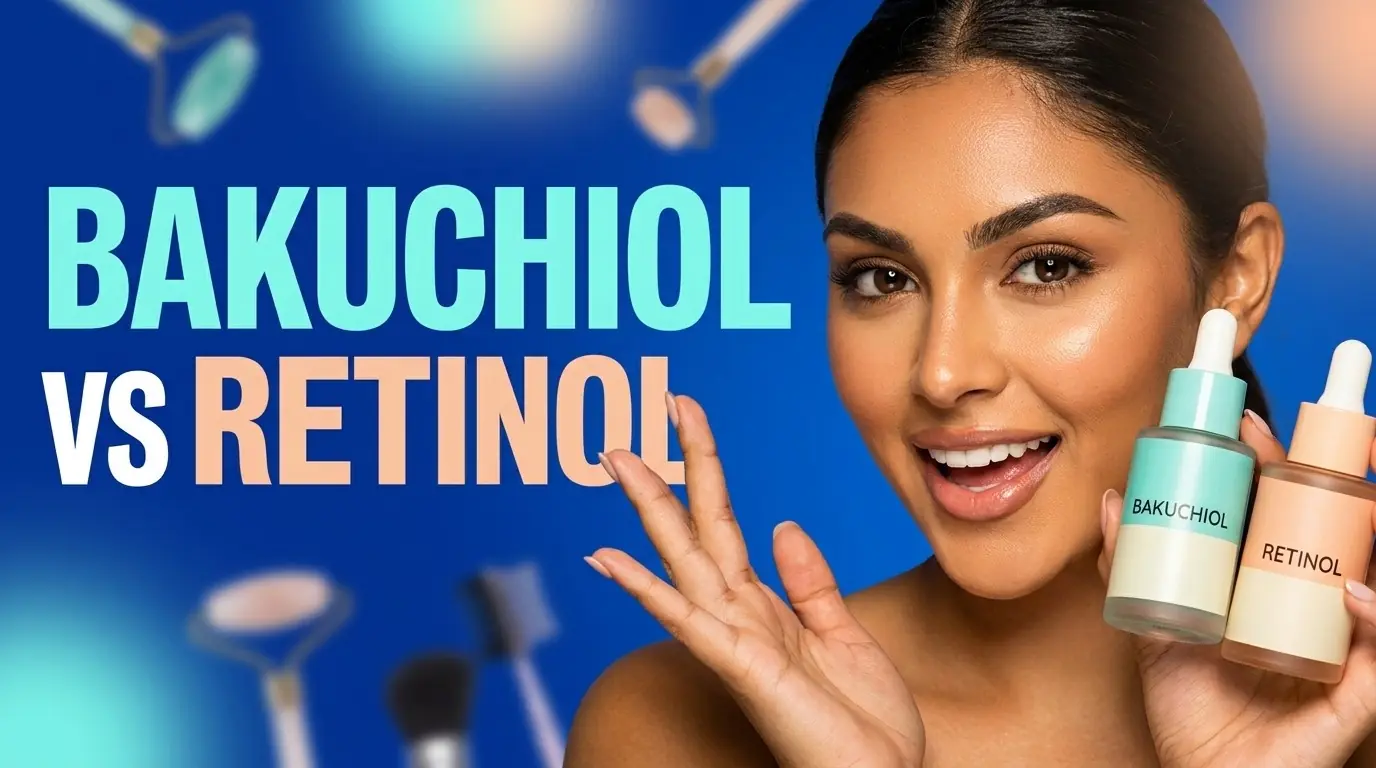
Bakuchiol vs Retinol: The Plant-Based Anti-Ageing Showdown: The debate around bakuchiol vs retinol has become one of the most talked-about conversations in modern skincare. As more people search for effective yet gentle anti-ageing solutions, two ingredients have emerged as the frontrunners: retinol, the gold-standard vitamin A derivative that has dominated dermatology for decades, and bakuchiol, the plant-based newcomer gaining serious scientific credibility. Whether you are navigating sensitive skin, pregnancy, or simply looking to upgrade your routine, understanding how these two ingredients compare is essential before making any decision about your skin.
This guide breaks down everything you need to know, from the molecular science to real-world application, so you can confidently choose the right anti-ageing ingredient for your unique skin goals. We cover efficacy, tolerability, who should use each one, and how to get the best results from either path.
What is retinol and how does it work?
Retinol has been a cornerstone of anti-ageing skincare since the 1970s, when researchers began documenting its remarkable effects on skin texture and tone. It belongs to the retinoid family, which includes all derivatives of vitamin A. Retinol itself is a milder, over-the-counter form of retinoic acid, the prescription-strength version used in clinical settings.
When you apply retinol to your skin, it does not work immediately. The molecule must first be converted by skin enzymes into retinaldehyde, then into retinoic acid, the active form that actually communicates with your skin cells. This multi-step conversion is why over-the-counter retinol is gentler than prescription retinoic acid, but it also means results take longer to appear.
Published · Updated
Studies published in peer-reviewed dermatology journals have shown that consistent retinol use over 12 weeks or more produces measurable reductions in fine lines, improved skin texture, reduced hyperpigmentation, and a more even skin tone. It also has well-documented benefits for acne-prone skin, as it prevents pores from becoming clogged by regulating cell turnover inside the follicle.
The Retinol Adjustment Period
One of the most important things to understand about retinol is the so-called “retinol uglies”, the temporary adjustment period that many users experience in the first few weeks of use. During this phase, skin may become red, flaky, dry, or more sensitive to the sun. This reaction is not an allergic response but rather the skin adapting to an accelerated turnover rate.
Most dermatologists recommend starting with the lowest concentration available, typically 0.025% to 0.1%, and applying it just two to three nights per week before gradually increasing frequency. Pairing retinol with a good moisturiser and daily SPF is non-negotiable during this period.
What Is Bakuchiol, and Where Does It Come From?
Bakuchiol is a meroterpene phenol found primarily in the seeds and leaves of the Psoralea corylifolia plant, commonly known as babchi. This plant has been used for centuries in Ayurvedic and traditional Chinese medicine to treat a range of skin conditions, including vitiligo, eczema, and inflammation. However, it was not until the 2000s and 2010s that scientists began isolating bakuchiol and studying its specific effects on skin aging at the molecular level.
Despite being completely different in chemical structure from retinol, bakuchiol has demonstrated a remarkable ability to produce similar biological outcomes. This is what makes it so scientifically interesting and why the bakuchiol vs retinol conversation has gained such traction in both dermatology circles and the wider skincare community.
The Science Behind Bakuchiol’s Retinol-Like Effects
In 2014, a landmark study published in the International Journal of Cosmetic Science found that bakuchiol activates retinol-like signalling pathways without binding to the same receptors as retinoids. It upregulates genes associated with collagen synthesis, including types I, III, and IV collagen, similar to the gene expression changes seen with retinol. It also reduces the activity of matrix metalloproteinases (MMPs), the enzymes that degrade collagen.
A pivotal 2019 double-blind clinical trial published in the British Journal of Dermatology compared 0.5% bakuchiol applied twice daily with 0.5% retinol applied once daily. After 12 weeks, both groups showed comparable improvements in fine lines, wrinkles, pigmentation, elasticity, and firmness. Critically, the bakuchiol group reported significantly fewer side effects, including scaling, dryness, and stinging.
Bakuchiol’s Additional Skin Benefits
Beyond its retinol-like effects, bakuchiol brings additional biological activity to the table. It has demonstrated antioxidant properties, meaning it helps neutralise free radicals that contribute to photoaging. It also exhibits anti-inflammatory activity, which is one reason it is far better tolerated than retinol on sensitive and reactive skin types.
Some research suggests bakuchiol may also have antibacterial properties, making it potentially useful for acne-prone skin without the dryness that can accompany retinol use. These multi-pronged benefits make bakuchiol more than just a retinol substitute. It brings its own unique contributions to a comprehensive skincare approach.
Bakuchiol vs Retinol: A Head-to-Head Comparison of Efficacy
When comparing these two ingredients on the basis of raw efficacy, retinol has the advantage of a larger and longer body of clinical evidence behind it. Decades of research spanning everything from photodamage reversal to acne treatment have established retinol as one of the most comprehensively studied topical skincare ingredients in existence. Regulatory bodies and dermatologists widely recognize it as an effective anti-ageing agent.
Bakuchiol, while newer to the research scene, is catching up quickly. The 2019 British Journal of Dermatology trial remains the most cited head-to-head study, and its conclusion that bakuchiol performed comparably to retinol over a 12-week period has been influential in reshaping how dermatologists view plant-based alternatives.
Speed of Results
Retinol generally delivers faster results for users who can tolerate it without significant irritation, particularly at higher concentrations. Users often notice improvements in skin texture within four to six weeks and more significant changes to fine lines and pigmentation by the three-month mark. At higher prescription-strength concentrations, these timelines can be compressed further.
Bakuchiol may take slightly longer to show results at the same concentration levels, though this varies significantly by individual. Some users report visible improvements in skin glow and tone within the first month. For fine lines and deeper wrinkles, a consistent three- to six-month routine is generally recommended before drawing conclusions.
Long-Term Anti-Aging Benefits
Both ingredients address the same fundamental mechanisms of skin aging: declining collagen production, increased collagen breakdown, slowing cell turnover, and oxidative damage from environmental stressors. The long-term clinical picture for retinol is well-established through multi-year studies. Long-term data on bakuchiol is still accumulating, though the molecular evidence supporting sustained benefits is strong.
It is worth noting that because bakuchiol is tolerated twice daily versus retinol’s typical once-daily (or less frequent) use, the cumulative exposure and therefore potential cumulative benefit from bakuchiol may be higher in practice for many users, particularly those who struggle to maintain a consistent retinol routine due to irritation.
Side Effects and Tolerability: Where Bakuchiol Has a Clear Edge
This is the category where the distinction between bakuchiol vs retinol becomes most practically significant for everyday skincare. Retinol’s effectiveness comes with a well-known trade-off: it is irritating for a substantial percentage of users. The irritation is particularly pronounced in the first several weeks of use and can persist indefinitely at higher concentrations.
Common retinol side effects include skin dryness, peeling, redness, stinging or burning sensations, and increased photosensitivity. For people with conditions like rosacea, eczema, or perioral dermatitis, retinol can be difficult or even impossible to use comfortably even at the lowest concentrations.
Bakuchiol’s Tolerability Profile
Bakuchiol’s tolerability advantage is not anecdotal. The 2019 clinical study specifically measured patient-reported side effects and found that participants using bakuchiol reported significantly fewer complaints of scaling and stinging compared to those using retinol. This is consistent with bakuchiol’s anti-inflammatory mechanism of action, which effectively counteracts the irritation that would normally accompany its skin-renewing activity.
Users with rosacea, sensitive skin, dry skin, or reactive skin types who have historically been unable to use retinol are often able to tolerate bakuchiol well. This opens up the anti-ageing benefits of retinol-like activity to a much broader population.
Sun Sensitivity Considerations
Retinol increases photosensitivity, which is why most recommendations advise using it only at night. Daytime use without adequate sun protection significantly increases the risk of sunburn and UV-induced damage. Bakuchiol, in contrast, is photostable and can be used both morning and evening without increasing sun sensitivity. This flexibility is a practical advantage for people who prefer a streamlined routine or want to incorporate an active ingredient into their morning regimen.
Who Should Use Retinol?
Retinol remains an excellent choice for a specific group of skincare users. Understanding who is best positioned to benefit from retinol helps clarify why it continues to be a clinical gold standard despite the emergence of gentler alternatives.
Retinol is best suited for people with normal to oily skin who do not have significant skin sensitivity or conditions like rosacea. It is particularly well-suited for those dealing with acne alongside aging concerns, as its dual mechanism addresses both issues effectively. People who have used retinol before and have developed tolerance over time can continue benefiting from progressively higher concentrations.
Ideal Candidates for Retinol
- Adults in their 30s or older who want to address early- to moderate signs of aging
- Those with oily or combination skin that can handle increased cell turnover without excessive dryness
- Individuals managing both acne and fine lines simultaneously
- People who have previously used retinoids and built up tolerance
- Those committed to consistent nightly use and daily SPF protection
When to Avoid Retinol
Retinol should be avoided during pregnancy and breastfeeding, as vitamin A derivatives are associated with potential foetal harm in high doses. This applies to all retinoid forms, including over-the-counter retinol. People with eczema, psoriasis, or extremely compromised skin barriers may find retinol exacerbates their conditions. Anyone undergoing certain medical treatments, particularly those that increase photosensitivity, should consult with a healthcare provider before adding retinol to their routine.
Who Should Use Bakuchiol?
Bakuchiol’s combination of retinol-like efficacy with significantly improved tolerability makes it the right choice for a wide range of people, including some who have been historically excluded from retinoid-based skincare.
Pregnant and breastfeeding individuals can use bakuchiol as a plant-derived alternative to retinol, though consulting a healthcare provider is always advisable when pregnant. People with sensitive, dry, or reactive skin types who have previously experienced irritation with retinol often find that bakuchiol delivers meaningful anti-ageing results without the discomfort. Bakuchiol is also an excellent option for those new to anti-ageing actives who want to start with something effective but forgiving.
Ideal Candidates for Bakuchiol
- People with sensitive, reactive, or rosacea-prone skin
- Pregnant or breastfeeding individuals seeking retinol alternatives
- Beginners to anti-aging skincare who want to start gently
- Those who want the option to use an active ingredient morning and evening
- Anyone who has experienced significant irritation from past retinol use
- People with dry skin who want anti-aging benefits without added dryness
Bakuchiol for Mature Skin
For those in their 50s, 60s, and beyond, whose skin barrier tends to be more compromised and whose skin may be drier and thinner than in earlier years, bakuchiol offers an appealing combination of effectiveness and gentleness. Mature skin is often less resilient in the face of retinol’s irritating effects, and bakuchiol allows continued active anti-ageing support without stressing a skin barrier that may already be struggling.
How to Use Retinol Correctly for Maximum Results
Getting the best results from retinol requires a methodical approach. Jumping in at a high concentration or frequency is one of the most common reasons people give up on retinol prematurely. A strategic, patient approach allows your skin to build tolerance and deliver consistent long-term benefits.
Starting Your Retinol Routine
Begin with the lowest available concentration, typically 0.025% to 0.1%. Apply a pea-sized amount to clean, completely dry skin two to three nights per week. Applying to damp skin increases absorption and the likelihood of irritation, so wait at least 10 to 15 minutes after washing your face before applying. Follow immediately with a nourishing moisturiser to support the skin barrier.
After four to six weeks of tolerating this frequency well, increase to every other night. After another four to six weeks, progress to nightly use if your skin is handling it comfortably. From there, you can experiment with moving to a slightly higher concentration, always following the same gradual approach.
The Sandwich Method
The sandwich method is a popular technique for those with sensitive skin who want to use retinol. Apply a lightweight moisturiser first, wait a few minutes, apply your retinol, then top with another layer of moisturiser. This dilutes the direct contact of retinol with bare skin, reducing irritation while still allowing the active ingredient to penetrate and work.
Essential Pairing Ingredients
- SPF 30 or higher every morning without exception
- A ceramide-rich or hyaluronic acid moisturizer to support barrier function
- Avoid pairing retinol on the same night as strong exfoliants (AHAs, BHAs) until you have established tolerance
- Avoid mixing retinol with vitamin C in the same application, as the pH mismatch can reduce efficacy
How to Use Bakuchiol Correctly for Maximum Results
One of the most appreciated aspects of bakuchiol is its flexibility. Unlike retinol, it does not require a lengthy adjustment period, does not demand a specific nighttime-only schedule, and can be layered more freely with other ingredients. This makes building an effective bakuchiol routine considerably more straightforward.
Starting Your Bakuchiol Routine
Bakuchiol can typically be used twice daily, morning and evening, right from the start. Most studies have used concentrations between 0.5% and 1%, and clinical evidence suggests these concentrations are both effective and well-tolerated. Apply after cleansing and any water-based serums but before heavier moisturisers and oils, following the general principle of thinnest to thickest consistency.
Because bakuchiol is oil-soluble, it is often formulated in face oils, balms, or richer serums. This makes it particularly well-suited for dry and mature skin types who benefit from additional lipid support. Even in these richer formulations, it pairs well with most other skincare actives.
Combining Bakuchiol With Other Actives
Bakuchiol’s anti-inflammatory nature means it can often be combined with actives that would normally conflict with retinol. Some skincare routines incorporate bakuchiol alongside vitamin C for a comprehensive antioxidant and anti-ageing effect. It also pairs well with niacinamide for enhanced brightening, with AHAs for combined exfoliation and collagen support, and with peptides for a multi-pathway approach to fine lines.
The flexibility of bakuchiol as a team player in a broader skincare regimen is one of its most underappreciated advantages.
Can You Use Bakuchiol and Retinol Together?
A question that comes up frequently in the bakuchiol vs retinol conversation is whether the two ingredients can be used together or should be used separately. The answer is yes, with some important nuances.
Some skincare formulators and dermatologists suggest that combining bakuchiol and retinol may enhance the effectiveness of each while allowing a lower retinol concentration to be used. Because bakuchiol has its own anti-inflammatory activity, it may help buffer some of the irritation caused by retinol when the two are used together. Some formulations have begun combining both ingredients for this synergistic reason.
How to Layer Them in a Routine
If you want to use both, a common approach is to use bakuchiol in the morning routine and retinol in the evening routine. This way you get the anti-ageing benefit of retinol’s more potent receptor activity at night while benefiting from bakuchiol’s antioxidant and collagen-supporting properties during the day. Alternatively, some people use a combination formula at night and rest their skin on alternate evenings.
If you are sensitive to retinol, adding bakuchiol to your routine may allow you to use retinol at a lower concentration or less frequently while still maintaining meaningful anti-ageing progress through bakuchiol’s complementary action.
When Combining May Not Be Necessary
For those whose skin tolerates retinol well and who are seeing good results, adding bakuchiol may be redundant from a strictly practical standpoint. Similarly, those who are using bakuchiol because retinol does not agree with their skin will likely get sufficient benefit from bakuchiol alone without needing to reintroduce the ingredient that caused problems. The combination approach is most relevant for those in the middle ground: interested in maximising results, able to tolerate low-dose retinol, but wanting to extend those benefits or reduce irritation.
Bakuchiol vs Retinol for Specific Skin Concerns
Different skin concerns may favour one ingredient over the other. While both address the foundational processes of skin aging, their mechanisms and tolerability profiles make them better suited to different presentations of skin concerns.
Fine Lines and Wrinkles
Both bakuchiol and retinol are effective for fine lines and wrinkles. Retinol has a longer track record and may produce faster results at equivalent concentrations. Bakuchiol, used twice daily at 0.5%, produced comparable wrinkle reduction to once-daily 0.5% retinol in the key 2019 trial. For fine lines around the eyes, where skin is thinner and more reactive, bakuchiol is often the gentler and therefore more practical choice.
Hyperpigmentation and Uneven Skin Tone
Retinol has strong evidence for reducing hyperpigmentation through accelerated cell turnover, which helps shed pigmented cells faster and disrupts the transfer of melanin to skin cells. Bakuchiol also demonstrated measurable improvements in pigmentation in clinical studies. For melasma or stubborn post-inflammatory hyperpigmentation, retinol combined with other brightening ingredients may offer a stronger approach, though bakuchiol’s anti-inflammatory action can be beneficial for inflammation-driven pigmentation.
Acne and Breakouts
Retinol has a clear advantage for acne-prone skin, with decades of evidence supporting its use in normalising follicular keratinisation, a key driver of acne formation. Bakuchiol’s antibacterial and anti-inflammatory properties offer some benefit for acne, but the evidence base here is less robust. For those dealing with both acne and aging concerns, retinol remains the more targeted choice if their skin can tolerate it.
Skin Texture and Radiance
Both ingredients improve skin texture and overall radiance through their shared pathway of supporting collagen synthesis and cell renewal. Many bakuchiol users specifically report a glow and smoothness improvement that appears early in their routines. Retinol users frequently report similar texture improvements once they have moved past the initial adjustment period.
The Role of Concentration and Formulation Quality
Whether you choose bakuchiol, retinol, or both, the concentration of the active ingredient and the quality of the formulation around it matter enormously to your results. A poorly formulated product with the right active ingredient can underperform relative to a well-formulated product with a similar or even lower concentration.
For retinol, stability is a key concern. Retinol is notoriously sensitive to light, air, and heat. It degrades when exposed to these elements, meaning a poorly packaged or stored product may deliver very little active retinol to your skin even if the label claims a meaningful concentration. Look for opaque, airtight packaging and short ingredient lists where retinol appears relatively high up.
Formulation Considerations for Bakuchiol
Bakuchiol is more stable than retinol, which gives it an advantage from a formulation standpoint. It does not degrade as rapidly with light exposure, which is part of why it can be used in daytime products without the same concerns. However, as with all active ingredients, the surrounding formulation, including the pH, carrier ingredients, and preservative system, affects how the ingredient performs on skin.
Higher concentrations do not always mean better results. Skin can only absorb and utilise so much of an active ingredient at one time. Formulations with additional skin-supporting ingredients like ceramides, niacinamide, or peptides often produce better overall results than simple, high-concentration single-ingredient solutions because they address multiple skin needs simultaneously.
Sustainability and Ethical Considerations
As consumers increasingly factor environmental and ethical concerns into their purchasing decisions, the sourcing and sustainability of skincare ingredients have become relevant considerations. Bakuchiol, as a plant-derived ingredient, often appeals to those seeking more natural or ethically sourced options.
The Psoralea corylifolia plant from which bakuchiol is derived grows primarily in South Asia and China. Responsible sourcing ensures that harvesting does not deplete wild populations and that farming practices are sustainable. As demand for bakuchiol has grown, the industry has responded with more attention to sourcing transparency.
Retinol, as a synthetic derivative of vitamin A, does not carry the same sustainability concerns around plant harvesting. Its production is well-established and consistent. Neither ingredient is inherently more or less ethical, but for consumers who prioritise plant-derived ingredients as part of a broader philosophy, bakuchiol aligns naturally with that value system without compromising on efficacy.
Frequently Asked Questions
Is bakuchiol actually as effective as retinol for anti-ageing?
Clinical evidence, most notably a 2019 double-blind trial published in the British Journal of Dermatology, found that bakuchiol used twice daily at 0.5% produced comparable improvements in fine lines, wrinkles, pigmentation, elasticity, and firmness to retinol used once daily at 0.5% over 12 weeks. Bakuchiol is genuinely effective, though the overall body of research behind retinol is larger due to its longer history. For many skin types and aging concerns, bakuchiol delivers meaningful, comparable results with significantly fewer side effects.
Can I use bakuchiol if I am pregnant?
Bakuchiol is widely recommended as a safer alternative to retinol during pregnancy, as it is plant-derived and does not carry the same potential risks associated with vitamin A derivatives. Retinol and all retinoids are contraindicated during pregnancy due to concerns about foetal development at high doses. Most dermatologists consider bakuchiol to be a reasonable option for pregnant individuals seeking anti-ageing benefits, though it is always best practice to consult with your obstetrician or dermatologist before adding any new skincare active during pregnancy.
How long does it take to see results from bakuchiol?
Most users begin noticing improvements in skin glow, texture, and overall radiance within four to six weeks of consistent twice-daily bakuchiol use. More significant improvements in fine lines, pigmentation, and firmness typically become visible after eight to twelve weeks of regular use. Individual results vary based on skin type, concentration used, product formulation, and other factors in your skincare routine. Consistency is key: using bakuchiol irregularly will significantly delay visible results.
What is the main difference between bakuchiol and retinol?
The most important differences are chemical structure, tolerability, and usage guidelines. Retinol is a vitamin A derivative that works by binding to specific nuclear receptors in skin cells. Bakuchiol is a plant-derived meroterpene phenol that activates similar gene expression pathways through a different mechanism, without binding to the same retinoid receptors. The practical result is that bakuchiol produces retinol-like effects with significantly less irritation, does not increase sun sensitivity, and can be used morning and evening without the same risk of side effects. Retinol has a longer evidence base and may produce faster results at equivalent concentrations for skin that tolerates it.
Can I combine bakuchiol and retinol in the same routine?
Yes, combining them is generally considered safe and may offer synergistic benefits. Using bakuchiol in the morning and retinol in the evening is a common approach that maximises anti-ageing activity throughout the day. Some evidence suggests bakuchiol’s anti-inflammatory properties may help buffer retinol’s irritating effects when both are used, potentially allowing retinol to be used at a lower concentration or higher frequency than would otherwise be tolerable. If you are new to retinol, establishing tolerance first before adding bakuchiol to the mix makes the process easier to troubleshoot.
Does bakuchiol work for acne as well as retinol?
Retinol has a significantly stronger evidence base for acne treatment due to its well-documented ability to normalise the cell turnover inside follicles that drives acne formation. Bakuchiol does have antibacterial and anti-inflammatory properties that may contribute to clearer skin, and many acne-prone users report improvements with regular use. However, for those whose primary concern is active acne rather than aging, retinol (or prescription-strength retinoids) remains the more clinically supported option if the skin can tolerate it. For acne combined with sensitivity, bakuchiol may offer a gentler, supportive approach worth exploring.
Conclusion
The bakuchiol vs retinol conversation does not have a single winner because the right choice depends entirely on who is using it and why. Retinol remains one of the most rigorously studied and clinically validated anti-ageing ingredients available without a prescription. Its ability to accelerate cell turnover, stimulate collagen production, and address multiple skin concerns from aging to acne makes it a powerful and versatile tool for those whose skin can handle it.
Bakuchiol, however, has moved far beyond being a mere trend or compromise option. It is a scientifically validated, plant-derived ingredient that activates similar biological pathways to retinol while delivering a dramatically improved tolerability profile. Its ability to be used twice daily, morning and evening, without increasing sun sensitivity or causing the peeling and irritation associated with retinol, makes it not just an alternative but in many situations a genuinely superior choice for a broad range of skin types and life stages.
For those with sensitive, reactive, dry, or mature skin, pregnant or breastfeeding individuals, and anyone who has previously struggled with retinol, bakuchiol represents a significant advancement in accessible anti-ageing skincare. For those with resilient skin types who have successfully integrated retinol into their routines, there is no compelling reason to switch, though adding bakuchiol as a daytime complement could extend their anti-ageing investment throughout the full 24-hour cycle.
The most empowering takeaway is this: you have options, and those options are backed by real science. Whether you choose retinol, bakuchiol, or a thoughtful combination of both, consistent and informed use of either ingredient can meaningfully support healthier, younger-looking skin over time. Understand your skin, know your goals, and let the evidence guide your decision rather than marketing alone.
RELATED ARTICLES:
Retinal vs Retinol in 2025: The Fastest Path to Results for Your Skincare Goals
Quick and Tangy ‘Retinol Salad’ Will Boost Collagen and Reverse Skin Aging
Retinol Decoded: The Essential Guide to the Anti-Aging Powerhouse Ingredient
7 tropical fruits, flowers and plants with benefits for the skin
Unveiling the Secret to Radiance: Tamarind Extract in Skincare
About The Author

COMMENTS